
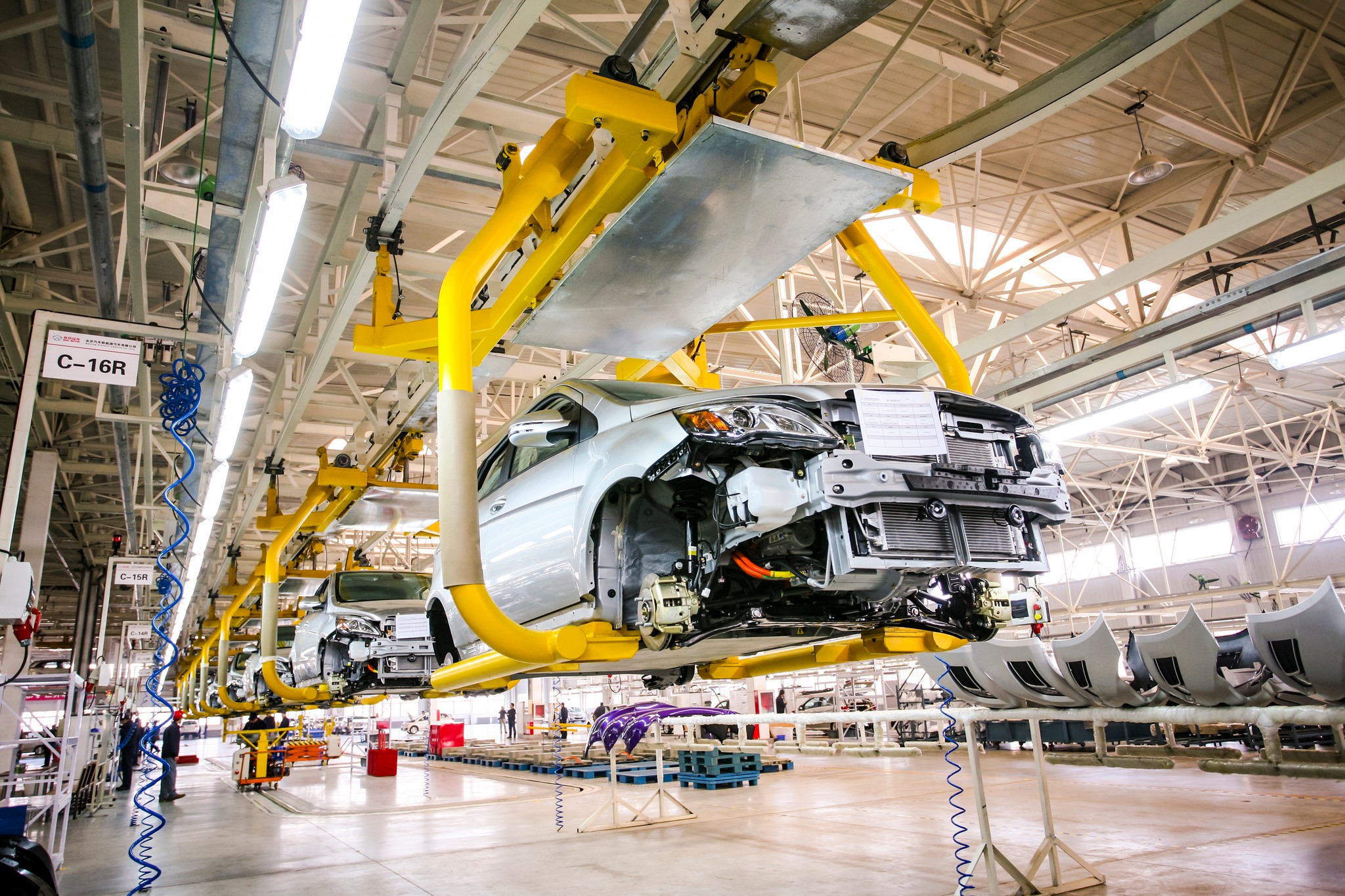
Dear Readers, Pakistan’s long-term economic stability is deeply tied to one critical equation: localization leads to industrialization, and industrialization fuels SME growth.
Across the world, successful developing economies have demonstrated that Small and Medium Enterprises (SMEs) are the backbone of sustainable growth — contributing significantly to GDP, employment generation, and domestic value addition.
Globally, SMEs account for over 90% of businesses and nearly 50% of employment. In Pakistan, SMEs contribute approximately 40% to GDP and employ nearly 80% of the non-agricultural workforce. Despite this strong foundation, their true potential remains underutilized due to structural inefficiencies and policy gaps.
Recognizing the urgency, the government has begun focusing on SME development, particularly in light of rising import bills and mounting pressure on foreign exchange reserves. Pakistan’s imports consistently range between $50–55 billion annually, while exports struggle to surpass $30 billion. This imbalance underscores the urgent need to strengthen domestic manufacturing and reduce dependency on imported goods.
However, several systemic challenges continue to hinder SME-led industrialization.
One of the most critical issues is the imported brand culture. There exists a deep-rooted perception that imported products are superior in quality, even in sectors where local alternatives are available. This mindset drives unnecessary imports and discourages domestic production. Countries such as South Korea and China overcame similar challenges by promoting local brands alongside strict quality improvements and national pride campaigns. Pakistan must adopt a similar approach to shift consumer behaviour toward “Made in Pakistan.”
Another major barrier is limited access to finance. SME lending in Pakistan accounts for less than 10% of total private sector credit, significantly lower than the 20–30% observed in regional economies. Without affordable financing, SMEs cannot invest in technology, scale production, or compete globally. The solution lies in introducing blended financing models, including public credit guarantees, venture capital support, and fintech-driven lending platforms. Additionally, tax incentives and simplified compliance procedures can ease the financial burden.
The digital transformation gap is another pressing concern. Many SMEs, particularly in traditional sectors, remain disconnected from digital ecosystems. Integrating SMEs into digital supply chains can enhance transparency, reduce operational costs, and open access to international markets. Digital platforms can also bridge the gap between manufacturers and consumers, enabling direct market access and improved competitiveness.
Regulatory and administrative barriers further complicate growth. Complex procedures, excessive documentation, and overlapping compliance requirements discourage entrepreneurship. Simplifying these processes, along with ensuring at least 10% SME participation in public procurement, can create immediate demand for local products. Moreover, easing audit requirements for smaller SMEs can significantly reduce operational stress.
Looking ahead, green industrialization and cluster development must become central to policy planning. Around the world, governments are linking industrial incentives with environmental performance and sustainability goals. Pakistan can adopt this model by establishing industrial clusters, shared manufacturing facilities, and plug-and-play zones under public-private partnerships. Such initiatives will reduce capital costs and allow SMEs to scale efficiently.
Equally important is the promotion of technology transfer and joint ventures. A dedicated Technology Transfer Support Scheme should be introduced to facilitate partnerships between Pakistani manufacturers and global firms. This initiative can include financial incentives, matching grants, and policy facilitation for technical agreements. Local industries are ready to collaborate, and with proper government support, structured B2B engagements can connect Pakistani firms with international partners, enabling knowledge transfer and localization of advanced components.
To sustain industrial growth, Pakistan must also introduce long-term financing facilities tailored to sectors like auto parts manufacturing. Access to single-digit interest rates with extended tenures of up to 10 years will allow businesses to invest in modern machinery, tooling, and automation — essential for meeting global standards.
Furthermore, export-oriented cluster development can position Pakistan in niche global markets such as automotive aftermarket parts, EV components, and precision engineering. With shared infrastructure, testing facilities, and export facilitation, these clusters can significantly enhance competitiveness and export volumes.
The Way Forward
Localization is not just an industrial policy — it is a national economic necessity. Strengthening SMEs through targeted financing, regulatory reforms, digital integration, and industrial clustering will reduce imports, boost exports, and generate large-scale employment.
If implemented effectively, SME-driven industrialization can transform Pakistan from an import-dependent economy into a production and export-oriented nation. This shift is essential not only for economic resilience but also for securing a sustainable and prosperous future.
By @mashood-khan, published in Automark’s April-2026 edition.
Director – Mehran Commercial Enterprises
Expert Auto Sector / Former Chairman PAAPAM / Director – SMEDA