
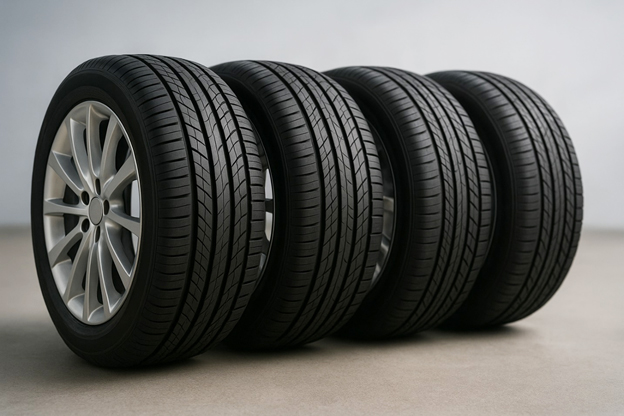
Choosing the right car tyres can be one of the most important decisions for your vehicle’s performance, comfort, and safety. Whether you drive a luxury sedan or a budget-friendly daily commuter, neglected or poorly chosen tyres can damage your car and seriously put lives at risk. If you often wonder “What car tyres do I need?” or “How do I choose the best tyres for my car?”, this guide will help you make a smart, informed decision.
Begin with the Manufacturer’s Recommended Tyre Size
The first and most crucial point of selection while choosing tires is by confirming the proper size of the tire for your car. Since there is no universal size for tires, you need to stick with what the car manufacturer specified.
You can find your tyre size in three places:
- On the sidewall of your existing tyre
- On the sticker inside the driver or passenger door
- Consult the vehicle owner’s manual
- A typical tyre size looks like this: 255/55 R17 72H Here’s what it means:
- 255 – Tyre width in millimeters
- 55 – Aspect ratio (sidewall height as a percentage of width)
- R – Radial construction
- 17 – Wheel diameter in inches
- 72 – Load index (maximum weight capacity)
- H – Speed rating
A mere deviation of 10mm from the recommended width can affect suspension, fuel economy, and safety. Wider tyres may look attractive, yet in most instances, they overwork the suspension, diminish comfort, and increase running costs, especially for underpowered cars.
Understand Load Index and Special Tyre Markings
The load index is the load-carrying capacity of a tyre. For instance, a load index of 72 equates to the tyre being able to support 355 kg at maximum inflation.
For electric and hybrid vehicles, tyres with HL (High Load) specifications are being used more and more. These tyres support heavier vehicle weight without changing tyre size. You can identify them by the “HL” prefix on the sidewall.
Also, some manufacturers use OE tyres, those specially designed and approved for specific brands like Audi, BMW, or Mercedes. If your car came with OE-marked tyres originally, then normally replacing those with similarly marked ones is usually recommended.
Choose Tyres Based on Climate Conditions
Weather plays a major role in tyre performance.
- Summer tyres: Best for regions where temperatures remain above 7°C.
- Winter tyres: for areas with snow, ice, and prolonged cold weather
- All-season tires work for moderate climates, usually those with mild winters with minimal snow.
Winter tyres in hot weather result in too much noise, wearing, and poor fuel economy, so selection should be based on the prevailing climate.
Match Tyres to Your Driving Style
Your driving habits count for more than you think.
For a comfortable, quiet ride:
Go for touring tyres designed for low noise on the road and smooth performance; these normally have lower speed ratings such as S, T, or H.
For sporty handling and cornering:
High-performance tyres have a sharper steering response and better grip at higher speeds; however, they provide a firmer ride.
Always ensure the speed rating is never lower than the manufacturer’s recommendation.
Check Brand Reputation and Manufacturing Date
You don’t have to be a tyre expert; just choosing a reputable brand is enough. Popular options include Michelin, Continental, Yokohama, Dunlop, Hankook, Kumho, and General Tyres. Always research the specific series and reviews, not just the brand name.
Equally important is the date of manufacturing, given in a four-digit code, such as 1221 for week 12 of 2021. Old tyres dry out, crack, lose air, and may even burst irrespective of the depth of their treads. Avoid tyres older than five years and buy only from trusted dealers to prevent fraud.
Final Thoughts
The best car tyres aren’t the most expensive but those that fit the specifications of your car, climate, road conditions, and driving manner. Avoid extreme modifications with extra-wide or very low-profile tyres unless it’s a car made to take them. In the long run, the right tyres will give you better safety, comfort, fuel efficiency, and peace of mind.