
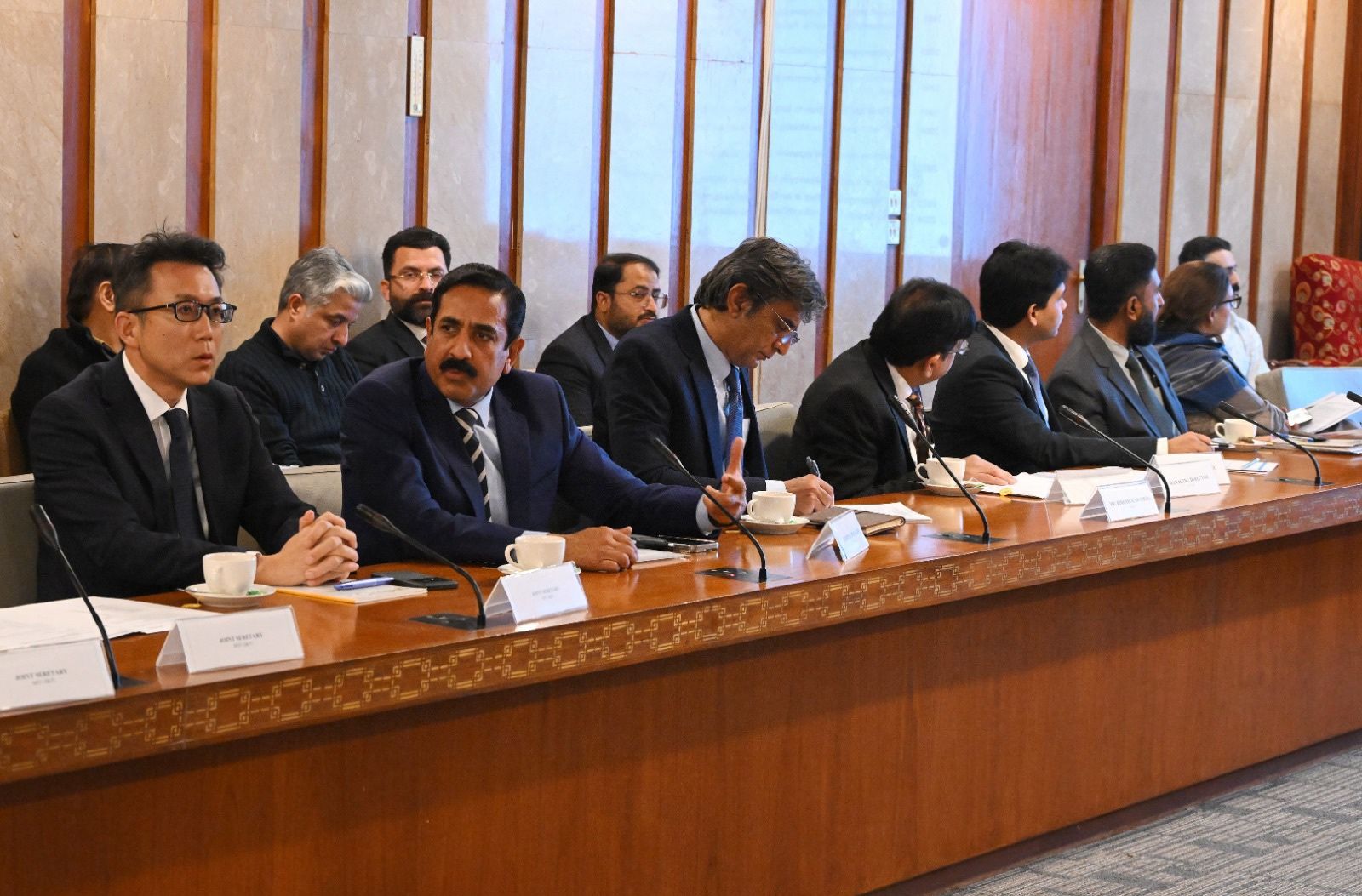
Pakistan’s automotive sector is set for a potential major expansion as Japan advances plans for a large-scale auto investment initiative expected to generate more than 100,000 direct and indirect jobs while significantly boosting local manufacturing and supplier development.
According to industry sources, the proposed framework places strong emphasis on increasing localisation of automotive components to as much as 60 percent — a move that could transform Pakistan’s domestic auto parts industry and strengthen the country’s manufacturing base. The plan is also expected to expand Japan’s industrial footprint across vehicle production, engineering, logistics, and vendor development.
Major Boost for Local Suppliers
The localisation push is being viewed as one of the most impactful elements of the initiative. By encouraging domestic production of parts and components, the plan is expected to create new opportunities for local manufacturers, engineering companies, and small-to-medium enterprises involved in the automotive supply chain.
Industry stakeholders believe the move could reduce reliance on imported components while helping Pakistani suppliers integrate into global automotive production networks through technology partnerships and quality upgrades.
Focus on Modern Manufacturing Standards
As part of the expansion, both sides are reportedly exploring the implementation of globally recognized Japanese manufacturing methodologies such as Kaizen and 5S workplace systems, aimed at improving efficiency, safety, and operational discipline across production facilities.
The introduction of these systems is expected to modernize Pakistan’s automotive manufacturing environment, promote continuous improvement, and raise overall product quality to international standards.
Green and Hybrid Technology Alignment
The initiative is also aligned with global automotive trends, with a focus on environmentally sustainable mobility solutions, including hybrid and green vehicle technologies. Industry analysts note that incorporating such technologies could help Pakistan keep pace with evolving global markets while improving fuel efficiency and environmental performance.
Experts believe that early adoption of hybrid platforms may serve as a transitional step toward broader electrification strategies in the future, positioning Pakistan’s industry within the global shift toward cleaner mobility solutions.
Economic Impact and Workforce Development
The projected employment generation — estimated at more than 100,000 jobs — is expected to extend beyond direct manufacturing roles to include opportunities in logistics, training, engineering services, vendor networks, and technology integration.
In addition, workforce training and knowledge transfer programs are anticipated to play a key role in preparing Pakistan’s young labor force for advanced manufacturing environments, particularly in automation, quality management, and sustainable production practices.
Policy Stability Remains Key
While the announcement has generated optimism within the automotive sector, industry observers emphasize that long-term policy stability, consistent industrial regulations, and infrastructure readiness will be essential to ensure successful implementation of the mega investment.
Analysts note that predictable taxation frameworks, energy reliability, and government-industry collaboration will be critical factors in attracting sustained foreign investment and ensuring the long-term viability of new manufacturing operations.
Industry Awaits Formal Announcements
Although detailed timelines and company-specific announcements are yet to be formally disclosed, the potential scale of the investment is already being viewed as one of the most significant developments in Pakistan’s automotive landscape in recent years.
If realized, the initiative could mark a major step toward transforming Pakistan into a more competitive regional automotive manufacturing hub — driven by localisation, advanced production systems, and alignment with global green mobility trends.