
Pakistan’s automotive landscape could be on the verge of a major shift as the Chief Executive Officer of the Engineering Development Board, Hammad Mansoor, has indicated that a fully electric “Made-in-Pakistan” car priced at around Rs1 million may enter the market by June 2026.
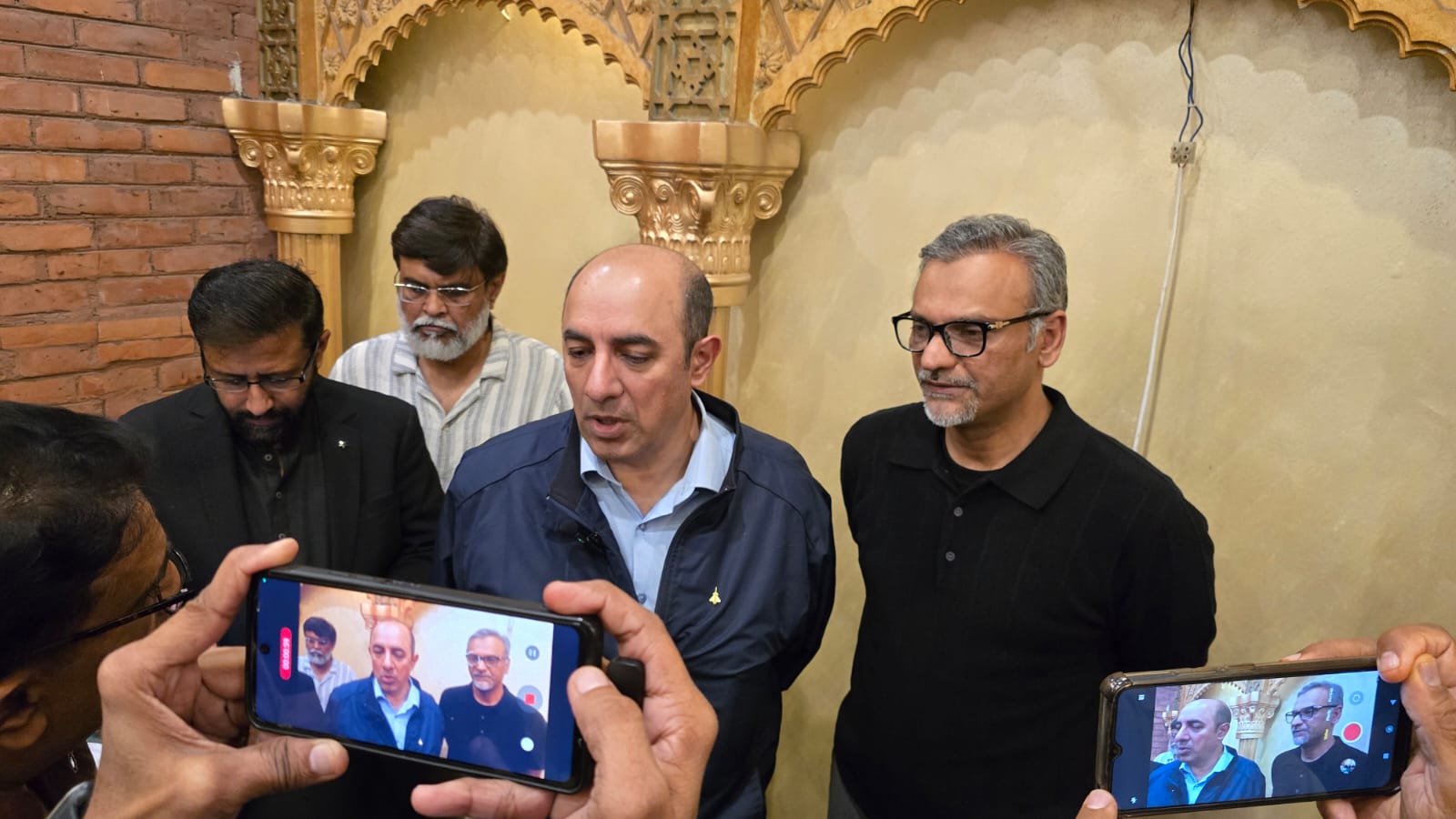
Speaking to journalists at an Iftar dinner, the EDB chief made a striking claim that such an affordable electric vehicle could soon become a reality, potentially opening the door for a new segment of cost-effective mobility in Pakistan.
A Potential Game-Changer for the Market
The announcement comes at a time when the prices of two-wheelers, conventional vehicles, and electric cars have risen significantly, putting vehicle ownership out of reach for many consumers. A locally manufactured electric vehicle priced near Rs1 million could therefore represent a major breakthrough in accessibility and affordability.
If realised, it would likely become the lowest-priced electric car in the country, creating opportunities for a broader shift toward electrified mobility.
Possible Tax Relief in Upcoming Budget
During the interaction, the EDB chief also hinted that the upcoming federal budget may bring significant reductions in vehicle-related taxes, which could further support the growth of the auto sector.
According to him, such policy adjustments could make hybrid, electric, and conventional vehicles more affordable, while encouraging greater competition within the industry.
The move is expected to align with the government’s broader efforts to promote local manufacturing and technological development in Pakistan’s engineering and automotive sectors.
Increasing Competition in the Auto Industry
Another notable point raised during the discussion was the possibility that the longstanding dominance of a few large automobile companies in Pakistan may gradually diminish.
With new manufacturers entering the market and localisation efforts gaining momentum, the EDB believes vehicle prices could decline significantly. Mansoor suggested that car prices could potentially fall by as much as Rs2.5 million as production volumes increase and local component manufacturing expands.
This shift could lead to a more competitive environment where new entrants challenge traditional industry leaders.
Localisation to Play a Key Role
The affordability of a Rs1 million EV would largely depend on local production of components, particularly batteries and electronic systems, which account for a substantial portion of EV costs.
Greater localisation would not only reduce import dependency but also strengthen Pakistan’s engineering ecosystem by encouraging domestic manufacturing of critical components.
A Vision Yet to Be Realised
While the announcement has generated significant interest, further details about the vehicle—such as its manufacturer, specifications, range, and production plans—have yet to be disclosed.
Industry observers note that achieving a Rs1 million price point would require innovative design, strong localisation, and supportive government policies.
Nevertheless, if such a vehicle successfully reaches the market, it could mark an important milestone in Pakistan’s transition toward affordable electric mobility and a more competitive automotive sector.