
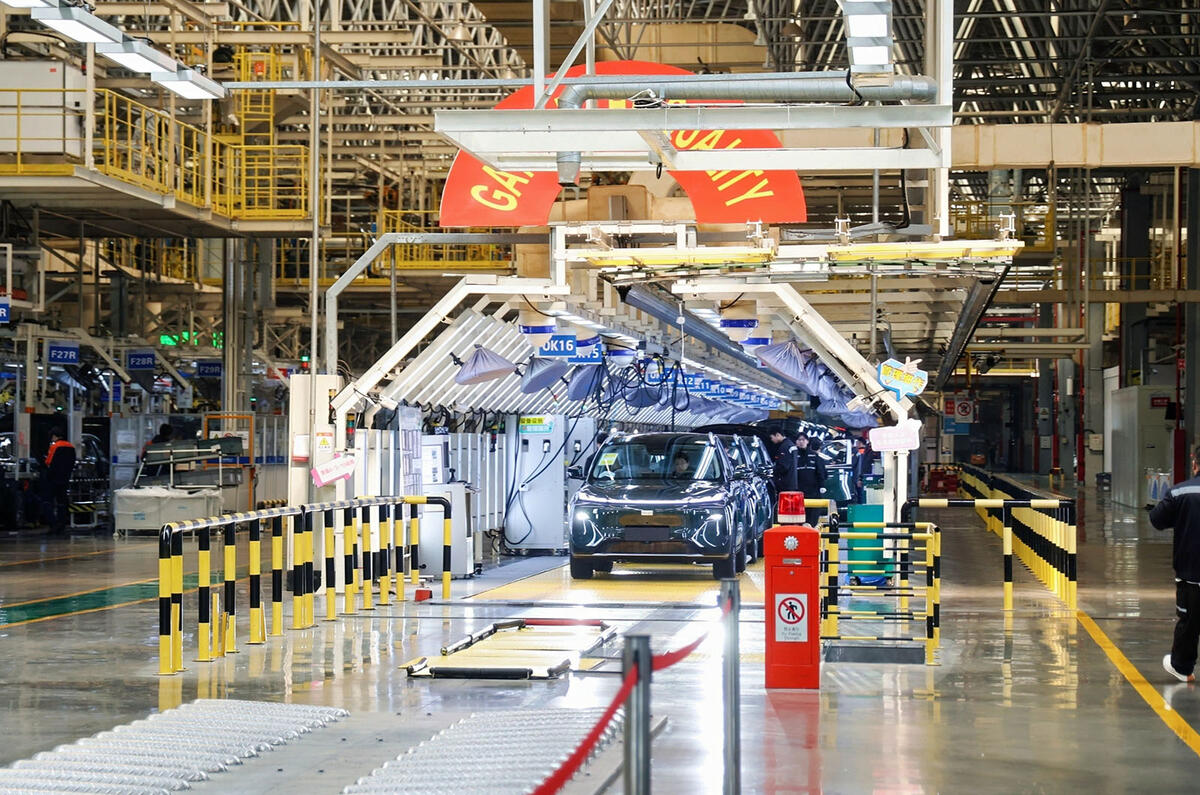
Vehicle Audit Procedure in Automobile Companies:
A complete vehicle audit is carried out on vehicles that are fully ready for customer delivery. It is important to note that the auditor does not inspect every vehicle. Instead, vehicles are selected randomly, and a detailed audit is performed on those selected units.
The number of vehicles to be audited daily depends on the production volume. For example, if 100 vehicles are produced in a day and the audit sampling ratio is 1 vehicle out of every 20 vehicles, then the auditor will inspect 5 vehicles per day.
Importance and Process of Vehicle Audit in Automobile Manufacturing:
A vehicle audit is one of the quality management tools. It tests products independently and systematically against the customer’s perception of quality by using sampling inspection procedures. It evaluates the quality of the vehicles and the degree of completion according to the standard and the consistency of the vehicle manufacturing quality. At the same time, it quantitatively describes the level of vehicle quality. Every department has to pay close attention to the audit results and implement timely and effective measures to eliminate or improve the deficiencies suggested by the vehicle audit. The goal is to improve the degree of customer satisfaction by continuously improving vehicle quality and maintaining vehicle consistency.
The vehicle audit is to make an objective evaluation of the vehicle’s quality condition, which has passed the inspection by standing in the customer’s position. The main estimation gist is customer perception, vehicle function, and whether it is an artificial defect.
There is only one standard for vehicle audits, no matter the types, levels, or equipment of the vehicles.
A self-brand audit will use the unified implementation standard to evaluate the manufacturing level and vehicle quality status in every site.
The auditor will point out the defects very critically, so usually the auditor points out more defects than usual customers.
An audit is a method of quality control, not the technique standard. It can provide quality information input to vehicle design.
The objective of vehicle audits
- Evaluate the vehicle’s quality objectively and fairly.
- Monitor stability during the production process.
- Push the continuous improvement of vehicles’ quality.
- Establish good brand image.
Vehicle audit organization.
Regulations of Vehicles audit
Although the auditor has been trained professionally and there is detailed instruction for the vehicle audit and appraisal, the auditor also has some certain flexibility in the appraisal aspect. This is absolutely effective according to the audit’s ‘first feeling’ regulation.
The defect, which cannot be redisplayed in the vehicle’s audit presentation, is still valid. These defects are always the abnormal sound, seal, operating force, functional defect, and painting defect only clear under the natural light.
Some slight defects pointed out by the vehicle’s quality audit don’t have to be modified but are used to be the start of continuous improvement to provide relevant quality information and objectively reflect the quality condition.
Leaders and colleagues cannot put pressure on auditors. Direct leaders can remind auditors to use the defect types according to the regulation.
An audit is part of the quality assurance, and the objective is to evaluate the vehicle’s quality condition, which cannot be confused with checking or replacing the other quality control measures during the production process.
The requirement to audit vehicles.
Only the vehicle auditor, after training and confirmation by the quality assurance department, can check and evaluate vehicles to calculate the formal vehicle audit result according to vehicle audit methods.
Before the confirmation of the vehicle auditor, no audit result can be put in the vehicle audit computer system and further calculate the audit result.
Before the vehicles audit committee, the vehicles auditor cannot decide not to impugn a certain defect by himself.
The vehicle auditor should have rich working experience of car body, painting, and final assembly and be familiar with the vehicle manufacturing process.
The confirmation of the vehicle audit’s responsible department:
The responsible department of vehicle audits is decided according to processing technique and direct feeling to the customer. The department should coordinate with other relevant departments and push the implementation of rectification measures.
The vehicle audit defect responsible department cannot be changed because the change will cause an abnormal change of the relevant department quality trend and cause misleading to relevant people.
The responsible department has five departments: stamping, car body, painting, assembly, and bought-in components.
Every responsible department should not dispute and explain with the auditor and should perform functions like analysis of causes.
The audit system also plays a major role in:
- Monitoring production stability
- Maintaining vehicles’ consistency
- Supporting continuous quality improvement
- Protecting and improving brand image
- Increasing customer satisfaction
Vehicle auditors are specially trained professionals who evaluate vehicles objectively according to defined audit standards. Their responsibility is not only to find defects but also to provide accurate quality information that helps departments improve manufacturing processes. The audit results guide all related departments, such as stamping, body shop, paint shop, assembly, and bought-in components, to take corrective and preventive actions.
Another important aspect of vehicle audits is that they focus on the customer’s first feeling. Even minor defects, abnormal sounds, paint imperfections, sealing issues, or functional problems are considered important because they directly affect customer perception and satisfaction.
In conclusion, vehicle audits are not just an inspection activity; they are a strategic quality assurance process that helps automobile companies maintain high manufacturing standards, reduce customer complaints, improve vehicle reliability, and achieve long-term customer trust and brand reputation.
Conclusion – Vehicles Audit in the Automobile Industry
Vehicle audits are one of the most important quality management tools in the automobile industry. Its main purpose is to evaluate the final vehicle from the customer’s point of view before delivery. The audit helps companies ensure that the vehicle quality, functionality, appearance, and overall manufacturing standards meet customer expectations and company requirements.
The vehicle audit process is performed through random sampling instead of inspecting every vehicle. This method allows companies to monitor production quality efficiently while maintaining control over manufacturing consistency. Auditors inspect selected vehicles critically and independently to identify defects that normal production inspections may miss.
Exclusive written by Shoaib Ali and published in Automark’s June-2026 printed edition