Home Blog Page 37

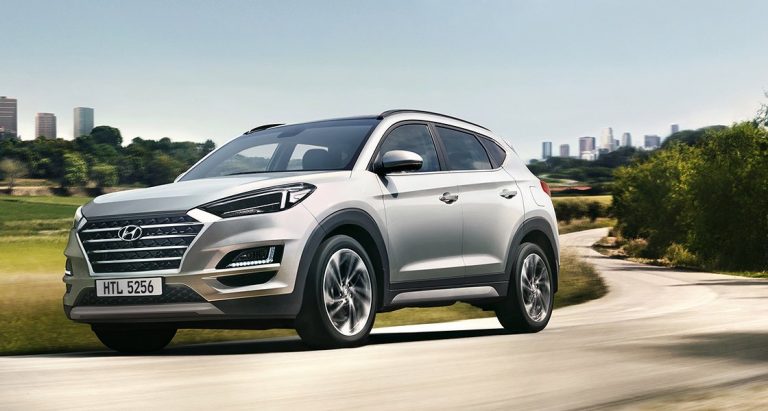
A New SUV Competitor in the market: Hyundai Tucson

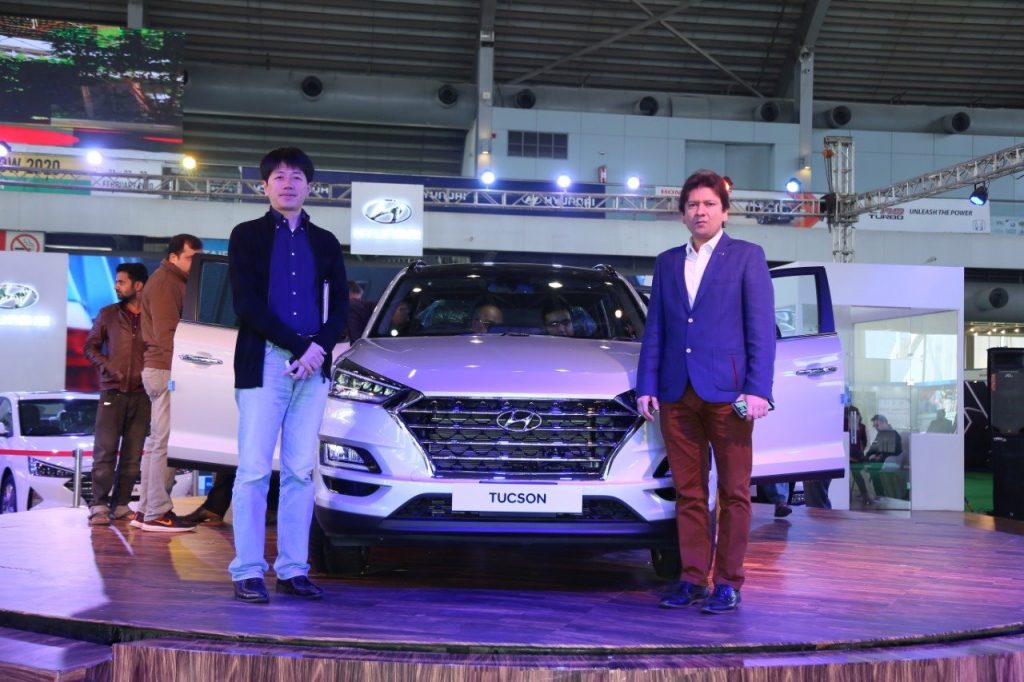
The Hyundai Nishat Motors is all set to launch its SUV Tucson next month as per a source. The SUV was showcased in the Pakistan Auto Show (PAPS -2020) in Lahore. The launch was set to be earlier this year but was delayed due to the COVID-19 pandemic and unfavorable economic condition of Pakistan.

As per sources, the South Korean company is launching its product after thorough research about the currently available SUV options in Pakistan. With Tucson SUV, they aim to fulfill the demand gaps left unaddressed by the other SUV producing companies.
The Tucson SUV will be assembled locally in Faisalabad. The price of the SUV is currently unknown. However, we expect it to be somewhere around 5 Million or less to compete the available option in the market from Korean and Chinese assemblers. The company will announce its price when they launch the car next month.

A bit about Hyundai Tucson
The Hyundai Tucson is a front-engine four-wheel drive compact SUV. The company will launch two models. Most likely, they will launch their 2.0 L variant in Pakistan
The Hyundai Tucson is equipped with a 2.0 L petrol engine that produces an output power of 155 hp and a torque of 192 Nm. Tucson’s body length is 176 inches; meanwhile, its width is 72.8 inches and height 65.5 inches. The bare-minimum ground clearance is 6.7 inches, and the wheelbases of the cross over are 105 inches.

The Hyundai Tucson will be equipped with the ABS braking system, and security features like ventilated disc-brakes with floating calipers and pads wear warning devices. On the rear end, along with solid disc brakes, there is a high torque parking brake. Some other security features are leaving departure and lane-keeping warnings, an emergency brake system, and forward-collision warning.

As for the interiors, the entire stack has been undone to include a 7-inch touch screen display. The seats are covered in fabric. Some car features are automatic climate control, six airbags, a stereo system, cruise control, power windows, power steering, and many more. There is enough space in the car for the driver and passengers to be comfortable at all times.

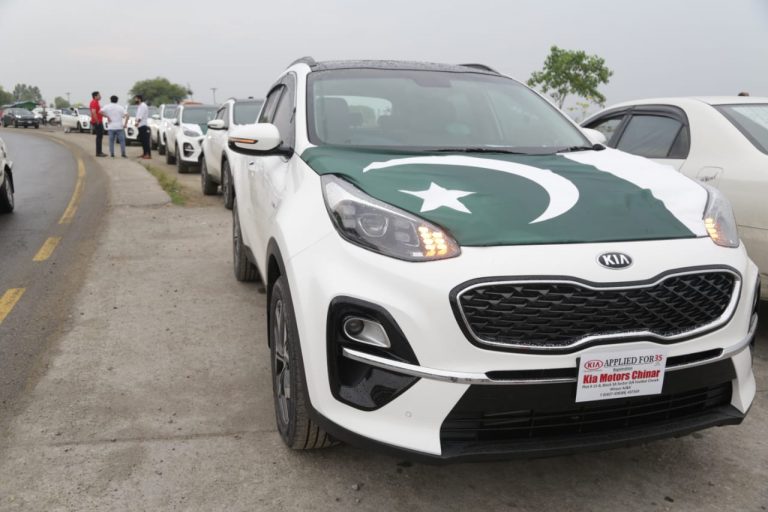
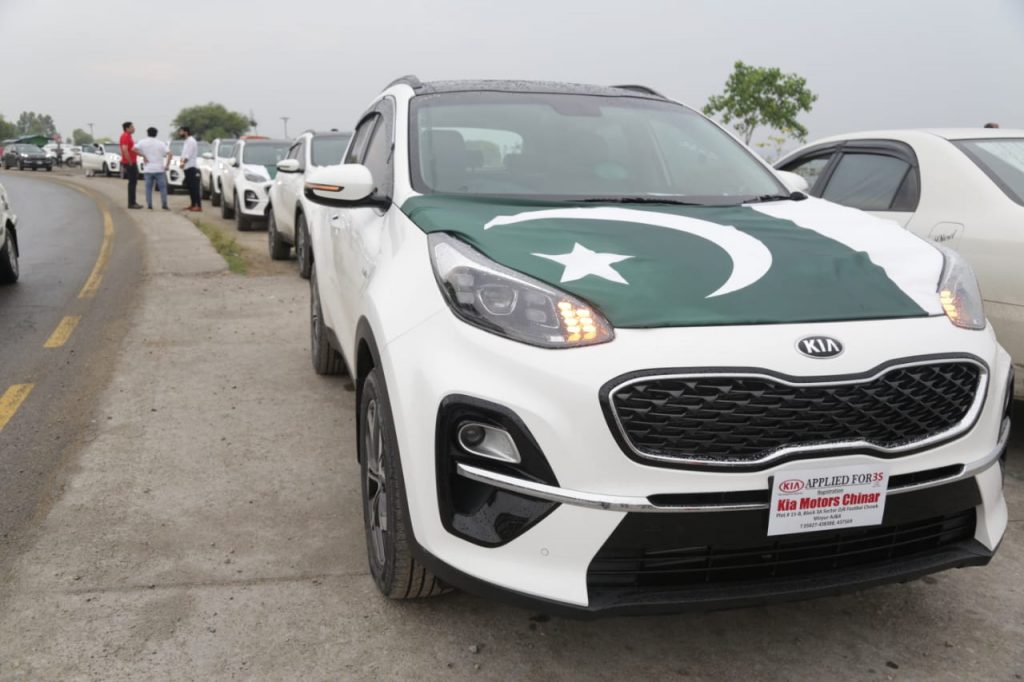
The main competitors of Hyundai Tucson are KIA Sportage, BMW X1, Audi Q3 and Prince DFSK Glory. How well Hyundai Tucson will compete with the powerful playful; will be known once it is launched next month.

Messe Frankfurt celebrates its 780th anniversary – by getting back to business

On 11 July 1240, Emperor Frederick II granted trade fair rights to Frankfurt am Main, marking the birth of Messe Frankfurt. Now, 780 years later, the company can look back on an eventful history in which the Frankfurt trade fair developed from a medieval marketplace into a global player – experiencing many successes and mastering various crises

Peter Feldmann, Mayor of Frankfurt am Main and Chairman of the Messe Frankfurt Supervisory Board, had this to say about Messe Frankfurt’s anniversary: “Trade fairs have driven our city’s development. Nowhere else are trade fairs such an integral part of a city’s history as they are in Frankfurt. Emperor Frederick II’s official grant of trade fair rights marks the historical origin of a success story that started around Frankfurt’s City Hall (Römer) 780 years ago and continues to this day. From these beginnings, Messe Frankfurt evolved over the centuries into the world’s largest operating trade fair company. Yet even after 780 successful years, it remains true to the tradition of trade and internationality that is firmly rooted in its home city of Frankfurt.”

As soon as Messe Frankfurt celebrates its 780-year anniversary, it will be getting straight back to business: following a global lockdown lasting multiple months, Messe Frankfurt is once again holding trade fairs. It all kicks off with Intertextile Shenzhen Apparel Fabrics on 15 July 2020 in China. The trade fair is part of a network of some 50 international textile events in Messe Frankfurt’s portfolio, which has included Frankfurt Fashion Week since June. Trade fairs are also resuming business in Germany – in strict compliance with an extensive protection and hygiene concept. Smaller events are already underway on the Frankfurt exhibition grounds, and trade fairs will be joining them soon: Nordstil will be leading the way in Hamburg in September, followed by the Frankfurt Book Fair in October. Replacement dates have also been planned in 2020 for many of the Group’s postponed events worldwide.

Wolfgang Marzin, President and Chief Executive Officer of Messe Frankfurt: “We are delighted that our events will once again be serving as platforms for personal interaction. Our resumption of event operations worldwide demonstrates Messe Frankfurt’s flexibility in responding to challenges. We are able to offer our customers around the world the platforms they need – regionally, nationally, at a European level and globally – while satisfying today’s new local regulations and requirements. The past 780 years have demonstrated time and again just how important trade fairs are for promoting economic recovery in times of crisis, and our customers have been making it clear to us that face-to-face encounters and dialogue are irreplaceable.”

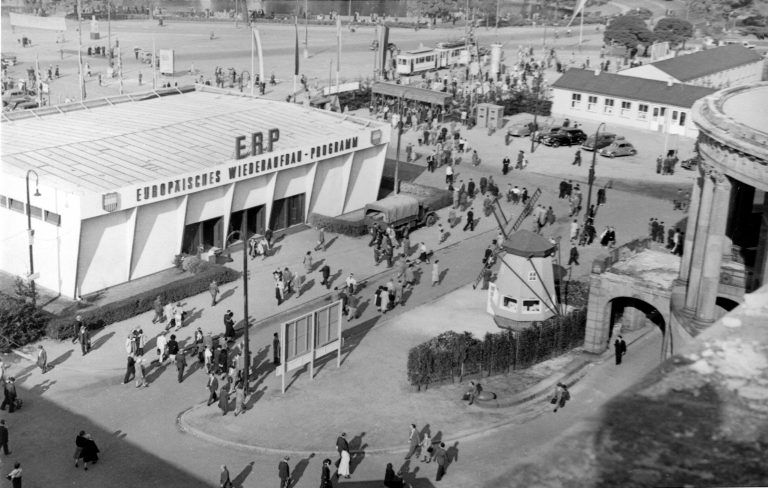
A look at history shows that trade fairs, as mirrors of the economy, are repeatedly confronted with crises. Even back in 1635, for example, Frankfurt’s Spring Fair had to be cancelled on account of fallout from the Thirty Years’ War and an outbreak of the bubonic plague in Frankfurt. Already, the measures taken to help thwart the spread of disease included border closures, health certificates, passport systems, entry and exit checks and quarantines. Trade fairs’ central role in economic development was clear even then. No sooner had the First World War ended than plans began for the International Import Fair in October 1919 and the Spring Fair in 1920. 95 percent of the exhibition grounds were destroyed during the Second World War, and their immediate reconstruction sent a clear signal about Frankfurt’s importance as a trade fair centre. Trade fair operations resumed with the Frankfurt Fair in October 1948, relying in part on provisional lightweight constructions, tents and open-air spaces.

72 years later, the global coronavirus pandemic has been challenging the event industry since the start of 2020. Marzin: “The trade fair landscape will change as a result of the coronavirus crisis, and topics such as digitalisation, safety and security will have a key role to play. Yet the trade fair industry’s most important success factor remains personal encounters – something that Messe Frankfurt’s platforms have been making possible for 780 years now. Because the demand for face-to-face encounters is even greater today than it was before.”

Background information on Messe Frankfurt
Messe Frankfurt is the world’s largest trade fair, congress and event organiser with its own exhibition grounds. With about 2,600 employees at 29 locations, the company generates annual sales of around €736 million. We have close ties with our industry sectors and serve our customers’ business interests efficiently within the framework of our Fairs & Events, Locations and Services business fields. One of the Group’s key USPs is its closely knit global sales network, which extends throughout the world. Our comprehensive range of services – both onsite and online – ensures that customers worldwide enjoy consistently high quality and flexibility when planning, organising and running their events. The wide range of services includes renting exhibition grounds, trade fair construction and marketing, personnel and food services. Headquartered in Frankfurt am Main, the company is owned by the City of Frankfurt (60 percent) and the State of Hesse (40 percent).


For more information, please visit our website at: www.messefrankfurt.com

Suzuki Jimny to be discontinued in Europe due to stricter emission norms

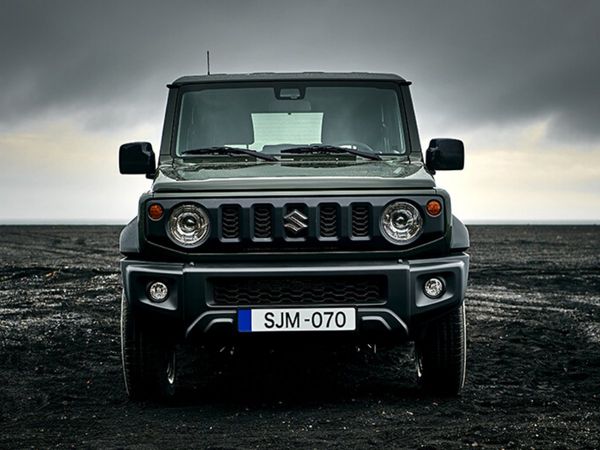
Suzuki has decided to discontinue Jimny in most European markets as the SUV fails to comply with impending CO2 emissions

The fourth-generation Suzuki Jimny was unveiled in 2018 and became available for sales in Europe later that year. However, it looks like the days for the hardcore SUV in the European markets were limited. According to media reports, Suzuki has decided to pull the plug on Jimny in most European markets due to emission regulations. Well, the carmaker had already revealed that it will stop selling Jimny in Europe from 2021 but the word on the street is that Maruti Suzuki seems to have advanced that date. Suzuki is likely to start axing the Jimny from various European markets from this year itself. The company has also reportedly stopped supplying the SUV to dealers in the UK, as a result of which the Jimny is no more available for bookings.

Suzuki’s decision to discontinue Jimny in Europe is driven by the stricter emission regulations that come into effect in Europe from 2021. These stipulations cap the CO2 emission by a carmaker’s fleet at 95g/km, something which the Jimny fails to meet. The SUV’s CO2 emissions range between 154g/km to 170g/km, depending on the transmission and driving conditions. There are rumours that Suzuki may be able to comply with these norms if it uses a hybrid engine on the Jimny but that could be economically less viable for the carmaker. This is why Suzuki will have to stop selling the SUV in most European markets after 2020. Now, there are rumours that Jimny could make a comeback in as a commercial vehicle but there has been no official word from Suzuki.

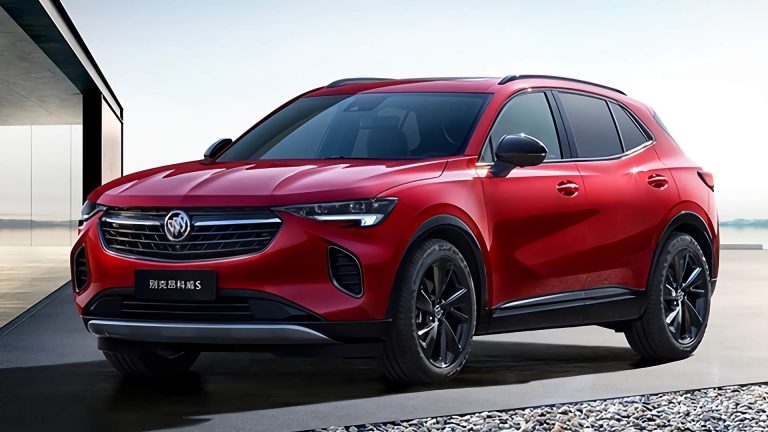
GM Announces All-Electric Buick Velite 7 SUV In China

China to get the electric Buick Velite 7 this year, so maybe the U.S. will finally get the Chevrolet Bolt EUV.

General Motors announced today that later this year, the Buick brand will launch in China the all-electric Buick Velite 7 “SUV”.

This new model (we would describe it as a crossover/SUV) seems to be related to the Chevrolet Bolt EV and was already expected (see the report from our sister site here).

GM says that it will have a range of 500 km (311 miles) NEDC, but more details will be revealed closer to launch. The unofficial reports (see video below) said that the electric motor will be 130 kW (noticeably below the 150 kW in Bolt EV).

“The VELITE 7 has a distinct sporty-looking exterior. It also features outstanding spaciousness, customer-focused connectivity and advanced driver assistance technologies that are designed to deliver a delightful and convenient ownership experience.”

“Leveraging GM’s unmatched global EV expertise, the VELITE 7’s electric propulsion system is powered by a new modular high-performance lithium-ion battery that has higher energy density through improved cell chemistry and an optimized design. Its battery pack has an advanced structural design and a liquid-cooling battery thermal management system that meet GM’s global standards for safety and reliability.”

In China, Buick operates under the SAIC-GM (50/50 joint venture between GM with SAIC), and already offers:

Velite 5 extended-range electric vehicle (related to Chevrolet Volt)
Velite 6 and Velite 6 Plus (BEVs)
The main question is whether the Buick Velite 7 heralds in the new Chevrolet Bolt EV in the U.S., We already heard about the Bolt EUV more than a year ago. The trademark filing for the “Bolt EUV” was already secured.

This 3-Wheel Electric Scooter Runs on Solar Power and Will Easily Get You Out of Traffic Jams

This is the BICAR, a three-wheel electric scooter that runs on solar power and designed for sharing using a shared mobility program. It was developed by a research team at the Zurich University of Applied Science, led by Adrian Burri and Hans-Jörg Dennig. The fully electric-powered scooter goes up to 28mph (45 km/h).

The BICAR’s energy self-sufficiency is guaranteed with solar power and includes a back-up system with swappable batteries and newly-created Battery Swap Stations. Riders can use a mobile app to “geo-localize” a BICAR or a Battery Swap Station, make a reservation, lock/unlock the BICAR and use their mobile phone and software as an information board and navigation tool while driving, according to the team.

BICAR-sharing for short and medium distance traveling within a city is ideal for businesses that are in search of a sustainable, space-saving, and cost-efficient solution. Parking is super-easy and its size also makes for navigating traffic jams seamless and less stressful.

Toyota start building the Suzuki ACross for Europe – a new hybrid SUV based on the Toyota RAV4

Toyota has started production of the Suzuki ACross – a new SUV for Suzuki based on the Toyota RAV4 – which is heading for Europe.

As car makers look for more and more ways to co-operate and save cash, it was no surprise to learn last year that Toyota is going to build cars for Suzuki.

The plan was to build a new Suzuki SUV to sit above the SX-4 using the hybrid Toyota RAV4 as the basis, and although we don’t yet know whether the new Suzuki SUV – which looks set to be the Suzuki ACross – will be more than just new badges and grille, production has now started.

According to Just Auto, production of the RAV4-based Suzuki is now underway at Toyota’s Plant in Japan, and the completed cars are destined to be sold in Europe, and will help Suzuki cut its average CO2 thanks to the RAV4’s hybrid powertrain.

But it’s not just a Suzuki based on the RAV4 that’s in the offing, but a Toyota Corolla Estate Suzuki-fied too.

When the plans were announced last year, Toyota said the plan was to build the Corolla Estate for Suzuki in the UK – at Toyota’s Burnaston Plant where the Corolla is already built – with it too destined for sale in the UK and Europe. So expect to learn soon that its production will start before the year is out.

The Suzuki ACross is expected to go on sale later this year, although it may be early in 2021 before the ‘Suzuki Corolla’ arrives.

Toyota and Suzuki resume car production in Pakistan

Pak Suzuki Motors and IMC have reopened their car production plants in Karachi from the 15th of June 2020 which were closed since 23rd March 2020.

According to a notification sent to the Pakistan Stock Exchange (PSX), by PSMC said:

 “The management of the company, according to relaxation/ approval given by the Government has decided to resume its production and operation from today.”

The company was closed for 84 days and has had zero sales in the month of April. With ease of restriction from government their production plants have final reopened. Their offices opened after eid but even then only Head of Departments and essential staff attended the office. The rest of the staff has been doing their work from home.

Also Read : Car assemblers struggle to resume operations in Karachi

Indus Motor Company (IMC) opened their offices after Eid with permission from Sindh government. However according to Automark sources they closed their offices from 8th of June for disinfection of the office. The company later released a public notice which stated that the company was closed down to ensure safety of the staff and will reopen on 11th of June.  However, IMC could not reopen on given time.

According to sources, in that time of closure the company performed corona test of over 5000 people including the employees and related support manpower. Those employees who tested positive were advice for quarantined meanwhile the negative ones got back to work. IMC has a dedicated team that ensures that all the SOPs are being followed during work at plant and offices.

The production plant has become operational but only in single shift. However a week the second shift might become operational too. However the company has rescheduled the production of Yaris in June which were set on higher units.

The ongoing situation of the spread of COVID- 19 in Pakistan might cause another halt in the vehicle production in Pakistan. Hopefully, things will return to normal in the upcoming days. The auto industry has already faced severe losses in 2020 and anymore will push them over the edge. 

New Toyota Wigo launched in Philippines, starts at P568,000

Over a week ago, we reported that Toyota Motor Philippines (TMP) would be launching the facelifted Wigo on June 15, 2020. Well, today’s the day, and the Japanese car manufacturer has introduced the car online with a P568,000 starting price. Check out the full price list below:

2020 Toyota Wigo

  1. Toyota Wigo E MT – P568,000
  2. Toyota Wigo G MT – P623,000
  3. Toyota Wigo G AT – P658,000
  4. Toyota Wigo TRD S – P700,000

The humble city car comes equipped with a 1.0-liter three-cylinder gasoline engine capable of 65hp at 6,000rpm and up to 89Nm of torque at 4,400rpm—exactly the same figures as the pre-refresh version. The mill can come mated to either a four-speed automatic or a five-speed manual transmission.

The big changes are outside, where the vehicle flaunts a more aggressive face, among other design tweaks. The interior has been improved as well, and now features redesigned seats. Higher-end variants get a new rear camera and power side mirrors.

If you opt for higher variants, you can also get a touchscreen infotainment system, a digital A/C panel, push-start ignition, and keyless entry. The Toyota Racing Development (TRD) version features an Android Auto- and Apple CarPlay-compatible infotainment setup, as well as a handful of visual exterior upgrades. The latter includes different lighting units, TRD side skirts, a two-tone rear spoiler, and TRD badges and decals.

“The New Wigo remains an iconic car that offers the same familiar feeling of practicality and reliability, but made more advanced, more convenient, safer, and more fun with its sleek and sporty TRD Styling,” TMP president Atsuhiro Okamoto said during the launch.
If you’re looking for a reliable starter car, the refreshed Toyota Wigo might be well worth looking into. Are you satisfied with the improvements Toyota has given the vehicle?

Why the Auto Industry is suffering and the way forward in Pakistan

Due to the ongoing Covid-19 pandemic, large scale manufacturing has also shut down ever since social distancing and quarantine laws have been set into place. As a result, the auto industry in Pakistan is suffering with closed offices and dealerships, stagnant production lines and mostly importantly, no demand. With investors being cautious with their social distance and also their capital, auto manufacturers faced the unprecedented occasionof virtually zero sales in the month of April 2020 compared to previous months on a year-on-year basis as reported in various media.

While the pandemic has undoubtedly caused investor panic, forced companies to delay their vehicle purchase orders and cut down on households’ appetite for local and imported cars, a lot of folk don’t realise that sales figures from the auto industry had already started falling in the red zone well before the pandemic.

For the investors, which is perhaps the biggest demand-influencing segment of customers, confidence was already low due to a number of ongoing reasons, the biggest one being, the PTI govt’s policy on sale and purchase of vehicles and the costs associated with registration and transfer of vehicles, in addition to legislation that prohibited sale of vehicles on “open-letter” and enforced transfer of ownership within a certain time frame.

For investors and house hold buyers, another major factor was the hike in prices of locally assembled and import vehicles owing to depreciation of dollar-rupee exchange rate as well as increase in import duties and inflation, which almost immediately skyrocketed the prices of new and used vehicles in Pakistan. The prices of locally assembled vehicles have since peaked, reaching its highest. It is worth taking note here that the dollar-rupee exchange rate, the SBP’s interest rate as well as inflation have since fallen.

An often-ignored factor that most companies in Pakistan fail to take into consideration is millennial spending habits. While a lot of wiser and older folk may disagree on the change in young peoples’ spending preferences influencing overall demand for vehicles in Pakistan, one cannot fully make a concrete case in the favour of or against this factor in the absence of data but a visible change in young people’s attitude towards vehicle ownership, their knowledge of the environmental impact of it and their readiness to adapt to car-sharing and vehicle-pooling platforms can at least be observed at large thanks to disruptive technologies emerging from the IT sector.

While the way forward for the auto industry in Pakistan is a hard one to predict for most analysts as we live in unprecedented times, but those with their eye on global data know one thing for sure: overall global demand was on its way down way before the covid-19 pandemic so it is going to take a lot more than just reopening business to get numbers back up. In Pakistan, it would not only take effort from vehicle manufacturers and dealers, but also from the government in terms of policy that allows the local industry to become less import-dependent and sustainable in the long-run, by keeping stable fiscal and monetary policy that ensures steady exchange and interest rates, a business friendly framework that allows for ease of business to attract foreign investment, and mostly importantly enabling a significant increase in the quality of labour by facilitating the TVET framework and integrating it into the mainstream education framework of Pakistan.

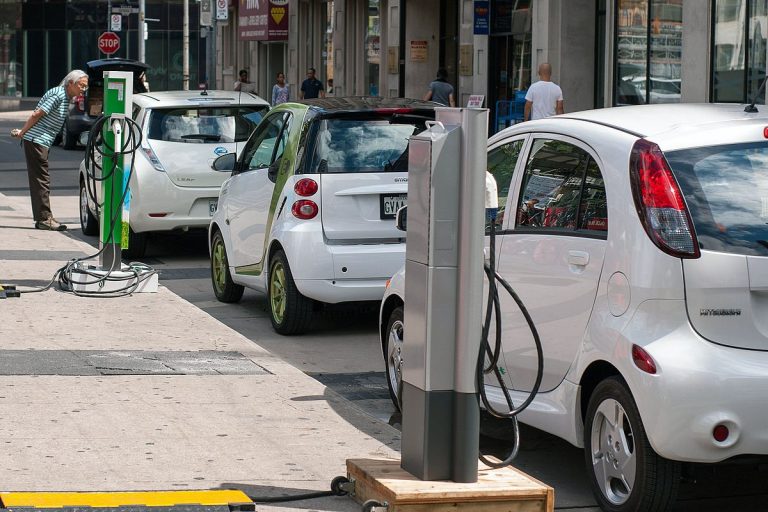
It is worth mentioning here that the government has been trying to come up with an EV Policy for the production and sale of electric vehicles locally, which for the moment seems on a secondary priority level for the government with the situation at hand, and as insiders reveal, owing to strict opposition from existing industry stakeholders including manufacturers. The plan also seems ambitious as we not only lack the technical and labour capability to make electric vehicles and specifically rechargeable batteries, it is also problematic knowing that none of the stakeholders, especially the Ministry of Climate Change ever considered the biggest fact in going electric, something that countries with electric vehicles adopted beforehand: making the source of the energy renewable, either fully or partially with most countries having set timelines for making their entire electric grid “smart” and fossil-fuel free. As we know, most of our energy in Pakistan comes either from coal or other fossil fuels, with our electricity grid network not exactly being modern, let alone the ongoing shortage of electric power that Pakistanis experience in all areas of Pakistan especially in hotter months.

On the contrary, one could argue that the oil market crash causing some of the lowest oil barrel prices in recent history could prop up the demand for vehicles globally, it is widely acknowledged by the global businesses, the scientific community and government entities that oil is nonetheless a finite energy resource which is fast running out, regardless of what prices OPEC agrees to set. And in Pakistan, owing to the exchange rate concerns, consumers can never fully benefit from the effects of the global oil crash ironically.

Another major factor that would influence the way forward for the local industry as mentioned earlier is, how local auto makers adapt their strategy to influence their biggest target market, i.e. the millennials and gen z. They would have to get used to their spending preferences and comprise on the quantity of their sales to the quality of their sales by building trust and ease at the end-user level. Companies need to realise that millennials and young people no longer just care about the product but also the value associated with it, including the user experience, cost of up-keep and the overall impact on the environment. It would mean not only making the sale but technologically enabling ease of the after-sales relationship and cutting down costs to keep the customer within their service network and providing a safe, seam-less user experience without the hassle of traditional ownership issues.

By Muhammad Inam Shahid
*The writer would appreciate your views and insights at [email protected]

Electrical Vehicles (2-3 wheelers & Heavy Commercial Vehicles

SUMMARY FOR THE ECC OF THE CABINET

Industries and Production (I&P) Divisionnotified a committee for EV Policy Formulation on 5th Sept 2019 in view of notification of Cabinet Division dated 27th  August 2019, wherein it was stated that policy electric vehicle falls under the domain of Ministry of Industries and Production. Copy of Cabinet Division’s notification is enclosed at Annex-A for reference.

2. Initially, Ministry of Climate Change (MoCC) made a presentation Honourable Prime Minister by Ministry of Climate Change (MoCC) on 17 May 2019 for introduction of electric vehicles in Pakistan. The Cabinet advised further stakeholder consultation on EV Policy. EDB/MoIP continued consultations with potential investors and the subject was discussed as agenda item of various meetings of Auto Industry Development Committee (AIDC), which is a cabinet approved body comprising of public and private sector members, mandated to recommend measures for growth of automotive sector. AIDC recommended phase-wise introduction of electrical vehicles starting with 2-3 wheeler motorcycles and rickshaws followed by heavy commercial vehicles (HCVs) including trucks and buses. AIDC further proposed promotion of  both; electric vehicle and hybrid technologies in four wheelers (Cars and Sports Utility Vehicles, SUVs) beyond Automotive Development Policy (ADP 2016-21) i.e.  July 2021 onwards to maintain its sanctity.

3. Federal Government formulated a high level Inter-Ministerial Committee under the Chairmanship of the then Advisor to Prime Minister on Industries and Productionin pursuance of MoIP’s Notification No 2(48)/2020 dated April 1, 2020to discuss the subject policy at length before submission to ECC of the Cabinet. The notification was later amended to include Minister for Industries and Production as the Chair and Secretary Ministry of Commerce as a member. Copies of relevant notifications are enclosed at annex- B.

4          Proposals related to EV manufacturing and introduction in local market were discussed at length in first meeting of  inter-ministerial committee held under Chairmanship of the then Advisor to the PM on Industries and Production on April 06,2020. Minutes of meeting are enclosed as annex-C for review. The second meeting of said inter-ministerial committee was held on June 03, 2020 under chairmanship of Minister for Industries and Production. As decided in the first meeting, the comparison of policy documents prepared by Ministry of Climate Change and Ministry of Industries and Production was discussed in detail. The policy recommendations to the extent of 2-3 wheelers and HCVs were finalized in the meeting. The copy of presentation including decisions taken by inter-ministerial committee is enclosed as annex- D.

5. The EV Policy by EDB/ I&P Division has been prepared with objectives of technology acquisition, encourage auto and related industry to adopt EV manufacturing, mitigate negative aspects of climate change through reduction in emissions from transport sector, employment generation through new investments, reduction of oil import bill, usage of excessive electricity etc. while giving due consideration to infrastructure development, which will provide cost effective solution to the commuters in the form of E-vehicles. The major recommendations of the policy including 2-3 wheelers, HCVS and general proposals are as under:

2-3 Wheelers

  1. General Sales Tax (GST) at sales stage to fixed for 2-3 wheelers @ 1% for five years i.e. the policy period. Sales Tax at import stage to be waived off (0%) to avoid refunds.
  • EV Specific Parts of 2-3 wheelers to be imported at 1 % Customs Duty (CD) for five years. Lists of major EV Specific Parts are enclosed as annex E.
  • Exemption of 2-3 wheelers from Registration and Annual Token Tax. Reduction of toll tax to 50% for EVs.
  • Existing  manufacturing regime for 2-3 wheelers with respect to non EV parts & components to remain intact to safeguard already achieved localization
  • Benefits of EV policy to be extended to both; existing and new manufacturers.
  • Import of new EVs (2-3 wheelers) in CBU condition at concessionary rate of duty (50 % of the prevailing rate of custom duty)  to be linked with establishment of manufacturing facilities i.e. 100 units per variant with maximum of 2000 units allowed to be imported under concessionary regime

Heavy Commercial Vehicles (HCVs)–Electric

  • 1 % Customs Duty on import of CBUs (Electric Buses, Trucks & Prime Movers)
  • Import of entire CKD allowed at 1 % Customs duty to the local manufacturers
  • General Sales Tax @ 1 % at sales and waived off (0%) at import stage.
  • Exemption of registration fee, annual renewal fee, permits and reduction of toll tax to 50 percent for HCVs.

General Proposals for 2-3 wheelers & HCVs

  • Localization of parts and components to be reviewed after 2 years  announcement of policy 
  • Duty and Tax Free  import of plant and machinery to be allowed to both; existing and new entrants in both 2-3 wheelers & HCVs
  • Five year income tax exemption for auto part manufacturers for setting up  manufacturing facility for EV related equipment
  • Inputs for EV vendors to be exempted from duties and taxes for 5 years (applies to in-house manufacturing by OEMs also)
  • The funding facility of State Bank of Pakistan to encourage green investments will encompass EV manufacturers, EV parts, components and module manufacturers, EV infrastructure development including charging stations
  • Five years income tax exemption for manufacturers of  EV equipment and infrastructure development
  • Import of chargers with the CKD to attract 1 % Customs Duty and 1 % Sales Tax whereas import of charging stations for electric vehicle under HS Code 8504.4030 already allowed at 0 % Customs Duty to continue

6. Ministry of Climate Change, Ministry of Science and Technology, Ministry of Commerce, Ministry of Planning, Development and Special  Initiatives, Advisor to PM on Institutional Reforms and Austerity Measures, SAPM on Petroleum and Deputy Chairman Planning Commission  have already endorsed the proposals contained in para-5 ante during the inter-ministerial meetings.

7. Approval of the ECC is solicited to the proposals at para-5, above.

8. The Minister for Industries and ProductionDivision has seen and authorized the submission of this Policy to the ECC.

                                                                                                                                    (AFZAL LATIF)

Secretary

June, 2020