Hyundai unveils the next-gen Creta at Auto Shanghai 2019
Since the current Creta in India is almost identical to the China-spec ix25, it is expected that the new ix25 will retain most of its features when it arrives in India as the Creta.
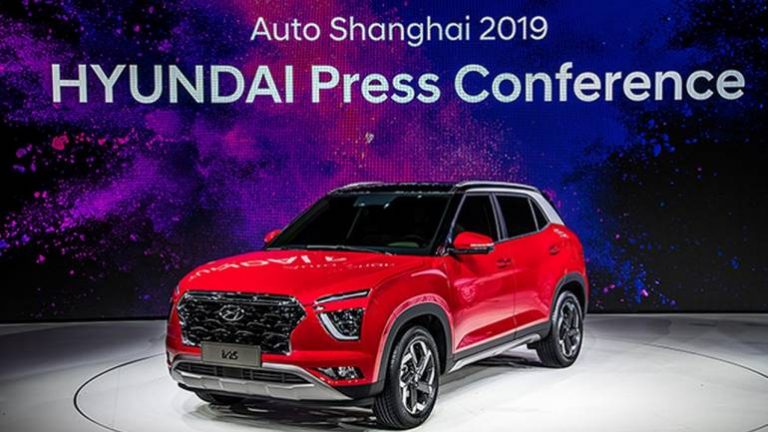
Korean carmaker Hyundai recently unveiled the 2020 Creta at the Auto Shanghai expo 2019. Being sold as ‘ix25’ in China, the next-generation Creta has undergone a complete overhaul.
Since the current Creta in India is almost identical to the China-spec ix25, it is expected that the new ix25 will retain most of its features when it arrives in India as the new Creta.
One of the most prominent changes is that Hyundai has brought the ix25 in line with its new SUV design based on the Palisade. It includes a different, yet signature grille, as well as bumper-mounted headlamps. It also has C-shaped, split DRLs in the front.
The rear gets a split-DRL setup, along with a single red strip as long as the tailgate serving as the taillight. The ix25 showcased at the Auto Shanghai featured a triple-tone colour scheme, with a red base, silver C-pillar and a black roof. It is unsure whether Hyundai will introduce the same paint scheme in India.
The interior gets many new features as well. The knobs and buttons on the dashboard have been replaced with a touch-based interface, which also alters the climate-control settings. It also gets a new steering wheel which has been borrowed from the Venue. It also gets an electric parking brake, auto-hold features as well as paddle shifters.
Though the powertrain is currently unknown, the ix25 is expected to share its engine options with the Kia SP2i and the update Hyundai Verna which will enter the Indian markets next year. It could also carry a price tag between the Rs. 10 lakh – Rs. 16 lakh (ex-showroom).
All images sourced and credited to Hyundai’s official website.
South Korean auto manufacturer KIA Lucky Motors are coming back in the local industry of Pakistan with KIA Picanto 2019 after a decade.
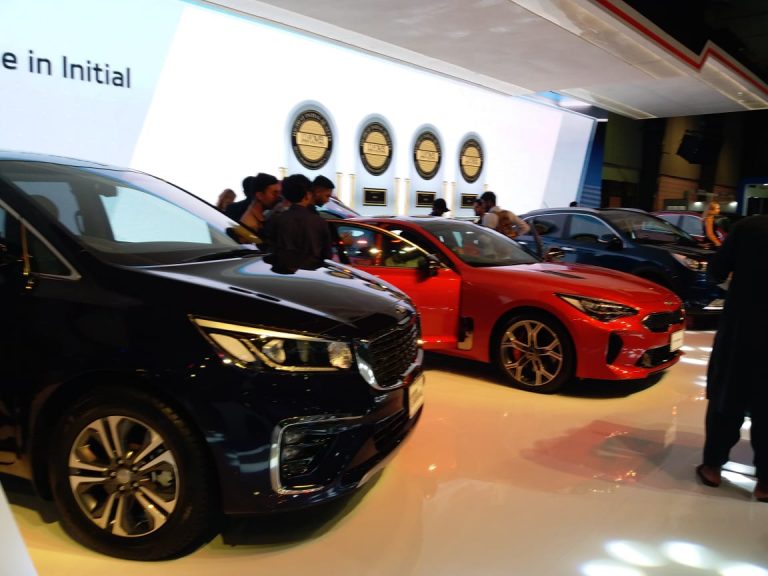
KIA displayed a number of vehicles at 3-day auto event Auto Parts Show (PAPS) 2019 held in Expo Centre, Karachi where it presented as many as five of its vehicles including Stinger, Picanto, Sportage, Nori and Grand Carnival.
Local assembled KIA Sportage and Picanto will be available in Pakistan and expected to release in June and October respectively. The booking of the vehicles will be started in June and August 2019 respectively and the delivery is anticipated in end July and October of this year respectively.
KIA has already set up an assembly plant and installed assembly line to assemble these two vehicles at their Port Qasim assembly plant in Karachi
In the tough competitions of hatchbacks, KIA is bringing Picanto with some exciting features. KIA Picanto is an entry-level 5-door hatchback powered by 1000 cc engine displacement mated with a 4-speed automatic gearbox. The Euro-6 compliant 1.0-litre engine produces a maximum output power of 66 hp. The hatchback has a wheelbase of 2400 mm which provides optimum control over the car.
The hatchback comes in 1.0-litre engine mated with a 5-speed manual transmission and a 1.2-litre engine which is offered under the optional automatic transmission.
The upcoming car is also equipped with airbags as a basic safety feature but lacks the spare wheel at the back which is a necessity especially while traveling in Pakistan.
The company claims that they will offer a version of Picanto which will have many more additional features as compared to the one showcased at PAPS 2019. The estimated price of the upcoming entry-level hatchback is Rs.1.2-1.5 million.
With the entrance of new cars in the local auto market, car enthusiasts are excited and the competition will increase as well, pushing auto manufacturers to produce high-quality products to compete in the auto market of Pakistan.
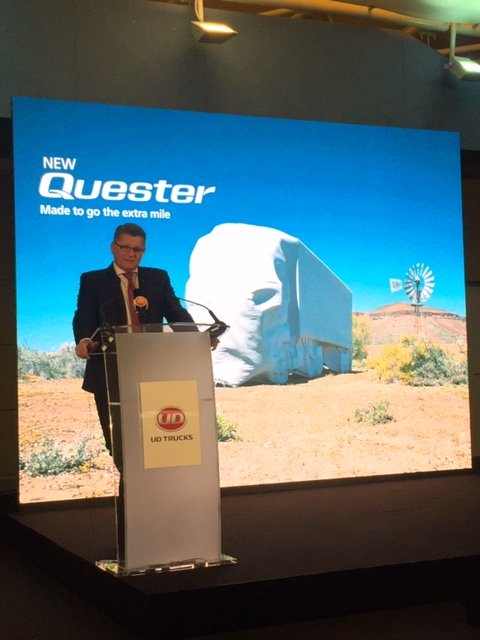
New Quester designed to extend uptime and provide MEENA fleet customers with a higher return on investment
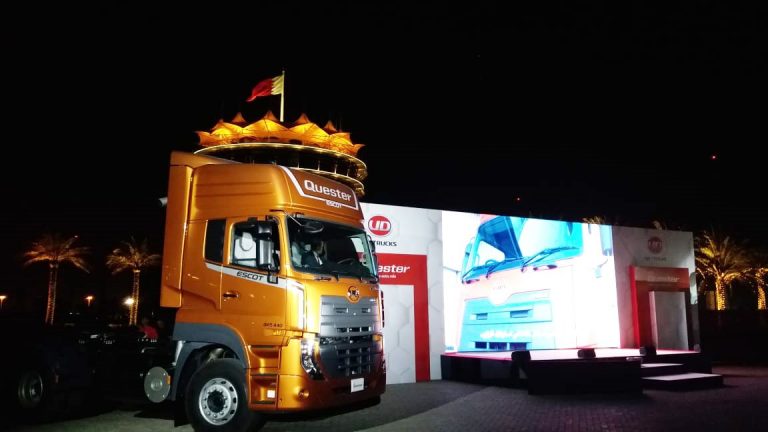
Middle East, April 17th, 2019–UD Trucks today unveiled New Quester in the Middle East, East and North Africa (MEENA). This new version of the brand’s well-established heavy-duty truck introduces a range of enhancements that will enable logistics companies across the region to tackle critical industry challenges and boost their bottom line through Smart Logistics.
Fuel efficiency, productivity, connectivity, and supporting and developing drivers are top priorities for fleets and transport companies in the MEENA region and New Quester will address these challenges with new features such as ESCOT (Easy Safe Controlled Transmission)and UD Telematics.
To be introduced in fast-growing regions around the world, the launch of New Quester highlights UD Trucks’ unwavering commitment to “Going the Extra Mile” for customers’ businesses.
Building on proven robustness and reliability, New Quester introduces key features such as ESCOT automated manual transmission, engines with higher horsepower and user-friendly telematics to deliver greater fuel efficiency, productivity, driver efficiency, safety and uptime.
Mourad Hedna, President of UD Trucks MEENA,said: “The truck industry in the region is changing rapidly and customers are increasingly conscious of the total cost of ownership. With New Quester we have the ideal product to address these needs. Moreover, New Quester combines the best of three worlds: UD Trucks’ strong Japanese heritage and craftsmanship; Volvo Group’s innovative technology; and our strong local supportfor our valued customers, which we callour Gemba spirit.
“We are humbled by the tremendous confidence and recognition that the Quester line has earned. With New Quester, we are looking forward to carrying on this legacy of being the truck brand that our customers want to partner with.”
Ensuring increased fuel efficiency for businesses to better manage fuel costs and mitigate oil price volatility
New Quester aims to boost productivity and profitability for business owners and logistics companies, for whom a rise in fuel costs consequently increases operating costs. New Quester delivers enhanced fuel efficiency of up to 10 percent over the current Quester. This isaided by the ESCOT automated manual transmission, lighter tare weight and optimized driveline, and is also affected by the operating conditions, driving behavior and vehicle maintenance.
ESCOT includes software which optimizes gear shifting according to the engine revs, vehicle speed, loading weight and even road gradient. The smart system also includes a sensor that will select the optimum gear automatically instead of assuming a first gear selection.
New Quester’s enhanced fuel performance also aligns with the increasing global focus oncurbing fuel consumption and meetingenvironmentally-friendly regulations in relation to emissions quality standards, all of which effectively reduces thenew model’s overall carbon footprint.
Introducing a more attractive and comfortable working environment, to support transport companieswith developing their pool of drivers
New Quester introduces more driver-friendly features to make the driving experience more seamless and comfortable.
A game changer in the transportation business, New Quester with ESCOT automatically selects the optimal gear at the right time based on the operating condition. This takes away the need for manual gear shifting which, depending on the transportation operations, happens 1,000 to 1,500 times a day. ESCOT’s automated gear selection also enables drivers to easily adaptto operating New Quester and better focus on driving with ease.
In addition to making driving simple, New Quester also aims to help businesses expand the pool of driving talent with an easy-to-operate gear lever that uses a straight shifting pattern. In certain target markets, for example, the number of female Quester drivers is increasing due to its drivability. New Quester opens the doors for companies to attract even more prospects to pursue truck driving as a career and diversify the pool of talent for this role.
New Quester increases overall drivability and safety for drivers with features that focus on increasing drivers’ comfort levels and reducing driver fatigue.
Driver fatigue continues to be a serious industry challenge, contributingto up to 20 percent of road accidents in the world .To address this, New Quester is developed with an air suspended cab and ride comfort package which reduces cab vibrations by up to 18 percent. Driver comfort is also enhanced by the ergonomic seats and lumbar support for long-distance assignments.
Boosting profitability and business growth by doing more with less to overcome productivity constraints and complicated fleet management processes
In line with elevating business success through Smart Logistics, New Quester supports effective fleet management and driver performance with innovative customer telematics such as real-time vehicle tracking and geofencing for better fleet visibility and optimization.Such smart connectivity features support the increasing trend of new logistics delivery solutions that are offered by technology and local start-up companies in, for example, the Middle East.
New Quester trucks are equipped with UD Telematics, which make it possible to connect directly to UD Trucks workshops to monitor and detect each vehicle’s condition and service needs before a potential emergency occurs. Preventive maintenance analysis guides customers via monthly driving behavior and fuel consumption reports, ensuring higher uptime and optimized fuel economy over time.
Owners of New Quester also enjoy increased uptime, with the clutch life span being 2.5 to 3 times longer when equipped with anESCOT automated manual transmission as compared to a manual clutch, depending on operating conditions, driving behavior and vehicle maintenance.
At UD Trucks, the company’s Gemba spirit means being close to our customers, and listening to their needs in order to be their most valuable partner in their respective markets and segments.
Built to deliver UD Trucks’ ethos of “Ultimate Dependability”, New Questerincreases uptimethrough UD Extra Mile Support, which has proved popular with customers across MEENA. Offering an extensive network of well-trained service technicians, it provides quality aftersales service with genuine parts, service planning and vehicle handover training that optimizes fleet performance.
UD Trucks recognizes immense potential in the MEENA region, which is one of the world’s most dynamic regions when it comes to construction and development and where business success is a key contributor to economic progress. Combined with the brand’s Ultimate Dependability standard and Gemba spirit, New Quester marks the company’s commitment to championing Smart Logistics and providing unmatched value to customers.
For more information on New Quester, visit https://www.udtrucks.com/middleeast/newquester and join the social conversation at https://m.facebook.com/UDTrucksMEENA.
UD Trucks is a leading Japanese commercial vehicle solutions provider, active in more than 60 countries on all continents. Since its inception in 1935, the company has been an innovation leader with a clear vision to provide the trucks and services the world needs today. The company is committed to go the extra mile for smart logistics with the most dependable solutions for demanding customers. To best support across applications and geographies, UD Trucks offers a full range of heavy duty trucks – Quon and Quester, medium duty trucks – Condor and Croner, and light duty trucks – Kazet and Kuzer, as well as associated operational and financial services.
UD Trucks is a proud member of the Volvo Group, which in 2018 saw a year-on-year increase in sales of nine percent and employs a workforce of 100,000 employees globally.
For more information from the UD Trucks, please visit: http://www.udtrucks.com/en-int/home
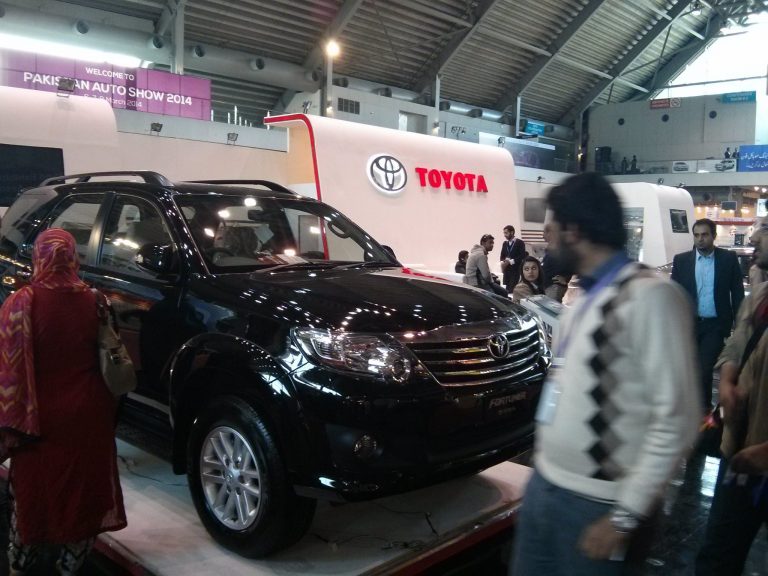
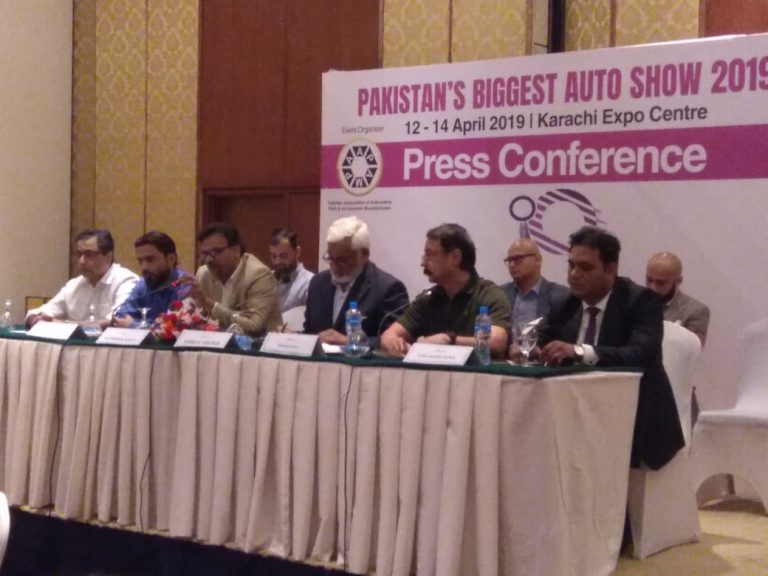
Karachi, April 11: Preparations have been completed for The Pakistan Auto Parts Show (PAPS), a premier annual auto industry event, to be held at Expo Centre Karachi from Friday 12 April to 14 April.
The Pakistan Association of Automotive Parts & Accessories Manufacturers (PAAPAM) is organizing PAPS 2019, around 106 foreign companies and their delegates are taking parts in the exhibition. Around 244 companies will display their products and highlight technology and services.
Attraction of the show includes a test drive track by KIA and vehicles unveiling by new entrants including KIA and Changan. Whereas Suzuki will be showcasing its upcoming Suzuki Alto 660cc car. Other exhibiting OEMs include Toyota and Honda too.
Meanwhile, all types of vehicles including tractors, busses, trucks, passenger cars, leisure and 4×4 vehicles light commercial vehicles, motorcycles, three wheelers, and exotic cars will also be displayed.
Chairman PAAPAM Muhammad Ashraf Shaikh and Chairman PAPS 2019 Mashool Ali Khan will also address on the occasion to highlight the objective of the PAPS 2019 and its achievements.
A fast-emerging leading manufacturer of cargo and dump trucks in Pakistan, JW Forland is a partnership between Pakistan’s JW Group and China’s Foton. A 50-50 joint-venture, JW Forland currently manufactures 4 variants of cargo trucks and a dump truck. In the future, the company intends to launch an even bigger variety of cargo and dump trucks. However, the company has no plans to enter the passenger car segment.
Pakistan’s Auto Industry Development Policy 2016-21 has been a game changer in more ways than one. When it was announced in 2016, many had predicted that it would encourage many foreign auto manufacturers to come to Pakistan. This has happened already. However, what many had not foreseenin 2016 was that those who would come to Pakistan would also lead the way for the local auto manufacturers – JW Forland has proven itself to be that leader, at least in the cargo and dump truck segment. JW Forland, in short, has up the ante and its competitors have no choice but to raise their game too.
What makes JW Forland, A game changer? JW Forland, is not just another auto manufacturer that has been lured by the incentives offered by Pakistan’s Auto Industry Development Policy 2016-21. It is a company which is not unmindful of its social commitments and therefore believes in giving back to the community.
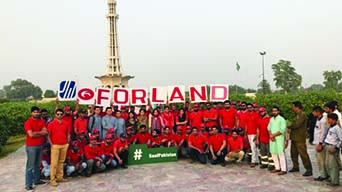
Some of the distinctive features of JW Forland are: Corporate Social Responsibility (CSR) Activities –JW Group President Mr. Shah Faisal Afridi advocates minimum carbon emissions, thus helping turn Pakistan into a greener and cleaner country. True to its words, the company has installed an emission testing facility in Pakistan, the first of its type in the country, which will ensure that JW Forland’s products produce minimum carbon emissions. Even otherwise, to make Pakistan a cleaner country, JW Forland plans on introducing road sweepers and garbage compactors to its line of trucks; their production has already started. In this regard, to raise awareness, the company recently organized an activity named Clean and Green Pakistan at Minar-e-Pakistan, Lahore. Employees took part in this CSR activity very enthusiastically. Encouraged by this event, JW Forland plans to hold many such activities in the future.
JW Forland’s corporate social responsibility doesn’t end here JW Forland, Youth & Education –JW Forland has recently signed an MOU with the University of Central Punjab’s Executive Master of Business Administration (EMBA) program. This will be mutually beneficial for both as the company will get to select from a wide pool of potential candidates against it vacancies. On the other hands, UCP’s EMBA graduates will have an added career option, should they choose to switch from their existing jobs or careers.
To further recruit the best and brightest of Pakistan, JW Forland regularly pitches tent at various job fairs where hundreds throng to its booth for information about the company and available job vacancies. At this pace, it will be hard, if not outright impossible, for JW Forland’s competitors to play catch up with the company.
JW Forland’s corporate social responsibility does end here either A Growing JW Forland, a Vibrant Pakistan The company is not just a joint venture between Pakistan’s JW Group and China’s Foton but essentially the further coming closer of Pakistan and China. As the company raises its game with the launch of its every product, it also puts the onus on its competitors to raise their game too. By following in the footsteps of JW Forland, other trucks manufacturers, too, would manufacturer quality trucks, making this automotive segment one of the most advanced, not just in Pakistan but in the rest of the region too.
It is therefore often said that JW Forland has been a game changer in Pakistan’s automotive sector.
As many as 106 international exhibitors are coming to Pakistan to participate in Pakistan Auto Show (PAPS) to be held here at Expo Center from April 12 to 14.
This was revealed by Chairman Pakistan Association of Automotive Parts and Accessories Manufacturers (PAAPAM) Muhammad Ashraf Shaikh in a press conference on Monday here at a local hotel to announce the PAPS 2019.
Chairman PAAPAM added that total 89 local exhibitors, 28 sponsors, 03 universities, and 18 support organizations and 106 International exhibitors are part of this show. This comes to total 244 exhibitors this year.
He added that the PAPS came into being to provide our industry a platform from the country to showcase its capability and potential to the world. “It is three day event with the entire Auto Engineering Sector assembled under one roof,” he added.
He revealed that new entrants including KIA and Changan will be displaying some of their potential offerings to Pakistan at the exhibition.
He said that government high-ups, local and international buyers and manufacturers, machinery manufacturers, raw material providers, and service providers are expected in this show.
“Based on previous estimates, this year’s PAPS is expected to draw a crowd of more than 100,000+ Potential visitors from parts manufacturers, component suppliers, auto lovers and affluent automobile buyers to get a glimpse of the latest models from the world’s leading automakers in the motorcycle, three wheeler, car, tractor, trucks and buses,” he added.
Head of Organizing Committee, Mashood Ali Khan said that this time around PAPS 2019 will be even a bigger show with exhibitors participating from China, Thailand, Malaysia, Korea and Netherlands. The show has further increased its penetration in the localized sector with participation from 12 of the major OEM,” he added.
“We would like to develop and strengthen our international relationships which have been made after years of work. Export Orientation will be the key to introducing new and upgraded technology,’ said Mashood, adding that their objective is strengthening previous relations with OEMs and striving to increase localization content.
“Another object of the association is that new avenues need to be made for our SMEs to transform into large scale companies. As the economy of Pakistan is growing rapidly, the importance of such shows becomes greater, as PAPS will be geared to invite both local and international investors, who are showing keen interest in working with Pakistan,” he said.
PAAPAM has always played a pivotal role for provision of business opportunities and growth of Auto Engineering Industry as a whole. At PAPS 2019, PAAPAM has established a substantive business generation model for everyone including PAAPAM members who are not part of this year’s exhibition as well as for the representatives of the Allied Industry. Highly trained B2B professionals will be aligning their business meetings to explore synergistic opportunities. For this an exclusive business lounge will be set up as per the international standards to facilitate B2B meetings. Furthermore, PAAPAM has taken a step ahead in providing ease of operation for all of its exhibitors and will be providing free Hi Tea and Lunch for them during the complete course of the exhibition.
For the first time in Pakistan, an exhibition is offering Complete Thematic Representation of Stall. Matching international standards and breaking the stereotypes, PAPS has provided the thematic stalls for all of our participants who will just have to plug and play,” said CEO Petrol Solutions, Nabeel Bin Tariq.
Khyber Pakhtunkhwa Information Minister Shaukat Yousafzai has rejected the propaganda on social media regarding wrong-side door of buses imported for Bus Rapid Transit (BRT).
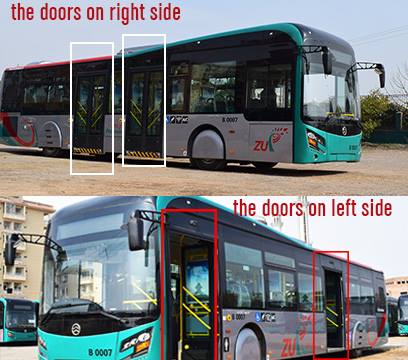
In a statement issued on Saturday, the minister clarified that the 12-meter long buses had passenger doors on both sides.
In a statement, Shaukat Yousafzai said BRT Peshawar buses were state-of-the-art in every aspect. Doors have been installed on both of its sides, he added.
“False and baseless propaganda is being spread on social media regarding the buses. The buses would be run on feeder routes of Bara Road, Kohat Road and Charsadda Road apart from BRT system routes,” he said.
Last week, a woman was crushed to death under BRT bus in the provincial capital. According to details, the BRT bus was being run on a trial basis near Phase III Chowk in Hayatabad area of Peshawar during which a woman climbed down the railing and came on the track.
Yousafzai said these buses would be run on BRT routes as well as on its associated feeder routes including Bara Road, Kohat Road and Charsadda Road in Peshawar.
Yousafzai said during rush hours on feeder routes, the left-side doors of the buses would be used while on stations’ platforms the right side doors would be utilized.
Earlier this week, due to the frequent changes of deadlines for the completion of Peshawar’s Bus Rapid Transit (BRT) project, the Khyber Pakhtunkhwa chief minister ordered an inquiry into the project. Chief Minister Mahmood Khan was supposed to inaugurate the project on March 23, but work on the project has not been completed, and he was told that the inauguration was not possible.
Khyber Pakhtunkhwa inspection team released a report that pointed out faults in the BRT project.
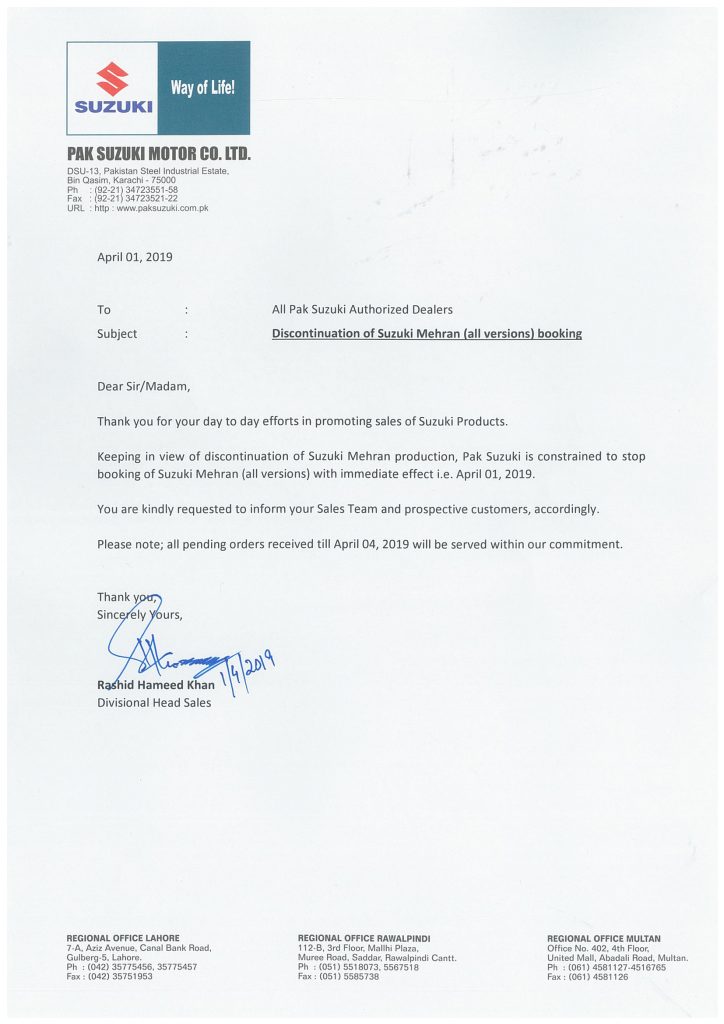
Pak Suzuki has officially announced that the company has discontinued producing the outdated hatchback – Suzuki Mehran.
In an official notice to All Pak Suzuki Authorized Deals, the company said keeping in view the discontinuation of the vehicle, Pak Suzuki halts the booking of Mehran with an immediate effect i.e April 01, 2019.
Last year Pak Suzuki issued a notification that it will discontinue Suzuki Mehran and introduce New Suzuki Alto 660cc in Pakistan.
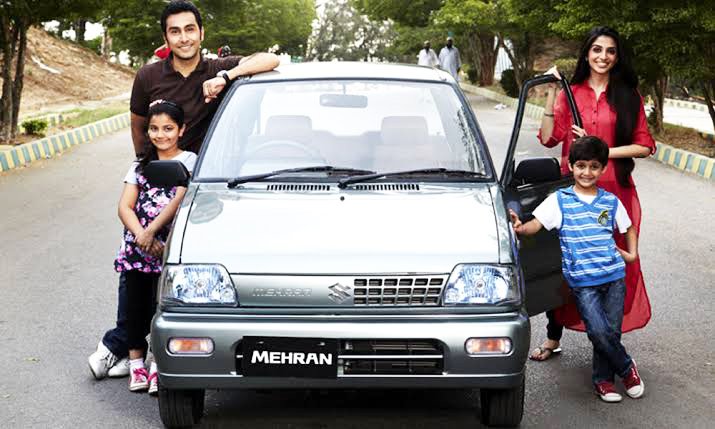
Since its debut in 1989 in the local market, Suzuki Mehran has been the most popular and affordable car in Pakistan. It has been the Boss in the country’s auto market for over 30 years and remained as the top-selling car in Pakistan for three decades.
There are multiple reasons behind the success of Mehran including the lack of competition in the auto market in the last 30 years as well as its affordable price which was in the budget range of every middle class man. Apart from Suzuki, the only other option for the potential buyers was to buy a car from Honda or Toyota but unfortunately, both of these auto manufacturers, deal in high engine capacity cars of 1300 cc or above. Therefore, Pak Suzuki had no competition in the market and this is one of the reasons that Suzuki Mehran ruled the local auto market for around 30 years.
Though Suzuki made a few cosmetic changes in the car during all these years, but still, it was not updated enough and equipped with modern features to compete with other vehicles.
Mehran is a globally obsolete car. It was retired more than two decades ago, and the only country is producing it till 2018 was Pakistan.
However, a majority of people and car enthusiasts have welcomed the decision of Pak Suzuki to end the production of its oldest hatchback saying that it would open new doors for the potential buyers with a range of options to choose from.
With the discontinuation of Suzuki Mehran, Pak Suzuki Motor has already announced to introduce Suzuki Alto 660cc on the International Standards this year. Suzuki Alto will be the first 660 cc hatchback in the local industry of Pakistan which will also be a direct competitor of United Bravo and Prince Pearl in the future.
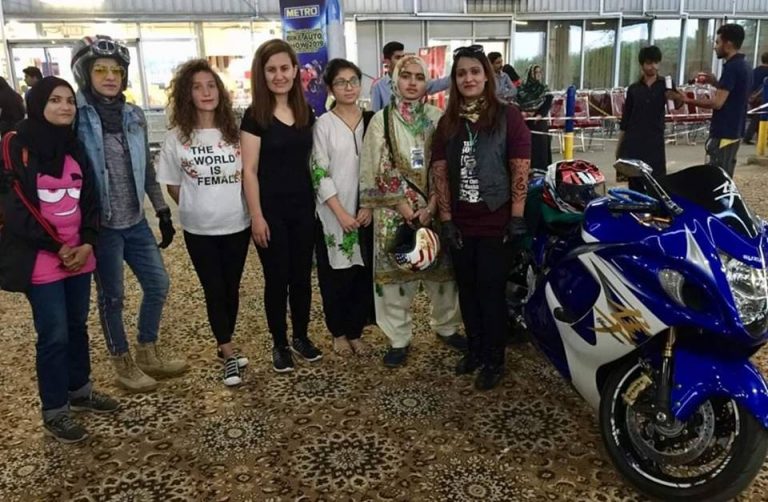
KARACHI: Keeping the tradition alive, METRO, the leading international wholesale company, hosted an elegant Bike Auto Show 2019 at its Canal Bank Store Lahore. The one of its kind Bike Auto Show had participation from more than 400 bikers along with their Vintage, Customized, and Exotic bikes, from Harley Davidson, BMW, Kawasaki, to Honda, Suzuki and Yamaha brands.
The star attraction of the event was the Vintage Triumph 350cc model 1958 that was gifted to former President Ayub Khan by the Queen of England. The event also had special appearance by MehwishEkhlaque, the top female professional biker, who has travelled all across Pakistan on her heavy bike.
The event was hosted in collaboration with Will Motor Sports, Hi-Speed Motor Sports, Bashi Motor Sports, Fast Lane Motor Sports, and Torque Motor Sports, and attracted over 20,000 people from all age groups and walks of life. The audience really appreciated METRO’sefforts towards organizing different engagement events throughout the year for the customers in a secure environment where they can freely come and enjoy with their families. – PR
— X — X — X —
About METRO Cash & Carry: METRO is a leading international wholesale company with food and non-food assortments that specializes on serving the needs of hotels, restaurants and caterers (HoReCa) as well as independent traders. Around the world, METRO has some 24 million customers. METRO in addition also supports the competitiveness of entrepreneurs and own businesses with digital solutions and thereby contributes to cultural diversity in retail and hospitality. Sustainability is a key pillar of METRO’s business. METRO has been the sector leader in the Dow Jones Sustainability Index for the last four years. The company operates in 36 countries and employs more than 150,000 people worldwide.