Home Blog Page 4

Grow Automotive Grow Pakistan

Learning from the Past – Earning from the Present – Growing from the Future

Episode: 5

Summary of the Last Articles

Countries that have economically developed through the auto industry, like America, Europe, Japan, Korea, and nowadays China, are a living example of this, while Pakistan’s development is also inseparable from the auto industry.

We also reviewed the auto market trend in Pakistan and the rest of the world. SUVs are being liked for many reasons. Then we reviewed the businesses of HEV and related business potential that can be started.

Then we had looked at the past of EV and found that the auto industry started with EV vehicles maintained their place until the end of World War II, then IC engine vehicles made progress and left the EV industry behind.

In the last article, we had discussed the real journey of EV, from starting to mass production and the reasons for the rebirth of electric Vehicles. The presently marketed brands of EVs, including Electric Buses, started in different cities as a public transport within Pakistan.

Now Read On….

The Growth of Batteries is Growing to HEVs

The car battery’s history begins with the invention of the lead-acid battery by Gaston Planté in 1859. Initially, it was bulky, but improvements led to its use in early automobiles for starting engines and powering basic electrical components like headlights and horns. 

Later, standardized battery sizes were introduced, and the transition from 6-volt to 12-volt systems occurred as engines became more powerful. 

Today, lithium-ion batteries are becoming increasingly common in electric and hybrid vehicles. 

Early Days (Pre-1910s):

Early cars relied on hand cranks for starting, and their electrical systems were limited, with magneto ignition, gas-powered headlights, and bulb horns. 

The Advent of the Starter Battery (1910s):

The introduction of the electric starter in 1912 by Cadillac eliminated the need for hand-cranking, requiring a reliable power source like the lead-acid battery. 

Standardization and 6-Volt Systems (1920s-1950s):

The Hudson Motor Car Company adopted the first standardized battery size, and 6-volt systems were common. 

The 12-Volt Transition (Mid-1950s onwards):

Larger engines with higher compression ratios necessitated more power, leading to the widespread adoption of 12-volt systems.

The Rise of Lithium-ion (21st Century):

Lithium-ion batteries are gaining prominence in electric and hybrid vehicles due to their energy density and performance characteristics. 

Ongoing Evolution:

Battery technology continues to evolve, with advancements in materials, energy density, and charging capabilities. 

Battery Journey in Pakistan

The journey of car batteries in Pakistan is closely linked with the development of the country’s automotive industry. Initially, vehicles were imported along with their batteries. 

Local battery manufacturing began in the mid-1950s, with Exide Pakistan being one of the pioneers. 

Atlas Battery, established in 1965, later became a major player, partnering with Japan Storage Battery Co. Ltd. (now GS Yuasa Corporation) in 1966 to produce “AGS” batteries. 

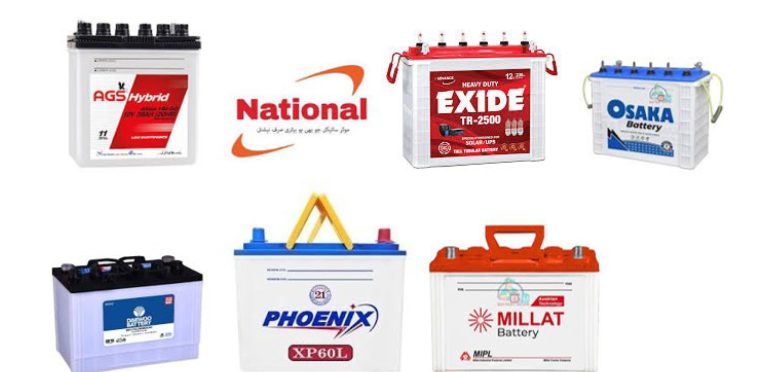
The local industry has grown, with organized players like Atlas, Exide, Osaka, Phoenix, Millat, Daewoo, and National dominating the market. 

Batteries Manufacturing Business Started in Pakistan:

  • 1953: Exide Pakistan started domestic production of car batteries. 
  • 1965: Atlas Battery was established. 
  • 1966: Atlas Battery signed a technical collaboration agreement with Japan Storage Battery Co. Ltd. for production of batteries in Pakistan. 
  • 1969: Atlas Battery commenced production under the “AGS” brand. 
  • 1970s-2000s: The automotive industry in Pakistan expanded, leading to increased demand for batteries. Atlas Battery, along with other manufacturers like Phoenix and Osaka, grew to meet this demand. 
  • Present: The organized segment of the battery market in Pakistan is dominated by a few large players, including Atlas, Exide, Osaka, Phoenix, and National, with local production reaching around 11.9 million batteries in FY21. The market is also seeing increased imports and exports of storage batteries. The growing number of vehicles on the road and the energy crisis are key drivers for the battery market.

Pakistan Battery Market Analysis

The Pakistan Battery Market is expected to register a CAGR of greater than 3.5% during the forecast period.

  • Over the medium period, factors such as the growing automotive sector in the country and the low cost of lead and lithium are likely to drive the Pakistan battery market during the forecast period. Moreover, there has been a sharp increase in the sales of automobiles, particularly of the two- and four-wheeler varieties, which also include electric vehicles. This surged the demand for SLI batteries and lithium-ion batteries, which is expected to propel the Pakistan battery market.
  • On the other hand, an economic slowdown and increasing government debt will likely restrain the Pakistan battery market during the forecast period.
  • Nevertheless, increasing the FDI due to the OBOR (One Belt, One Road) project, which includes various infrastructure projects, is likely to create a massive opportunity for the battery companies to fully fill the requirement of energy storage demand. Moreover, transportation and the number of heavy vehicles are expected to increase due to infrastructure development, which is likely to boost the battery market during the forecast period.

Pakistan Battery Market Trends

Lithium-ion Battery Expected to Witness Significant Growth

  • The lithium-ion battery market is still in its nascent phase in Pakistan. The country imports the majority of its Li-ion batteries from China. Increasing demand for backup power solutions and a rise in solar PV installations are expected to be the major drivers for the Li-ion battery market in the country.
  • These trends result in a sharp and sustained cost reduction, which is expected to help cement lithium-ion as the battery chemistry of choice in all energy storage markets, including grid-scale, behind-the-meter storage, residential storage, and microgrids in Pakistan.
  • Manufacturers are focusing on reducing the cost of lithium-ion technology. The price of lithium-ion batteries has fallen steeply over the past ten years. In 2022, the lithium-ion battery price was USD 135 per kWh.
  • This sharp and sustained cost reduction is expected to help cement lithium-ion as the battery chemistry of choice in all industrial and commercial electronic markets, including the agricultural, material handling, and construction industries, compared to lead-acid batteries. Falling battery prices are expected to bring price-competitive electric vehicles to all the major electric vehicle segments before 2030, ushering in a period of intense growth for electric vehicles.
  • Hence, with declining prices, the lithium-ion battery segment is likely to witness significant growth in the market during the forecast period.

Growth of Electric Vehicles and the Renewable Energy Sector

  • The initiation of electric vehicle assembling projects in Pakistan is expected to boost the battery market in the coming years. The government has been working toward increasing the integration of EVs in the country’s automobile sector and has set a target of 30% of vehicles operating on batteries by 2030.
  • Pakistan’s electric vehicle (EV) policy was approved for implementation in June 2020. Under the policy, the government aims to bring half a million e-motorcycles and rickshaws, with more than 100,000 electric cars, buses, and trucks, into the transportation system over the next five years.
  • The transportation sector in Pakistan has been experiencing double-digit growth. Almost dependent on oil-based products, and the country spends nearly USD 13 billion on the import of oil every year. Continues to grow at the same rate, the bill for oil imports is expected to reach around USD 30 billion by 2025. Therefore, shifting to electric vehicles solves several sectors’ present and impending problems, including transportation, environment, economy, and power.
  • The running cost of electric vehicles is relatively low, but the capital cost is relatively high. Moreover, the present infrastructure for EVs in the country needs to be improved. The Pakistani government has planned to implement incentives to support EV adoption and domestic manufacturing.
  • Therefore, owing to the above points, the increasing growth of electric vehicles and the renewable energy sector in the country is likely to drive the Pakistan battery market during the forecast period.

Batteries Business Opportunities in Pakistan

Several promising battery business opportunities exist in Pakistan, driven by the growth of electric vehicles (EVs), renewable energy, and consumer electronics. The increasing adoption of EVs, spurred by government incentives, and the expansion of the renewable energy sector, particularly solar and wind power, are creating a surge in demand for energy storage solutions. Additionally, the consumer electronics segment, including smartphones and other devices, is also contributing to the overall demand for batteries. 

Specific Opportunities:

  • Lithium-ion Battery Manufacturing and Assembly:

The rising demand for EVs and renewable energy storage systems presents a significant opportunity for establishing lithium-ion battery manufacturing and assembly plants in Pakistan. 

  • Import/Distribution of Batteries:

For businesses not yet ready to enter manufacturing, importing and distributing high-quality batteries, particularly for EVs and renewable energy applications, can be a profitable venture. 

  • Battery Recycling:

As battery usage increases, so does the need for proper battery recycling to minimize environmental impact. This creates a niche market for battery recycling businesses. 

  • Battery Management Systems (BMS):

Developing and supplying advanced BMS for EVs and energy storage systems is another area with growth potential, focusing on efficiency, safety, and longevity of batteries. 

  • Specialized Battery Applications:

Opportunities exist in niche markets like industrial batteries, backup power solutions for businesses, and specialized batteries for electric motorcycles and rickshaws, which are part of the government’s EV policy. 

  • Solar Battery Solutions:

With the growing adoption of solar power, businesses can focus on providing high-quality solar batteries for homes and businesses. 

  • Inverter Battery Sales and Service:

Inverter batteries for backup power during outages remain a consistent market in Pakistan. Businesses can focus on sales, installation, and maintenance of these batteries. 

  • Advanced Battery Technologies:

Research and development in areas like sodium-ion batteries or other emerging technologies could also be a future opportunity. 

Factors Favoring Battery Business Growth in Pakistan:

  • Government Support:

The Pakistani government is actively promoting EVs and renewable energy, creating a favorable environment for battery-related businesses. 

  • Increasing FDI:

Foreign direct investment is expected to increase due to infrastructure projects, further supporting the growth of the battery market. 

  • Rising Energy Demand:

Pakistan’s growing population and economy are driving increased energy consumption, creating a need for reliable energy storage solutions. 

  • Cost Optimization:

Efficient manufacturing and supply chain management are crucial for remaining competitive. 

  • Innovation and R&D:

Investing in research and development to improve battery performance and develop new technologies is vital. 

  • Strategic Partnerships:

Collaborating with local and international companies can help businesses expand their reach and access new technologies. 

Next episode, Battles between Global Lithium Demands is experiencing a significant surge, primarily driven by the widespread adoption of electric vehicles and the expansion of lithium-ion battery technology. 

This increased demand is creating a “race” to secure lithium supplies, with various countries and companies exploring new extraction methods and locations.

Wait for exploring the World of Lithium by staying connected with Monthly AUTOMARK, then say together Grow Automotive Grow Pakistan, INSHALLAH.

This exclusive article has been published in Automark’s August-2025 printed edition. Written by Mumtaz Hussain
Potential of EVs in Pakistan: A Strategic Case for Private and Commercial Users

INTRODUCTION

Dear Readers as the world races toward sustainable transportation, electric vehicles (EVs) are rapidly becoming a focal point of change. For countries like Pakistan, where the import bill for fossil fuels is a major burden and urban air quality is deteriorating, EVs offer a promising solution. Despite concerns about depreciation, upfront costs, and infrastructure, the EV market in Pakistan holds substantial potential for both private and commercial users. This article examines the benefits of EV adoption, strategies to offset rapid depreciation, and outlines viable business cases for middle- and upper-income segments.

1. The Pakistani Context: Transportation and Energy Challenges

Pakistan is heavily reliant on imported fossil fuels to meet its energy needs, particularly in the transportation sector, which accounts for nearly 40% of total oil consumption. With frequent fluctuations in global oil prices, local fuel costs have soared—making transportation expensive for households and businesses alike. Additionally, air pollution in cities like Lahore and Karachi is among the worst in the world, exacerbated by the high concentration of internal combustion engine (ICE) vehicles.

In this scenario, EVs offer a twofold advantage: they reduce dependency on imported oil and contribute to cleaner air.

2. Benefits of EVs for Private Users

2.1 Cost Savings on Fuel and Maintenance Electricity as a fuel source is significantly cheaper than petrol or diesel. At an average electricity rate of PKR 25-30 per unit and an EV consuming 15-20 kWh per 100 km, the running cost is roughly PKR 300-600 per 100 km—much lower than the PKR 2,500-3,000 cost for petrol vehicles covering the same distance.

Maintenance is also substantially cheaper. EVs have fewer moving parts, which means fewer breakdowns, no oil changes, and reduced wear and tear.

2.2 Government Incentives and Import Relief Though still evolving, the Pakistani government has introduced some incentives for EV users, including lower import duties on EV components and exemptions from registration fees. With policy support expected to grow, private users stand to benefit further.

2.3 Enhanced User Experience EVs offer smooth acceleration, reduced noise pollution, and smart connectivity features that are becoming increasingly attractive to modern consumers.

3. Benefits of EVs for Commercial Users

3.1 Fleet Management Cost Reduction For logistics, ride-hailing, and delivery services, EVs can dramatically reduce operational costs. For example, a delivery van running on electricity may cut fuel expenses by up to 70%, directly improving profit margins.

3.2 Brand Positioning and ESG Compliance Companies are increasingly being judged on their environmental impact. Adopting EVs can enhance a company’s brand image and support environmental, social, and governance (ESG) goals.

3.3 Predictable Operational Costs Unlike fuel prices, which fluctuate wildly, electricity costs in Pakistan are more stable and predictable, enabling better budgeting and long-term planning.

4. Addressing Depreciation: How to Recover the Value of an EV

4.1 Total Cost of Ownership (TCO) Advantage While EVs have higher upfront costs and depreciate faster in certain markets, their lower running and maintenance costs help even out the scales. Over a 5-year period, the TCO of an EV can be lower than that of a comparable ICE vehicle.

4.2 Secondary Battery Use and Recycling Even after their automotive life, EV batteries can be repurposed for energy storage systems, backup power units, or solar home kits. This adds residual value and promotes a circular economy.

4.3 Subscription and Leasing Models Leasing options can help offset depreciation concerns by lowering the burden of upfront costs and enabling vehicle upgrades. This model is especially relevant for commercial fleet operators.

4.4 Resale Markets and Ecosystem Growth As the EV ecosystem matures in Pakistan, a secondary market for used EVs and components will emerge, helping users recover value through resale and trade-ins.

5. Best Business Cases for Middle- and Upper-Income Segments

5.1 Middle-Income Segment: Ride-Hailing and Delivery Services

Middle-income individuals can benefit by using EVs for ride-hailing (Indrive, Yango, Metro) or delivery jobs. A small hatchback EV can be acquired for starting PKR 3-5 million, and with low operational costs, drivers can generate a steady income with higher profit margins.

Additionally, the growing trend of e-commerce and food delivery provides ample opportunities for two- and three-wheeler EVs.

5.2 Middle-Income: Cooperative Ownership Models Communities or groups of individuals can pool resources to buy and operate EVs collectively, sharing maintenance and charging infrastructure, and reducing per-user costs.

5.3 Upper-Income Segment: Luxury EV Ownership and Home Charging Infrastructure Wealthier individuals can explore premium EVs such as Tesla, Audi e-tron, or BMW i-series. Their high-end performance and luxury features make them attractive lifestyle choices. Many upper-income households already have access to private parking and can install dedicated charging stations at home, enhancing convenience.

5.4 Upper-Income: Solar-Integrated EV Ecosystems Upper-class users with rooftop solar installations can achieve near-zero fuel costs by charging their EVs with solar power, maximizing both environmental and financial benefits. This creates an integrated green lifestyle.

5.5 Investment in Charging Infrastructure Affluent individuals and businesses can invest in EV charging stations, tapping into a nascent but promising market. As EV adoption grows, early entrants in the charging business can reap substantial returns.

6. Infrastructure and Policy Support

Pakistan’s EV policy envisions 30% of all new vehicles sold to be electric by 2030. To achieve this, concerted efforts are needed:

  • Expansion of public and private charging infrastructure
  • Import duty rationalization for EV parts
  • Encouraging local EV manufacturing and assembly
  • Training programs for EV maintenance professionals

Collaboration between government, private sector, and civil society is essential to build a robust EV ecosystem.

7. Barriers to Adoption and the Way Forward

While the prospects are promising, certain challenges must be addressed:

  • Lack of widespread charging stations
  • High upfront vehicle costs
  • Limited model availability
  • Public awareness and trust issues

Solutions include government subsidies, public-private partnerships, financing options, and awareness campaigns.

8. Case Studies and Global Benchmarks

8.1 India: A Regional Success Story India’s EV strategy serves as a relevant example. The country’s Faster Adoption and Manufacturing of Hybrid and Electric Vehicles (FAME) program has catalyzed EV adoption through incentives for manufacturers and consumers. Notably, states like Delhi have introduced additional subsidies, waived road taxes, and supported charging station development. Pakistan can replicate such localized strategies tailored to urban centers like Lahore and Islamabad.

8.2 China: Leading by Volume and Infrastructure China’s early and aggressive investments in battery manufacturing and EV infrastructure have made it the global leader. Over 50% of all EVs sold globally are in China. The Chinese government’s strategy to subsidize EV purchases and offer free license plates in major cities demonstrates how smart policy can reshape market behavior.

8.3 UAE: Infrastructure-Led Model Dubai’s “Green Mobility” initiative and free public parking for EVs reflect how infrastructure support and convenience-based perks drive adoption. Pakistan’s elite and commercial hubs can draw from this strategy to pilot high-visibility EV zones.

9. EV Technologies and Performance Trends

9.1 Battery Innovations Battery costs have declined by over 80% in the past decade, with newer chemistries like Lithium Iron Phosphate (LFP) offering safer, longer-lasting alternatives. Pakistani consumers will benefit from this trend, especially as local dealers begin to import newer models.

9.2 Range Improvements Modern EVs now offer ranges approximate, 250 to 600 km on a single charge. Even budget EVs like the BYD Dolphin and MG4 are reaching 300+ km range, making them viable for both city and intercity travel in Pakistan.

9.3 Fast Charging and Battery Swapping DC fast charging and battery swapping stations can mitigate range anxiety. A 30-minute charge providing 80% battery capacity is already possible with many models. Pakistan’s private sector can lead investment in such infrastructure, supported by regulatory clarity.

10. Return on Investment (ROI): A Deeper Financial Comparison

Let’s consider a basic comparison:

  • ICE Vehicle: Suzuki Cultus
    • Fuel Cost: ~PKR 2,500 per 100 km
    • Annual Maintenance: ~PKR 50,000
    • 5-Year Fuel + Maintenance: ~PKR 1.4 million
  • EV: MG ZS EV
    • Electricity Cost: ~PKR 500 per 100 km
    • Annual Maintenance: ~PKR 20,000
    • 5-Year Fuel + Maintenance: ~PKR 400,000

This suggests an EV user saves ~PKR 1 million over five years. Even with a 10–15% faster depreciation, the lower running cost and secondary battery applications deliver a better net ROI.

11. Urban Planning and Mobility Integration

EVs can also be incorporated into broader urban development goals:

  • EV Car-Sharing Hubs: Urban centers can integrate EV-sharing fleets for public access, reducing car ownership and congestion.
  • Mixed-Use Charging Stations: Malls, tech parks, and public transport hubs can offer charging alongside retail or entertainment, boosting utility and adoption.
  • Smart Grid Integration: In the long term, EVs can become part of Pakistan’s energy resilience strategy, feeding electricity back to the grid (V2G – Vehicle to Grid).

12. Final Thoughts: A Roadmap for All Stakeholders

To truly capitalize on the EV transition, a multi-stakeholder approach is essential:

  • Government: Provide financial incentives, standardize regulations, and invest in infrastructure.
  • Private Sector: Develop financing models, leasing options, and local EV assembly.
  • Consumers: Shift mindset toward TCO, environmental impact, and tech-driven benefits.
  • NGOs and Academia: Launch awareness campaigns and technical training.

With the right blend of policy, finance, and innovation, EVs can drive Pakistan toward cleaner air, reduced imports, and inclusive economic growth.

Conclusion

EVs present a transformative opportunity for Pakistan’s transport and energy sectors. By reducing fuel costs, lowering emissions, and offering viable business models, EVs can benefit both private and commercial users. With the right policies, infrastructure, and market incentives, even the challenges of depreciation and high upfront costs can be effectively managed. For middle-income earners, EVs offer a path to sustainable entrepreneurship, while for upper-income users, they represent a lifestyle upgrade and an investment opportunity. The future is electric—Pakistan just needs to plug in.

This exclusive article has been published in Automark’s August-2025 printed edition. Written by Aqeel Bashir

The Rise of EV Bikes & Scooters in Pakistan: Past Progress, Present Momentum & Vision 2030

🔰 Introduction

Electric mobility is no longer a futuristic dream in Pakistan — it is a movement in motion. Over the past two years, the electric two-wheeler market has shifted from skepticism to visible acceptance, with dealership interest and on-road presence growing rapidly.

Major cities in Punjab, Sindh, and Khyber Pakhtunkhwa (KPK) are witnessing a steady rise in EV bikes and scooters, driven by increasing fuel prices, evolving customer behavior, and more supportive government policies.

This article explores the past progress, present momentum, and the future roadmap of electric two-wheelers in Pakistan, with emphasis on policy support, localization challenges, consumer trends, and regional disparities.

🛠️ 2020–2025: From Trial to Takeoff

1. Government Push & Policy Enablement

The Electric Vehicle Policy 2020–25 laid the foundation for this shift. In recent years, both federal and provincial governments — particularly Punjab — have initiated concrete actions to accelerate EV adoption:

  • Zero customs duty on EV-specific components,
  • Reduced sales tax on locally assembled EV bikes,
  • Early discussions on low-interest financing schemes for consumers.

These measures have boosted investor confidence and sparked a surge in dealership applications across the country.

2. Fuel Prices: A Natural Catalyst

With petrol prices crossing Rs. 260–280 per liter, affordability has become a major concern. EV bikes, with a running cost of Rs. 1–1.5/km, offer a compelling alternative to petrol bikes, which cost Rs. 6–8/km.

For daily commuters and delivery riders, the financial advantage of EVs is too significant to ignore — making the shift more of an economic necessity than a lifestyle choice.

3. Industry Response: Learning, Testing & Adapting

Pakistan’s EV industry remains in a learning phase:

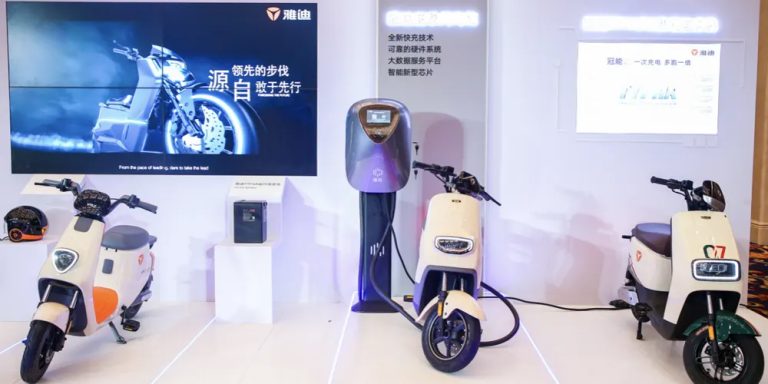
  • Multiple brands — including OKLA, Yadea, Metro, Evee, Benling, Eveon, TailG, Ramza, and others — have launched diverse models with different specs.
  • However, most companies are still experimenting and have yet to finalize high-volume flagship models for long-term scalability.

This uncertainty is closely tied to localization constraints. Sustainable localization becomes feasible only when:

  • A model is standardized and widely adopted,
  • Sales volumes are high and consistent,
  • Vendors have confidence in future demand.

Without this stability, parts suppliers cannot justify the investment in tooling or economies of scale — keeping localization efforts limited and prices higher than potential.

📍 Regional EV Adoption: Punjab Leads, Sindh Lags

Punjab: A Success Story in the Making

Cities like Lahore, Faisalabad, Rawalpindi, and Multan have shown strong growth in EV interest:

  • Dealership networks are expanding.
  • Low-rise housing makes home charging feasible.
  • Higher road visibility and rising fuel costs have increased customer confidence.

⚠️ Sindh: Slower, But Full of Potential

Sindh — especially Karachi — is showing slower adoption due to a mix of factors:

  • High-rise apartment living, limiting access to home charging.
  • Lack of public charging infrastructure.
  • Poor road conditions, which impact vehicle performance.
  • Less aggressive brand outreach and promotion.

Despite these hurdles, Pakistanis are known for street-smart innovation. Creative solutions are already emerging, including:

  • Ground-floor shared sockets,
  • Rooftop and basement charging setups,
  • Battery swapping stations in commercial areas.

These grassroots innovations — if recognized and supported — can become cornerstones of urban EV infrastructure.

💸 Cost of Ownership: A Hidden Yet Critical Factor

EV bikes offer substantial savings in fuel, maintenance, and service costs. Yet, the concept of total cost of ownership (TCO) is still largely not considered by Pakistani consumers.

  • Only about 1% of buyers actively consider lifetime operating cost.
  • Most purchasing decisions are based on initial price, battery range, shape/design, and brand recognition.

🔋 The Missing Puzzle: Standardization for Localization

A key barrier to EV industry growth is the lack of standardized models.

Once 2–3 flagship models are selected and scaled, vendors can confidently invest in:

  • Chassis and frame production,
  • Battery and controller casings,
  • Local chargers and accessories,
  • Plastic and cosmetic components.

This will drive down costs, strengthen after-sales support, and enable Pakistan to become a true EV manufacturing hub in South Asia.

🏭 Market Competition & Price War on the Horizon

The next 3 years will see a wave of new entrants and product diversification:

  • More companies are entering Pakistan with a variety of EV bike and scooter models.
  • Promotions, installment plans, and bundling of chargers/batteries will become common.
  • Competition will intensify, forcing prices to drop and quality to rise.

While this is great news for consumers, it also demands that local players focus on aftersales, training, and customer retention strategies to stay competitive.

🔄 Battery Swapping: The Future of Convenience

As lithium-ion battery demand increases, especially in cities with dense housing, battery swapping stations could offer a scalable solution:

  • No need for home or public charging setups
  • Quick 1–2 minute battery exchanges
  • Potential to support delivery fleets and ride-hailing services

For battery swapping to thrive in Pakistan, coordination between:

  • OEMs (standardized battery sizes),
  • Energy service providers (swapping networks), and
  • Government (subsidy/infrastructure policy)
    …is essential. With the right push, battery-as-a-service (BaaS) could revolutionize EV mobility.

📈 The Road Ahead: Vision 2030 & Beyond

Area2030 Outlook
EV 2-Wheeler AdoptionExpected to exceed 1 million units on roads
Standardized Models2–3 models to dominate high-volume production
Parts Localization30–50% local content in top-selling models
Charging InfrastructureGrowth in home-based and smart local solutions
Dealership GrowthOver 500 active outlets anticipated
Vendor EcosystemTier-2 suppliers to scale with stabilized demand

🧠 Final Thoughts: Strategy, Scale & Sustainability

The future of EV bikes and scooters in Pakistan is bright — but only with the right strategy.

To ensure long-term sustainability, the following must be prioritized:

Policy implementation and real-time enforcement

Model standardization to enable localization

Vendor training, tooling, and business confidence

Aftersales infrastructure and technician readiness

Urban charging innovation for high-rise regions

As more EVs hit the road, “seeing is believing” will fuel widespread adoption. But now is the time for OEMs, policymakers, dealerships, and vendors to collaborate and build a scalable, affordable, and locally rooted EV ecosystem.

🖊️ About the Author

Muhammad Asif Mehmood is an automotive aftersales professional with 28+ years of experience in ICE and EV platforms. He currently leads EV technical and service transformation initiatives and regularly writes about trends shaping Pakistan’s mobility future.

Pakistan’s Auto Parts Sector Ready to Seize Global Opportunities – The Time to Act is Now 

Pakistan’s auto parts industry is standing at a crucial juncture. While the domestic Original Equipment Manufacturer (OEM) supply base has expanded impressively over the past few decades, our global footprint remains small—yet full of untapped potential. 

With more than 250 local auto parts manufacturers actively supplying to OEMs in Pakistan, only 28 of them are currently exporting. These exporters have carved their own path, often with little institutional support. They took bold steps—investing in global marketing, participating in international trade exhibitions, building certifications, and complying with export standards—all without any guaranteed success in the beginning. 

In contrast, many of their peers continue to focus solely on domestic demand. But in a shrinking local auto market—marked by volatile car sales, economic uncertainty, and heavy dependency on imported kits—this is no longer sustainable. It’s time for the rest of the community to step up and join hands in taking Pakistan’s auto parts manufacturing to global markets. 

Rising Costs, Fading Margins – The Challenge of Exporting Alone 

One of the biggest barriers faced by aspiring exporters is the cost of participating in international trade fairs. From booth rentals to airfare, accommodation, logistics, and sample transportation, expenses can quickly balloon to unsustainable levels—especially in the face of Pakistan’s depreciating currency and inflationary pressure. 

What used to be manageable has now become nearly out of reach for many SMEs. Even securing government subsidies or trade development grants is a bureaucratic maze with few transparent outcomes. 

But rather than giving up, we must adapt. We need new collaborative strategies. If every small manufacturer tries to do everything on their own, we’ll continue to struggle. But if we build clusters, pool our capabilities, and form joint marketing groups, we can make a mark on the global map. 

Learning from Our Own Exporters 

Before dreaming big, we must start by learning from our own exporters—the 28 companies that are already exporting. What markets are they in? How did they get there? What certifications did they need? What mistakes did they make early on? 

By understanding their journeys, we can shorten our own. Regular meetups, knowledge sharing forums, and digital WhatsApp groups should be set up where insights can be exchanged. This isn’t just an industry problem—it’s a national challenge that must be tackled collectively. 

Collaborate to Compete: Joint Participation in Global Fairs 

Rather than every company applying for a separate booth, we must consider joint representation. Here’s the formula: 

Product development collaboration: Two or three companies from different technologies can jointly develop one product for export. 

Marketing representative model: One experienced exporter can serve as the group’s export marketing lead. 

Joint participation in trade fairs: Share the booth, share the cost, and share the leads. 

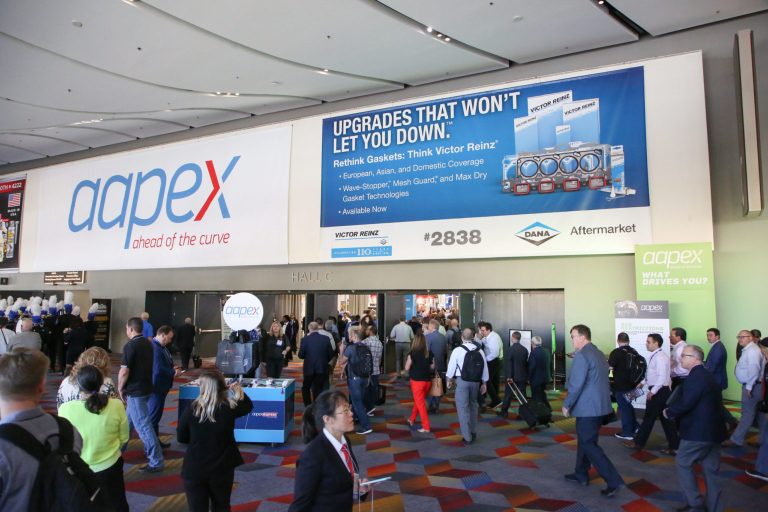
The upcoming AAPEX 2025 in Las Vegas (November 4–6) and Automechanika Frankfurt 2025 (September 9–13) are ideal platforms for such strategies. 

Why AAPEX USA 2025 Matters 

The American automotive aftermarket is estimated at $190.5 billion, covering parts, services, and accessories sold after the initial vehicle purchase. Alongside it, Latin America’s aftermarket is growing rapidly and now worth USD 56.13 billion (2024). These are mature, yet opportunity-rich markets. 

AAPEX is a trade-only event that brings together distributors, importers, retailers, manufacturers, and service providers from the U.S., Latin America, and other global regions. 

What makes AAPEX so important? 

To make the most of AAPEX, Pakistani companies must understand that product quality, certification (like ISO/TS), packaging, and pricing are non-negotiables. But so is having a confident sales team that can communicate value clearly. 

Why Automechanika Frankfurt 2025 Is Equally Important 

Held every two years, Automechanika Frankfurt is Europe’s leading platform for the automotive aftermarket, with a market size of USD 107.83 billion. European buyers are known for being quality-conscious, environmentally focused, and compliance-driven—making it a tough but rewarding market. 

Why should Pakistani firms participate? 

Global Reach: Engage with buyers from over 180 countries. 

Technology Insights: See what’s next in EV, hybrid, and intelligent mobility. 

Supplier Networking: Build relations with raw material providers and distributors. 

Sustainability Trends: Showcase eco-friendly parts, especially in rubber, metal, electronics, and lightweight polymers. 

For participation, a company must first identify its core product, map it to international demand, and then study the exhibitor and visitor list from previous years. Contact potential buyers in advance and schedule meetings at the booth. 

Preparing for the Leap 

Export readiness is not just about making a good product. It requires a complete transformation of how companies think and operate: 

Certifications: Invest in internationally recognized quality management systems and lab testing. 

Packaging & Branding: First impressions matter. Your packaging must be professional and product branding sharp. 

Pricing Strategy: Competitive without compromising margins. Factor in logistics and after-sales support. 

Online Presence: Buyers do research before they buy. You need a website, digital catalog, and email presence. 

Customer Service: Be ready to respond fast, with technical data sheets, MOQs, lead times, and shipping terms. 

A Final Word: It’s Time to Move Forward 

Pakistan’s auto parts sector has the capability, the talent, and the infrastructure. What it lacks is direction, collaboration, and strategic ambition

The next two years are crucial. With events like AAPEX USA and Automechanika Frankfurt on the horizon, we have clear targets. These are not just exhibitions—they are launchpads for global growth. 

Instead of waiting for perfect conditions, we must build teams, pool resources, and start now

As a nation, if we are to reduce our trade deficit, earn foreign exchange, and move away from donor dependency, we must industrialize through export-oriented growth. And the auto parts sector, with its deep supply chains, engineering strength, and proven track record, is one of the best places to start. 

Let’s collaborate. Let’s export. Let’s put Pakistan’s auto parts industry on the global map—together. 

By Mashood Khan
Director – Mehran Commercial Enterprises
Expert Auto Sector / Former Chairman PAAPAM

Zubair Shaikh confirmed as CEO of Wafi Energy, Shell’s licensee in Pakistan

Confirmation signals leadership continuity as the company accelerates its growth and energy investments in Pakistan

Wafi Energy Pakistan Limited, the exclusive licensee of Shell fuel and lubricants in Pakistan, has confirmed Zubair Shaikh to continue as Chief Executive Officer.

With more than 19 years of experience across the energy and financial sectors, Zubair brings a strong track record of strategic growth, commercial delivery, and operational transformation. His leadership during a pivotal phase of the company—following Wafi Energy Holding’s acquisition of Shell Pakistan in November 2024—has ensured business continuity, strengthened performance, and built momentum toward the company’s long-term ambitions in Pakistan.

“Zubair’s confirmation reflects the Board’s confidence in his ability to lead Wafi Energy Pakistan,” said Ghassan Al Amoudi, Chairman of the Board. “His deep sector knowledge, commercial insight, and ability to deliver results make him well-positioned to drive sustained value for our shareholders, customers, and partners. As CEO, he will continue to shape Wafi Energy Pakistan’s next phase of growth to become a leading energy player delivering innovative, responsible, and future-ready energy solutions for the country.”

Zubair began his career with Shell in 2006, advancing through finance, strategy, sales, and commercial leadership roles. He has successfully led both the lubricants and retail fuels businesses for Shell Pakistan, serving as General Manager Lubricants and General Manager Mobility, respectively. He is a Fellow Member of the Institute of Chartered Accountants of Pakistan, and has also held roles in banking, ports and shipping, and audit and assurance.

Building on 78 years of Shell’s brand presence in Pakistan and over a century of energy development in the region, Wafi Energy Pakistan is committed to support the country’s growing energy needs and long-term economic progress.

  • – PRESS RELEASE

World’s No.1 PHEV Brand – BYD, Brings Game-Changing Technology to Pakistan

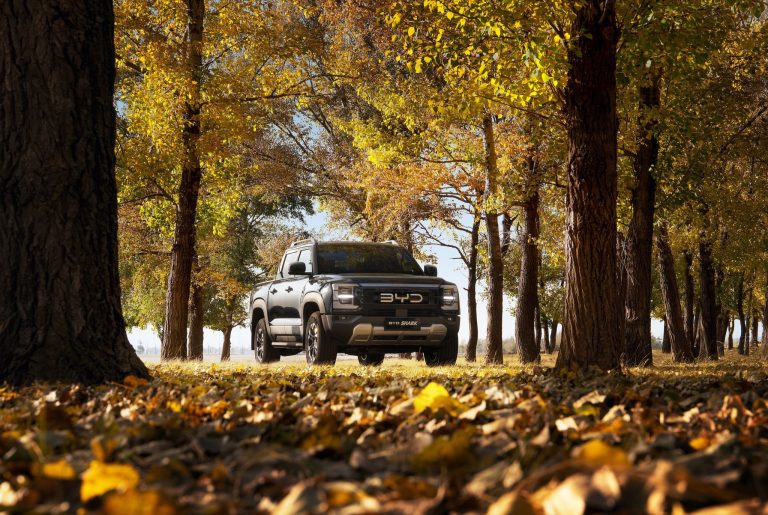
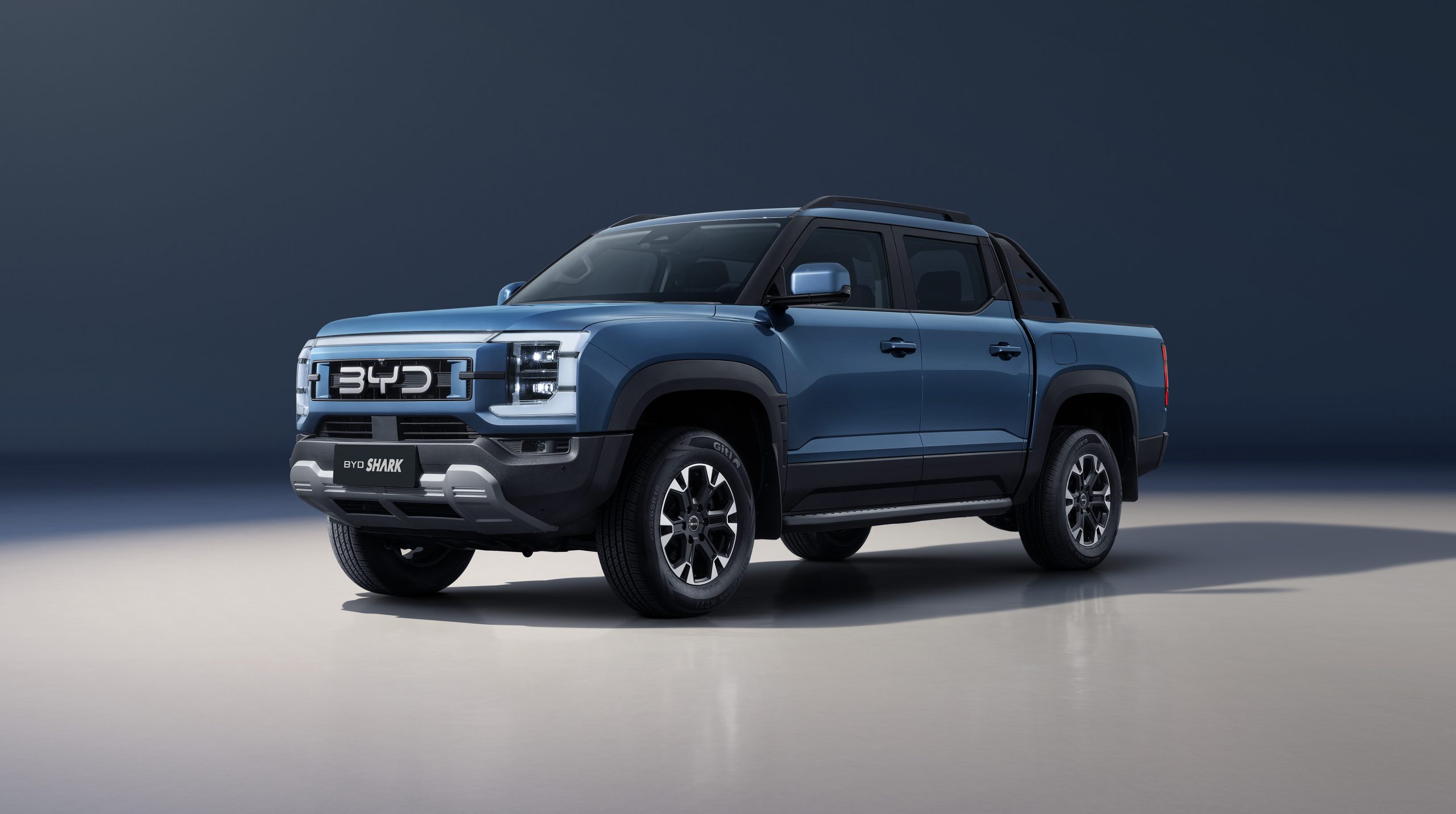
The BYD Shark 6, introduced not just as Pakistan’s first PHEV pickup but also a category-defining product.

As countries around the world accelerate the shift away from internal combustion engine (ICE) vehicles, Pakistan is gradually aligning itself with global trends through policy direction and growing consumer interest in electric vehicles. The government’s New Energy Vehicle (NEV) policy, aimed at reducing carbon emissions and improving urban air quality, has already opened the door to electric mobility.

Global manufacturers are increasingly looking at Pakistan as the next frontier. The introduction of the country’s first plug-in hybrid electric vehicles (PHEVs) pickup to serve as a stepping stone, showcases a prime example of this interest. PHEVs are ideally placed to provide a worthy introduction to the benefits that electric driving has to offer. At a recent experiential workshop in Karachi, BYD Pakistan – Mega Motor Company became the first auto player to initiate this conversation, inviting automotive experts, media representatives, and industry stakeholders to share their Super DM Plug-in Hybrid Technology platform, using the BYD Shark 6 PHEV pickup as the showcase vehicle.

The event marked the formal introduction of BYD’s proprietary Dual Mode (DM) Super Hybrid platform to the local market. Rather than simply combining electric and petrol power like a traditional hybrid, this system prioritizes electric drive and uses the engine as an efficient range extender. In effect, the vehicle behaves more like an EV, while maintaining the backup assurance of fuel for longer journeys.

According to Lei Jian, Country Head of BYD Pakistan, the company’s Dual Mode architecture has been under development for over two decades. “We launched the world’s first mass-produced PHEV back in 2008,” he shared. “With a vertically integrated supply chain and constant R&D, we’ve built a platform that’s both intelligent and efficient. The engine only activates when it’s needed, making long-distance travel stress-free.”

The system, which BYD introduced globally with the F3DM, the world’s first mass-produced PHEV, has undergone over 20 years of continuous development. Under the Super Dual Mode Hybrid Platform, the vehicle combines a large-capacity power battery with a high-efficiency Xiaoyun 1.5L naturally aspirated engine, which offers an industry-leading thermal efficiency of 46.06%*, a benchmark among mass-produced hybrid engines.

Participants were also given an in-depth look at the technological components of the system, including the Blade Battery, a proprietary battery unit developed in-house by BYD for higher safety, longevity, and thermal stability. Integrated into BYD’s Electric Hybrid System (EHS), the platform delivers fast power response and near-instant torque, creating a smooth driving experience as a pure EV.

The BYD Shark 6, introduced not just as Pakistan’s first PHEV pickup but also a category-defining product. The pickup delivers a combined range of 800 kilometers and fuel efficiency of up to 50 kilometers per liter (Combined fuel consumption – SOC 25%-100% (km/l)) through a 29.58 kWh battery delivering 436 HP and 650 Nm of torque, making it the fastest, most powerful pickup in the local market.

Danish Khaliq, Vice President Sales and Strategy at BYD Pakistan, explained how PHEVs redefine the hybrid driving experience. “This isn’t about incremental improvement, it’s a leap,” he said. “The electric motor does the heavy lifting. The combustion engine exists to support, not lead. That distinction changes the entire driving dynamic, especially for urban users who are increasingly looking for smarter and cleaner options.”

He further highlighted that the fundamental difference between PHEVs and traditional hybrids (HEVs) is that while HEVs rely mainly on the petrol engine and recharge their batteries through their engine or by regenerative braking, PHEVs come equipped with a larger battery that can be charged externally. This allows them to offer both greater fuel efficiency and environmental benefits without compromising range. They also provide the capability to drive solely on the battery, with an extended range, operating as a pure electric vehicle.

In terms of real-world application, the BYD Shark 6, which uses the Dual Mode off-road (DMO) plug-in hybrid platform, can cut tailpipe CO₂ emissions by as much as 62%*, a notable figure in congested cities like Karachi and Lahore, where transport emissions dominate the smog equation. Beyond its environmental benefits, the vehicle also delivers an exceptional driving experience for adventure seekers with multiple terrain modes, including Mud, Snow, and Sand, ensuring complete control across diverse landscapes.

While the Shark 6 was the centerpiece during the event, the larger focus remained on how PHEVs could play a transformative role in Pakistan’s mobility ecosystem. These vehicles are bound to offer a transitional route for consumers seeking a balance of performance, sustainability, and cost-effectiveness.

The workshop served as a precursor to a broader shift in the local automotive conversation, away from legacy models and toward cleaner alternatives. As one panelist aptly put it, “This is not just about introducing a vehicle; it’s about introducing a mindset.”

With BYD positioning Pakistan as a key regional market and setting up its local production plant, the groundwork is being laid for a future where plug-in hybrid electric vehicles serve as a key option for widespread NEV adoption in the country.

  • Press Release

MG Official Urges Industry to Rethink Pricing and Real Benefits for Consumers

As Pakistan unveils its long-awaited New Energy Vehicle (NEV) Policy 2025–30, aimed at reducing emissions and fuel dependence, voices from within the auto industry are calling for a shift in how new technologies are priced and positioned in the market.

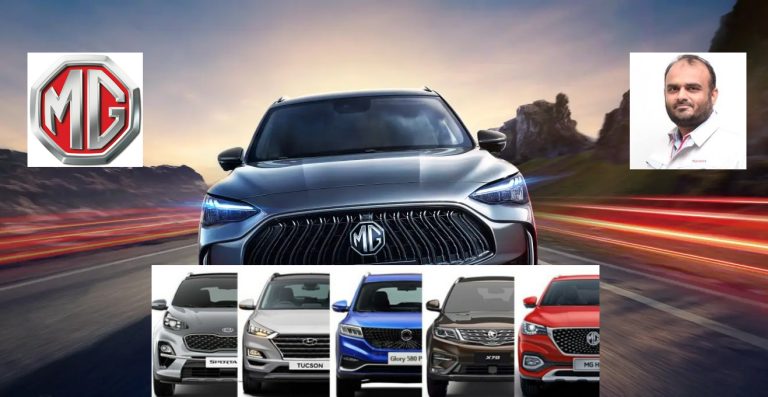
In a recent interaction with media in Lahore, Syed Asif Ahmed, General Manager Marketing Division at MG Motors, said that while the policy is a step in the right direction, the local Hybrid Electric Vehicle (HEV) market remains largely unaffordable and does not pass on the benefits of technological advancements to the average Pakistani consumer.

“HEVs in Pakistan have become a luxury for a niche market,” Ahmed remarked. “Despite policy support, the real advantages have not trickled down to car buyers.”

He noted that the most expensive HEV SUV in Pakistan—a seven-seater—carries an ex-factory price tag of Rs 16 million, while five-seater variants range from Rs 9.6 to 12 million.

“The industry must think seriously about affordability,” he added, “and consider shifting toward Plug-in Hybrid Electric Vehicles (PHEVs), which are better suited for urban use and offer real electric range.”

Unveiled by the Ministry of Industries, the NEV Policy 2025–30 introduces official classification for EVs, PHEVs, and hydrogen-powered vehicles as “New Energy Vehicles”—in line with global standards.

Ahmed was also critical of how earlier tax incentives were structured, allowing traditional hybrids to be labelled as “New Energy Vehicles”, primarily to benefit large automotive players.

“Unfortunately, these subsidies neither helped the environment nor the people. They only benefited the principal companies and their local partners.”

In contrast, PHEVs offer a more meaningful alternative, with pure EV driving capabilities for daily urban commutes and hybrid flexibility for long routes—helping tackle the range anxiety often associated with EVs.

MG Motors has taken a lead with the introduction of Pakistan’s first locally assembled Plug-in Hybrid SUV, the MG HS PHEV. It features a 16.6kWh lithium-ion battery offering over 52 km of electric-only range, combined with a 1.5L turbocharged engine to deliver 260 HP and 370 Nm of torque—achieving 0–100 km/h in just 7.1 seconds.

Priced under Rs 10 million, Ahmed described the MG HS PHEV as “the best value-for-money vehicle in its class,” offering advanced tech, performance, and fuel economy.

Asif informed that MG has sold more than 16,000 vehicles in Pakistani market so far out of which approximately 2000 were Plug In Hybrid vehicles (PHEV) as Pakistani customers are realizing the true economic benefit of PHEV as it’s a perfect urban mobility option for the urban consumers.

He says despite the changing trend of converting to PHEV from HEV Pakistani consumers have just one choice in the shape of MG HS PHEV, although having a better technology but still placed lower than most hybrids in Pakistan.

Asif said that MG leads specification leadership in Pakistan. All automakers now follow the global specs MG introduced in MG HS in both CBU & CKD. MG vehicles have crossed approximately 350 million miles since its launch in Pakistan in 2021, and MG HS has successfully tested for Pakistan’s fuel, terrain (road), and weather conditions, he added.

Asif said the vehicles in Pakistan are still expensive. Globally, hybrid vehicles deliver financial value when their purchase price does not exceed more than 10% of the cost of an equivalent petrol vehicle. 

However, this benchmark is not practised in the Pakistani market. Here, the price gap between hybrids and their petrol counterparts is significantly wider averaging around 45%.

For example, a C SUV hybrid vehicle costs up to Rs 12 million, while similar C SUV conventional petrol cars cost Rs 8.0 million. In Pakistan, the difference of price between hybrid and conventional petrol cars is approximately 4.0 million in the C SUV category.

While Pakistan’s NEV policy sets a progressive roadmap, industry execution remains key. With more PHEV models expected to enter the market, the question remains will automakers use these incentives to empower consumers—or repeat the hybrid playbook of high margins and minimal environmental gains?

“The potential is enormous,” Ahmed concluded. “But only if we prioritize real consumer value and environmental impact—over short-term profits.”

Feel the Experience – Book with Confidence – HR-V e:HEV The New Era of Hybrid Driving is Here

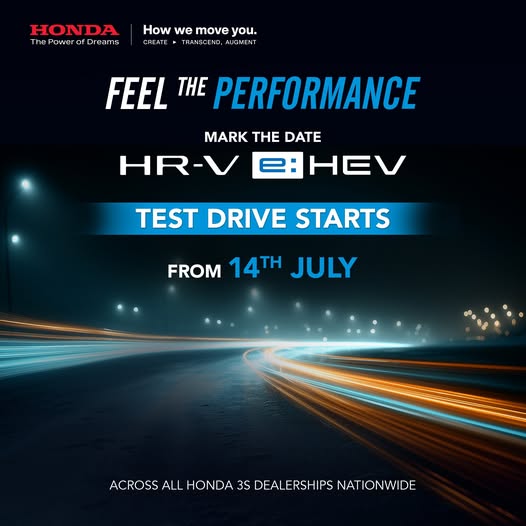
Honda Atlas Cars introduced its HR-V e:HEV with a first-of-its-kind move, making the vehicle available for test drive at all 3S dealerships across Pakistan Starting from 14th July. This gives customers the chance to experience the future of mobility before placing a booking.

This customer-first approach redefines the traditional pre-booking experience by giving potential buyers the opportunity to explore the HR-V e:HEV – its elegant design,  features, and cutting-edge hybrid technology in person and then make a confident decision. 

As the most fuel-efficient, economical, and technologically advanced HR-V ever introduced, the e:HEV sets a new benchmark for smart and sustainable driving in Pakistan, transforming the driving landscape, with test drive units available on dealerships nationwide, this initiative builds trust, adds transparency, and elevates the car-buying experience.

Visit your nearest Honda 3S dealership today and explore the future of hybrid mobility.

Automechanika Istanbul, 12 – 15 June 2025

Strong Pakistani Presence at Automechanika Istanbul 2025 with 13 Exhibitors

Karachi – Automechanika Istanbul 2025, Turkey’s largest international trade fair and a key hub for the automotive aftermarket industry, wrapped up successfully at the Istanbul TÜYAP Fair and Congress Center, held from 12th to 15th June 2025.

The 18th edition of Automechanika Istanbul 2025, jointly organized by Messe Frankfurt. The fair played the role for over 57,748 visitors and 1,450 exhibitors from 37 countries with a wide range of automotive products.

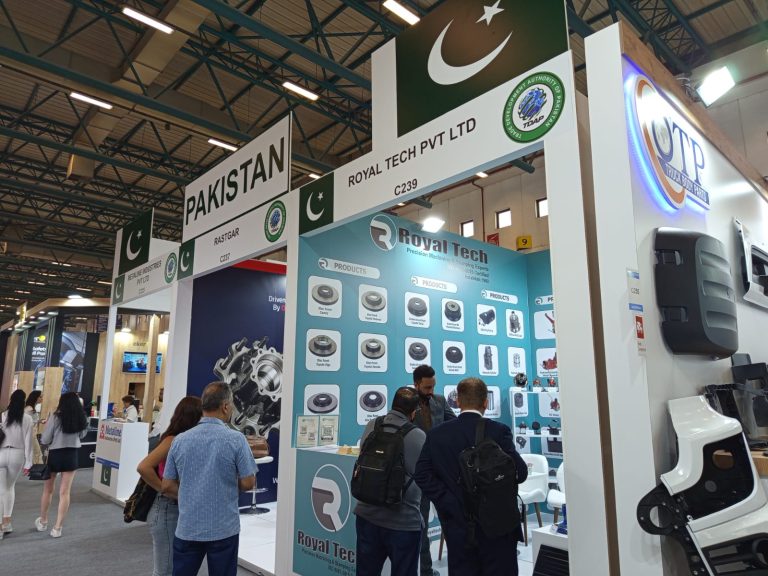
Among 13 Pakistani companies that participated, 12 showcased their products at the fair through the Trade Development Authority of Pakistan. These included Adamjee Engineering Pvt Ltd, Matchless Engineering, SNA Industries, GTR Tyre, MGA Industries, Metaline Industries, Vertex Automotive, Thermosole Industrie, Royal Tech, Ravi Autos, Rastgar Engineering, and Silver Falcon Engineering. Additionally, Osaka Batteries participated with independent representation.

Zeeshan Khan from Royal Tech Pvt. Ltd. shared that their group, which includes Royal Tech, Mecas Engineering, Mecas Foundry, and Mecas Sundar, exports to countries such as Germany, Italy, and France. He noted that they have been participating in Automechanika Istanbul for the past 15 years and consider it one of the best global trade fairs. “We exhibit in many countries, but Automechanika Istanbul consistently delivers a great response. We’re very happy to be here,” he further added.

Mr. Aamir Nazir from Rastgar Engineering’s Sales Department said that they joined an exhibition through TDAP after a long time and got better results than they expected. He said the market was large, and even with a lot of competitors, after that they got a very good response from Europe, Germany, and Greece buyers.

Silver Falcon Engineering Corporation is participating for the first time, and their feedback has been very positive—they were also visibly excited to be part of the exhibition.

Pakistani trade visitors at Automechanika Istanbul 2025 appreciated the exhibition for helping them explore new technologies, connect with international businesses, and understand global trends in the automotive industry.

Furthermore, the involvement of numerous Pakistani auto parts businesses emphasised the show’s growing influence on the country’s automotive landscape.

  • PRESS RELEASE

Nissan to export EVs from China starting next year

Nissan is reportedly set to begin exporting electric vehicles (EVs) from its Chinese factories to Southeast Asia, the Middle East, and other regions starting in 2026. The move aims to leverage Nissan’s existing after-sales service network in these overseas markets.

The struggling Japanese automaker is currently reviewing its global production footprint, with the goal of a rapid business turnaround by selling China-made EVs to other markets.

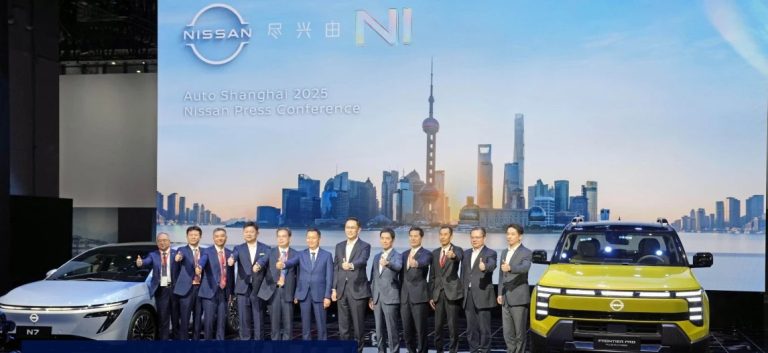
Among the EVs slated for export is the N7 mid-size sedan, the first EV designed and developed by Nissan’s joint venture in China. The N7, which launched in China in April and became the fastest JV brand reaching 10,000 orders, starts at 119,900 yuan (16,450 USD) and is produced at Nissan’s plant in Guangzhou, Guangdong Province.

The N7’s automotive software incorporates AI technology from Chinese companies. To facilitate exports, Nissan will need to modify the software specifications due to restrictions on Chinese-made AI products in some countries. To develop software for export markets, Nissan has invested in IAT Automobile Technology, a Chinese developer.

On June 25, Dongfeng Motor announced the formation of a joint venture with NCIC (a wholly-owned subsidiary of Nissan) to engage in automotive export business. The joint venture, with a registered capital of 1 billion yuan (140 million USD), will see Dongfeng Motor contribute 400 million yuan (40% stake) and NCIC contribute 600 million yuan (60% stake).

According to Chinese media XHBY, Nissan believes that the competitively priced EVs manufactured in China will attract overseas orders. Additionally, Nissan plans to introduce other EVs and plug-in hybrid vehicles in the Chinese market, including its first electric pickup truck by the end of this year.

Nissan’s current difficulties are partly attributed to delays in new model launches. In May, the company unveiled a business recovery plan that includes cutting 20,000 jobs and consolidating 17 factories into 10. The company is also working to establish an optimal supply system, positioning EVs as core products for the future.

Source: XHBY