
Grow Automotive – Grow Pakistan
Learn from the Past – Earning from the Present – Growing from the Future
DEAR READERS, Summary of the Last Article
Range Extended Electric Vehicles (REEV), are a specialized type of electric car that bridges the gap between battery electric vehicles (BEVs) and plug-in hybrids (PHEVs). They have a larger battery than traditional hybrids, allowing them to drive solely on electricity, but they include a gasoline engine used as a generator to recharge, not to drive the wheels. REEV car as an Electric Vehicle and took benefits of EV while week infrastructure of Pakistan’s country sides.
REEVs are gaining traction in Pakistan to combat range anxiety, with Deepal S05 leading as the first locally assembled REEV SUV (launched late 2025/early 2026). Other models include the Forthing Friday REEV and Nora EV, with prices ranging from PKR 70 Lakh to 1 Crore+.
Now Read On….
For the past several columns, we have continued to write in detail about electric vehicles. Today we will write in detail about PHEV and in the next we will write about Pure Electric Vehicle.
What is PHEV
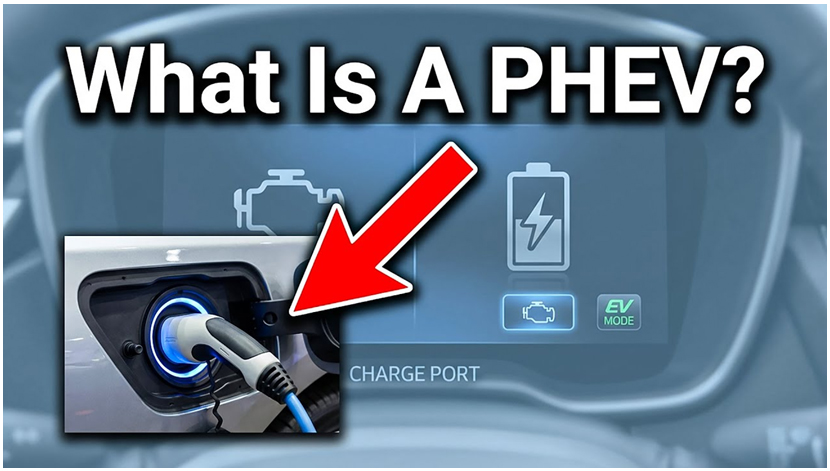
A Plug-in Hybrid Electric Vehicle (PHEV) is a car that combines a gasoline engine with an electric motor and a larger battery, which can be charged by plugging into an external power source. They offer electric-only driving for short trips and automatic switching to efficient hybrid mode for long distances.
Features of PHEV
- Dual Power Sources: Uses both electricity and gasoline/diesel.
- Plug-in Capability: Can be charged at home or public charging stations, unlike traditional hybrids.
- Electric-Only Range: Offers, on average, roughly 50-100 kilometers (around 30-60 miles) of pure electric driving.
- Flexibility: When the battery drains, the car continues running on the gas engine, eliminating range anxiety.
Benefits of PHEV
- Fuel Savings: Increased fuel efficiency compared to conventional ICE vehicles.
- Lower Emissions: Reduced carbon footprint, with zero emissions for short, electric-only journeys.
- Reduced Charging Wait Times: You can fuel up with gas quickly, avoiding long charging stops on long trips.
Difference in PHEV & HEV
The main difference between a PHEV (Plug-in Hybrid Electric Vehicle) and an HEV (Hybrid Electric Vehicle) is that PHEVs have larger batteries that must be charged externally and offer significant electric-only driving ranges (approx. 50–100 km), while HEVs self-charge via braking and the engine, offering better fuel economy but very limited electric-only driving.
- Charging: PHEVs plug into an outlet (grid) to charge. HEVs cannot be plugged in.
- Electric Range: PHEVs provide extended, daily electric-only driving. HEVs only use electric power for short bursts, parking, or low speeds.
- Battery Size: PHEVs have larger, heavier batteries compared to the smaller batteries in HEVs.
- Driving Experience: When the battery is drained, a PHEV operates like a traditional hybrid, whereas an HEV relies on the engine immediately to aid the electric motor.
When to Choose Which
- Choose a PHEV if you have a short daily commute, can charge at home, and want to avoid using gasoline for daily driving.
- Choose an HEV if you cannot charge at home, drive long distances regularly, or want a lower upfront purchase price.
Difference in PHEV & BEV
BEVs (Battery Electric Vehicles) run 100% on electricity with no gas engine, zero emissions, and long charging times. PHEVs (Plug-in Hybrid Electric Vehicles) combine a smaller battery (50–60 Km range) with a gasoline engine, allowing them to run on electricity for short trips and gas for long trips, offering better flexibility.
- Powertrain: BEVs have only an electric motor and battery. PHEVs have both an electric motor and an Internal Combustion Engine (ICE).
- Range & Fuel: BEVs rely entirely on charging and have no gas tank. PHEVs use electricity for short commutes and gasoline for longer trips, removing “range anxiety”.
- Charging: Both can plug in, but BEVs typically require higher-voltage L2/DC fast charging for convenience, while PHEVs can charge quickly on a standard home outlet due to smaller batteries.
- Emissions & Maintenance: BEVs have zero tailpipe emissions and no oil changes. PHEVs have low emissions and require regular engine maintenance (e.g., oil changes).
When to Choose Which
- Choose a BEV if you have access to home charging, mostly drive short-to-medium distances, and want lower long-term maintenance costs.
- Choose a PHEV if you want to drive electric for daily commutes but take frequent, long trips without waiting for charges.
PHEV in Pakistan
Plug-in Hybrid Electric Vehicles (PHEVs) are currently gaining significant traction in Pakistan, positioning themselves as a vital “bridge technology” between traditional petrol cars and fully electric vehicles (BEVs). Due to limited public charging infrastructure, consistent energy load-shedding, and high fuel costs, consumers are favoring PHEVs, with sales experiencing a reported 340% increase between 2025 and early 2026
Import to Localization
As of early 2026, the PHEV market in Pakistan is expanding rapidly, transitioning from import-only to locally assembled (CKD) units to combat high fuel prices. Key players include MG, Haval, and Chery, offering premium, high-torque SUVs with roughly 50–90 km of electric range and superior combined range.
- Local Assembly (CKD): Brands are shifting to local assembly for models like the Haval H6 and GWM Tank 500 to evade high import duties.
- Infrastructure Growth: The government aims to have 3,000 charging stations by 2030, reducing “range anxiety”.
- Future Outlook: Fiercer competition is expected in 2026 with more models from Chery (Tiggo 9) and GWM (Tank 500) expected.
PHEV Models in Pakistan (2025-2026)
- MG HS PHEV: Positioned as a market pioneer and popular, relatively accessible choice, available around PKR 9.899 million (as of Apr 2026).
- Haval H6 PHEV: Locally assembled by Sazgar, known for high torque (360 hp / 760 Nm) and AWD capabilities.
- Jaecoo J7 PHEV: A major contender, offering a 90 km electric range and a 1200+ km combined range.
- Chery Tiggo 8 PHEV: Positioned as Pakistan’s only 7-seater plug-in hybrid SUV.
- BYD Shark 6 PHEV: Introduced as Pakistan’s first hybrid pickup truck.
- Upcoming Pickups: Ghandhara plans to introduce the JAC T9 PHEV, challenging BYD’s dominance in the hybrid pickup segment.
- Tax Structure: As of March 2026, hybrid vehicles (up to 1800cc) enjoy a lower 8.5% GST, locked until June 2026.
Q & A Before Buying PHEV
Buying a Plug-in Hybrid Electric Vehicle (PHEV) requires understanding how your daily driving habits match the technology’s capabilities. A PHEV offers the best of both worlds—electric power for daily commuting and a gasoline engine for long trips—but it requires regular charging to be cost-effective.
1. Driving Habits & Lifestyle
- Is my daily commute within the electric-only range? Most 2025 PHEVs have an electric range of 30–70 km (roughly 20–45 miles). If your daily driving falls within this range, you can complete most trips without using gasoline.
- Do I have reliable access to charging? To maximize efficiency, you need to plug in daily at home or work. Without regular charging, you are driving a heavy hybrid, which can be less fuel-efficient than a regular hybrid.
- Do I take frequent long road trips? PHEVs eliminate “range anxiety” because you can use gasoline for longer journeys, making them ideal for individuals who cannot rely solely on a battery-electric vehicle (BEV).
2. Charging & Infrastructure
- How long does a PHEV take to charge? While they can plug into a standard 120V (Level 1) household outlet, it can take 12+ hours. A 240V (Level 2) charger is recommended, which can fully charge many PHEVs in 2–4 hours.
- Does a PHEV need public DC fast charging? Most PHEVs cannot use DC fast chargers (Level 3). They are designed for slower, daily charging, which is cheaper and healthier for the battery.
- Can I install a charger at home? While not strictly required, a Level 2 charger enhances the experience. Costs for installation range from $500 to over $1,200, depending on home electrical upgrades.
3. Costs & Incentives
- Are PHEVs more expensive than traditional cars? Yes, PHEVs generally have a higher upfront cost due to the dual powertrain (battery + engine).
- What incentives are available? Check for federal, state, or local tax credits or rebates for purchasing a PHEV, which can help offset the higher purchase price.
- Are there insurance perks? Some insurers offer discounts for driving electric vehicles (including PHEVs), recognizing their efficiency and technology.
4. Maintenance & Reliability
- How does maintenance differ? PHEVs typically need less maintenance than traditional cars (e.g., less brake wear due to regenerative braking). However, they still require engine maintenance (oil changes, etc.), although often less frequently.
- How long does the battery last? Most manufacturers offer 8-year/100,000-mile warranties on high-voltage batteries, giving significant peace of mind.
5. Potential Drawbacks
- Reduced Cargo Space: The battery pack can occupy space, reducing trunk or cabin space in some models.
- Winter Performance: Cold weather can reduce the electric-only range significantly.
- Complex Technology: With both a gasoline engine and electric motor, there are more components that could potentially need repair over the long term.
Consider When Buy a PHEV
- Daily Drive: Its more economical whileshort daily commute, urban drive (<50km).
- Charging: You can plug in at home/work, not from charging stations.
- Budget: You can afford a higher upfront cost for lower running costs.
- Climate: You live in a very cold climate and fear losing EV range.
Why PHEV are Preferred in Pakistan
Plug-in Hybrid Electric Vehicles (PHEVs) are preferred in Pakistan because they offer the best of both worlds: high fuel efficiency for city commuting (often via home solar power) and the reliability of a gasoline engine for long-distance travel, effectively eliminating range anxiety. They are seen as a practical, immediate alternative to full EVs, bypassing the need for a mature, widespread charging infrastructure.
Reasons for PHEV Popularity in Pakistan
- No Range Anxiety: REEVs provide the benefit of fully electric driving for urban daily commutes (80–100 km) while retaining a petrol engine for backup, which removes the fear of being stranded without a charger.
- Significant Fuel Savings & Cost Efficiency: With volatile petrol prices, PHEVs allow for lower running costs, enabling daily city driving primarily on electricity.
- No Range Anxiety: Unlike full Electric Vehicles (EVs), PHEVs can switch to petrol, making them suitable for Pakistan’s long-distance travel needs.
- Infrastructure Flexibility: Due to limited fast-charging infrastructure and power grid constraints, PHEVs can be charged at home via standard sockets.
- Lower Initial Cost vs. Premium EVs: They offer modern technology at a price point often more competitive than long-range, high-end electric vehicles.
- Rising Environmental Concern & Modern Technology: Increased awareness regarding environmental impact drives adoption, while consumers benefit from advanced features.
PHEVs Serve As
- A transitional step toward electrification,
- Offering a “right now” solution to high fuel costs and limited charging infrastructure,
- Particularly urban, middle-class drivers.
World’s Status and Trend of PHEV
The global Plug-in Hybrid Electric Vehicle (PHEV) market is experiencing rapid expansion, valued at roughly USD 110 billion in 2024 and projected to grow significantly due to tightening emission regulations, improved battery technology (average 70–80 km range), and strong demand in China, which leads with over 70% of global market share.
Status and Key Trends:
- Market Growth & Leadership: While PHEV growth slowed slightly to 11.1% in 2025 compared to 2024, China remains the dominant market, followed by Europe and the US.
- Extended Driving Range: PHEVs are becoming more efficient, with average electric-only driving range rising from 50 km in 2021 to over 70–80 km by 2024.
- High-Performance Focus: Manufacturers are increasingly launching performance-oriented PHEVs (e.g., BMW XM, Mercedes-AMG GT 63 S E Performance), with over 75 such variants introduced between 2022 and 2024.
- Fleet Electrification: Corporate and commercial adoption is rising, with over 15,000 light commercial PHEVs added in North America and Europe in 2023.
- Technological Shift: Next-generation models are focusing on better thermal-efficient engines combined with high-density batteries to extend range and improve sustainability.
Future Outlook
- Regulatory Focus: Although considered a bridge technology, tighter emissions standards (e.g., in Europe) are forcing real-world emission improvements, though real-world emissions may still be 31% higher than WLTP (Worldwide Harmonized Light Vehicles Test Procedure) test averages by 2030.
- Long-Term Relevance: Despite growth, some, like Polestar, argue that the improving capabilities of battery electric vehicles (BEVs) may make PHEVs less relevant in the long term.
Key Players and Markets:
- China: Leads the global PHEV technology ecosystem, driving both sales and manufacturing capacity.
- Germany & UK: Key European markets showing strong growth in PHEV adoption, with the UK witnessing over 34% growth in certain periods.
- Industry Dynamics: Companies like BYD are dominating the market with advanced, cost-effective hybrid technology.
Next article will continue to EV, full electric vehicle in-detail and search the answer that which car is ultimately better than others. Stay connect with Automark and say with us “Grow Automotive than Grow Pakistan”.
This exclusive article has been published in Automark International Magazine’s May-2026 printed edition. Written by Mumtaz Hussain