Explores Pakistan Hi-Tech Manufacture Sector For Sourcing From Pakistan
Islamabad : June 15, 2019.
Pakistan Aerospace Council (PAeC) in collaboration with National Centre of Physics
(NCP) hosteda four member, senior team from European Organization for
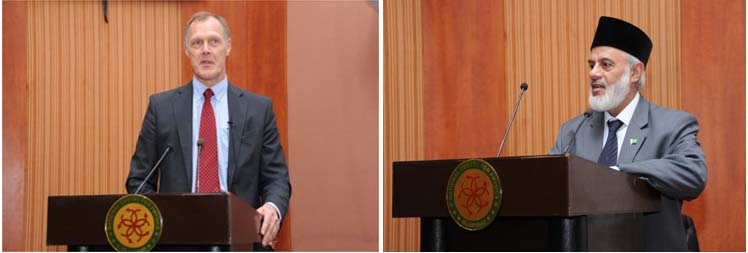
Nuclear Research (CERN) including their head of procurement Dr. Anders Unnervik,
in Pakistan.
Mr. Imtiaz Rastgar, Founder of Pakistan Aerospace Council, visited CERN in October 2018 to present to them possibilities of sourcing from Pakistan’s High Tech Cluster. As a result, a four member senior team from CERN visited Pakistanto interact with private high techmanufacturing industry. More than 25 high tech manufacturing companies from Pakistan Aerospace Council cluster attended the event, organized at National Centre for Physics and gave presentations about their companies, products, skills and expertise. Some companies displayed their products in stalls which were highly appreciated by CERN and other industrialists.
Dr. Andres Unnervik, Director Procurement at CERN
gave atalk on, “Doing Business with CERN”.
In which he explained the whole process of procurement at CERN. He explained
the future projects of CERN and the resources they require. He also explained
the process of assigning projects to companies. Subsequently Dr. Francisco
Sanchez Galan gave presentation on the upcoming High Luminous-Large Hadron
Collider(HL-LHC). He explained the timeline of the project and equipment being
used there and what products and services will be required in future. He also
answered the queries from the audience
about CERN procurement process.
Dr. Haroon Javed Qureshi,
President Pakistan Aerospace Council summed up the presentations of the
Pakistani Private sector Industry with his talk, highlighting Pakistan’s young,
intelligent and innovative engineering workforce, supported by the number of
excellent engineering universities, giving Pakistan the potential of becoming a
leading knowledge based engineering, industrial hub, exporting high tech
assemblies worldwide. Exporting Pakistani products to CERN is a unique
opportunity, also for Pakistani high tech sectorto participate in a prestigious
project like CERN and work together with the worlds leading scientist and
engineers on the exciting possibilities emanating from CERN.Companies which
start to make supplies can also use CERN
logo, a great status for engineering companies.
CERN Team also spent two packed days at Lahore where they visited QadBros Engineering on May 23, 2019, to review processes
leading upto successful deliveries from that company.In Lahore the team also
visited Pakistan
Electron Ltd(PEL)
which produces power transformers and high tension equipment.AEDesign , next on the list, uses modern
design tools for serving their, mainly, European Customers. The also
manufacture light engineering products for their European customers under the
anme BECO.Last visit of the day was to EMCO, who manufactureEHT insulators. The CERN team was
impressed about quality as well as international standard production by all
these companies and showed keen interest for future procurement possibilities
in CERNprojects.
Pakistan Aerospace Council (PAeC)is a platform of Pakistan’s high-tech manufacturing industry, providing networking and business growth possibilities to its members as well a window for customers and government bodies to discuss policy and technology issues. .For more information please visit our website www.pakaero.com.pk
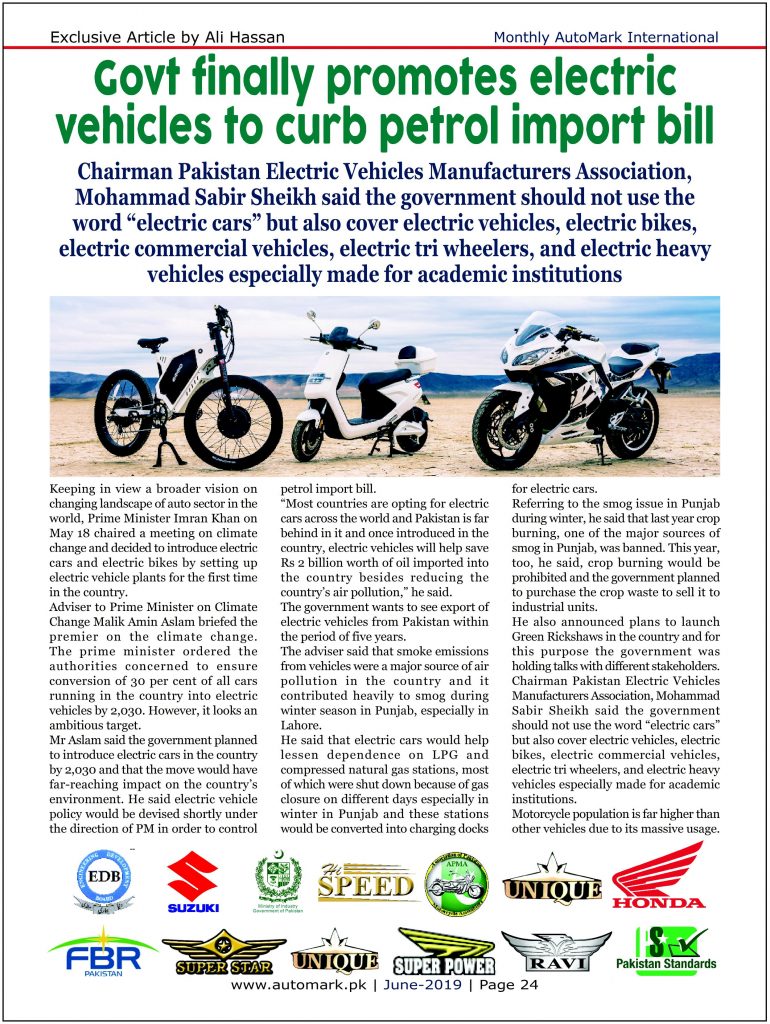
Keeping in view a broader vision on changing landscape of auto sector in the world, Prime Minister Imran Khan on May 18 chaired a meeting on climate change and decided to introduce electric cars and electric bikes by setting up electric vehicle plants for the first time in the country.
Adviser to Prime Minister on Climate Change Malik Amin Aslam briefed the premier on the climate change. The prime minister ordered the authorities concerned to ensure conversion of 30 per cent of all cars running in the country into electric vehicles by 2,030. However, it looks an ambitious target. Mr Aslam said the government planned to introduce electric cars in the country by 2,030 and that the move would have far-reaching impact on the country’s environment. He said electric vehicle policy would be devised shortly under the direction of PM in order to control petrol import bill. “Most countries are opting for electric cars across the world and Pakistan is far behind in it and once introduced in the country, electric vehicles will help save Rs 2 billion worth of oil imported into the country besides reducing the country’s air pollution,” he said.
The government wants to see export of electric vehicles from Pakistan within the period of five years. The adviser said that smoke emissions from vehicles were a major source of air pollution in the country and it contributed heavily to smog during winter season in Punjab, especially in Lahore.
He said that electric cars would help lessen dependence on LPG and compressed natural gas stations, most of which were shut down because of gas closure on different days especially in winter in Punjab and these stations would be converted into charging docks for electric cars.
Referring to the smog issue in Punjab during winter, he said that last year crop burning, one of the major sources of smog in Punjab, was banned. This year, too, he said, crop burning would be prohibited and the government planned to purchase the crop waste to sell it to industrial units.
He also announced plans to launch Green Rickshaws in the country and for this purpose the government was holding talks with different stakeholders.
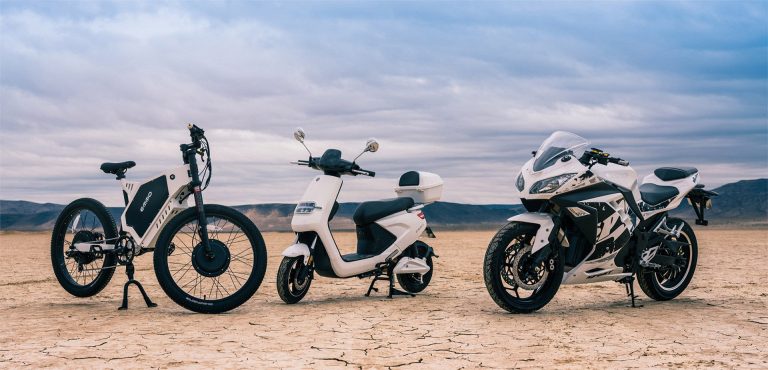
Chairman Pakistan Electric Vehicles Manufacturers Association, Mohammad Sabir Sheikh said the government should not use the word “electric cars” but also cover electric vehicles, electric bikes, electric commercial vehicles, electric tri wheelers, and electric heavy vehicles especially made for academic institutions. Motorcycle population is far higher than other vehicles due to its massive usage. The government should focus more on electric two wheelers, he said.
Most of the two wheeler units are already closed and they would not need more time to start assembly of electric bikes if they are encouraged with tax incentives and friendly policies, he said. Vendors are also equipped with expertise to develop electric bike parts as these bikes require only body parts and batteries rather than engine. Vendors are capable for making electric bike parts, he added.
Sabir said electric bikes will save millions of dollars import bill of petrol besides ensuring pollution free environment. He said the government should reduce customs duty on CKD parts of electric bikes and remove hurdles at the bureaucracy level especially in Engineering Development Board, Board of Investment and Pakistan Standard and Quality Control Authority. “One of the main advantages of the electric bikes is that it cannot be used in street crime activities because it lacks torque and thrust as compared to petrol driven bikes,” he said.
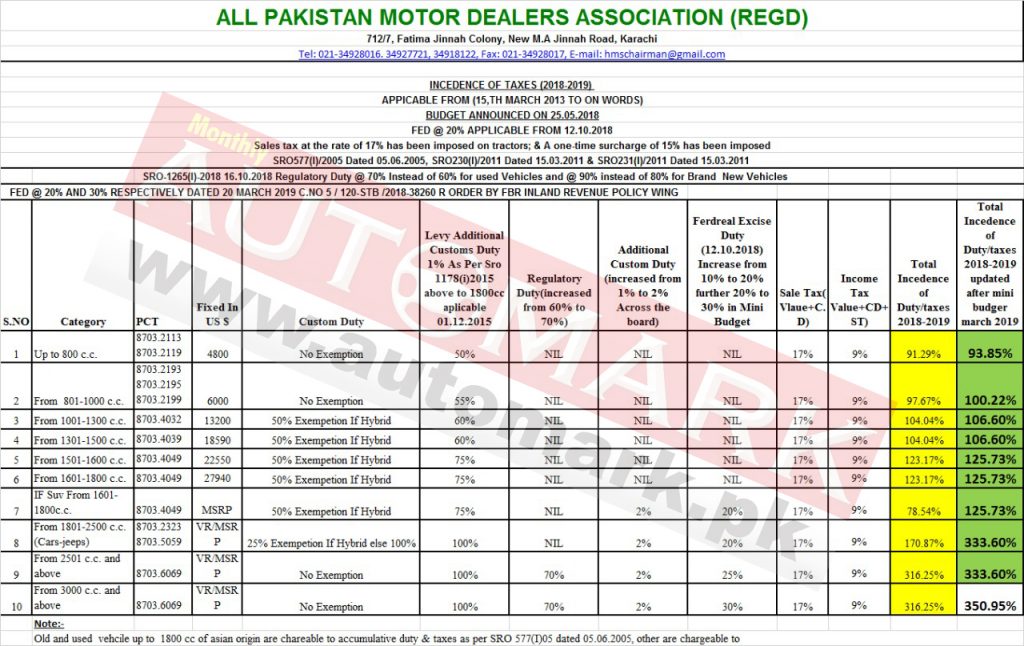
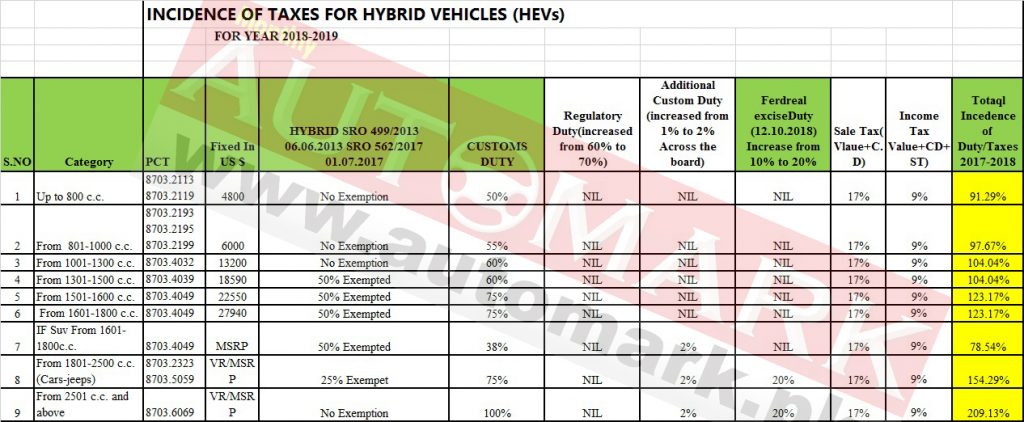
The government remains committed in introducing alternative energy in all walks of life with a view to reduced dependence on consumption of fossil fuel. In this regard, the government intends to continue its drive and the following proposals are being made. In last year’s budget 2018-2019, the government had incentivized electric vehicles. To promote usage of electric vehicles, which are environment friendly, an enabling fiscal environment for its related infrastructure is necessitated. The government proposed that 16 per cent customs duty on charging stations for electric vehicles may be withdrawn.
Custom duty on import of electric cars was proposed to be reduced from 50 per cent to 25 per cent in addition to exemption from regulatory duty of 15 per cent. Import of CKD kits for assembly of domestically produced electric cars was proposed at 10 per cent. Sabir Sheikh said the government should support with full incentives to promote electric vehicles as the world is fast moving towards electric vehicles as auto parts vendors have the capability to produce anything barring engines which electric cars and bikes do not need.
He said countries like Germany and China are doing a lot of work on electric vehicles. Germany plans to get rid of fossil fuel vehicles completely by 2,022, while other European countries will follow suit by 2,025. India has also set the deadline by 2,030. “Where Pakistan will stand if it has not done anything right now seriously,” he added.
He urged the government to promote electric scooters along with all kinds of vehicles. Electric vehicles can be made completely in Pakistan if there’s a will. Sabir said despite too many incentives, nothing serious had been done in the last few years in electric vehicle segment. Few investors tried to bring in imported electric cars and bikes but could not get a big response as infrastructure is missing coupled with high prices.
He said existing Japanese car assemblers had not hinted any sign for introducing electric vehicles in Pakistan as they are already enjoying monopoly in petrol and diesel driven vehicles. However, Toyota and Honda have been making serious efforts in this regard. He said existing assemblers have been literally enjoying in Pakistan especially on price hike issue.
They have raised car prices by over 10 times in the last 14 months despite achieving up to 70 per cent localization but no governments have ever seriously taken this issue. When existing assemblers are making fun of prices under the umbrella of rupee-dollar parity then one cannot expect price stability from the new entrants owing to very low localization. However, brisk sales of existing local assemblers amid frequent price hikes boosts the morale of new entrants that price hike is not the main issue rather than giving better choice to the consumers which had been missing owing to monopoly of only three Japanese assemblers.
Another development has emerged in the two wheeler segment as the government is considering introducing special low-grade petrol for motorbikes in the country, apparently as a solution to allow obsolete refineries to continue operations and provide a cheaper option to the owners of two-wheelers amid rising petrol prices.
Prime Minister Imran Khan had directed his special assistant on petroleum Nadeem Babar to examine the proposal and practical matters to introduce 80-82RON petrol for two-wheelers. The proposal is reported to have been floated by Dr Abdullah Malik, an official of the Oil and Gas Regulatory Authority (Ogra).
The move appears surprising as Pakistan had already switched over to 92RON from 87RON two years ago while 30 years back, the country was using 82RON. Higher Research Octane Number (RON) means cleaner and better quality petrol. Low quality petrol import would definitely lower import bill of over one billion dollar spent on petrol import. Two wheelers consume over 60 per cent of petrol out of total sales of petrol. Pakistan Automotive Manufactures Association (PAMA), while opposing the move, said the Association was told that majority of domestic refineries, having outdated facilities, were not able to efficiently produce higher RON fuels due to which they had to use an additive to fuels to increase RON which was imported.
If low RON fuels are introduced then import bill of those additives may be reduced. It will also help use unutilised capacity of oil refineries. This policy initiative of 80-82RON will be a huge step backward in a long-standing national goal of achieving international standards, PAMA said. Commenting on this, Sabir Sheikh said majority of consumers in Pakistan are using decades old bikes so there would be no problem if they get low quality petrol at reduced rate than the current petrol price of Euro II fuel.
He said for the last few years – all the assemblers had been producing EURO II bikes which require 92RON petrol which is easily available. There will be no big problem if low quality petrol is introduced for decades old bikes.
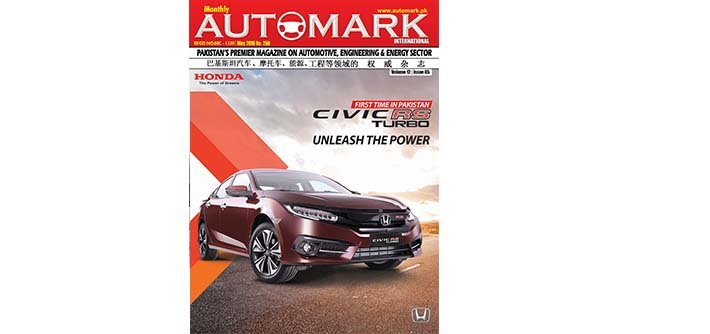
Published in Automark Magazine’s June-2019 printed edition
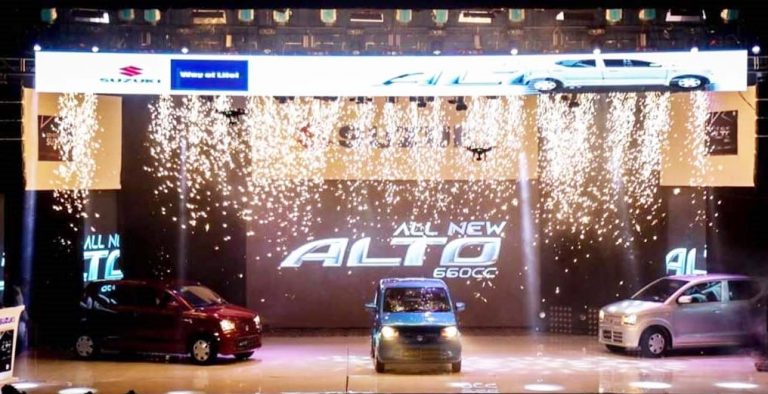
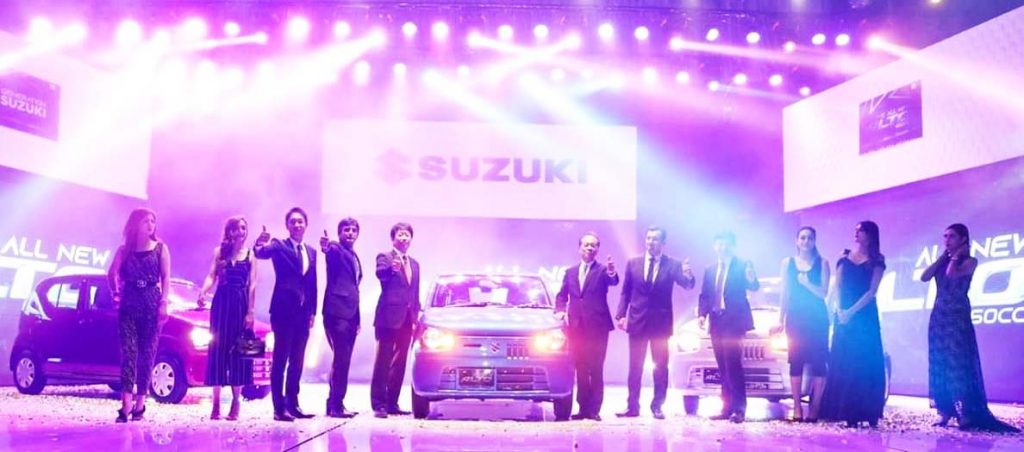
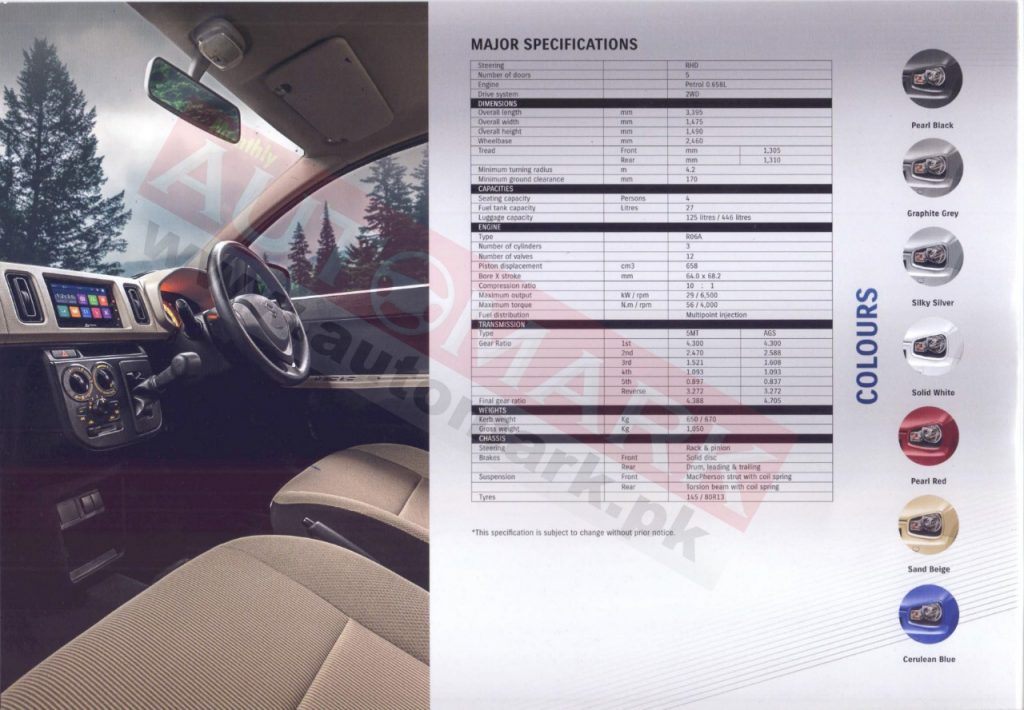
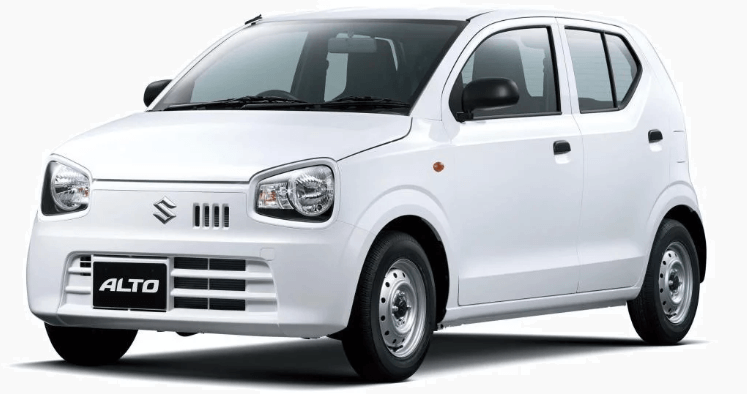
Pak Suzuki launched its locally manufactured passenger car which was previously introduced in the market back in April 2019 at the Pakistan Auto Show. The brand new 600cc car has a R-series engine, with a modern exterior and interior both. There are three variants of this Alto; Alto VX which is without AC, Alto VXR which is with AC and Alto VXL AGS which has AC and automatic transmission.
This is the first time for Suzuki to manufacture vehicles with engine displacements of up to 660 cc overseas. Using the same body and engine as the Alto currently sold in Japan, the model launched in Pakistan is being assembled at Suzuki’s Karachi plant. Before the launch of the new model, Suzuki used the same Alto body but with 800 cc to 1,000 cc engines.
The new Suzuki Alto is well equipped and has focused on enhancing its safety features, such as having Dual Front SRS Airbags, Anti-lock Braking System and keyless entry with immobilizer. Moreover, there are even more advanced features available for those willing to amp up their requirement of technology in the car such as power steering, electronic windows, electrically adjustable side view mirrors and touch screen multimedia.
Introductory price of the Pak Suzuki Alto VX is for Rs.981,000, Alto VXR is for 1,083,000 and Alto VXRL AGS is for 1,277,000. It was announced on Saturday that pre-booking will be done at Rs.500,000 and also chose 30 winners who will get the benefit of zero percent balance payment upon their pre-bookings before 15th of June.
It claims to be a fuel efficient car which has been launched in the place of the 800cc Mehran. The company is offering a three-year or 60,000km warranty. The new Alto will be displayed at over 165 Pak Suzuki dealerships in more than 95 cities nationwide.
Investment plans of other new entrants look intact so far. They look more determined to shake up dominance of three Japanese assemblers
The PML-N government had introduced the Auto Policy 2016-2021 in good spirit to break the monopoly of existing Japanese assemblers and bring a variety of European, Korean and Chinese brands for the consumers.
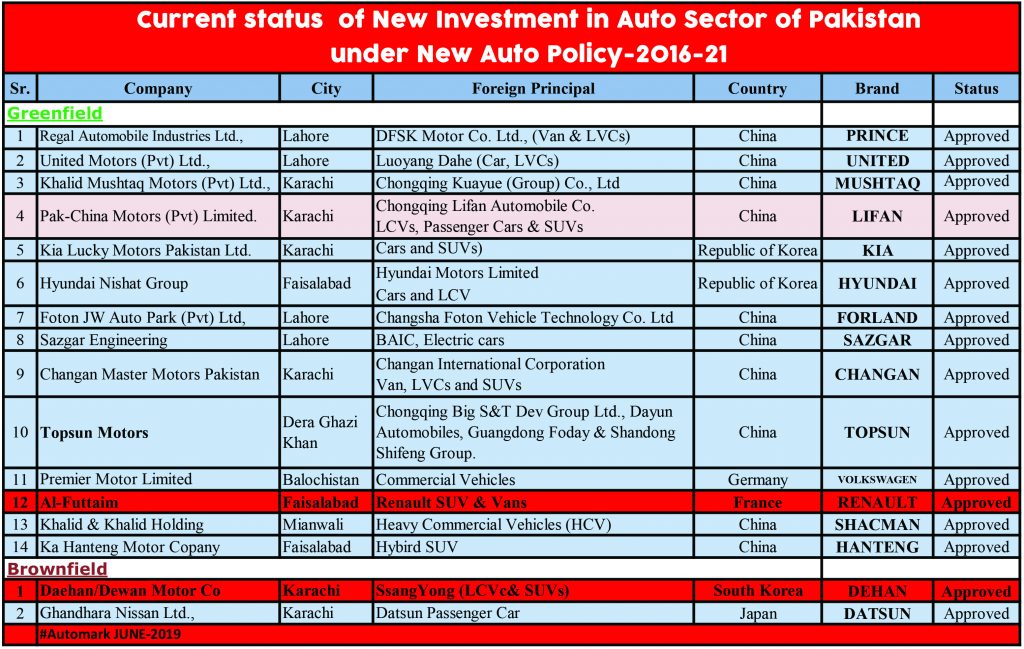
All was going well with arrival of 17 new entrants (15 in green field and two in brown field) carrying an investment of over one billion dollar for creating additional capacity of 300,000 units (cars, LCVs and SUVs).
The positive response shown by new investors towards the auto sector reminds of the Musharraf era when he opened the bike market for new players to jolt market leadership of Atlas Honda Limited (AHL).
The Musharraf government opened a floodgate for Chinese bike assemblers resulting in arrival of over 100 assemblers in Zardari and Nawaz Sharif periods but now only 20 units are enjoying the field day while 20 others are struggling for their survival. Many bike factories still exist but they have suspended their production owing to stiff market conditions.
However, influx of Chinese bike provided a big relief for low and middle income people because of cheap price compared with Honda CD70cc but this could not really seriously hit Atlas Honda Limited, who is still market leader with over half of the total bike volume amid very high price. This means that Honda bikes virtually rule in rural areas of Punjab and Sindh mainly because of its durability and quality.
Coming back to Auto Policy 2016-2021, auto market has shaken with hovering dark clouds over $165 million Al Futtaim-Renault green field project as market pundits see the above project as “First casualty of the Auto Policy” despite no official confirmation from the two companies.
Market is also abuzz with reports that two more new entrants have yet to receive green field status either they have backed out or adopted wait and see attitude for some other reasons.
People have welcomed Chinese bikes because of low prices but the case of cars is different. Pakistani customers have yet to develop any liking for Chinese cars despite the fact that some Chinese assemblers are faring well in light commercial vehicles because of price advantage.
Many people feel that European cars do excel in quality and durability but their high prices cannot compete with Japanese and Korean cars. Again consumers’ choice for European brands holds a big question.
To some extent, Korean cars had also failed to carve a niche among people but here Dewan Farooqui Motors Limited can be blamed for mismanaging Hyundai and Kia a decade back. Now two big groups – Nishat with Hyundai and Lucky group with Kia – are coming up but they will face a tough challenge to lure buyers.
If massive rupee devaluation against the dollar from January 2018 till to date coupled with ailing economic indicators can be blamed for Al Futtaim Renault debacle then why other assemblers especially Korean and Chinese are not feeling the pinch of soaring project cost.
Reports of Nissan and Renault tussle after their Chairman Carlos Ghosan’s money embezzlement scrutiny might have put Renault in a precarious situation to be very careful in entering any other country.
Market reports say that Al Futtaim, the operators of Al Ghazi Tractors in Pakistan, may not be interested any more in going forward with Renault due to project’s risky and bleak prospects.
Surprisingly, French Senator, Pascal Allizard, leading a three member French Parliamentary Group, had said last month in Islamabad during a press conference that French automobile maker Renault was keen to set up a manufacturing plant in Pakistan. Interestingly, he did not disclose any thing about the joint venture of Renault with Al Futtaim for vehicle assembly at Faisalabad plant.
Before acquiring land in Faisalabad, Renault’s aim to start local assembly in Pakistan had faced a number of challenges from 2016. In November 2017, the French auto maker, after suspending talks with Ghandhara Nissan Ltd (GHNL), made another attempt in December 2018 to assemble and distribute its vehicles in Pakistan in partnership with Al Futtaim, a Gulf-based business house.
Groupe Renault and Al-Futtaim had signed definitive agreements to assemble vehicles in a new plant in Karachi. The two parties expected that the plant would be built starting the first quarter of 2018. Project was shifted to Faisalabad special economic zone from Karachi. Before the project between gulf and France kicked off in Faisalabad, a number of people working with Al Futtaim Renault project are either left their job or searching new jobs since the project has been going at snail’s pace thus causing anxiety among the staffers and market watchers.
Surprisingly, Board of Investment (BoI), Engineering Development Board and a senior executive at Al Ghazi Tractors, who is looking after the project as its head, had played safe. BOI minces words in saying it is yet to get any confirmation from Al Futtaim regarding reports of pull back or delay about the project.
Faisalabad Industrial Estate Development and Management Company official says the UAE Company had purchased land at M-3 Industrial City, Faisalabad in May, 2018 to establish plant to assemble-cum-manufacture Renault cars. Aimed at creating 500 jobs, the company has not started any construction work so far at its 67 acres of land. The land has so far been intact, he says to local English daily adding that he does not have any confirmation regarding pull back or delay by Al Futtaim.
Sources in the auto sector said the Al Futtaim Renault issue has been highlighted before the Prime Minister Imran Khan last month by concerned government departments dealing with Al Futtaim. They said PM has taken asked the concerned departments to remove any bottlenecks at the government’s end to save a huge investment in the auto sector.
Perhaps another issue that haunts Al Futtaim Renault is over 300,000 units of additional capacity coming up in the next one to two years in which new entrants will make die hard effort to grab a share. With lowering volume of used car imports following government’s stric regulations, new entrants can fill the vacuum of 70,000-80,000 units but starting with low volume and existence of well established three Japanese players may pose a serious challenge to new entrants to stay floating in the competition.
Some new entrants believe that the government should avoid giving green signal to more new players while others say that let the market decide the fate of new entrants. Influx of 15 new entrants in the green field and two in brown field under Auto Policy 2016-2021 may create a difficult working environment in the short term for new entrants in grabbing a slight slice of market share from three big Japanese giants.
Low localization level at the start of assembly by new entrants means opening of few new jobs at the assembling units and offices instead of big job opportunities at the vendors’ end. Accelerating localization level in the locally assembled vehicles will take considerable time depending on the response of consumers towards new vehicles.
One new entrant believes that 17 new players are too much in Pakistan, if they all materialize. Country’s installed capacity will double if all the new players were to establish and go forward with their plans. He urged the Government to prevent the creation of a huge over-capacity which will only result in a bloodbath among manufacturers and will not be conducive to localization. The government should keep the ADP 2016-2021 policy framework intact with no extension.
Another big challenge for the new entrants is their vulnerability towards exchange rate impact. Starting car assembly with very few locally made parts means hovering pressure of frequent price shocks to the consumers if losing value of the rupee against the dollar continues. Hence localization is essential even with low volumes.
Let’s discuss status of some new entrants
Regal: Regal Automobile is currently assembling 1,000cc mini van and loader. The company has imported 800cc four wheeler passenger cars from China – Prince Pearl to test its marketing response. The company aims to assemble it locally next year without announcing any price yet.
United: United Bravo 800cc car has already been put on sale but it is not visible on the roads specially in Karachi.
Khalid Mushtaq: The construction work of Khalid Mushtaq Company has almost completed while the company has imported 40 units of Mushtaq KY 10 trucks in CBU form out of 100 units allowed under auto policy. More 60 units will arrive in next phase. The company plans to assemble by end of 2019. However, dealer network is being established slowly. The company claims to have received good feedback from the dealers and customers Price is also acceptable as with this specifications other truck is not available currently in local market neither from China, Japan or Korea.”We are very hopeful for our product,” COO of the company Anwar Iqbal says. Specification of the product: Powerful VVT Technology Gasoline Engine, Power: 110 HP / 82 KW, Torque: 143 NM, Displacement: 1.5 L. Best in Class Fuel Efficiency (100km/=8.8L at Speed 50km/h), Euro-4 Technology Engine For Cleaner Emissions and Thick & Strong Elevated Muffler.
KIA Lucky: Kia Lucky Motors is coming back in the local industry of Pakistan with KIA Picanto 2019 after a decade. It also displayed a number of vehicles at 3-day auto event Auto Parts Show (PAPS) 2019 held in Expo Centre, Karachi where it presented as many as five of its vehicles including Stinger, Picanto, Sportage, Nori and Grand Carnival. Local assembled KIA Sportage and Picanto will be available in Pakistan and expected to release in June and October respectively. The booking of the vehicles will start in June and August 2019 respectively and the delivery is anticipated in end July and October of this year respectively.
KIA has set up an assembly plant and installed assembly line to assemble these two vehicles at their Port Qasim assembly plant in Karachi. KIA Picanto is an entry-level 5-door hatchback powered by 1,000 cc engine displacement mated with a 4-speed automatic gearbox. The Euro-6 compliant 1.0-litre engine produces a maximum output power of 66 hp. The hatchback has a wheelbase of 2400 mm which provides optimum control over the car.
The hatchback comes in 1.0-litre engine mated with a 5-speed manual transmission and a 1.2-litre engine which is offered under the optional automatic transmission. The upcoming car is also equipped with airbags as a basic safety feature but lacks the spare wheel at the back which is a necessity especially while traveling in Pakistan.
The company claims that they will offer a version of Picanto which will have many more additional features as compared to the one showcased at PAPS 2019. The estimated price of the upcoming entry-level hatchback is Rs.1.2-1.5 million.
Hyundai Nishat: The construction for an assembly plant of Hyundai Nishat Motors is almost done. The company will introduce four variants in CKD but the company has kept it secret for all models and variants so far. By November-2019, products will be available for test and trial. While already giving orders for CKD for different variants, the company has already assigned eight to nine dealers across the country. Production will get underway from 2020.
JwForland: JwForland has so far been going well as it is producing five variants in Pakistan. Recently, JwForland celebrated its achievement of assembling 500 trucks in Pakistan. Prime Minister of Pakistan Imran Khan inaugurated phase 1 production facility of JwForland truck assembly plant in Lahore. CM Punjab, Governor Punjab, Information Minister and many other high level government officials were with him on that special visit and on ceremony.
Sazgar: The construction of Sazgar assembly plant is almost completed but the company is unhappy with rupee devaluation against the dollar. However, the company has imported few vehicles for testing and marketing. According market source quality of the vehicles are very good.
MML: Master Motors Ltd (MML) has rolled out its first locally assembled vehicle Changan Karvaan on May 2, 2019 in just 13 months, which is record time for any Greenfield auto manufacturing plant. It is pertinent to mention here that Master Motor Ltd is a joint venture between Master Motor Corporation Ltd. and Changan International Corporation. The company announced local production of three Changan vehicles in Pakistan, namely Changan M8 Pickup, Changan M9 Pickup, and Changan Karvaan van, followed by full range of SUVs, MPVs and other passenger vehicles.
KKH: Khalid & Khalid Holding representative said the company would introduce trucks, buses and trailers while the company has already sold 1,200-1,400 CBUs trucks. Production will start next year at Adam Khail near Mianwali where shade was almost done. Equipments will arrive by end of this year.
KA Hangtang: (Faisalabad M3) has already imported few EV SUV cars for testing and marketing and had good feedback from investors. After recent announcement of PM about electric cars, the company is waiting for some good news and welcome the government decision. The company is very much interested to produce EV SUV and HEV (Hybrid Electric SUV) in Pakistan. Production will start next year but construction has not yet started.
Topsun Motors: Topsun Motors Pakistan has accrued 60-acre land in Sakhi Sarwar, District Dera Ghazi Khan, close to Al GHAZI TRACTOR, and civil work is in progress by the Chinese company. Trail Production will start by June 2020. All investments will be arranging by TOPSUN Motors Pakistan and our overseas partner will assist u in technical issues only. CBU units will be available from August 2019 most probably.
Premier Motor Limited: Government awarded the ‘category-A Greenfield investment status’ to a Karachi-based Premier Motor Limited for assembling /manufacturing of vehicles covered under its contract agreement Volkswagen in April-2019. German automaker Volkswagen has planned to invest $135 million.
The plant would be set up in Balochistan and a land has already been acquired. Since the company has been awarded the status, it would now start construction on the site. The plant would become operational in 2021 and would initially manufacture vans and double cabin vehicles.
This article has been published in Automark Magazine June-2019 printed edition
Importing cars, especially the used ones have gained much important in the past few years. Investments in auto industry increased exponentially from 50% to 70% in the past five years.
While importing cars has its own benefits, not everyone can import cars from abroad. Initially, cars were mainly imported for commercial purposes. With the increased prices of automobiles in the local auto industry, people started buying cars from abroad, especially Japan for personal use and gift purposes.
Having said that, there is an entire market industry of imported automobiles in Pakistan. Dealers from Pakistan buy new and used cars from abroad and sell them in Pakistan. This third party process comes with a lot of custom duties and taxes.
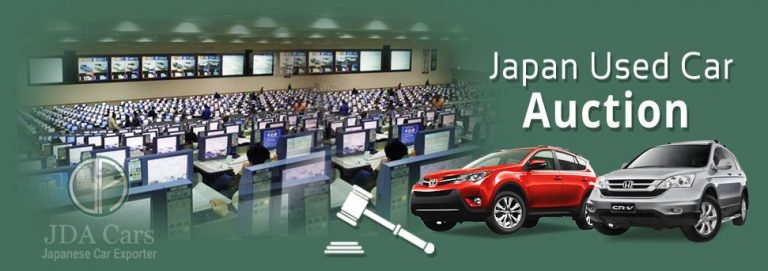
The procedure is mainly based on online auctions. Most of the importing car companies provide access to live auction in auction houses. Firstly, you need to sign up on various companies’ portal. Once it is done, logging in will lead to a page where you have to bid on a vehicle you want to buy. A whole lot of auction sheet will be available containing details of cars available for auction. People can see the specifications like model, year, date of auction and minimum bid etc.
The documentation process from the importing company starts and they send documents including Invoice, original Export certificate in Japanese, translated export certificate in English, and two copies of original B/L (bill of lading). Customer receives their cars from Karachi Port Trust in approximately 15 days, but the figure can go slightly up. Another process of buying imported cars is through Dealers in Pakistan. But it requires people to pay an amount higher than the original one and the process can take a longer time period to be completed.
However, it is not easy as it sounds. Importing cars from abroad, whether personally or through third party is a cumber some process. Adding more complexity into it, the government has recently amended the used cars imported policy and imposed restrictions and high custom duties. The high influx of cars from abroad decreased at higher rate and both the dealers and buyers are being worse off. Now, not everyone can import cars on their own. Conditions under which a used car can be imported have been laid down by the government, making the process more complicated. In conclusion, things got more complicated in the importing sector of automobiles since the announcement of the new policy.
Electric vehicles are all the rage these days for their immense benefit to climate change and global warming. Likewise, Government of Pakistan is also taking serious measures to fight air pollution and climate change through the introduction of electric vehicles in the country. A meeting at BIO (board of investment) was held on May 29, 2019 in this regard. The Ministry of climate change has formulated a policy regarding the vehicles sold in the country; with an expected annual income of Rs 110 billion.
The Government has also decided to introduce 100,000 new electric vehicles such as cars, vans and small trucks under a five year mid-term plan from 2020. A target has been set to convert 30% sales of yearly 60 thousand vehicles to electric cars by 2030 and about 90% vehicles to electric cars by 2040. According to the electric vehicle policy draft prepared by the Ministry of Climate Change, the government has also set a target of introducing 500,000 two, three and four wheel drive electric vehicles in the next 5 years under the long term plan. The policy also includes increasing the annual 900,000 sales of 2, 3 and 4 wheel drive vehicles to 50% as electric cars by the year 2030 and about 90% by the year 2040.
The introduction of electric cars is expected to fight against increased air pollution in the country, while also contributing towards an economic fuel consumption. Vehicle emission is one of the main contributors to air pollution in Pakistan which also negatively affects the growth in the agriculture sector.
Although PM Imran Khan has approved the concept, it will be presented to the cabinet in 2 weeks. The electric vehicle policy is a tough ask for the government due to immense market barriers. There is no proper charging mechanism, revenue collection, import duty statistics and infrastructure for self-assembly industry in place in the country.
The automobile industry has already opposed the decision considering it as a contradiction of Auto-Industry Development Policy 2016-21. They have also emphasized that the electric vehicle policy in Pakistan is relying mainly on imports instead of the local automobile market unlike countries such as the US, India and China which have a proper policy in place to also offer a healthy growth for their local automobile market.
Existing car assemblers were not much interested in the formulation of a separate policy for Electric vehicles. On the contrary, the new auto investors looked quite interested in working with the Electric vehicles and EV policy draft that has been set up so far. The new auto investors under the new auto policy-2016-21 includes the likes of Sazgar Engineering, Topsun Motors, Khalid and Khalid Holding, Ka Hanteng Motor Company are much interested to introduce EV in country.
Stakeholders also urged the government to consider some policy regarding the age limit of old vehicles running on roads especially heavy vehicles such as trucks which cause a lot of carbon emission.
Pakistan Association of Automotive Parts & Accessories Manufacturers (PAAPAM) former chairman Mashood Khan is of the view that the country needs to put a proper infrastructure such as electric charges in place before bringing the electric vehicles. He suggests government to gradually introduce electric cars over a period of seven to ten years under long term planning. Auto-Industry experts also want the imports to be reduced to 30% components with remaining 70% to be manufactured by the local automobile authorities of Pakistan.
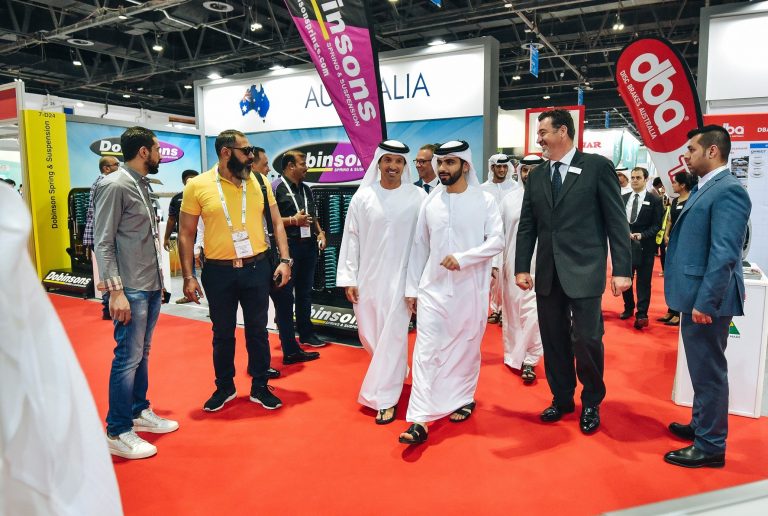
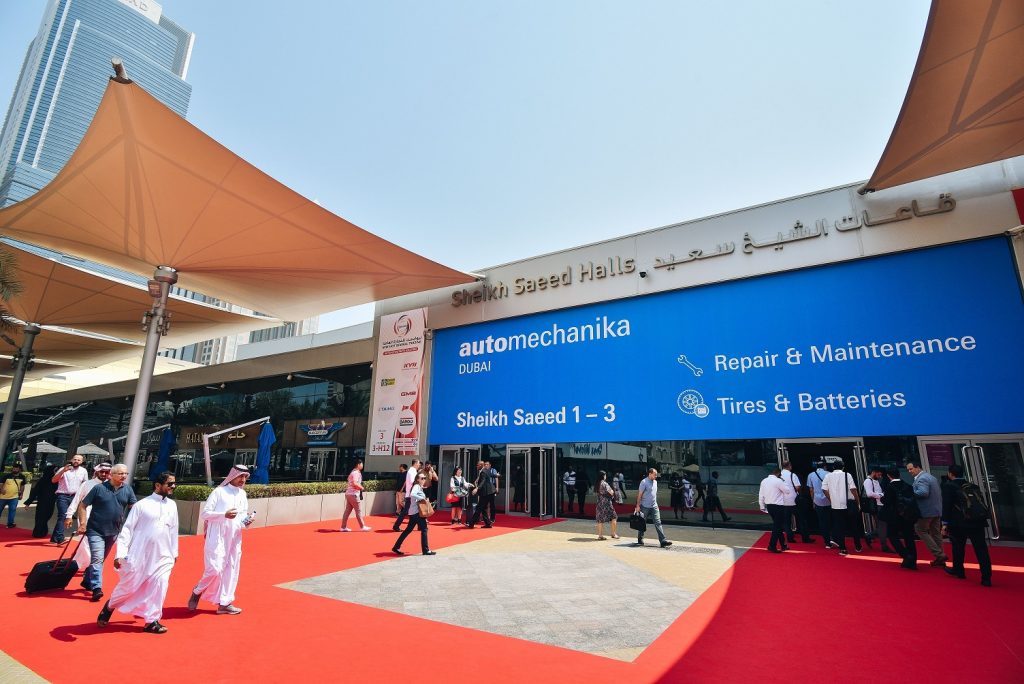
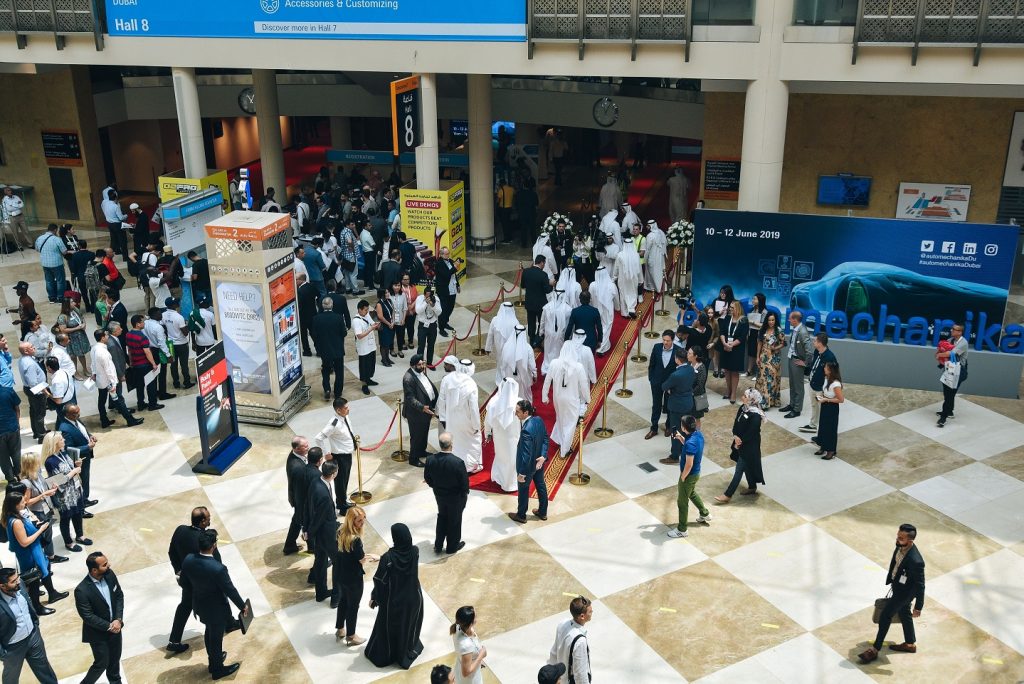
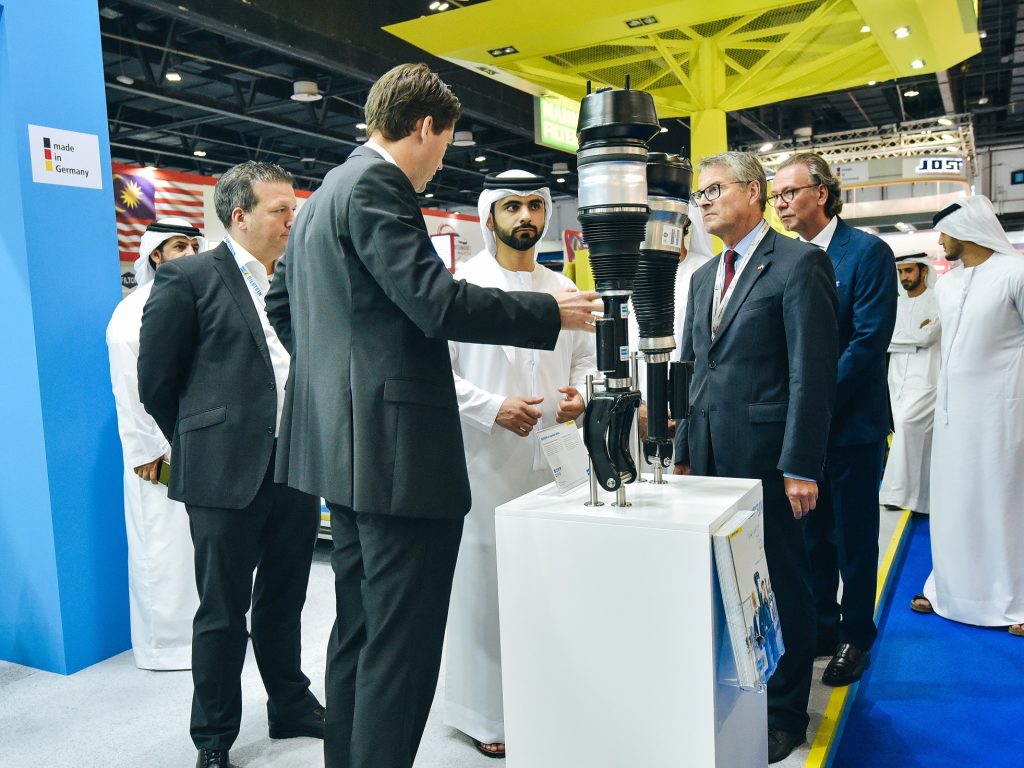
Dubai, UAE: Automechanika Dubai 2019, the 17thedition of the Middle East and Africa’s (MEA) largest automotive aftermarket trade fair, was opened today (10th June)by His Highness Sheikh Mansoor bin Mohammed bin Rashid Al Maktoum.
With 1,880 exhibitors from 63 countries spanning 63,300sqmat the Dubai International Convention and Exhibition Centre, the annual three-day event features 23 country pavilions and 34 international trade associations, while more than half of the 32,000-plus trade visitors are expected to come from outside of the UAE.
The biggest names in the global automotive aftermarket will look to make big inroads in a MEA spare parts market and auto services industry that’s estimated to grow by six per cent annually over the next six years.
“Automechanika Dubai over the years has transformed into a trade event of truly global scale, thanks to its continued track record of innovation, targeting and fine tuning its offerings in line with the particular market requirements,” said Mahmut Gazi Bilikozen, Automechanika Dubai’s Show Director.
“We’re confident that demand for the automotive service industry and aftermarket products will remain robust, with growth largely fuelled by demand from existing vehicle parc and the expected improvement of car sales moving forward.
“With that said, the aftermarket is changing, and with that change comes new opportunities. Our vision for Automechanika Dubai is to be at the forefront of these new opportunities, presenting a unique platform for all industry stakeholders to start discussions, plan ahead, and to ultimately lay the foundations for long-term sustainable success.”
Automechanika Dubai 2019 covers the six major product sections of Parts & Components and Electronics & Systems (1,181 exhibitors); Accessories & Customizing (246 exhibitors); Tyres & Batteries (226 exhibitors); Repair & Maintenance (155 exhibitors); and Car Wash, Care & Reconditioning (72 exhibitors).
It opens as the MEA’s auto aftermarket, valued at US$61 billion in 2018,is estimated to continue its upward trajectory, valuing US$87.3 billion in 2024, according to analysts TechSci Research.
Organiser Messe Frankfurt Middle East also added new sub-sections that underline the show’s evolution, namely Agricultural Parts & Equipment; Body & Paint; Motorcycle Competence; and Oils & Lubricants.
Exhibitors are keen to use Automechanika Dubai’s impressive regional scope to reach out to far-flung markets. Emerald Spare Parts, based in the UAE and distributors of auto parts, batteries and lubricants for Japanese and Korean cars, is looking to reach new markets.
Rajesh Daga, Assistant General Manager of Emerald Spare Parts said: “The majority our business comes from the Middle East and Africa, where we’ve been traditionally very strong. Demand in these markets have been growing at a fast clip, and we’ve also evolved keeping in mind the intricacies of working in these markets.
“We feel some of these markets are maturing and also becoming financially stronger. Hence, we feel high quality products that we represent, will have a greater demand and consumption.”
Balkrishna Industries (BKT) is a manufacturer and exporter of Off Highway Tyres, and one of the headline returning exhibitors to Automechanika Dubai in 2019.
The Indian-headquartered BKT is one of the world’s fastest growing companies in the OHT segment, with a 5th manufacturing facility planned in Tennessee, USA. “This will be the first BKT manufacturing facility outside India, and will be helpful in increasing our presence in the American continent,” said Rajiv Poddar, Joint Managing Director of BKT.
“BKT growth will be mainly coming from the All Steel OTR (Off-The-Road) radials as this the fastest growing segment for BKT. Owing to the sustained market demand, BKT will also grow in Construction and Industrial tire segments with its vast product range.
“At Automechanika Dubai 2019, BKT is launching its first “On & Off road” Tipper tire 12.00R24 in SR423 pattern. In addition, some important sizes in Multi-Purpose Truck segment are being showcased. BKT is also expanding its range in Solid tire segment where 4.00 – 8 ECO Rib pattern has been introduced for Ground Support Equipment and 7.00 – 12 Maglift ECO pattern as a high performance tire for Forklift and Material Handling,” added Poddar.
Elsewhere, Polish manufacturer Troton is a headline exhibitor in the new Body & Paint section, and is launching its Brayt line of polishing compounds and the Rangers bed liner.
“The weather in this region can be harsh on the car, what with the intense heat and dusty conditions,” said Karol Duda, Director of Business Development at Troton.
“Applying Braytprotect a car’s exterior from road dirt and the sun’s harmful UV rays.Polishing systems are recommended for fresh and old paint coatings and easily removes scratches and traces ensuring the achievement of the perfect glossy finish. Optimal modern formulation prevents surface overheating and allows for easy cleaning.
“The Rangers bed liner is designed to protect the underbodies of vehicles to be used on wheel house liners, tub liners, fender flares, bumper bars and industrial applications. We started out as an easy way for truck owners to protect their cargo area, however it’s grown to be more than that. Today, Rangers is in use in all kinds of industries from automotive restoration, off-roaders,bikes, agricultural, and even with heavy equipment,”Duda added.
A key returning highlight to Automechanika Dubai 2019 this week is the Innovation Zone, a dedicated area at the centre of the show floor featuring presentations and product showcases from exhibitors such as Wabcoand FSE that are steering the course for the regional and global automotive aftermarket.
Other features include the Truck Competence initiative, where 1,260 exhibitors are showcasing their products dedicated to the entire value chain in the truck sector, from truck parts and accessories, to workshop equipment, body repairs and care.
The Automechanika Academy (AA) also returns, featuring key presentations such as Dubai’s auto parts and accessories trade in 2018 by the Dubai Customs, along with the findings of a survey exploring innovations in the Middle East automotive industry by global research company Explori.
Other AA highlights include a series of sessions by AMENA and Tiqani, as well as AfriConnections, which explores rising opportunities in the African aftermarket.
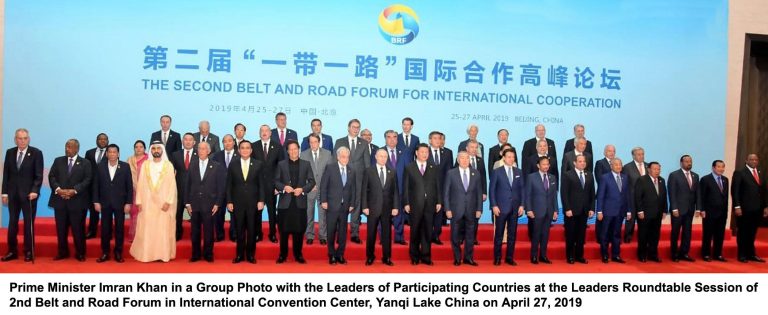
I had
been a member of Pakistan business delegates during 26 April to 28 April 2019 in
China organize Belt and Road Forum at Beijing. The Belt and Road Initiative is
a grand strategy to manage global deficits, platform for international
cooperation and an internationally acclaimed and public good.
Countries
heads, diplomats and politicians from Pakistan, Russia, Turkey, Malaysia,
Indonesia, Hungary, Vietnam, United Arab Emirates, Belarus, Mongolia,
Tajikistan, Cyprus, Uzbekistan, The Philippines, Kenya. Serbia, Egypt, Papua
New Guinea, United States, Germany, Italy, Ireland, Cuba, Austria and list goes
on..
Twenty-nine
international organizations and 126 countries, including developed and
developing nations, have signed 174 cooperation documents with China on the
BRI. From 2013 it has been transformed from an ambitious plan into concrete
results. The trade volume between China and countries and regions participating
in the BRI has excesses $6 trillion, according to the National Development and
Reform Commission, the country’s top macro-economic regulator.
FDI
in the countries along the Belt and Road has increased. According to Ministry
of Commerce (china) data, from 2013 to 2018 Chinese enterprises invested more
then $ 90 billion in countries along with the BRI at average annual growth rate
of 5.2 percent. The investments in BRI projects have not only boosted global
investment, but also created more growth.
According
to a world Bank research report, the transportation projects under the
initiative’s framework, once completed, will reduce the shipment time and trade
costs for BRI between 1.7 percent and 3.2 percent, and 1.5 and 2.8 percent. The
initiative will also help increase actual income growth in local areas by 1.2
to 3.4 percent and global income growth by 0.7 to 2.9 percent.
Just
three days, more than $64 billion in deals were signed at second Belt and Road
Forum, parties reached 283 pragmatic outcomes, including intergovernmental
cooperation agreements, cooperative projects and the launch of multilateral
cooperation platforms. That show Belt and Road conforms to the trend of the
times, wining the hearts of the people, improving livelihood and benefiting the
whole world.
(Reference from The author is the founder of the centre for China and
Globalization, a Beijing-based non-governmental think thank. CHINA Daily )
CHINA President point of view:-
President
China Mr. Xi said BRI is an initiative for economic cooperation, rather than a
geopolitical alliance or military league. It is an open and inclusive process
rather than an exclusive bloc to differentiate countries by ideology or play a
zero-sum game. Belt and Road construction should pursue higher-quality
development. This requires more efforts to properly address key issues, such as
major projects, financial sup-port, investment environment, security and risk
management with focus on infrastructure construction and production capacity
cooperation.
The
results from the BRI open up more space for global economic growth build a
platform for international cooperation and make new contributions to the
building of community with a shared future for mankind.
BRI
cooperation projects will be market-based. To ensure sustainable development,
the leaders agreed to promote a level playing field for business communities
and create a
non-discriminatory business environment.
Countries Leader point of view:-
Serbia: President Aleksandar Vucic said
firmly supports and proactively takes part in Belt and Road cooperation and the
major cooperation projects including a Chinese-invested steel plant and has
greatly promoted the economic development id Serbia.
United Arab Emirates: Vice-President
and Prime Minister Sheikh Mohammad bin Rashid Al Maktoum said the visit by Mr.
Xi last year was a huge success and provided a boost for the development of
bilateral ties.
Indonesia: Vice President Jusuf Kalla
said his country stands ready to strengthen exchanges and cooperation in trade.
Investment and education, and promote cooperation in Indonesia regional
comprehensive economic corridors.
Malaysia: Prime Minsiter Mahathir
Mohammad said Malaysia will move China ties to a higher level. The BRI not only
helps solve problems of infrastructure connectivity, but also helps address
unbalance development, the initiative is conducive to promoting dialogue
between different culture, and eliminating such problems as conflicts,
extremism and terrorism.
Belarus: President Alexander Lukashenko
said Belarus trusts China wholeheartedly and will remain a trustworthy friend
of China and hopes the China-Belarus industrial park will be helpful in
promoting the joint building of Belt and Road in the Eurasian region.
Kenya: President Uhuru Kenyatta said
the Belt and Road has enabled different countries to establish even closer
trade connections and partnerships, and it has been widely recognized by the
international community. It has also helped promote the connectivity and
industrialization process of Africa countries.
Egypt: President Abdel Fattah El-Sisi
said The first Arab country to have established diplomatic ties with China
hopes to align closely its development plans with the BRI and is committed to
deepening Africa-China cooperation. Egypt highly commends china for upholding
justice in the Middle East issue and hopes China continues to play a
constructive role.
BRI 2 – Key features announced:-
Zones Developments:
China
plans to further advance the building of economic and trade cooperation zones
in countries and regions related to the Belt and Road Initiative. The country will set up new zones in Pakistan
(Haier-Ruba Economic Zone) Africa (China-Egypt Suez Economic and Trade
Cooperation Zone), China-Road and Bridge Corporation (CRBC), Southeast Asia,
South Asia, Middle East, Eastern Europe and Latin America.
China Railway Express (CRE) :
The
train, branded under the “China Railway Express (Changdu)” banner, passed
through Germany, Poland, Belarus, Russia and Kazakhstan, and entered China
through the Alashankou port in Xinjing Uygur autonomous region. CRE has linked
25 overseas cities and 14 Chinese cities. It has seven international railway
channels and 5 international rail-sea combined channels to further open up
city. Chengdu geographical advantages and key role in future.
Air Silk Road:
Transport
hub in Central China, Henan province is taking advantage of its location to
further develop air transportation. Over the past few years Luxembourg and Henan
have maintained robust development in trade and have established a long-term
partnership with construction of the Air Silk Road. Henan should deepen
cooperation with Luxembourg and other European countries. That will bolster its
transportation advantage in fields including expanding its network of routes,
cultivating special industries and exchanging economic and cultural experience,
which will be helpful to construct the Air Silk Road and participate in the
BRI.
Green Belt and Road
Initiative:
Chinese
green bond market became the second largest in the world – after the united
Sates- with the issuance of $ 30 billion. China has accumulated experience in
mixing policy and finance for green transport and developed leading green
mobility technologies, particularly in electric vehicles mobility. These
experiences, for example from Shenzhen that financed and now operates 17,000
electric buses and 4,600 electric taxies, or from China Railway Corporation
that invested in the construction and operation of the 29,000 kilometre high
speed rail network can be useful for greening the BRI.
Who Lead by Banking
Initiative:
The
initiative is aimed at boosting global growth, it should have a more inclusive
definition. Belt and Road International Development Plan to emphasize its overarching economic goal and remove
doubts that China is using it as a tool to expend its influence across the
world, there is a need to strengthen cooperation between China and
international organizations under the Belt and Road framework, in order to
enhance overall multilateral cooperation. For instance, the Asian
Infrastructure Investment Bank model could be used to better collaborate with
World Bank, Asian Development Bank, African Development, Inter- American
Development Bank, European Bank for Reconstruction and Development and other
regional and international banks and to provide loans for Belt and Road
projects.
Global Scientific
Cooperation:
China’s
scientific out reach, the nation will need stronger government planning and
support, as well as better management and services to over come cultural and
legal barriers.
The
Chinese Academy of Sciences launched the Alliance of International Science
Organizations, the first organization created to connect the scientific
communities of participants in the BRI with the goal of improving scientific
cooperation, sharing knowledge and promoting sustainable development. The first
37 members of the alliance recently published and action plan for 2019-20. They
plan establish a prize for contributing to scientific cooperation within the
BRI. New scholarship programs, subsidiary groups on specific issues and new
joint talent-training programs.
China-Pakistan Joint
Research Center on earth Sciences
CAS Innovation Cooperation
in Bangkok
China-Brazil Joint
Laboratory for Space Weather
South America Center for
Astronomy – Chile
China-Sri Lanka Joint
Center for Education and Research
Sino-Africa Joint Research
Center – Kenya
Southeast Asia Biodiversity
Research Institute – Myanmar
Kathmandu Center for Research
and Education – Nepal
Central Asian Center of
Drug Discovery and Development – Uzbekistan
Research Center for Ecology
and environment of Central Asia – Kazakhstan
Chinese artificial intelligence technology demand increased
in Europe, the Middle East and Southeast Asia.
(Reference fromCHINA DailyNewspaper)
Pakistan ready to grab
this opportunity:
During
the BRI – 2, I observed a lot of countries want to be part of this initiative,
those who already are a part of this, are trying to transfer advantages to
their own community.
We
are pioneer partner of this initiative, and a key stake holder as GAWADER and
the route that runs in from Pakistan will give access to the rest of the world
but somehow, we are near but not ready to getting the true potential of this
initiative.
We
don’t have a level playing field in any industry, the trade deficit between the
two countries is huge and we have to closely be studied and researched to
position our industries in China to get maximum benefit. With the trade wars in
place, and Pak China relations on full scale, Pakistan has an opportunity to
penetrate in many areas.
Businessman:
I
really appreciated our businessman who went with the delegation on self-finance
and tried to create liaison with Chinese companies and signed MOU’s. More than
19 projects were signed between the two countries. I would like to advise our businessman,
to start preparing and do not be part of these delegations if you have not done
your homework. It is really important to have a plan. During the discussions I
felt a lack of knowledge and direction. Our businessmen
are really depending entirely on the government which is not the correct
strategy.
Zones Development:
When
I look at our zone developmentit really breaks my heart, I cannot estimate how
our businessman will survive. Government departments are not aligned with each
other and businessmen getting loses. Currently
there are huge gaps with what is being portrayed and the ground realities that
exist in the SEZs of Pakistan. At the moment companies are fighting and running
from pillar to post to get basic necessities like Energy, tax exemptions,
approvals etc. Second most interesting factor is the basic objective of the
SEZs is to attract foreign investment like many developed countries have done
in their economic infancy days. Currently SEZs are opening throughout the South
Asian region, many developing countries are opting for this model. Their
economic indicators are much better than ours then how will the government be
able to attract and fill its economic zones? We need to upgrade our Ease of
Doing Business Index. This will also help and create an environment of trust
for our domestic direct investment to start investing.
Railway:
After
14 years we have a chance to update our railway systems, new routes, and
increase efficiency. This Is a basic pillar for development of country to save
time from port to plant and it ismoreeconomically to transfer the cargo. The
Railway network and system has played a vital role in the development of many
nations. Our Ministers signed M1 project and start study M2 during this time
hope results will come positively.
Air Link Development:
Last 10 years we have not developed any remarkable
international airport. Pakistan really
needs to step up the process of opening airports in remote regions where
economic activity needs to be diverted. This is a huge step what is the plan of
the government to make it successful.
Green Belt
Development :
Our government has done a good job and we must appreciate the
million trees to make. We need to do more onECO City developments. All of our
environment protection laws and organizations need to be reactivated to ensure
that the future is safe for our children.
Our policies and practices need to reflect environmentally friendly.
Our Banks:
I
have experienced to meet our bankers at Beijing, I was totally shocked they are
not aggressively working to be strong partner of BRI projects to facilitate our
Large &SME businessman, I would
suggest to start the B2B from the finance industry. But it doesn’t mean perception will be same here B2B means
Bankers and Businessman to select as best projects and involves as a nation, to
build and Road Projects for peoples of
Pakistan .
Sciences and Technology:
I am also surprised BRI doing scholarship but from our sides
who get these benefits and what outcomes for the nation I lack to understand
and see. We should start thinking out of the BOX and we need Mr. Atta ur
Rehmans to come back on the team and
this time we will need taking initiatives from the infant stages of education.
Conclusions:
The government needs
to Plan, take action and keep a strong follow up on all activities, it will
have to take the business community on board, invite technocrats and get this
ball rolling. We need to set goals and start the hard work to achieve them. It
is a long dark road with a ray of hope along the way but a prosperous and
One nation and one goal to build our self for the world to provide best serving services, industry, trades, communication and IT.
By Mashood Khan / Director Export / Mehran Commercial Enterprises