Home Blog Page 35

Ertugrul Ghazi star visits Pakistani consulate in Istanbul

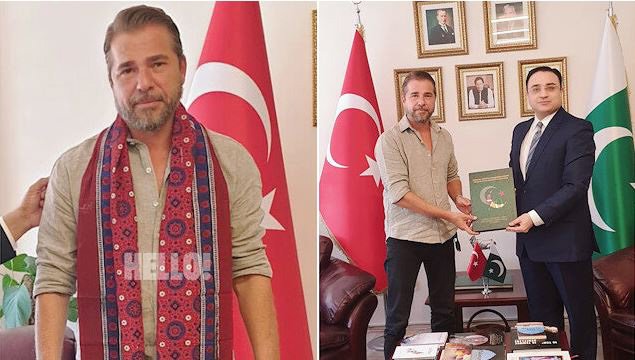
“Tamam Ehl-e-Pakistan Ko Jashn-e-Azadi Mubarak –A very happy independence to all the people of Pakistan—,” says Ertugrul star Düzyatan in Urdu in Pakistan’s Istanbul consulate.

The Pakistani Consul General in Istanbul, Bilal Khan Pasha, shared the photos of the Turkish actor’s visit in which he is seen gifting a book to the actor.

One of the photographs shared on social media shows the heartthrob actor draping a traditional Pakistani block printed shawl, which is known as Ajrak.
The consulate also wished success to the actor in his future projects.

Often described as the Turkish Game of Thrones, the hit TV series ‘Resurrection: Ertuğrul depicts the 13th century Anatolia and tells the story before the establishment of the Ottoman Empire. It illustrates the struggle of Ertugrul Gazi, father of the empire’s first leader.

Ertugrul Gazi, the father of Osman I who laid the foundations of the Ottoman Empire, surged to fame in Pakistan when Prime Minister Imran Khan endorsed the series and said watching it would promote “Islamic history and ethics” among the country’s youth.

State-run broadcaster, Pakistan Television (PTV) began airing the series with Urdu dubbing in April this year.

Source: https://www.yenisafak.com/

Suzuki, Toshiba, Denso EV battery plans to be pushed back due to the pandemic

The India joint venture of Suzuki Motor, Toshiba and Denso is likely to put on hold plans for a second phase of its project to manufacture batteries for electric vehicles, even as the work on the first phase is currently behind schedule, people in the know said.

Lack of a well-defined electric vehicle policy and a slowing market for such vehicles have led the joint venture, Automotive Electronics Power (AEPPL), to go slow on the second phase, one of the people said. Earlier, Korea’s LG Chemicals had put on hold its project to produce lithium-ion batteries in India in collaboration with the Mahindra Group.

AEPPL said the first phase of the project was delayed by a few months due to operating and logistical hurdles posed by the Covid-19 pandemic and that the company was “making efforts to achieve commissioning early”. It didn’t respond to a specific query from ET on the second phase of the project.

Carmaker Suzuki holds half the stake in the three-way JV among the Japanese companies to manufacture lithium-ion batteries at Gujarat’s Hansalpur. Industrial conglomerate Toshiba holds 40% and automotive component maker Denso the remaining 10%.

The JV was expected to invest Rs 5,000 crore, with more than Rs 3,700 crore for the second phase, providing employment to over 1,000 workers over five years. In the first phase the company plans to set up a single assembly line. The plan was set up a single assembly line. The plan was to add four more assembly lines in the second phase.

Experts said the first phase was currently underway and production would likely commence in the ongoing fiscal year. AEPPL was looking to manufacture up to 30 million cells annually by 2025, but may pare that target in the current scenario, they said.

“There is no demand for EVs, so manufacturers are going slow on production as it is illogical to be at 5% capacity and manufacture batteries,” said Sohinder Gill, the director-general of the Society of Manufacturers of Electric Vehicles. “We need clarity on the storage policy, which would give better incentives, higher localisation and reduced import tariffs, else manufacturers will look at manufacturing battery packs for solar or generator sets.

Kavan Mukhtyar, a partner and leader, automotive, at PwC, also said there was not enough demand for EVs. “There has to be some regulatory pressures for consumers to switch to EVs and it will be at least two years before we see any revival,” he added.

This development will come in as a blow to India’s long-term EV plans. LG Chem, a pioneer in lithium-ion battery manufacturing, had in early 2018 announced its collaboration with Mahindra. The scope of the project was later expanded to supply batteries to Hyundai and Renault as well. The half-a-million battery module venture, with a planned investment of about $500 million, was scheduled to start production in the fourth quarter of fiscal 2020.

Meanwhile, the Niti Aayog is working with the Ministry of Heavy Industries to seek approval to build up to 10 large factories that would get subsidies to produce batteries used in EVs. The move is part of an effort to push the use of EVs, for which high battery cost is a big impediment. The batteries are currently imported.

“We need to create charging infrastructure and reduce India’s over-dependency on battery imports,” said Gill, rueing the lack of clarity on the guidelines for the second phase of the Faster Adoption and Manufacturing of Hybrid and Electric Vehicles policy.

Courtesy: Economic Times India

Kia Sportage Takmeel-e-Pakistan Rally held in Azad Kashmir

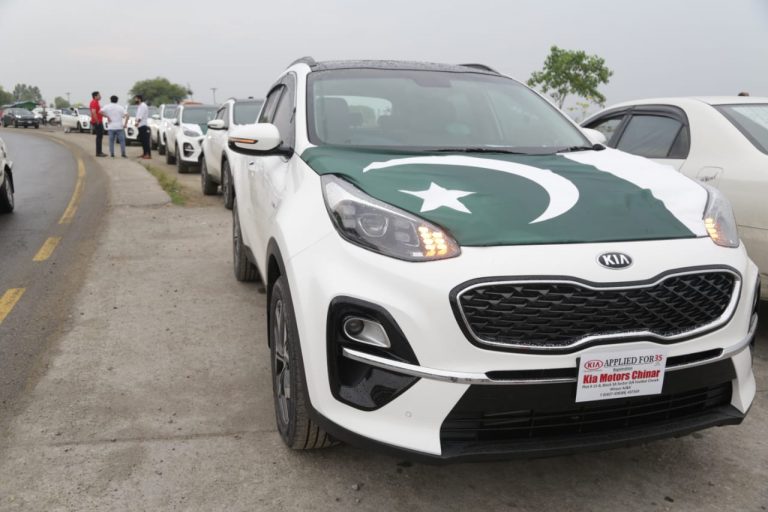
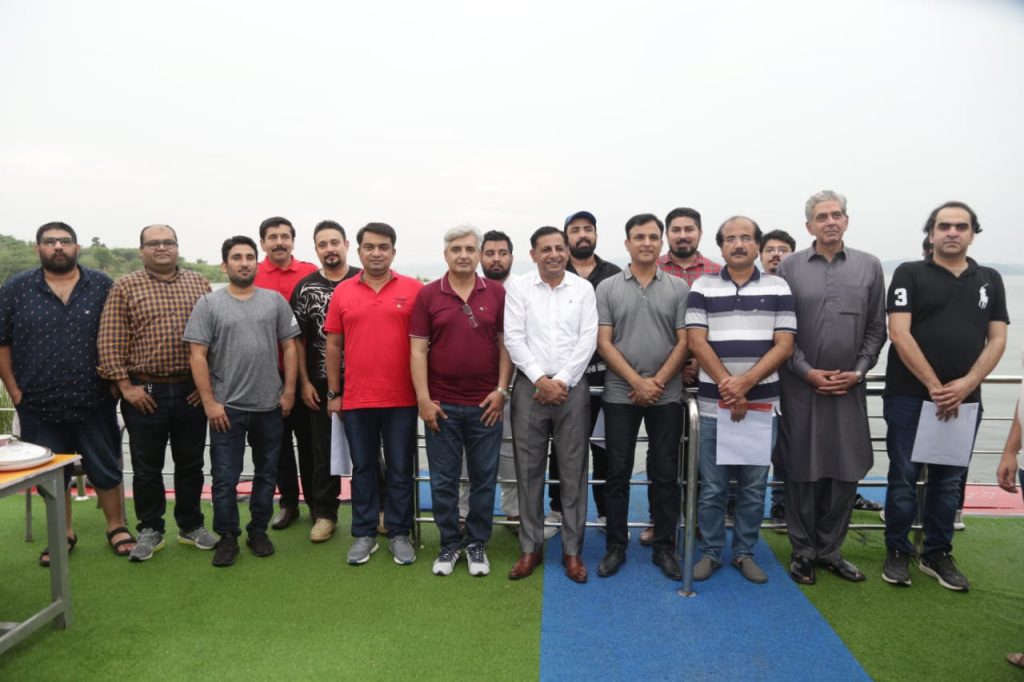
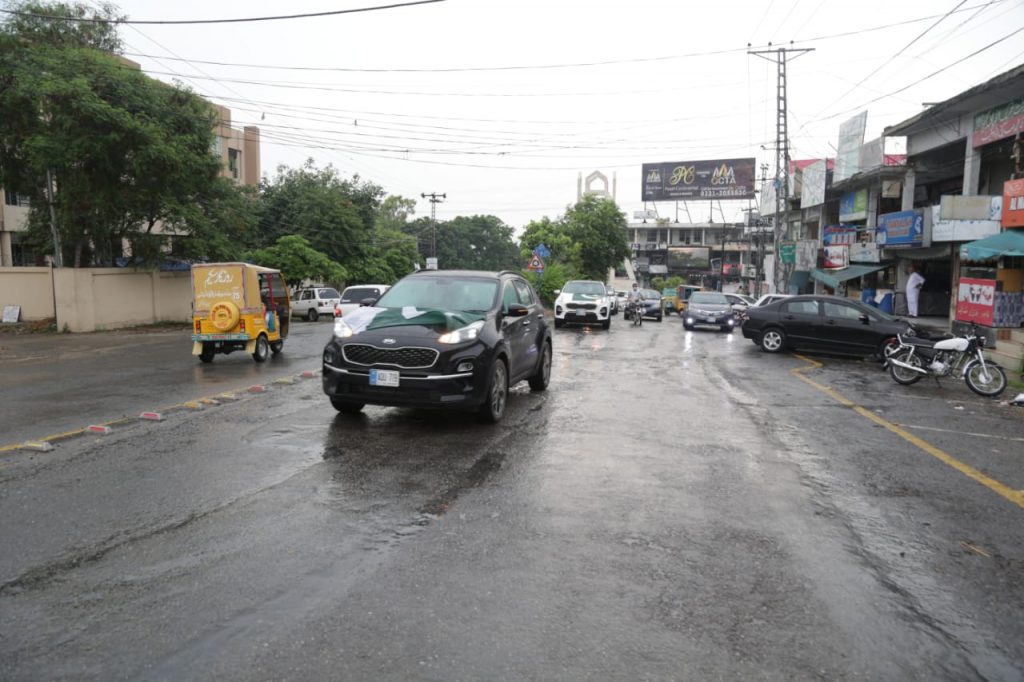
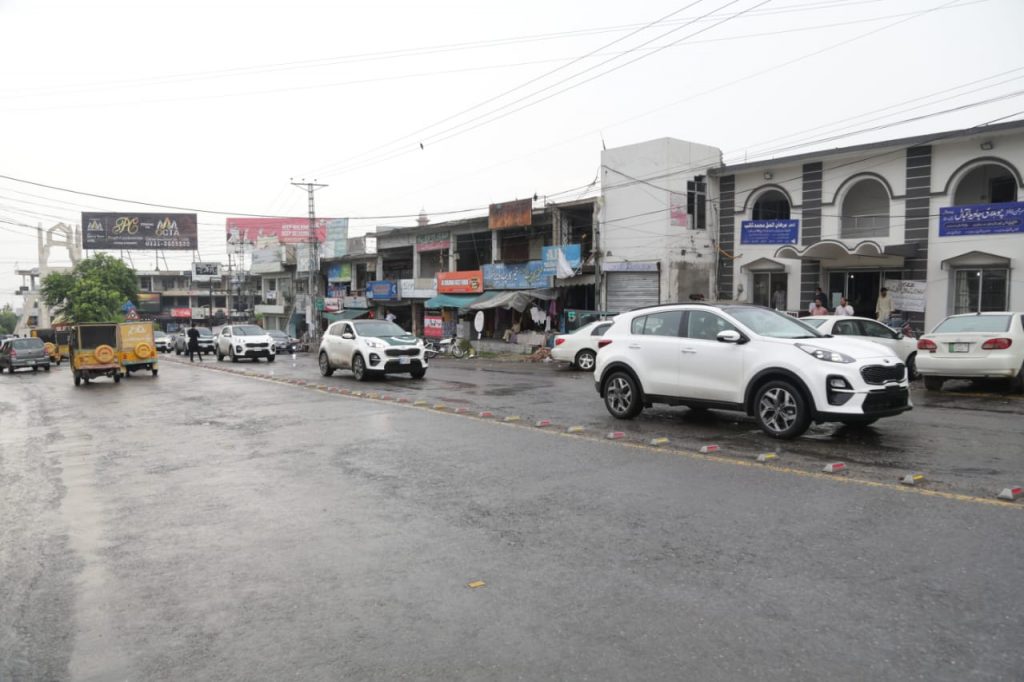
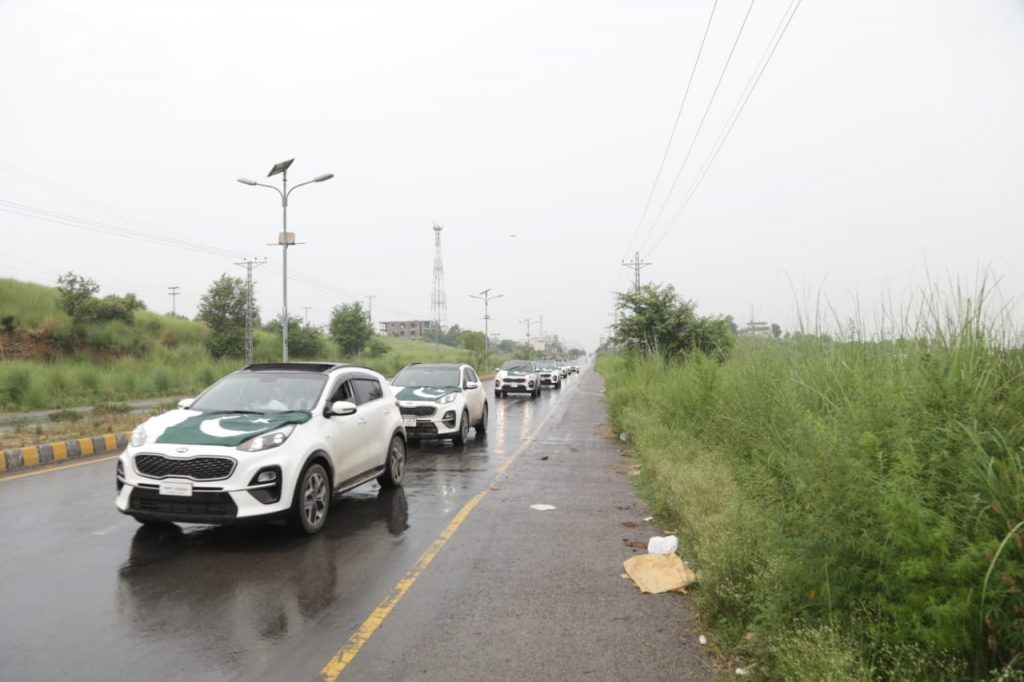
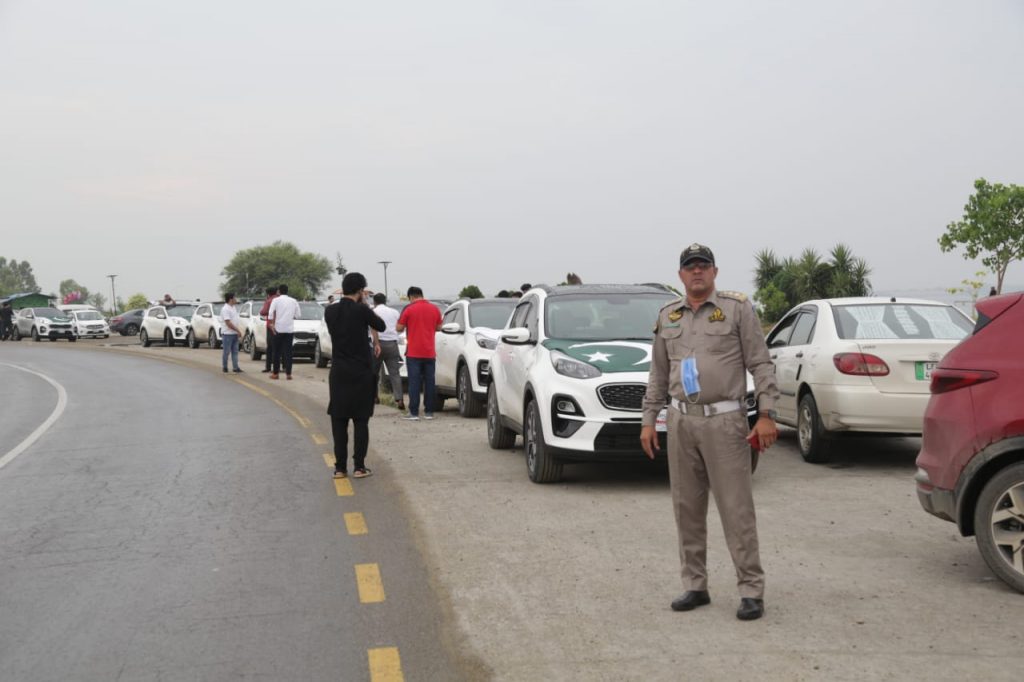
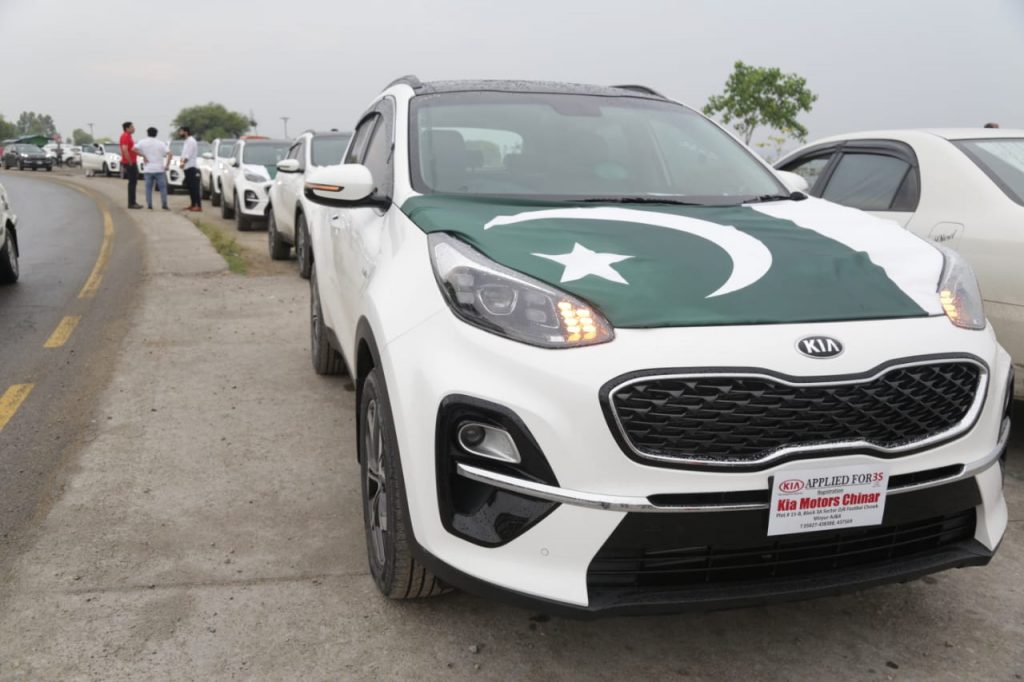
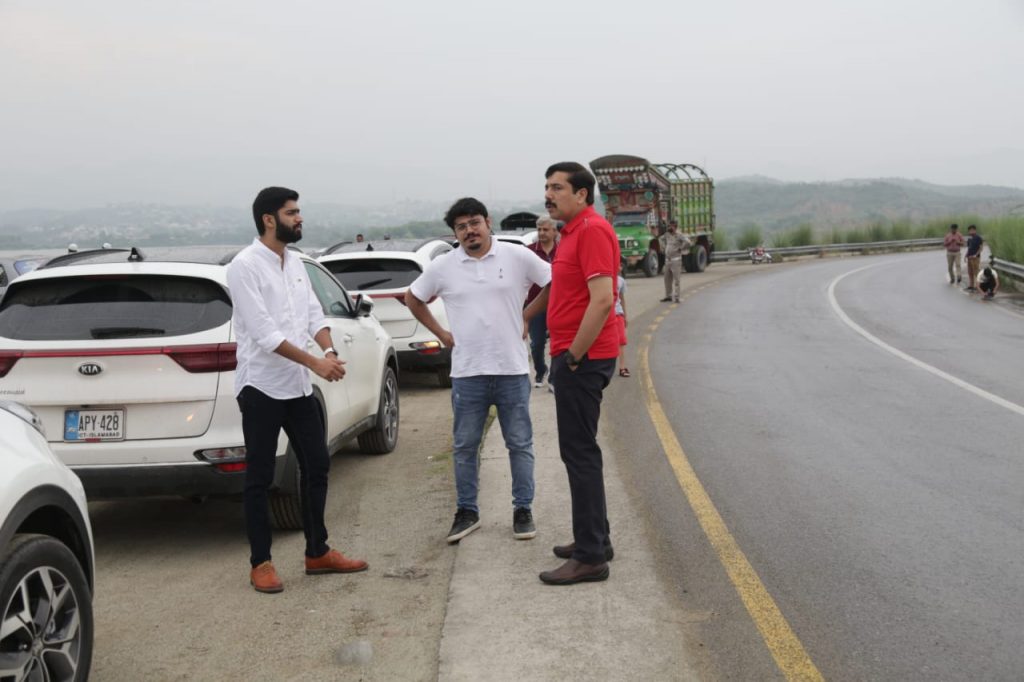
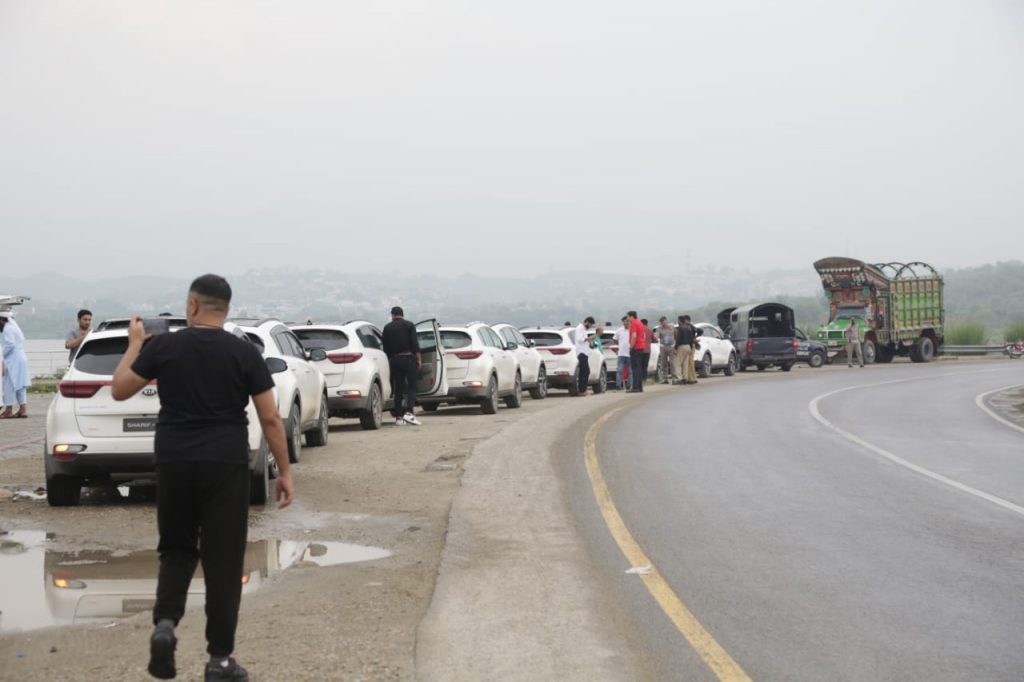
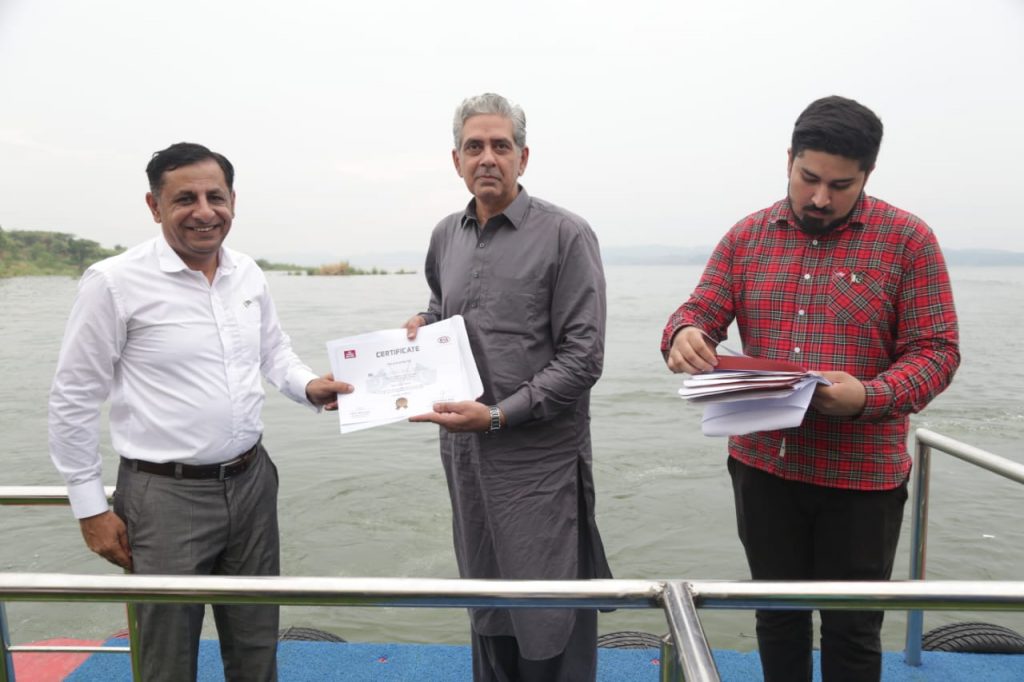
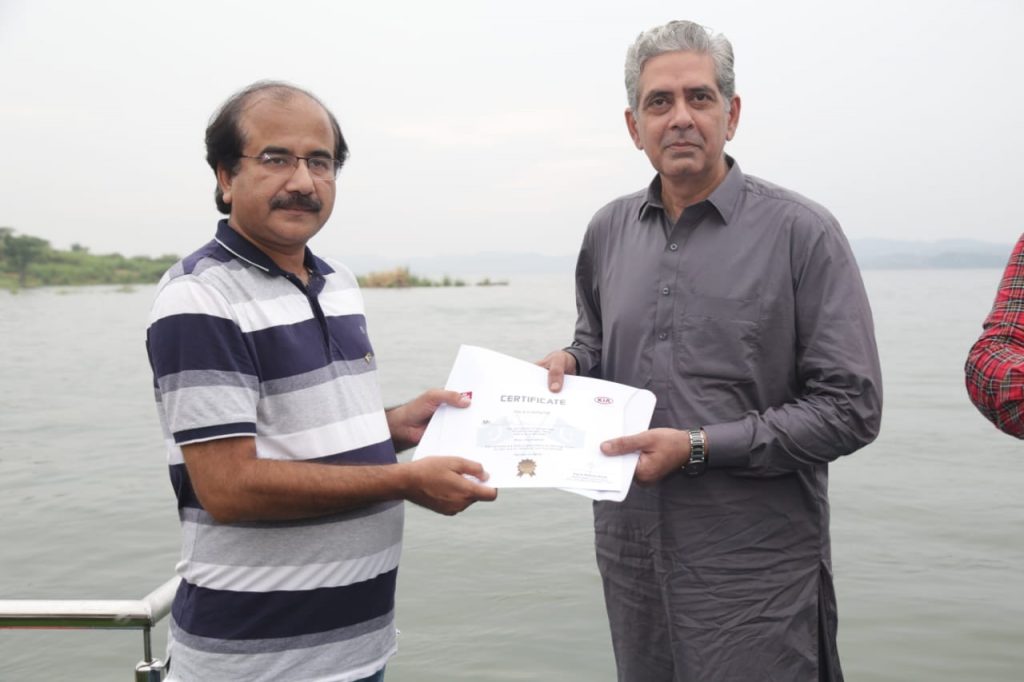
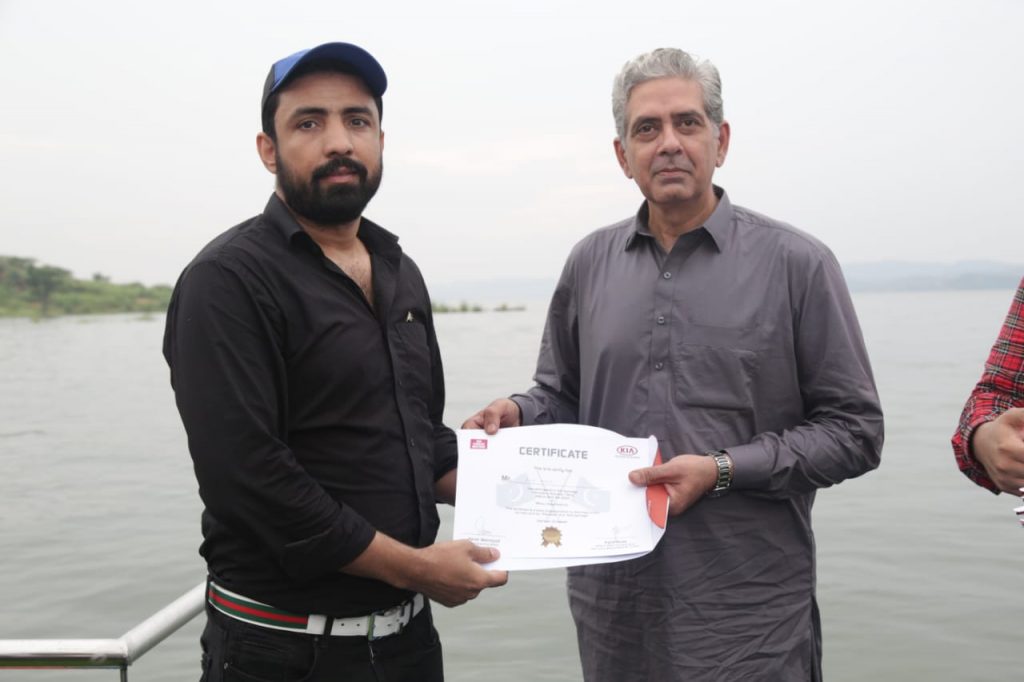
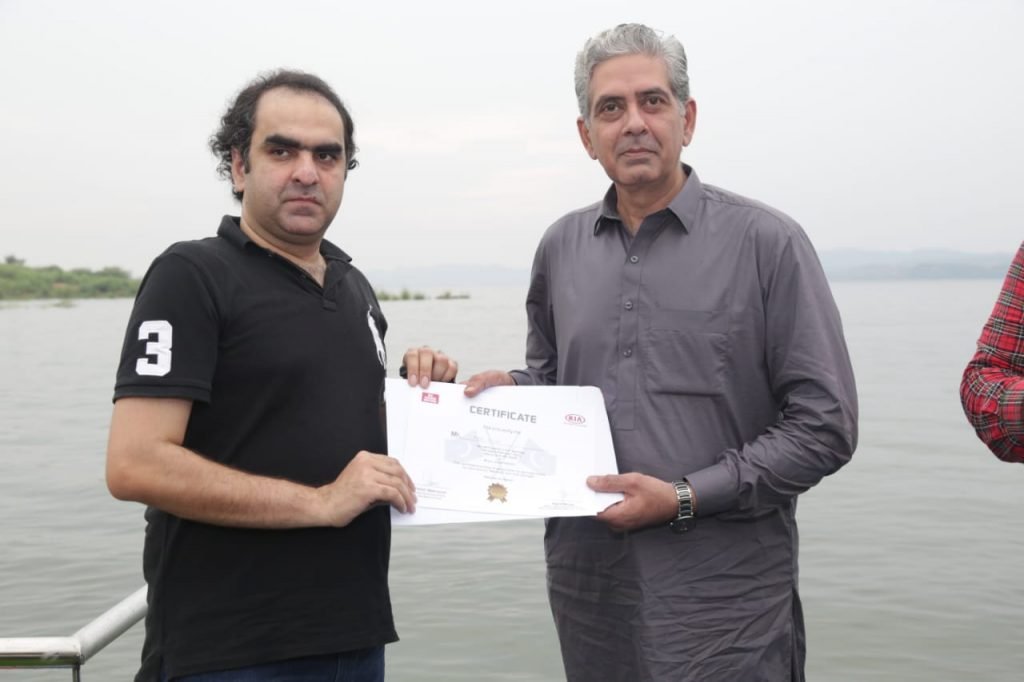
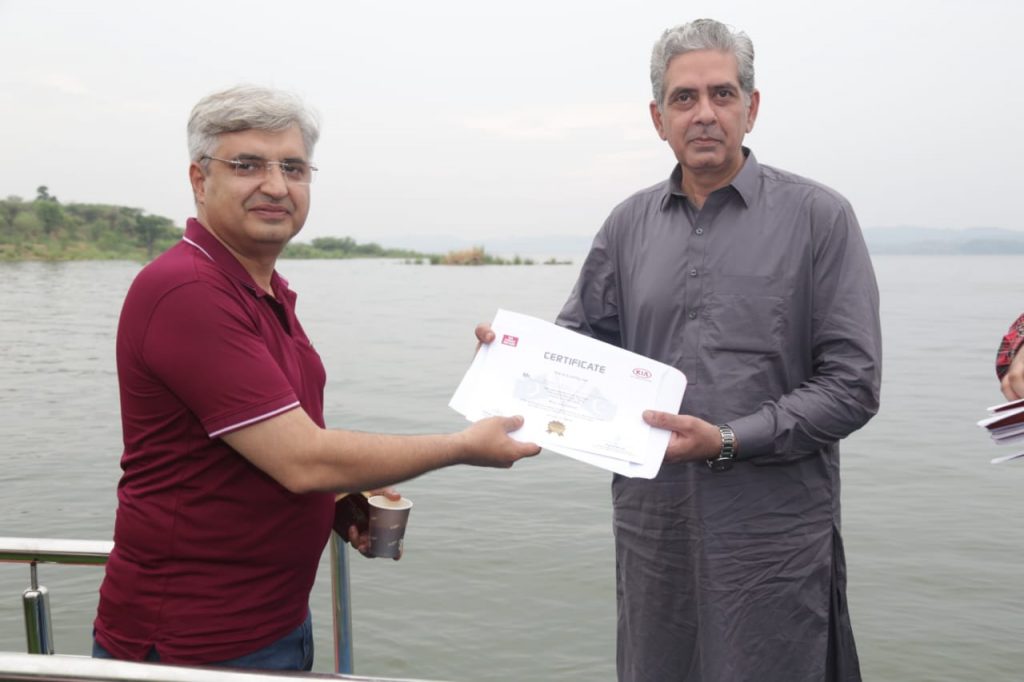
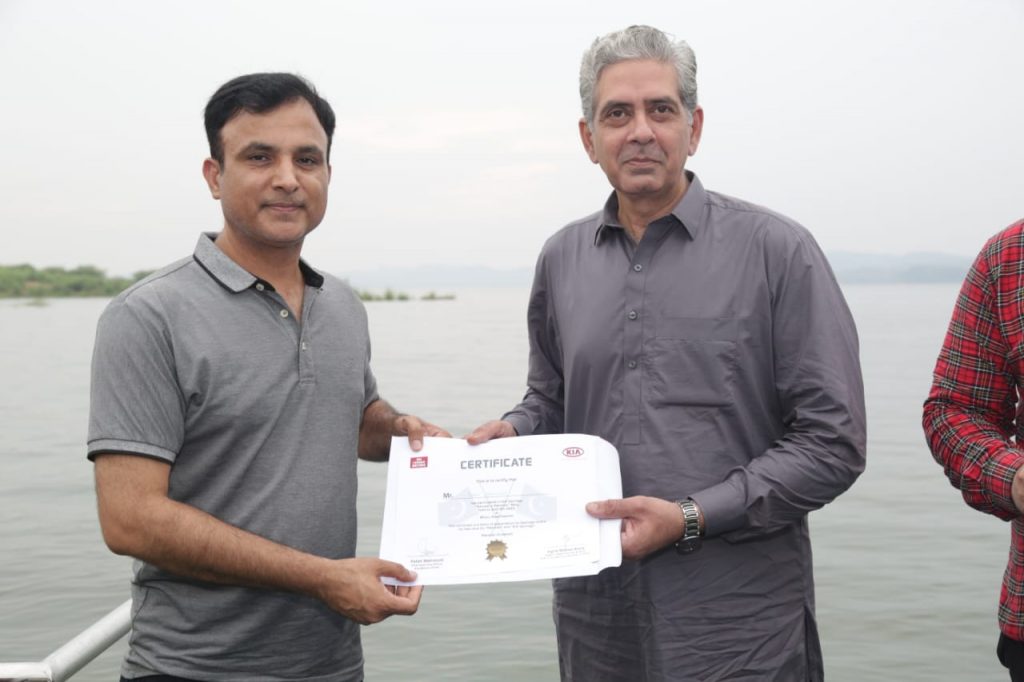
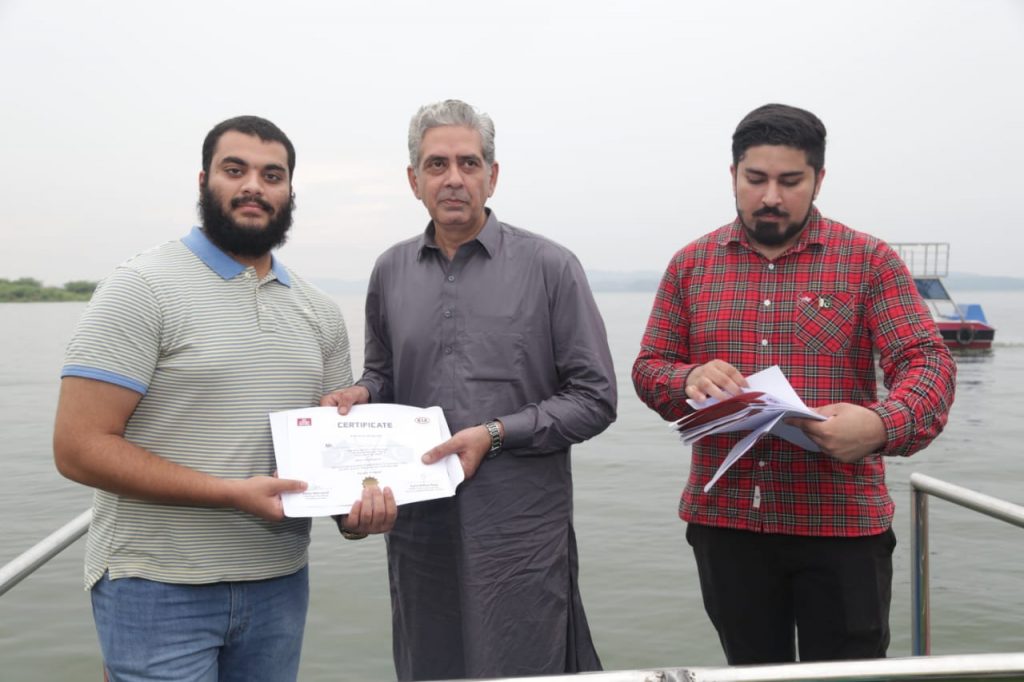
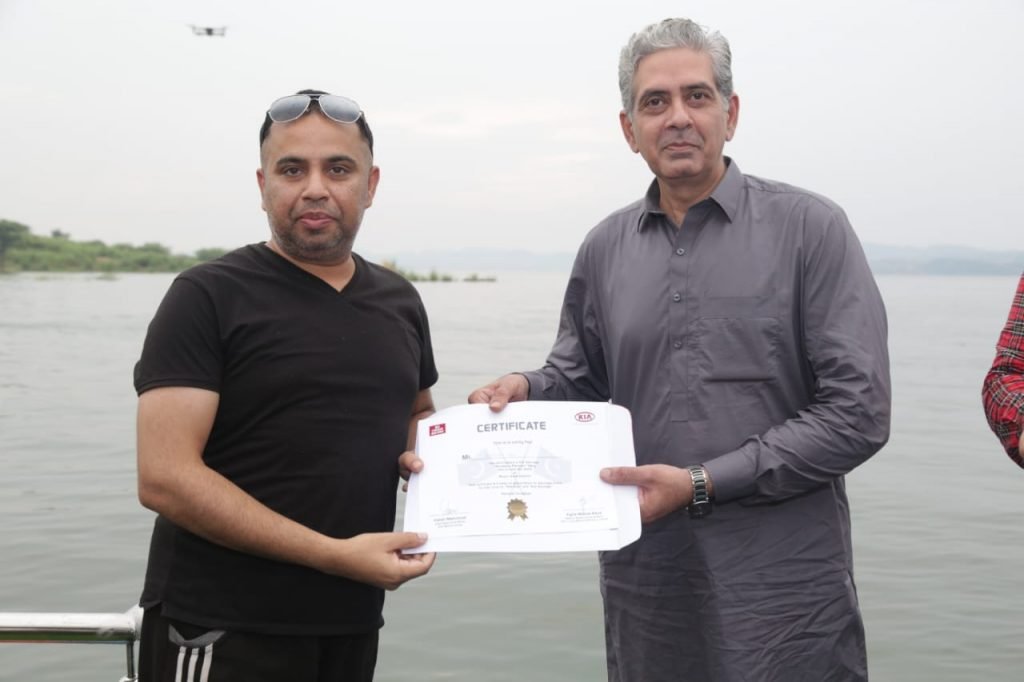
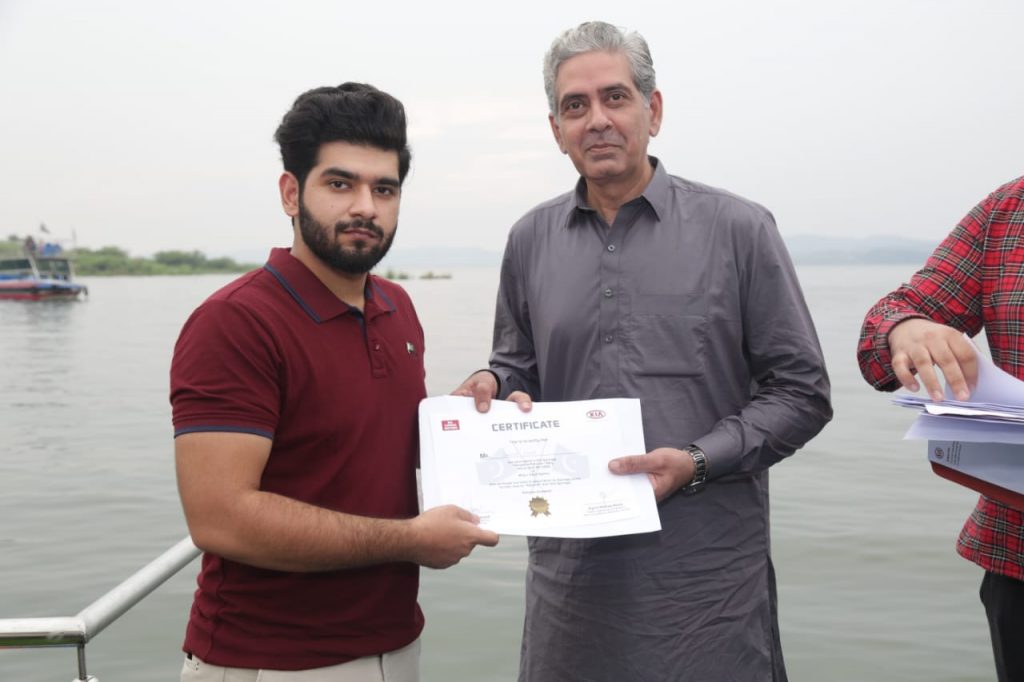
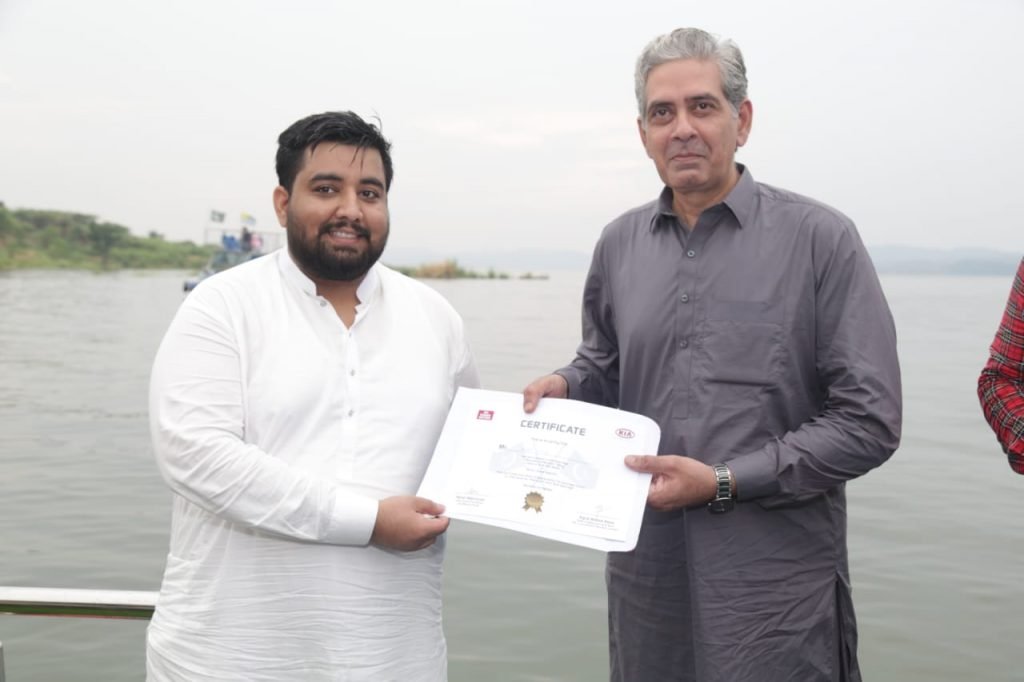
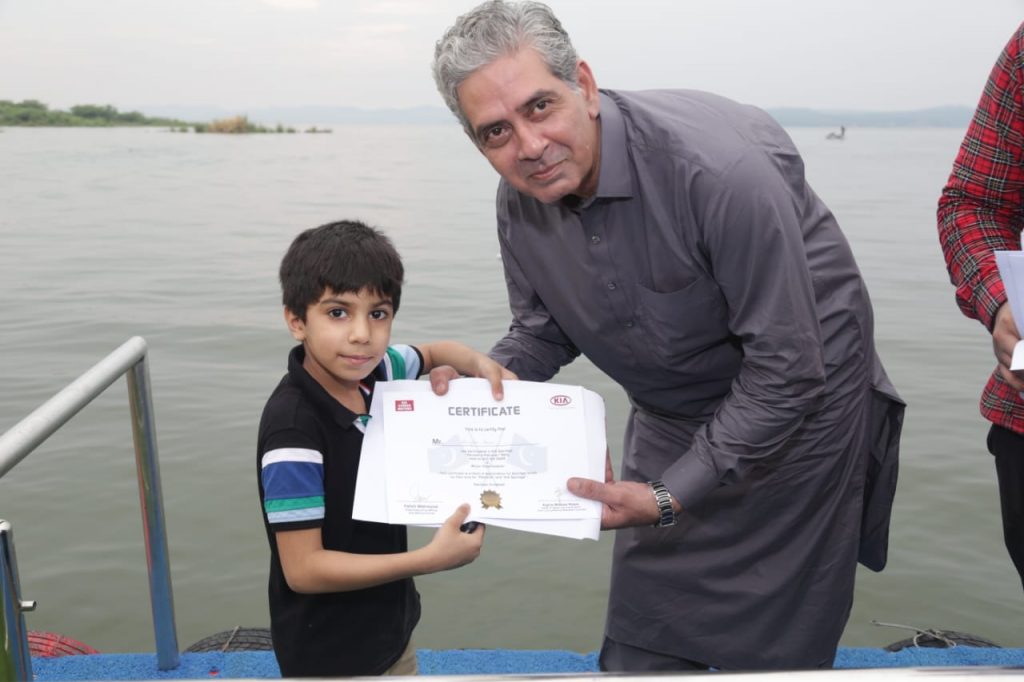
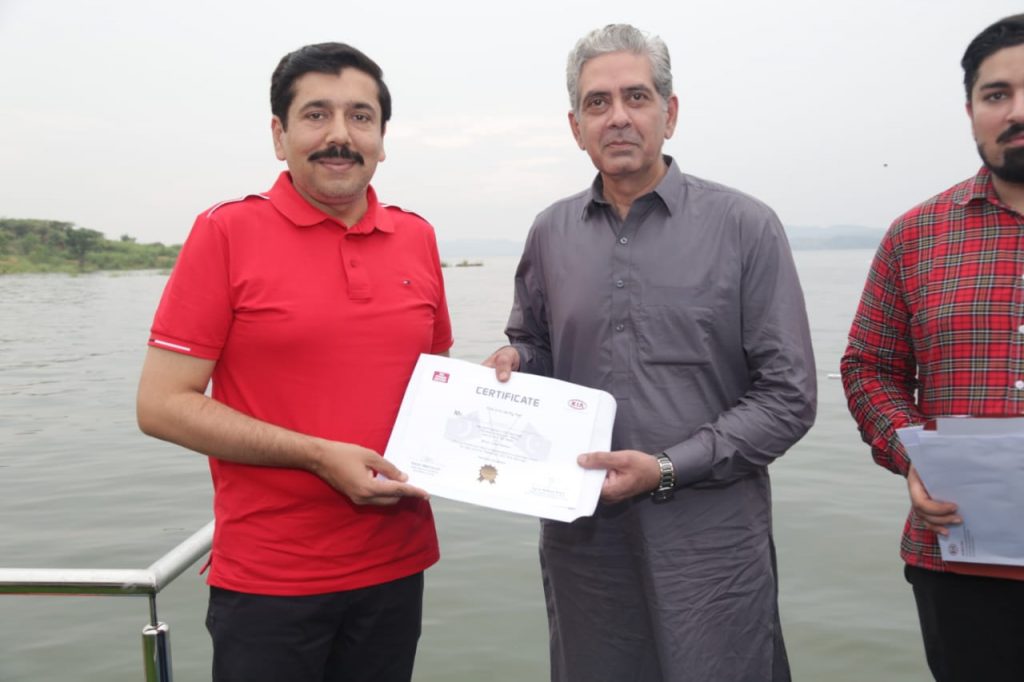
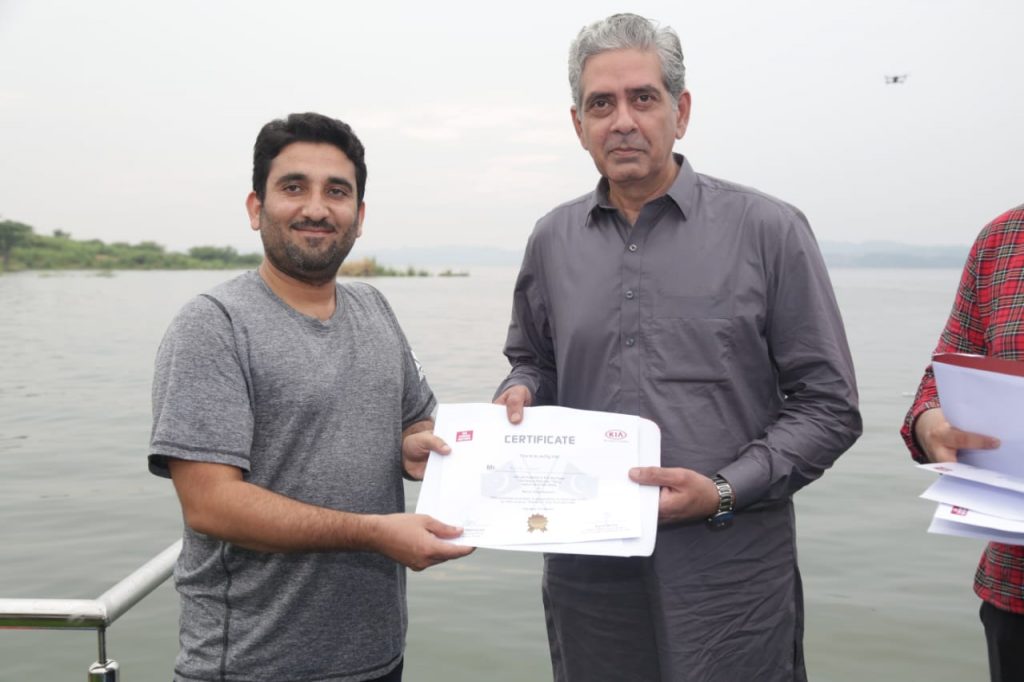
On Sunday, 9th August, Kia Motors-Chinar organised “Kia Sportage Takmeel-e-Pakistan” rally in which KIA Sportage SUV users from all over the Pakistan participated. This was done in order to celebrate the spirit of celebrating of Pakistan on 14th August as Independence Day is approaching. Later on appreciations certificates were distributed among the participants by Director General Mirpur Development Authority Mr. Ejaz Raza.
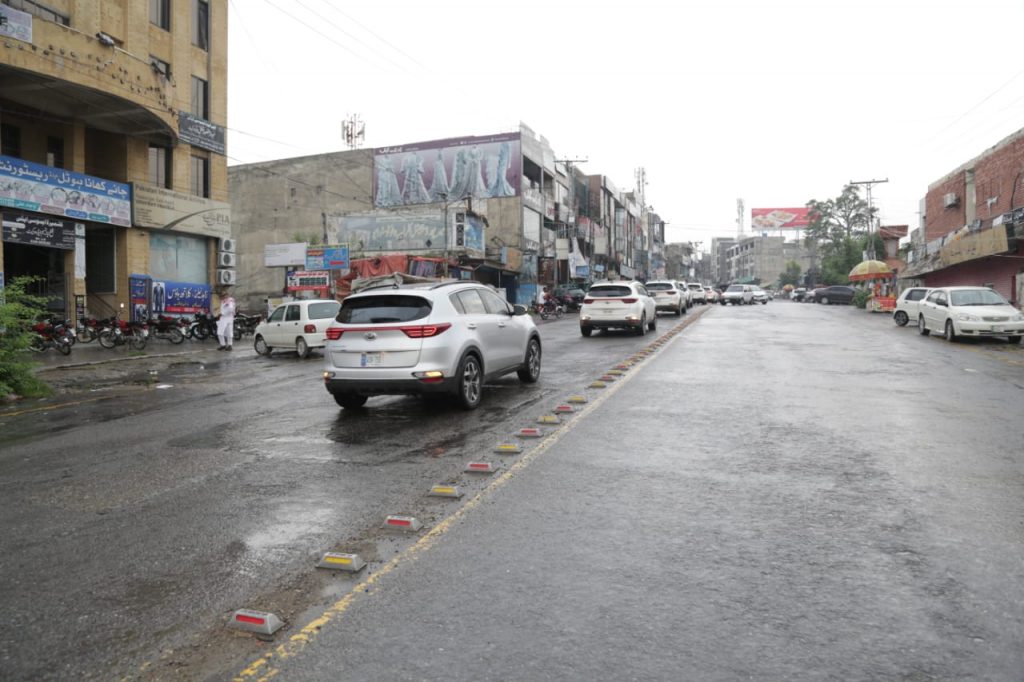
Almost 25 Sportage SUV’s owners participated from Punjab region and drive the vehicle about 5 Km in a rally in Mir Pur Azad Kashmir. It was first of its kind of rally for any specific brand at Mirpur Azad Kashmir says owner of KIA China Motors talking with Automark.


It was a joy filled event overall for everyone not only for participants. It were a powerful show of Kia Sportage SUV’s in Pakistan hosted by Kia Motors Chinar owner Fateh Mahmood Kiani and organised by Diehard fan of Kia Sportage Shahid Malik sahib while main stream media was missed this event as usual.

Omar Ayub inaugurates PSO’s first EV charging facility in Islamabad

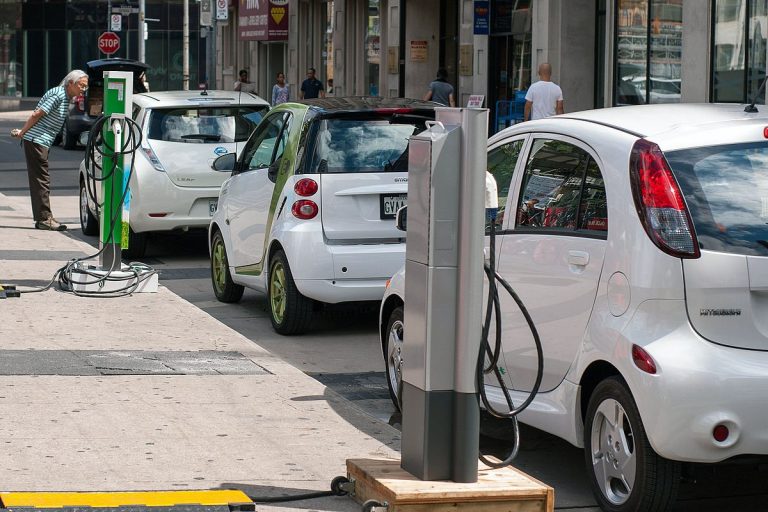
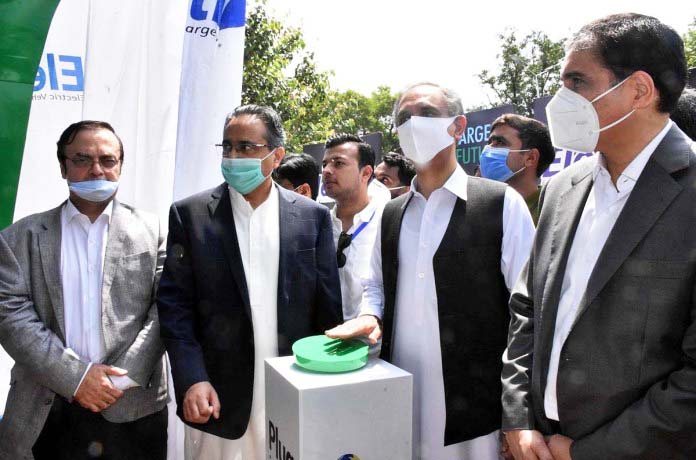
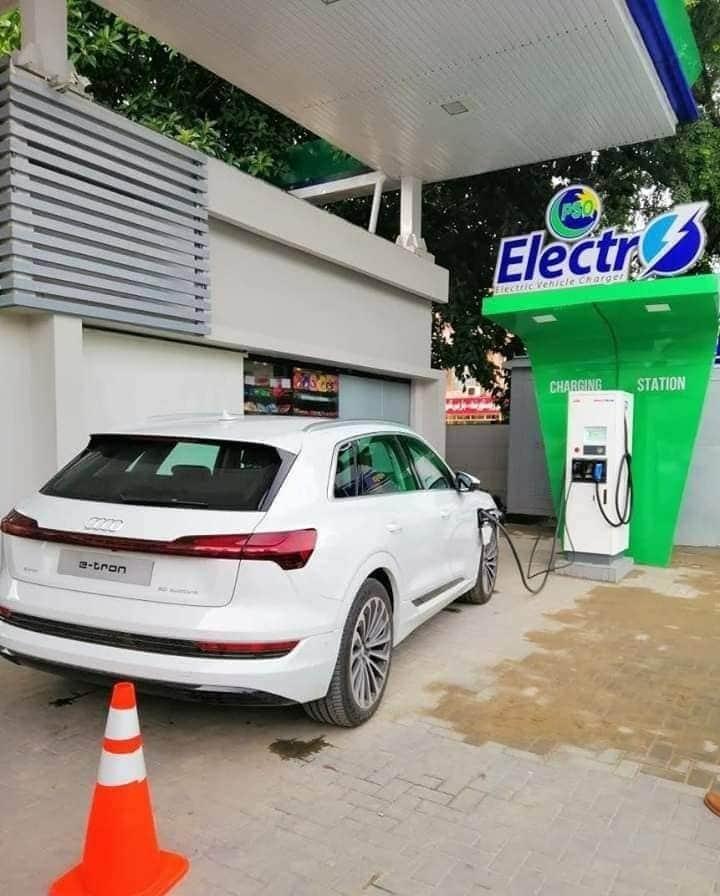
Minister for Energy Omar Ayub Khan on Wednesday inaugurated the Pakistan State Oil’s (PSO) first-ever Electrical Vehicle (EV) charging facility here at its Capri Gas Station in F-7 sector. Addressing the inaugural ceremony, he said the government would establish 24 more such facilities and its network to be expanded gradually in line with Prime Minister Imran Khan’s vision of clean and green Pakistan.

He said electric charging stations would bring a revolution in transport system and help control environmental issues like air pollution and smog. “We need to address the key challenges of environmental protection. Electric vehicles will have a marked edge as they produce almost no running emissions.” Omar Ayub said the country was moving towards the consistent path of progress and development under the leadership of the prime minister, adding amid the coroanvirus (COVID-19) prevailing situation, local engineers had exhibited their skills by manufacturing PPE (personal protection equipment) and ventilators.

Currently, he said imported equipment had been used in setting up the EV Charging station, but he was hopeful that young engineers would soon start producing these equipment indigenously. “EV manufacturing units will be established across the country under the National Electric Vehicle Policy that will create new job opportunities and have a positive economic impact”.

He said efforts were being made to provide electricity to consumers on economical rates, adding at present 70 percent energy-mix needs were met through imported fuel.
He said the government was working on a policy to increase the electricity production using alternative resources like solar, wind and coal. “By the year 2030, the electricity production will reach 45,000 MW, out of which 75-80 percent will be from alternative and indigenous resources.”

Special Assistant to the Prime Minister on Petroleum Nadeem Babar said opening of the charging stations would help encourage electric vehicles as future mode of transportation in the country. He said electric vehicles would soon be witnessed plying on the roads. “Pakistan is moving forward with the aim of reducing air pollution and curbing climate change. We intend to move to 30% of Renewable Energy in our Energy Mix, together with another 30% of Hydel Power Generation.”

“These efforts coupled with a move towards Electric Vehicles would greatly help in achieving the mission of Prime Minister Imran Khan of a Clean & Green Pakistan,” he said, adding that the government was supporting all the stakeholders as the world had adopted this eco-friendly technology. PSO Managing Director Syed Muhammad Taha said “This is yet another step as part of PSO’s ongoing efforts in environmental stewardship.”
He said the company would continue to drive the future of e-mobility in Pakistan by installing more Electric Vehicle Chargers at various highways and in major cities across the country. “PSO is investing in cleaner energy solutions to reduce the carbon footprint and build a better environment for our future generations.” He said, “As we lead the sustainable energy revolution, our next step is the introduction of Euro-5 standard fuels at PSO retail outlets.”

Source: APP

A New SUV Competitor in the market: Hyundai Tucson

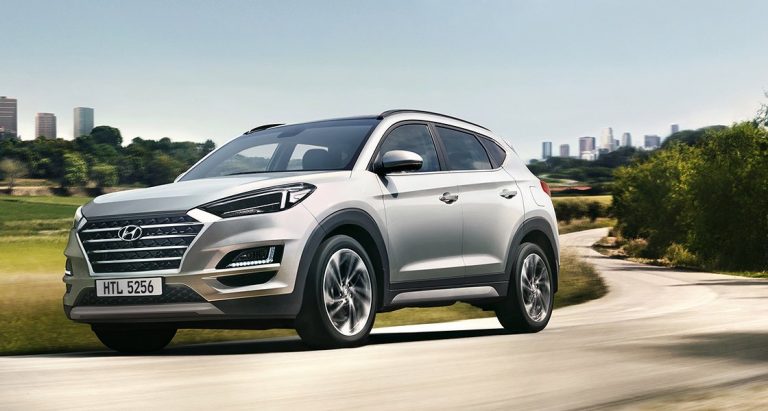
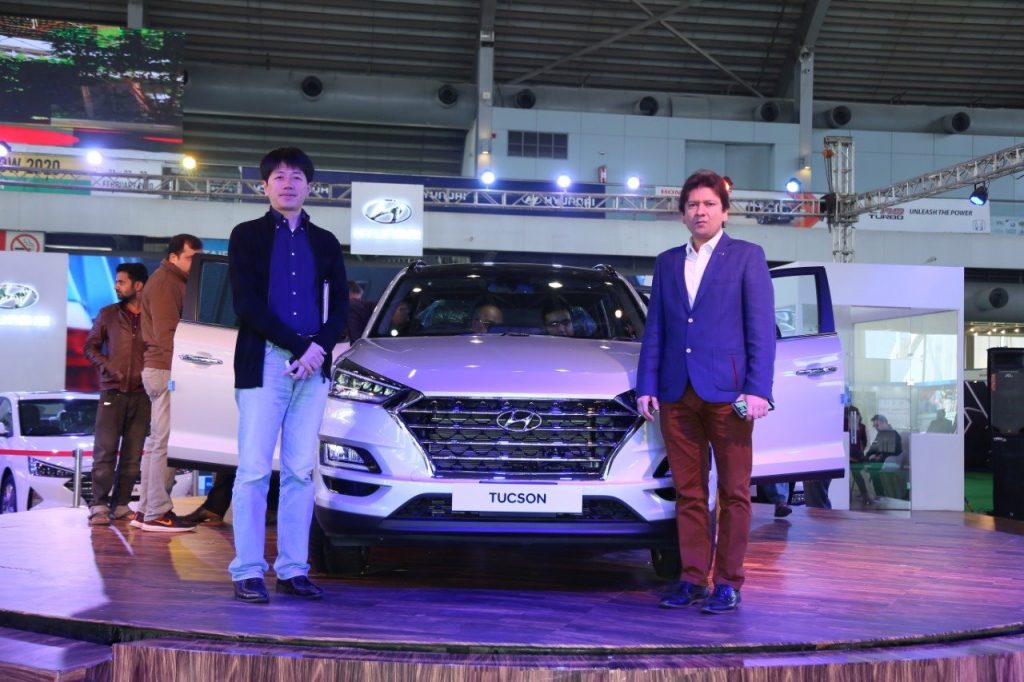
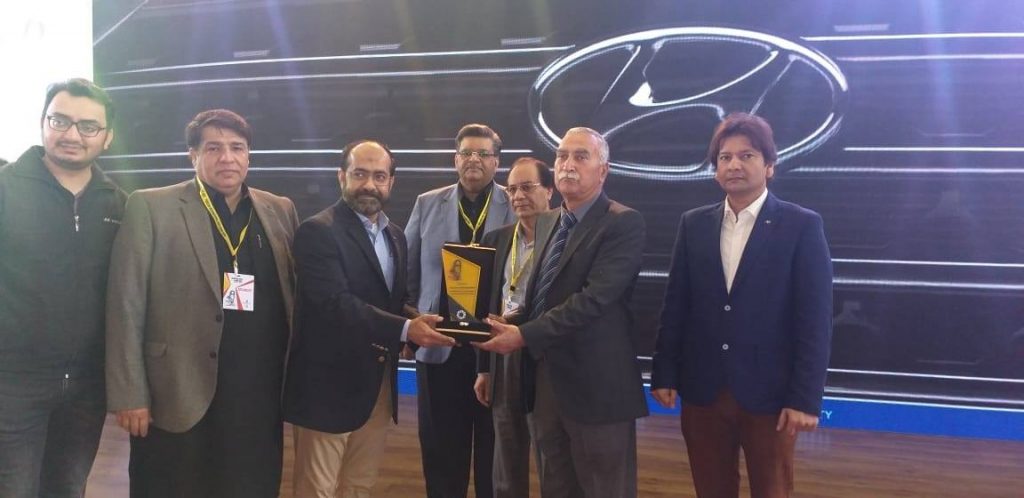
The Hyundai Nishat Motors is all set to launch its SUV Tucson next month as per a source. The SUV was showcased in the Pakistan Auto Show (PAPS -2020) in Lahore. The launch was set to be earlier this year but was delayed due to the COVID-19 pandemic and unfavorable economic condition of Pakistan.

As per sources, the South Korean company is launching its product after thorough research about the currently available SUV options in Pakistan. With Tucson SUV, they aim to fulfill the demand gaps left unaddressed by the other SUV producing companies.
The Tucson SUV will be assembled locally in Faisalabad. The price of the SUV is currently unknown. However, we expect it to be somewhere around 5 Million or less to compete the available option in the market from Korean and Chinese assemblers. The company will announce its price when they launch the car next month.

A bit about Hyundai Tucson
The Hyundai Tucson is a front-engine four-wheel drive compact SUV. The company will launch two models. Most likely, they will launch their 2.0 L variant in Pakistan
The Hyundai Tucson is equipped with a 2.0 L petrol engine that produces an output power of 155 hp and a torque of 192 Nm. Tucson’s body length is 176 inches; meanwhile, its width is 72.8 inches and height 65.5 inches. The bare-minimum ground clearance is 6.7 inches, and the wheelbases of the cross over are 105 inches.

The Hyundai Tucson will be equipped with the ABS braking system, and security features like ventilated disc-brakes with floating calipers and pads wear warning devices. On the rear end, along with solid disc brakes, there is a high torque parking brake. Some other security features are leaving departure and lane-keeping warnings, an emergency brake system, and forward-collision warning.

As for the interiors, the entire stack has been undone to include a 7-inch touch screen display. The seats are covered in fabric. Some car features are automatic climate control, six airbags, a stereo system, cruise control, power windows, power steering, and many more. There is enough space in the car for the driver and passengers to be comfortable at all times.

The main competitors of Hyundai Tucson are KIA Sportage, BMW X1, Audi Q3 and Prince DFSK Glory. How well Hyundai Tucson will compete with the powerful playful; will be known once it is launched next month.

Messe Frankfurt celebrates its 780th anniversary – by getting back to business

On 11 July 1240, Emperor Frederick II granted trade fair rights to Frankfurt am Main, marking the birth of Messe Frankfurt. Now, 780 years later, the company can look back on an eventful history in which the Frankfurt trade fair developed from a medieval marketplace into a global player – experiencing many successes and mastering various crises

Peter Feldmann, Mayor of Frankfurt am Main and Chairman of the Messe Frankfurt Supervisory Board, had this to say about Messe Frankfurt’s anniversary: “Trade fairs have driven our city’s development. Nowhere else are trade fairs such an integral part of a city’s history as they are in Frankfurt. Emperor Frederick II’s official grant of trade fair rights marks the historical origin of a success story that started around Frankfurt’s City Hall (Römer) 780 years ago and continues to this day. From these beginnings, Messe Frankfurt evolved over the centuries into the world’s largest operating trade fair company. Yet even after 780 successful years, it remains true to the tradition of trade and internationality that is firmly rooted in its home city of Frankfurt.”

As soon as Messe Frankfurt celebrates its 780-year anniversary, it will be getting straight back to business: following a global lockdown lasting multiple months, Messe Frankfurt is once again holding trade fairs. It all kicks off with Intertextile Shenzhen Apparel Fabrics on 15 July 2020 in China. The trade fair is part of a network of some 50 international textile events in Messe Frankfurt’s portfolio, which has included Frankfurt Fashion Week since June. Trade fairs are also resuming business in Germany – in strict compliance with an extensive protection and hygiene concept. Smaller events are already underway on the Frankfurt exhibition grounds, and trade fairs will be joining them soon: Nordstil will be leading the way in Hamburg in September, followed by the Frankfurt Book Fair in October. Replacement dates have also been planned in 2020 for many of the Group’s postponed events worldwide.

Wolfgang Marzin, President and Chief Executive Officer of Messe Frankfurt: “We are delighted that our events will once again be serving as platforms for personal interaction. Our resumption of event operations worldwide demonstrates Messe Frankfurt’s flexibility in responding to challenges. We are able to offer our customers around the world the platforms they need – regionally, nationally, at a European level and globally – while satisfying today’s new local regulations and requirements. The past 780 years have demonstrated time and again just how important trade fairs are for promoting economic recovery in times of crisis, and our customers have been making it clear to us that face-to-face encounters and dialogue are irreplaceable.”

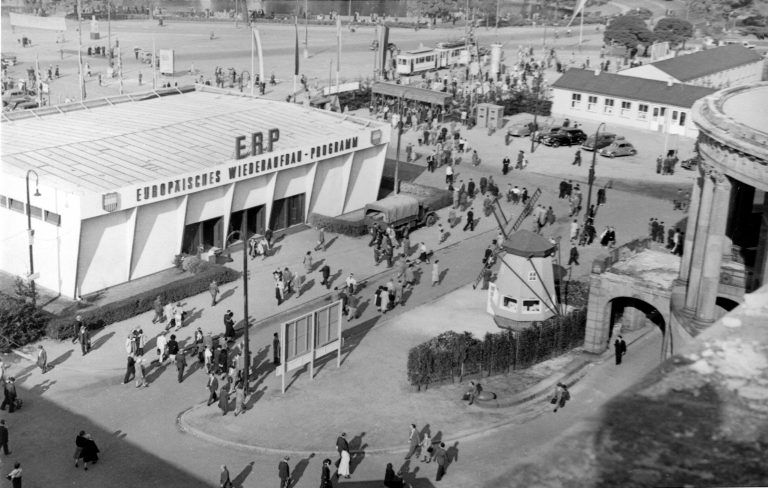
A look at history shows that trade fairs, as mirrors of the economy, are repeatedly confronted with crises. Even back in 1635, for example, Frankfurt’s Spring Fair had to be cancelled on account of fallout from the Thirty Years’ War and an outbreak of the bubonic plague in Frankfurt. Already, the measures taken to help thwart the spread of disease included border closures, health certificates, passport systems, entry and exit checks and quarantines. Trade fairs’ central role in economic development was clear even then. No sooner had the First World War ended than plans began for the International Import Fair in October 1919 and the Spring Fair in 1920. 95 percent of the exhibition grounds were destroyed during the Second World War, and their immediate reconstruction sent a clear signal about Frankfurt’s importance as a trade fair centre. Trade fair operations resumed with the Frankfurt Fair in October 1948, relying in part on provisional lightweight constructions, tents and open-air spaces.

72 years later, the global coronavirus pandemic has been challenging the event industry since the start of 2020. Marzin: “The trade fair landscape will change as a result of the coronavirus crisis, and topics such as digitalisation, safety and security will have a key role to play. Yet the trade fair industry’s most important success factor remains personal encounters – something that Messe Frankfurt’s platforms have been making possible for 780 years now. Because the demand for face-to-face encounters is even greater today than it was before.”

Background information on Messe Frankfurt
Messe Frankfurt is the world’s largest trade fair, congress and event organiser with its own exhibition grounds. With about 2,600 employees at 29 locations, the company generates annual sales of around €736 million. We have close ties with our industry sectors and serve our customers’ business interests efficiently within the framework of our Fairs & Events, Locations and Services business fields. One of the Group’s key USPs is its closely knit global sales network, which extends throughout the world. Our comprehensive range of services – both onsite and online – ensures that customers worldwide enjoy consistently high quality and flexibility when planning, organising and running their events. The wide range of services includes renting exhibition grounds, trade fair construction and marketing, personnel and food services. Headquartered in Frankfurt am Main, the company is owned by the City of Frankfurt (60 percent) and the State of Hesse (40 percent).


For more information, please visit our website at: www.messefrankfurt.com

Suzuki Jimny to be discontinued in Europe due to stricter emission norms

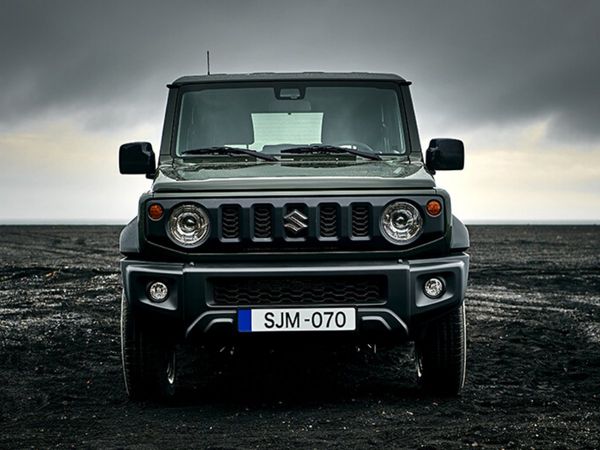
Suzuki has decided to discontinue Jimny in most European markets as the SUV fails to comply with impending CO2 emissions

The fourth-generation Suzuki Jimny was unveiled in 2018 and became available for sales in Europe later that year. However, it looks like the days for the hardcore SUV in the European markets were limited. According to media reports, Suzuki has decided to pull the plug on Jimny in most European markets due to emission regulations. Well, the carmaker had already revealed that it will stop selling Jimny in Europe from 2021 but the word on the street is that Maruti Suzuki seems to have advanced that date. Suzuki is likely to start axing the Jimny from various European markets from this year itself. The company has also reportedly stopped supplying the SUV to dealers in the UK, as a result of which the Jimny is no more available for bookings.

Suzuki’s decision to discontinue Jimny in Europe is driven by the stricter emission regulations that come into effect in Europe from 2021. These stipulations cap the CO2 emission by a carmaker’s fleet at 95g/km, something which the Jimny fails to meet. The SUV’s CO2 emissions range between 154g/km to 170g/km, depending on the transmission and driving conditions. There are rumours that Suzuki may be able to comply with these norms if it uses a hybrid engine on the Jimny but that could be economically less viable for the carmaker. This is why Suzuki will have to stop selling the SUV in most European markets after 2020. Now, there are rumours that Jimny could make a comeback in as a commercial vehicle but there has been no official word from Suzuki.

GM Announces All-Electric Buick Velite 7 SUV In China

China to get the electric Buick Velite 7 this year, so maybe the U.S. will finally get the Chevrolet Bolt EUV.

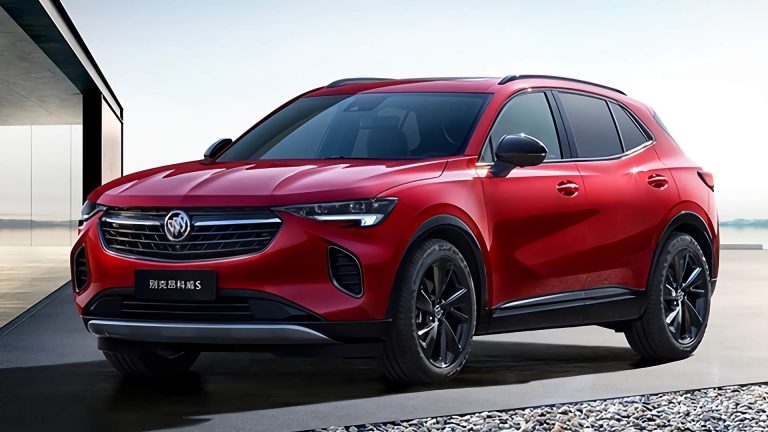
General Motors announced today that later this year, the Buick brand will launch in China the all-electric Buick Velite 7 “SUV”.

This new model (we would describe it as a crossover/SUV) seems to be related to the Chevrolet Bolt EV and was already expected (see the report from our sister site here).

GM says that it will have a range of 500 km (311 miles) NEDC, but more details will be revealed closer to launch. The unofficial reports (see video below) said that the electric motor will be 130 kW (noticeably below the 150 kW in Bolt EV).

“The VELITE 7 has a distinct sporty-looking exterior. It also features outstanding spaciousness, customer-focused connectivity and advanced driver assistance technologies that are designed to deliver a delightful and convenient ownership experience.”

“Leveraging GM’s unmatched global EV expertise, the VELITE 7’s electric propulsion system is powered by a new modular high-performance lithium-ion battery that has higher energy density through improved cell chemistry and an optimized design. Its battery pack has an advanced structural design and a liquid-cooling battery thermal management system that meet GM’s global standards for safety and reliability.”

In China, Buick operates under the SAIC-GM (50/50 joint venture between GM with SAIC), and already offers:

Velite 5 extended-range electric vehicle (related to Chevrolet Volt)
Velite 6 and Velite 6 Plus (BEVs)
The main question is whether the Buick Velite 7 heralds in the new Chevrolet Bolt EV in the U.S., We already heard about the Bolt EUV more than a year ago. The trademark filing for the “Bolt EUV” was already secured.