Home Blog Page 23

Electric Vehicles lead the way to a sustainable future?

Globally, energy is regarded as one of the core elements of social well-being and inessential component of sustainable development. Balanced energy supply and demand are vital considerations for any country when it comes to providing clean, sustainable and affordable energy to consumers. For decades, Pakistan’s primary energy supply a mix has remained dominated by indigenous and imported fossils fuels. More than three fourth portion of the overall energy mix consist of gas and oil to meet energy demand.

The energy sector contributes almost 73% of global greenhouse gas emissions, highlighting the crucial need for a shift to cleaner and renewable energy sources for achieving net zero and a sustainable global future. Worldwide Road transportation accounted for 37% of all energy-related carbon dioxide emissions due to heavy reliance on petroleum-based fuels, making it the biggest cause of global warming. Comprehensive energy demand for petroleum will continue to expand and peak in the mid-2030s as energy consumption in the road sector is expected to increase by 1.26%, with a 1% growth in urbanization mostly taking place in Southeast Asia.

There has been a noticeable increase in the acceptance and use of electric vehicles (EVs) internationally and specially in Pakistan due to the rapid efforts made by government to encourage environmentally friendly vehicles in the transport sector, The government of Pakistan approved an ambitious National Electric Vehicles Policy (NEVP) in 2019 with the goal of electric vehicles comprising 30 percent of all passenger vehicle and heavy-duty truck sales by 2030 and an even more ambitious target of 90 percent by 2040 particularly through the electrification of vehicles to reduce GHG emissions.

Challenges& Barriers:

Public worries concerning the end-of-life management of EV batteries have grown with their rising popularity. Batteries eventually need to be disposed of or recycled because they normally only have an 8-year lifespan. The possibility of reusing the batteries for various applications (i.e. energy storage systems) has attracted attention and important metals can also be recovered when recycling the battery’s components, lessening the negative effects on the environment.

For disposal, appropriate safety measures must be taken to manage the batteries safely. Another issue is the electrical grid’s capacity to support the increasing demand for power and the availability of public charging networks. According to the study, there will be a huge increase in EVs on the road. Southeast Asia will face difficulties because of its poorly developed electric supply infrastructure. To preserve stability, it is crucial to enhance and extend distribution infrastructure, increase energy efficiency and integrate renewable energy sources into the grid, as well as prioritize sustainability, resiliency, equity, reliability and security when improving the electric power system.

The investment and construction of charging infrastructure networks are also big hurdles to meet demand for expansion in the use of EVs in Asia and the Pacific over the next few years. Another pertinent issue is the source of electricity for charging EV batteries, which has implications for carbon emissions. If the electricity does not come from renewable or clean sources, it could lead to a mere shift in emissions and not contribute to reducing total carbon emissions.  

Due to the global effort to increase EVs, the demand for raw materials for rechargeable batteries is anticipated to increase, resulting in a shortage of resources and crucial metals like cobalt, lithium, nickel, manganese and graphite are essential minerals needed for EV batteries, and the demand for EVs is growing, resulting in pressure on the world’s lithium resources. Researchers have discovered that the demand for essential metals such as manganese, nickel, cobalt, and lithium could rise between 1,099% and 7,513% by the year 2050 compared to the demand in 2020.

The way forward

To create a sustainable transportation system, it is important to consider the direct impacts of different modes of transportation and the un-intended consequences of shifting toward more sustainable options. A combination of policies, technological advancements and social shifts will be needed to achieve sustainable transportation through a holistic approach that considers the entire transportation system, including infrastructure, energy sources and behavioral changes. This will require joint efforts from governments, academic institutions, industries and individuals. Comprehensive collaboration across various sectors to ensure a sustainable future and achieve the goal of sustainable transportation will require meaningful and practical measures that include the following:

Integrated Urban Planning: Cities should adopt integrated urban planning strategies that prioritize public transportation, pedestrian-friendly infrastructure and mixed-use development to reduce reliance on individual car ownership and encourage sustainable modes of transportation.

Expansion of Public Transit: Governments should invest in expanding and improving public transit systems, including bus rapid transit networks, light rail, and subway systems, to provide affordable and accessible alternatives to private vehicles owners.

Electrification of Fleets: Beyond passenger vehicles, electrifying commercial fleets, such as buses, delivery trucks and taxis, can significantly reduce emissions and improve air quality in urban areas.

Renewable Sources of Energy: To ensure that efforts are actually green and contribute to net zero, the energy used in transportation, including charging, should come from clean and renewable sources.

Smart Grid Technologies: Investing in innovative grid technologies and energy storage solutions can enhance the stability and reliability of the electrical grid, accommodating the increased demand for electricity from EV charging stations while maximizing the integration of renewable energy sources.

Innovative Financing Mechanisms: Governments should explore innovative financing mechanisms, such as congestion pricing, carbon pricing and tax incentives, to incentivize sustainable transportation choices and fund investments in infrastructure and technology.

EVs hold Momentous Promise in Instrumental Effects on Environment Top of Form

  • Reduced Greenhouse Gas Emissions: EVs produce zero tailpipe emissions, which can significantly reduce greenhouse gas emissions, especially when powered by renewable energy sources like solar or wind. This can help combat climate change and improve air quality in urban areas.
  • Energy Efficiency: EVs are generally more energy-efficient than internal combustion engine vehicles. They convert a higher percentage of the energy from their batteries into power to move the vehicle, resulting in less energy waste and reduced overall energy consumption.
  • Decreased Dependency on Fossil Fuels: By transitioning from gasoline and diesel vehicles to electric ones, societies can decrease their dependency on fossil fuels. This reduces the environmental impact of extracting, refining, and burning these fuels, as well as the geopolitical tensions associated with their sourcing.
  • Technological Advancements: The growth of EVs industry has stimulated technological advancements in battery storage and renewable energy integration.
  • Improvements in Infrastructure: The adoption of EVs has led to investments in charging infrastructure, which can also support renewable energy integration and grid stability. Additionally, smart charging technologies can optimize charging times to reduce strain on the grid during peak demand periods.

While electric vehicles offer many benefits for a sustainable future, challenges remain, such as the environmental impact of battery production, the need for further infrastructure development and addressing issues related to resource availability and recycling. However, with ongoing innovation, policy support, and collaborative efforts across industries, electric vehicles can certainly lead the way towards a more sustainable transportation system.

This exclusive article has been published in Automark Magazine’s July-2025 printed/digital edition.

Electric Vehicle(EV) Charging in Emergency Situations

The future of mobility depends not just on technological advancements, but also on our ability to adapt and prepare for the unexpected. By embracing creativity and foresight, we can pave the way for a world where EVs are not only a green alternative but a dependable choice in every situation.

In a rapidly evolving world where electric vehicles (EVs) are becoming increasingly prevalent, ensuring their reliable operation during emergencies and in remote locations presents unique challenges.

Electric Vehicle (EV) charging during emergencies involves ensuring that EVs can be recharged quickly, reliably, and safely, even under adverse conditions.

Here, we explore innovative and creative solutions to address EV charging needs in such scenarios.

Emergency Situations for EV Charging:

  • Far Areas: Rural or less developed regions may lack sufficient charging infrastructure, making it challenging for EV owners to find charging stations.
  • Hill Stations: Elevated and often isolated locations where installing and maintaining charging infrastructure can be difficult.
  • Offshore Locations: Islands and coastal areas with limited access to the mainland power grid may face significant challenges in supporting EV charging infrastructure.
  • Natural Disasters: Hurricanes, earthquakes, floods, and wildfires can disrupt the power grid and create significant challenges for EV charging.
  • Power Outages: Blackouts, brownouts, or other disruptions in the electrical supply can hinder the ability to charge EVs.
  • Accidents and Roadside Breakdowns: EVs can run out of charge unexpectedly, requiring immediate assistance.

Charging Solutions in Emergency Situations:

1. Portable Chargers (Flexible lifeline)

  • Advantages:
    • Easy to Transport: Portable chargers can be easily carried in the trunk of an EV or by emergency response teams.
    • Standard Outlets: They can be used with standard electrical outlets found in homes, offices, and many other locations.
  • Types:
    • Level 1 (120V): Suitable for overnight charging or when extended charging time is available. Provides approximately 3-5 miles of range per hour.
    • Level 2 (240V): Faster charging suitable for short stops, providing approximately 10-20 miles of range per hour.
  • Limitations:
    • Outlet Dependency: Requires access to a functioning electrical outlet, which may not be available in remote or disaster-struck areas.
    • Slower Charging: Level 1 chargers are particularly slow, making them less ideal for urgent situations.

2. Mobile Charging Units (Power on wheels)

  • Functionality:
    • High-Capacity Batteries/Generators:Vehicles of trailers equipped with substantial battery banks or generators to provide emergency charging.
  • Capabilities:
    • DC Fast Charging: Often supports DC fast charging (up to 50-100 kW), allowing for quick replenishment of EV batteries.
  • Use Cases:
    • Roadside Assistance: Deployed by roadside assistance services to aid stranded EVs.
    • Emergency Response: Used by emergency teams during natural disasters to provide immediate charging.
    • Remote Events: Useful during events in remote areas where traditional charging infrastructure is unavailable.

3. Renewable Energy Solutions (Harnessing Nature’s Power)

  • Solar-Powered Chargers:
    • Description: Deployable solar panels that generate electricity for EV charging.
    • Advantages: Sustainable and particularly useful in sunny regions.
    • Limitations: Dependent on weather and daylight conditions.
  • Wind-Powered Chargers:
    • Description: Portable wind turbines that generate electricity.
    • Advantages: Suitable for windy locations.
    • Limitations: Dependent on wind conditions and less portable than solar panels.
  • Hybrid Systems:
    • Description: Systems combining solar, wind, and battery storage to provide continuous power.
    • Advantages: Ensures power availability regardless of weather conditions.
    • Applications: Ideal for remote and off-grid locations.

4. Battery Swapping Stations (The quick switch)

  • Description:
    • Function: Facilities where EVs can exchange their depleted batteries for fully charged ones.
  • Advantages:
    • Quick Turnaround: Allows for rapid battery exchange, minimizing downtime.
  • Challenges:
    • Standardization: Requires standardized battery designs across different EV models.
    • Infrastructure Investment: Significant investment is needed for setting up swapping stations and maintaining battery inventory.

5. Pre-installed and Resilient Charging Networks (Building for the future)

  • Strategic Placement:
    • Evacuation Routes: Installing charging stations along major evacuation routes to ensure access during emergencies.

Disaster-Prone Areas: Focusing on regions with a high risk of

  • natural disasters to provide reliable charging options.
  • Grid Resilience Enhancements:
    • Upgrades: Strengthening the power grid to withstand and quickly recover from disasters, ensuring continuous power supply to charging stations.
  • Microgrids and Energy Storage:
    • Microgrids: Localized grids that can operate independently from the main grid during outages.
    • Energy Storage: Utilizing battery storage systems to provide backup power to charging stations during grid failures.
    • Renewable Integration: Incorporating renewable energy sources like solar and wind to ensure sustainability and reduce dependency on the main grid.

CONCLUSION:

Creative solutions for EV charging in emergency situations not only enhance the reliability and convenience of electric vehicles but also promote sustainability and resilience. From portable chargers and mobile units to renewable energy and battery swapping, these creative approaches ensure that EVs remain a viable and practical choice, even in the most demanding scenarios. By investing in these technologies and infrastructure, we pave the way for a greener and more resilient future.

Exploring Brazil’s Auto Parts Aftermarket and Economic Landscape

Economic Overview

Brazil, the largest country in South America, is home to 215 million people with a real GDP per capita of USD 8,917. As a large federal country, Brazil is comprised of the union (federal government), 26 states (plus the Federal District), and over 5,500 municipalities. Despite its diversity and economic potential, racial and gender discrimination persist as systemic barriers, limiting opportunities for many individuals and families to break the inter-generational cycle of poverty.

Auto Parts Aftermarket in Brazil

The Brazilian automotive aftermarket is experiencing significant growth, driven by the increasing average age of vehicles and the rising number of cars on the road. As vehicles age, the demand for replacement parts naturally increases, providing a boost to the aftermarket sector. Vehicles older than ten years are particularly prone to parts failure, creating significant demand for filters, brake parts, clutch parts, tires, batteries, and more.

Key Insights into the Auto Parts Aftermarket

Market Size and Growth

The Brazil Used Car Market size is estimated at USD 151.72 billion in 2024 and is expected to reach USD 197.75 billion by 2029, growing at a CAGR of over 4% during the forecast period (2024-2029). This growth underscores the robust demand for auto parts and accessories needed to maintain and service an aging vehicle fleet.

Key Economic Indicators

Population: 215.3 million

GDP Annual Growth: 2.9%

GDP Per Capita: USD 8,917.67

Inflation Rate (2022): 9.8%

Interest Rate: 10.5%

Government Debt to GDP Ratio: 72.87%

Exchange Rate: 1 USD = 5.14 Brazilian Real

Import Tariffs: 10% to 35%

Transportation

By Air: The quickest way to get from Pakistan to Brazil by plane takes about 23 hours 42 minutes, departing from Jinnah International Airport (KHI) and arriving at Guarulhos – Governador André Franco Montoro International Airport (GRU).

By Sea: Shipping from Pakistan to Brazil takes about 34 days 11 hours, departing from Karachi Port (PKKHI) and arriving at Rio de Janeiro (BRRIO), with vessels departing 2-4 times a week.

Key Events in Brazil’s Auto Parts Sector for 2024~2025

Upcoming Exhibitions

  • Expo Peças 2024
  • Date: September 5-7, 2024
  • Details: Automobile, car accessories, automobile engineering, trucks, cars, automation industry, automotive.
  • Location: Centro de Convenções de Goiânia, Goiânia, Brazil
  • Website:Expo Peças
  • Agrishow 2025
  • Date: April 28 – May 2, 2025
  • Details: The biggest and most important agricultural technology trade show in Brazil, and one of the largest in the world.
  • Location:Recinto de ExposiçõesAgriShow, Ribeirão Preto – SP, Brazil
  • Website:Agrishow
  • SalãoDuasRodas 2025
  • Date: October 2025 (Exact date TBA)
  • Details: The main motorcycle trade show for Latin America, featuring test rides, off-roading, urban mobility, lifestyle arena, oval track, customization arena, and more.
  • Location: São Paulo Expo Exhibition & Convention Center, São Paulo, Brazil

For businesses looking to enter or expand in the Brazilian auto parts aftermarket, these exhibitions provide excellent opportunities to network, showcase products.

List of products at 6 digits level imported by Brazil in 2022

detailed products in the following category: 8708 Parts and accessories for tractors, motor vehicles for the transport of ten or more persons, …

Sources: ITC calculations based on Ministério do Desenvolvimento, Indústria e Comércio Exterior statistics.

Mashood Khan
Director – Mehran Commercial Enterprises
Expert Auto Sector / Former Chairman PAAPAM

This article has been published in Automark Magazine’s July-2024 printed edition.

All-new Kia EV3 makes global debut, sales start July 2024

Kia said it plans to first introduce the EV3 in South Korea in July 2024, followed by launches in Europe and other parts of the world. Prices are expected to be between $35,000 to $50,000, with the South Korean carmaker looking to sell 200,000 units in its first year.

The Kia EV9 battery-electric crossover made huge waves as the South Korean automaker’s flagship electric vehicle (EV).

The large sport-utility vehicle made boxy cars cool again, especially with the company’s distinctive “Tiger nose” grill and futuristic styling cues. But for those who need less bulk, the EV9’s little brother made its global debut recently.

Kia president and CEO Ho Sung Song formally introduced the Kia EV3 at an online press conference. This all-new model aims to take on the highly competitive compact crossover market, all while sporting the performance and advanced technology we have all come to expect from EVs.

Kia executive vice president Karim Habib, who is also the brand’s design chief, said the EV3 was designed using the curiously named “Opposites United” philosophy that combines a wide range of natural and modern styling cues to produce a truly distinctive and cohesive whole.

Put another way, the EV3 takes heavily after its larger sibling, starting with the familiar “Tiger Face” flanked by vertically arranged LED headlights and intricate LED daytime running lights.

Much like the EV9, the all-new EV3 gets a commodious cabin that incorporates the latest in-car entertainment technology.

The dashboard is dominated by the sleek widescreen display – including a 12.3-inch cluster, a 5-inch air-conditioning panel, and another 12.3-inch AVN display – that incorporates seamless touch operation of the EV3’s various functions. The screen also extends to the center of the dashboard, giving the front-seat passenger access to entertainment and navigation features.

Adding to the upscale interior experience are the various streamable content through Kia’s Premium Streaming service, delivered via LG’s Automotive Content Platform powered by webOS. Kia also offers arcade games, allowing occupants to enjoy in-car gaming.

The immersive experience is further enhanced by the sound quality of the EV3’s Harman Kardon audio system, which Kia claims delivers an experience akin to a home cinema.

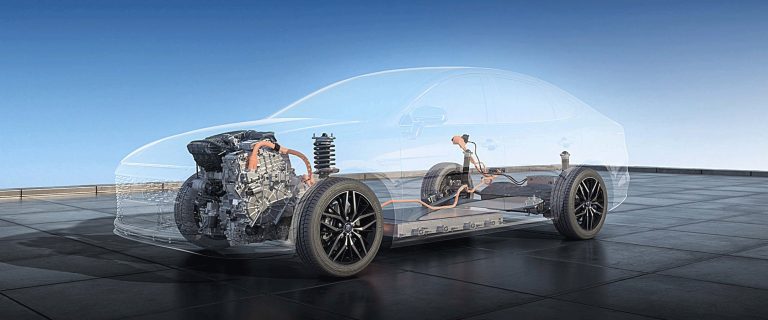
The EV3 rides on the company’s Electric Global Modular Platform and is available in two variants.

One is the Standard model with a 58.3-kWh battery pack, while the Long Range model gets an 81.4-kWh battery. The latter allows for a maximum WLTP range of 600 kilometers on a single full charge, with Kia’s advanced Vehicle Charging Management System enabling the battery to charge from 10 to 80 percent in approximately 31 minutes.

Both models get an electric motor that sends 201 horsepower and 283 Newton-meters of torque through the front wheels. Kia claims a 0 to 100 km/h time of 7.5 seconds and a maximum speed of 170 km/h.

The EV3 is the first EV model to feature Kia’s A.I. Assistant technology, which had recently made its debut on the Kia K4 compact sedan.

In addition, the EV3 is the first model to benefit from Kia’s new i-Pedal 3.0. This allows the driver to adjust the level of regenerative braking according to their preference, enabling less taxing one-pedal driving.

And you can also use your EV3 as a giant power bank because it is the first compact EV SUV with Vehicle-to-Load (V2L) charging. It can power external devices like laptops, small refrigerators, coffee machines and hairdryers.

Decline in Motorbike and Three-Wheeler Sales in Pakistan

The Pakistan Automobile Manufacturing Association (PAMA) reported a notable decline of 6.49 percent in the sale of motorbikes and three-wheelers during the first ten months of the fiscal year 2023-24 compared to the corresponding period of the previous year.
From July to April 2023-24, a total of 941,406 units were sold, reflecting a decrease from 1,006,839 units sold during the same months in 2022-23.
The decline in sales was particularly evident in several prominent motorcycle brands. Honda motorcycles experienced a decrease of 2.78 percent, with sales dropping from 843,219 units to 819,752 units. Suzuki motorcycles witnessed a significant decline of 51.55 percent, from 28,091 units to 13,610 units. Similarly, Yamaha and Road Prince motorbike sales also decreased, marking declines of 47.70 percent and 45.28 percent, respectively.
In contrast, United Auto three-wheelers recorded a notable surge in sales, increasing by 57.09 percent from 1,240 units to 1,948 units. Sazgar three-wheelers also witnessed a substantial growth of 35.88 percent, rising from 8,267 units to 11,234 units.
However, the sales of United Auto motorcycles declined by 15.33 percent, from 82,069 units to 69,480 units. Qingqi three-wheelers experienced a decrease of 19.87 percent, and Road Prince three-wheelers saw a decline of 26.87 percent.
The data underscores the challenges facing the automotive industry in Pakistan, attributed to various factors such as economic conditions, consumer preferences, and market dynamics. Despite the mixed performance across different segments, the decline in overall sales suggests a need for industry stakeholders to reassess strategies and adapt to evolving market trends to stimulate growth and competitiveness in the sector.

Can Punjab’s Automotive Plants Bounce Back From the Financial Onslaught of COVID-19?

The Covid-19 pandemic took the world by storm soon after its first reported case in December 2019 in Wuhan, China. The study of this novel’s economic impacts has been coined with the term “coronomics”. The outbreak was accompanied by “loss in stock markets, loss in travelling and shipping industry, the burden on interest rates and consumer isolation.” (Khan, 2020). China is a major producer of automobile parts, including those assembled and sold most widely in Pakistan. Thus, due to supply chain disruptions caused by global lockdowns, the industry sank into exponential loss following the rise of the pandemic.

Additionally, due to the failure to repay sales tax proceeds, the manufacturing industry faced a drastic liquidity shortage. When demand began to rise in the markets after the lockdown was lifted, the production sites found themselves unable to meet the sudden surge. Thus, production losses also began to occur. However, perhaps most importantly, during COVID-19, the “Pakistani rupee [devalued] against [the] US dollar”, and “additional custom duties [were imposed]” on automobiles, thus hindering growth and lowering profit margins within the industry (Mufti, 2022).  At the same time, the burden of severe inflation and rising oil and gas prices also led to a market shift away from the purchase of automobiles.

Moreover, the first wave of this virus was accompanied by disastrous economic effects as “unemployment rose by 34.1% while mean income fell by 42%” (Arab News, 2021). These factors added to the growing shift in consumer tastes away from automotive purchases. Lastly, the pandemic led to an unprecedented increase in the demand for electronics, a significant component of which is semiconductor chips. Supply chain issues and the inability to cope with the sudden surge led to semiconductor shortages. Since safety systems within cars, including airbag deployment, anti-lock braking systems (ABS), and stability control, depend on this commodity, the effects on the automotive industry are drastic.

Considering these factors, we must reflect on the leadership decisions made as pandemic restrictions were eased to strategize for the future. More employees began to work from home, and thousands had to be let go to ensure factories were not overcrowded and to minimise costs as little to no revenue was being generated. “For supply chain resilience, the firms increased the inventory turnover ratio and recruited local firms as suppliers to prevent the supply shortage” (Kaeo-Tad, 2021). Companies also began to invest in new technologies and digitalisation of work to at least a partial extent. Many believe that COVID-19 “accelerated trends that were already in motion, ranging from increased automation to supply chain assessments to workplace and workforce changes.” (Moutray, C., 2020) Therefore, a ‘new normal’ for the automotive industry came with team structure and working methods changes. Self-contained teams are perhaps the most distinct difference in organisational structure; they have clearly defined tasks and are as different from each other as possible. Although they may be fruitful in the future, their short-term effects risk reducing company output and agility. Therefore, to adjust to this new landscape and recover from the financial onslaught that the virus brought, “firms will need to think strategically about where they source their products” (Moutray, C., 2020). Thus, there must be more domestic production and accelerated use of new technologies. Lastly, companies must use this opportunity to “train employees by upskilling, reskilling and providing new skills” (Kaeo-Tad, 2021). It is crucial to continue using the widespread automation of managerial tasks and upgraded telecommunication that became common during the pandemic. These resources will aid reasoning policy responses and help “prepare for potential disruptive events in the future” (Kaeo-Tad, 2021).

The key to surviving these disruptions is through leadership, experience, and technology. This entails “putting business continuity plans and risk management plans into action”(Moutray, C., 2020). Risk management plans entail ensuring “supply chain viability during long-term crises” (Moutray, C., 2020).  This can be done using “a combination of repurposing, intertwining, scalability, and substitution. The proposed conceptual framework consists of three constructs, namely adapting supply chains and operations, rethinking sourcing strategy, and building intertwined supply networks, as well as five viability capabilities, including adaptability, agility, flexibility, collaboration, and visibility.” Supply chain managers can use the framework “as a guidance for creating supply chain viability using adaptation-based principles.” (Chervenkova, T. and Ivanov, D., 2023) One may take the example of the American automobile manufacturer – Ford. Following the spread of the coronavirus, Ford made use of a hybrid adaptation strategy, allowing it to repurpose its resources and integrate with other supply chains at the ecosystem level. Additionally, one may also look at Tesla’s supply chain model. Their in-house manufacturing of spare parts, including battery packs and electric engines, sets them apart from other automotive manufacturers who outsourced the production of such components before the pandemic. This allowed Tesla to have direct control over their production and avoid possible delivery problems in their supply chain network while the rest of the industry was in shambles. Thus, to avoid future problems in supply chain processes, it is imperative that Pakistan’s automotive manufacturers adapt to redesigning the infrastructure by encouraging in-house production of individual parts and using advanced digital technologies. This would also ease the burden on the country’s economy and help ease inflation by virtue of reduced imports.

According to the Pakistan Association of Parts and Accessories Manufacturers (PAPAAM), “car prices have inched up by 149% in last five years … whereas car parts prices have seen a jump of 33% to 112%” (Faruq, O. 2023) This rise in prices is a direct result of increased taxes and customs duties. By producing and sourcing raw materials locally, the costs of inputs would decrease significantly. This would, in turn, reflect on the final price, leading to increased demand. On the other hand, while the pandemic did escalate the turmoil that the automotive industry is in, the state of the economy has also affected the industry significantly. Both of the price hike factors discussed above are a result of general economic instability in the nation. The pandemic significantly escalated the effects of political instability and energy insecurity on the automotive industry. Therefore, to bounce back from the financial onslaught, the government must take steps to stabilise the economy. This includes deregulating the energy sector, decreasing dependence on foreign debt, and curtailing widespread corruption (Roberts, J.M. and Sattar, H., 2015). Perhaps the most important of these steps is that pertaining to reliance on foreign funding. The government must reduce its spending and focus on increasing revenues through taxation. This can be done by “broadening the tax base…bringing the informal business sector into the tax system, … [and decreasing] tax evasion through tougher law enforcement” (Roberts, J.M. and Sattar, H., 2015). Expansion of the tax base would lead to leniency in hefty taxes placed on the sale of automobiles. Thus increasing demand with lower prices. Lastly, the deregulation of the distribution of power generation would lead to more predictable electricity rates. Currently, firms depend on alternative sources to meet electricity requirements as government supplies are often unreliable. Therefore, deregulation would reduce raw costs for the industry – making production less costly and encouraging customers to purchase. 

In conclusion, in order to troubleshoot the effects of the novel coronavirus on the automotive industry one must seek risk management, adaptive and business continuity plans. This may entail locally producing and sourcing of raw materials and easily adapting to changes in market conditions. However, firms must also assess the economic landscape in order to combat heavy taxation and customs fees. Although adaptation is possible though the supply chain management plans detailed above, it may prove to be infeasible due to deep rooted corruption within the government

References

Arab News PK. (2021a). Pakistan unemployment rose 34.1%, mean income fell 42% during COVID-19 first wave — study. [online] Available at: https://www.arabnews.pk/node/1837961/pakistan.

Chervenkova, T. and Ivanov, D., 2023. Adaptation strategies for building supply chain viability: A case study analysis of the global automotive industry re-purposing during the COVID-19 pandemic. Transportation Research Part E: Logistics and Transportation Review, 177, p.103249.

Kaeo-Tad, N., Jeenanunta, C., Chumnumporn, K., Nitisahakul, T. and Sanprasert, V., 2021. Resilient manufacturing: Case studies in Thai automotive industries during the COVID-19 pandemic. Engineering Management in Production and Services, 13(3), pp.99-113.

Khan, M.F., Ali, S. and Aftab, N., 2020. The coronomics and world economy: Impacts on Pakistan. Electronic Research Journal of Social Sciences and Humanities, 2.

Faruq, O. (2023). True Story Behind the Car Price Hikes in Pakistan. [online] PakWheels Blog. Available at: https://www.pakwheels.com/blog/true-story-behind-the-car-price-hikes-in-pakistan/ [Accessed 17 May 2024].

Moutray, C., (2020). In recovery mode: Manufacturers try to bounce back after COVID-19 disruptions. Business Economics, 55, pp.240–252.

Mufti, A. (2022). A Framework for Sustainable Recovery from Pandemic and Its Policy Implication in Pakistan. SSRN Electronic Journal. Doi:https://doi.org/10.2139/ssrn.4155947.

Roberts, J.M. and Sattar, H., 2015. Pakistan’s Economic Disarray and how to Fix it. Heritage Foundation.

This exclusive research article has been published in Automark Magazine’s June-2024 printed edition too.

PEF elects its new executive committee in Qatar

The Pakistan Engineers Forum (PEF), convened an oath-taking ceremony to inaugurate the newly elected executive committee, for 2024 – 2026 in Qatar on last month.

The office-bearers are: Arshad Hussain Hashmi (president), Ahmed Javaid (vice-president). Ahsan lqbal (general secretary), Jaffar Iqbal (treasurer), Omer Faheem (information secretary), Rabat latif (joint secretary). The elected members are Syed Faiz Shah, Fezl Nadeem, Nahid Ali Ahmad, Junaid Mahar and Rafaqat Baig.

In his inaugural address, the newly appointed president Hashmi, expressed gratitude to the out -going president, Riyaz A Bakali and the preceding executive committee for their steadfast dedication and exemplary leadership during the previous term. “We are committed to upholding the core values of PEF while also exploring Innovative avenues to enhance the professional and personal growth of our members remarked Hashmi.

Bakali, In his farewell speech, lauded the achievements accomplished during his tenure, emphasising expansion d PEE’s outreach, the augmentation of professional development initiatives and the cultivation of a culture rooted in continues learning and excellence.

 “Our journey has been a testament to collective endeavor and unwavering commitment. I take immense pride in our collective accomplishments and have full confidence that the new leadership will further fortify this legacy;  stated Bakali.

The advisory board members Ajmal and Javed Iqbal extended gratitude to the outgoing president and executive committee while Chairman Hamid Rasul, presented the profiles of the newly appointed advisers.

Mansoor Rizvi meet Counsel General of Italy Mr. Danilo Giurdanella

Engr. Mansoor Rizvi, one of the advisors of Automark and Country Manager of Case NewHolland (CNH) met with the Counsel General of Italy Mr. Danilo Giurdanella on the occasion of the meet and greet party organized by Mr. Arif Qasim of MAQ International in the honor of a newly appointed Ambassador of Italy in Pakistan H.E Marilina Armellin at the local hotel in Karachi on May 04.

Engr. Rizvi thanked the Counsel General for his invaluable support in making it easy for the CNH liaison office to clear the consignment of donations of Tractors and Engines for the Agricultural Universities from Pakistan customs. Mr.Rizvi encouraged CG towards the immediate need to involve Italian agricultural machinery manufacturers and suppliers to develop contacts with the recipients of agricultural lands on lease under the program initiated and managed by the Pakistan army under the Land Information and Management System (LIMS) to enhance agriculture by contracting out 9 million ha culturable wasteland (restore unirrigated and waste land). There is a big need for suppliers to provide pivot irrigation systems and other equipment for these lands. Engr. Mansoor has assured that CNH is playing an active role in this program and providing a complete machinery plan to these players engaged in transforming fallow lands into cultivable lands.

H.E Danilo Giurdanella then arranged a brief talking session with H.E the Ambassador on this topic. The Ambassador was well informed about the program and showed her satisfaction and pleasure that the Italian Consulate was already engaged in it. H.E Marilina assured to extend her complete support to engage the Italian machinery manufacturers through the platform of Federunacoma to ensure Italy becomes the major partner in the Green Pakistan Initiative program. 

Empowering the Workforce The Auto Industry’s Reskilling Revolution

Dear Readers! In connection to my previous articles with the title “Know your Vehicle” focusing on the human touch behind automotive excellence and customer service, a customer-centric approach leads the customer smile. Let’s embark on a journey that unveils the surprising human touchpoints within the seemingly automated automotive manufacturing world.

We will discover how human ingenuity and expertise work hand-in-hand with cutting-edge technology to create the vehicle you know and love. In the past, owning a car meant imitating a bond with a complex machine, a relationship built on grease-stained hands and basic mechanical knowledge. Today, however, vehicles are aces of engineering, arranged by a symphony of electronics, but fear not! “Know Your Vehicle” is not just about understanding complex systems, this is about appreciating the vital role humans still play in bringing your car to life.At the “Know Your Vehicle” point, every component, every detail, is scrutinized with care and expertise, ensuring that each vehicle meets the highest standards of quality and performance. It’s a moment where the soul of the automobile is imbued with the expertise of skilled artisans, who bring decades of experience and craftsmanship to bear on every vehicle that rolls off the assembly line. From the precise alignment of body panels to the flawless finish of the paintwork, every aspect of the vehicle is meticulously inspected and perfected, reflecting a commitment to excellence that is the hallmark of automotive manufacturing.

The automotive industry is undergoing a significant transformation, driven by factors like electric vehicles (EVs), automation, and digitalization. This transformation is reshaping everything from how cars are designed and manufactured to how we drive and interact with them. Imagine a world where your car seamlessly integrates with your digital life, where safety features become guardian angels on the road, and where the very concept of “ownership” might evolve. To navigate this changing landscape, manufacturers are placing a strong emphasis on reskilling and upskilling their workforce.

This driving force highlights the importance of investing in human capital as a key driver of innovation and growth in the automotive industry, as by prioritizing continuous learning and professional development, companies empower their employees to adapt to change, embrace new technologies, and drive meaningful impact within their organizations. As the industry continues to evolve, reskilling and upskilling initiatives will play a pivotal role in shaping the future of auto manufacturing and ensuring its long-term sustainability and success. Here’s a closer look at this crucial initiative, while the specific skills addressed in reskilling and upskilling programs will vary depending on the industry, the core concept is applicable across various sectors. In the ever-evolving landscape of auto manufacturing, where technology reigns supreme and innovation drives progress, the imperative of reskilling and upskilling the workforce emerges as a cornerstone of success. As we conclude our exploration of “Reskilling and Upskilling the Workforce: A Driving Force in Auto Manufacturing,” it becomes evident that investing in human capital is not just a strategic choice but a necessity for thriving in the digital age.

The scope of reskilling and upskilling is vast and constantly evolving, and the scope of reskilling and upskilling encompasses not just filling skill gaps but also fostering a culture of lifelong learning, adaptability, and a future-proof workforce prepared to thrive in an ever-changing global economy., but it can be broadly categorized into these main areas.

(i) Bridging the Skills Gap: The primary aim is to equip the workforce with the skills required to operate effectively in an environment driven by technological advancements. This might involve training for Electric Vehicle (EV) technology: Battery systems, charging infrastructure, and maintenance of EVs, Automation, and Robotics Programming, operation, and maintenance of robots used in manufacturing processes, data Analysis, and understanding data, using data analytics tools, and working with artificial intelligence applications in manufacturing, Protecting manufacturing systems and data from cyber threats.

(ii) Addressing Skill Deficiencies: Reskilling and upskilling programs can also target specific skill gaps within the existing workforce. This could involve, Software proficiency: Training employees on new software programs used in design, engineering, or manufacturing processes. Advanced manufacturing techniques: Equipping workers with the knowledge and skills required for innovative production methods like 3D printing or additive manufacturing. Safety protocols: Ensuring workers are up-to-date on safety procedures in a changing manufacturing environment.

(iii) Promoting Adaptability and Futureproofing: The scope extends beyond addressing immediate skill needs. It aims to create a more adaptable workforce prepared for future changes. Developing a Growth Mindset: Encouraging a culture of continuous learning allows employees to embrace new technologies and adapt to evolving job requirements. Building Soft Skills: While technical skills are essential, soft skills like critical thinking, problem-solving, communication, and collaboration are crucial for success in any industry. Reskilling and upskilling programs can emphasize these areas to create a well-rounded workforce. Cross-Training: Equipping workers with skills from different areas can increase their versatility and allow them to take on broader roles within the organization.

Why Reskilling and Upskilling are Essential: By prioritizing reskilling and upskilling, automotive manufacturers can ensure their workforce is equipped to navigate the transforming landscape of the industry, drive innovation, and maintain a competitive edge well into the future, these exciting changes, while paving the way for a more sustainable and efficient future, also necessitate a significant shift in the skillset required by the workforce. Here’s a breakdown of why reskilling and upskilling are essential for the industry to thrive. EVs, automation, and data-driven manufacturing processes require skillsets that may not have been prevalent before. Workers need to be equipped to handle these new technologies effectively. The automotive industry is constantly evolving. Reskilling and upskilling ensure that the workforce possesses the necessary skills to remain relevant and adaptable in the long run. The rapid pace of technological advancement can create a gap between the skills employers need and the skills workers possess. Reskilling and upskilling bridge this gap, ensuring a qualified workforce.

How Manufacturers are Reskilling and Upskilling: By implementing these strategies, manufacturers can empower their workforce to adapt to the changing landscape of the automotive industry. A reskilled and upskilled workforce will be well-positioned to drive innovation, maintain a competitive edge, and ensure the smooth operation of tomorrow’s automotive marvels. The company needs to develop and offer targeted training programs that focus on relevant skills like EV technology, robotics, data analysis, and cybersecurity. These programs can range from short workshops to comprehensive certification courses. Collaboration with universities, technical colleges, and vocational training centers allows manufacturers to develop customized training programs that address their specific needs. Mentorship programs and on-the-job training opportunities can equip existing workers with the necessary skills to transition to new roles or adapt to changing job requirements. Bite-sized learning modules and online resources provide flexible learning opportunities for employees to acquire new skills or refresh existing knowledge at their own pace.

Benefits of Reskilling and Upskilling: A well-trained workforce equipped with the latest knowledge and skills can leverage new technologies more effectively. This translates to streamlined processes, optimized production times, and ultimately, a boosted bottom line, similarly a well-trained workforce can leverage new technologies more effectively, leading to improved production processes and higher output. Furthermore, upskilled employees can contribute to innovation by applying their knowledge of new technologies to develop better products and processes. The most important factor is satisfaction, opportunities for learning and growth can boost employee morale and job satisfaction, leading to a more engaged and motivated workforce.By investing in reskilling and upskilling, manufacturers can reduce their dependence on hiring from outside, potentially saving time and resources.

Continuous Learning for Team: By prioritizing reskilling and upskilling, automotive manufacturers can ensure their workforce is equipped to navigate the changing landscape of the industry, drive innovation, and maintain a competitive edge in the years to come. The need for reskilling and upskilling in the automotive industry is likely to be an ongoing process. As technology continues to evolve, manufacturers will need to adapt their training programs and ensure their workforce possesses the skills necessary to thrive in the future.

Focus on Soft Skills: In addition to technical skills, soft skills like critical thinking, problem-solving, and communication remain crucial for success in the automotive industry. Building a Culture of Learning: Encouraging a culture of continuous learning within the organization can foster a growth mindset and motivate employees to embrace new challenges.

Personalized Learning Paths: Tailoring training programs to individual needs and learning styles can enhance the effectiveness of reskilling and upskilling initiatives.

Takeaway from this article:

The automotive industry is undergoing a significant transformation unlike anything seen before, driven by technological innovation, changing consumer preferences, and global sustainability goals. As we navigate this period of change and uncertainty. In the face of rapid technological change and shifting industry dynamics, companies must recognize the value of their most valuable asset—their employees—and empower them with the knowledge, skills, and tools needed to navigate the complexities of modern manufacturing. Reskilling programs enable workers to adapt to new roles and responsibilities while upskilling initiatives ensure that existing skill sets remain relevant and competitive in a rapidly changing environment.

As we are aware the future of mobility is electric, autonomous, and connected. By embracing these trends and embracing a spirit of innovation and collaboration, manufacturers can not only survive but thrive in the rapidly evolving automotive landscape, shaping the future of transportation for generations to come. Successful reskilling and upskilling initiatives often involve collaboration between auto manufacturers, educational institutions, government agencies, and industry associations. By pooling resources and expertise, stakeholders can develop comprehensive training programs that address the industry’s specific needs and provide workers with the skills and certifications required to excel in their roles. Public-private partnerships, apprenticeship programs, and on-the-job training initiatives are just a few examples of collaborative efforts aimed at building a skilled and resilient workforce for the future.

Written by Muhammad Rafique, Head of Production and Maintenance Foton JW Auto Park (Pvt) Ltd, Lahore, Pakistan.

This exclusive research article has been published in Automark Magazine’s June-2024 printed edition too.

BYD Today: An Overview with Historical insights

Dear Readers BYD was founded in February 1995, According to BYD publications it is a high-tech multinational company devoted to leveraging technological innovations for a better life. After more than 29 years of high-speed growth, BYD has established over 30 industrial parks across 6 continents, China, the United States, Canada, Japan, Brazil, Hungary, and India and played a significant role in industries related to electronics, auto, renewable energy and rail transit. With a focus on energy acquisition, storage, and application, BYD offers comprehensive new energy solutions with zero-emission. BYD has expanded from 20 employees to around 290,000. BYD: short for Build Your Dreams.

Global warming,driven by increased concentrations of greenhouse gases like carbon dioxide, methane, and nitrous oxide, poses significant threats to our planet. It leads to rising temperatures, which cause severe weather events, melting ice caps, rising sea levels, and disruption of ecosystems. These changes threaten biodiversity, agriculture, water supply, and human health, making global warming one of the most pressing environmental issues today.

The importance of addressing global warming cannot be overstated. If left unchecked, it could lead to catastrophic consequences, including more intense and frequent natural disasters, loss of habitable land due to sea-level rise, and severe impacts on food security and human health. Efforts to mitigate global warming are crucial to ensuring a stable and sustainable future for all life on Earth.

Solar energy and electric vehicles (EVs) are pivotal in the fight against global warming. Solar energy harnesses the power of the sun, providing a clean, renewable source of electricity without emitting greenhouse gases. By reducing reliance on fossil fuels, solar power helps decrease the overall carbon footprint. As solar technology advances, it becomes more efficient and affordable, making it a viable solution for reducing emissions on a large scale.

Electric vehicles also play a crucial role in mitigating global warming. Traditional internal combustion engine vehicles are significant contributors to greenhouse gas emissions. EVs, powered by electricity, produce zero tailpipe emissions. When charged with renewable energy sources like solar or wind power, the environmental benefits of EVs are maximized. This transition from fossil-fueled vehicles to electric ones is essential for reducing the transportation sector’s carbon emissions.

The combined use of solar energy and electric vehicles can significantly contribute to lowering global temperatures. By reducing dependence on fossil fuels and decreasing greenhouse gas emissions, these technologies help slow the rate of global warming. Moreover, their widespread adoption can lead to cleaner air, reduced pollution, and healthier ecosystems, ultimately creating a more sustainable and resilient planet. Through continued innovation and supportive policies, solar energy and EVs can be central to global efforts to combat climate change.

Strategy:

From launching the world’s first mass-produced PHEV model, the F3DM, in 2008 to rolling out 7+4 Full Market EV Strategy in 2015, BYD has always combined the goal of zero emissions with an understanding of market needs to fulfill its commitment to transforming transportation and eliminating fossil fuels.

Mission:

Technological innovations for a better life during the daytime, solar farms capture the power of sunshine;at night, energy storage systems deliver power to families.Electric vehicles on the streets and SkyRail systems along green beltsconnect the city with zero emissions and zero pollution & to provide more possibilities for a better life. Observing a new energy future approaching.This is the mission of BYD, and the green dream of all mankind.

Industries Engagement:

The company has diversified into areas such as cellphone assembly and solar cell manufacturing.

BYD has four industries dedicated to realizing its green dreams of creating a zero-emission energy ecosystem: automobile, electronics, new energy, and rail transit. BYD is listed on the Stock Exchange in both Shenzhen and Hong Kong, China.

BYD is also a pioneer in battery technology. After its successes with manufacturing batteries for mobile telephones and laptops, BYD decided to create a complete clean-energy ecosystem that reduces the world’s reliance on fossil fuels. BYD is dedicated to making mobility solutions emission-free.

In the past decades BYD has focused on mastering advanced technologies, power batteries, electric motors, electronic control systems and semiconductor chips. BYD offers electric trucks, electric busses, electric forklifts and even electric rail solutions. The company has become the world’s leading manufacturer of new energy vehicles (NEVs), exceeding more than 200,000 sales per month.

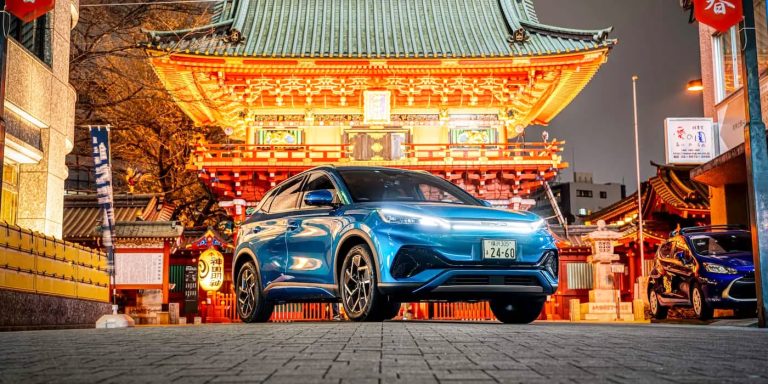
BYD entered the European market with three all-new pure-electric passenger cars. At the Paris Motor Show in October 2022, BYD unveiled its innovative and technologically-advanced electric car range to customers in Europe. This includes the BYD ATTO 3, an expressive and dynamic C-segment SUV, designed with the European customer in mind, as well asl the BYD TANG, which is a 7-seater with variable all-wheel drive. We also presented the sleek and sporty BYD HAN, an E-segment saloon.

BYD a high-tech brand.

BYD is not just a car manufacturer. Emerging from this considerable R&D the company developed the ground-breaking Blade Battery. This battery pack is revolutionizing safety, durability and performance in the EV industry. The Blade Battery works in close synergy with BYD’s exceptional competency in electric powertrain technology for the ultimate in system efficiency and integrated vehicle intelligence. Combined, this integrated technology has been developed to deliver optimum performance and a better driving experience. Notably, BYD owns the entire vertical supply chain for seamless integration and total manufacturing control, including the production of semiconductors.

Driving this innovation in technology, is a sincere commitment from BYD to provide safe and appealing solutions that reduce pollution from carbon emissions and address the issue of climate change, supporting the initiative to Cool the Earth by 1℃. The green dream has long been a priority for BYD and is the vision for the future.

For over two decades, BYD has been at the forefront of sustainable innovation. In 2008, BYD launched the world’s first mass-produced plug-in hybrid vehicle F3DM at the Geneva Motor Show. BYD was also the first automotive OEM in the world to announce it would be ceasing production of ICE vehicles to focus on BEV and PHEV products. BYD is the first, and only company in the world, to provide full market new energy vehicle solutions.

Global leader in new energy vehicles.

BYD is the global leader in NEVs and the third largest automotive brand in the world, based on market capitalization. BYD has ranked as number one for sales of NEVs in China for nine consecutive years. BYD is a true explorer when it comes to cleaner energy and has major aspirations for the future. This joins seamlessly perfect with the mobility goals of its automotive partners in Europe.

BYD has developed the industry-leading Blade Battery, e-Platform 3.0 and Dual-mode hybrid power technology accelerating the once-in-a-century transition from fossil fuel powered vehicles to electric vehicles.

Written by Aqeel Bashir & this exclusive article has been published in Automark Magazine’s June-2024 printed edition too.