Home Blog Page 45

Geely eyes region with Proton brand

It revives car marque in Malaysia in two years, now aims to expand

KUALA LUMPUR • Mr Li Chunrong was hired by Chinese carmaker Geely to revive the fortunes of the Proton brand in Malaysia, and it took him two years to eclipse Japanese giants Honda and Toyota. Now he plans to take the fight across South-east Asia and beyond.

Mr Li, appointed Proton chief executive in 2017 when Geely acquired 49.9 per cent of the company, has turned around a once-celebrated Malaysian marque that had to rely on state aid after a string of losses, with his success built on an aggressive cost-cutting drive.
Geely has told the Proton boss to expand across the region, initially focusing on Thailand, Indonesia, Singapore and Brunei, Mr Li told Reuters – the first time concrete details of the brand’s expansion plans have been disclosed.

Like Malaysia, they are right-hand-drive markets, so they require fewer car modifications.
Proton also aims to drive into the Middle East and increase sales to Egypt, said the 56-year-old Chinese national.

Mr Li said Proton wanted to raise overseas sales – which stood at about 1,000 cars last year, or 1 per cent of total sales – at least fourfold this year.

The brand wants 40 per cent of its sales to come from foreign markets by 2027, he told Reuters in two interviews, identifying Thailand and Indonesia as the key markets, but declining to outline his strategy to crack them.
“We have a good foundation,” he said. “We commit that, every year, we will launch a new model.”

The Asean region of more than 500 million people is promising territory; car sales are forecast by consultancy IHS Markit to grow at a compound annual rate of 3 per cent in the period from 2016 to this year, compared with a 1 per cent drop globally.

But IHS said Proton was still a small player compared with the Japanese brands, and it could struggle to compete. Asean sales are led by Toyota with a 30 per cent market share, Honda with 13 per cent and Mitsubishi with 10 per cent, according to the consultancy.
Proton is in 11th place with about 3 per cent, mainly from Malaysia.

Proton’s goals are ambitious, and it may not have the production capacity to make inroads regionally, said Ms Mayuree Chaiyuthanaporn, a senior IHS analyst.
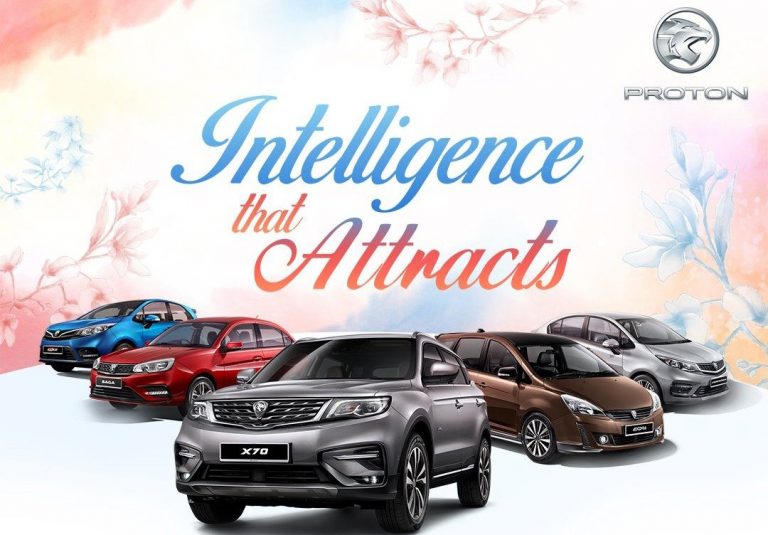
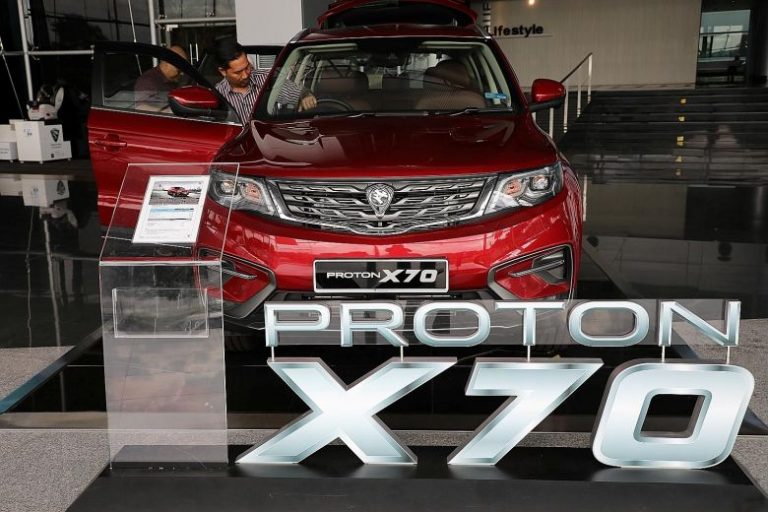
Proton, majority-owned by Malaysian conglomerate DRB-Hicom, has launched products at breakneck speed in its home market. It dropped many old models the first year of the joint venture, then launched six new ones within eight months, including the X70 sport utility vehicle, based on Geely’s Boyue.

Proton became the second-largest car seller with a 16.7 per cent share last year – when it made its first profit in about nine years – climbing above Honda and Toyota from fourth position.

Mr Li said Proton could beat Malaysia’s top seller Perodua, backed by Japan’s Daihatsu, by 2022 – five years ahead of the target announced after Geely’s investment.

Proton has increasingly switched to sourcing cheaper components from China, and let go of many small Malaysian local distributors, stoking some resentment.

The turnaround under Mr Li has forced Prime Minister Mahathir Mohamad, a car aficionado, to reverse his initial opposition to Geely’s investment in Proton.

“Now, it’s selling 100,000 cars and it’s making profit,” Tun Dr Mahathir, whose fleet of cars now includes a red X70, told reporters this month. “Why? Because of management, because of good technology.”
REUTERS
Toyota suspends four of its plant in China due to Corona-virus

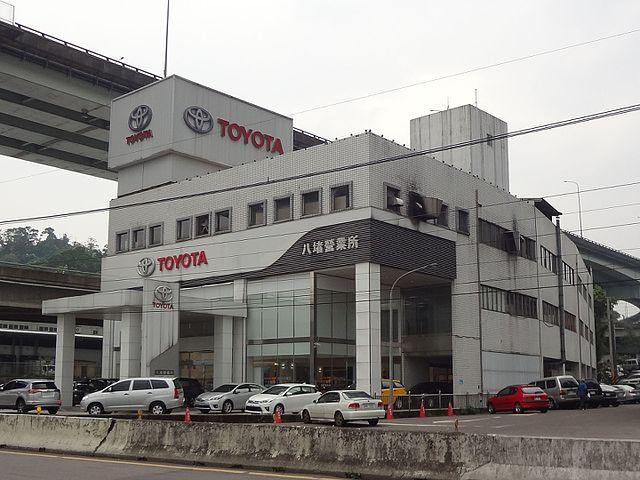
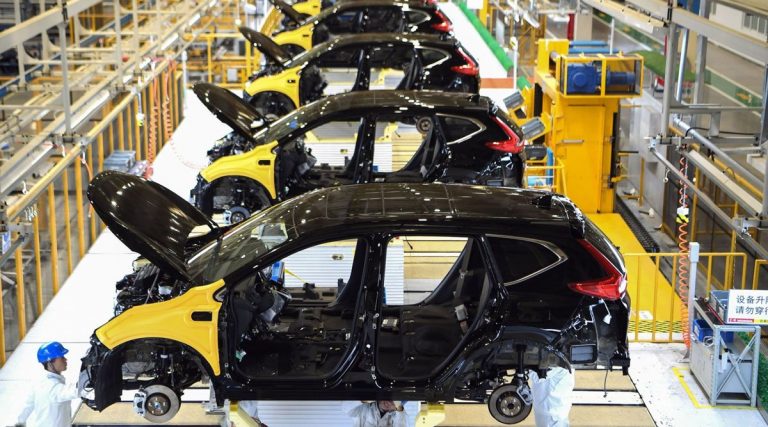
Japan’s Toyota suspends four of its plants located in China. The reason for the temporary cessation of production of cars is an outbreak of the coronavirus.

Assembly areas are closed to improve the epidemiological situation in China. According to available information, the conveyor is stopped before 10 Feb. However, the second reason is the break in connection with the coming of the New year according to the lunar calendar. Companies had to continue working in early next month. In the headquarters of the Chinese mission Toyota has announced that the decision regarding the start of production will be considered later.

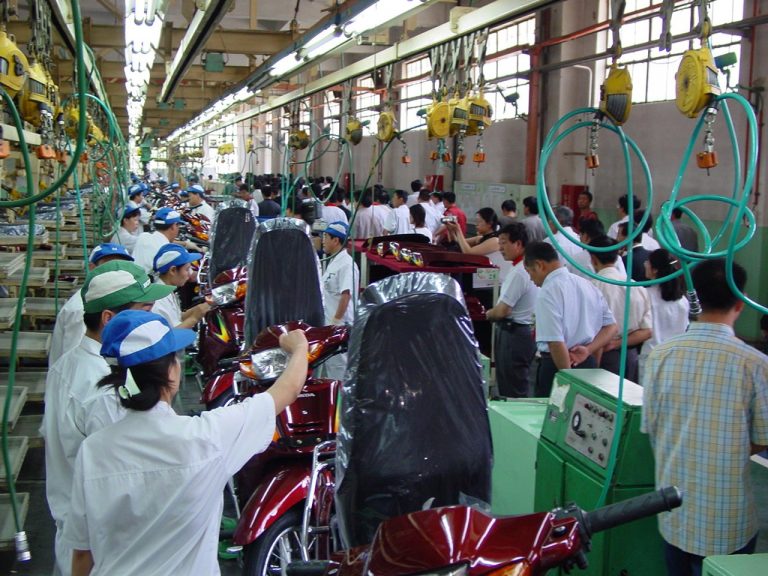
Japanese media edition of the Mainichi reports that will temporarily stop the factories of the company Honda. Two facilities located in Tianjin and Taicang, which produce motorcycles, will stand until February 8. Employees of these companies after the Chinese New year had to go to work February 2, but because of the epidemic of the coronavirus terms revised.

Courtesy: The Times Hub

BYD Delivers 100th All-Electric Truck In The U.S.

It’s just a small foothold, as the company already delivered more than 12,000 globally (mostly in China).

BYD in the U.S. was mostly focused on electric buses, and hundreds of those were already produced in Lancaster, California, but the electric truck branch is also expanding quite nicely.

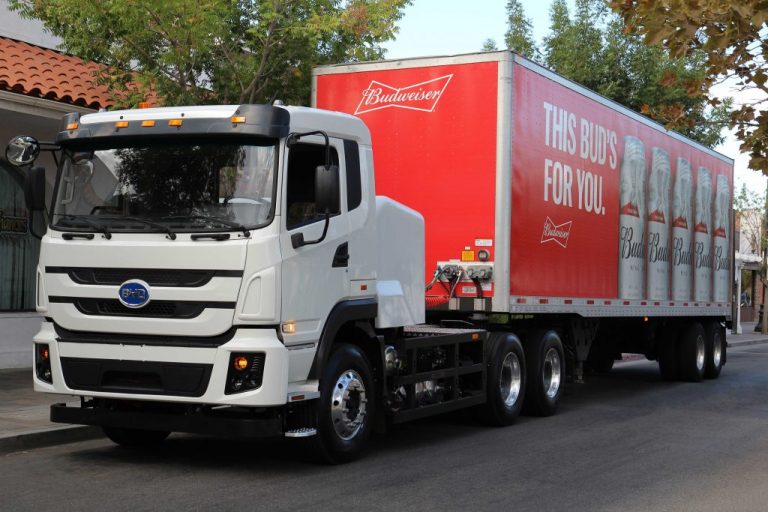
This month, the Chinese manufacturer announced delivery of its 100th all-electric truck in the country, which happens to be a second-generation BYD 8TT Class 8 electric semi for Anheuser-Busch’s Oakland, CA distribution operations.

“The 100th truck will go to work delivering beverages for Anheuser-Busch around the San Francisco Bay area to retail accounts such as grocery and convenience stores on a daily basis. The trucks will charge at the Anheuser-Busch Oakland facility overnight. The project was grant funded by CARB.”

While it is appreciated that BYD’s latest milestone in the U.S., even more amazing is that the company has delivered more than 12,000 electric trucks across all classes, almost all in China.

Clearly, a long road is ahead for North America and Europe to catch up with China’s electric bus/truck sales numbers, but we are cautiously optimistic about the next decade. Especially if Tesla manages to make a splash with the Semi.

“Through its 2025 U.S. Sustainability Goals, Anheuser-Busch has committed to reducing carbon emissions by 25% across its entire value chain by 2025.The Oakland deployment builds on the brewer’s existing partnership with BYD including 21 additional BYD battery electric trucks at four of their distribution facilities across southern California: Sylmar, Riverside, Pomona, and Carson.”

“Anheuser-Busch put the BYD 8TT through extensive testing on range, acceleration, gradeability, charging speed, and more. The BYD 8TT exceeds the performance requirements of Anheuser-Busch and is receiving very positive feedback from drivers.”

Aaron Gillmore, BYD’s Vice President of Truck Business said:

“This is a great milestone for BYD, and it is just the beginning. Our trucks are hard at work every day proving that electric is the new standard. 2020 will be a fantastic year for battery-electric trucks.”

Joaquin Schlottmann, Vice President of Tier 2 Logistics at Anheuser-Busch said:

“We are proud to continue to build on our commitment to sustainable logistics through our partnership with BYD in California. By integrating zero-emission vehicles into our distribution fleet, we are taking another step towards reaching our sustainability goals and helping ensure our beers are delivered in the most sustainable way possible.”

Source of article: InsideEVs

EDB Delegation To Participate In Engage Africa Conference

A trade delegation from Domestic Engineering Industry is all set to participate in the “1st Africa-Pakistan Trade Development Conference scheduled from January 30 to 31 in Nairobi (Kenya).

The delegation would be led by Advisor to the Prime Minister on Industries & Production, Commerce, Textile and Investment, Abdul Razak Dawood, said an EDB press statement, adding the conference was being organized under “Engage Africa” initiative of Pakistan.

Almas Hyder, would represent Engineering Development board (EDB) in the conference, it added.

The objective of trade delegation’s visit is to explore trade enhancement opportunities in the African region which is one of the potential markets for Pakistan’s exports, being the 2nd largest continent in the world, spreading over 20% of the world landmass and a collective GDP of over 2.3 trillion.

It offers an import market of around US$ 500 billion, the statement said adding that in 2018, trade between Pakistan and Africa stood at US$ 3.6 billion which could be doubled with serious efforts.

There is a huge untapped export potential for Pakistani domestic engineering industry to cater to the needs of African market.

The government has been pursuing an export led growth strategy for economic stability which could be achieved withfocus on the export of value added products pro-actively towards perspective customers and target markets.

The statement added that EDB had been playing a vital role to strengthen the local Engineering sector and integrate it with the world market to make it the driving force for economic growth.

It is anticipated that engineering sector would become the largest exporting sector from Pakistan and�goal is to substantially increase exports from the current level of US$1.3 billion.

The statement added that EDB had been working in close coordination with the all relevant organizations in order to make this trade delegation’s visit a success.

Representatives from engineering sub-sectors like tractor manufacturers, motorcycle & rickshaw manufacturers, electric fans manufacturers, surgical instruments, pumps & motors, cutlery & utensils manufacturers and engineering services would be part of the delegation.

This conference is not only expected to enhance economic activities between Pakistan and African region but would also prove to be conducive in deepening cultural/social links.

The conference will include multiple sessions of B2B with the counter parts in order to achieve positive results.

Courtesy: Urdupoint.com

Fleet Handing Over ceremony – 45 units of Hyundai Porter H-100 Pickup Delivered to a local Distributor company

28th January, Faisalabad: animpressive handing-over ceremony of 45 units of Porter H-100 pickup to M/s. Shan Distributors & Shan Marketing Services was held at Hyundai Nishat Motor Pvt. Ltd., plant, Faisalabad.

The event was attended by the Directors of Shan Distributors and Shan Marketing who received the ceremonial keys of their brand new Hyundai Porter High-deck and Deckless variants from Mr. Tatsuya Sato-COO HNMPL & Mr. Junya Masuda – EVP Sales & Marketing HNMPL. Other senior company officials from HNMPL were also present at the occasion.

Also Read: Hyundai Nishat Motor started mass production of Hyundai Porter H-100 Pickup

The production of Porter H-100 pickup and its committed deliveries to the customers have already begun from early January 2020.

M/s HyundaiNishat Motor is committed to not only provide highly quality products and services, but also to work closely with the Pakistani clients to set the new benchmark for Pakistan’s transportation industry.

The Automotive Industry's Moment Of Truth Has Arrived

The soaring price of Tesla’s shares now makes the company the first US carmaker be valued at more than $100 billion, as much as Ford and GM combined, already above Volkswagen and now second only to Toyota.

Meanwhile, Daimler keeps unveiling prototypes that will never feel tarmac under their tires, and is learning the hard way that the technology needed to make batteries is not so simple: it has been forced to lower production expectations of its electric Mercedes-Benz EQC (previously dubbed a potential Tesla-killer because batteries are much more difficult to manufacture in large amounts than the company thought, an issue that Tesla has been tackling for a long time through its own research, its own infrastructure and a few acquisitions in its joint venture with Panasonic. The German company’s goal was to sell 25,000 Mercedes-Benz EQC by 2019, but only managed to build about 7,000: to make it worse, the German vehicle register displays that it has only sold some 55 units.

The truth is that making electric vehicles is not as simple as some people thought, and that now, after delaying the development of the technologies involved, the moment of truth has arrived: Volkswagen is desperately trying to become a technology company in order to compete with Tesla, and even claims that this will force it to sacrifice some of its sacred cows so as to focus on what is really important for the future. The company’s CEO, Herbert Diess, recently said: “we need to move faster on electric vehicles or we will follow Nokia’s fate.” If Volkswagen fails to produce and sell several hundred thousand electric vehicles by the end of this year, it will break EU rules, and will be subject to multi-million dollar fines, such as those it has been paying out worldwide for its dieselgate, having just done so in Canada.

A reality that seems to be dawning on another automotive giant, GM, which seeing the evolution of Waymo, has unveiled its Origin prototype, an electric and autonomous vehicle (no steering wheel or pedals) designed for use as a shared taxi, and that promises to save its users about $5,000 a year compared to traditional car ownership models. We don’t know yet whether this Cruise-designed vehicle (GM’s subsidiary with Honda) will ever make it onto the roads, but it shows how the big traditional manufacturers are slowly struggling to adapt to a fast-changing world.

Electric vehicles, the death of the obsolete and polluting internal combustion engine, and increasingly, transport as a service rather than a product. This is the moment of truth for the automotive industry. The traditional car-makers ignore these realities at their peril.

Source of article: Forbes.com

World's first 350km-per-hour driverless bullet train goes into service in China

China has just hurtled past another milestone in its vast high-speed railway expansion plans.As the countdown to the 2022 Beijing Winter Olympics continues, the new 108-mile high-speed railway line connecting the capital with Olympic host city Zhangjiakou has just entered service, cutting the travel time between the two from three hours to 47 minutes. But this isn’t just another bullet train.This beauty, part of China’s Fuxing series, can run up to 350 kilometers per hour (217 mph) without a driver — said to be a world first.

It’s also been dubbed the world’s first smart high-speed railway.Taking about four years to build, the line, also referred to as the Jing-Zhang high-speed railway, connects Beijing, Yanqing and Zhangjiakou, all three of which will host events during the upcoming Winter Olympics.The route will stop at 10 stations, including Badaling Chang Cheng, the most popular section of China’s Great Wall. Chongli railway, a branch line from the Jing-Zhang railway, is also open and will ferry passengers from the capital city to Taizicheng Station — a stone’s throw away from several skiing competition venues and the Olympic Village.

Just how smart is this new train?

The new rail line began operations on December 30, with the first train running from Beijing North Railway Station to Taizicheng Railway Station.A quick search on the official high-speed railway website 12306 China Railway shows there are currently about 30 bullet trains running between Beijing and Zhangjiakou daily but only six of them are serviced by the new “smart train”.Tickets range from RMB77 ($11) to RMB231($33) for a normal high-speed train and RMB90 ($12) to RMB270 ($38) if you’re traveling on a smart train.At the time of writing, tickets for the smart trains need to be booked two days in advance.

So what makes them “smart?” Well, the carriages are equipped with 5G signals, intelligent lighting and 2,718 sensors to collect real-time data and detect any operational abnormalities.Meanwhile, each individual seat has its own touch-screen control panel and wireless charging docks. Though the high-speed trains on the route are autonomous, a monitoring driver will be on board at all times. The trains can automatically start, stop and adjust to the different speed limits between stations.Back at the station, robots and facial recognition technologies have been deployed to help passengers with directions, luggage and paperless check-ins.

Getting ready for the 2020 Winter Olympics

The trains’ interiors have been designed with the needs of athletes and journalists in mind, too.Some cabins feature larger storage areas for winter sports equipment, which can be accessed by QR code. Special storage spaces have also been created to house athletes’ stimulant test samples.The dining car can reportedly be converted into a media center during the Olympics, with adjustable seats and tables making it easier on journalists traveling with lots of equipment.

The car will also offer a live-broadcast service and charging outlets underneath each table. Car Four features removable seats, which will make it easier for passengers traveling with wheelchairs during the 2022 Winter Paralympics.”[The trains] can improve the efficiency of our work, promote China’s winter sports, and boost the ice and snow economy,” Yang Yang, a Winter Olympics speed skating gold medalist and one of the first passengers to ride the new line, tells state-run media Xinhua.

The first China-built railway

Chinese railway enthusiasts are excited about the new route for another historical reason.Jing-Zhang Railway was originally the name of a now-defunct line. First opened in 1909, it was the first railway designed and built independently by Chinese, linking Beijing and Zhangjiakou. Traveling along the entire route back then took eight hours.

The line’s few remaining original stations closed in 2016 to make way for the construction of the new high-speed railway.Today, China is home to the world’s largest high-speed rail network, which stretches about 35,000 kilometers, and the fastest commercially operating train — the Shanghai maglev.Running at the top speed of 431 kph, the train links Shanghai Pudong Airport and Longyang Road in the eastern side of Shanghai.

Courtesy: CNN

Sazgar Showcase Pakistan's First Battery Operated EV Three-Wheeler

Sazgar Engineering works Limited is a well known name in automobile industry of Pakistan. Sazgar held a Showcasing Event of its locally manufactured “EV Three Wheeler” today in Lahore; Honorable Chief Guest was Malik Amin Aslam, Advisor to Prime Minister for climate change, Government of Pakistan. the event was also attended by Higher Government Officials, Social and Business community.

Zubai Gilani, Chairman Board of Investment (BOI), Pakistan says in his tweet, “It was a pleasure to attend Event Showcasing of EV 3 Wheel organized by @SazgarAutos, a premier manufacturer of different categories of CNG 4-stroke auto-rickshaws in 🇵🇰 which has now developed an EV 3-wheeler. EVs will help to reduce air pollution & Pakistan’s fuel import bill.”

This initiative of Sazgar was not only appreciated by the Government officials but also satisfaction was shown by various segments of the society. It will generate employment opportunities for the Automobile Industry and also benefit the development of its allied industry. The local production of EV Three wheeler will help in saving precious foreign exchange which is need of the hour. It will contribute in reducing the environmental pollution and oil import bill.

These vehicles will be produced locally, including their parts by local vending industry except for the electric kits. This will help in upgrading auto parts industry, which in return will contribute to national Exchequer inform of taxes and will also generate employment opportunities.

As per available information, the cost of this 3 wheeler is 4 to 4.5 lacs and in next 2 months will be available in market for end-user.

Furthermore, there are lots of opportunities in exporting these EV Three Wheeler vehicles to various countries by which we can increase foreign exchange for the country. Sazgar is already exporting its Auto Rickshaw to different countries including Japan which is a great honor for company.


Specifications:
EcoRik Li-lon Battery Battery: 48V, 125Ah, 6kwh
Motor: 3kw
Charging Time: 5 hrs
Range with load: 170kms
Body : Rear sheet metal, rest fiber
Savings on fuel annually: Rs. 180,000
Savings on maintenance annually: Rs. 30,000

Pak Govt Plans To Transform 3,000 CNG Stations To EV Charging Stations

The Ministry of Climate Change is putting in its best efforts to promote electric vehicles in Pakistan to help protect natural environment but it is yet to come up with concrete policies to translate this dream into reality.

According to the data, the federal cabinet approved first-ever national Electric Vehicles (EVs) policy with an aim to tackle negative impacts of climate change and offer affordable transport to the common people.

The government has set the target to transform 3,000 CNG stations to EV charging stations and convert 100,000 cars and 500,000 bikes and rickshaws to EVs in next 4 years.

An official said they are still pondering over the details about how the government would tackle the situation when high concentration of EV home charging during peak hours/periods would overload local power transformers.

“The charging stations for EVs will require electricity that will be through distribution companies only unless someone makes its own electricity supply arrangement,” he said.

There are also some more questions including whether battery powered EVs would be competitive with conventional fueled vehicles in next five to ten years and how and when cost-effective charging infrastructure would be developed in the country, the official said.

As far as the air pollution is concerned, the World Health Organization (WHO) suggests an ambient PM level; 30 µg/m3 for PM2.5 (fine particles with diameter no larger than 2.5 µm) and 20 µg/m3 for PM10 (particles with diameter between 2.5 µm and 10 µm).

Spokesperson of the Climate Change ministry said carbon emissions from motor vehicles is considered one of the largest contributors to air pollution due to which their ministry is working hard to introduce culture of electric vehicles everywhere in the country.

“The use of electric vehicles may help resolve many issues including air pollution, rising fuel import bill and saving two-thirds of transportation,” he said.

Courtesy: The News

Toyota and Honda recall millions of vehicles

Two of Japan’s biggest automakers, Toyota and Honda, are recalling millions of cars over unrelated safety issues

Two of Japan’s biggest automakers, Toyota and Honda, are recalling millions of cars over unrelated safety issues.

Toyota said Tuesday it would recall 3.4 million cars, 2.9 million of which are in the United States, because of potentially defective equipment meant to protect passengers during a crash.

The affected models in North America, Central America and South America include some Corolla, Corolla Matrix, Avalon, and Avalon HV lines that were produced between 2010 and 2019.

In a separate announcement Tuesday, Honda said that it would recall 2.7 million cars: 2.4 million in the United States, and 300,000 in Canada. The carmaker said some Acuras produced between 1996 and 2003 might have dysfunctional Takata airbag inflators that might have been produced without the “appropriate seals” needed to deploy properly.

Toyota’s recall

The Toyota vehicles are being called back because they could be equipped with a defective electronic control unit (ECU) that is meant to help protect passengers during a crash, according to the company.

This device is supposed to communicate with a car’s sensors and help trigger its airbags and seat belt pretensioners, which is a part of the harness that is designed to tighten and hold riders back during a collision and help lower the risk of injury.

Toyota said this week it learned that the ECU in these cars might not work properly due to certain noises that could interfere with the device’s connectivity, which “can lead to incomplete or non-deployment of the airbags and/or seat belt pretensioners.”

The company plans to notify everyone that is affected in the United States by mid-March. Drivers will be asked to get their cars checked at Toyota dealerships, where they may be offered a new noise filter to help mitigate sensor communication problems if necessary.

Another Takata concern

The Honda recall, meanwhile, is another headache for the Japanese airbag maker Takata.

Honda says its most recent issue isunrelated to Takata’s massive safety scandal, which involves faults that can cause airbag inflators to explode, under-inflate or spew shrapnel at passengers. But that problem has already prompted the Japanese airbag maker to file for bankruptcy and issue the largest auto recall in history, involving tens of millions of cars.

Under that recall, 34 auto brands have been affected, from Ferrari to Ford. The crisis has led to fatal consequences, and is linked to at least 29 deaths and hundreds of injuries around the globe, according to the Australian government.

Honda is also now calling on car owners to sign up for inspections, though it says it might not be able to help anytime soon. Due to a shortage of “alternative replacement parts,” the automaker says it won’t be able to start free inspections or repairs for about a year.

Source:CNN Business