Home Blog Page 16

THE FORTUNATE – CHANGING NATION’S FORTUNE

On the auspicious occasion of 77th Independence day, Pakistan has been gifted with a product that is an amazing addition to the general cargo portfolio nationwide.

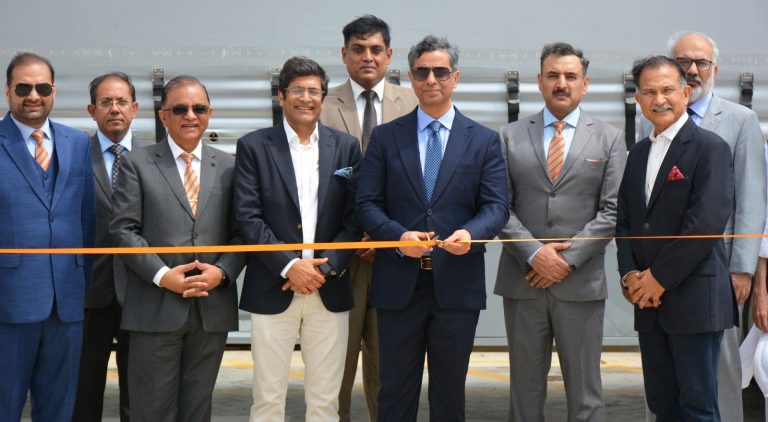
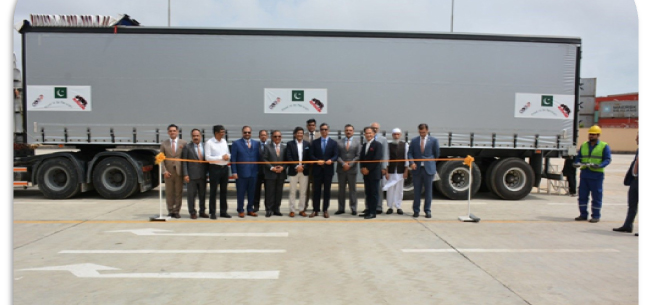
On Aug 10, 2024 a small inauguration ceremony was held at Karachi NLC HQ, where the ribbon was cut as a memento by Director General NLC, Major Farrukh Rao. Undoubtedly they are playing ahead in bringing this amazing product to road for the first time in Pakistan.

Maj Farrukh Rao stated that “Pakistan can exponentially improve its exports by pivoting on the land economy made possible by Pakistan’s geo strategic location”.

Not only this they have ordered a fleet of Curtain Trailers to move export cargo under UN TIR and other trade agreements applicable to the region. AUTOCOM played a pivotal role in bringing this dream to reality as we almost built a fleet of 12 trailers and a dozen is under production that will be soon on roads.

There is no doubt that the curtain enclosure offers controlled environment to the perishable cargo as fruits worth billions were exported to Chinese market by NLC. They used their new fleet of TIR trailers for the purpose.

As a part of business partnership with NLC, AUTOCOM has been trying to bring innovations and cargo securing solutions that makes the product more versatile. We have named this product as “Fortunate”.

Channelizing road freight to Central Asia and bringing back Imports from Turkiye are the milestones achieved by “The Fortunate” curtain side trailer.

This name has been coined for the fact that in this time, Pakistan need to grow its export ability at a drastic rate and this is the window of opportunity for the nation. It allows you to carry 3 tons more than a conventional trailer of same mechanical specification.

There is a list of benefits, but to name a few:

  • Saves on fuel cost
  • Add 3500 kg of legal load
  • Allows the operator to optimize their operations
  • Offers the driver free lateral loading and unloading
  • Offers the driver free top and rear loading
  • ABS allows additional, driver, prime mover and cargo safety.
  • High body stability
  •  Focused on handling the safety of the goods, driver and loaders.
  • Multiple option available either like 45 ft. and 48 ft.
  • Load securing points are provided inside the compartment for optimum load securing.

Worthy to reiterate that TIR feature allows pilferage proofing. It ensures that no untraceable pilferage is possible when the trailer is loaded and secured. To achieve this Fortunate’ s roof rails are built with customized TIR profiles and the trailer deck is fully secured with TIR cable. The Fortunate has been built at AUTOCOM’s dedicated semi-trailer factory in Port Qasim.

Our engineers are fully trained and skilled to handle the mass production with good quality product.

With the rising success of “The Fortunate” and amazing response from the beneficiary, we expect to witness this amazing transition on roads in no time.

Ease of carrying the load securely through the roads, is going to attract the trades and challenge the monopoly of alternative freight modes.

Congratulations that a “Made in Pakistan” trailer is seen on the roads of Turkiye, Europe and Iran.

“PAKISTAN ZINDABAD”

This exclusive article has been written by Syumiah Murtaza and published in Automark magazine’s September-2024 printed/digital edition.

WP-29 Accession and Its Impact on Pakistan’s Automotive Export Strategy

Pakistan’s accession to the United Nations Economic Commission for Europe (UNECE) WP-29, a global framework for harmonizing vehicle regulations, marks a pivotal moment for the country’s automotive industry. WP-29 sets international standards for vehicle safety, environmental protection, energy efficiency, and anti-theft measures, and its implementation in Pakistan is expected to align the country’s automotive sector with global norms. This alignment presents a significant opportunity for Pakistan to boost its automotive exports and establish itself as a competitive player in the global market.

Key Aspects of WP-29 Implementation in Pakistan

1. Regulatory Alignment: Pakistan is actively working to harmonize its vehicle safety and environmental regulations with UNECE’s WP-29 standards. This alignment involves adopting technical regulations related to vehicle safety, emissions, and energy efficiency, ensuring that vehicles manufactured in Pakistan meet international standards.

2. Legislative and Administrative Changes: To comply with WP-29 regulations, the Pakistani government is expected to introduce new laws and amend existing ones. These changes will likely impact vehicle manufacturing, import standards, and testing procedures, requiring local manufacturers to upgrade their processes and technology to meet the stringent requirements.

3. Impact on the Automotive Industry: Local manufacturers will need to adapt their production processes to comply with WP-29 standards. This adaptation may involve significant investments in technology, adopting new testing protocols, and ensuring compliance with stringent safety and environmental criteria. While this presents challenges, it also positions Pakistan’s automotive sector to compete in international markets.

4. Consumer Benefits: With WP-29 implementation, consumers in Pakistan can expect access to safer and more environmentally friendly vehicles. Additionally, the alignment with international standards will facilitate the export of Pakistani-made vehicles to countries that adhere to UNECE regulations, potentially increasing the availability of diverse vehicle models in the domestic market.

5. Challenges: Implementing WP-29 standards poses several challenges, including the need for significant investment in technology and infrastructure by local manufacturers. The transition period may require substantial support from the government and industry stakeholders to ensure a smooth shift to these new standards.

6. Global Integration: By adopting WP-29, Pakistan is moving towards greater integration with global automotive markets. This step is likely to attract foreign investment, foster collaborations with international automotive companies, and enhance the country’s export potential.

Addressing Contractual Limitations to Unlock Export Potential

One of the major hurdles for Pakistan’s automotive sector is the restrictive contract agreements between local manufacturers and their international principals. These contracts often limit production to the domestic market, severely restricting export opportunities. The Auto Industry Development and Export Policy (AIDEP) 2021-26 highlights this issue and calls for renegotiating these agreements to allow for exports, thus contributing to the growth and global competitiveness of Pakistan’s automotive industry.

Export Mandates and OEM Contract Renegotiations: Under the AIDEP 2021-26, Pakistan has introduced mandatory export targets for OEMs, starting with a 2% export ratio of total imports in 2022-23, rising to 10% by 2025-26. To encourage compliance, early achievement of these targets will be incentivized. The government is urging local OEMs to renegotiate existing contracts that currently restrict exports, aiming to remove barriers and promote exports to targeted international markets.

Tensions with Japanese Automakers and WTO Concerns

Despite these efforts, Japanese car assemblers in Pakistan have been reluctant to meet export targets. This reluctance led to a temporary suspension of their import quotas by Pakistan’s Ministry of Industries and Production (MoI&P). In response, the Japanese government raised a Specific Trade Concern (STC) with Pakistan, arguing that the mandatory export requirements violate WTO agreements. If unresolved bilaterally, this dispute could escalate to the WTO dispute settlement body, a process that could take up to a year to commence.

Challenges Faced by OEMs

OEMs in Pakistan have identified several challenges in meeting the export targets set by the government:

  • Lack of Free Trade Agreements (FTAs): The absence of FTAs that include automotive parts makes Pakistan-origin parts and vehicles less competitive in international markets.
  • Absence of Local Raw Materials: The lack of locally available raw materials, such as steel, copper, and aluminum, increases production costs, making exports less viable.
  • Limited Markets for Right-Hand Drive Vehicles: The limited number of markets that use right-hand drive vehicles further restricts export opportunities.

To address these challenges, the automotive sector has proposed several measures, including:

  • Establishing zero-rated FTAs for auto parts with ASEAN, GCC, and African regions.
  • Safeguarding local investments and localized parts in any FTA negotiations.
  • Extending zero-rated export incentives to tier-1 and tier-II suppliers of OEMs.
  • Developing local industries for essential raw materials and processing industries for resin and rubber materials.

Legal Challenges

The automotive sector in Pakistan is also facing legal hurdles, with 25 cases currently in local courts. Of these, 23 cases involve new entrants to the market, while two have been filed by existing assemblers. These legal challenges further complicate the industry’s path to export growth and highlight the need for a supportive legal framework to facilitate the transition to a more export-oriented industry.

The Impact of Economic Crisis and WP-29 Standards on Local Manufacturers

The economic crisis in Pakistan has exacerbated the challenges faced by local vehicle manufacturers. The imposition of WP-29 standards by the Engineering Development Board has further strained the industry. Notably, a major Japanese car manufacturer in Karachi has succeeded in achieving the WP-29 standard, while others have struggled to comply. The largest car manufacturing company in Karachi, for instance, failed to meet the standards, leading to the closure of its plant on July 28, except for a brief reopening during a federal minister’s visit. According to company sources, vendors failed to deliver four critical parts as per the WP-29 standard, contributing to the plant’s closure.

In response to these challenges, both auto manufacturers and parts suppliers have requested the government to extend the deadline for WP-29 compliance. This extension would provide the industry with the necessary time to adjust to the new standards and avoid further disruptions in production.

Takeaway of the article:

Pakistan’s accession to WP-29 and the subsequent push to transform its automotive sector into an export-oriented industry represent significant steps towards integrating with global markets. However, achieving these goals will require overcoming substantial challenges, including renegotiating OEM contracts, addressing legal disputes, and developing local industries to support export competitiveness. The ongoing negotiations with Japanese automakers and the potential WTO dispute underscore the complexities involved in this transformation. With strategic planning, cooperation between stakeholders, and government support, Pakistan’s automotive sector has the potential to emerge as a key player in the global market, driving economic growth and job creation in the process.

This exclusive article has been written by @asif-mehmood and published in Automark magazine’s September-2024 printed/digital edition.

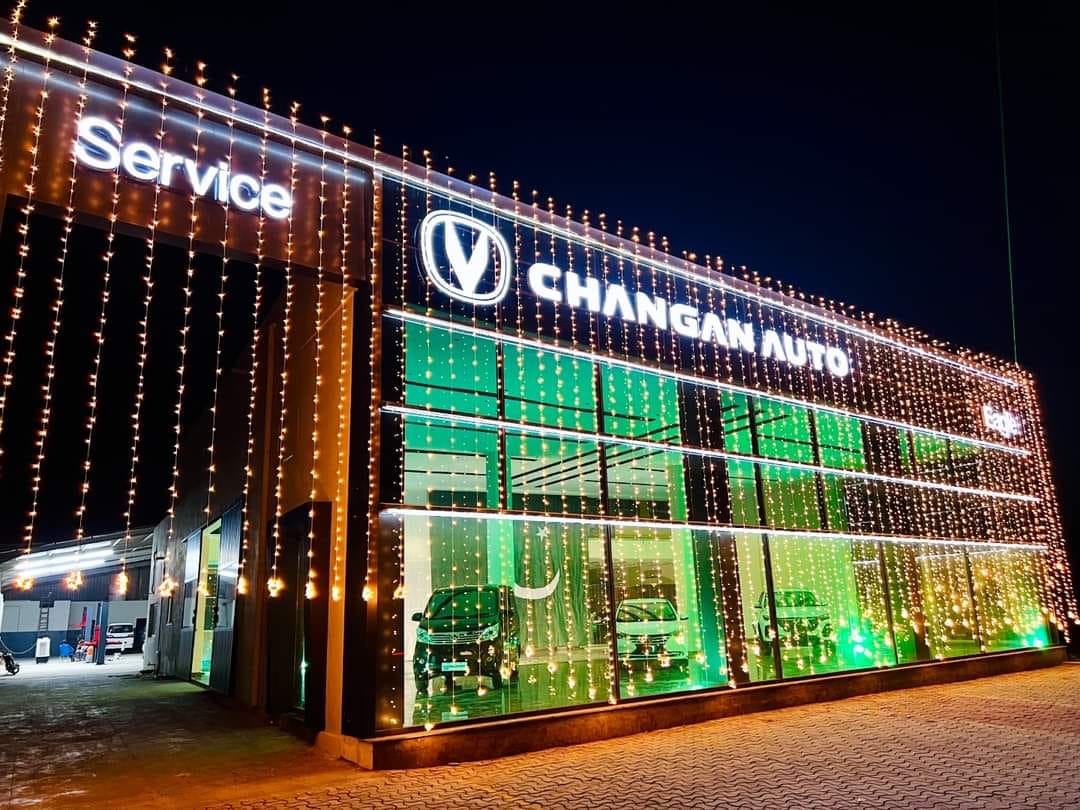
MASTER CHANGAN TO UNVEIL EV-FIRST BRAND, DEEPAL ON 16TH AUGUST AT DOLMEN MALL CLIFTON, KARACHI

Karachi, Pakistan – August 15, 2024 – Master Changan Motors Limited (MCML)is unveiling Changan’s intelligent “designed for electric” EV brand DEEPAL, on 16th August 2024 at Dolmen Mall Clifton, Karachi. The company will disclose its EV model lineup and its strategy to address key challenges restricting the mass adoption of EVs in Pakistan, including range anxiety, charging infrastructure, and nationwide aftersales support. The event will be live-streamed on Changan’s official Facebook page at 11:00 AM.

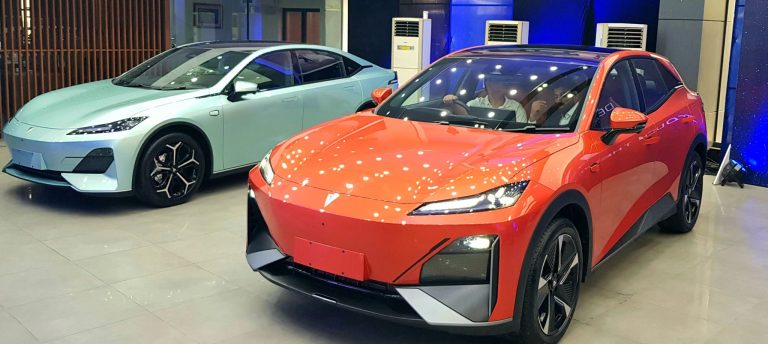
During the event, the company will display its Red Dot design award winning Sedan and SUV which is a joint development of Changan, Huawei, and CATL (world’s largest battery manufacturer). Both the car will be displayed for first-hand customer experience and test drive from the 16th till the 25th of August at Dolmen Mall Clifton, Karachi.

Master Group has been in the automotive industry since 1988 manufacturing parts for various automobile assemblers and is also engaged in assembling Foton and Fuso trucks, Yutong buses, and Changan cars with over 45,000 vehicles serviced by 27 dealerships in 17 cities. MCML plant in Karachi relies over 80% on green solar energy with a capacity of 50,000 units per year.

Watch the live stream @https://www.facebook.com/changan.pk/

Follow Changan’s Instagram &Facebook for the latest updates and exclusive content.

Deepal Pakistan (@deepalpakistan) • Instagram photos and videos

Deepal Pakistan | Karachi | Facebook

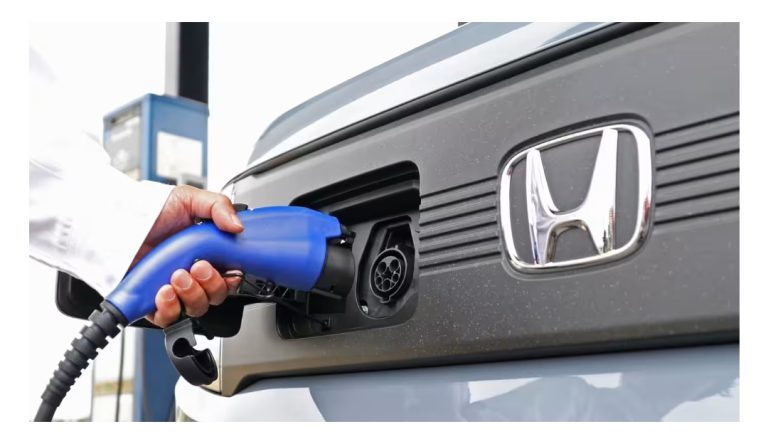
Honda Atlas to Invest Rs. 5 Billion in Cutting-Edge Hybrid Facility in Pakistan

Honda Atlas, a leading automotive manufacturer in Pakistan, has announced a groundbreaking investment of Rs. 5 billion in a cutting-edge hybrid facility, marking a significant milestone in the country’s automotive industry. This state-of-the-art facility will not only amplify the production of eco-friendly vehicles but also strengthen local manufacturing capabilities, providing sustainable mobility solutions.

The new hybrid facility represents a substantial leap forward for the automotive sector in Pakistan, showcasing the company’s commitment to innovation and environmental stewardship. By investing in hybrid technology, the company is poised to meet the growing demand for eco-friendly vehicles, reducing carbon emissions and contributing to a cleaner environment.

The facility will be equipped with advanced machinery and technology, enabling the production of hybrid vehicles that meet global standards. This will not only enhance the product portfolio but also increase competitiveness in the local and international markets.

The investment is also expected to boost local manufacturing capabilities, creating new job opportunities, and stimulating economic growth. By leveraging local talent and resources, the company is reinforcing its commitment to Pakistan’s economic development.

Furthermore, the hybrid facility will play a crucial role in sustainable mobility solutions in Pakistan. As the country grapples with environmental challenges, the need for eco-friendly transportation options has never been more pressing. This initiative will help address this need, providing consumers with access to environmentally responsible vehicles.

In conclusion, the Rs. 5 billion investment in a cutting-edge hybrid facility is a testament to the company’s vision and leadership in the automotive industry. By establishing a state-of-the-art manufacturing facility, amplifying eco-friendly vehicle production, strengthening local capabilities, and providing sustainable mobility solutions, the company is poised to drive positive change in Pakistan’s automotive landscape. This groundbreaking initiative will not only benefit the environment but also contribute to the country’s economic growth and development.

Indus Motor exports ‘Make in Pakistan’ Toyota vehicles

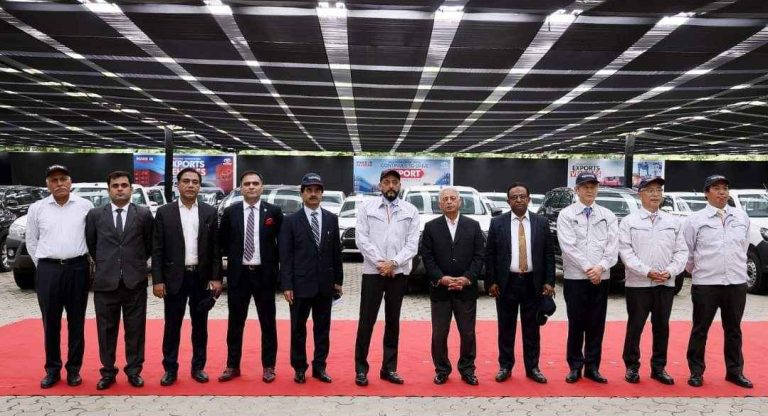
In a first, Indus Motor Company (IMC) announced its pioneering export initiative at a ceremony held at the company’s manufacturing facility at Port Qasim Authority, Karachi.
Gracing the occasion were the Federal Minister for Industries and Production, Rana Tanveer Hussain; CEO EDB, Engineer Khuda Buksh, representation from the SIFC, several honorable government officials and Toyota’s top leadership, including Executive Vice President, Toyota Motor Asia, Kazunari Iguchi.
The milestone celebrates IMC’s strategic plans to begin exporting vehicles and parts, marking a significant contribution to Pakistan’s economy and the global automotive market.
The company’s export line-up includes the Toyota Fortuner, Hilux and Corolla Cross models to Oceanian countries. This initiative reflects IMC’s commitment to advancing Pakistan’s automotive industry on the global stage.
Rana Tanveer, Federal Minister for Industries and Production, emphasized, “We are proud to see Indus Motor, one of Pakistan’s renowned companies, contributing towards exports. The government AIDEP 21-26 policy aims to boost the automotive sector by encouraging the export of localized parts and vehicles. IMC’s proactive approach in leading from the front sets a benchmark for others in the industry. We are committed to supporting the auto industry in every possible way.”—PR

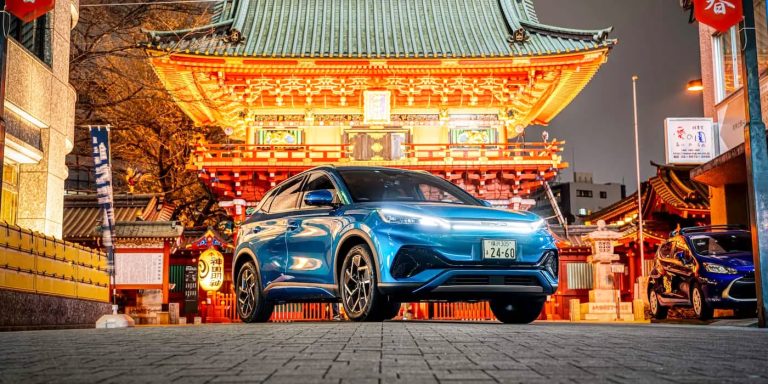
BYD announces brand launch in Pakistan on 17th August

BYD, the world’s leading New Energy Vehicle (NEV) manufacturer, will join forces with Mega Motor Company (Private) Limited, a subsidiary of Hub Power Company Limited (HUBCO), to host a grand brand launch on 17th August in Pakistan, officially showcasing BYD passenger cars to the Pakistani market.

Billboards hinting at the formal launch of BYD have been sighted across major metropolitan cities in the country. Since the strategic partnership was announced in March, this collaboration aims to introduce fully electric and plug-in hybrid electric vehicles, marking the entry of the world’s New Energy Vehicle sales champion in 2022 and 2023 into the Pakistani market. This milestone venture is expected to redefine Pakistan’s automotive landscape, providing cutting-edge NEV solutions to a market eager for sustainable and energy-efficient transportation options.

BYD is renowned for its pioneering work in new energy electric vehicle production, having surpassed global competitors in 2022 and 2023 to become the leading seller of new energy vehicles. Since achieving the roll-off of its 1 millionth new energy vehicle in May 2021, BYD has reached the impressive milestone of 8 millionth vehicles in just over three years, becoming the world’s first automobile brand to hit this milestone. The upcoming brand launch in Pakistan on 17th August will showcase a range of BYD’s latest models.

Aly Khan, Chief Executive Officer of Mega Motor Co., commented, “The partnership with BYD reflects Mega Motor Co.’s vision to support the national economy and contribute to reversing the impacts of climate change that affect Pakistan every year. We are also delighted to play our part in fulfilling the government’s vision of increasing the number of new energy vehicles on the roads and reducing the use of fossil fuels. This collaboration represents a significant milestone for Pakistan’s automotive industry and our collective efforts towards a sustainable future.”

This partnership not only brings BYD’s innovative new energy vehicles to Pakistan but also includes plans to establish a comprehensive charging infrastructure, which is a critical component for the widespread adoption of NEVs. This initiative aligns with Pakistan’s goals to reduce its carbon footprint and enhance energy efficiency in its transportation sector. BYD will continue to commit to offering advanced technology and high-quality services, helping Pakistan achieve its sustainable development goals.

ENDS

About BYD

BYD is a multinational high-tech company devoted to leveraging technological innovations for a better life. Founded in 1995 as a rechargeable battery maker, BYD now boasts a diverse business scope covering automobiles, rail transit, new energy, and electronics, with over 30 industrial parks in China, the United States, Canada, Japan, Brazil, Hungary, and India. From energy generation and storage to its applications, BYD is dedicated to providing zero-emission energy solutions that reduce global reliance on fossil fuels. Its new energy vehicle footprint now covers 6 continents, over 88 countries and regions, and more than 400 cities. Listed in both Hong Kong and Shenzhen Stock Exchanges, the company is known as a Fortune Global 500 enterprise that furnishes innovations in pursuit of a greener world. For more information, please visit www.bydglobal.com.

About BYD Auto

Founded in 2003, BYD Auto is the automotive subsidiary of BYD, a multinational high-tech company devoted to leveraging technological innovations for a better life. Aiming to accelerate the green transition of the global transportation sector, BYD Auto focuses on developing pure electric and plug-in hybrid vehicles. The company has mastered the core technologies of the entire industrial chain of new energy vehicles, such as batteries, electric motors, and electronic controllers. In recent years, it has achieved significant technological advancements, including the Blade Battery, DM-i Super Hybrid Technology, e-Platform 3.0, CTB Technology, e⁴ Platform, BYD DiSus Intelligent Body Control System, and DMO super hybrid platform. The company is the world’s first carmaker to stop the production of fossil-fueled vehicles in favor of electric vehicles and has remained the top seller of new energy passenger vehicle in China for 11 consecutive years.

About HUBCO and Mega Motor Company
The Hub Power Company Limited (HUBCO) is Pakistan’s largest independent power producer, committed to delivering sustainable energy solutions. Mega Motor Company (Private) Limited, an associated company of Hub Power Holdings, is dedicated to advancing Pakistan’s automotive industry through innovative and eco-friendly technologies.

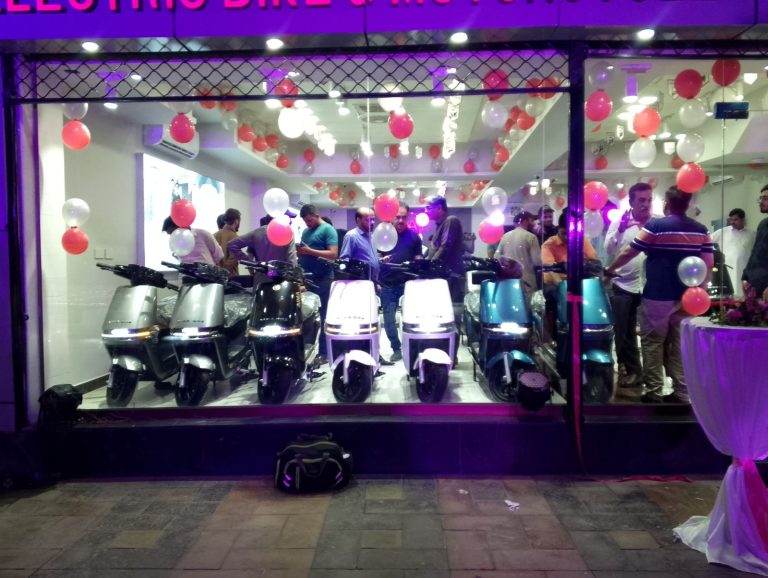
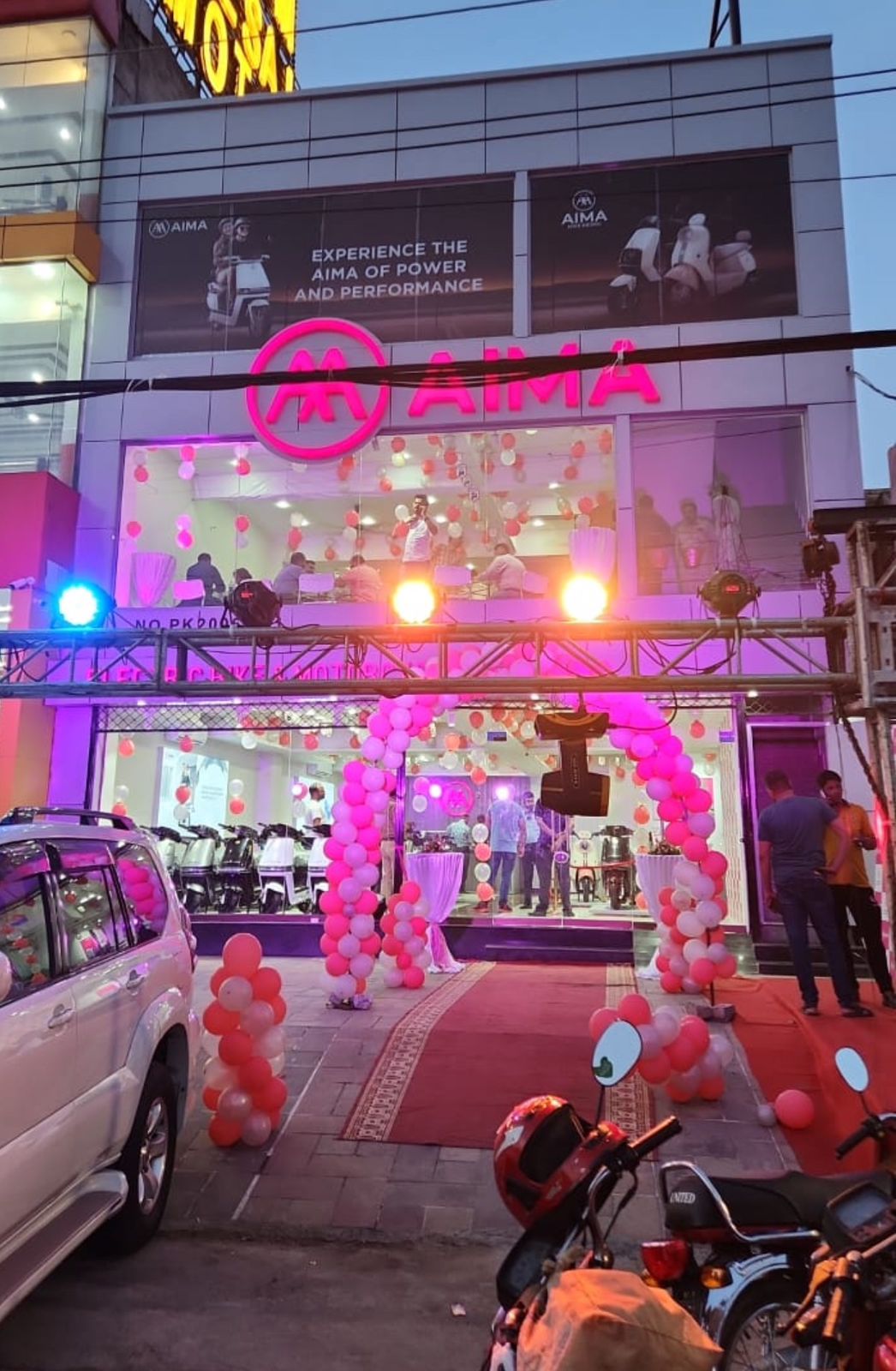
AIMA officially introduced their first flagship store in Pakistan

AIMA is the world’s no 1 EV scooter manufacturing and selling company. Established in 1999 and is circulating up to 80,000,000 units all over world. The main scope of AIMA business is manufacturing of electric bicycles, Electric mopeds, electric bikes, electric cars and many other products.

Initially introducing three models of AIMA Electric Scooties in first stage.
Mr. Wahaj Rana Director Operation, brief about AIMA Electric Scooties models variant, AIMA model A725 which is also called AIMA Pulse, about its specifications then the motor is 1200watts and its battery is 60 over 38 amps, top speed around 50 to 55 kmph and the charging unit it takes only 3 charging units, which gives up to 140-150 km range.

Similarly, AIMA most top variant at this stage is A500, which is also called AIMA 1 about its specifications it has a 1500watts motor and it has a 70-38amps battery which gives a top speed of up to 65km and the range is up to 150km up to 150km.

AIMA third variant which is on the other side the model is Q601, the specification of this model is 500watts motor, the battery capacity is 60amp over 25amp which gives us range up to 100Km on Eco mode, the charging unit is only 2 units of electricity It is very good economically.

With the launch of AIMA Electric Scooties, we are not just introducing a new product l, we are starting a journey of new ideas and a collective dream. These scooters are a part of our promise to take care of our social and environmental responsibilities.

As we inaugurate AIMA Electric Scooties, we understand the serious issue of environmental pollution. Our scooters, with zero emissions, help fight air pollution. This innovation will not only improve our lives today but also ensure a cleaner and greener future for the next generations.

With the rise in fuel prices globally, electric scooters are indeed the future. They offer environmental benefits and are a cost-effective alternative to traditional fuel-powered vehicles.

This is AIMA Pakistan first step with the passage of time, AIMA Pakistan will bring more variants in this.

Mission Kashmir

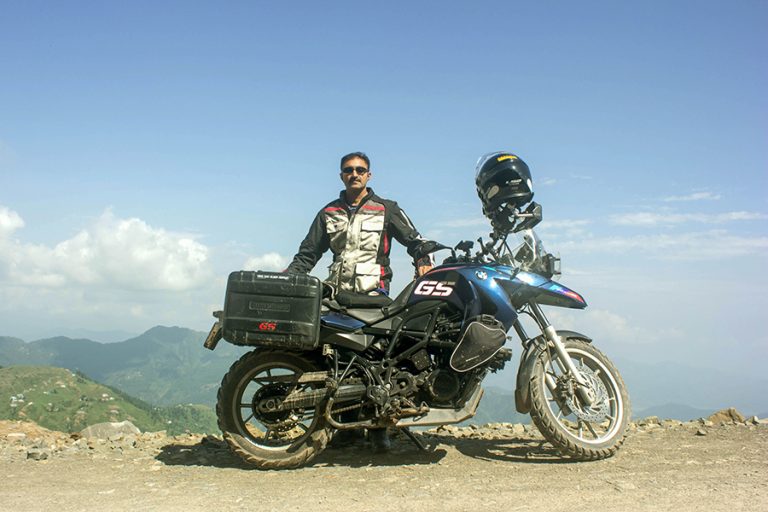
The history of Kashmir, a heaven on earth, is inextricably linked to the decades old dispute between Pakistan and India over its control. But beneath that politics lies a Kashmir that is beautiful, with its simple lifestyle and loving people. The mountain peaks usually clad in clouds and the valleys wrapped in green instill a freshness in your soul. It was in 2016 when I first planned a bike ride to Kashmir’s Banjosa lake and Toli Pir top, but unfortunately the plan was cancelled because of the political sit ins at the time after I got news of road blockage across Lahore and the Capital. Later, the plans kept on getting cancelled either because of the poor roads network or the unprecedented rains until this July when I finally accomplished mission Kashmir.

I feel that the kaleidoscope of my life would be incomplete without a bike ride, at least once a year. Summer vacations offer me a chance to experience the ever-changing endless possibilities that life offers. I started my journey from Lahore. As usual, I left Lahore in the early hours of morning to avoid heat and the G.T. road traffic, although I was soon stopped by rain right after crossing Shahdra where my journey was paused for more than an hour. Half soaked in rain I resumed the journey when the sun had already come up, hiding somewhere behind the clouds that still roared. But the clouds saved me from heat for good part of the journey and it wasn’t till I reached near Rawat that I was reminded about the sweating weather I was riding in. Islamabad was my destination for the first day.

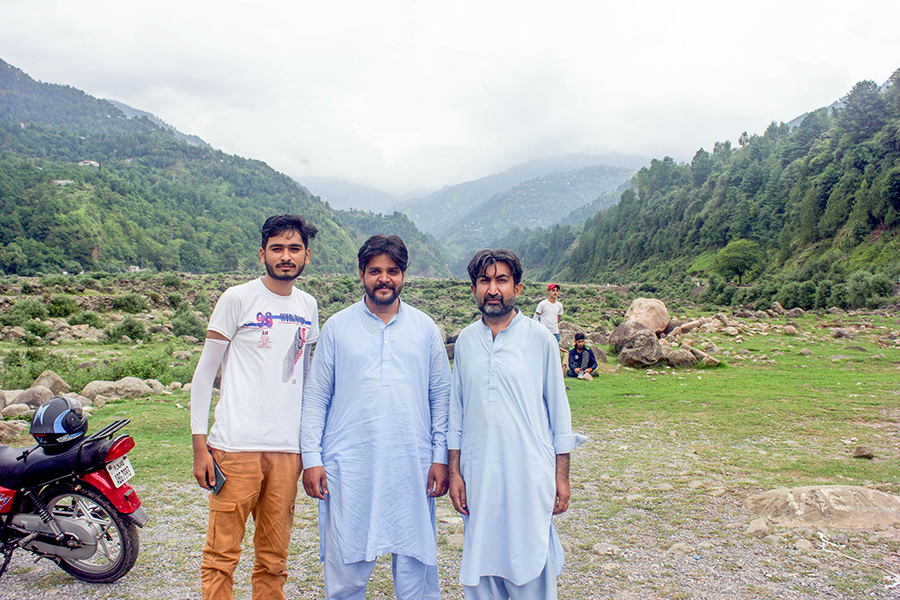
The next day me school time friend Asif Malik had to join me for the onward journey. Around 4 p.m. we left Islamabad and taking the Bara Kahu flyover reached Murree Express Highway. As we stopped at the Kohala bridge Asif informed me that we were to stay the night in a nearby village called Munasa with Adil Abbasi, a common friend who hails from Kashmir, and that Adil was also to join us for the next day’s ride on his Suzuki GS150 along with his cousin Maaz. We had our dinner at a local roadside restaurant. This is where Asif brought it to my knowledge, for the first time, that a small offroad patch awaited us to reach Adil’s place. “How tough is it going to be”, I asked Asif. “Not much”, was the reply.

I have always been curious to take the roads that flank up and down the main road as we travel on the mountain roads; curious just to see where these roads end up. Today I was on one such track. The main Kohala-Dhirkotroad flanks a path that slides down the mountain at a steep angle, in the dark of the night I found myself on a narrow path with loose rocks spread all over like giant pearls. I knew I couldn’t find my way through them but had to ride over them, the right foot on the break pedal all the time. This was my first ever endeavor on a pure offroad track on a bike that weighed well more than 200kg with all the luggage. Lucky for me, I made it without any mistake, although I told Asif that this offroad track was too much for an unskilled rider like me who has always been on the pavements. The climb next day would be easier, I thought, so I wasn’t much worried.

People that belong to Punjab’s plain tracts cannot think like mountain men who always keep the weather aspect in mind. The next morning, we were awakened by heavy rain and the adventure resumed with a wet muddy track and scattered gravel welcoming me to another nerve testing ride. I got stuck at two points where I needed a push for the bike as the mud bathed rear tyre was completely out of traction. Then there was this patch where a natural spring flowed down the hill where I dropped my bike for the first time sincethree years of owning it. But from this point onwards I rode like a professional, now that the fear was gone. I believe that an offroad track is the mountain’s anvil, it shapes a true rider out of you. I just hope I’ve been shaped a little, until next time.

Our destination was Ganga Choti, a beautiful mountain top in the Bagh District of Kashmir known for its beautiful meadows. The road was amazing throughout, the weather pleasant, a perfect fun packed recipe for a biker. We had a brief stop at Bagh, where we went off the road to take come pictures of the valley. From Bagh to Ganga Choti the landscape gets stunning, and the amazing twisty road adds to the beauty of the journey. We climbed a mountain top at Ganga Choti amidst clouds and cold breeze. The cup of tea here was quite therapeutic after an exhausting uphill climb. Time swallows itself when you are riding through mountains or trekking up and down the hills. We came back to the parking area some two hours later and left for Munasa.

The next day we left for Lasdana taking the Bagh-Lasdana road where some beautiful landscapes welcomed us. Getting lost in the right direction, this was exactly my thought after we took a wrong road twice on that day, Kashmir is truly beautiful. After visiting Lasdana we took an under-construction road that would connect Lasdana to Toli Pir. Although the road is still under construction but it can be travelled by bike and car alike since the stone compaction is complete. After riding about 30 minutes on this road we reached Toli Pir, another site with lush green meadows. From here we next moved toward Banjosa lake, which was rather too much crowded yet beautiful.

The cursor repeatedly blinks at me as I find myself at a loss of words to express the beautyof Kashmir’s landscape. Kashmiri people are amazingly polite and welcoming. Our friend Adil Abbasi, I found out, is as amazing a host as he is a bike rider as I didn’t find him making a single mistake. His residence is located in a small but beautiful village near Dhirkot, called Munasa. After my two-nights’ stay among the locals I learnt why mountain people seem to have disease-defying super powers, it is because of their lifestyle. Life in the mountains is full of hardships. When you live amidst nature, you are far from the luxuries of the artificial life. Primitive roads make the journey difficult to reach to the main cities, coupled with the transport issues and challenges that the weather brings with it.

For a dweller of Lahore whose vision seems to have been blurred by the constant smogs there is life of freshness in the great beyond of Kashmir, awaiting you to come and explore new horizons and the mystic whispers telling you to come again. We’ll do that!

This exclusive article has been published in Automark Magazine’s August-2024 printed edition. Written by Talal Hussain Malik

Exploring Australia’s Auto Parts Aftermarket and Economic Landscape

Australia: An Overview and Economic Insights Australia, the only country that spans an entire continent, ranks among the largest nations globally. Despite its vast natural resources and fertile land, over a third of Australia is desert. Canberra, the nation’s capital, is strategically located between the major economic and cultural hubs of Sydney and Melbourne. The Australian economy is primarily driven by its service sector, which accounted for 62.7% of GDP and employed 78.8% of the labor force in 2017. During the peak of the mining boom in 2009-10, the mining industry contributed 8.4% to the GDP. Australia excels in income, jobs, education, health, environmental quality, social connections, civic engagement, and life satisfaction.

Auto Parts Aftermarket in AustraliaThe Australian auto parts aftermarket is poised for growth, with an anticipated compound annual growth rate (CAGR) of 3.9% from 2024 to 2030. The market’s expansion is driven by the digitalization of automotive repair and component sales, along with advanced technological integrations in aftermarket component manufacturing.

Macro-Economic Factors Influencing the Market Australia’s economy has seen steady growth and low unemployment rates in recent years, boosting consumer confidence and purchasing power. Favorable interest rates and flexible financing options have further facilitated vehicle ownership. Additionally, government policies and incentives have spurred the adoption of electric and hybrid vehicles, contributing to market growth. Financial incentives and infrastructure development have encouraged consumers to consider environmentally friendly alternatives, fueling the overall growth of the passenger car market.

Market Size and Growth

More Than 2 Million Used Cars Sold in Australia in 2023

According to data released by the Australian Automotive Dealer Association (AADA) and AutoGrab, a total of 2,074,535 used cars were sold in Australia from January to December 2023. This robust supply of used cars coincides with a record year for new vehicle sales, underscoring the significance of the used car market in Australia. For every new car sold, 1.7 used cars were sold. The Australia Used Car Market was valued at an estimated USD 62.83 billion in 2023. Most of Australia’s vehicles are imported from Japan, Thailand, Germany, and Korea. Generally, imported vehicles are subject to Duty and Goods and Services Tax (GST). Toyota is expected to hold a market share of 24.9% in 2024, with a value market share of 24.2%.

Key Economic Indicators

  • Population: 26.1 million
  • GDP Annual Growth: 4.3%
  • GDP Per Capita: USD 61,340
  • Inflation Rate (2024): 3.6%
  • Interest Rate: 4.30%
  • Government Debt to GDP Ratio: 38.1%
  • Exchange Rate: 1 USD = 1.48 AUD
  • Import Tariffs: 10% to 25%

Transportation Options

  • By Air: Flights from Jinnah International Airport (KHI) to Melbourne International Airport (MEL) take about 15 hours and 30 minutes.
  • By Sea: Ship travel from Karachi Port (PKKHI) to Melbourne (AUMEL) takes approximately 21 days and 19 hours, with vessels departing every 1-2 days.
Reserved: DAYS


Key Events in Australia Auto Parts Sector for 2024~2025

Upcoming Exhibitions

25 ~ 27 Oct 20244WD & Adventure Show4WD, Caravanning and Camping, Boat, Fishing and more Adelaide Showground, Wayville. SA Australia
March ~ April (Date Not decided yet) 2025Australian Auto Aftermarket Expo 2025    Auto PartsMelbourne Convention & Exhibition Center, South Wharf. Australia
15~18 May, 2025Brisbane Truck ShowTruck New and oldBrisbane Convention & exhibition Centre, Brisbane. Australia

Conclusion Australia presents promising opportunities for the auto parts aftermarket, bolstered by a robust economy and favorable conditions for growth. Exploring these opportunities can benefit both the nation and individual companies, driving economic stability through increased exports. Embracing this potential can lead to a more prosperous future for all stakeholders involved.

By Mashood Khan, Director – Mehran Commercial Enterprises, Expert Auto Sector / Former Chairman PAAPAM

Where Science Meets Speed: The Formula for Automotive Performance

Dear readers! Understanding of automotive from manufacturing to after-service, this comprehensive overview highlights the interconnected landscape of the automotive industry, at every stage, from manufacturing to after-sales services, plays a vital role in ensuring vehicle performance, durability, and customer satisfaction. More than just a look at manufacturing, this expansive view of the automotive industry shows you how all parts of it are interconnected. Performance sustainability and customer satisfaction, in turn, depend on a seamless functioning from the manufacturing to the sale stage of the vehicle. It gives a broader insight to the multitude of fundamental workings that carry us in our daily fossil fuel-empowered way. Every step, from the drawing board in development to production and logistics through sales channels right on down to after-sales support is mission-critical in producing great cars that send drivers home smiling. But with the changing landscape of mobility, sustainability will be even more critical to meet rising demands and guarantee an automotive-oriented future. By appreciating the complicated workings behind our everyday vehicles, we gain a deeper respect for the engineering marvels that take us down the road. From the initial design and production phases to logistics, sales, and after-sales support, each stage is vital in delivering high-quality vehicles and exceptional customer experiences. As the industry evolves, embracing sustainability and technological advancements will be key to meeting the demands of the future and ensuring a sustainable and prosperous automotive landscape.

This article presents how front-line scientific breakthroughs and engineering wonders combine to drive modern high-performance vehicles. As we embark on a fact-finding mission, let us learn all about the innermost workings of how physics, materials science, aerodynamics, and cutting-edge technology all blend to form a perfect symphony to take on the road and track. Accordingly, this is what makes a car truly “fast”, but let us delve into the science behind it to know the main ingredients of the way to fast car compounding. The abovementioned list just scratches the surface of the scientific puzzles behind a car’s speed. However, backed by these and other scientific and engineering principles, car manufacturers create high-performance vehicles that challenge the edge of speed and handling. While horsepower and lap times generally determine fast or slow, performance extends beyond raw speed as you already know. Our skills as drivers, the condition of the road, or even the weather could be a factor here. A high-performance car, especially one from an esteemed automaker like Cadillac, should be nothing if not for fun to drive; it’s all about performance that amazes and thrills behind the wheel–not just what factors are written on a spec sheet. The mathematics of automotive performance is a broad field that draws from many engineering disciplines and scientific principles. Knowing these factors lets us understand the incredible engineering gymnastics involved in making machines that tickle our imagination into overdrive. The intersection of front-line scientific advancements and engineering marvels that drive the evolution of high-performance vehicles. This journey researches the intricate details of how physics, materials science, aerodynamics, and advanced technologies combine to push the boundaries of what is possible on the road and track. It’s a symphony of science and engineering working in perfect synchronization, and this understanding of what exactly makes a car “fast”, so let us probe into the key elements in the formula for automotive performance, however, these are just some of the scientific secrets contributing to a vehicle speed. The seamless integration of various scientific principles and engineering expertise allows car manufacturers to create high-performance machines that push the boundaries of speed and handling. As we are aware that horsepower and lap times are important metrics, there’s more to performance than just raw speed. Driver skill, road conditions, and even weather can play a role. The true mark of a high-performance car lies in its ability to deliver an exhilarating driving experience, seamlessly blending power, handling, and driver feedback. The formula for automotive performance is a complex topic, where various engineering disciplines and scientific principles come together. Understanding these factors allows us to appreciate the incredible feats of engineering that go into creating high-performance machines that capture our imagination.

Powertrain Innovations: Powertrain advancements are intertwined with the rise of connected car technology. Vehicle-to-everything (V2X) communication allows cars to interact with infrastructure and other vehicles, potentially optimizing traffic flow and improving safety. It all starts with the heart of the beast – the engine. Horsepower (hp) is a common metric, but it’s only part of the story. Torque, measured in pound-feet (lb-ft), represents the twisting force that translates engine power into acceleration. Modern engines utilize various technologies like turbochargers and superchargers to boost power output, while advancements in materials science allow for lighter and more efficient engines.The heart of any high-performance vehicle lies in its powertrain. Advances in engine design, such as turbocharging, direct fuel injection, and hybrid powertrains, enhance power output while improving fuel efficiency and reducing emissions. Seamless and rapid gear shifts are essential for maintaining speed and performance. Dual-clutch transmissions (DCT) and continuously variable transmissions (CVT) offer improved acceleration and efficiency.Utilizing materials such as carbon fiber, aluminum, and advanced composites reduces vehicle weight, enhancing speed and handling. These materials provide the strength needed for safety without the bulk. Powertrain innovation is driving the automotive industry towards a cleaner and more efficient future. With continued advancements in battery technology, alternative fuels, and connected car technology, we can expect even more exciting developments that will transform the way we drive. Powertrain innovations are revolutionizing the automotive industry, driving significant improvements in performance, efficiency, and sustainability. From advanced internal combustion engine technologies and electrification to alternative fuels and integrated control systems, these developments are shaping the future of mobility. As the industry continues to evolve, embracing these innovations will be key to meeting the demands of a more sustainable and dynamic automotive landscape.

Aerodynamic efficiency is crucial for reducing drag and enhancing speed. Aerodynamic efficiency is more than just a design philosophy, this is a critical factor in creating environmentally friendly, fuel-efficient, and exhilarating driving experiences. By understanding the principles of aerodynamics, we can appreciate the engineering marvels that allow us to navigate the world with greater efficiency and performance. Advancements in computational fluid dynamics (CFD) software allow engineers to simulate and optimize aerodynamic performance before a car is even built. Additionally, the exploration of new materials and active aerodynamic components promises even more efficient and performance-oriented vehicles in the future. Aerodynamic efficiency is not just for high-performance cars. Even small improvements can significantly impact fuel economy and driving range in everyday vehicles. Manufacturers are constantly striving to optimize aerodynamics, not just for performance, but also for environmental responsibility and consumer cost savings. Aerodynamic efficiency is a cornerstone of modern vehicle design, playing a pivotal role in enhancing performance, fuel efficiency, and overall driving experience. Through innovative design, advanced technologies, and a deep understanding of aerodynamic principles, engineers continue to push the boundaries of what is possible, creating vehicles that are not only faster and more efficient but also more sustainable and enjoyable to drive. As the automotive industry evolves, the pursuit of aerodynamic excellence will remain a key driver of innovation and progress. Advanced computational fluid dynamics (CFD) simulations help design vehicles that cut through the air with minimal resistance.Active Aerodynamics: Adjustable spoilers, diffusers, and air intakes dynamically optimize airflow based on driving conditions, improving stability and performance at high speeds.Downforce Optimization: Generating downforce through aerodynamic features increases tire grip, allowing for higher cornering speeds and improved handling.

Electronics and Control Systems: Electronics and control systems are at the heart of modern automotive engineering, driving advancements in performance, safety, and user experience. From sophisticated engine management and advanced driver assistance systems to connected vehicle technologies and cutting-edge infotainment, these systems transform the way we interact with and experience vehicles. As technology continues to evolve, the integration of electronics and control systems will play an even more critical role in shaping the future of automotive innovation, leading to smarter, safer, and more connected vehicles. Modern cars are no longer simply mechanical marvels; they’re rolling bundles of sophisticated electronics and control systems. These intricate networks silently orchestrate a symphony of functions, enhancing performance, safety, and comfort for drivers and passengers alike. Let’s delve into the critical role electronics and control systems play in today’s automobiles. In modern automotive engineering, electronics, and control systems are integral to vehicle performance, safety, and driver convenience. These systems manage everything from engine performance and emissions to driver assistance and infotainment. This overview delves into the key components, technologies, and advancements in automotive electronics and control systems, highlighting their impact on the driving experience and vehicle functionality. ECUs are the brains of the engine, managing fuel injection, ignition timing, and air-fuel mixture to optimize performance and efficiency. Modern ECUs are highly sophisticated and capable of processing vast amounts of data in real time. advanced ECUs work in connection with sensors and actuators to monitor and control emissions, ensuring compliance with stringent environmental regulations. This includes managing catalytic converters, oxygen sensors, and exhaust gas recirculation systems. Electronic control units manage gear shifting in automatic transmissions, optimizing shift points for fuel efficiency and performance. Features like adaptive shift logic and sport modes enhance the driving experience.

Takeaway from this article:

Automotive performance is proof of human ingenuity and the insistent drive to innovate. It is a field where science truly meets speed, resulting in machines that captivate the imagination and redefine the limits of mobility. The automotive dynamic field combines scientific principles with innovative design to push the boundaries of what vehicles can achieve. From the optimization of aerodynamics and the development of high-performance powertrains to the integration of sophisticated electronics and control systems, every aspect of automotive performance is meticulously engineered to deliver an unparalleled driving experience.  The automotive industry is on an insistent quest for even faster, cleaner, and more efficient vehicles. Advancements in powertrain technologies, material science, and autonomous driving systems promise to redefine the future of performance. As science continues to push boundaries, we can expect even more awe-inspiring feats of automotive engineering, forever chasing the elusive pinnacle of speed and driving pleasure. the quest for performance is complemented by a growing emphasis on sustainability, safety, and connectivity. Future advancements will likely see even greater integration of electric and hybrid technologies, autonomous driving capabilities, and enhanced driver-assistance systems, all aimed at creating vehicles that are not only faster and more powerful but also smarter and more efficient.The attraction of a high-performance car goes beyond its smooth design and powerful engine. It’ is evidence to the seamless integration of various scientific disciplines and engineering marvels. From the powertrain’s raw muscle to the aerodynamic finesse that slices through the air, every element plays a crucial role in achieving exhilarating speed and precise handling. While horsepower and lap times capture headlines, the true essence of performance lies in the synergy between these scientific principles and the driver’s experience. A high-performance car should not only deliver blistering speed but also inspire confidence and exhilaration behind the wheel.