Home Blog Page 15

The United States: Economic Overview and Growth of the Aftermarket Auto Parts Industry

The United States, a highly developed mixed economy, continues to lead as the world’s largest economy by nominal GDP, and is second only to China in terms of purchasing power parity (PPP). In 2024, the U.S. holds the sixth highest per capita GDP (nominal) and eighth by PPP, reflecting its strong economic output and high standard of living.

Key to this economic strength is the nation’s productivity, bolstered by a well-developed transportation infrastructure and rich natural resources. American households enjoy high average incomes, ranking sixth among Organization for Economic Co-operation and Development (OECD) member states. Despite having the highest median household income in 2021, income inequality remains one of the highest among developed nations. The U.S. plays a pivotal role in global trade, being the world’s largest importer and the second largest exporter, with free trade agreements spanning key partners such as Canada, Mexico, and South Korea.

The flexibility of the U.S. labor market, though offering fewer job security guarantees due to its hire-and-fire policies, adds to the economy’s adaptability and efficiency in responding to market demands.

The Aftermarket Auto Parts Industry in the U.S.

One sector witnessing continuous growth is the U.S. aftermarket auto parts industry. As of 2022, this market was valued at USD 18.2 billion, with projections indicating growth to USD 22.7 billion by 2032. This represents a compound annual growth rate (CAGR) of 2.50% from 2024 to 2032. The consistent rise in vehicle ownership and the aging fleet of cars in the U.S. contribute to the expansion of the aftermarket industry. Consumers increasingly seek cost-effective alternatives for vehicle maintenance, repair, and upgrades, making aftermarket parts an essential segment of the broader automotive market.

Furthermore, the tractor market, which reached a value of USD 23.7 billion in 2021, is expected to grow modestly, reaching USD 24.5 billion by 2027. This slow but steady expansion underscores the importance of agricultural machinery within the U.S. economy and aligns with the broader growth of industrial sectors.

Key Economic Indicators:

  • Population: 333 million
  • GDP Annual Growth: 3.1%
  • GDP Per Capita: USD 76,239
  • Inflation Rate: 2.5%
  • Interest Rate: 5.50%
  • Government Debt to GDP Ratio: 123.8%
  • Import Tariffs: 1.5% to 14% (Vary by parts)

Key findings

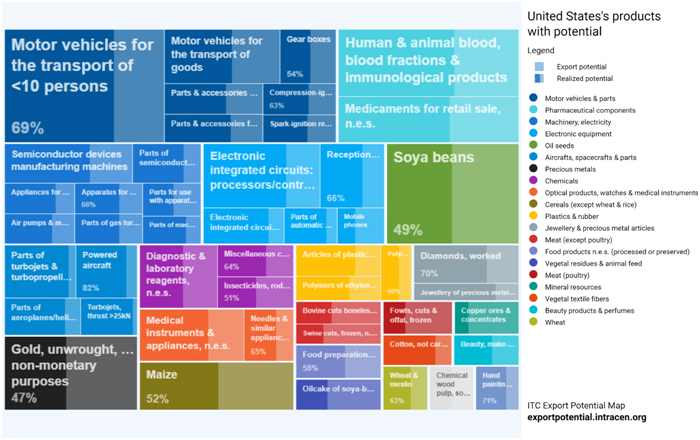
The products with greatest export potential from United States to World are Motor vehicles for the transport of <10 persons, Soya beans, and Human & animal blood, blood fractions & immunological products. Soya beans shows the largest absolute difference between potential and actual exports in value terms, leaving room to realize additional exports worth $27 bn. (Source: ITC)

Transportation Options

  • By Air: The travel duration between these cities in a non-stop flight is usually  around 16h 35 m. Karachi to New York flights 
  • By Sea:The quickest way to get from Karachi to New York by ship will take about 31 days 18h and departs from Port Qasim (PKBQM) and arrives into New York (USNYC). There are vessels departing 2-4 times a week on this route.

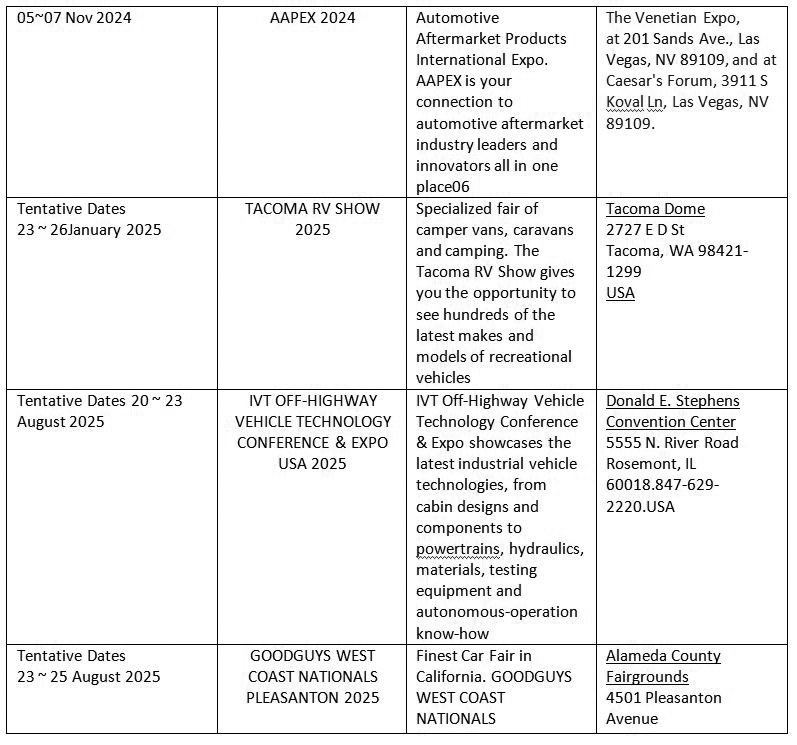
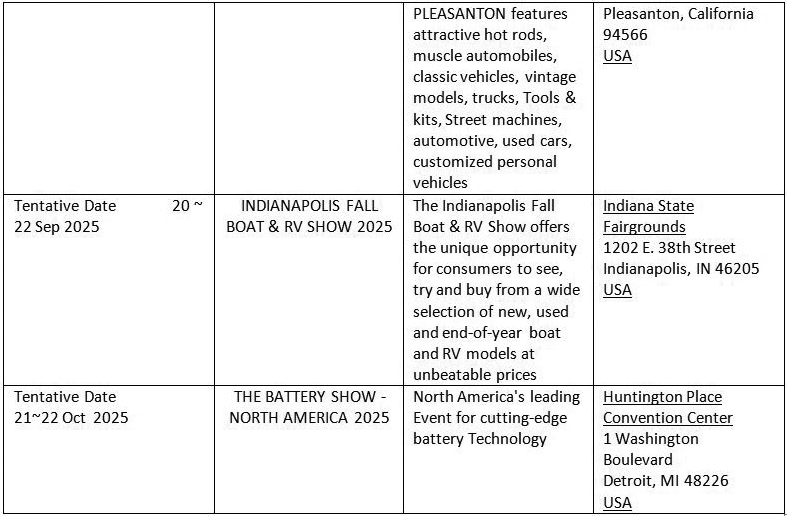
Key Events in USA 2024~2025

Upcoming Exhibitions

In conclusion, while the U.S. economy continues to thrive, with sustained growth and innovation in key sectors like the aftermarket auto parts industry, challenges such as income inequality and fluctuating market conditions remain. However, the flexibility of its labor market, strong trade relationships, and technological advancements are expected to keep the U.S. economy on a growth trajectory for years to come.

By Mashood Khan
Director – Mehran Commercial Enterprises – Expert Auto Sector / Former Chairman PAAPAM

This exclusive article has been published in Automark Magazine’s October-2024 printed and digital edition.

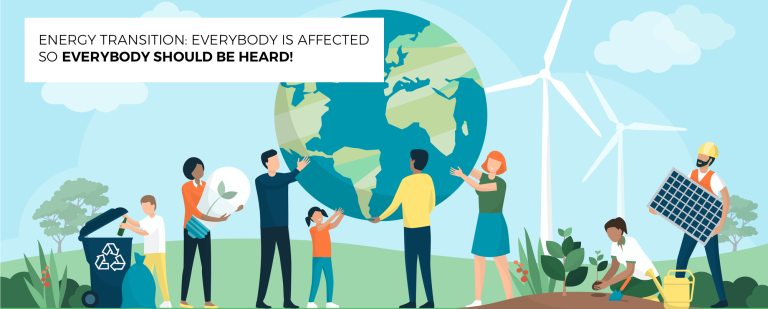
Energy Transition in Pakistan

The International Energy Agency (IEA) focuses that the use of fossil fuels, especially unabated coal, must be phased out with in next ten years, if we have to achieve a net-zero target in line with the goals set out in the Paris Agreement. COP-28 as one of its key outcomes also finally emphasized the need to transition away from fossil fuels, calling countries to accelerate their energy transition programs. With decreasing cost of technologies, innovative financing mechanisms and global trends, decarbonization efforts not only improve the environment profile, but they also make a better economic case over the longer run.

However, despite these opportunities, “energy transition has a cost and logistical needs” that are imperative to drive this transition. Further, the poly-crisis-driven by Post COVID recovery challenges, regional turmoil, supply chain issues and economicus-certainties has limited fiscal space of underdeveloped and developing countries that are entrapped in debt burdens. Many of the Asian as well as some of the Pacific countries have faced significant socio-economic losses further decreasing the capital availability for a swift and effective energy transition. In the backdrop of these opportunities and challenges, it is high time for these countries to develop coordinate plans and joint response for mobilizing the necessary finance and analyze the needed reforms of the international financial structure.

Energy insecurity and climate vulnerability of Asian Region. Asia is a home of almost 4.5 billion people that account for almost 60% of the globa lpopulation. However, ongoing economic crisis the region is facing a three-fold challenge of socio-economic development, energy security and environmental sustainability. According to Asian Development Bank (ADB)around 350 million people in Asia does not have access to reliable electricity while 150 million does not have access to it at all. The increasing energy demand limited non-renewable resources and high reliance on fossil fuels (68% fossil fuels in power generation), the region is highly exposed to price volatility and economic risks. Now at the same time, the region is also confronting an increasingly challenging climate landscape, characterized by morefrequent and severe climate-related disasters such as heatwaves, cyclones, droughts and floods.
The region currently accounts for 60% of global emissions from power generation, leading to increased climate vulnerability. This is particularly concerning as it compounds the existing vulnerabilities of a region that is home to some of the world’s most vulnerable communities.

Pakistan is listed in developing country with tough political and economic conditions, posing a serious challenge to develop a policy that supports the energy transition from fossil fuels to renewables. Pakistan is blessed with a huge 3425.796 GW renewable energy potential including wind (346 GW), solar (2,900 GW), hydro (59,000 GW), geothermal (100 GW) and biomass (20 GW) even though Pakistan is producing electricity mostly from imported fossil fuels (coal, furnace and natural gas) with 58.8% share followed by 25.8% hydro, 8.6% nuclear and only 6.8% from solar and wind sources. Renewables contribute only 32.6% in the total energy mix of Pakistan.

Ministry of Energy (Power Division), Government of Pakistan developed a policy entitled, “Alternative and Renewable Energy (ARE) Policy 2019” with the aim of increasing the renewable capacity by 30% by 2030 with most of the electricity produced from indigenous energy sources including biomass, wind and solar. However, this target cannot be achieved with the present transmission and distribution network. The Asian Development Bank (ADB) claims that except for China, the countries under its Central Asia Regional Economic Cooperation (CAREC) project would have to invest from USD 25 billion to USD 49 billion to upgrade their power transmission and distribution infrastructure. The big challenge Pakistan is facing the ageing power grid infrastructure with limited network capacity is a major bottleneck for supporting the integration of renewables while maintaining grid stability. To enable the power grid to evacuate power from both renewable and non-renewable energy projects, more investment is needed to upgrade the power network infrastructure, including its modernization and digitalization.

Energy storage is also vital for a renewable-powered energy future. It bridges the gap between intermittent renewable energy generation and stable energy demand in terms of energy supply and grid reliability. Nowadays, batteries have gained considerable ground as the power of many of the technologies that will enable the transition towards net zero. Research, development and infrastructure investments in energy storage are vital for the widespread adoption of renewable energy.

Energy Efficiency has also gained global attention among policymakers in recognition of its pivotal role in enhancing energy security, affordability and environmental sustainability. Addressing Pakistan’s energy challenges also requires a strategic shift towards energy efficiency. In response to growing energy demand, the focus has traditionally remained on capacity expansion rather than conservation. This approach has led to increased capacity payments and inefficient energy use. Enhancing energy efficiency presents a significant opportunity to curtail energy imports, offering a cost-effective solution to address national energy challenges. This approach not only mitigates environmental concerns but also eases production costs and fosters economic growth.

The International Energy Agency (IEC) reveals that energy efficiency, the ‘first fuel’ in clean energy transitions, offers swift, cost-effective CO2 mitigation, reducing energy bills and enhancing energy security. Institute for European Energy and Climate Policy released a recent study, ‘’Energy Efficiency visible in the energy mix’. If something isn’t visible, it won’t be prioritized, which is one of the reasons energy efficiency does not come first in planning, policy-making and investment. For energy efficiency to be considered on a level playing field with other energy resources, energy efficiency improvements need to be monitored and then energy efficiency data needs to be integrated into the overall energy picture. The energy transition will also open doors for green job creation, enable businesses, attract foreign investment and stimulate economic growth.
As a climatevulnerable nation, Pakistan can mobilize substantial global funding under a ‘Just Energy Transition Partnerships (JETPs)’. These partnerships facilitate targeted and catalytic funding, mobilizing resources from various channels to support the energy transition.This requires a comprehensive action plan based on a holistic approach along with clear targets, timelines, policy continuity and stakeholder engagement. In this way, Pakistan can pave the way for a sustainable and green energy future.

This exclusive article has been published in Automark Magazine’s October-2024 printed and digital edition. Written by #Asif Masood

Driving Global Transportation: The Power of Vendor Industry Development

The entire automotive industry, therefore, relies on having a good, solid foundation of vendors that keep everything running smoothly. A group of vendors provides a wide variety of products and services of a highly critical nature, including parts, raw materials, logistics, and after-sales support. This large vendor network is essential to the overall success and competitiveness of the automotive sector. Pakistan’s automotive industry has witnessed an exponential growth in recent years with skyrocketing local consumption and government incentives as well as foreign investment. Growth has stimulated a healthy environment for suppliers, whose core functions are critical in ensuring the industry remains competitive and sustainable. New technologies, better supply chain efficiency, compliance with quality, and extension to more areas of the world make vendors a pivot for innovation, cost-cutting, and satisfaction among customers.
There is often attributed to technological transfer from auto principals to their suppliers as one of the drivers of innovation, competitiveness, and sustainable growth within the automotive value chain. The knowledge, experience, and other resources transferred to the suppliers through this transfer propel them to develop more sophisticated products and processes that may both parties are able to benefit from and contribute further growth in the industry. Collaboration in design is a seminal element of this relationship. If the product developments are done in collaboration between principals and suppliers, it not only leads to improved but entirely new offerings based on shared specifications, engineering insights, and technical data. Not only does this accelerate innovation, but assured quality for satisfied customers is also presented. Critical other phases of product development include prototyping and testing. Automotive principals can offer suppliers accessibility to testing facilities and resources for fine-tuning prototypes. These stages are vital in ensuring that new products meet standards of safety, quality, and high performance. This gives manufacturers a chance to deal with potential problems before releasing a product into the market.

The Early Days: Reverse Engineering Bringing the catalyst
During the mid-twentieth century, previous to what is often referred to as globalization, and the liberalization of trade, reverse engineering was the industry’s first port of call, for many emergent auto industries, especially Asian such as Japan and South Korea. The actual distributors and assemblers were to be very keen to take apart foreign vehicles notably from the American and European markets with the view of trying to imitate or reinvent better models. It is not as if they were content to mimic; those fundamentals had to be learned first, and learned well, as applied to auto production. Thanks to reverse engineering these manufacturers had not only been able to level the technological playing field but also develop vehicles that suit their domestic markets. That is not to say that Japan did not go from imitation to innovation in its automobile industry because this can be seen in lean manufacturing practices affixed to the making of automobiles for the country and the Toyota Prius.

The Digital Revolution: CAD and the Rise of Precision

During the passage toward the information age, the automotive industry was among the first firms to adopt technological resources such as Computer-Aided Design (CAD). Similarly, the change from manual drafting to the use of a computer program was not an evolution but a revolution. CAD has enabled engineers to design and almost ‘virtually’ model a new car design and related concepts more accurately, swiftly, and effectively. This changed the future of the manufacturing industry allowing companies to improve the overall value delivery process and avoid costly mistakes when it was still possible to rectify them on the design stage. In addition to design, CAD made other aspects possible for automotive companies to perform such as simulations; aerodynamics, crash safety, and fuel efficiency could be effectively tested without having to construct many physical prototypes. It is important to note that this era not only accelerated the effectiveness of innovations but also began to create processes by which different nations could easily collaborate. Some of the engineers from various parts of the globe could now be hired to work on the same project thus significantly boosting the rate of development.

R&D Takes Center Stage: Innovating the Future

For the world’s largest automotive players, the turn of the century was all about the Research & Development (R&D) role. The philosophy had pivoted; it was evolving from learning from competitors and digitizing the design process to making the future! While vehicles were getting a tech facelift, new automakers like Volkswagen and Toyota, as well as Tesla, started to converge and pump billions of dollars into R&D investing more in cutting-edge tech than tinkering with age-old motors. The global transportation industry is a complex and interconnected network that plays a vital role in the movement of goods, services, and people worldwide. To ensure the efficient and sustainable operation of these networks, it is imperative to focus on the development of the vendor industry. Vendors, as key players in the transportation supply chain, provide essential services and products that support the overall efficiency and effectiveness of transportation operations.

Future Direction: Sustainability and Smart Mobility
As we march into the future, technology is going to be the future of the automobile industry. Not anymore about making cars faster or richer; it’s more of redesigning transportation. Electrification to autonomous, this decade promises the most dramatic shift.

EVs: By 2030, some 58% of new cars sold around the world will be “EVs” according to a policy shift in the European Union, China, and California, which has just announced that by 2035 it will no longer manufacture any new internal combustion engines. Huge volumes are being created by developments in battery technology the promised longer-range and shorter recharging times of solid-state batteries.

Driverless Cars: Investments in AI and self-driving car technologies have exceeded $27 billion alone in 2022, with Waymo and Tesla quite literally pushing the envelope on self-driving vehicles. The big automobile producers are even complementing tech giants as well, bringing within near future visions where smart mobility solutions will be the rule rather than the exception.

A New Era for Automotive Technology: From reverse engineering to R&D-led innovation, the change is one of the broader shifts in the automotive industry-from imitation to leadership. Today’s car manufacturers no longer just build cars. They define transportation’s future. In the future, sustainability, connectivity, and smart mobility will not only shape how cars are designed but also where they fit into the larger ecosystem of daily life. Understanding these technological advancements is not only significant to the consumer and industry professional alike but also helps one understand where the industry might be headed next., the vendor industry can play a vital role in enhancing global transportation networks and driving economic growth. Through technology adoption, infrastructure development, human capital development, and collaboration, vendors can contribute to a more efficient, sustainable, and interconnected transportation system that benefits businesses, consumers, and society as a whole.

Nevertheless, there are plenty of expertise and talent in our vendor industry and we are just a step ahead to become the global supply chain partner of leading OEMs and open a wider window of export opportunities.

We’re poised on the cusp of greatness!

Leveraging the expertise, we’re on the verge for being ‘go-to’ global supply chain partners for OEMs unlocking unprecedented export success!

This exclusive article has been published in Automark Magazine’s October-2024 printed and digital edition. Written by #Abid Saeed

Revving Up Pakistan’s Economy: The Importance of Automotive Industry and Academia Linkage

Pakistan’s automotive industry is a significant contributor to the country’s economy in its GDP. However, to sustain growth and competitiveness, it is crucial to foster a strong linkage between the industry and academia.

Benefits of Industry-Academia Linkage:

  1. Innovation and Research: Collaboration between industry and academia drives innovation, leading to the development of new technologies and products.
  2. Skilled Workforce: Academia can provide the industry with a skilled and knowledgeable workforce, reducing the need for costly training.
  3. Curriculum Development: Industry input helps academia develop relevant curricula, ensuring graduates meet industry needs.
  4. Entrepreneurship: Collaboration can lead to the creation of new startups and businesses, driving economic growth.
  5. Sustainability: Joint research and development can focus on sustainable practices, reducing environmental impact.

Challenges and Opportunities:

  1. Gap between Industry Needs and Academic Curriculum
  2. Limited Research Funding
  3. Lack of Collaboration and Communication
    To address these challenges, initiatives like:
  4. Industry-Academia Partnerships
  5. Research Grants and Funding
  6. Regular Industry-Academia Forumscan be established

Way Forward Strategy:
Coordinated linkage between industry and academia is the critical bridge in solving business related production, technology, and management problems.
This initiative may include; identification of priority sectors for carrying out industry academia linkages projects for any research that can be commercialized and has a significant economic impact, or for such business improvement projects that can be replicated across a number of firms and industries.
Capacity of the Offices of Research, Innovation and Commercialization (ORICs) under HEC can be further developed and provide financial support for research commercialization and business improvement projects.
Development in the fields of Information Communications Technology (ICT) are indeed revolutionary in nature; Information and knowledge are expanding in quantity and accessibility. ICT contributes directly to spread fruits of sustainable development and reduce traditional geographical barriers, providing an opportunity for all to access local and global markets in a more equitable manner.

Industry-Academia Linkage (IAL) can be defined as the goals and objectives of interaction and collaboration between industry and academia. The backbone of academia is innovation, philosophy, and theory, but industry depends on broad, commercially viable ideas for its survival. Instead, the university is a computer, and the industry is a tool.

To better understand this gap, think of a professor who gives thousands of lectures on swimming but does not get in the water until he retires, and he remains closed and unfinished. Then there is the issue of supply and demand gap between industry and academia. Curriculums were written decades ago, but the industry is advancing every day. In today’s world, the market conditions and the speed of the industry are faster than ever. That is why a ‘machine’ enters the factory floor; he knew right away that he didn’t know for sure…the paper was out of the syllabus…! The second half of the learning journey comes from the psychological impact on machines.

Industry-Academic Links (IAL) are ideal for business organizations, academic institutions, and even countries. Without following this concept, Industrial Revolution is not possible. In conducting applied research, this interaction must be reciprocal. Distributing projects among students is another problem. It’s like four people living together in a four-bed house but not knowing which of them is sleeping. Engineers have to study for 18 hours to enter an accredited university, but after entering an accredited university, they don’t suffer like medical students and accounting students. The laboratories in most of the technical institutions are old, unprepared and incomplete. There are no shops in universities, but medical schools have training centers.

Pakistan is no different from other South Asian countries in facing the negative effects of this inequality. There is still a gap between technology and curriculum, especially in the Third World. Last year, Pakistan was ranked 88th among 132 countries in the 2023 Global Innovation Index.

Pakistan’s human resource index ranking 164 out of 193 countries is a source of ridicule for us. Therefore, foreign organizations are interested in students who want to be accepted to support education in the country they are visiting. Pakistan, like other South Asian countries, is lagging behind in developing quality products and exporting them to the world due to lack of research and development. In Pakistan, only 60% of the 200 public and private universities accredited by HEC cooperate with private sector organizations and public institutions. Unfortunately, most of this 60% is only on paper or thrown away.

Funding cuts are the biggest reason. In contrast, public universities have no money to spend; Private universities need funding. Low budgets are allocated to research and development, which is scarce in an age where day-to-day management is outdated. In R&D, we rank at 113th out of 132 projects. Because it is strongly related to economic growth, without a land base, the hope for self-fulfillment and research and development is like a fantasy.
Basically, we are a nation that likes to take chances, take shortcuts, and quickly pursue degrees, whether or not we want them. Students say that education is responsible and exhausting. The curriculum needs to be changed. Links between academia and industry should be strengthened. HEC has to play a role in making certain things official. Public awareness should be raised through many activities.

Industry
Responsibilities

  • Supervise academic projects
  • Provide corporate trainings
  • Support & finance initiatives
  • Resource sharing
  • Curriculum advisory

Academia
Responsibilities

  • Engage industrial professionals
  • Industrial relevance in research
  • Students counselling
  • Creative thinking lessons
  • Engage in policy studies

Students
Responsibilities

  • Gain technical skills
  • Lateral thinking
  • Understanding system dynamics
  • Innovate ideas
  • Prepare project deliverables

This exclusive article has been written by Abid Saeed san published in Automark magazine’s September-2024 printed/digital edition.

Consumer trend of EV’s today vs Tomorrow

I was going through news related to EV consumer market trend for the past 4-5 years and found many articles indicating shifting consumer trend of American and European consumers towards strong hybrids and ICE’s back from EV’s. Many articles suggested that this perhaps means “Death to EV’s” and labelled it “End of EV hype” globally for the world of tomorrow. However as per my analysis things look a bit different when I foresee the world of tomorrow.

The American and most importantly European consumer market are the first adopters of EV revolution, backed by the very important cause of climate change and global warming. The EU governments funded this revolution by incentivizing the NEV’s for consumers making them more attractive and affordable.

However we have to remember that the EU consumer market primarily consists of an ageing generation which is susceptible to change and very skeptical to adopt new tech. Take the example of NFC based “Tap and Pay” via cell phone or “Scan to Pay” which is not a very common sight in EU countries, the consumers prefer the old school payment method of payment via Credit / Debit card and even In some countries like Germany, the preferred payment medium till date remains cash. This clearly demonstrates a conservative mindset of a consumer who is afraid to adopt changing trends.

However the Chinese consumers being younger than their American/EU counterparts adopt new technologies rapidly. They shifted directly to the “Tap and Pay” concept skipping the Card payment option altogether. This mindset clearly demonstrates adaptability to newer and changing technologies.

Based on this analysis we can safely say that to understand the consumer trend of the world of tomorrow, we need to closely observe what Chinese consumer is adapting today. As the younger generation of EU countries takes control of the consumer market tomorrow, they shall follow the same trend as well. This means one thing only, a shift from conventional ICE’s to NEV’s in EU and American markets in a span to 5-10 years.

However, this is a fact that despite their electric adaptability to change Chinese consumer’s have started ageing too. In order to understand the consumer trend of day after tomorrow, we need to follow the youngest generation of them all, the youth of subcontinent. The consumer trend of Indian subcontinent will drive the consumer market of day after tomorrow i.e. 15-20 years from now.

As per my personal observation, the generation of tomorrow riding the waves of AI will greatly rely on Autonomous driving tech based on Electric platforms. This shift may not be very exciting but it is indeed inevitable. Cheers!

Unlocking Export Potential: Canada’s Growing Market and Opportunities for Global Trade

Canada’s economy is on a promising trajectory, with the Bank of Canada projecting GDP growth of 1.5% this year, 2.2% next year, and 1.9% in 2026. This upward trend is driven by increased business investment, the completion of the Trans Mountain pipeline, and robust population growth, all of which contribute to a favorable environment for international trade and export opportunities.

Canada’s Economic Landscape

Canada’s economy is anchored by three main industries: services, manufacturing, and natural resources. Each plays a crucial role in shaping the country’s economic output and offers unique opportunities for foreign exporters.

  1. Service Industries
    The service sector dominates the Canadian economy, employing more than 75% of the workforce. Key areas within this sector include transportation, education, healthcare, banking, and tourism. With a strong emphasis on services, there are numerous opportunities for international companies to tap into Canada’s growing demand for specialized services, particularly in healthcare, education, and technology.
  2. Manufacturing Industries
    Canada’s manufacturing sector is highly diversified, producing a wide range of goods, from aerospace technology to automobiles. As the eleventh-largest auto-producing nation globally, Canada exported $30 billion worth of vehicles in 2022. This makes Canada a prime market for suppliers of automotive components, machinery, and advanced manufacturing technologies.
  3. Natural Resource Industries
    Natural resources have long been a cornerstone of Canada’s economy. Industries such as forestry, agriculture, mining, and energy are vital to the country’s export profile. For companies specializing in sustainable resource management, environmental technology, or energy solutions, Canada offers a wealth of opportunities to engage in mutually beneficial trade relationships.

Opportunities in the Automotive Sector

The automotive industry is a particularly attractive sector for exporters looking to enter the Canadian market. With 1.5 million vehicles produced annually, Canada’s automotive industry is thriving. Key players include brands like Ford, Toyota, Chevrolet, Hyundai, and Honda, which dominate the market with their reliable and affordable vehicles.

As the Canadian market continues to evolve, there is a growing demand for hybrid and electric vehicles, presenting an opportunity for companies specializing in green technologies to introduce innovative products that align with Canada’s environmental goals.

Why Canada?

Canada’s stable economy, strategic location, and strong trade relations with the United States make it an ideal market for global exporters. The country’s commitment to free trade, combined with its highly skilled workforce and advanced infrastructure, ensures that businesses entering the Canadian market have the tools and support they need to succeed.

For companies looking to expand their export footprint, Canada’s diverse economy, strong consumer demand, and strategic position in North America make it a market with significant untapped potential.

Key findings

The products with greatest export potential from World to Canada are Motor vehicles for the transport of <10 persons, Motor vehicles for the transport of goods, and Medicaments for retail sale, n.e.s.. Motor vehicles for the transport of <10 persons shows the largest absolute difference between potential and actual exports in value terms, leaving room to realize additional exports worth $8.7 bn. (Source: ITC)

Key Economic Indicators

  • Population: 39 million
  • GDP Annual Growth: 3.4%
  • GDP Per Capita: USD 54,917
  • Inflation Rate: 2.5%
  • Interest Rate: 4.50%
  • Government Debt to GDP Ratio: 69%
  • Exchange Rate: 1 USD = 1.36 CANADIAN Dollar
  • Import Tariffs: 05% to 08%

Transportation Options

  • By Air: Flights from Jinnah International Airport (KHI) to Toronto Pearson International Airport (YYZ) take about 14 hours.
  • By Sea: The quickest way to get from Karachi to Montreal (CAMTR) by ship will take about 46 days and 15 hours.

Key Events in CANADA 2025

Upcoming Exhibitions

03 ~ 05 January 2025The North American International Motorcycle SupershowMotorcycle & Parts  International Centre Entrance at Hall 1,2,3 & 5, 6900 Airport Road, Mississauga. ON L4V 1E8
17 ~ 26 January 2025The Auto ShowNew Electric, Hybrid and traditional vehicles and light trucks as well as auto – related productsMontreal Convention Centre, 101 PI. Jean-Paul-Riopelle…
27 Feb ~ 02 March 2025RV Show and Sale  Recreation VehicleInternational Centre Entrance at Hall 1,2,3 & 5, 6900 Airport Road, Mississauga. ON L4V 1E8
18~20 March, 2025Canada’s Farm Show Regina  Farm with Parts  1700 Elphinstone St REAL District, SK S4P 2Z6, Canada

Mashood Khan
Director – Mehran Commercial Enterprises
Expert Auto Sector / Former Chairman PAAPAM

OKLA Opens First Flagship Experience Centre in Lahore

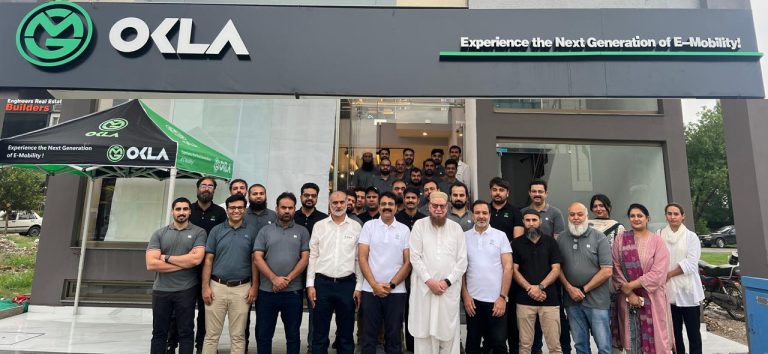
OKLA, a well-known brand electric bike brand with a presence in the United States, Europe, Africa, Asia, and Oceania, has proudly launched its first Flagship Experience Centre in Lahore.

Established in 2006, OKLA is recognized for its commitment to Research & Development, innovation, and eco-friendly products. With this new venture, OKLA is poised to make a significant impact on the e-Mobility landscape in Pakistan.

This new center aims to provide customers with an immersive experience of OKLA’s products and services. The flagship store is designed to showcase the brand’s full range of offerings, including their latest innovations, with a focus on enhancing customer interaction and satisfaction.

The Lahore experience center represents a significant step for OKLA in expanding its presence and enhancing its brand identity in the region. The center is expected to serve as a hub for customers to explore, engage with, and purchase OKLA’s products, offering a premium shopping experience.

OKLA currently offers three products tailored to meet the needs of local customers:

1. OMAX:

A powerful electric bike with an aggressive design, perfect for those seeking both performance and style.

2. OMO:

An eco-friendly bike designed for everyday use, offering a sustainable and efficient mode of transportation.

3. OKT:

A versatile bike for everyone, designed to create a significant positive impact on the environment.

A state-of-the-art experience center along with service area is established in DHA Phase 8, Lahore shows company commitment to technical innovation.

OKLA commitment extends beyond just selling bikes; they strive to build a community of riders who are as passionate about eco-friendly transportation. Through continuous innovation and customer feedback, OKLA aims to exceed expectations and set new standards in the electric bike industry.

Driving Excellence: Enhancing Educational Relevance: A Fresh Perspective on the Industrial Advisor Board

Dear readers! This is about my article in Automark Edition April 2020 by emphasizes the importance of technical education for the development of Industry and elevating the status of Pakistan and its people on the world stage, with the outcome that a strong linkage between industry and academia to ensure that the research and development activities in institutes are oriented towards demand in the market and the society, it provides an enabling environment for increased creativity for newcomers and guarantees the enhanced competitiveness., these functions go hand-in-hand and reinforce each other.

Serving as a member of the Industrial Advisory Board is a privilege that I hold in high regard.

The opportunity to contribute meaningfully to the academic journey of aspiring professionals is immensely gratifying. It is within this role that I find a platform to share the rich tapestry of industry experiences, challenges, and triumphs. To be part of a dynamic forum where academic theory intertwines with practical industry demands is truly inspiring. I am committed to leveraging my industry acumen to provide strategic guidance, fostering an educational environment that is not merely academically rigorous but profoundly industry-relevant. By sharing insights into emerging trends, technological advancements, and evolving market dynamics, I aspire to equip students with the requisite skills and knowledge to become future industry leaders.

Moreover, I am eager to collaborate with faculty members on research initiatives that bridge the chasm between academia and industry, ensuring that the curriculum remains at the forefront of professional development. Ultimately, my goal is to contribute to the institution’s mission of producing graduates who are not just academically qualified but industry-ready, and capable of making significant contributions to the world of work. The opportunity to contribute to the academic landscape by bridging the gap between industry and academia is enriching. Being part of a forum that shapes the future of young professionals is an honor. I am committed to leveraging my industry experience to provide valuable insights and support the institution in producing graduates who are well-prepared to excel in the dynamic business world

An Industrial Advisory Board (IAB) member is typically a seasoned professional from the industry who brings a wealth of experience and knowledge to the academic table. They are industry experts who actively contribute to aligning academic programs with the evolving needs of the business world.  IAB members are crucial in bridging the gap between academia and industry, ensuring graduates are well-prepared for the workforce.An Industrial Advisory Board (IAB) is a group of industry experts who provide guidance and recommendations to an academic institution, typically a university or college. It’s a platform that bridges the gap between academia and industry, ensuring that educational programs align with the evolving needs of the business world.

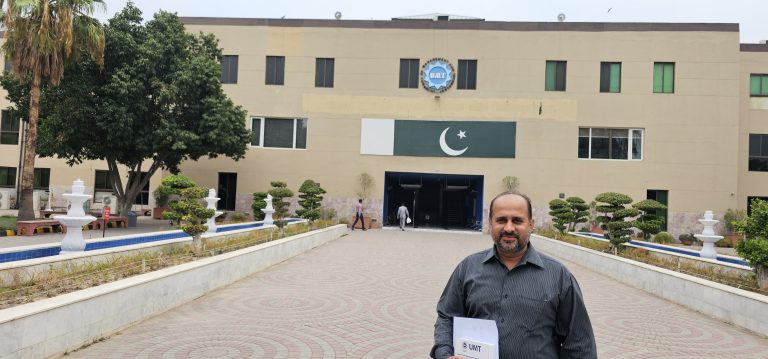
University of Management and Technology (UMT) recently convened a thought-provoking seminar focused on the pivotal role of Industrial Advisory Boards (IABs) in shaping academic excellence. The event brought together industry leaders, academicians, and students to discuss the significance of IABs in bridging the gap between academia and industry.The seminar delved into the multifaceted benefits of IABs, including their contributions to curriculum development, student placements, research collaborations, and industry insights. Eminent industry professionals shared their experiences and perspectives on the impact of effective IABs on institutional growth and development. The seminar concluded with a panel discussion where participants brainstormed strategies for strengthening IABs and maximizing their potential. Recommendations included regular IAB meetings, clear communication channels, and performance metrics to measure the effectiveness of IAB contributions.By hosting this seminar, UMT demonstrated its commitment to industry collaboration and preparing students for successful careers. The event served as a platform for knowledge sharing and networking, fostering a vibrant ecosystem of academia and industry.

Key takeaways from the seminar included the importance of

(i) Strong industry linkages: Fostering robust relationships between academia and industry to ensure curriculum relevance.

(ii) Student-centric approach: Aligning academic programs with industry demands to enhance graduate employability.

(iii) Collaborative research: Encouraging joint research projects between faculty and industry experts. (iv) Mentorship and guidance: Providing students with valuable mentorship and career guidance.

By establishing and actively involving an Industrial Advisory Board, educational institutions can significantly enhance the quality of their programs and better prepare students for the workforce.

(a)   Improved Program Relevance: IAB ensures that academic programs are aligned with industry needs, making graduates more employable. (b) Enhanced Industry Collaboration: It fosters stronger relationships between the institution and industry, leading to potential partnerships and collaborations. (c)  Access to Industry Experts: IAB members provide valuable insights and knowledge to the academic community. (d) Student Career Development: IAB members can help students develop the skills and knowledge required for successful careers.

Roles and Responsibilities of an IAB

  • Curriculum Review: IAB members assess existing academic programs to ensure they are relevant to industry standards and requirements. They suggest updates, new courses, or specializations to meet industry demands.
  • Industry Insights: They share insights into industry trends, emerging technologies, and skill sets required for successful careers. This information helps the institution update its curriculum accordingly.
  • Student Placement: IAB members often have connections with industries and can assist in student placements, internships, and job opportunities.
  • Research Collaboration: They can identify potential research areas and collaborate with faculty on industry-relevant projects.
  • Mentorship: IAB members can offer mentorship and guidance to students and faculty, sharing their industry expertise.

Takeaway from this article:

The University of Management and Technology’s (UMT) seminar on Industrial Advisory Boards (IABs) proved to be a catalyst for invigorated dialogue and strategic thinking at the intersection of academia and industry. The event brought together a distinguished assembly of industry leaders, academicians, and aspiring professionals to explore the multifaceted role of IABs in shaping the future of education and business. The event also underscored the importance of continuous evaluation and improvement of IAB functions. Participants deliberated on mechanisms to optimize IAB contributions, such as establishing clear performance metrics, regular feedback loops, and structured agendas for IAB meetings. Overall, the UMT seminar on IABs was a resounding success in fostering a shared vision for industry-academia collaboration. By providing a platform for dialogue, knowledge sharing, and strategic thinking, the event has undoubtedly contributed to UMT’s commitment to producing graduates who are not only academically accomplished but also industry-ready, and capable of making significant contributions to the global economy.

This exclusive article has been written by @Muhammad Rafique and published in Automark magazine’s September-2024 printed/digital edition.
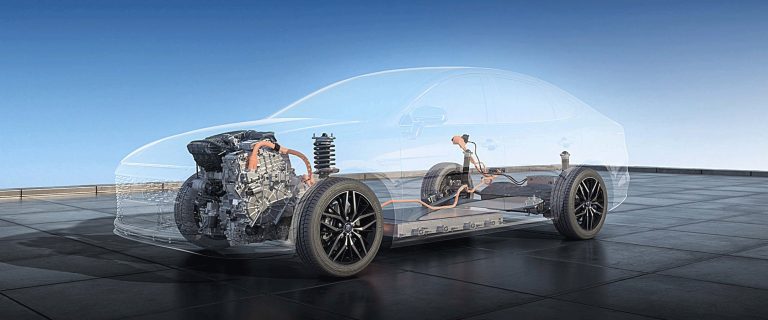
The BYD PHEV SEALION 6: A Comprehensive Review of Its Unique Features and Market Position

Dear Readers the BYD PHEV SEALION 6 has emerged as a standout model in the world of hybrid vehicles, boasting a range of innovative features and claims that set it apart from its competitors. This article delves into what makes the SEALION 6 unique, why BYD refers to it as a “super hybrid,” its economic advantages, the recharging mechanisms it employs, and its success in various markets.

What Makes the BYD PHEV SEALION 6 Unique?

The BYD PHEV SEALION 6 is a plug-in hybrid electric vehicle (PHEV) that integrates several advanced technologies to deliver a distinctive driving experience. Its uniqueness can be attributed to:

1. Advanced Hybrid Technology:

The SEALION 6 features BYD’s latest hybrid technology, which combines a highly efficient internal combustion engine with an electric motor. This dual powertrain system allows the vehicle to switch seamlessly between electric and gasoline power, optimizing performance and fuel efficiency based on driving conditions.

2. Enhanced Battery Capacity:

One of the standout features of the SEALION 6 is its impressive 18.3 kWh battery. This larger battery provides a substantial all-electric range, enabling drivers to cover longer distances on electric power alone before needing to rely on the gasoline engine. This feature not only enhances the vehicle’s environmental credentials but also reduces the frequency of recharging.

3. Cutting-Edge Design:

The SEALION 6 incorporates BYD’s signature design elements, including a sleek, aerodynamic body and a high-tech interior. The vehicle’s design is aimed at reducing drag and improving overall efficiency. The spacious interior, coupled with advanced infotainment and driver-assistance systems, provides a comfortable and connected driving experience.

4. Energy Efficiency: The hybrid system in the SEALION 6 is designed to maximize energy efficiency. It features regenerative braking technology, which captures energy during braking and stores it in the battery. This system not only extends the vehicle’s electric range but also enhances overall efficiency.

Why Does BYD Call It a Super Hybrid Vehicle?

BYD describes the SEALION 6 as a “super hybrid” due to several key factors:

1. Superior Efficiency:

The term “super hybrid” reflects the SEALION 6’s advanced hybrid technology that delivers exceptional fuel efficiency and reduced emissions. The vehicle’s ability to operate on electric power for extended periods and its high overall efficiency contribute to its classification.

2. Innovative Hybrid System:

The SEALION 6 utilizes a sophisticated hybrid system that optimizes the use of electric and gasoline power. This system not only improves fuel economy but also enhances performance, making the vehicle suitable for a variety of driving conditions.

3. Extended Electric Range:

With its large 18.3 kWh battery, the SEALION 6 offers a longer all-electric range compared to many other hybrid vehicles. This extended range reduces the need for frequent recharging and makes the vehicle more practical for long-distance travel.

4. Advanced Features:

The SEALION 6 is equipped with a range of advanced features that enhance its hybrid capabilities. These include smart energy management systems, regenerative braking, and a comprehensive suite of driver-assistance technologies.

Economic Advantages of the BYD PHEV SEALION 6

BYD’s claim that the SEALION 6 is the most economical hybrid model is based on several factors:

1. Fuel Efficiency:

The SEALION 6’s hybrid system is designed to achieve high fuel efficiency. By combining electric and gasoline power, the vehicle reduces overall fuel consumption and emissions. The ability to drive longer distances on electric power alone further enhances its fuel efficiency.

2. Cost Savings:

Owners of the SEALION 6 can benefit from lower fuel costs due to its hybrid nature. The vehicle’s electric driving capability reduces reliance on gasoline, which can lead to significant savings over time, especially for drivers who primarily use the vehicle for short trips or commutes.

3. Government Incentives:

In many regions, plug-in hybrid vehicles like the SEALION 6 qualify for government incentives and tax credits. These incentives can further reduce the overall cost of ownership and make the SEALION 6 a more attractive option for cost-conscious buyers.

4. Long-Term Value:

The SEALION 6 is designed to be durable and reliable, which can contribute to lower maintenance and repair costs. The combination of advanced engineering and high-quality components ensures that the vehicle remains a cost-effective choice over its lifespan.

Recharging Mechanisms for the PHEV SEALION 6

The SEALION 6 is equipped with several sources and channels for recharging its 18.3 kWh battery while traveling long distances:

1. Home Charging:

The primary method for recharging the SEALION 6 is through a standard home charging setup. This allows owners to charge the vehicle overnight, ensuring that the battery is fully charged before embarking on long journeys.

2. Public Charging Stations:

The SEALION 6 can be recharged at public charging stations, which are increasingly available in many urban and rural areas. These stations offer varying levels of charging speed, including fast chargers that can quickly replenish the battery.

3. Regenerative Braking:

The vehicle’s regenerative braking system captures energy during braking and converts it into electricity to recharge the battery. This process helps extend the vehicle’s range and improves overall efficiency.

4. On-the-Go Charging Solutions:

In some regions, BYD offers on-the-go charging solutions such as mobile charging units or partnerships with charging network providers. These solutions can help drivers find charging options during long trips and ensure that they can continue their journey with minimal interruptions.

Success in Various Markets

The BYD SEALION 6 has achieved notable success in several countries, where it stands out in comparison to its competition. Key markets where the SEALION 6 has been well-received include:

1. China:

In its home market of China, the SEALION 6 has gained significant popularity due to BYD’s strong brand presence and the country’s supportive policies for electric and hybrid vehicles. The vehicle’s advanced technology and competitive pricing have contributed to its success in this market.

2. Europe:

The SEALION 6 has also made a mark in various European countries, where there is a growing demand for hybrid and electric vehicles. European consumers appreciate the vehicle’s efficiency, advanced features, and environmental benefits, which align with the region’s focus on sustainable transportation.

3. North America:

In North America, the SEALION 6 faces stiff competition but has managed to carve out a niche among environmentally conscious consumers. The vehicle’s cost savings, extended electric range, and advanced hybrid technology resonate with buyers looking for an economical and eco-friendly option.

Competition

The BYD PHEV SEALION 6 faces competition from several key players in the hybrid vehicle market. Its direct competitors include:

1. Toyota RAV4 Prime:

The Toyota RAV4 Prime is a popular plug-in hybrid SUV known for its impressive electric range and overall efficiency. It competes with the SEALION 6 in terms of technology, performance, and market appeal.

2. Mitsubishi Outlander PHEV:

The Mitsubishi Outlander PHEV is another strong competitor, offering a blend of electric and gasoline power with a focus on practicality and versatility. Its established presence in the market makes it a significant rival to the SEALION 6.

3. Ford Escape Plug-In Hybrid:

The Ford Escape Plug-In Hybrid provides a competitive alternative with its own set of advanced features and hybrid technology. It targets a similar demographic as the SEALION 6 and offers comparable benefits.

4. Hyundai Tucson Plug-In Hybrid:

The Hyundai Tucson Plug-In Hybrid offers a strong value proposition with its hybrid technology, stylish design, and practical features. It competes with the SEALION 6 in terms of performance and overall appeal.

Conclusion

The BYD PHEV SEALION 6 stands out in the hybrid vehicle market due to its advanced technology, economic advantages, and innovative recharging mechanisms. BYD’s classification of the SEALION 6 as a “super hybrid” highlights its superior efficiency and extended electric range. The vehicle’s success in various markets underscores its competitive edge, despite facing strong competition from established players. As hybrid and electric vehicles continue to gain traction, the SEALION 6’s unique features and advantages position it as a noteworthy option for discerning buyers.

This exclusive article has been written by Aqeel Bashir and published in Automark magazine’s September-2024 printed/digital edition.