Home Blog Page 20

Net Energy Metering Propitious Device of Electricity Billing

Dear Readers, Net metering is a pivotal policy mechanism that incentivizes the adoption of renewable energy sources, such as solar and wind power, by allowing individuals and businesses to generate their electricity and receive credit for any excess energy they feed back into the grid. This article aims to provide a comprehensive overview of net metering, its benefits, challenges, and its role in promoting sustainable energy practices.

Net Energy Metering (NEM) provides a cheaper, greener and decentralized approach to add new energy generation to the grid. Onsite generation offers many technical advantages to the grid, such as fewer power losses due to shorter transmission distance and reduced peak generation requirement for the grid. The important aspect is onsite generation with battery storage which may provide flexibility against grid breakdowns. Additionally, the NEM facility does not require distribution companies to invest in a generation system as the building owner bears most solar PV installation costs.

Net Energy Metering (NEM)

Net metering is a billing arrangement between distribution companies and consumers who generate their electricity from renewable sources. When a renewable energy system, such as rooftop solar panels generates more electricity than is immediately consumed on-site, the excess energy is sent back to the grid. Through net metering, consumers receive credits on their electricity bills for the electricity they export, offsetting the cost of electricity drawn from the grid when renewable generation is insufficient.At present, regulations in Pakistan allow NEM connections on three-phase only. As of 2022, three-phase NEM has an installed capacity of approx.300 MW.

The current NEM policy of Pakistan does not demarcate regulations to install NEMs on single-phase connections directly using single-phase inverters. Single-phase electricity connections may also get a NEM facility if they first convert to NEM enabled three-phase connection. A typical single-phase connection has between 2-4 kW sanctioned load and Pakistan’s maximum allowed NEM capacity is one and a half times the sanctioned load. I most of the countries around the world allow single-phase NEM. The maximum capacity of single-phase NEM varies from as low as 3.6 kW to as high as 10 kW, but generally they allow up to 5 kW capacity.

Technical Challenges

NEM share many challenges, such as generation un-predictability, power quality, and voltage regulation. Onsite generation using NEM improves voltage regulation. Electricity connections far away from the substation experience voltage dips. This also results in power losses for the utility. However, onsite generation using solar PV solves both issues. Voltage improvement is directly proportional to the number of NEM connections. In general, power losses reduce with an increase in NEM installations, except for the low load time of the year, usually the later part of the year. The important challenge of net metering policies varies by influence and are subject to changes in regulations and utility practices, leading to uncertainty for consumers and investors in renewable energy projects.

Integrating high levels of distributed renewable generation into the grid presents technical challenges, including voltage regulation, grid stability, and coordination with existing infrastructure.Power quality is also one of the main issues challenges faced by NEM. High penetration of NEM can generate power quality issues in the distribution network, such as voltage regulation and harmonic distortion contribution.

The intermittent nature of solar energy may lead to rapid voltage fluctuations that can weaken the LV distribution feeder and, in some cases, may overheat the power lines. Stateoftheart inverters are available that can mitigate the issue of voltage fluctuation at consumer’s end and keep it between safe limits. However, if the inverter, malfunctions then the voltage fluctuation problem can move outside the specified values.

Financial Impact

Solar PV allows onsite generation, consequently, reduces dependence on the grid. With each onsite generated unit, whether consumed locally or exported back to the grid, the utility company may face a revenue loss or gain, depending on the solar capacity installed and the feed-in tariff model. However, this will also lower the country’s oil import bill as presently 60% of electricity generation in Pakistan is from thermal sources with a significant share of imported fossil fuels.

Solar PV is a reality, and DISCOs cannot fight or flight this upcoming tsunami. However, DISCOs may convert this perceived challenge to an opportunity with the right strategy, regulations, financial and business models and appropriate technical systems and know-how.

Despite challenges, net metering remains a critical tool for promoting renewable energy adoption and achieving energy transition goals. As technology advances, innovative solutions such as virtual net metering, time-of-use rates, and smart grid technologies will play a crucial role in optimizing the benefits of net metering while addressing its challenges.Net metering plays a vital role in unlocking the full potential of renewable energy resources and accelerating the transition to a sustainable energy future.

By addressing economic, environmental, and grid pliability objectives, net metering represents a win-win solution for consumers, DISCOs and society as a whole. As policymakers and stakeholders continue to refine net metering policies, it is essential to prioritize transparency, fairness and inclusivity to ensure the equitable distribution of benefits and the advancement of renewable energy adoption in Pakistan.

This exclusive article has been published in Automark Magazine – International, May-2024 printed edition from Pakistan.

Used Cars Sector in Pakistan

New Vehicles sales volume continuously showing declining trend. During the initial nine months of the 2024 around 37 percent decrease is recorded. Due to high inflation consumer has lost his purchasing power. Even bank interest rates for Car Loans and leasing became abnormally high and common user/ purchaser of cars even cannot afford repayment ofinstallment of loan and leasing. As a result the volume of auto financing from the banks is also decreased significantly about more than 24 percent in this year’s initial nine months.

This situation may open a door of surge in used car sales. Unfortunately there is no Government supported institution for the certification of the used car condition. Although two Japanese companies i.e. Toyota and Suzuki has started Schemes of used their own brands used cars sales certification. But their certification facility is not available for all brands.

In Japan an organization called” japan inspection organization”- J.I.0 issue road worthy Certificate for used vehicles that was registered in Japan and was driven at Japanese roads. Used vehicle certification is the process of certifying that the vehicle has no problem. A certified pre-owned car or CPO is a type of used car that is inspected by Japan Inspection Organization inspector(s) and certified by JIO authority.

The JIO certified car is one that is previously registered & driven in Japan, and was inspected by Japan Inspection Organization inspector(s) before available for resale. Thisorganization has its own set standards. The appraisal are also include engine and body check.

Their standards include that the vehicle with no more than 50,000 kilometers mileage and no older than five years from the first registration in Japan, qualify to apply for the inspection of “Certified car”. However, in some cases vehicle older than 5 years and mileage more than 50,000 kilometers can qualify for “Certified car” if was extra ordinary maintained by previous owner. JIO Certified vehicles are subjected to a rigorous, multi-point inspection. If the vehicle meets JIO mandatory qualifications, it can offer for sale as a “JIO Certified Vehicle”. The most important factors for a potential “JIO Certified” vehicle are that it must be in excellent condition and be mechanically sound. If a vehicle doesn’t meet the JIO requirements, it will be rejected and no appeal will be accepted for re-inspection of such vehicle. This organization has nationwide network in Japan to conduct the physical inspection of vehicles. 

A JIO certified used car comes with an inspection before being offered for sale. While a non-certified used car is offered for sale without any inspection at high risk.

The validity of roadworthiness certificate issued by this organization is 30 days from the date of inspection. After 30 days, used car dealer has to bring the vehicle at any JIO inspection center for re-inspection. Certificate will not re-issue without re-inspection of vehicle.

The engineering development board of Pakistan may take such initiative and formulate an institution or certification authority on the same pattern. This will facilitate buyer and sellers both. Furthermore banks can easily finance these certified vehicles.

Exploring Kenya’s Automotive Market

Kenya stands as East Africa’s foremost business and transportation hub, with Mombasa Port facilitating 80% of the region’s trade. The nation’s ambitious Kenya Vision 2030 aims for a transformation into a middle-income country with a high quality of life for all citizens, emphasizing industrialization and environmental sustainability.

Key Economic Indicators:

Country Name: The Republic of Kenya

Population: 53 million

GDP Annual Growth: 7.1%

GDP Per Capita: $2,090

Inflation Rate: 6.3%

Interest Rate (AVG): 8.75%

Government Debt to GDP ratio (AVG): 70%

Exchange Rate: 1 USD = 146.90 Kenyan Shilling

Strategic Imperatives: Exporters targeting the Kenyan market must adopt a focused approach, conducting thorough market research and understanding local preferences. Developing quality products at competitive prices is crucial, alongside forging strategic partnerships to navigate the dynamic market landscape.

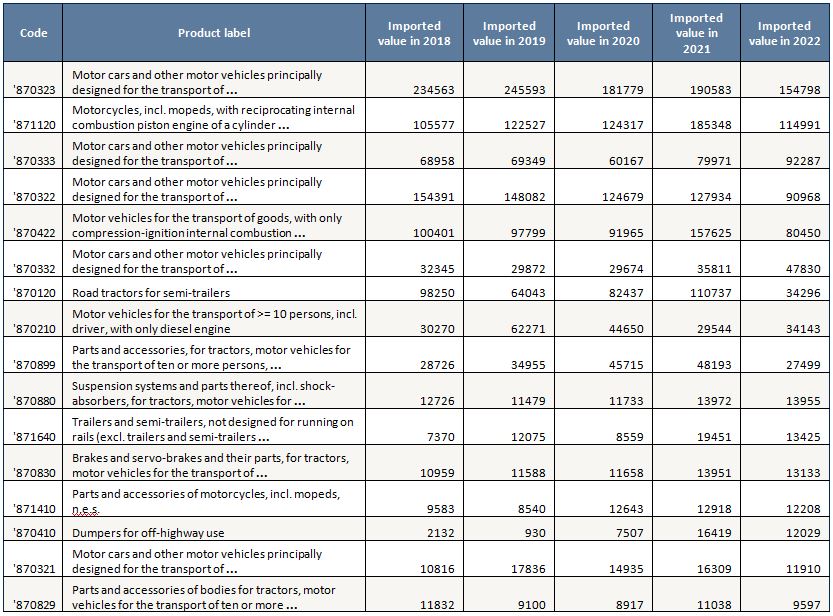
Export Potential to Kenya: Kenya presents opportunities for exporters, particularly in automotive batteries, tyres, spare parts, ball bearings, water pumps, and electronics. African buyers, often price-sensitive, seek low-cost goods, presenting a niche market for exporters.

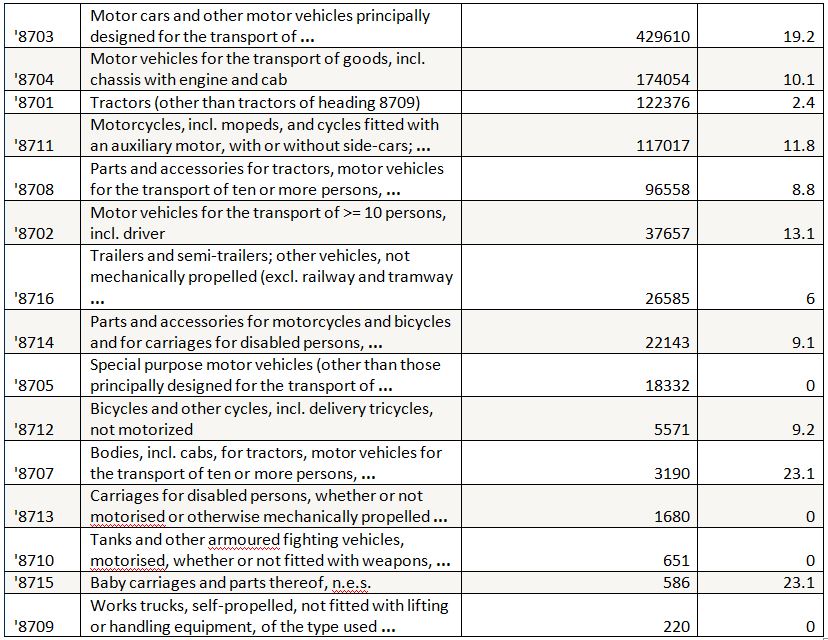
Tariff Structure:Kenya maintains a favorable tariff structure for the import of vehicles, tractor parts and accessories, with average tariffs ranging from 2.4% to 23.1%. This have to study in accordingly your H.S. Code and see your Kenya market potential.

Market Analysis: Examining Kenya import trends, we observe a substantial demand for vehicles and related accessories, with top importing countries including Japan, India, China, South Africa & Thailand, Germany, United Kingdom, Brazil, Turkey, Korea and Mexico. Delving deeper into specific product categories, we identify H.S. Code 87.., encompassing parts and accessories for tractors and motor vehicles, as a promising avenue for export expansion.

In conclusion, Kenya’s automotive market offers ample opportunities for exporters willing to tap into its burgeoning economy. With the right strategy and a keen understanding of local dynamics, exporters can establish a strong foothold.

By Mashood Khan :  Director – Mehran Commercial Enterprises / Expert Auto Sector / Former Chairman PAAPAM

Know Your Vehicle – Behind the Horsepower

Dear Readers: in continuation of last month’s article Crafted with Care: The Human Touch Behind Automotive Excellence is based on its philosophy that elevates the automotive experience, reminding us that the most extraordinary cars are not born on assembly lines, but in the hearts and minds of dedicated individuals who transfer their passion into every drive. As we celebrate the human touch behind automotive excellence, we also honor the rich heritage that informs every design and every decision. Whether drawing inspiration from classic models or pushing the boundaries of technology, automotive craftsmen strike a delicate balance between tradition and innovation, ensuring that each vehicle embodies the spirit of its lineage while embracing the possibilities of the future.

With regards to the vehicle’s outer appearance and performance, the most important for the customer is the vehicle’s interior and Engine Performance, so all of the components inside a vehicle are part of a car that the driver and passengers see most of the time and experience most closely, Automotive technology is the practical application of knowledge about self-propelled vehicles, consider the fast-moving technology are being used by vehicle manufactures and are well considered for the safety as a priority.

In the heart of every automobile lies a symphony of controlled explosions – the internal combustion engine. Often relegated to the realm of horsepower figures and oil changes, this marvel of engineering deserves a closer look. It’s a testament to human ingenuity, a meticulously crafted dance of physics and chemistry that propels us forward. “Behind the Horsepower: Unraveling the Engineering Marvel of an Engine” invites us to peer beneath the surface of the automotive world and discover the incredible complexity and ingenuity that powers our vehicles. From the birth of power in the combustion chamber to the precision engineering that defines modern engines, the journey to unravel the mysteries of the engine is as fascinating as the roads it propels us down.

So, join us as we embark on this adventure of discovery and marvel at the engineering marvel that is the heart of the automobile. In an age dominated by automation and mass production, the essence of true craftsmanship endures as a beacon of distinction. As we delve into the world of automotive excellence, we pay homage to the artisans who honor tradition while embracing innovation. Each vehicle is not merely a product of assembly lines but a labor of love, meticulously crafted by skilled hands that breathe life into steel and leather.

A Controlled Combustion Chamber. Beyond absolute power, today’s engines are also engineered with an eye toward efficiency and sustainability. From direct injection to variable valve timing, these technologies optimize fuel consumption and reduce emissions without compromising performance. As the automotive industry embraces electrification and alternative fuels, engines continue to evolve, ushering in a new era of cleaner, greener mobility. At its core, the engine is a sophisticated air pump. Air and fuel are meticulously mixed and drawn into cylinders. A spark ignites this volatile cocktail, creating a controlled explosion that pushes a piston down. This reciprocating motion, multiplied across multiple cylinders, translates into the rotational force that turns the wheels. This seemingly simple process relies on a complex group of components working in perfect harmony.

  • Valves: Like the lungs of the engine, valves precisely control the intake and exhaust of air and fuel.valves are critical in directing the flow of air, fuel, and exhaust gases. These unsung heroes, meticulously timed and precisely engineered, orchestrate the very essence of engine operation – the controlled combustion cycle.
  • (i) Intake Valves: These valves are responsible for allowing fresh air (or air-fuel mixture in some cases) into the combustion chamber during the intake stroke. They are typically larger than exhaust valves to allow for a sufficient amount of air to enter the cylinder for optimal combustion.
  • (ii) Exhaust Valves: Once the combustion process is complete, exhaust valves open during the exhaust stroke, allowing the spent gases to escape the cylinder and exit the engine. These valves are subjected to high temperatures and require robust materials to withstand the harsh environment.
  • Pistons and Connecting Rods: These tireless workhorses convert the force of the explosion into a linear motion.In the pulsating heart of an internal combustion (IC) engine, a dynamic duo tirelessly translates the fury of combustion into usable power: the piston and connecting rod. These synchronized players are crucial for converting the explosive force within the cylinders into the rotational motion that drives your car forward. Pistons and connecting rods are the unsung heroes of the IC engine. Their robust design, precise movement, and modern advancements ensure the efficient conversion of combustion force into usable power. As engine technology continues to develop, these crucial components will undoubtedly play a vital role in shaping the future of internal combustion engines.
  • Crankshaft: This maestro transforms the pistons’ up-and-down motion into rotational force, ultimately driving the wheels.n the intricate world of the internal combustion (IC) engine, a vital component conducts the symphony of power – the crankshaft. This maestro translates the reciprocating (up-and-down) motion of the pistons into the rotational force that drives your car forward. It’s a testament to engineering ingenuity, transforming linear bursts of energy into smooth, continuous rotation. The crankshaft is the heart of the IC engine’s power delivery system. Its robust design, precise engineering, and modern advancements ensure the smooth and efficient conversion of combustion force into rotational motion. As engine technology continues to develop, the crankshaft will undoubtedly remain a vital component, playing a key role in the future of internal combustion engines.
  • Camshaft: The conductor of the symphony, the camshaft precisely controls the opening and closing of valves.The camshaft plays a critical role in the heart of an IC engine. Its precise design and operation are essential for efficient combustion, optimal performance, and cleaner emissions. As engine technology continues to advance, camshafts will undoubtedly evolve with new functionalities and materials, remaining a vital component in the future of internal combustion engines. In the intricate world of the internal combustion (IC) engine, the camshaft acts as the conductor of a finely tuned orchestra. This crucial component precisely controls the opening and closing of the engine’s valves, ensuring the timely intake of air and fuel, and the efficient expulsion of exhaust gases. It’s the hidden hand that dictates the engine’s breathing rhythm, directly influencing performance, efficiency, and emissions.
  • Ignition System: A precisely timed spark ignites the air-fuel mixture at the optimal moment.the ignition system acts as the spark of life. It’s responsible for generating the high-voltage spark that ignites the air-fuel mixture within the engine’s cylinders, initiating the combustion process that propels your car forward. There are two main types of ignition systems used in IC engines. The ignition system plays a vital role in ensuring efficient and smooth engine operation. By generating the crucial spark at the right time, it initiates the combustion process that propels your vehicle. As engine technology continues to develop, ignition systems will undoubtedly become more sophisticated, utilizing advancements in electronics and materials for even better performance, efficiency, and reliability.
  • Fuel System: Delivers a precise amount of fuel to the engine, ensuring efficient combustion.The fuel system in an internal combustion (IC) engine is the lifeline, meticulously delivering the necessary fuel for the combustion process that keeps your car moving. Here’s a breakdown of this vital system. The fuel system is the unsung hero of the IC engine. By delivering clean fuel in the right amount and at the right time, it ensures smooth operation, efficient power generation, and cleaner emissions. As engine technology continues to develop, fuel systems will undoubtedly evolve to meet future demands for efficiency, performance, and environmental responsibility.

Beyond the Basics: Modern engines are a far cry from their rudimentary ancestors. Technological advancements have revolutionized performance and efficiency, The internal combustion (IC) engine, while a marvel of engineering, offers a fascinating world to explore beyond the fundamentals. As you delve deeper, you’ll discover intricate concepts and cutting-edge advancements that push the boundaries of performance and efficiency. The internal combustion engine, despite its limitations, has been a transformative force. It has powered our transportation revolution, fueled economic growth, and driven human exploration. However, the future beckons with the promise of cleaner alternatives.

  • Computerized Engine Management: In the realm of internal combustion (IC) engines, the shift from mechanical simplicity to computerized control has been a revolution. Enter Computerized Engine Management (CEM), the invisible conductor that orchestrates a symphony of precise actions within your engine. Electronic control units precisely manage fuel injection, ignition timing, and other critical parameters, optimizing performance and minimizing emissions. CEM is a testament to the transformative power of technology in the automotive industry. By taking the reins from mechanical systems, ECUs have revolutionized how IC engines operate, ensuring efficiency, performance, and cleaner emissions. As technology continues to evolve, one thing remains certain: the role of CEM in shaping the future of the automobile is far from over.
  • Turbochargers and Superchargers: These ingenious devices force more air into the engine, boosting power output. In the high-octane world of performance engines, two technologies reign supreme when it comes to squeezing out extra power: turbochargers and superchargers. Both achieve the same goal – forcing more air into the engine for a bigger bang – but they do it in very different ways. Let’s delve into the world of forced induction and see which method might be the perfect fit for your need for speed. Whether you crave the delayed punch of a turbo or the immediate surge of a supercharger, both offer exciting ways to unleash the hidden potential within your engine. By understanding their strengths and weaknesses, you can choose the technology that best suits your driving desires and propels you toward an exhilarating ride.
  • Direct Injection: Precisely injecting fuel directly into the cylinder allows for a more efficient burn. In the realm of internal combustion (IC) engines, the quest for efficiency and performance has led to a technological marvel – Direct Injection (DI). Unlike traditional fuel injection systems that spray fuel into the intake manifold, DI injects fuel directly into the cylinder, right next to the spark plug. This seemingly simple change unlocks significant advantages for modern engines. Direct injection is a game-changer in the world of IC engines. By delivering fuel precisely where it’s needed, DI unlocks a path toward cleaner, more powerful, and fuel-efficient engines. As technology continues to advance, Direct Injection is poised to remain a cornerstone of the internal combustion engine for years to come.

Takeaway from this article:

As we strive for a sustainable future, the internal combustion engine is undergoing a metamorphosis. Hybrid and electric vehicles are gaining traction, offering a glimpse into a future where engines may not roar, but the spirit of innovation continues to propel us forward. The internal combustion engine may be a complex machine, but its fundamental principles are a testament to human ingenuity. From the controlled explosions within its chambers to the technological advancements that have transformed it, the engine is a story of how human creativity shapes the world around us. It may not be the heart of a car, but it’s the undeniable force that keeps it beating.

This exclusive article has been written by Muhammad Rafique sahib for Automark Magazine’s April-2024 printed and digital edition.

Navigating the Global Market Comparative Analysis of Hybrid and Electric Vehicle

Dear Readers in recent years, the automotive industry has witnessed a significant surge in demand for hybrid and electric vehicles (EVs) worldwide. While both technologies promise eco-friendly transportation solutions, there’s been a notable trend favoring hybrid vehicles over pure electric alternatives in various regions across the globe. This article delves into a comprehensive comparative analysis of market demand trends for hybrid and electric vehicles on a regional scale, exploring the driving factors behind the increasing momentum of hybrid vehicles in comparison to EVs.

  1. North America:
    • North America has been a significant market for both hybrid vehicles and EVs. Historically, hybrid vehicles gained popularity earlier than EVs in this region due to the introduction of models like the Toyota Prius. However, EV adoption has been steadily increasing, driven by factors such as government incentives, environmental concerns, and improvements in EV technology.
    • In recent years, there has been a growing preference for EVs, particularly in states like California, which have stringent emission regulations and incentives for zero-emission vehicles.
  2. Europe:
    • Europe has been at the forefront of EV adoption, with several countries implementing ambitious plans to phase out internal combustion engine vehicles in favor of electric vehicles. Norway, for example, has seen a significant increase in EV sales, supported by generous subsidies and incentives.
    • Hybrid vehicles also have a presence in the European market, but EVs have been gaining more traction, especially in countries like Germany, France, and the Netherlands.
  3. Asia-Pacific:
    • The Asia-Pacific region, particularly countries like China and Japan, has emerged as a major market for both hybrid vehicles and EVs. China, in particular, has been aggressively promoting EV adoption through incentives, subsidies, and regulations aimed at reducing pollution and dependence on imported oil.
    • Japan has a strong automotive industry and has been a leader in hybrid vehicle technology, with companies like Toyota leading the market. However, Japan is also investing heavily in EV infrastructure and promoting EV adoption.
    • Other countries in the Asia-Pacific region, such as South Korea and India, are also seeing increasing interest in both hybrid and electric vehicles, driven by factors like urbanization, pollution concerns, and government policies.
  4. Latin America and the Middle East/Africa:
    • Hybrid and electric vehicles have been slower to gain traction in these regions compared to regions like North America, Europe, and Asia-Pacific. Factors such as infrastructure limitations, affordability, and consumer preferences for traditional gasoline-powered vehicles have contributed to this slower adoption.
    • However, there is growing awareness of the environmental benefits of hybrid and electric vehicles in these regions, and some countries are starting to offer incentives and develop infrastructure to support their adoption.

Overall, while hybrid vehicles have been a transitional technology bridging the gap between conventional gasoline vehicles and fully electric vehicles, the market trend is increasingly favoring electric vehicles as technology advances, costs decrease, and governments worldwide implement policies to address climate change and air quality concerns.

Growing Momentum of Hybrid Vehicles: Exploring the Global Shift Away from Pure Electric Vehicles

Introduction

In recent years, the automotive industry has witnessed a significant shift towards more sustainable transportation options, driven primarily by concerns over climate change and environmental sustainability. Among the various alternatives, electric vehicles (EVs) have garnered substantial attention for their potential to reduce greenhouse gas emissions and dependence on fossil fuels. However, despite the growing popularity of EVs, hybrid vehicles have been gaining momentum worldwide. This essay aims to delve into the reasons behind the increasing preference for hybrid vehicles over pure EVs on a global scale.

Understanding Hybrid Vehicles

Hybrid vehicles combine the benefits of traditional internal combustion engines with electric propulsion systems. They utilize both gasoline engines and electric motors to power the vehicle, offering improved fuel efficiency and reduced emissions compared to conventional vehicles. Hybrid systems come in various configurations, including parallel, series, and plug-in hybrids, each offering distinct advantages in terms of performance, efficiency, and environmental impact.

Factors Driving the Momentum of Hybrid Vehicles

  1. Infrastructure and Range Anxiety: One of the primary concerns associated with pure EVs is range anxiety – the fear of running out of battery charge before reaching a charging station. Despite significant advancements in charging infrastructure, including the proliferation of fast-charging stations, range limitations remain a significant barrier for EV adoption, particularly in regions with limited charging infrastructure. Hybrid vehicles alleviate this concern by offering the flexibility of using both gasoline and electric power, eliminating range anxiety and providing drivers with the convenience of refueling at traditional gas stations.
  2. Cost Considerations: While the cost of EVs has been declining steadily, they still tend to be more expensive than their conventional counterparts, primarily due to the high cost of batteries. Hybrid vehicles, on the other hand, typically have a lower upfront cost compared to pure EVs, making them a more financially accessible option for consumers. Additionally, hybrid vehicles benefit from existing manufacturing infrastructure and supply chains, further contributing to their affordability.
  3. Technology Maturity and Reliability: Hybrid technology has been in existence for several decades and has undergone significant refinement and improvement over time. As a result, hybrid vehicles are perceived as more mature and reliable compared to EVs, which are still relatively nascent in terms of technological development. Consumers may feel more confident in the reliability and longevity of hybrid vehicles, particularly in markets where EV adoption is still in its early stages.
  4. Versatility and Flexibility: Hybrid vehicles offer greater versatility and flexibility compared to pure EVs, particularly in regions with diverse driving conditions and infrastructure challenges. In areas with harsh climates or limited charging infrastructure, hybrid vehicles provide a practical alternative that can adapt to various driving scenarios without compromising performance or convenience. Moreover, hybrid technology can be implemented across a wide range of vehicle types, including sedans, SUVs, and trucks, catering to diverse consumer preferences and market segments.
  5. Environmental Impact and Emission Reduction: While pure EVs are often hailed as the ultimate solution for reducing greenhouse gas emissions and combating air pollution, hybrid vehicles also play a significant role in environmental sustainability. By combining electric propulsion with efficient gasoline engines, hybrid vehicles offer substantial reductions in fuel consumption and tailpipe emissions compared to conventional vehicles. While they may not be zero-emission vehicles like EVs, hybrids still contribute to overall emission reduction efforts and can serve as a transitional technology towards a greener transportation future.
  6. Government Policies and Incentives: Government policies and incentives play a crucial role in shaping consumer preferences and driving the adoption of clean vehicles. In many regions, governments offer various incentives, such as tax credits, rebates, and subsidies, to encourage the purchase of hybrid vehicles. These incentives help offset the higher upfront costs associated with clean vehicles and make hybrids more attractive to consumers. Additionally, regulatory measures, such as fuel efficiency standards and emissions regulations, incentivize automakers to invest in hybrid technology as a means of complying with environmental mandates while maintaining market competitiveness.
  7. Consumer Perception and Familiarity: Despite the growing awareness and acceptance of EVs, some consumers remain skeptical about the practicality and convenience of all-electric vehicles. Range anxiety, charging infrastructure limitations, and concerns over battery life and replacement costs contribute to consumer apprehension towards EV adoption. In contrast, hybrid vehicles offer a familiar driving experience similar to conventional vehicles, easing the transition for consumers who may be hesitant to fully embrace electric mobility. The proven reliability and performance of hybrid technology further enhance consumer confidence and acceptance.

Conclusion

In conclusion, hybrid vehicles are experiencing a surge in popularity worldwide, driven by a combination of factors ranging from infrastructure limitations and cost considerations to technology maturity and consumer preferences. While pure electric vehicles continue to garner significant attention for their potential to revolutionize the automotive industry and mitigate environmental impacts, hybrid vehicles offer a pragmatic and versatile solution that addresses the practical concerns and preferences of consumers. As the automotive landscape evolves and sustainability remains at the forefront of global priorities, hybrid vehicles are poised to play a pivotal role in shaping the future of transportation, bridging the gap between conventional internal combustion engines and the electrified future.

This exclusive article has been published in Automark Magazine’s April-2024, printed edition. Written by Aqeel Bashir sb.

An Efficient Mass Transit System is Still an Unfulfilled Dream for Karachites

1947 is the year when Karachi saw a huge influx of emigrants from all over India. In 1947 Karachi population was 450,000 and by 1951 population had crossed one million. In 1950 Karachi improvement trust was established, this institution was primarily responsible for the expansion and management of Karachi city. This trust has given additional responsibility for the management of city transport. But KIT was heavily burdened with the settlement problems of refugees and will not able to make any progress towards the solution of transport problem of the city. Resultantly a new establishment namely Karachi Transport Syndicate introduced and a fleet of 280 buses handed over to this syndicate by the Federal Government. In 1957 the population of Karachi becomes 16 million and city was expanded manifold. Many new housing colonies popped up. So these 280 buses could not solve Karachi public transport problem in any way. By 1957 Karachi transport syndicate was vanished. In 1957 the Karachi administration again made very high plans for Karachi public transport issues and established “Karachi Road Transport Corporation” it is a sort of public private partnership. This corporation brought 324 normal buses and 24 double decker buses on the roads of Karachi. This was the first public transport facilitators who established adequate bus depots with full-fledged workshop facilities but by 1964 this organization became bankrupt due to Un-known reasons.

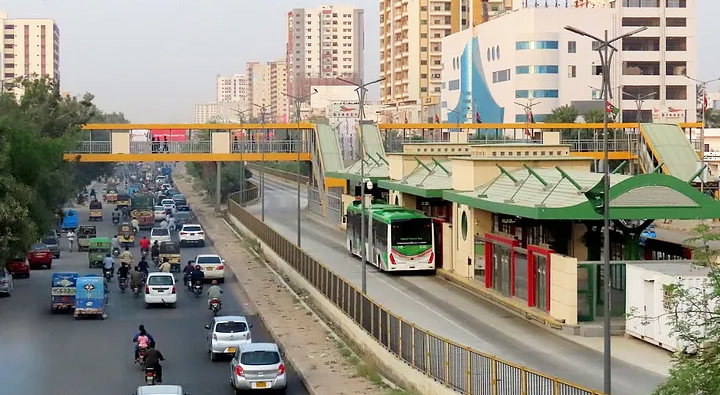
In 1971 Pakistan was broken and West Pakistan becomes whole Pakistan which compromises of four provinces. Karachi became the capital of Sindh province and transportation became a provincial subject. A brand new organization namely Sindh Transport Corporation S.R.T.C came into being. As Karachi is a mega city a separate division of SRTC was created exclusively for Karachi with the name of Karachi Transport Corporation KTC, the initial fleet of this new corporation was comprises of 2000 buses. This organization could not sustain more than 5 years after that some halfhearted efforts were made by city governments but no integrated system can be introduced for public transport system. For many years Karachites were the victims of Transport Mafia they were forced to travel on the roofs of buses and mini buses. After many years of hardships, now there are some says of lights in total darkness. The first Bus rapid transport system – B.R.T.S, namely green line was started upon the instruction of then Prime Minister Nawaz Sharif in February 2016. This was completed and become operational in December 2021. The length of this system is 18 kilometersand around 140 buses plying in this system.

These buses are hybrid and more than one lakh thirty five thousand peoples are commuting daily. Frequency of buses are one bus after every three minutes. This is the third year of this service and running very successfully. Furthermore in the meanwhile an extended route with the name of Orange Line linked with Green Line the total length of this corridor is 4 kilometer, this corridor will facilitate the passengers of Orangi Town. Orangi Town itself having the population of 2.4 million and the area of this town is expanded around 57 square kilometer.

The second mega BRTS project was announced by the Sindh Government which is called Red Line project. Red Line bus route will start from model colony and will end at tower. Project was physically started in August 2022 and its completion was expected by 2024. Unfortunately construction work is not very smooth and often seems to be halted. Even presently the progress is totally stopped. In these circumstances the completion maybe delayed by a year or so. This project is funded by a consortium which includes Asian Development Bank, Asian infrastructure Bank the French Agency for development and the Green climate fund. The project will comprise of 26.5 kilometer length. This project will directly benefit 1.5 million. Karachites and daily expected ridership will be around 350,000 citizens of Karachi. One more very soothing aspect of the project is that 50,000 fruit bearing trees will be planted across the corridor as a part of project.

Transport & Mass Transit Department of Sindh claims that. It is a zero emission transportation system. As 250 redline buses will be Bio Hybrid buses and will use bio gas as fuel. A bio gas plant is being established at Landhi, adjacent to cattle colony which will provide environment friendly fuel locally produced.

The only thing which is not known that when this project will be complete. However you can see red and white buses in Karachiwhich are running on city’s normal roads. This looks a stand by arrangement by Sindh Government. In total these buses are 290 out which 40 white buses are operated on electric. They can travel up to 240 kilometer on a 20 minutes charge they exclusively use solar energy. Solar energy charging station has already established by Sindh Government. The seating capacity of these buses are 30 passengers with additional space for 40 standing passengers. Unfortunately this electric white buses are now missing from the Karachi roads. It is learnt that 25 out 40 buses are grounded due to technical failure. A new consignment of 160 white EV buses is also reached on Karachi port.

A part from this in the first phase 250 red buses are running on seven different routes and will cover 250 kilometer distance in total. Furthermore two more BRTS line are at planning stage which are called Blue Line and Yellow Line. Blue Line will extended from Merewether Tower in Central Karachi to Baharia Town in North East Karachi at a total length of 30 kilometers.Under the project 357,000 passengers will be able to travel annually. Yellow Line will connect NumaishChowrangi with Landhi and Korangi which are eastern and north eastern parts of Karachi.

Still most of the plans and promises of the Government are not fulfilled and one can see most of the lower income group of Karachites are still sitting upon the roofs of buses and overloaded three wheelers called Ching Chee are still order of the day in this mega city.

An Exclusive Interview of Engr. Dr. Alamgir A. Khan

About the Interviewee: “Dr. Alamgir Khan Unveils the Future of Agro-Engineering – Dive into the mind of a patriot and innovator,
Dr. Alamgir Khan, who is revolutionizing agriculture with engineering. His pioneering work in launching a bachelor’s degree in Agro-Industrial Engineering Technology is setting the stage for a sustainable future. This interview is not just a read; it’s a call to action for policymakers, academicians, and practitioners alike. Discover how Dr. Alamgir’s dedication is transforming the backbone of our country. A must-read for visionaries and changemakers.
Engr. Mansoor Rizvi, the interviewer and advisor at Automark International, expresses his gratitude to Engr. Dr. Alamgir on behalf of Automark for taking the time to participate in this esteemed interview.

Question 1: Dear Dr. Khan, could you please provide a brief overview of your contributions to the advancement of agricultural engineering in both Pakistan and Canada?

First and foremost, I would like to express my sincere gratitude for the opportunity to discuss my professional journey on this esteemed platform. Commencing my career in 1988 at the Agricultural Mechanization Research Institute (AMRI), I undertook various assignments that led to significant milestones:

  • Established a cutting-edge laboratory in Pakistan dedicated to the rigorous testing of sprayers and spray nozzles, positioning it as a central national resource for advancing pesticide application techniques in the country.
  • Played a pivotal role as the coordinator of the National Task Force, constituted by the Federal Ministry of Industries and Special Initiatives, contributing significantly to the enhancement of cotton ginning machinery in Pakistan. Implemented innovative features resulting in a 60% increase in machine output, garnering a prestigious recognition through an award.
  • Successfully engineered and introduced multiple farm machines and mechanization techniques, with the majority being successfully commercialized.
  • Contributed to a team effort aimed at improving saline sodic soil with a hardpan in Sheikhupura area of Punjab, Pakistan. Assisted in the development and application of a ripper (bulldozer attached) to effectively break the soil hardpan. Implemented strategies involving the incorporation of gypsum and green manuring, resulting in improved soil health and subsequently enhancing crop yield.

Additionally, I served as a National Resource Expert at the Small and Medium Enterprise Development Authority (SMEDA), conducting training sessions in Punjab and Sindh focused on:
a) Selection of sprayers and pesticide application techniques.
Impact of spray application pressure for reaching target
Microscopic dimensionsphotographic system for spray droplet spectrum

b)Optimal utilization of farm machinery for efficient mechanized farming practices.
Mobile wheat Straw baler
Seed cleaner and grader

c) Introduction to modern cotton ginning machines and comprehensive guidance on their operational procedures.

Improved and standardized cotton Ginstand
Standardized critical components of cotton Ginstand

Newly developed inspection gauges

Question 2: What inspired your journey to Canada, and what valuable insights or experiences did you gain during your time there?
I embarked on my journey to Canada with the goal of pursuing my Ph.D. Engineering degree, aiming to cultivate innovative skills within the dynamic academic landscape. Simultaneously, I explored options for the treatment and care of my special needs son, Muhammad Ossayd Khan.
Throughout my tenure at both the University of Guelph (UoG) and Memorial University, where I served as a graduate research assistant, graduate teaching assistant, and post-doctorate research fellow, I made substantial contributions to various impactful assignments:
a)Pioneering innovative techniques for the bioremediation of petroleum-contaminated soil.
Microbial enumeration system and allied laboratory set up at University of Guelph, Canada
Illustrative representation of the bio-remediation testing system for soil contaminated with petroleum hydrocarbons

b) Analyzing historical data to assess the impact of climate change on frost-free days in Ontario.
c) Implementing vegetative filter strips for effective watershed management.
d) Spearheading the development of hydrochar to enhance soil health and facilitate vegetable cultivation in controlled environments. There was a special emphasis on optimizing the light spectrum for the high-quality production of vegetables in greenhouse.

Question 3: What stands out as your primary contribution as an academic expert?
In Pakistan, despite its agricultural prominence, there is a significant shortage of qualified industrial experts/technicians to support agro-based industries. The majority of these industries in the country operate as small or medium enterprises, with some adhering to seasonal operational cycles. Unfortunately, many of these mills are overseen by illiterate machinists who lack exposure to globally advanced systems. This dearth of qualified industrial technicians results in compromises in automation, product quality, and poses challenges in export efforts.
As previously discussed, my initial contribution centered on improving cotton ginning machinery. The resounding success of this national-level initiative boosted my confidence, prompting me to focus more extensively on the agro-based industry.
Through formal collaboration with stakeholders, I dedicated my efforts to crafting an innovative curriculum, resulting in the successful launch of a demand-driven flagship degree program, “B.Sc. Agro-Industrial Engineering Technology,” which received widespread acclaim nationwide. Additionally, I played a crucial role in facilitating the formal enhancement and authentication of the newly developed curriculum through the National Curriculum Review Committee (NCRC) of the Pakistan Higher Education Commission (HEC).
My commitment extends to contributing expertise to the Pakistan Engineering Council and the National Technology Council of Pakistan. In these capacities, I serve as a team member or team leader for the evaluation of multiple engineering and technology degree programs across the country.
Additionally, I played a key role in the establishment of MNS University of Agriculture, Multan (MNSUAM), serving as a team member. This involved formulating a master plan for developing 500 acres of barren land in Jalalpur Pirwala. Actively participating in the execution, I contributed to the creation of a new department and the successful implementation of a flagship degree program.


Question 4: Given your national and international expertise in improving soil health, particularly in light of its significance for agricultural practitioners in Pakistan, could you offer insights or recommendations on modern techniques to address and enhance soil health in Pakistan?
I acknowledge that the matter of soil health has grown increasingly urgent, presenting silent challenges for the farming community in Pakistan. Additionally, while water management endeavors to enhance conveyance efficiency, there is a notable lack of focus on improving water application efficiency. To tackle this critical concern, it is imperative to embrace modern techniques that can effectively enhance soil health. Here are some recommendations:

  1. In the northern area where all season crop cannot be practiced, cover cropping should be introduced to protect and nourish the soil during off-seasons. Cover crops not only prevent soil erosion but also contribute organic matter, enhancing soil structure and fertility.
  2. For crop protection, avoidexcessive use of synthetic chemicals and promote biological controls options. Organic practices enhance soil microbial activity, improve water retention, and contribute to the overall sustainability of agricultural systems.
  3. Deficiency of organic matter in the Pakistani soil is a pressing concern. Increase the organic matter content of the soil by incorporating organic materials such as compost, crop residues, and animal manure. This enhances soil structure, water retention, and microbial activity.
    I am delighted to share my expertise in the preparation and application of aerobic compost to enrich soil fertility. Managing agricultural waste at the farm level is a formidable challenge mainly due to limited mechanization options, often resulting in harmful practices such as burning of farm wastes, which contributes to smog. In collaboration with Dr. Sarfraz Hashim at MNSUAM, we have successfully addressed this issue by developing a windrow turner. This innovative technology assists farmers in transforming farm waste into a valuable resource through large-scale aerobic composting, ensuring efficient aeration for the rapid degradation of agricultural waste.
    To optimize the benefits of compost in soil, enhance the sustained activity of beneficial microbes, and prevent compost loss, I recommend exploring subsurface compost application in the central and southern regions of Pakistan. These areas, characterized by harsh summers and intense sunlight, often experience challenges in retaining compost on the soil surface. The technology introduced by MNSUAM provides a swift and scalable solution to compost preparation, potentially improving soil health and creating new business opportunities in Pakistan.
    Considering the projected growth of the global compost market, estimated to reach approximately USD 5.7 billion by 2025, there is substantial potential for graduates in Agricultural Engineering to capitalize on emerging business prospects. By embracing this innovative approach, we can contribute to sustainable agricultural practices, promote soil health, improve soil water holding capacity, enhance water application efficiency and tap into the expanding market for compost products.

MNSUAM aerobic compost windrow turning system

Question 5: With your expertise from the Agricultural Mechanization Research Institute and international exposure, we seek your insights on improving local farm machines. Could you guide us on aligning them with global standards for successful export?
I take this opportunity to provide insights into the challenges associated with the quality of locally developed farm machines in Pakistan. Despite the commendable skills possessed by research organizations, academic institutions, and farm machine manufacturers in producing quality machinery, there is a noticeable weak connection due to their dispersed localities. I firmly believe that manufacturers earnestly desire to enhance the quality of their products, with a shared concern about the limited availability of standards, treatment/testing facilities, and necessary materials in close proximity to their industry.
The Agricultural Mechanization Research Institute (AMRI) has made significant strides in formulating specifications for farm machines, potentially serving as a pivotal step towards standardizing farm machinery in Pakistan. Concurrently, the Pakistan Standards and Quality Control Authority (PSQCA) is actively engaging with experts to develop standards that can guide manufacturers in producing reliable machines. Unfortunately, these efforts are not yielding the desired results, primarily due to absence of policy guidelines and poor linkage between stake holders. Pooling expertise can facilitate manufacturers in adhering to quality benchmarks, assisting farmers in selecting high-quality machines, and subsequently boosting the export of farm machinery.
To expedite the production of quality farm machines, it is crucial to consolidate available resources and streamline collaboration among all stakeholders by establishing “Farm Machine Production Parks (FMPPs)” in selected prime agricultural regions of the country. These regions should be chosen based on the concentration of agriculture for farmer feedback, research/academic organizations for regular guidance, and manufacturer and vendor support facilities. I strongly advocate for the creation of at least five such parks in strategic locations of Pakistan, namely Peshawar, Sialkot (Daska Tehsil), Multan, Quetta, and Tandojam, all of which exhibit substantial potential for establishing pioneering parks.
These FMPPs should serve as an autonomous body under the umbrella of provincial government. Special tax rebate may make the system a success. Though each FMPP should be headed by highly qualified and experienced agricultural engineer for a tenure of only three years and selection must be made by FMPP board of directors with approval of provincial government. These FMPPs would function as dedicated industrial estates for farm machinery, featuring essential sub-stations of government institutions and facilities, including:
i. Sub-stations of the Agricultural Engineering Institute (AEI), or AMRI in each FMPP.
ii. Sub-office of PSQCA for on-site regular inspection to ensure quality of farm machine with the assistance of AMRI, providing a stamp of approval to guarantee high quality for local farmers and instill international trust.
iii. Provincial ministry of industries to establish material banks with state-of-the-art facilities for on-site testing of materials and heat treatment options, ensuring the availability of required materials at each FMPP.
iv. Display centers to showcase both local and imported farm machines, providing farmers with an opportunity to visually assess and select machines that align with their specific needs.
v. Academic Institutions to open training centers with the collaboration of provincial agriculture departments and Technology Upgradation and Skill Development Company (TUSDEC) with the aim to offer regular training of intern students, farmers, farm machinery manufacturers, technical staff of agro-based industries and Agricultural Engineering field staff.
vi. Facilitation centers of Trade Development Authority (TDA) for regular updates on international needs and assistance to manufacturers for the adequate export of farm machines.

Question 6: What are your prospective insights regarding the innovative future trends in agricultural engineering?
I believe that agricultural engineering is a dynamic field, characterized by continuous evolution driven by rapid technological advancements. Professionals in this domain must remain up on the latest knowledge and developments. Key areas of emphasis encompass automated farm mechanization, the integration of robots in agriculture, innovative approaches to enhancing water application efficiency, advancements in smart structures for vertical farming (hydroponics, aquaponics, aeroponics) within controlled-environment, and value addition to crops through progressive measures in agro-based industries. Similarly, efforts to reduce greenhouse gas emissions, combat climate change, and promote carbon-neutral development and clean energy in agriculture align with the United Nations Sustainable Development Goals.
The integration of nano-technology is emerging as a promising option. The synergy between agricultural engineering and nano-technology fosters the development of novel agrochemicals, including nano-fertilizers and nano-pesticides. Agricultural engineering plays a fundamental role in development and usage of nano-technology, development of innovative equipment for applying nano agrochemicals and nano-sensors for disease identification.
Agricultural engineering involves not only traditional mechanical engineering but also branches like mechatronics, control engineering, information of things (IoT), and advanced knowledge of microbiology should be incorporated in the curriculum of Agricultural Engineering degree programs in Pakistan.
In Pakistan, numerous agro-based industries are overseen by skilled yet illiterate mechanics, facing challenges in adopting innovative advancements. Their limited proficiency in modern technology leads to increased operational costs, compromises on automation, and adversely affects product quality, impeding international competitiveness. To tackle this challenge, there is an urgent need to enhance agricultural engineering programs by introducing a new stream, such as B.Sc. Agro-industrial engineering technology, with a focus to produce skilled process engineering entrepreneurs to offer regular consultancy to the agro-based industry.
Implementing these recommendations could create a synergistic effect, leading to increased job opportunities and a boost in export potential. This approach aims to produce high-quality, value-added agricultural products, contributing to the growth and competitiveness of the agriculture sector.

About the Interviewee:
“Dr. Alamgir Khan Unveils the Future of Agro-Engineering – Dive into the mind of a patriot and innovator, Dr. Alamgir Khan, who is revolutionizing agriculture with engineering. His pioneering work in launching a bachelor’s degree in Agro-Industrial Engineering Technology is setting the stage for a sustainable future. This interview is not just a read; it’s a call to action for policymakers, academicians, and practitioners alike. Discover how Dr. Alamgir’s dedication is transforming the backbone of our country. A must-read for visionaries and changemakers.”
Engr. Mansoor Rizvi, the interviewer and advisor at Automark International, expresses his gratitude to Engr. Dr. Alamgir on behalf of Automark for taking the time to participate in this esteemed interview.

How Snow Mode Works in ICE & EV Cars

Snow mode, also known as winter mode, is a feature equipped with many modern Internal Combustion Engine (ICE) cars and Electric Vehicles (EVs) to enhance traction and stability in slippery or snowy conditions. Snow mode adjusts various vehicle systems, such as traction control, throttle response, transmission shift points, and sometimes suspension settings.

The specific functionality can vary between ICE cars and EVs, but the general purpose is to optimize the vehicle’s performance in adverse weather conditions.

A:Snow Mode in ICE Cars:

  1. Traction Control:
  2. Snow mode often adjusts the vehicle’s traction control system. Traction control helps prevent wheel spin during acceleration by reducing engine power or applying brakes to specific wheels. In snow mode, the traction control system may be less aggressive to allow for a certain amount of wheel slip, which can help prevent wheels from spinning excessively on slippery surfaces like snow or ice, allowing the vehicle to maintain traction and move forward more effectively.
  • Stability Control:
  • In addition to traction control, snow mode may also adjust the vehicle’s stability control system to help maintain stability during cornering and sudden maneuvers on slippery surfaces. Stability control systems are designed to prevent skidding and loss of control. In snow mode, the stability control system may be adjusted to be less intrusive, allowing for more freedom of movement in situations where some wheel slip is acceptable.
  • Throttle Response:

Snow mode alters the throttle response sensitivity. Making throttle less sensitive to inputs, helps to prevent rapid acceleration that could lead to wheel spin on slippery surfaces. This helps drivers maintain smoother acceleration, reducing the likelihood of wheel spin on slippery surfaces.

  • Transmission Settings:
  • Some vehicles with automatic transmissions have different shift patterns in snow mode. The transmission may start in a higher gear to minimize wheel spin during acceleration and the transmission’s shift points keep the vehicle in lower gears for longer, which can provide better traction and control in slippery conditions.
  • Anti-Lock Braking System (ABS):
  • Some snow modes may adjust the braking system to provide more gradual and controlled braking, reducing the risk of skidding on icy or snowy roads. Snow mode might also affect the ABS, which prevents wheel lockup during hard braking. The ABS in snow mode may be tuned to allow for a bit more wheel slip to optimize braking performance on slippery surfaces.
  • Steering: In some advanced systems, snow mode may also adjust the steering response to provide better control and stability in snow or ice.

A: Snow Mode in EV Cars: In Electric Vehicles (EVs), the “snow mode” or “winter mode” is a feature designed to optimize the vehicle’s performance and handling in snowy or slippery conditions. While the specific functionalities can vary between different EV models and manufacturers, here are some common features associated with snow mode in electric vehicles:

  1. Traction Control: Snow mode often adjusts the traction control system to provide a better grip on slippery surfaces. This may involve fine-tuning the power delivery to each wheel to prevent wheel spin and improve overall traction.
  • Regenerative Braking: Some BEVs use regenerative braking to capture and store energy during deceleration. In snow mode, regenerative braking might be adjusted to be less aggressive to avoid wheel lock-up and maintain better control on icy or snowy roads.Regenerative braking captures energy during deceleration, but in snowy conditions, the system might be tuned to provide smoother and more predictable braking to avoid skidding.
  • Power Delivery: Snow mode may modify how power is delivered to the wheels. It might optimize torque distribution between the front and rear axles to enhance stability and traction, especially in situations where one set of wheels may be slipping.
  • Throttle Response: The sensitivity of the accelerator pedal (throttle response) may be altered in snow mode to prevent sudden acceleration, providing better control on slippery surfaces.
  • Battery Management: In extremely cold conditions, maintaining the optimal temperature of the battery is crucial for performance. Snow mode may adjust the thermal management system to ensure that the battery operates efficiently in low temperatures.Snow mode may also affect the heating systems in the vehicle. It could prioritize warming up critical components, such as the battery, more quickly to ensure optimal performance in cold weather.
  • Stability Control: Some EVs have stability control systems that can be adjusted in snow mode. These systems may intervene to help the driver maintain control by selectively applying brakes to individual wheels or adjusting power delivery.
  • User Interface: In addition to the technical adjustments, snow mode may change the information displayed on the vehicle’s dashboard, providing feedback to the driver about road conditions and the status of various systems.

Summary:

ICE Vehicles: Specific features and behaviors associated with snow mode can vary between vehicles, depending on the vehicle make and model. Some vehicles may have a dedicated “Snow” mode, while others may incorporate these adjustments as part of a broader “Drive Mode” system that includes settings for different driving conditions (e.g., Normal, Eco, Sport, and Snow). Additionally, newer vehicles with advanced electronic stability control systems may automatically adjust various parameters based on sensors detecting slippery conditions, even without the driver manually selecting a snow mode.

EV Vehicles: It’s important to note that the availability and functionality of snow mode can vary, and not all EVs have a dedicated snow mode. Drivers should refer to the vehicle’s manual or consult with the manufacturer to understand how the snow mode operates in their specific EV model.

This exclusive article has been published in Automark Magazine’s March-2024 printed edition.

Unveiling Egypt’s Export Potential: A Market Analysis

Egypt, with its strategic location, burgeoning population, and diverse economic landscape, presents a compelling opportunity for exports. As we delve into the economic indicators and trade dynamics of this vibrant nation, we uncover avenues for potential growth and market entry strategies.

Economic Overview: In 2021, Egypt’s GDP composition showcased the dominance of services, followed by manufacturing, other industrial activities, and agriculture. While private consumption fueled a significant portion of GDP, the country grappled with high inflation rates and substantial government debt. Despite economic challenges, Egypt remains an attractive destination for exporters, bolstered by its large population and strategic position in the MENA region.

Key Economic Indicators:
Country Name: The Arab Republic of Egypt
Population: 109.3 million
GDP Annual Growth: 3.2%
GDP Per Capita: $4,505
Inflation Rate: 29%
Interest Rate (AVG): 9.78%
Government Debt to GDP ratio (AVG): 86.7%
Exchange Rate: 1 USD = 30.90 Egyptian Pound

Trade and Transportation: Egypt’s trade routes via sea and air offer convenient access to global markets. Ports like Ain Sokhna and Damietta serve as vital gateways for maritime trade & tentatively arrival time between 12 to 20 days, with efficient transit times to and from major hubs like Karachi. Additionally, air connections between Jinnah Airport in Karachi and Egyptian destinations facilitate swift transportation, enabling seamless trade flows between the two nations.

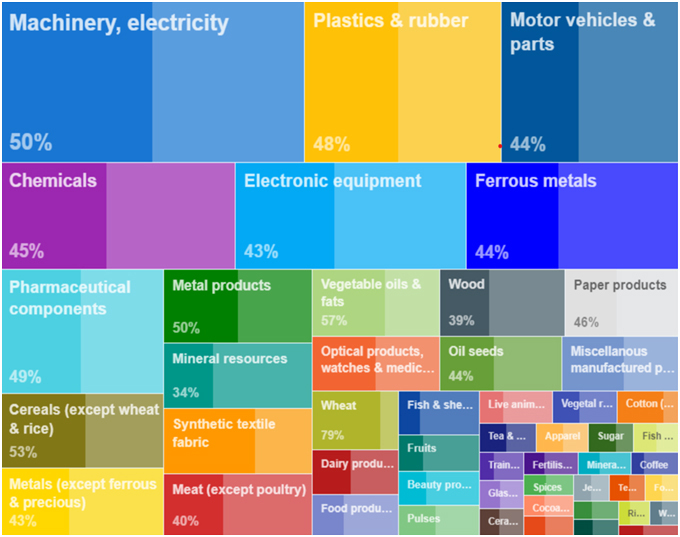
Export Products with potential to EGYPT

Tariff Structure: Egypt maintains a favorable tariff structure for the import of tractor parts and accessories, with average tariffs ranging from 3.7% to 4.1%. This presents a conducive environment for exporters seeking to penetrate the market with related products.

Market Analysis: Examining Egypt’s import trends, we observe a substantial demand for vehicles and related accessories, with top importing countries including Germany, China, USA, Korea, UK, Czech Republic, Japan, India, and Turkey. Delving deeper into specific product categories, we identify H.S. Code 8708, encompassing parts and accessories for tractors and motor vehicles, as a promising avenue for export expansion.

Strategic Imperatives: For exporters eyeing the Egyptian market, a targeted approach focusing on identified product categories is paramount. Conducting thorough market research, understanding local preferences, and forging strategic partnerships are essential steps towards establishing a foothold in this dynamic market.

In conclusion, Egypt’s export potential is ripe for exploration, offering a gateway to the MENA region and beyond. With a proactive strategy and a nuanced understanding of market dynamics, exporters can capitalize on the myriad opportunities that this vibrant economy presents.

Mashood Khan
Director – Mehran Commercial Enterprises / Expert Auto Sector / Former Chairman PAAPAM. Published in Automark Magazine March-2024 printed edition.