Home Blog Page 24

Impact of Lean techniques combined with process automation

Dear friends, Happy Eid al-Adha…

The automotive industry in Pakistan is currently facing a number of challenges and the future of the industry seems to be uncertain, but there are some positive signs that the sector could rebound in the coming years. The government’s new auto policy is a step in the right direction, and if it is implemented effectively, it could help to revive the industry.This article is about Lean Techniques and Process Automation

Automotive manufacturing is a critical industry that plays a significant role in the global economy. It involves the production of vehicles, including cars, trucks, and buses, as well as their various components and parts.  The different processes involved in automotive manufacturing include casting and molding, sheet metal forming, welding, machining, assembly, surface treatment, quality control and testing, supply chain management, lean manufacturing, and automation and robotics. Each of these processes plays a vital role in producing high-quality, safe, and efficient vehicles that meet the needs and expectations of consumers.

Toyota: Toyota is a pioneer in the use of lean techniques. The company has used these techniques to achieve world-class levels of efficiency and quality. Toyota’s lean production system is based on the principles of just-in-time, total productive maintenance, and kaizen (continuous improvement). using lean techniques to improve the efficiency of its assembly lines. The company has implemented systems to control the flow of materials through the lines, and it is also using value stream mapping to identify and eliminate waste.  Also using lean techniques to automate production, the company has implemented a number of lean principles, including value stream mapping, kanban, and JIT, lean techniques have helped it to achieve a high level of efficiency in the production of its vehicles. The use of lean techniques in the automotive industry is likely to continue to grow in the future. As technology advances, new lean solutions will become available that can help companies to improve their operations.

The automobile industry has witnessed significant advancements in recent years, with technology revolutionizing various aspects of vehicle manufacturing and assembly. Among these technological advancements, process automation has emerged as a key driver of efficiency and productivity in the automobile manufacturing sector. This article explores the role of process automation in the automobile industry, its benefits, and the various applications that have transformed the industry. Process automation refers to the utilization of technology and software to automate repetitive tasks and streamline workflows. In the context of the automobile industry, process automation involves employing advanced technologies, such as robotics, artificial intelligence (AI), and the Internet of Things (IoT), to automate various manufacturing processes and enhance operational efficiency.

There are many benefits to process automation in the automotive industry. Automation can help to improve efficiency, quality, and safety. It can also help to reduce costs and increase productivity. Automation can help to streamline processes and eliminate waste. This can lead to significant improvements in efficiency, which can save time and money, system helps to ensure that products are consistently produced to high standards. This can reduce the number of defects and improve customer satisfaction.  Automation can help to create a safer work environment by reducing the risk of injuries. This is especially important in the automotive industry, where there are many potential hazards. Ultimately with the automation system implementation, we can help to reduce costs by eliminating the need for human labor in some tasks. This can free up workers to focus on more complex and value-added tasks. Automation can help to increase productivity by allowing companies to produce more products in less time. This can give companies a competitive advantage in the marketplace.

There are many different types of process automation used in the automotive industry. Some of the most common types include, (i) Robotics: Robots are used for a variety of tasks in the automotive industry, including welding, assembly, and painting. Robots can work faster and more precisely than humans, and they can be programmed to perform repetitive tasks with a high degree of accuracy. (ii) Machine vision: Machine vision systems are used to inspect products for defects. These systems use cameras and computer software to identify and measure defects. Machine vision systems can be used to inspect a wide variety of products, including cars, trucks, and electronic components. (iii) 3D printing: 3D printing is used to create prototypes and tooling for new vehicles. 3D printing is a rapid prototyping technology that allows companies to create complex parts quickly and easily. (iv) Artificial intelligence (AI): AI is used in the automotive industry for a variety of tasks, including predictive maintenance, quality control, and autonomous driving. AI can be used to analyze data and make predictions about future events. This can help companies to improve efficiency, quality, and safety.

Lean techniques are a set of principles and practices that aim to improve efficiency and waste reduction in manufacturing processes. They can be used in conjunction with process automation to achieve even greater levels of efficiency and productivity.Some of the most common lean techniques used in the automotive industry include (i) Value stream mapping: This is a technique for visualizing and understanding the flow of materials and information through a manufacturing process. It can be used to identify waste and bottlenecks and to improve the flow of the process. (ii) Kanban: This is a system for controlling the flow of materials through a manufacturing process. It uses visual signals to indicate when materials need to be replenished. (iii) Just-in-time (JIT): This is a system for delivering materials to a manufacturing process as they are needed. This helps to reduce inventory levels and waste. (iv) Total productive maintenance (TPM): This is a system for preventing and reducing equipment failures. It involves a team-based approach to maintenance that focuses on the root causes of problems.

benefits: (i) Improved efficiency: Lean techniques can help to identify and eliminate waste in manufacturing processes. This can lead to significant improvements in efficiency, which can save time and money. (ii) Increased quality: Lean techniques can help to ensure that products are consistently produced to high standards. This can reduce the number of defects and improve customer satisfaction. (iii) Enhanced safety: Lean techniques can help to create a safer work environment by reducing the risk of injuries. This is especially important in the automotive industry, where there are many potential hazards. (iii) Reduced costs: Lean techniques can help to reduce costs by eliminating the need for human labor in some tasks. This can free up workers to focus on more complex and value-added tasks. (iv) Increased productivity: Lean techniques can help to increase productivity by allowing companies to produce more products in less time. This can give companies a competitive advantage in the marketplace.Lean techniques can play a significant role in the process automation of the automotive industry. By helping to identify and eliminate waste, improve quality, enhance safety, reduce costs, and increase productivity, lean techniques can help companies to achieve their manufacturing goals.

The Future of Process Automation in the Automotive Industry: The use of process automation in the automotive industry is expected to continue to grow in the future. As technology advances, new automation solutions will become available that can help companies to improve their operations.Some of the trends that are expected to drive the adoption of process automation in the automotive industry. As vehicles become more complex, the need for automation to ensure quality and safety will increase. The ability to automate the production of customized vehicles will be essential for companies to meet the needs of their customers. Autonomous driving will require a high degree of automation in the vehicle and in the infrastructure around it.Processautomation is a key technology that is helping the automotive industry to improve its operations. As the industry continues to evolve, the use of process automation is expected to play an even greater role.Process automation is a powerful tool that can help the automotive industry to improve its efficiency, quality, safety, and productivity. As the industry continues to evolve, the use of process automation is expected to play an even greater role. Process automation is a powerful tool that can help the automotive industry to improve its efficiency, quality, safety, and productivity. As the industry continues to evolve, the use of process automation is expected to play an even greater role.

Lean Techniquesin the Aspect of Supply Chain Management System.By using these techniques, companies can reduce costs, improve delivery times, and increase traceability. This can help them to meet customer demand, improve customer satisfaction, and gain a competitive advantage. Lean techniques and process automation are two important tools that can be used to improve the efficiency and effectiveness of a supply chain management system.Lean techniques are a set of principles and practices that aim to eliminate waste and improve efficiency in manufacturing processes.Process automation is the use of technology to automate tasks in a manufacturing process. This can include the use of robots, machine vision, and other automation technologies. Process automation can help to improve efficiency, reduce costs, and improve quality.Lean techniques and process automation can be used to improve supply chain management in a number of ways. For example, they can be used to:Reduce inventory levels: By using JIT, companies can reduce the amount of inventory they need to hold. This can save money on storage costs and improve cash flow.Improve delivery times: By automating tasks and streamlining processes, companies can improve delivery times. This can help them to meet customer demand and improve customer satisfaction.Increase traceability: By using tracking systems, companies can track the movement of products through the supply chain. This can help them to identify problems and improve visibility.Reduce costs: By eliminating waste and improving efficiency, companies can reduce costs. This can improve profitability and give them a competitive advantage.

Automotive manufacturing involves the transformation of raw materials into finished products, such as cars, trucks, and buses. This process can be broadly divided into four stages: design, engineering, production, and quality control and testing. During the design stage, designers and engineers work together to create vehicle concepts, develop designs, and conduct virtual simulations to optimize performance, safety, and fuel efficiency. The engineering stage involves the development of prototypes, the refinement of designs, and the testing of components and systems to ensure they meet the required quality standards. The production stage involves the actual manufacture of the vehicle, which can be divided into manual assembly and automated assembly processes. Manual assembly involves the use of human labor to assemble parts and components, while automated assembly involves the use of machines and robotics to perform assembly tasks. Finally, the quality control and testing stage is critical for ensuring that the finished product meets the required safety and performance standards. Quality control and testing procedures include incoming material inspection, in-process inspection, final inspection, crash testing, emissions testing, durability testing, and road testing.

Takeaway from this article:

The importance of automotive manufacturing to the global economy cannot be exaggerated. The automotive industry is a major contributor to global GDP and employment, with millions of people employed in manufacturing, distribution, and dealership/vendor, supplier. The automotive industry plays a critical role in driving technological innovation and advancing sustainable development. With the increasing focus on electric and hybrid vehicles, as well as the development of autonomous driving technologies, the automotive industry is poised to continue driving innovation and shaping the future of transportation. When lean techniques and process automation are used together, they can create a powerful synergy. Lean techniques can help to identify the areas where automation can be most beneficial, and process automation can help to eliminate waste and improve efficiency. This can lead to significant improvements in productivity, quality, and profitability.

This exclusive article has been published in Automark Magazine, July-2023 printed edition.
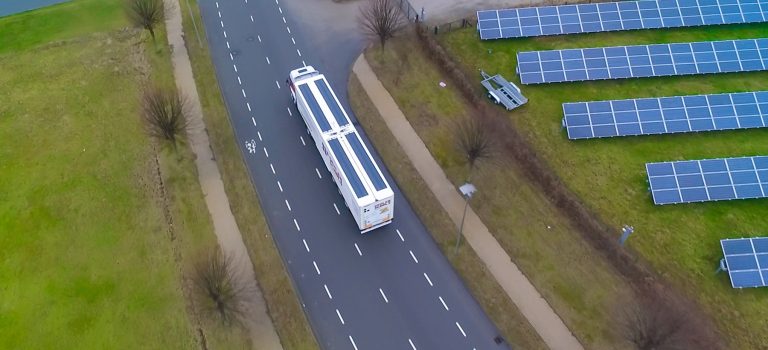
Harnessing the Sun’s Power: Unveiling the Self-Recharging Solar Roof for Vehicles

“In this article, we delve into the concept of the self-recharging solar roof, explore its benefits, highlight key challenges, and showcase companies at the forefront of this transformative technology.”

Introduction

In the quest for sustainable energy solutions, the automotive industry has witnessed a groundbreaking development: the integration of solar panels into vehicle roofs. This innovation allows vehicles to harness the power of the sun for self-recharging; presenting a remarkable solution to reduce reliance on traditional energy sources and mitigate the environmental impact of transportation. The transportation sector is one of the largest contributors to greenhouse gas emissions, accounting for about 29% of global emissions in 2020. Electric vehicles (EVs) offer a promising solution to this problem, as they produce zero emissions when running on electricity.

However, one of the main challenges with EVs is their range anxiety, or the fear of running out of battery power before reaching your destination. Self-recharging solar roofs for vehicles offer a potential solution to range anxiety. These roofs use solar panels to generate electricity, which can be used to power the vehicle’s battery. This can help to extend the range of an EV and make it more convenient to own.

Harnessing Solar Power for Sustainable Mobility

Integrating solar panels into a vehicle’s roof unlocks the potential to capture sunlight and convert it into electricity. Photovoltaic (PV) cells, the core technology of solar panels, utilize the photovoltaic effect to generate electric current when exposed to sunlight. These cells contain semiconductor materials like silicon, which absorb photons and release electrons, creating a flow of electricity.

Revolutionary Benefits for Vehicles

Extended Range: By leveraging the power of the sun, a self-recharging solar roof can supplement the vehicle’s power supply, leading to an extended driving range. Solar panels continuously generate electricity during daylight hours, allowing for ongoing battery recharging while the vehicle is in use.Solar roofs can generate up to 7.5 miles of additional range per hour of charging. This means that, in theory, a vehicle with a solar roof could be driven indefinitely as long as it is parked in the sun.

Energy Efficiency Boost: Solar panels integrated into the vehicle’s roof enhance energy efficiency by harnessing solar energy and reducing reliance on fossil fuels. This renewable energy source enables the vehicle to be more environmentally friendly and economically sustainable in the long run.

Reduced Environmental Footprint: The self-recharging solar roof significantly reduces the carbon footprint associated with transportation. By utilizing clean and renewable solar energy, vehicles equipped with solar roofs actively contribute to reducing air pollution and combating climate change.

Leading Companies Pioneering Self-Recharging Solar Roofs

Tesla

Renowned for its innovative electric vehicles, Tesla has been at the forefront of integrating solar technology into its cars. With their Model S, Model 3, and Model X, Tesla offers an optional glass roof equipped with solar panels that contribute to charging the vehicle’s battery. While the primary charging still relies on traditional methods, the solar roof provides supplementary power.These solar panels help increase the overall efficiency and range of the vehicles.

Lightyear

Lightyear, a Dutch startup, has developed the Lightyear One, an electric vehicle equipped with solar panels covering its roof and hood. These advanced solar panels are designed to be more efficient than conventional ones, allowing the vehicle to charge its battery both while driving and when parked. The Lightyear One boasts an impressive range, partially achieved through its self-recharging solar roof.The Lightyear One’s solar roof significantly extends its driving range.

Sono Motors

German startup Sono Motors has gained recognition for its Sion, an electric vehicle featuring integrated solar panels. The Sion’s solar panels are embedded in the body and roof, enabling it to charge its battery while being driven or parked. Sono Motors promotes the concept of “exterior charging” by utilizing the vehicle’s surface area to capture solar energy and reduce dependence on external charging stations.

These are just a few examples of vehicles that have already implemented self-recharging solar roof technology. As the demand for sustainable transportation grows, more manufacturers are likely to explore and integrate this innovative solution into their vehicle designs, expanding the options available to environmentally conscious consumers.

Challenges and Future Developments

Transparent Solar Materials: Designing solar sunroofs that maintain transparency while efficiently generating electricity is a challenge that requires innovative approaches to material science and engineering.

Flexibility and Adaptability: Creating solar panel modules that can adapt to various vehicle roof designs while maintaining optimal energy generation is a unique design consideration in electric vehicles with solar sunroofs.

UserInterface and Feedback: Providing real-time feedback on solar energy generation and usage through intuitive user interfaces enhances the user experience and promotes sustainable driving habits.

Smart Energy Management: Integrating solar energy into advanced energy management systems enables intelligent power distribution, optimizing the usage of solar power for various vehicle systems and charging requirements.

Customization Options: Offering customization options for solar sunroofs allows vehicle owners to personalize their vehicles, presenting design challenges in terms of modularity, compatibility, and ease of installation.

Materials and Manufacturing Processes: Developing lightweight and durable materials specifically designed for solar sunroofs in electric vehicles requires sustainable manufacturing practices and innovative material choices.

Advanced Tracking Systems: Implementing tracking systems that adjust the angle and orientation of solar panels for optimal sunlight exposure adds complexity to the design process, requiring reliable and efficient mechanisms.

Regenerative Solar Charging: Exploring technologies that enable solar panels to generate electricity while the vehicle is in motion introduces design complexity related to energy generation, storage, and power transfer optimization.Efficiency Enhancement: Improving the efficiency of solar panels is crucial for maximizing energy conversion. Ongoing research focuses on enhancing panel design, exploring new materials, and optimizing energy-capturing technologies to increase the efficiency of solar cells.

Cost Reduction: The cost of integrating solar panels into vehicles remains a significant obstacle. However, as solar technology advances and economies of scale are achieved through mass production, the cost is expected to decrease, making it more accessible for consumers.

Weather Effect:Solar roofs can be affected by weather conditions, such as clouds and rain, which can reduce their efficiency. However, solar roofs can still generate electricity in cloudy conditions, and they can even generate electricity in the rain.

The Future Outlook

Despite the challenges, the self-recharging solar roof has the potential to revolutionize the automotive industry and pave the way for sustainable transportation. Continued research and technological advancements are expected to improve solar panel efficiency and decrease manufacturing costs. As the world becomes more environmentally conscious, the demand for eco-friendly vehicles is likely to increase, making self-recharging solar roofs an attractive option for consumers.

Conclusion

The integration of self-recharging solar roofs in vehicles represents a paradigm shift toward sustainable transportation. With benefits such as extended range, enhanced energy efficiency, and reduced environmental impact, this technology holds immense promise. Pioneering companies like Tesla, Lightyear, and Sono Motors are leading the way by incorporating solar panels into their vehicle designs. While challenges such as space limitations and cost-effectiveness persist, ongoing advancements and increasing consumer demand for eco-friendly solutions are driving the future of self-recharging solar roofs.

By harnessing the power of the sun, vehicles equipped with this technology contribute to a greener and more sustainable mobility landscape. As a result, I believe that self-recharging solar roofs for vehicles will become increasingly common in the years to come. They have the potential to revolutionize the way we power our vehicles and make a positive impact on the environment.

This exclusive article has been published in Automark Magazine’s July-2023 printed edition, written by Ejaz Ahmed

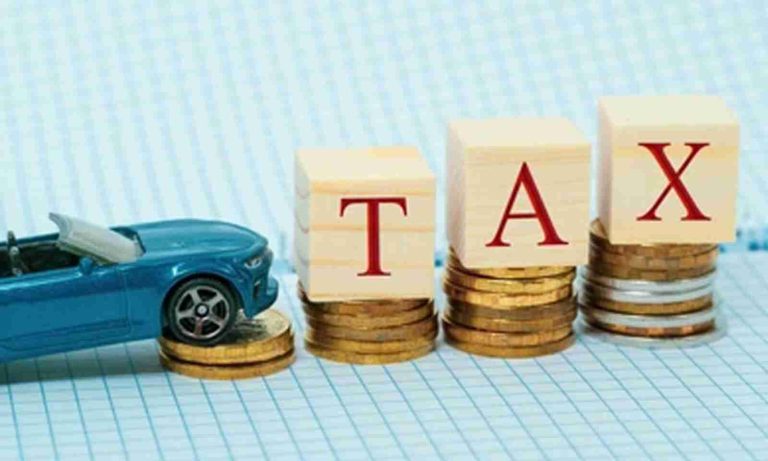
Contingency plans considering High Taxes on Automobile & related Industry during economic recession

Dear Readers according to study duringeconomic recession with high taxes on the automobile and related industry, businesses may need to implement contingency plans to mitigate the impact on their operations. Here are some potential strategies & threats one would be considering:

  1. Cost Reduction Measures: Implement cost-cutting measures across the organization to offset the impact of high taxes. This could involve reducing non-essential expenses, renegotiating contracts with suppliers, and optimizing operational efficiency to minimize wastage.
  2. Diversification of Revenue Streams:Explore opportunities to diversify revenue streams by expanding into new markets or product lines. For example, automobile manufacturers could consider investing in electric or hybrid vehicles, which may have different tax incentives or customer demand during a recession.
  3. R&D and Innovation: Emphasize research and development efforts to create innovative and cost-effective solutions. This could involve investing in technology advancements, streamlining manufacturing processes, and developing more fuel-efficient or environmentally friendly vehicles.
  4. Market Expansion: Seek opportunities to expand into international markets with more favorable tax environments. This may involve forming partnerships or establishing manufacturing facilities in countries with lower taxes or supportive policies for the automobile industry.
  5. Government Advocacy: Engage in dialogue with government officials and industry associations to advocate for more favorable tax policies. Collaborate with other industry players to present a unified voice and propose alternatives that can help mitigate the negative impact on the industry and preserve jobs.
  6. Customer Incentives and Marketing Strategies: Implement customer incentives such as discounts, rebates, or financing options to stimulate demand during an economic downturn. Adjust marketing strategies to highlight the value proposition of products and services despite higher taxes, emphasizing factors like fuel efficiency, durability, or cost savings over the long term.
  7. Workforce Optimization: Assess workforce needs and make adjustments accordingly. This may involve temporarily reducing work hours, implementing hiring freezes, or exploring remote work options to optimize labor costs while maintaining productivity.
  8. Financial Planning and Risk Management: Strengthen financial planning and risk management practices to ensure the business remains resilient. This includes maintaining sufficient cash reserves, managing debt levels, and diversifying suppliers to mitigate potential disruptions in the supply chain.
  9. Job losses and economic impact: The decline in automobile sales and production can result in job losses across the industry. As automakers and related businesses cut back on their workforce, unemployment rates may rise, and workers may face financial difficulties. Additionally, the economic impact spreads beyond the industry itself, affecting businesses that rely on the automotive sector, such as suppliers, dealerships, and service providers.
  10. Decreased investment: High taxes on the automobile industry can also discourage investment in the sector. Investors may view the higher tax burden as a barrier to profitability and, therefore, choose to invest their capital in other industries with more favorable tax conditions. Reduced investment can limit the industry’s ability to innovate, develop new technologies, and create jobs, further exacerbating the economic challenges during a recession.
  11. Decline in sales and production: Reduced consumer demand directly affects the sales and production of automobiles. When fewer cars are sold, automakers may experience a decline in revenue and profitability. To cope with the lower demand, they may reduce production, leading to layoffs or reduced working hours for employees. This can have a ripple effect on the entire automotive supply chain, including parts manufacturers, dealerships, and other related industries. It’s important to note that the specific contingency plans will vary depending on the nature and size of the business, as well as the prevailing tax policies and economic conditions. Businesses should closely monitor the situation, adapt their strategies accordingly, and seek professional advice when necessary.

This Exclusive article has been published in Automark Magazine – International, printed edition of July-2023. By Aqeel Bashir

Thailand’s largest auto parts company Aapico to invest RM140 million to produce components together with PROTON

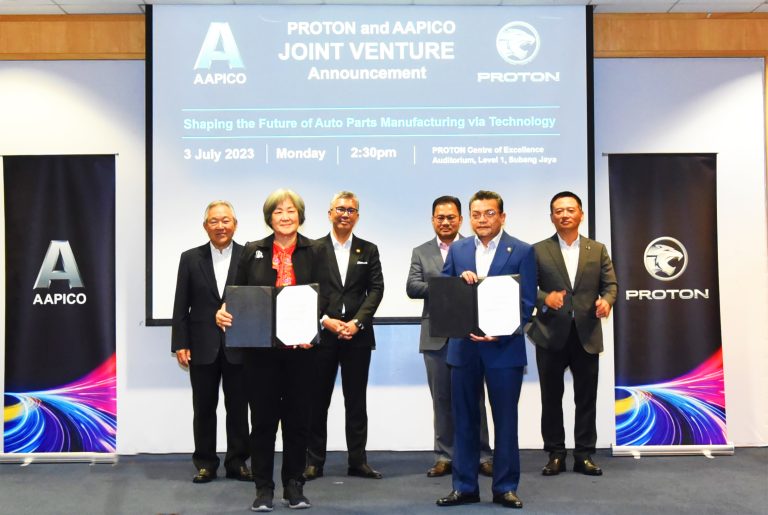
Continuing its journey to reach its long-term goal of being the preeminent automotive brand in Malaysia, national carmaker PROTON is collaborating with AAPICO Hitech Public Company Limited (Aapico) via its subsidiary, Advance Vehicle Engineering Global Sdn Bhd (AVEE Global), to produce dies, jigs, hot stamping parts, body assembled parts and chassis components. The collaboration will see Aapico acquiring 60 per cent of AVEE Global from PROTON with the latter retaining a 40 per cent share in the company that will be renamed as Aapico Avee Sdn. Bhd.

The partnership, which was formalised on 26 June 2023, will see Aapico, one of Thailand’s largest auto parts companies, making an initial investment of RM40 million into AVEE Global’s 20-acre facility with plans for further expansion to cater to the growing demand for PROTON vehicles and the overall automotive sector. Another RM100 million in investment is planned for 2024, for plant extensions and the acquisition of new machinery. 

The operational manufacturing facility will soon be ramping up its production volume with new products in the pipeline. Bringing its vast experience and expertise, Aapico will be managing operations and introducing new technology applications to produce better quality parts, improve production and cost efficiency. The future expansion will also see the development of human capital with more jobs being created and attracting highly skilled talents to the country.

Yeap Swee Chuan, President & CEO of Aapico Hitech Public Company Limited said, “Aapico is taking the opportunity to enter the auto parts manufacturing sector in Malaysia at this right time, with promising growth expected in the automotive industry led by strong demand for PROTON vehicles and further supported by strong economic growth. We aim to bring our expertise and manufacturing technology into the partnership and deliver world class auto parts to PROTON and support their expansion plans in both the domestic and export market.”

For PROTON, the JV further strengthens the company’s ambitions to become a major player in the ASEAN automotive market. By leveraging on Aapico’s economies of scale and investment initiatives and combining it with PROTON’s own existing technologies in areas such as hot press forming of body parts, the company hopes to be able to make a quantum leap to power it to the forefront of one of the fastest growing automotive regions in the world.

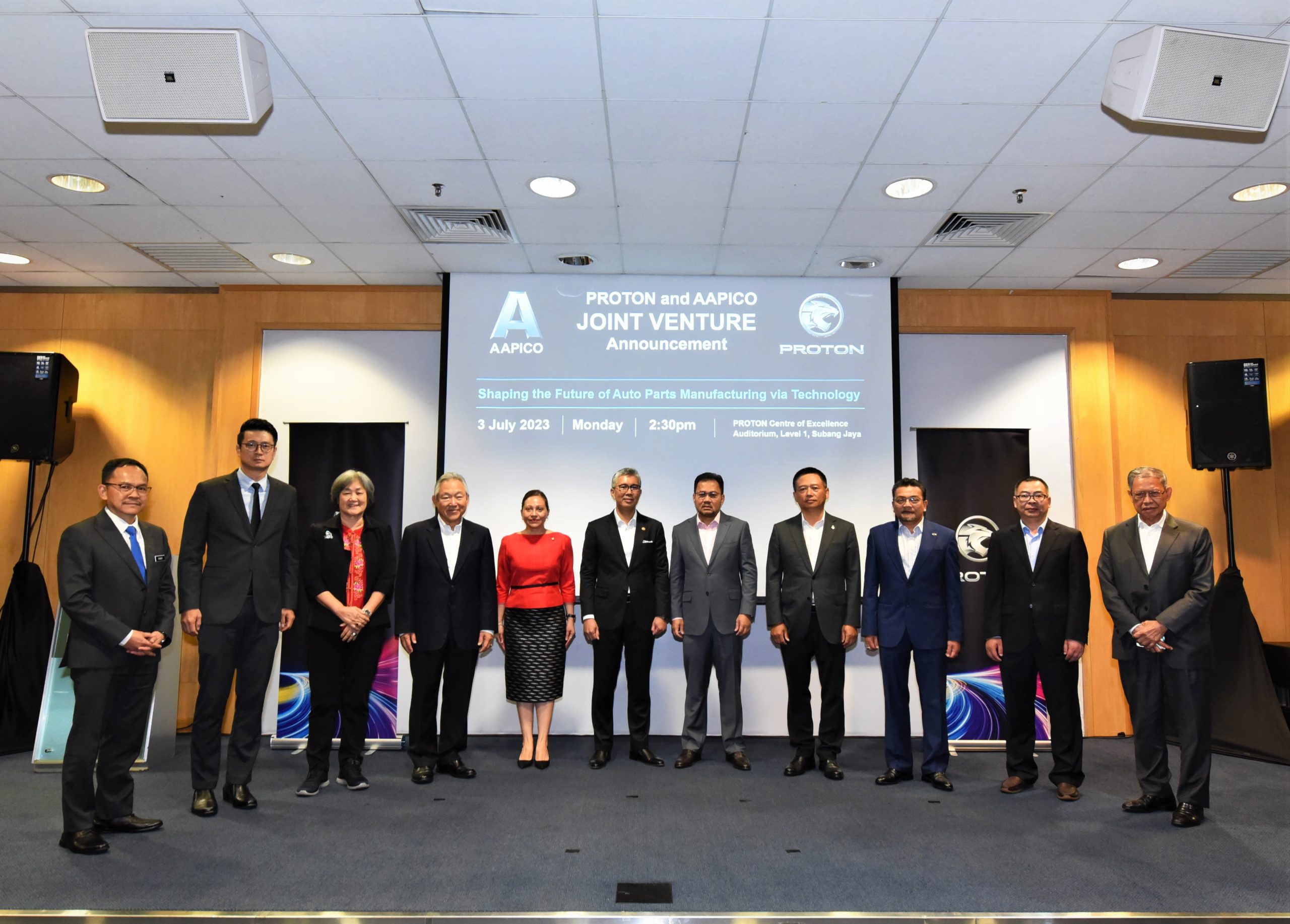
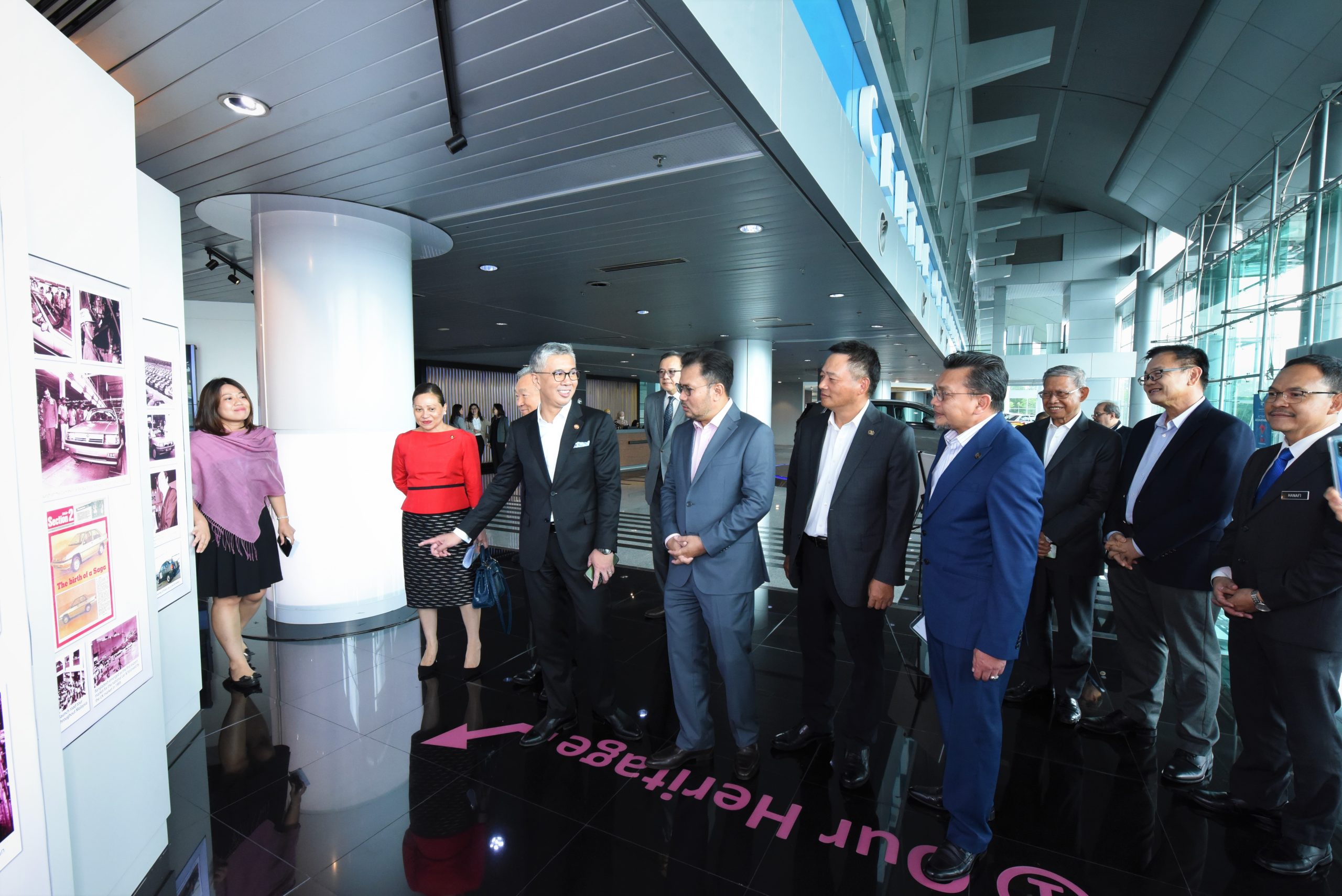
Gracing the event was guest of honour YB Senator Tengku Datuk Seri Utama Zafrul bin Tengku Abdul Aziz, Minister of Investment, Trade and Industry to witness the joint venture announcement by Tan Sri Syed Faisal Albar, Chairman of PROTON, and Yeap Swee Chuan, President & CEO of Aapico Hitech Public Company Limited. Also present at the event was Dr Li Chunrong, CEO of PROTON, and Roslan Abdullah, Deputy CEO of PROTON.

The investment is in line with the Ministry’s efforts to generate sustainable economic growth, increase competitiveness and create innovative and high skilled employment opportunities in the workforce, particularly in the manufacturing sector where the automotive industry and related sectors play a significant role in contributing towards employment and to Malaysia’s GDP.

The Aapico-PROTON strategic partnership is Aapico’s second venture in Malaysia’s auto parts sector. Earlier this year, the Thai company signed a joint venture agreement with Purem, one of the largest exhaust systems suppliers globally. With a RM30 million initial investment, Aapico holds 49 per cent ownership while Purem holds 51 per cent of Purem Aapico Sdn Bhd, which will produce exhaust systems and will begin supply to PROTON in Q3 this year.

Yeap added, “We hope that these initial two investments will be the start of our long-term partnership with the national carmaker as we play a small part to support PROTON’s role as a catalyst for developing the country’s automotive ecosystem.”

Prior to this, Aapico’s presence in Malaysia was through the company’s car dealership business where it owns and operates six car dealers in Malaysia including four PROTON dealers.

PRESS RELEASE

Curtsey: Proton.com

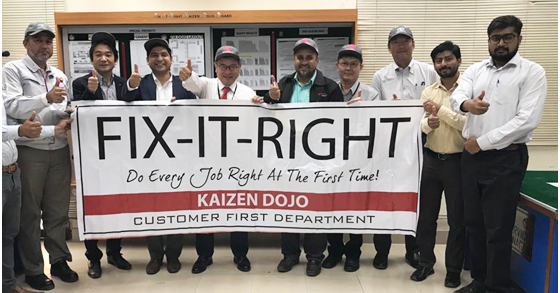
Mantra of Success @ Toyota: Fix it Right DOJO

Dear readers !!!

Hope you had read my last article published in Automark magazine of April edition with the title of “the significance of Dojos in Automotives” The outcome from last article was to understand the concept and importance of Dojo in the Automotive industry.

Dojo is an integral part and this program serves as a dedicated space for individuals to train and develop the arts and skills for the team, with the specific practices. The core principle of Dojo is to provide a place where the company provides an opportunity to improve the knowledge, and skills of their team, develop a character like customer handling, and bring the team as part of an exciting system by following the defined procedure, this is a powerful approach to have a focus towards the problem-solving and continuous improvement in the process that promotes cross-functional collaboration, skill development, a culture of continuous improvement, and sustainable solutions.

The Dojo training program helps to improve the quality of the products being produced, reduce costs during manufacturing, enhance innovation while practicing, standardize processes and sequence of the work, and most important, is to develop skill and talent.

This month’s article, I would like to share the success story of implementing the Dojo of Fix It Right with Toyota IMC. This “Fix It Right” dojo concept was a structured approach to problem-solving, providing a platform with a dealership network for continuous improvement in the dealership network, inspired by Lean and Six Sigma principles.

It involves bringing together a cross-functional team to rapidly identify, analyze, and solve problems or process inefficiencies in a collaborative manner. The goal is to fix the root causes of the problems rather than just addressing symptoms and to create sustainable solutions that prevent a recurrence.

The benefit of implementing the “Fix It Right” dojo concept in organizations is that this is a faster problem-solving approach, the dojo concept promotes a structured and disciplined approach to problem-solving, allowing teams to quickly identify and analyze issues, and implement solutions in a timely manner. This helps organizations address problems promptly and prevent them from escalating into larger issues.

The dojo concept provides an opportunity for team members to skill development and approach development towards their problem-solving, critical thinking approach, and analytical skills through hands-on problem-solving exercises, team members can learn and apply various tools and techniques for root cause analysis, data analysis, and solution implementation, enhancing their overall problem-solving capabilities. The dojo concept encourages bringing together individuals from different functions or departments to work collaboratively on problem-solving.

This promotes a holistic approach to problem-solving, as team members with diverse perspectives and expertise contribute their ideas and insights. This can lead to more innovative and effective solutions. By addressing the root causes of problems, the “Fix It Right” dojo concept can lead to cost savings (practicing to avoid repeat repair jobs) in the extensive, by eliminating inefficiencies, reducing defects and errors, and optimizing processes, dealerships can achieve cost reductions and improved financial performance. This can result in significant cost savings over time, contributing to the organization’s bottom line.

The dojo concept fosters a culture of continuous improvement, where teams are encouraged to identify and address problems proactively. It promotes a mindset of learning from failures and using them as opportunities for improvement, rather than blaming individuals or departments for problems.

This helps create a positive and collaborative work environment where continuous improvement becomes part of the organization. The dojo concept emphasizes addressing the root causes of problems rather than just treating symptoms. This helps organizations to implement long-term solutions that prevent the recurrence of problems, leading to sustainable improvements in processes and performance.

Employee engagement and empowerment: The dojo concept encourages frontline employees to participate in problem-solving and improvement initiatives, giving them a sense of ownership and empowerment. This can lead to increased engagement and motivation among employees, as they see their contributions making a tangible impact on the organization’s success.

The beauty of Toyota is its outstanding framework. Since Frameworks play a critical role in the automotive industry, providing a structure for designing, developing, and producing vehicles and after sales support.

Toyota provides comprehensive training and education programs for dealership personnel, including sales, after sales service, and management training. These programs aim to improve the skills and knowledge of dealership staff, allowing them to better serve customers and achieve higher sales and customer satisfaction.

As a leading automotive manufacturer, Toyota offers various programs for dealership development to support their dealers and enhance their business operations.

Overall, Toyota’s dealership development programs offer a wide range of benefits to support their dealers in improving their operations, increasing profitability, and ultimately providing the best quality service and delivering excellent customer service like with the concept of “Best in Town” Service, Quality Service to every customer.

These programs help dealerships stay competitive in the automotive market and enhance their relationship with Toyota as a business partner. These frameworks are typically complex systems that enable manufacturers to streamline the production process, improve quality control, and reduce costs.

The importance of the framework in the automotive industry enables manufacturers to produce high-quality vehicles that meet specific requirements and regulations, while also improving efficiency and reducing costs. Frameworks help to ensure that the manufacturing process is consistent and that vehicles meet a high level of quality. This is essential for maintaining customer satisfaction and loyalty.

By improving efficiency, reducing waste, and standardizing processes, frameworks can help manufacturers reduce costs and increase profitability. This is important for staying competitive in a highly competitive industry. Frameworks help to standardize the design and development process, allowing manufacturers to produce vehicles that meet specific requirements and regulations. This ensures that vehicles are safe, reliable, and meet industry standards.

Take away from this article:

Overall, the “Fix It Right” dojo concept is a powerful approach to problem-solving and continuous improvement that promotes cross-functional collaboration, skill development, a culture of continuous improvement, and sustainable solutions. By implementing this concept, organizations can achieve faster problem resolution, improve their processes, engage and empower employees, and drive overall organizational success. So, it is worth considering as a valuable approach for organizations seeking to improve their problem-solving capabilities and achieve sustainable improvements in their operations.

In the last, I’d like to share a quote that I found really impactful: “If you don’t step forward, you will remain in place”. So, keep moving!

This article has been published in Automark Magazine’s May-2023 printed edition.
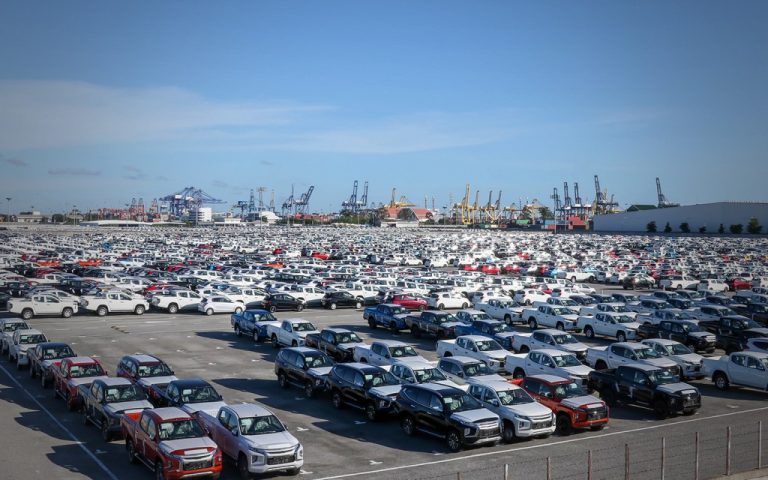
Highlights of Auto Shanghai 2023

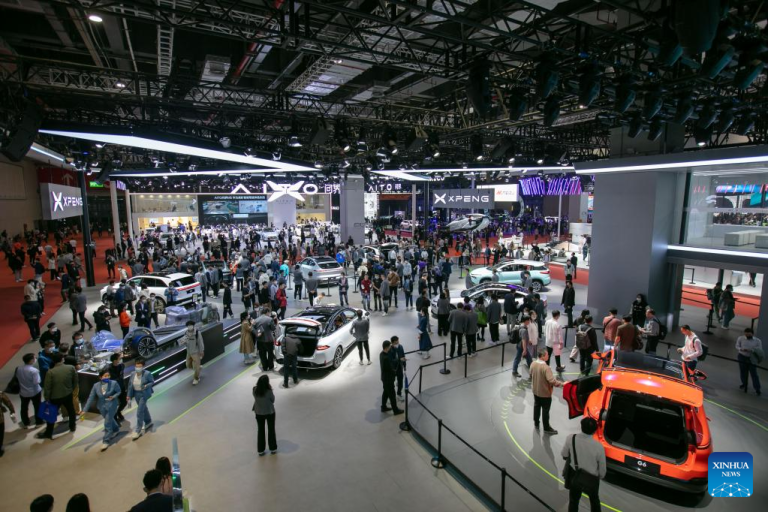
People visit the 20th Shanghai International Automobile Industry Exhibition in Shanghai, east China, April 25, 2023. The exhibition, also known as Auto Shanghai 2023, is the first A-class international auto show held in China since the country adjusted its COVID-19 response. With 13 indoor exhibition halls, it boasts an exhibition area of more than 360,000 square meters.

The Hycan ATELIER concept car is on display during the 20th Shanghai International Automobile Industry Exhibition in Shanghai, east China, April 25, 2023. The exhibition, also known as Auto Shanghai 2023, is the first A-class international auto show held in China since the country adjusted its COVID-19 response. With 13 indoor exhibition halls, it boasts an exhibition area of more than 360,000 square meters.

People look at an AITO M5 on display during the 20th Shanghai International Automobile Industry Exhibition in Shanghai, east China, April 25, 2023. The exhibition, also known as Auto Shanghai 2023, is the first A-class international auto show held in China since the country adjusted its COVID-19 response. With 13 indoor exhibition halls, it boasts an exhibition area of more than 360,000 square meters.

People look at a Nio ES6 on display during the 20th Shanghai International Automobile Industry Exhibition in Shanghai, east China, April 25, 2023. The exhibition, also known as Auto Shanghai 2023, is the first A-class international auto show held in China since the country adjusted its COVID-19 response. With 13 indoor exhibition halls, it boasts an exhibition area of more than 360,000 square meters.

A Yangwang U8 SUV is on display during the 20th Shanghai International Automobile Industry Exhibition in Shanghai, east China, April 25, 2023. The exhibition, also known as Auto Shanghai 2023, is the first A-class international auto show held in China since the country adjusted its COVID-19 response. With 13 indoor exhibition halls, it boasts an exhibition area of more than 360,000 square meters.

People visit the 20th Shanghai International Automobile Industry Exhibition in Shanghai, east China, April 25, 2023. The exhibition, also known as Auto Shanghai 2023, is the first A-class international auto show held in China since the country adjusted its COVID-19 response. With 13 indoor exhibition halls, it boasts an exhibition area of more than 360,000 square meters.

People look at a BMW concept car on display during the 20th Shanghai International Automobile Industry Exhibition in Shanghai, east China, April 25, 2023. The exhibition, also known as Auto Shanghai 2023, is the first A-class international auto show held in China since the country adjusted its COVID-19 response. With 13 indoor exhibition halls, it boasts an exhibition area of more than 360,000 square meters.

People look at a Lamborghini Revuelto supercar during the 20th Shanghai International Automobile Industry Exhibition in Shanghai, east China, April 25, 2023. The exhibition, also known as Auto Shanghai 2023, is the first A-class international auto show held in China since the country adjusted its COVID-19 response. With 13 indoor exhibition halls, it boasts an exhibition area of more than 360,000 square meters.

A Hongqi E001 electric car is on display during the 20th Shanghai International Automobile Industry Exhibition in Shanghai, east China, April 25, 2023. The exhibition, also known as Auto Shanghai 2023, is the first A-class international auto show held in China since the country adjusted its COVID-19 response. With 13 indoor exhibition halls, it boasts an exhibition area of more than 360,000 square meters.

People visit the 20th Shanghai International Automobile Industry Exhibition in Shanghai, east China, April 25, 2023. The exhibition, also known as Auto Shanghai 2023, is the first A-class international auto show held in China since the country adjusted its COVID-19 response. With 13 indoor exhibition halls, it boasts an exhibition area of more than 360,000 square meters.

People visit the exhibition area of Ora, a brand under Chinese automaker Great Wall Motors (GWM), during the 20th Shanghai International Automobile Industry Exhibition in Shanghai, east China, April 25, 2023. The exhibition, also known as Auto Shanghai 2023, is the first A-class international auto show held in China since the country adjusted its COVID-19 response. With 13 indoor exhibition halls, it boasts an exhibition area of more than 360,000 square meters. (Xinhua/Wang Xiang)

People look at a Neta GT Speedster on display during the 20th Shanghai International Automobile Industry Exhibition in Shanghai, east China, April 25, 2023. The exhibition, also known as Auto Shanghai 2023, is the first A-class international auto show held in China since the country adjusted its COVID-19 response. With 13 indoor exhibition halls, it boasts an exhibition area of more than 360,000 square meters. Source: Xinhua/Wang Xiang – China

The Future of Electric Bikes in Pakistan

Electric bikes, or e-bikes, have been around for a while now and are becoming increasingly popular worldwide. They offer an eco-friendly alternative to traditional bikes, with the added convenience of an electric motor to help you along. In Pakistan, e-bikes are still a relatively new concept, but with the country’s growing environmental concerns and a push towards sustainable transport options, the future of electric bikes in Pakistan looks bright.
First, let’s take a look at the current state of e-bikes in Pakistan. While they have been available in the country for a few years now, they have yet to gain widespread adoption. One of the main reasons for this is the cost. E-bikes are generally more expensive than traditional bikes, which can be a barrier for many people. Additionally, there is a lack of awareness about e-bikes and their benefits, which can make people hesitant to invest in one.
However, there are some signs that this may be changing. In recent years, there has been a push towards more sustainable transport options in Pakistan, with a focus on reducing air pollution and congestion. This has led to initiatives such as the introduction of electric buses in major cities and the promotion of cycling as a means of transportation. E-bikes could fit into this trend nicely, as they offer a way to cycle without having to worry about getting too tired or sweaty, which can be a deterrent for some people.
Another factor that could drive the adoption of e-bikes in Pakistan is the country’s geography. Pakistan is a mountainous country, with many steep hills and challenging terrain. This can make traditional cycling difficult, but e-bikes with their electric motors can make it much easier to tackle hills and other obstacles. This could make e-bikes an attractive option for people who live in hilly areas or who want to cycle longer distances without getting too tired.
In addition to these factors, there are also some practical benefits to e-bikes that could make them more appealing to people in Pakistan. For example, e-bikes are generally cheaper to maintain than traditional motorbikes or cars, which could be a selling point for people on a budget. They also offer a way to avoid traffic congestion, which can be a major problem in cities like Karachi and Lahore.
Of course, there are still some challenges that need to be addressed in order for e-bikes to become more popular in Pakistan. One of these is the lack of infrastructure to support them. For example, there are very few charging stations for e-bikes in the country, which can make it difficult to use them for long distances. Additionally, there is a need for better regulations around e-bikes, particularly in terms of safety standards and licensing.
However, there are some steps being taken to address these challenges. For example, the government of Pakistan has announced plans to install electric vehicle charging stations across the country, which could make it easier for people to use e-bikes for longer distances. Additionally, there are efforts underway to develop safety standards and regulations for e-bikes, which could help to ensure that they are used safely and responsibly.
In conclusion, the future of electric bikes in Pakistan looks promising. While there are still some challenges to overcome, there are also many factors that could drive the adoption of e-bikes in the country. With a growing focus on sustainable transport options and a need for more affordable and practical transportation solutions, e-bikes could be the perfect fit for Pakistan’s future. If the government and private sector work together to develop the necessary infrastructure and regulations, we could see a significant increase in the number of e-bikes on Pakistan’s roads in the coming years.

However, as per data of Engineering Development Board (EDB), 23 local organizations have registered their companies to establish electric bike setup in Pakistan. Our of 23 registered upcoming assembler/manufactures few of them already introduce e-bikes for customers and many more are working on it.
Other than these companies many other local and foreign investors are keen to invest in EV sector in Pakistan. Some trading companies have import e-bikes in CBU condition to test the local market.
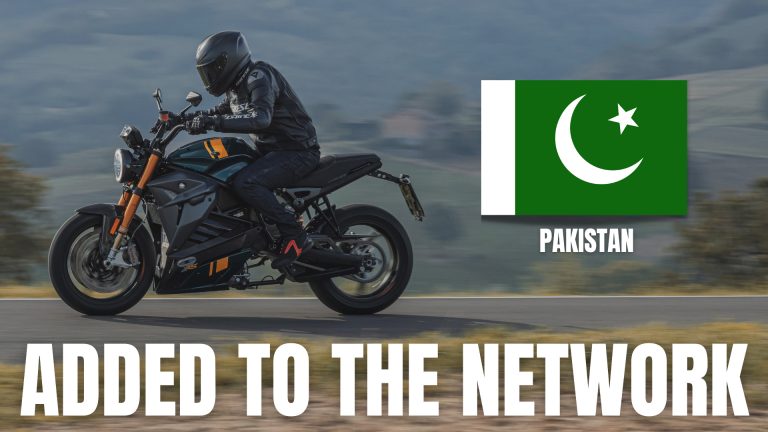
Recently, Foxtrot A Pakistan Company has partnered with Energica Motor Company Italy, the world’s leading manufacturer of electric superbikes marking a new era in sustainable and high-performance mobility.
Energica will offer its customers fastest and most powerful electric motorcycles in the world! With acceleration from 0-100 in just 2.6 seconds (faster than the fastest ICE bike), a range of 420 km on a single charge, and the fastest charging time of just 25-30 minutes Energica bikes are the perfect blend of performance and sustainability.
It is quite rare that a globally renowned automotive brand is launching in Pakistan even before launching in India. This is indeed a great beginning for the EV market in Pakistan

What is the significance of Dojos in Automotives?

A “Dojo” is a Japanese term for a training facility that’s often used in the context of martial arts. However, it has also been adopted in various industries, including the auto industry, so let’s understand the concept and sole purpose of the DOJO to refer to a training program or facility that helps employees acquire new skills and knowledge.

The term “dojo” can be translated as “place of the way,” indicating that it is a space where individuals come together to train in the way of their respective martial art. In this blog, we will explore the history and significance of dojos in Japanese culture, as well as the practices and customs that take place within them.

In the Auto industry, dojos are used for several reasons:

Improving quality: Dojos help to improve the quality of the products being produced by providing a controlled environment for employees to practice new techniques and processes.

Reducing costs: By providing employees with the necessary training and skills, dojos can help to reduce costs associated with rework, scrap, and defects.

Enhancing innovation: Dojos encourage innovation and creativity by providing employees with the opportunity to experiment with new ideas and processes.

Standardizing processes: Dojos help to standardize processes and procedures across different teams and departments, ensuring that everyone is using the same best practices.

Developing talent: Dojos provide employees with the opportunity to develop their skills and knowledge, which can lead to career advancement within the company.

In the automotive industry, the Japanese technique of “dojo” has been used for decades to improve the efficiency, quality, and safety of production processes. In the automotive industry, the “dojo” is a dedicated space where workers can come together to collaborate, learn, and continuously improve their skills. The “dojo” is typically equipped with the necessary tools, equipment, and materials to support hands-on learning, experimentation, and problem-solving.

One of the primary goals of the “dojo” in the automotive industry is to reduce waste and improve efficiency. Workers in the “dojo” are encouraged to identify and eliminate any unnecessary steps, movements, or materials that slow down the production process. This can include anything from reorganizing workstations to streamlining communication between workers.

Another important aspect of the “dojo” in the automotive industry is safety. Workers in the “dojo” are trained on best practices for handling equipment, avoiding accidents, and responding to emergencies. The “dojo” is also used to simulate real-world scenarios, allowing workers to practice and refine their safety protocols in a controlled environment.

In addition to improving efficiency and safety, the “dojo” in the automotive industry is also used to promote quality. Workers in the “dojo” are trained on the proper techniques for inspecting, testing, and verifying the quality of their work. This can involve everything from using specialized tools to identifying defects and making necessary adjustments.

Overall, the Japanese technique of “dojo” has been a valuable tool for the automotive industry, helping to improve efficiency, safety, and quality. By providing a dedicated space for learning, collaboration, and continuous improvement, the “dojo” has helped workers in the automotive industry to master their craft and achieve excellence in their work.

History of Dojo:

The concept of dojo originated in Japan during the medieval period. At this time, martial arts were primarily taught in private settings, such as the homes of individual instructors. However, as the popularity of martial arts grew, many instructors began to establish dedicated training spaces, or dojo, where they could teach students in a more formal setting.

The first recorded use of the term “dojo” can be traced back to the 17th century, during the Edo period in Japan. During this time, the samurai class was largely disbanded, leading many former samurai to turn to martial arts as a means of employment. This led to the establishment of many dojos throughout Japan, where individuals could train and develop their martial arts skills.

Over time, the practice of martial arts in the dojo evolved beyond simply training in techniques and fighting skills. In many cases, dojo became centers of spiritual and philosophical learning, emphasizing concepts such as discipline, respect, and self-improvement.

Practices and Customs within Dojo

In modern times, a dojo typically adheres to a set of practices and customs that are intended to foster an environment of respect, discipline, and self-improvement. These practices may vary depending on the martial art being practiced, as well as the specific dojo in question. However, some common practices and customs within the dojo include:

Bowing: Bowing is a common practice in many dojos, and is often done at the beginning and end of each training session. Bowing is a sign of respect, and is meant to show appreciation for the opportunity to train and learn within the dojo.

Uniforms: Many martial arts require practitioners to wear a specific uniform, These uniforms often serve a practical purpose, such as providing freedom of movement during training. However, they also serve as a symbol of the expert’s commitment to the art and the dojo community.

Etiquette: Dojo often has a specific set of protocol rules that are required to follow. These may include rules regarding behavior within the dojo, such as not wearing shoes on the training floor, as well as rules regarding interactions with other practitioners and instructors.

Testing and Ranking: Many martial arts have a system of testing and ranking, where practitioners can earn higher levels of proficiency through demonstration of skill and knowledge. Testing and ranking within the dojo are often done in a formal setting, and are meant to provide motivation and recognition for practitioners who have achieved a certain level of proficiency.

Community: Dojos are often seen as more than just a training space – they are also a community of individuals who share a common passion for martial arts. Within the dojo community, have an opportunity tobond and develop lifelong friendships.

Takeaway from this article:

Dojo is an integral part of Japanese culture, serving as a dedicated space for individuals to train and develop their paramilitary arts skills. While the specific practices and customs within a dojo may vary depending on the martial art and the specific dojo in question, the core principles of respect, discipline, and self-improvement are shared by training experts, the dojo is a place where you can improve your skills, develop your character, and become part of an exciting community. Overall, dojos are important in the Auto industry because they help to improve the quality of the products being produced, reduce costs during manufacturing, enhance innovation while practicing, standardize processes and sequence of the work, and most important is to develop skill and talent.

The Landscape of the Auto Industry in Pakistan

1972, socialism deeply influenced PPP Government to wrap up the entire industry under nationalization. The entire auto industry was reshaped and renamed. Japan acquired 40% shares of Pak Suzuki Motor Co. In 1972, Pakistan Automobile Corporation (PACO) was formed; after Sindh Engineering was renamed Wazir Ali Engineering, Ali Autos was renamed as Awami Autos, Republic Motors was renamed Haroon Industries, Gandhara Motors was renamed National Motors, Hye Sons was renamed Mack Trucks, Kandawala Industries renamed by Naya Daur Motors, Jaffer Industries changed as Trailer Development Corporation, Rana Tractor renamed by Millat Tractor.

SPEL started producing plastic parts in 1978. In 1980 Awami motors assembled the famous Suzuki Pick-Ups and Sindh Engineering Mazda Trucks. Production of Agri auto parts also started in Pakistan in the year 1981 by the Agriauto Industries. Auto Industry accepted the huge positive change by the production of Suzuki cars in 1982. Vendor Development & Technical Cell (VDTC) was formed in 1983; Al-Ghazi Tractor introduced Fiat Tractors in the same year. The 1st Generation Suzuki Potohar was introduced in 1985 and got very popular in government circles. In 1986 Pakistan Association of Auto Parts and Accessories Manufactures (PAAPAM) came into existence which organized the vender sector in Pakistan and impacted mightily this sector. In 1986, another new company was formed, i.e, Hinopak Motors limited by the joint venture of PACO, AL-Futtaim, Hino Motors & TTC. In 1987 Gandhara Nissan started the production of Nissan Diesel Trucks.

The 1993 is another landmark of the Auto Industry when Indus Motor started the production of the Toyota Corolla and introduced the market to new horizons, followed by Honda Atlas manufactured Honda Civic. The auto and parts industry attained another milestone when PAAPAM organized the first Pakistan Auto Show in the Marriot Islamabad in 1995, setting the automotive industry in Pakistan on the fast track. During the Musharraf rule, banks got very extroverted and filled the roads with glazing brands. At the start of the Millennium, dual fuel options were introduced to run both on petrol and CNG to enhance the affordability for a commoner. Although that proved to be a later intuitive and swam stupidity. However, it generated a thrill for the time being and left a long-term negative effect. Many small assemblers and importers of motorcycles surfaced to present replicas of the ever-popular Honda 70 from 2001-2007. To safeguard their business interests, the Pakistan Automobile Manufacturers Association (PAMA) came into existence in 2007. During this period, Afzal Motors got a license from Daewoo and assembled locally. From 2007 to 2009, the auto sector experienced a bearish trend due to high-interest rates and Yen’s appreciation against the PKR. But this recession proved to be short living, and the industry bounced back mightily; auto sales rebounded. The auto industry filled the market demand with the app. US$88 million during this decade.

The Auto Policy 2016-21 fascinated new producers in the market traditionally dominated by Honda, Toyota, and Suzuki. The fully documented auto industry stood as the second-largest indirect taxpayer, followed by the petroleum industry in Pakistan. During this period, Toyota started the local assembly of its sedan Corolla. United Motors made the first local car. Ghandhara Nissan began producing Isuzu d-max in Pakistan. Pakistan Rose by 171% between just 2014 and 2018. That accounted for app. 3% of Pakistan’s GDP and employs a workforce of over 4 million people as of 2018; Pakistan is the 35th largest producer of automobiles. Its contribution to the national exchequer is nearly 50 billion (US$220 million). Pakistan’s auto market is among the smallest but fastest-growing in this continent. Two hundred sixty-nine thousand seven hundred ninety-two cars were sold in the year 2018 but declined to 186,716 in 2019 due to Covid19. Currently, the auto market is mostly dominated by Honda, Toyota, Kia, Changan, and Suzuki. New Auto Policy (2021 to 2026) which offered tax incentives to new automakers to establish manufacturing plants in the country. In response, Renault, Nissan, Proton Holdings, Kia, SsangYong, Volkswagen, FAW, and Hyundai have expressed interest in entering the Pakistani market. MG JW Automobile Pakistan has signed a memorandum of understanding (MoU) with Morris Garages (MG) Motor UK Limited, owned by SAIC Motor, to bring electric vehicles to Pakistan. NLC signed an agreement with Mercedes Benz for the manufacturing of Mercedes Actros trucks in Pakistan. On July 8, 2022, Jolta Electric launched the production of electric motorcycles.

Despite oddities, Pakistan has almost attained 95% localization for tractors and motorcycles, 50 % for cars, and 20-25% for trucks and buses. Some seasoned repeated car models have even more than 50% localization. Unfortunately, the economy of scale demands one million productions of cars for more localization, whereas we are resolving around 200k per annum.

The critical phase for the auto and part sector started in July 2022 when the Government restricted the import of CKDs and parts abruptly under the looming shadows of default. As usual, the government did not bother to take stakeholders on board, leaving this industry in the lurch. After that Government introduced an import quota regime on the basis of 50% import performance which met the industry’s satisficing needs. In the second move, the State Bank of Pakistan (SBP) hung the drum around the neck of commercial banks to bring the entire sector of the economy to a grinding halt. Tractors, cars, and Chinese motorcycle producers are the top affectees of this ongoing crisis.

Food security is perfectly co-related with the tractor industry which is also tumbling. I feel at this point the Original Equipment Manufacturers (OEMs) would have repented for not transferring the technology to maximize the indigenization which could have kept them unaffecting during the rainy days. Only national purchasing power can scale up the auto market to more than a million automobiles in Pakistan which can only be attained through export and localization. We need to evolve this mindset as early as possible. Now production has been grounded and many OEMs either have closed or are in a propelling situation of closure. The markup rate was another bomb that had a great brunt on the whole industry.

The way forward lies with exports and localization, which can be categorized into the short-term and long-term. As a trade-off action, the government should restore the quota regime immediately. At least machinery, equipment for measurement, metrology, calibration equipment, designing equipment, CAD, CAM, and CAE software, Molds, dies and fixtures, 3-D Printing, etc., should be duty-free.

The rationalization of duties on the import of parts and raw materials needs immediate review. Government should have a dialogue with OEMs to bring technology to Pakistan and export products to a certain incremental portion of the production. We stand nowhere on the global index of efficiency. The cluster-based training initiative can reduce the gap. Safety testing equipment and laboratories do not exist in Pakistan and how export can be possible without them? This issue could also be addressed through clustering and government support.

Exports of auto parts have never been encouraging if we compare ourselves with the other countries in the region. It’s bad news and the silver lining at the same time on the account that a lot of export potential is still virgin. Only auto parts have about 200 billion’s potential for exports, regarding automobiles export. Millat Tractors Ltd (MTL) had started good export inroads but the economic uncertainties thwart its effort. We will have to see the issues hampering our exports like irrational duties, technology transfer by our OEMs, low markup, rebates, and capacity building to meet the modern challenges. Localization and enhancement of export baskets are open secrets to synergies in this sector. If your direction is right, you have a future, no matter at what speed you are crawling.

Despite all oddities, the future of auto and related industries look glazing in Pakistan, although under speed and experiencing speed breakers. The auto sector, which is currently contributing just 3% to GDP, has much more potential to single-handedly shift the economic paradigm if supported. The current auto policy from 2021-26 has a lot to allure foreign investors. Pakistan has 8-10 cars per 1000 people. This is the lowest ratio among emerging economies. An approximated fluxing of millions of youths in mainstream economic activities will cause drastic market demands. The local market of 230 million has great depth. The current car production in Pakistan is just 227000 plus 45000 other vehicles per annum against the 70 million population Thailand produces 1.2 million and a total of four wheels 2 million.

By Ghulam Murtaza (GM) is a freelance writer connected to the automobile and parts industry.