Home Blog Page 28

How Snow Mode Works in ICE & EV Cars

Snow mode, also known as winter mode, is a feature equipped with many modern Internal Combustion Engine (ICE) cars and Electric Vehicles (EVs) to enhance traction and stability in slippery or snowy conditions. Snow mode adjusts various vehicle systems, such as traction control, throttle response, transmission shift points, and sometimes suspension settings.

The specific functionality can vary between ICE cars and EVs, but the general purpose is to optimize the vehicle’s performance in adverse weather conditions.

A:Snow Mode in ICE Cars:

  1. Traction Control:
  2. Snow mode often adjusts the vehicle’s traction control system. Traction control helps prevent wheel spin during acceleration by reducing engine power or applying brakes to specific wheels. In snow mode, the traction control system may be less aggressive to allow for a certain amount of wheel slip, which can help prevent wheels from spinning excessively on slippery surfaces like snow or ice, allowing the vehicle to maintain traction and move forward more effectively.
  • Stability Control:
  • In addition to traction control, snow mode may also adjust the vehicle’s stability control system to help maintain stability during cornering and sudden maneuvers on slippery surfaces. Stability control systems are designed to prevent skidding and loss of control. In snow mode, the stability control system may be adjusted to be less intrusive, allowing for more freedom of movement in situations where some wheel slip is acceptable.
  • Throttle Response:

Snow mode alters the throttle response sensitivity. Making throttle less sensitive to inputs, helps to prevent rapid acceleration that could lead to wheel spin on slippery surfaces. This helps drivers maintain smoother acceleration, reducing the likelihood of wheel spin on slippery surfaces.

  • Transmission Settings:
  • Some vehicles with automatic transmissions have different shift patterns in snow mode. The transmission may start in a higher gear to minimize wheel spin during acceleration and the transmission’s shift points keep the vehicle in lower gears for longer, which can provide better traction and control in slippery conditions.
  • Anti-Lock Braking System (ABS):
  • Some snow modes may adjust the braking system to provide more gradual and controlled braking, reducing the risk of skidding on icy or snowy roads. Snow mode might also affect the ABS, which prevents wheel lockup during hard braking. The ABS in snow mode may be tuned to allow for a bit more wheel slip to optimize braking performance on slippery surfaces.
  • Steering: In some advanced systems, snow mode may also adjust the steering response to provide better control and stability in snow or ice.

A: Snow Mode in EV Cars: In Electric Vehicles (EVs), the “snow mode” or “winter mode” is a feature designed to optimize the vehicle’s performance and handling in snowy or slippery conditions. While the specific functionalities can vary between different EV models and manufacturers, here are some common features associated with snow mode in electric vehicles:

  1. Traction Control: Snow mode often adjusts the traction control system to provide a better grip on slippery surfaces. This may involve fine-tuning the power delivery to each wheel to prevent wheel spin and improve overall traction.
  • Regenerative Braking: Some BEVs use regenerative braking to capture and store energy during deceleration. In snow mode, regenerative braking might be adjusted to be less aggressive to avoid wheel lock-up and maintain better control on icy or snowy roads.Regenerative braking captures energy during deceleration, but in snowy conditions, the system might be tuned to provide smoother and more predictable braking to avoid skidding.
  • Power Delivery: Snow mode may modify how power is delivered to the wheels. It might optimize torque distribution between the front and rear axles to enhance stability and traction, especially in situations where one set of wheels may be slipping.
  • Throttle Response: The sensitivity of the accelerator pedal (throttle response) may be altered in snow mode to prevent sudden acceleration, providing better control on slippery surfaces.
  • Battery Management: In extremely cold conditions, maintaining the optimal temperature of the battery is crucial for performance. Snow mode may adjust the thermal management system to ensure that the battery operates efficiently in low temperatures.Snow mode may also affect the heating systems in the vehicle. It could prioritize warming up critical components, such as the battery, more quickly to ensure optimal performance in cold weather.
  • Stability Control: Some EVs have stability control systems that can be adjusted in snow mode. These systems may intervene to help the driver maintain control by selectively applying brakes to individual wheels or adjusting power delivery.
  • User Interface: In addition to the technical adjustments, snow mode may change the information displayed on the vehicle’s dashboard, providing feedback to the driver about road conditions and the status of various systems.

Summary:

ICE Vehicles: Specific features and behaviors associated with snow mode can vary between vehicles, depending on the vehicle make and model. Some vehicles may have a dedicated “Snow” mode, while others may incorporate these adjustments as part of a broader “Drive Mode” system that includes settings for different driving conditions (e.g., Normal, Eco, Sport, and Snow). Additionally, newer vehicles with advanced electronic stability control systems may automatically adjust various parameters based on sensors detecting slippery conditions, even without the driver manually selecting a snow mode.

EV Vehicles: It’s important to note that the availability and functionality of snow mode can vary, and not all EVs have a dedicated snow mode. Drivers should refer to the vehicle’s manual or consult with the manufacturer to understand how the snow mode operates in their specific EV model.

This exclusive article has been published in Automark Magazine’s March-2024 printed edition.

Unveiling Egypt’s Export Potential: A Market Analysis

Egypt, with its strategic location, burgeoning population, and diverse economic landscape, presents a compelling opportunity for exports. As we delve into the economic indicators and trade dynamics of this vibrant nation, we uncover avenues for potential growth and market entry strategies.

Economic Overview: In 2021, Egypt’s GDP composition showcased the dominance of services, followed by manufacturing, other industrial activities, and agriculture. While private consumption fueled a significant portion of GDP, the country grappled with high inflation rates and substantial government debt. Despite economic challenges, Egypt remains an attractive destination for exporters, bolstered by its large population and strategic position in the MENA region.

Key Economic Indicators:
Country Name: The Arab Republic of Egypt
Population: 109.3 million
GDP Annual Growth: 3.2%
GDP Per Capita: $4,505
Inflation Rate: 29%
Interest Rate (AVG): 9.78%
Government Debt to GDP ratio (AVG): 86.7%
Exchange Rate: 1 USD = 30.90 Egyptian Pound

Trade and Transportation: Egypt’s trade routes via sea and air offer convenient access to global markets. Ports like Ain Sokhna and Damietta serve as vital gateways for maritime trade & tentatively arrival time between 12 to 20 days, with efficient transit times to and from major hubs like Karachi. Additionally, air connections between Jinnah Airport in Karachi and Egyptian destinations facilitate swift transportation, enabling seamless trade flows between the two nations.

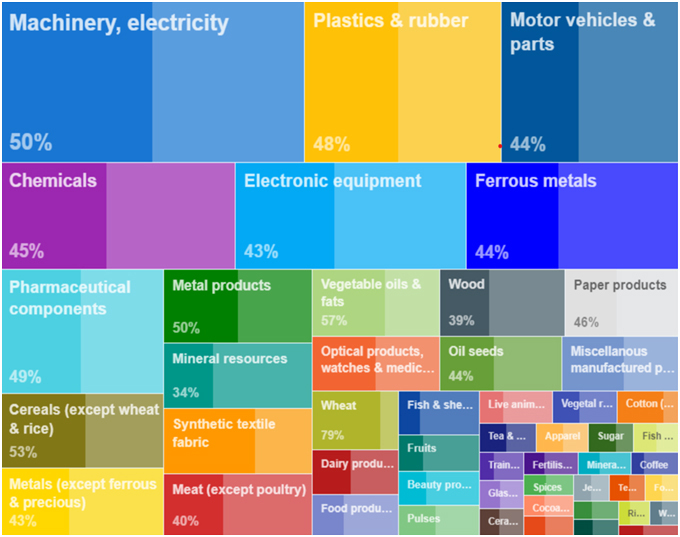
Export Products with potential to EGYPT

Tariff Structure: Egypt maintains a favorable tariff structure for the import of tractor parts and accessories, with average tariffs ranging from 3.7% to 4.1%. This presents a conducive environment for exporters seeking to penetrate the market with related products.

Market Analysis: Examining Egypt’s import trends, we observe a substantial demand for vehicles and related accessories, with top importing countries including Germany, China, USA, Korea, UK, Czech Republic, Japan, India, and Turkey. Delving deeper into specific product categories, we identify H.S. Code 8708, encompassing parts and accessories for tractors and motor vehicles, as a promising avenue for export expansion.

Strategic Imperatives: For exporters eyeing the Egyptian market, a targeted approach focusing on identified product categories is paramount. Conducting thorough market research, understanding local preferences, and forging strategic partnerships are essential steps towards establishing a foothold in this dynamic market.

In conclusion, Egypt’s export potential is ripe for exploration, offering a gateway to the MENA region and beyond. With a proactive strategy and a nuanced understanding of market dynamics, exporters can capitalize on the myriad opportunities that this vibrant economy presents.

Mashood Khan
Director – Mehran Commercial Enterprises / Expert Auto Sector / Former Chairman PAAPAM. Published in Automark Magazine March-2024 printed edition.

Crafted with Care: The Human Touch Behind Automotive Excellence

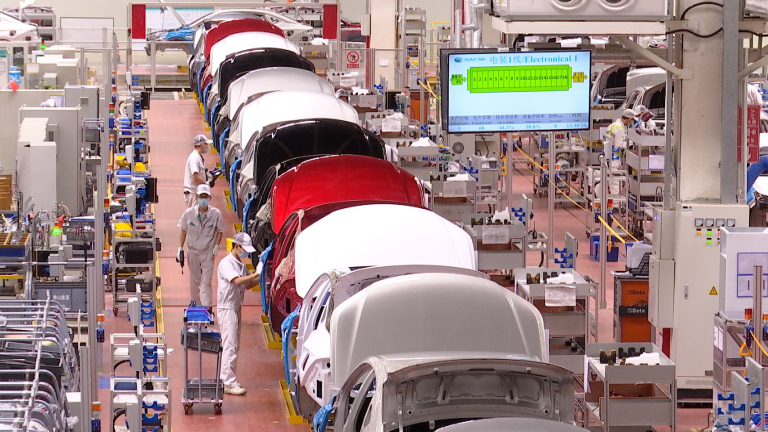
In a world of automation, the human touch remains the ultimate mark of quality. It’s the difference between a machine and a work of art.” And according to – Enzo Ferrari “The true soul of a car lies not in its horsepower, but in the hearts and minds of the people who bring it to life.” And “The future of automobiles lies not in replacing humans, but in empowering them. Technology should amplify the human touch, not diminish it.” As we transition from the realm of customer service to the realm of crafted excellence, we recognize that the human touch extends far beyond the interactions between brands and customers. It permeates every aspect of the automotive lifecycle, from the initial design sketches to the final assembly line, leaving an indelible mark on the vehicles we drive and cherish.

As the customer service landscape embraces automation and digital solutions, the need for a “Crafted with Care” approach remains a vital element and touchup for the customers. In the automotive industry, where trust and reliability are dominant, customer service that goes beyond efficiency to convey empathy, understanding, and personalized attention can make a significant difference. As we embark on this journey, let us remember that behind every automotive marvel lies a story of dedication, passion, and a firm commitment to excellence. “Crafted with Care: The Human Touch Behind Automotive Excellence” invites you to take a closer look at the human side of automotive innovation, where the combination of creativity and engineering gives rise to vehicles that not only move us but inspire us, leaving an indelible mark on the road ahead. The “Human Touch Behind Automotive Excellence” is a compelling narrative that highlights the enduring value of human skill and dedication in a world increasingly dominated by technology. It’s a reminder that the best cars are not just feats of engineering, but also testaments to the human spirit and its unwavering pursuit of excellence.”Human Touch Behind Automotive Excellence” – a fascinating topic that delves into the heart and soul of what makes truly exceptional cars. While robots and automation play a significant role in modern manufacturing, there’s an undeniable magic woven by human skill, passion, and dedication that elevates a vehicle from a simple machine to a valued companion.

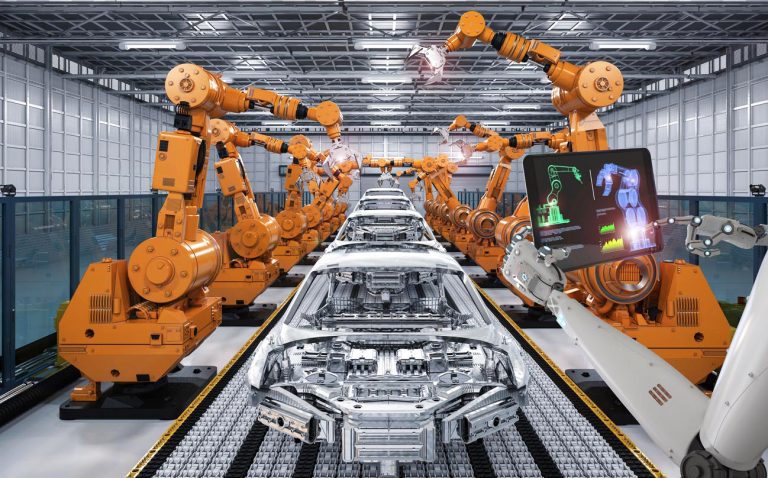
Beyond the assembly line, the human touch drives innovation, designers, engineers, and craftsmen collaborate to create vehicles that are not just modes of transportation but also extensions of the human experience. From ergonomic interiors to in-built interfaces, the human-centric approach ensures that every aspect of the vehicle is crafted with the user in mind. In an era of automation and mass production, the legacy of craftsmanship stands as a beacon of difference. Crafted with care, each vehicle becomes evidence of the enduring value of human skill, passion, and dedication. This legacy is not just a chapter in automotive history; it’s an ongoing story that shapes the future of automotive excellence. While automation plays an increasingly important role, the human touch remains irreplaceable. The future lies in a harmonious collaboration between humans and technology, where robots handle repetitive tasks, freeing up human expertise for creative problem-solving, design, and personalized customization.

The human touch is not just a nostalgic notion; this is a crucial differentiator in a competitive landscape. It’s about passion, dedication, and understanding the emotional connection drivers have with their cars. By connecting the power of human skill and creativity, the automotive industry can continue to craft not just vehicles, but experiences that resonate with the hearts and minds of drivers, paving the way for a future of mobility that is both innovative and deeply human. In this human-centric innovation, designers, engineers, and craftsmen converge to create vehicles that extend beyond utility, becoming seamless extensions of the human experience. The attention to detail becomes a symphony of luxury, transforming driving into an opulent and refined journey. As we delve into the craftsmanship legacy, it becomes clear that in an era dominated by automation and mass production, the human touch remains a beacon of distinction. Each vehicle, crafted with care, stands as evidence of the enduring value of human skill, passion, and dedication. It is not just transportation; it is an embodiment of the artistry that defines the soul of the automotive industry. Ah, the “Human Touch Behind Automotive Excellence” – a fascinating topic that delves into the heart and soul of what makes truly exceptional cars. While robots and automation play a significant role in modern manufacturing, there’s an undeniable magic woven by human skill, passion, and dedication that elevates a vehicle from a mere machine to a cherished companion.

Let’s explore some key aspects of this human touch:

Craftsmanship and Expertise:

(i) Experienced technicians: Seasoned mechanics and engineers bring their honed skills and deep understanding of mechanics to ensure precision assembly and meticulous attention to detail.

(ii) Designers with vision: From concept sketches to clay models, human creativity shapes the form and function of a car, imbuing it with personality and purpose.

(iii) Test drivers with passion: Pushing machines to their limits on rigorous test tracks, these individuals identify and refine performance, ensuring every drive is exhilarating and safe.

Dedication and Emotional Connection:

(i) Pride in workmanship: Taking ownership of their work, skilled professionals pour their dedication into every aspect of the manufacturing process, resulting in a palpable sense of quality and care.

(ii) Passion for the brand: When employees believe in the company’s vision and values, they go the extra mile, injecting a spirit of innovation and excellence into every car they build.

(iii) Understanding customer needs: By empathizing with drivers’ aspirations and concerns, designers and engineers create vehicles that resonate with their hearts and enhance their lives on the road.

Examples of the Human Touch in Action:

(i) Hand-stitched leather interiors: The tactile luxury of meticulously crafted upholstery speaks volumes about a car’s commitment to quality and comfort.

(ii) Fine-tuned engine tuning: Expert calibration by experienced technicians unlocks the full potential of an engine, resulting in a thrilling driving experience. (iii) Bespoke customization options: The ability to personalize a car with unique touches reflects the understanding that each driver has their own story and preferences.
The Impact of the Human Touch: Beyond the tangible qualities, the human touch injects a soul into a car. It fosters trust and loyalty, making owning such a vehicle a cherished experience. It signifies a commitment to human values like dedication, passion, and attention to detail, setting these cars apart in a world of mass production. In conclusion, “Crafted with Care: The Human Touch Behind Automotive Excellence” invites us to appreciate not only the vehicles we drive but the hands that meticulously shape them. It is a reminder that, in the pursuit of automotive excellence, the human touch is not just a cherished tradition; it is the very essence that breathes life into the extraordinary machines we admire and cherish.”Crafted with Care: The Human Touch Behind Automotive Excellence” is a celebration of the artisans whose hands bring life to the vehicles we cherish. It’s a recognition of the craftsmanship legacy that transcends generations, reminding us that in the realm of automotive excellence, the human touch remains an indispensable ingredient in creating vehicles that are not just driven but crafted with care. In the high-octane world of automobiles, where sleek designs and powerful engines often steal the spotlight, it’s the “Crafted with Care: The Human Touch” that truly sets exceptional vehicles apart.
Takeaway from this article:
“Crafted with Care: The Human Touch” is not just a tagline; it’s a philosophy that elevates the automotive experience, reminding us that the most extraordinary cars are not born on assembly lines, but in the hearts and minds of dedicated individuals who pour their passion into every drive. Looking ahead, the future of the automotive industry lies in a harmonious collaboration between human ingenuity and technological advancement. Automation will handle repetitive tasks, but the human touch will remain the guiding force, ensuring vehicles are crafted with empathy, understanding, and a commitment to excellence. But the impact of the human touch transcends the tangible. It fosters trust and loyalty, transforming a car from a machine into a cherished companion. It imbues vehicles with a soul, a personality that resonates with our dreams and aspirations, making the driving experience not just functional, but deeply human.

This exclusive article has been published in Automark Magazine March-2024 printed edition.

Electric Vehicles lead the way to a sustainable future?

Globally, energy is regarded as one of the core elements of social well-being and anessential component of sustainable development. Balanced energy supply and demand are vital considerations for any country when it comes to providing clean, sustainable and affordable energy to consumers. For decades, Pakistan’s primary energy supply a mix has remained dominated by indigenous and imported fossils fuels. More than three fourth portion of the overall energy mix consist of gas and oil to meet energy demand.

The energy sector contributes almost 73% of global greenhouse gas emissions, highlighting the crucial need for a shift to cleaner and renewable energy sources for achieving net zero and a sustainable global future. Worldwide Road transportation accounted for 37% of all energy-related carbon dioxide emissions due to heavy reliance on petroleum-based fuels, making it the biggest cause of global warming. Comprehensive energy demand for petroleum will continue to expand and peak in the mid-2030s as energy consumption in the road sector is expected to increase by 1.26%, with a 1% growth in urbanization mostly taking place in Southeast Asia.

There has been a noticeable increase in the acceptance and use of electric vehicles (EVs) internationally and specially in Pakistan due to the rapid efforts made by government to encourage environmentally friendly vehicles in the transport sector, The government of Pakistan approved an ambitious National Electric Vehicles Policy (NEVP) in 2019 with the goal of electric vehicles comprising 30 percent of all passenger vehicle and heavy-duty truck sales by 2030 and an even more ambitious target of 90 percent by 2040 particularly through the electrification of vehicles to reduce GHG emissions.

Challenges & Barriers:

Public worries concerning the end-of-life management of EV batteries havegrown with their rising popularity. Batteries eventually need to be disposed of or recycled because they normally only have an 8-year lifespan. The possibility of reusing the batteries for various applications (i.e. energy storage systems) has attracted attention and important metals can also be recovered when recycling the battery’s components, lessening the negative effects on the environment. For disposal, appropriate safety measures must be taken to manage the batteries safely. Another issue is the electrical grid’s capacity to support the increasing demand for power and the availability of public charging networks. According to the study, there will be a huge increase in EVs on the road. Southeast Asia will face difficulties because of its poorly developed electric supply infrastructure. To preserve stability, it is crucial to enhance and extend distribution infrastructure, increase energy efficiency and integrate renewable energy sources into the grid, as well as prioritize sustainability, resiliency, equity, reliability and security when improving the electric power system. The investment and construction of charging infrastructure networks are also big hurdles to meet demand for expansion in the use of EVs in Asia and the Pacific over the next few years. Another pertinent issue is the source of electricity for charging EV batteries, which has implications for carbon emissions. If the electricity does not come from renewable or clean sources, it could lead to a mere shift in emissions and not contribute to reducing total carbon emissions.  

Due to the global effort to increase EVs, the demand for raw materials for rechargeable batteries is anticipated to increase, resulting in a shortage of resources and crucial metals like cobalt, lithium, nickel, manganese and graphite are essential minerals needed for EV batteries, and the demand for EVs is growing, resulting in pressure on the world’s lithium resources. Researchers have discovered that the demand for essential metals such as manganese, nickel, cobalt, and lithium could rise between 1,099% and 7,513% by the year 2050 compared to the demand in 2020.

The way forward

To create a sustainable transportation system, it is important to consider the direct impacts of different modes of transportation and the un-intended consequences of shifting toward more sustainable options. A combination of policies, technological advancements and social shifts will be needed to achieve sustainable transportation through a holistic approach that considers the entire transportation system, including infrastructure, energy sources and behavioral changes. This will require joint efforts from governments, academic institutions, industries and individuals. Comprehensive collaboration across various sectors to ensure a sustainable future and achieve the goal of sustainable transportation will require meaningful and practical measures that include the following:

Integrated Urban Planning: Cities should adopt integrated urban planning strategies that prioritize public transportation, pedestrian-friendly infrastructure and mixed-use development to reduce reliance on individual car ownership and encourage sustainable modes of transportation.

Expansion of Public Transit: Governments should invest in expanding and improving public transit systems, including bus rapid transit networks, light rail, and subway systems, to provide affordable and accessible alternatives to private vehicles owners.

Electrification of Fleets: Beyond passenger vehicles, electrifying commercial fleets, such as buses, delivery trucks and taxis, can significantly reduce emissions and improve air quality in urban areas.

Renewable Sources of Energy: To ensure that efforts are actually green and contribute to net zero, the energy used in transportation, including charging, should come from clean and renewable sources.

Smart Grid Technologies: Investing in innovative grid technologies and energy storage solutions can enhance the stability and reliability of the electrical grid, accommodating the increased demand for electricity from EV charging stations while maximizing the integration of renewable energy sources.

Innovative Financing Mechanisms: Governments should explore innovative financing mechanisms, such as congestion pricing, carbon pricing and tax incentives, to incentivize sustainable transportation choices and fund investments in infrastructure and technology.

EVs hold Momentous Promise in Instrumental Effects on Environment Top of Form

  • Reduced Greenhouse Gas Emissions: EVs produce zero tailpipe emissions, which can significantly reduce greenhouse gas emissions, especially when powered by renewable energy sources like solar or wind. This can help combat climate change and improve air quality in urban areas.
  • Energy Efficiency: EVs are generally more energy-efficient than internal combustion engine vehicles. They convert a higher percentage of the energy from their batteries into power to move the vehicle, resulting in less energy waste and reduced overall energy consumption.
  • Decreased Dependency on Fossil Fuels: By transitioning from gasoline and diesel vehicles to electric ones, societies can decrease their dependency on fossil fuels. This reduces the environmental impact of extracting, refining, and burning these fuels, as well as the geopolitical tensions associated with their sourcing.
  • Technological Advancements: The growth of EVs industry has stimulated technological advancements in battery storage and renewable energy integration.
  • Improvements in Infrastructure: The adoption of EVs has led to investments in charging infrastructure, which can also support renewable energy integration and grid stability. Additionally, smart charging technologies can optimize charging times to reduce strain on the grid during peak demand periods.

While electric vehicles offer many benefits for a sustainable future, challenges remain, such as the environmental impact of battery production, the need for further infrastructure development and addressing issues related to resource availability and recycling. However, with ongoing innovation, policy support, and collaborative efforts across industries, electric vehicles can certainly lead the way towards a more sustainable transportation system.

This exclusive article has been published in Automark Magazine’s March-2024 printed edition.

Exploring the Revolutionary Great Wall Motor ORA 3 EV: A Paradigm Shift in Electric Mobility

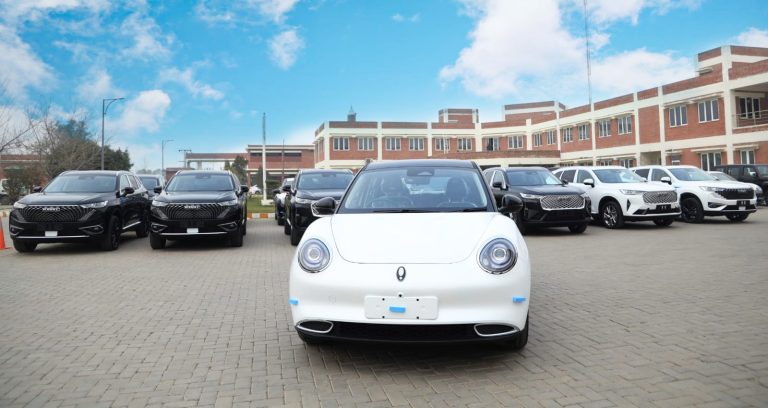
Dear Readers Sazgar Engineeringintroduced the ORA 3 EV after successful launch of GWM HavalSUV range in Pakistan contributing in the growing electric vehicle’s market. Haval and ORAboth arepart of Great Wall Motors (GWM).

According to Great Wall Motors, ORA stands for’open, reliable and alternative’, while also paying homage to Leonhard Euler, a notable mathematician.

ORA brand logo is derived from the exclamation mark, meaning to salute and greet to salute Mr. Euler, to greet users and the world. ORA hopes to bring surprise to people and represents GWM’s determination to create amazing products for users at the same time. ORA is positioned as a new generation of electric car.

In the ever-evolving landscape of automotive innovation, the emergence of electric vehicles (EVs) has sparked a revolution, reshaping the way we perceive transportation and environmental sustainability. Among the vanguard of this revolution stands the Great Wall Motor ORA 3 EV, a marvel of engineering and eco-conscious design that epitomizes the future of electric mobility. In this discourse, we delve into the intricacies of the ORA 3 EV, unraveling its technological prowess, environmental impact, and its potential to redefine the automotive industry.

Unveiling the Vision:

Great Wall Motor, a prominent name in the automotive domain, set out to redefine the EV segment with the ORA brand, embodying innovation, sustainability, and consumer-centric design. The ORA 3 EV, an integral part of this vision, represents a culmination of advanced technology, ergonomic design, and environmental consciousness.

Technological Marvel:

At the heart of the ORA 3 EV lies a sophisticated electric powertrain engineered for optimal performance and efficiency. Powered by state-of-the-art lithium-ion batteries, the ORA 3 boasts an impressive range, enabling drivers to embark on extended journeys with confidence. Its electric motor delivers robust acceleration, seamlessly blending power and agility for an exhilarating driving experience.

Moreover, the ORA 3 EV incorporates cutting-edge connectivity features, including an intuitive infotainment system and remote vehicle management capabilities. Drivers can monitor battery status, schedule charging sessions, and even pre-condition the cabin temperature, all from the convenience of their smartphone.

Design Elegance:

Beyond its technological prowess, the ORA 3 EV captivates with its sleek and modern design language. Boasting a streamlined silhouette and aerodynamic contours, it exudes a sense of dynamism while optimizing efficiency. The interior offers a sanctuary of comfort and sophistication, with premium materials and ergonomic seating ensuring an unparalleled driving experience.

Furthermore, the ORA 3 EV prioritizes sustainability in its design ethos, incorporating eco-friendly materials and manufacturing processes. From recycled plastics to renewable textiles, every aspect of the vehicle underscores Great Wall Motor’s commitment to environmental stewardship.

Environmental Impact:

Central to the allure of electric vehicles is their potential to mitigate the environmental impact of traditional combustion engine vehicles. The ORA 3 EV stands as a testament to this ethos, emitting zero tailpipe emissions and significantly reducing carbon footprint throughout its lifecycle.

By transitioning to electric mobility, drivers can contribute to cleaner air quality and mitigate the adverse effects of climate change. Moreover, the ORA 3 EV’s energy-efficient design minimizes resource consumption and waste generation, further enhancing its eco-credentials.

Market Disruption:

As the automotive industry undergoes a paradigm shift towards electrification, the ORA 3 EV emerges as a disruptive force, challenging conventional norms and redefining consumer expectations. With its competitive pricing, advanced features, and uncompromising commitment to sustainability, it poses a formidable threat to established incumbents in the market.

Moreover, the ORA brand’s emphasis on customer-centricity and personalized experiences resonates strongly with modern consumers, driving adoption and brand loyalty. As electric vehicles continue to gain traction, the ORA 3 EV positions Great Wall Motor as a frontrunner in the race towards a sustainable automotive future.

Future Prospects:

Looking ahead, the ORA 3 EV signifies not just a milestone in automotive evolution but a harbinger of things to come. As technology advances and infrastructure improves, electric vehicles are poised to dominate the market, offering a compelling alternative to traditional combustion engine vehicles.

Furthermore, the ORA brand’s relentless pursuit of innovation ensures that future iterations of the ORA 3 EV will continue to push the boundaries of electric mobility, incorporating emerging technologies and addressing evolving consumer needs.

In conclusion, the Great Wall Motor ORA 3 EV stands as a beacon of progress in the realm of electric mobility, embodying the fusion of cutting-edge technology, environmental consciousness, and consumer-centric design. As society gravitates towards sustainable solutions, the ORA 3 EV paves the way for a greener, cleaner future on the roads.

The ORA 3 EV has around 48 kWh Lithium battery with a driving range of up to 400 km per charge in ideal conditions. The electric motor is a permanent magnet synchronous good for 105kW (140hp) & 219 Nm rotating power from front wheels. The ORA 3 EV has a top speed of 160 km per hour.

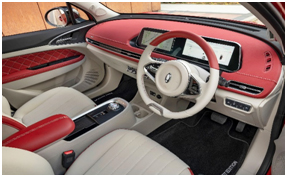
Retro-styled hatchback features LED adjustment headlamps with DRLs, electrically adjustable & retractable side view mirrors with integrated turn signals, rear fog lamp, 18-inch alloy wheels. Inside the dual-tone interior gets a multi-functions such as leather steering wheel, 6-way electrically adjustable driver seat, 4-way adjustable front passenger seat, 60:40-split rear seats, wireless charging, 10.25-inch instrumental cluster, 10.25-inch color touchscreen multimedia unit screen, automatic AC, keyless entry system, and panoramic roof.

Safety is ensured with 6 airbags, ABS with EBD, TCS & ESC, Adaptive Cruise Control & Intelligent Cruise Assist, Auto Hold & Hill Assist Control, front & reversing radar, automatic integrated parking system, Lane Departure Warning with Lane Hold & Lane Centering Assist, Front & Rear Collision Warning, Auto Emergency Braking, and Auto Collision Unlock. Keep in mind this car boasts a 5-star Euro NCAPEuro NCAP 2022 - 5 Stars crash test score.

Sazgar has provisionally priced the ORA 3 EV in Pakistan at PKR 89.99 lac. The vehicle is currently being offered as a CBU imported unit, bookings (against partial payment) with deliveries expected to be made within 3/4 months, according to the company terms & conditions. ORA 3 Good Cat EV has witnessed tremendous success in the markets it has been launched.

The GWM ORA height measured from the ground to the top of the car is 1603 mm, the width is 1825 mm and the length is 4235 mm.

The GWM ORA 3 has a decent driving position that offers a good range of adjustment in the seat and steering wheel to help you get comfortable. What’s more, the driving position lines you up with the pedals and steering wheel better than its competition.

Visibility out of the front of the car is good, with the pillars never intruding into your view out at junctions. The same can be said for the view over your shoulder, but not out of the back window, which is rather small. Even so, parking won’t be an issue thanks to the standard fit rear parking sensors and 360-degree camera. 

Following GWM Sazgar Engineering ORA 3 EV embodies a commitment to exceptional after-sales service. With a customer-centric philosophy, they prioritize reliability, efficiency, and convenience. Offering comprehensive support, from maintenance to repairs, they ensure a seamless ownership experience. By fostering trust and satisfaction, ORA 3 EV owners would enjoy peace of mind on every journey.

This exclusive article has been published in Automark Magazine’s March-2024 printed edition.

Car makers urge government to scrap tax hike on larger vehicles

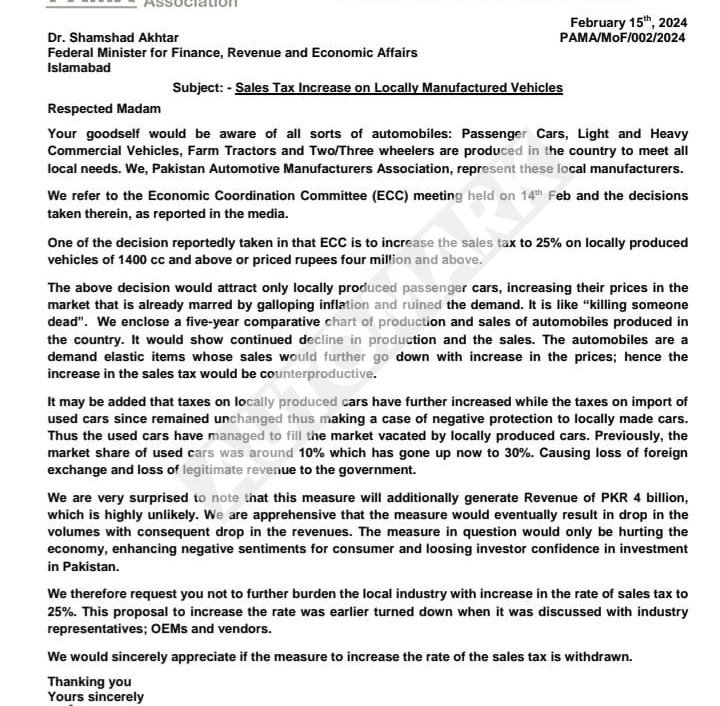
The measure would only hit the economy, enhancing negative sentiments for the consumers and losing investors’ confidence in Pakistan, Pakistan Automotive Manufacturers Association (PAMA) Director General Abdul Waheed Khan informed Caretaker Finance Minister Dr Shamshad Akhtar through a letter written on Feb15.

The Economic Coordination Committee of the Cabinet approved the tax increase to 25 percent from 17 percent on Wednesday, as part of a revenue-raising measure to meet the fiscal targets set by the International Monetary Fund.
The measure would only hit the economy, enhancing negative sentiments for the consumers and losing investors’ confidence in Pakistan, Pakistan Automotive Manufacturers Association (PAMA) Director General Abdul Waheed Khan informed Caretaker Finance Minister Dr Shamshad Akhtar through a letter written on Feb15.
But the Pakistan Automotive Manufacturers Association (PAMA) said the move was unfair and counterproductive, as it would only affect the domestic car makers and not the importers of used cars, who enjoy lower taxes and have captured a large share of the market. In a letter to the finance minister, Dr. Shamshad Akhtar, the association’s director general, Abdul Waheed Khan, said the tax hike would further reduce the demand for locally made cars, which have already seen a sharp decline in production and sales due to inflation and low demand.
“It is like “killing someone dead,” he said. The letter enclosed a five-year comparative chart of production and sales of automobiles produced in the country that showed a continued decline in production and sales. “The automobiles are demand elastic items whose sales would further go down with an increase in the prices; hence the increase in the sales tax would be counterproductive,” the letter said.
The taxes on locally produced cars have further increased while the taxes on the import of used cars have remained unchanged, thus making a case of negative protection to locally made cars. Thus, the used cars have managed to fill the market vacated by locally produced cars. Previously, the market share of used cars was around 10 percent, which has gone up now to 30 percent. “This causes loss of foreign exchange and loss of legitimate revenue to the government,” he said.
“We are very surprised to note that this measure will additionally generate revenue of PKR 4 billion, which is highly unlikely,” the letter said. “We are apprehensive that the measure would eventually result in a drop in the volumes with a consequent drop in the revenues.” The measure in question would only be hurting the economy, enhancing negative sentiments for consumers and losing investor confidence in investment in Pakistan.” The PAMA requested the minister not to further burden the local industry with an increase in the rate of sales tax to 25 percent. “This proposal to increase the rate was earlier turned down when it was discussed with industry representatives; OEMs and vendors,” Khan added.

Excitement Revs High for 2024 Canadian International AutoShow

More than 40 automotive brands are showcasing their wares across 650,000 square feet of exhibit space

TORONTO, Ont. — The 2024 Canadian International AutoShow was officially opened Friday with Ontario Premier Doug Ford, Ontario Minister of Tourism, Culture and Sport Neil Lumsden, federal MP Francesco Sorbara and federal Minister of Innovation, Science and Industry Francois-Philippe Champagne cutting the ribbon to welcome a crowd of eager auto enthusiasts to the 51st year of the event.

With 44 automotive brands represented across 650,000 square feet at the Metro Toronto Convention Centre, 31 vehicle premiers — including two global auto show debuts and one North American unveiling — interactive attractions, family-friendly features and fan favourites like Auto Exotica and Cobble Beach Classics, excitement is high for Canada’s largest consumer show and automotive expo.

“We’re excited to kick-off another year of the Canadian International AutoShow, a celebration of automotive technology and innovation,” said Premier Ford. “I’m especially proud of the number of Ontario-based brands represented at this year’s expo. Our province is becoming an auto-manufacturing powerhouse, attracting over $28 billion in auto and electric vehicle related investments over the past three years, making Ontario the only place in the world that the six largest auto makers call home.”

“The Canadian International AutoShow is the country’s largest consumer showcase, offering unique and exciting experiences for automotive enthusiasts from near and far, while driving significant economic growth provincewide,” said Minister Lumsden. “Events like this serve as a prime example of what makes Ontario the most visited tourism destination in Canada – attracting visitors to explore all that our province has to offer.”

Opening weekend at the AutoShow coincides with Family Day weekend, and includes a full slate of activities catered to the young and the young at heart.

“The AutoShow’s opening weekend is a great time for families to spend an exciting day together,” says Jason Campbell, General Manager of the AutoShow. “Whether shopping for a new vehicle, dreaming big among the exotics or taking part in any of the family-oriented activities we offer this year, the AutoShow is a family destination.”

Among the activities and attractions happening this Family Day weekend:
Family Admission — Save on admission to the AutoShow, with a family pass for two adults and two children for $48. Bundle the family pass with a round-trip fare on GO Transit for $73.
The LEGO Group — A series of family-friendly features are being presented by The LEGO Group, including a LEGO® brick mural of vehicles and Canada from coast to coast, a LEGO® DUPLO® brick car for little ones to sit in and have parents snap pictures, a brick-built 2D model of a Porsche 911 in a city setting (sitting behind the car creates the illusion of driving in class and style through downtown) and a brick-built “lowrider” celebrating modified car culture. In partnership with LEGOLAND Discovery Centre, the LEGO Group booth will also feature a retail pop-up shop for fans of the brand and gearheads alike to purchase LEGO sets. (South Building, 700 Level)
Barbie — Celebrate the Barbie lifestyle with her iconic pink 1957 Chevrolet Corvette — and inspired by the Barbie Movie — or step inside a life-sized Barbie Box for an unforgettable snap. (North Building, 300 Level)
Hot Wheels — See four life-sized vehicles from the Hot Wheels Garage of Legends™, all appearing at the AutoShow for the very first time, including the unique Deora II, the Guinness World Record-breaking Green Loop Coupe, the beloved Rip Rod and the OG Hot Wheels 1967 Chevrolet Camaro — the model that launched the entire brand. A Toys “R” Us pop-up shop will also be onsite, with an AutoShow exclusive, limited edition Nissan Silvia die-cast car available. Only 1,000 of the cars exist, and will be given away with every purchase of $50 or more. (North Building, 200 Level)
The Batmobile — Take in a replica of the “Tumbler” Batmobile — as seen in the hit “The Dark Knight” movie trilogy. It makes a great backdrop for selfies, and will excite the kid in all of us. (North Building, 100 Level)
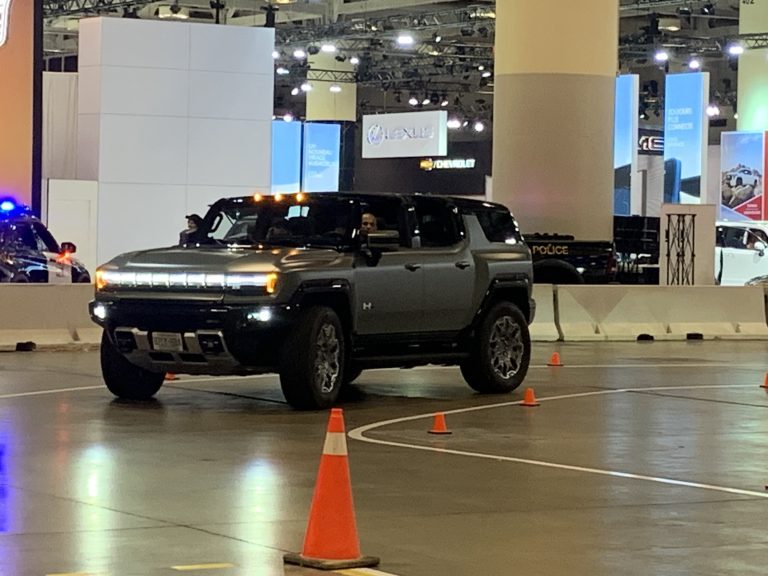
Test Rides — Canada’s largest indoor EV Test Track returns for 2024, with 13 electric vehicles available to be taken on a two-lap jaunt through the ½-kilometre, 70,000-square-foot course. Get behind the wheel and test drive the future of mobility, right inside the Metro Toronto Convention Centre. Vehicles available for a test drive include the Volvo XC90, VinFast VF 8, Hummer EV, Cadillac LYRIQ, Hyundai IONIQ6 and Kona EV, Lexus RZ, Genesis Electrified GV70, Nissan ARIYA, Ford Mustang Mach-E and F-150 Lightning, Kia EV9 and EV6, Subaru Solterra and Toyota bZ4X. (South Building, 800 Level) Test rides are also being conducted by Polestar (inquire at their display, South Building, 800 Level) and Tesla (inquire at their display, North Building, 300 Level).
Pfaff Motorsports — Through Family Day weekend, see the new Pfaff Motorsports McLaren 720S GT3 EVO racecar, and Canadian Motorsport Hall of Famer James Hinchcliffe — who is driving the McLaren in three races this season. Hinchcliffe will be meeting fans and signing autographs on Saturday, February 17th, between 2:30 pm and 3:30 pm at the Pfaff exhibit. (North Building, 300 Level)
Hockey and Cars — There are several hockey-themed attractions happening at the AutoShow on Family Day weekend:
Join Toronto Maple Leafs’ mascot Carleton the Bear and Maple Leafs Alum Darcy Tucker on Sunday, February 18th, between 11:30 am and 1:30 pm at the Ford of Canada display. Get your signed picture with Darcy and Carlton, plus, you could score Leafs prizes and tickets to upcoming home games! (South Building, 800 Level)
PWHL Toronto star and Olympic Gold Medal-winning forward Sarah Nurse will be meeting fans and signing autographs in the Chevrolet booth on Family Day, February 19, between 4:30 pm and 6 pm. Chevrolet is also promoting its Good Deeds Cup, where kids of all ages can take their turn shooting to “fill the cup.” (South Building, 800 Level)
Hyundai shootout for the Cup offers visitors a chance to shoot to win one of three Hyundai vehicles, with a grand prize chance to win a trip to the Stanley Cup Final. (North Building, 300 Level)
Video Games — Take a turn as a Formula One driver at the Red Bull Fan Zone (South Building 700 Level) playing EA Sports F1 23 on exclusive Red Bull Racing simulators. There is also a driving simulator in the Hyundai display — where there is also a Roblox game. (North Building, 300 Level)
Robots — See demonstrations of Spot, the innovative four-legged robot by Boston Dynamics and Hyundai. Spot is activated several times throughout the day at the Hyundai display. (North Building, 300 Level)

Porsche presenting five premieres at 2024 Canadian International AutoShow

2025 Taycan and 2024 Panamera join previously announced Vision GT as new reveals in Toronto

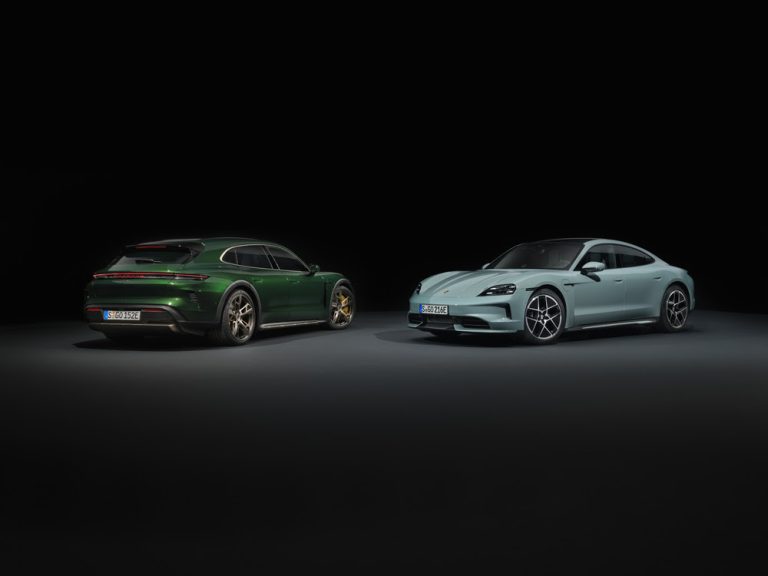
TORONTO, Ont. — The 2025 Porsche Taycan and 2024 Porsche Panamera will make their North American debuts at the 2024 Canadian International AutoShow, featured alongside the Porsche Vision GT concept car that is being seen at an auto show for the first time anywhere in the world, a commemorative 911 GT3 RS and a record-breaking 911.

The Taycan, which just had its world premiere earlier this month, will be seen in public for the first time in Toronto. The new car unveils will be accompanied at the AutoShow by the official launch of the Porsche Experience Centre in Toronto.

Porsche has given the 2025 Taycan an extensive update. With new front- and rear-end styling with new headlights and taillights, the experts at Style Porsche have further honed the clean, purist design of the Taycan. The new front wings and the flatter headlights give even greater emphasis to the width of the Taycan. All models boast even better acceleration. The new Taycan Turbo S is the most powerful and quickest Porsche ever, with 938 hp and going from 0 to 100 km/h in a mere 2.4 seconds — 0.4 seconds faster than before. The updated Taycan also recharges faster: at 800-volt DC charging stations, for example, it can be charged at up to 320 kW. That’s 50 kW more than before. In the first-generation Taycan, the charging time from 10 to 80 per cent SOC at 15 degrees Celsius is 37 minutes. Under the same conditions, the new Taycan takes only 18 minutes despite its larger battery capacity.

The 2024 Panamera — the third generation of the sporty luxury sedan — is characterized by an even broader digital offering, fresh and expressive design, and a greater bandwidth between comfort and sportiness. The new model underscores its sporty character with even more powerful engines and broadens its capabilities with a completely new interior layout and several innovative technologies. The E-Hybrid powertrains deliver greater performance and a new high-end suspension cement the Panamera as the sports car of its segment. The integration of the owner’s digital ecosystem enables completely new opportunities to interact with and use the vehicle, and it offers an expanded level of standard equipment, including a two-valve, two-chamber air suspension, LED Matrix headlights, drive mode switch on the steering wheel, a cooled smartphone compartment with inductive charging and an improved air particulate filter with GPS-based automatic recirculation.

Announced in December as a feature car coming to the AutoShow, the Vision GT concept car is Porsche’s first vehicle designed exclusively for a video game — Gran Turismo 7 on the PlayStation 5 and PlayStation 4. This spectacular vehicle concept was the fruit of a collaboration between Porsche and the Japanese video game development studio Polyphony Digital Inc., a subsidiary of Sony Interactive Entertainment. The ‘Gran Turismo’ game series has featured Porsche sports cars since 2017, including the Taycan Turbo S, but this is the first Porsche that was designed specifically for the game.

The Porsche Experience Centre (PEC) Toronto will open its doors later this year and become the 10th in the world and third of its kind in North America, after Atlanta and Los Angeles. Located on a dedicated, 20-acre site at the “Durham Live” development in Pickering, Ont., PEC Toronto will be a brand park and major tourist destination where visitors can experience vehicle dynamics, technology and emotion first-hand with expert guidance from Porsche instructors through various driving modules all year long. This domestic and international tourist destination will include a driving circuit that is more than two kilometres in length, designed by Tilke Engineering to highlight the technological prowess of the Zuffenhausen brand’s two- and four-door sports cars – in their ideal playground. This will allow customers and fans to immerse themselves in the world of Porsche regardless of whether they own one or not. Visitors of the PEC Toronto will also be able to admire current and historic exhibition vehicles, stop by the café and browse the Porsche shop.

To commemorate the opening of Porsche Experience Centre Toronto, Porsche Cars Canada commissioned a unique 911 GT3 RS inspiration vehicle. Built in partnership between Porsche Cars Canada and the Porsche Sonderwunsch (special request) team in Germany, renowned designer Grant Larson led the design of this car to show just what’s possible through the Porsche Sonderwunsch program.

Another premiere in Toronto will be a Porsche 911 that set a new world record in December 2023. Driven by racer Romain Dumas and supported by an international team from Chile, France, Germany, the U.S., Canada and Switzerland, this Porsche 911 set the record for driving to the highest altitude by a car (gasoline/diesel) by reaching the summit of the west ridge of the Ojos del Salado volcano — which measures 6,734 meters (22,093 feet) — located east of Santiago. In context, the peak of this volcano is 775 metres beyond the summit of the highest point in Canada, Mount Logan in Yukon. The basis of the car is the 911 (Type 992) Carrera 4S equipped with a factory-standard turbocharged flat-six engine developing 443 hp (under normal conditions) and the original seven-speed manual transmission. The highest earthbound vehicle was running on eFuels which are made from water and carbon dioxide using renewable energy, enabling a potentially near net CO₂ neutral use of combustion engines, since the CO₂ captured during the production process of eFuels roughly equals the CO₂ emitted during the usage of the car. Porsche has invested in this technology as part of its ambition to power sports cars of the past, present and future.

Porsche will be located on level 700 in the South Building of the Metro Toronto Convention Centre.

MG Motor in Saudi Arabia, celebrated launch of the all-new MG WHALE SUV COUPE

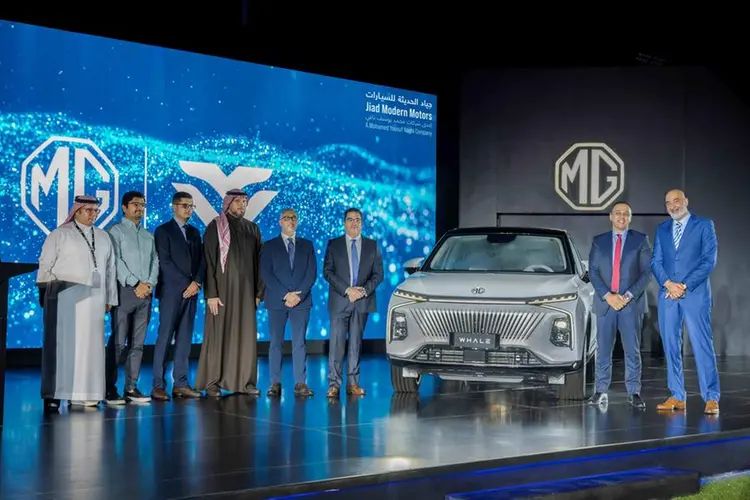
Jiad Modern Motors, the distributor for MG Motor in Saudi Arabia, celebrated the official launch of the all-new MG WHALE SUV COUPE at a grand ceremony in Jeddah.
The MG WHALE is a sporty mid-size SUV designed for young customers, ambitious professionals, and families in urban environments seeking adventure in their lives. Inspired by the whale, the SUV features a futuristic design, including a distinctive front grille, “Baleen Whale” inspired daytime running lights, and marine-inspired elements like door mirrors and a gear lever.
External features include a two-tone glossy black roof, chrome-trimmed exhaust tips, and stylish 19-inch alloy wheels, enhancing the vehicle’s visual appeal. The interior boasts a premium quality cabin with six-way electric adjustable seats, dual-zone air conditioning, an electric controlled panoramic sunroof, a 9-speaker BOSE sound system, multi-color ambient lighting, and a 12.3-inch dual-curved front display. Safety features include a high-definition 360°around view monitor, active and passive safety features, and a high-strength chassis structure for maximum protection and dynamic advantage. The SUV is powered by a 2.0L turbocharged engine producing 231 HP and 370 Nm torque, coupled with an 8-speed automatic gearbox, providing efficiency and minimizing fuel consumption.
The blend of modern design, cutting-edge features, and a dedication to sustainability is bound to attract consumers seeking a fusion of style and eco-conscious choices. It’s delightful to witness the dedication to crafting a driving experience that transcends basic transportation, evolving into a lifestyle. The prioritization of sophistication and performance implies that the MG Whale goes beyond being a mere vehicle, representing an embodiment of innovation and passion.

Source: ThinkDirect Automotive Consulting

 Standardization of Electric Bikes in Pakistan

The electric vehicle (EV) revolution has reached Pakistan, with a surge in the number of assemblers entering the market, signalling a paradigm shift towards sustainable transportation. As around 100 assemblers are expected to flood the Pakistani market with electric bikes (e-bikes), the landscape is poised for significant changes. However this influx brings both challenges and opportunities, requiring a strategic approach from stakeholders to ensure the success of this transformative wave. Furthermore the challenges are related to quality control, standardization, market competition and saturation whereas opportunities are, diverse product range, Job creation, Market education, and collaboration for standardization.

Following EV bike products are already announced in the Pakistan and most of them are available in the market, but few of them are just announced yet.
1 – YADEA (Road Prince)
2 – AIMA Pakistan (SIWA )
3 – Super Asia (AIMA)
4 – New Asia RAMZA (AIMA)
5 – Metro E Vehicles (YADEA)
6 – Evee (Huahai)
7 – Union Star (Tailg)
8 – Hi-Speed (Tailg)
9 – United EV (Tailg)
10 – Benling by Crown Group
11 – WINNER EV’s
12 – Benly e by Atlas Honda
13 – YJ Future models – 2024
14 – Eco Dost
15 – VLEKTRA Electric Bikes
16 – Super Star EV’s
17- Jolta EV Bikes

The rapid entry of numerous assemblers raises concerns about the quality of e-bikes in the market. Ensuring that these vehicles meet safety and performance standards becomes paramount to building consumer trust and fostering long-term adoption.

  • A sudden influx of assemblers may lead to market saturation, making it challenging for businesses to differentiate themselves. Competition could intensify, potentially resulting in price wars that may affect the overall sustainability of the industry.
  • As the number of e-bikes on the road increases, the demand for charging infrastructure will rise. Ensuring that charging stations are accessible, standardized, and compatible with various e-bike models is essential for a seamless user experience.

Standardization is A Key Catalyst for Growth:
The standardization of EV bikes in Pakistan is essential for several reasons. It not only ensures the safety and reliability of these vehicles but also promotes a consistent user experience. The
standardization of electric bikes is an essential path towards establishing a robust and reliable electric mobility infrastructure in Pakistan.
Standardization involves defining common technical specifications, safety requirements, and performance benchmarks that manufacturers must adhere to when producing electric bikes. This not only ensures the safety of consumers but also facilitates a more straightforward integration of e-bikes into the existing transportation ecosystem.
Here are some key aspects that highlight the importance of standardization.
Benefits of Standardization:

  1. Safety Assurance: Standardization sets safety benchmarks that manufacturers must meet, ensuring that electric bikes are built with quality components and adhere to rigorous safety standards. This is crucial for consumer confidence and preventing accidents caused by faulty designs or subpar manufacturing.
    Standardization allows for the establishment of safety protocols, ensuring that electric bikes adhere to specific safety standards. This includes the design and manufacturing of batteries, charging systems, and overall vehicle construction. Implementing safety measures is crucial to building trust among consumers and regulatory bodies.
  2. Interoperability of Charging Infrastructure: Standardization promotes interoperability among different electric bike models and charging infrastructure. When e-bikes adhere to common technical specifications, it becomes easier for consumers to access charging stations and for manufacturers to create compatible components. A standardized charging protocol will enable users to charge their e-bikes at various charging stations across the country, promoting convenience and accessibility.
  3. Quality Assurance: Standardization ensures that electric bikes meet certain quality benchmarks. This not only benefits consumers by providing reliable products but also establishes a level playing field for manufacturers, encouraging healthy competition and innovation in the industry.
  4. Market Growth: Standardization can encourage market growth by fostering a competitive yet level playing field for manufacturers. With clear guidelines in place, new players can enter the market with confidence, knowing that they are contributing to a standardized and reliable electric bike ecosystem.
  5. Consumer Confidence: Knowing that electric bikes adhere to standardized specifications provides consumers with confidence in their purchase. This trust is essential for widespread adoption and acceptance of electric bikes as a viable mode of transportation.
    Steps Toward Standardization in Pakistan:
    Regulatory Framework: The government plays a pivotal role in establishing and enforcing standards. Developing a comprehensive regulatory framework that includes safety standards, technical specifications, and certification processes is essential.
    Industry Collaboration: Collaboration within the electric bike industry is crucial for successful standardization. Manufacturers, suppliers, and other stakeholders should work together to establish common standards, share best practices, and address challenges collectively.
    Consumer Education: Educating consumers about the benefits of standardization and helping them make informed choices is essential. This involves creating awareness campaigns, disseminating information about standardized products, and promoting the advantages of choosing electric bikes that adhere to established standards.
    Incentives and Support: The government can provide incentives for manufacturers who comply with standardization requirements, encouraging widespread adoption. Financial incentives, tax breaks, and research grants can motivate stakeholders to invest in standardization efforts.
    Conclusion:
    The entry of around 100 e-bike assemblers into the Pakistani market marks a significant milestone in the nation’s journey towards sustainable transportation. While challenges such as quality assurance, standardization, and market saturation are evident, strategic collaboration among industry players, regulatory bodies, and consumers can turn these challenges into opportunities. By navigating this transformative wave with foresight and cooperation, Pakistan has the potential to emerge as a key player in the global shift towards sustainable and eco-friendly transportation. By establishing clear guidelines and encouraging industry collaboration, Pakistan can pave the way for a future where electric bikes are not just a niche but a mainstream mode of transportation, contributing to a cleaner and greener environment.

Exclusive written by @Asif Mehmood for Automark Magazine, February-2024 printed/digital edition.