Home Blog Page 10

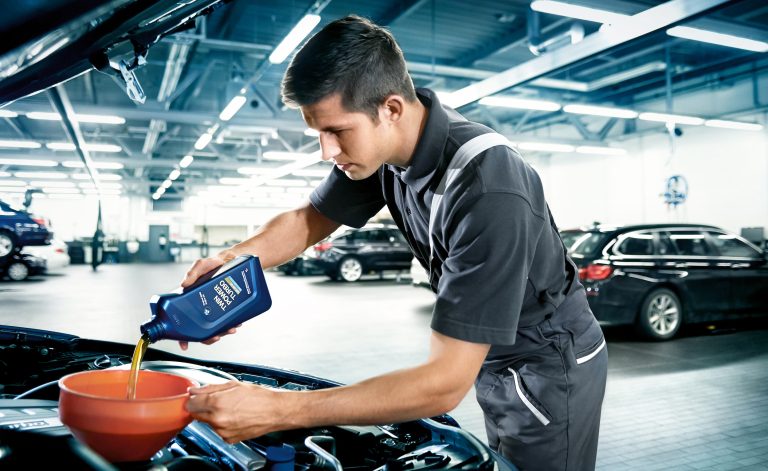
Beyond the Oil Change: Value-Added Services in Aftersales Succeeding in a Competitive Environment

Let us begin with the fine quotes of the Aftersales service

  • “What you do has far greater impact than what you say.”
  •  “Service is what life is all about.”
  •  “Great acts are made up of small deeds.”
  •  “Goodness is the only investment that never fails.”

Customer wants more than minimum maintenance and always seek convenience, transparency, and individualized service. Value-added services assist in differentiating companies, so customers return for service instead of looking elsewhere.

Value-added services (VAS) in automotive aftersales are vital for dealerships to survive in the competitive marketplace today. They are a strategic move away from merely repairing cars to developing customer relationships and maximizing profitability. By strategically applying VAS, dealerships can turn their aftersales operations into profit centers, cement customer relationships, and succeed in the long term in the highly competitive automotive business.

With today’s highly competitive motor industry, dealerships are no longer able to depend on core maintenance work such as the change of oil to propel profitability and loyalty among customers. Intellectually savvy dealerships are uncovering the potency of value-added service offerings extending beyond the simple and adding greater value to customers while increasing profitability. These products, from tire rotations and detail work to paint protection and accessories installation, continue to become progressively vital to being successful.

Successful businesses in the contemporary automotive after-sales market have to move above the oil change, incorporating added-value services designed to focus on convenience, technology, and environmentally friendly practices. Those who adopt this change will not only increase customer satisfaction but also gain a solid competitive edge in the constantly changing world of automotive service.

The automotive environment is changing at a fast pace, customers enjoy more options than ever before, and the world of online allows for real-time price comparison, given the present Automotive Customer service challenges and customer expectations, value-added service provides a significant competitive advantage. Customers yearn for convenience, which enables Customers to package services, eliminating time and hassle. Rather than making a series of trips to several stores for a tire rotation, car wash, and paint protection, they can have it all accomplished at the dealership in one trip. This “one-stop shop” is of great benefit to the customer experience.

Also beneficial to have a Personalized Touch with customers: By offering outstanding service and serving a broader spectrum of customer requirements, dealerships can establish stronger relationships and encourage loyalty. Customers will more likely come back for repeat service and even repeat sales when they feel appreciated and well cared for. VAS may be customized to fit specific needs. Providing different service packages or choices allows customers to select what best fits in their budget and priorities, making them feel appreciated and understood, and presenting more revenue sources aside from regular maintenance. Such services also carry relatively high-profit margins and are the largest contributor to the financial health of the dealership.

Establishing Trust & Long-Term Relationships: A dealer that provides an integrated set of quality services makes the dealer look like an authority and gains customer trust. Trust translates into long-term relationships, repeat business, and word-of-mouth referrals. assist dealerships in differentiating themselves. By providing an array of complete services, they are a one-stop shop for all car needs, making the experience more convenient and attractive for customers.

The scope of value-added services in the automotive aftersales market is broad and constantly evolving. It encompasses a wide range of offerings designed to enhance the customer experience, protect vehicle investments, and drive business profitability. By understanding customer needs and embracing technological advancements, dealerships can leverage VAS to build stronger customer relationships, differentiate themselves from competitors, and thrive in the dynamic automotive landscape.

Detailing and Car Care:  Detailing and vehicle care services have progressed from an elementary wash and wax to an advanced suite of services that highly complement the aftersales process at auto dealerships. In addition to making a vehicle look better, the services help maintain its lifespan, resale value, and overall satisfaction. Ranging from basic washing to comprehensive interior and exterior detailing, these services appeal to those who prioritize their vehicle’s look. They also provide opportunities to upsell paint protection and other appearance products.

 Detailing and car care services are valuable value-added products for automotive dealerships. They give customers a variety of benefits, ranging from improving their vehicle’s appearance and preserving its value to enhancing their driving experience. For dealerships, these services provide additional revenue, improved customer loyalty, and a competitive advantage in the marketplace. By investing in qualified technicians, high-quality products, and effective processes, dealerships can use detailing and car care services to improve the after-sales experience and boost business growth.

Paint Protection and Ceramic Coatings: These services offer long-term protection for the paint of the vehicle, protecting it from environmental elements and keeping it showroom shine. They are a high-margin product offering. Paint protection and ceramic coatings are new-generation car surface protection technologies that are formulated to protect the paint finish of a vehicle and keep it showroom shine for the life of the vehicle. Though both provide a high level of benefits, they are different in terms of their properties and applications. Both PPF and ceramic coatings are worth the investment for car owners who desire to maintain the best condition of their vehicles. If you know the advantages and distinctions between these treatments, you can make the right decision about which one suits you.

Genuine Accessory Installation:  From tow hitches and roof racks to upgraded audio systems and custom wheels, accessory installation enables customers to customize their vehicles and delivers dealerships considerable revenue opportunities. The installation of accessories is a worthy and growing service among automotive dealerships that increases considerable value to the customer relationship and increases revenue within the after-sales segment. It’s a perfect example of a value-added service that transcends general maintenance and repair. Installation of accessories is an added value to the services of any automotive dealership. It offers a tremendous opportunity to boost revenue, improve customer satisfaction, strengthen customer loyalty, and achieve a market advantage. By investing in skilled technicians, providing quality products, and good marketing, dealerships can effectively use accessory installation to achieve growth and profitability for their aftersales business.

Tire Rotations and Replacements: A necessity for tire durability and vehicle safety, tire services offer a steady revenue stream and enable dealerships to engage with customers. Tire rotations and replacement are critical maintenance procedures that play a significant role in tire longevity and vehicle safety and performance. Knowing the ins and outs of these services is important to both vehicle owners and automobile service providers. Tire rotations are preventive maintenance that prolongs tire life, enhances handling, and saves fuel. They include rotating tires from one position on the vehicle to another. Tires need replacement when they become worn out, damaged, or aged. Getting the correct replacement tires and installing them correctly is paramount for safety and performance. Both tire replacements and rotations are critical services provided by car service providers, helping to ensure vehicle safety and customer satisfaction.

Extended Warranties and Service Contracts: Providing OEM extended warranties and service contracts is reassuring to the customer and creates a steady stream of recurring revenue for the dealership. Extended warranties and service contracts are an excellent addition to any vehicle dealership’s services, being a considerable value-added service for both the customer and the company. They give auto owners peace of mind while generating a steady stream of recurring revenue for the dealer. Extended warranties and service contracts are high-value VAS that bring manifold benefits to customers as well as dealerships. They give car owners peace of mind while generating a recurring revenue stream and customer loyalty for the dealership. By presenting this value-added service effectively, dealerships can grow their aftersales business, raise profitability, and establish long-term customer relationships.

Insurance Products:  Collaborating with insurance companies to provide automobile insurance can be a source of additional revenue and increased customer convenience. Providing insurance products as a VAS at automobile dealerships can be a win-win situation for the business and the customer. This is a close look at this growing trend. Providing insurance products as a VAS can be a worthwhile addition to an automobile dealership’s offerings.   It is convenient gives choice to customers and brings extra revenue as well as customer loyalty to the business. Dealerships can use insurance products to strengthen their aftersales department and drive business growth successfully by following the rules, offering the right training, and addressing the needs of the customers.

The secret to success with VAS is knowing the needs and wants of today’s car customers. Being able to adapt to the new customer is the most important thing for success in the automotive aftersales business, particularly when it comes to value-added services. Customers today are better informed and more tech-savvy, and demand a personalized, hassle-free experience. By adopting these approaches, car dealerships can effectively ride the wave of new customers and use VAS to generate revenue, foster loyalty, and succeed in the competitive aftermarket.

The trick lies in zeroing in on delivering a personalized, convenient, and transparent experience that addresses the changing needs of today’s automobile owners. Offer Competitive Pricing: Study market prices and price VAS competitively to win customers, competitive pricing for value-added services is important to win customers and drive top-line sales in the automotive aftersales sector. It is a fine line between profitability and customer value perception. Provide packages of VAS at a reduced price versus buying each service separately. This may encourage customers to try more services and generate more revenue. For instance, a “detailing package” could contain interior cleaning, wash, and wax at a price less than it would cost to purchase each one individually.

Promote VAS Effectively: Leverage online marketing, social media, and in-dealership promotions to promote the value of VAS. Value-added services promotion is an important aspect of maximizing revenue, customer loyalty, and market differentiation for automotive dealerships. The promotion strategy plays a pivotal role in promoting the value of VAS and engaging customer interest. Through the use of an extensive and well-implemented promotional strategy, car dealerships can successfully promote the value of their VAS, acquire new customers, foster customer loyalty, and achieve considerable growth in their aftersales division.

Train Employees Properly: Make sure employees are well-versed in the services provided and can properly explain their value to customers. Proper staff training is critical to the successful implementation and marketing of value-added services in an automotive aftersales division. Without a properly trained staff, even the most superior VAS offerings will fail. Employees need to have a good grasp of each service, its features, benefits, and uses. This is more than just being aware of the name of the service; they must be aware of the process, the materials involved, and the benefits it offers to the customer. Training should concentrate on consultative selling methods, with a focus on identifying customer needs and suggesting appropriate solutions. This means asking open-ended questions, listening, and knowing the priorities of the customer. By investing in comprehensive and continuous training, car dealerships can empower their employees with the necessary skills and knowledge to effectively sell and provide value-added services, ultimately generating revenue, increasing customer satisfaction, and establishing a successful aftersales department.

Provide Exceptional Customer Service: Make the customer experience a seamless and positive one to inspire loyalty and repeat business. Providing excellent customer service is key to success for any business, but particularly important in the automotive aftersales market. A good service experience can convert a one-off customer into a loyal advocate, whereas a bad experience can result in lost sales and harm your reputation. Grant your employees autonomy to make choices that serve the customer. A more empowered customer service team is more likely to take the time to resolve disputes and deliver an excellent experience.

Takeaway from this article:

In the highly competitive world of automobiles, value-added services are now essential and no longer a frill for dealerships aiming to succeed. By providing a complete menu of VAS, dealerships can become unique, generate additional revenue, foster customer retention, and improve the overall customer experience. Adopting VAS is not merely providing ancillary services; it’s about establishing a long-term, profitable business in the new automotive world. Value-added services have been critical for car business firms looking to succeed in the competitive business environment of the present. They are a strategic move away from mere car repair to creating long-term customer relations and optimizing profits. At the end of the day, VAS is not merely about offering additional things; they’re about creating a customer-oriented culture that focuses on value, convenience, and an enhanced ownership experience. In the changing automotive landscape, adopting VAS is critical to surviving, and more importantly, thriving. By incorporating digital convenience, tailored customer interaction, and creative service solutions, dealerships and service shops can foster deeper customer relationships and enhance their service absorption levels.

The increasing popularity of electric vehicles (EVs), connected cars, and sustainability efforts further underscore the imperative for flexible and innovative aftersales strategies. The effects of value-added services go beyond individual companies, they define brand loyalty, drive purchasing decisions, and lead to long-term industry expansion. Firms that focus on convenience, transparency, and customized service solutions will not only keep current customers but also gain new ones through word-of-mouth and online interaction. Ultimately, the future of the car aftersales market is for those that move past the minimum, offering frictionless, customer-focused, and innovative service experiences.

Those who commit to value-added services now will be the ones driving the industry forward tomorrow.

This exclusive article has been published in Automark’s March-2025 printed and digital edition. Written by Mohammad Rafique
The Rise, Fall and Future of Electric Vehicles: A Global Perspective

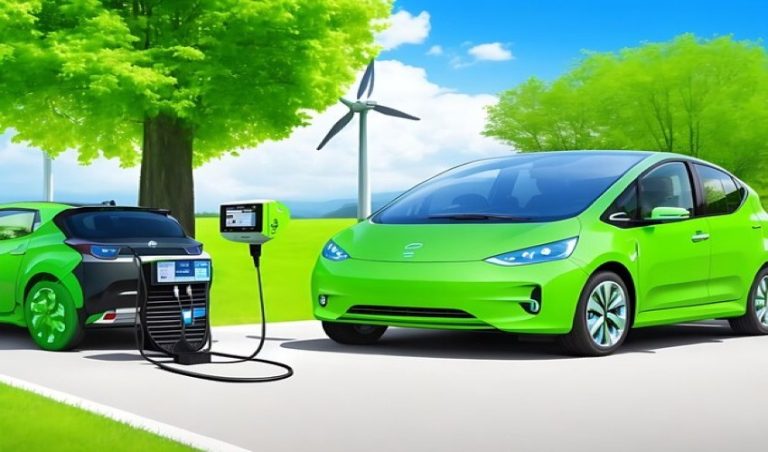
The journey of electric vehicles (EVs) has been full of ups and downs. From early innovations to strong opposition, and now a global shift towards EVs, this industry has seen it all. The story of EVs, from GM’s EV1 to China’s leadership in the market today, teaches us important lessons about the future of transportation.

The First Wave of EVs: GM’s Early Efforts

In 1996, General Motors (GM) launched the EV1, the first modern electric car for mass production. With a futuristic design, a range of 70-100 miles (110-140 km with better batteries), and quick acceleration, the EV1 gained popularity among drivers in California and Arizona.

Despite its success, GM discontinued the EV1 in 2003, citing high production costs and low demand. However, many believed that the real reason was resistance from oil companies and traditional carmakers, who were not ready for the shift to electric mobility.

Why Did the EV1 Fail?

Several factors led to its downfall:

  1. Resistance from the Oil Industry & Automakers
    1. The oil and gas industry lobbied against EV policies.
    1. Traditional car manufacturers feared EVs would hurt their sales of gas-powered cars and spare parts (ICE business model and ecosystem).
    1. A lack of charging stations made it hard to use EVs for long trips.
  2. GM’s Lack of Commitment
    1. GM made most of its money from gas-powered vehicles and saw EVs as less profitable.
    1. Customers were only allowed to lease the EV1, not buy it.
  3. Government Policy Changes
    1. Under pressure from automakers and oil companies, California reduced EV requirements.
    1. Without strong regulations, GM had no reason to continue making EVs.

How This Relates to Today

The story of the EV1 is relevant again, as former U.S. President Donald Trump signals a possible rollback of EV policies. His stance includes:

  • Opposing EV mandates and subsidies.
  • Arguing that EVs threaten U.S. auto jobs.
  • Raising concerns about China’s dominance in EV battery production.
  • Supporting oil and gas industries that compete with EVs.

However, this time, the EV revolution is too strong to be stopped.

China’s Leading Role in EVs

China is now the global leader in EV production and sales, accounting for 60% of all EVs sold worldwide. This success is due to:

  • Government Support: Billions of dollars in subsidies for manufacturers and buyers.
  • Battery Production: Companies like CATL and BYD control over 50% of the world’s battery supply.
  • Affordable & High-Tech EVs: Chinese brands like BYD, NIO, and XPeng are expanding internationally.
  • Charging Infrastructure: Rapid expansion of charging stations and battery-swapping technology.

The Current EV Boom

In 2024, the EV industry is growing rapidly. Several factors are driving this growth:

  1. Better Technology
    1. Lithium-ion batteries now offer longer ranges, faster charging, and lower costs.
    1. Features like autonomous driving and smart connectivity make EVs more attractive.
  2. Government Support
    1. Many countries offer tax benefits and incentives to encourage EV adoption.
    1. Strict emissions regulations are pushing automakers to invest in EVs.
  3. More Charging Stations
    1. Both governments and private companies are expanding charging networks.
  4. Consumer Awareness
    1. High fuel prices and concerns about climate change are making people switch to EVs.
  5. Auto Industry Commitment
    1. Big names like GM, Ford, and Volkswagen are now investing billions in EVs.
    1. Tesla, Rivian, and BYD are leading the way with innovative models.

Challenges Facing the EV Industry

Despite the progress, some hurdles remain:

  1. Battery Supply Issues
    1. The demand for lithium, nickel, and cobalt is rising, leading to shortages.
    1. Ethical and environmental concerns around mining need solutions.
  2. Electricity Grid Capacity
    1. More EVs will increase the demand for electricity. Countries need to improve power grids and use more renewable energy.
  3. High Upfront Costs
    1. EV prices are falling, but they are still expensive compared to gas cars.
  4. Expanding Charging Networks
    1. More fast-charging stations are needed, especially in developing countries.

The Future of EVs: What’s Next?

The global EV market is expected to keep growing, but challenges must be tackled:

  • Battery Production: Securing raw materials and improving recycling methods.
  • Energy Infrastructure: Strengthening electricity grids and increasing renewable energy use.
  • Affordability: Making EVs cheaper for more people.
  • Charging Access: Expanding charging networks to make EVs practical everywhere.

Final Thoughts

EVs have come a long way since the GM EV1. While the first attempts faced strong resistance, the situation has changed. With better technology, government backing, and strong market demand, the future of EVs looks bright.

China’s leadership is driving the industry forward, making electric mobility an unstoppable trend. The question is not whether EVs will take over, but how quickly they will replace traditional gas-powered cars.

With continued investment and innovation, we could see a complete shift to EVs within the next two decades. 🚗⚡

This article was written for Automark Magazine by Asif Mehmood. For more updates on the auto industry, subscribe to our magazine.

The Dynamics and Advantages of Multi-Brand Automobile Dealerships

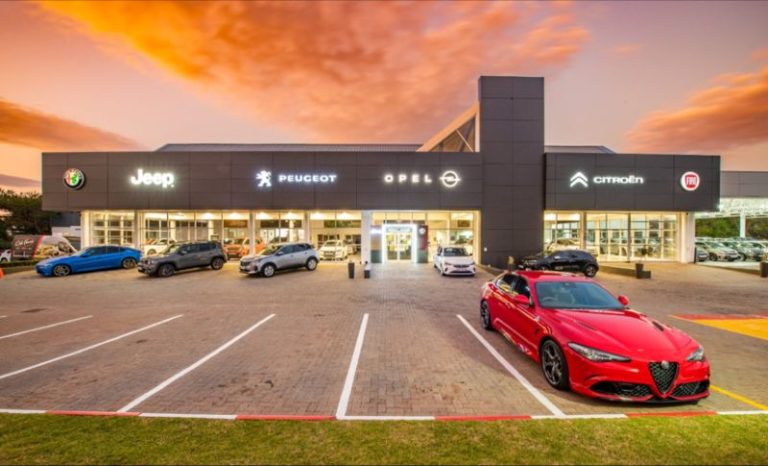
Dear Readers In the ever-evolving automotive industry, dealerships are constantly seeking innovative strategies to optimize profitability and sustainability. One such approach gaining momentum is the concept of multi-brand automobile dealerships—retail spaces that offer vehicles from multiple manufacturers under one roof. This model presents several financial and operational advantages, enabling dealerships to enhance their revenue streams, improve customer experience, and achieve greater economies of scale. This article delves into the dynamics, benefits, and impact of multi-brand dealerships on overall profitability, supplemented with real-world examples of successful implementation.

The Dynamics of Multi-Brand Automobile Dealerships

A multi-brand automobile dealership operates by securing agreements with multiple Original Equipment Manufacturers (OEMs) to sell a variety of vehicle brands within the same dealership network. The dealership must adhere to each brand’s specific guidelines, from showroom layouts to marketing requirements. These dealerships often categorize their showrooms into distinct sections per brand while leveraging shared services, such as aftersales support, financing, and administration.

Key operational dynamics include:

  • Brand-Specific Compliance: Ensuring each brand’s identity is maintained while optimizing resource utilization.
  • Inventory Management: Balancing stock levels across multiple brands to align with demand.
  • Salesforce Training: Equipping sales and service personnel with expertise across various brands.
  • Customer Segmentation: Catering to a diverse customer base with varying brand preferences.
  • Aftermarket Services: Establishing a robust service network that meets the distinct requirements of multiple manufacturers.

Advantages of Multi-Brand Automobile Dealerships

1. Diversification of Revenue Streams

One of the primary advantages of multi-brand dealerships is the ability to diversify revenue sources. Offering multiple brands allows dealers to tap into various customer segments, from budget-conscious buyers to luxury seekers. This model helps mitigate risks associated with market fluctuations affecting a single brand.

2. Increased Footfall and Customer Retention

A broader selection of brands attracts a wider customer base, increasing showroom traffic. Potential buyers exploring different options within a single dealership are more likely to make a purchase. Moreover, customers who trust the dealership’s service center for one brand may be inclined to consider other brands available within the same network.

3. Improved Inventory Turnover

A dealership that stocks multiple brands has greater flexibility in managing inventory. For example, if one brand experiences slower sales, the dealership can offset this with the sales of another brand’s popular models. This balanced approach optimizes inventory turnover and reduces holding costs.

4. Economies of Scale and Cost Efficiency

By sharing operational expenses such as marketing, administration, and aftersales support across multiple brands, multi-brand dealerships benefit from economies of scale. Consolidating overhead costs enables higher profitability without significantly increasing operational expenses.

5. Enhanced Competitive Edge

In an industry where competition is fierce, a multi-brand approach helps dealerships stand out. Customers prefer dealerships where they can compare multiple options before making a decision. This positioning fosters a competitive advantage over single-brand dealerships that might not offer the same variety.

6. Stronger Negotiating Power with OEMs

Multi-brand dealers often possess greater bargaining power when negotiating terms with manufacturers. OEMs recognize the dealership’s ability to push multiple brands and may offer better incentives, promotional support, and inventory financing options.

7. Resilience Against Market Downturns

During economic downturns, demand for vehicles from a single brand may decline. However, with a diversified portfolio, multi-brand dealerships can continue generating revenue by capitalizing on brands that experience steady demand. This diversification ensures business continuity even in challenging market conditions.

Case Studies of Successful Multi-Brand Dealerships

1. Penske Automotive Group (United States and International)

Penske Automotive Group is a prime example of a successful multi-brand dealership model. Operating over 300 dealerships across multiple countries, Penske represents brands such as BMW, Audi, Toyota, and Mercedes-Benz. Their strategy focuses on premium customer service, efficient inventory management, and strong OEM partnerships, contributing to consistent profitability.

2. Inchcape PLC (United Kingdom and International)

Inchcape, a UK-based automotive retailer, represents brands like Jaguar Land Rover, Lexus, and Volkswagen. Their multi-brand strategy allows them to cater to luxury and mass-market segments simultaneously, creating a balanced revenue stream. Inchcape’s robust online presence and customer-centric service model further amplify its success.

3. Al-Futtaim Automotive (Middle East & Asia)

Al-Futtaim Automotive, based in the UAE, manages multiple automotive brands, including Toyota, Honda, and Volvo. Their approach integrates shared service centers and aftersales support, leading to cost efficiencies and enhanced customer satisfaction. By leveraging strategic partnerships with OEMs, Al-Futtaim has maintained strong market positioning.

4. Group 1 Automotive (United States)

Group 1 Automotive operates a network of dealerships with multiple brands, focusing on a mix of luxury and mainstream vehicles. Their success lies in effective customer relationship management (CRM) systems, which help them personalize interactions across different brand segments.

Challenges and Considerations

While the multi-brand model offers substantial benefits, it also presents unique challenges:

  • Brand Identity Management: Maintaining distinct brand identities within a shared dealership space can be complex.
  • OEM Relations: Managing relationships with multiple manufacturers requires balancing different contractual obligations and compliance requirements.
  • Training Complexity: Sales and service teams must be well-versed in various brand specifications and technological advancements.
  • Initial Capital Investment: Establishing a multi-brand dealership often requires significant upfront investment in infrastructure, personnel, and marketing.

Conclusion:

The multi-brand automobile dealership model is an effective strategy for enhancing profitability and long-term sustainability. By diversifying revenue streams, optimizing operational costs, and enhancing customer experience, dealerships can position themselves for success in a competitive automotive market. However, to fully capitalize on this approach, dealerships must implement strong management practices, invest in workforce training, and foster strong relationships with OEMs.

As demonstrated by successful dealership groups worldwide, a well-executed multi-brand strategy can yield significant financial and operational benefits. With the right balance of inventory management, customer engagement, and cost control, multi-brand dealerships can drive long-term growth and profitability, making them an attractive business model for the future of automotive retail.

This exclusive article has been published in Automark’s March-2025 printed and digital edition. Written by Aqeel Bashir

BYD Officially Commence Vehicle Deliveries in Pakistan

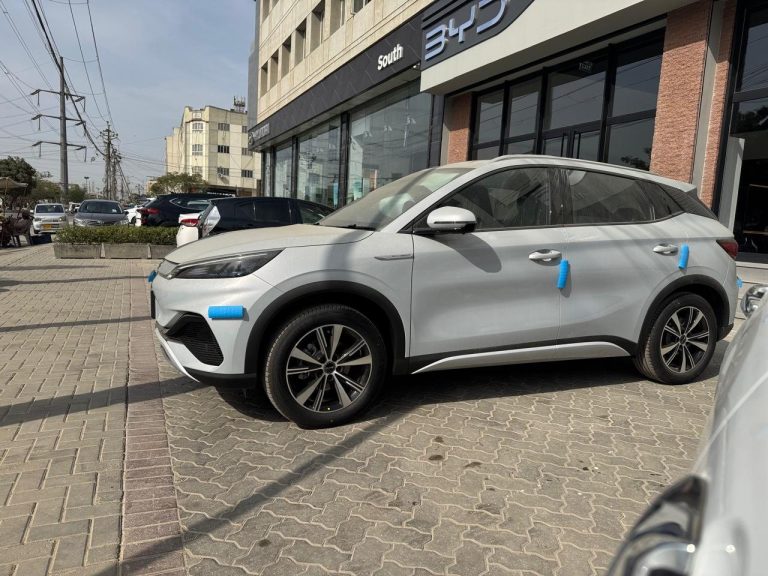
BYD, the world’s largest manufacturer of New Energy Vehicles (NEVs) in partnership with Mega Motor Company (MMC) has commenced vehicle deliveries in Pakistan marking a major milestone in the country’s transition toward sustainable mobility. Starting today, customers in Karachi, Lahore, and Islamabad will begin to receive their much-anticipated BYD vehicles, signifying the brand’s strong commitment to the local market. BYD & MMC aim to deliver up to 100 vehicles within the first 48 hours of starting operations.


MMC has set up BYD’s Experience & Care centers at key locations in Islamabad, Lahore and Karachi, providing customers with a premium experience to explore and engage with the brand’s cutting-edge New Energy Vehicle technology.


The launch of these centers and the rollout of SEAL & ATTO 3 reflects BYD and MMC’s confidence in Pakistan’s rapidly evolving automotive landscape. As demand for New Energy Vehicles (NEVs) continues to rise, BYD & MMC aim to expand its footprint in the country by opening a total of 15 centers in 2025 further enhancing accessibility to sustainable mobility solutions.


Speaking on the occasion, Lei Jian, Country head of BYD Pakistan, said: “It is an honor to embark on this crucial development chapter in Pakistan. BYD has long been dedicated to fulfilling people’s aspirations for a better life through technological innovation. We firmly believe that BYD’s new energy vehicles and technologies are destined to make even greater contributions to Pakistan’s green development journey.


Danish Khaliq, VP Sales & Strategy of Mega Motor Company, stated: “We are thrilled to begin vehicle deliveries across Pakistan. This marks the beginning of an exciting journey for BYD and our customers, as we introduce world-class NEV technology to drive Pakistan toward a cleaner and more sustainable future.”
With this significant step, BYD continues to reinforce its global mission of revolutionizing the automotive industry by providing innovative and eco-friendly transportation solutions.

  • Press Release

Chery Group China and NexGen Auto to introduce Omoda & Jaecoo electric vehicles in Pakistan

OMODA & JAECOO HAS THE COOPERATION WITH NEXGEN AUTO

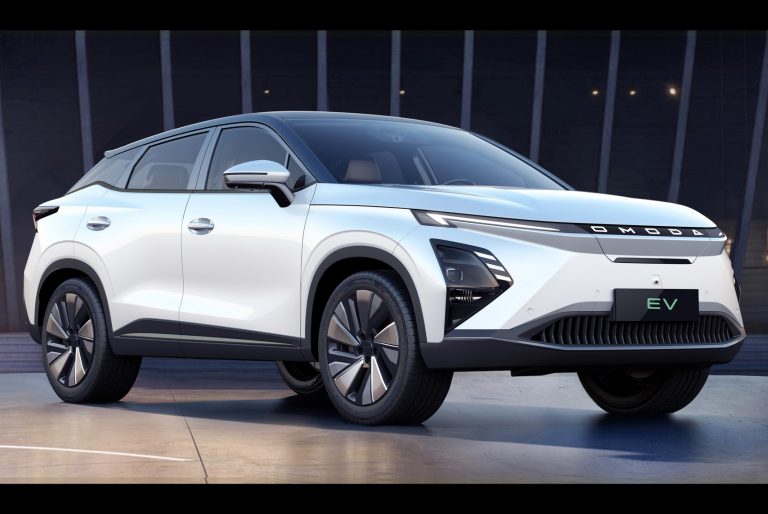
Chevy Group and NexGen Auto Forge Strategic Partnership to Bring Omoda and Jaecoo New Energy Vehicles to Pakistan Chevy Group, a global leader in the automotive industry, and NexGen Auto, a prominent automotive distributor, are proud to announce their strategic partnership to introduce Omoda and Jaecoo-branded New Energy Vehicles (NEVs) in Pakistan.
This collaboration signifies a shared vision to drive innovation, sustainability, and advanced mobility solutions in one of South Asia’s most dynamic markets. With a commitment to redefining automotive standards, this partnership will bring cutting-edge NEVs equipped with state-of-the-art technology and eco-friendly powertrains.
The Omoda and Jaecoo brands are renowned for their contemporary designs, superior performance, and dedication to delivering a sustainable driving experience.
Speaking about the partnership, Mr.Chen Chunqing, Executive vice president of Chevy International, stated: “Chevy Group is thrilled to collaborate with NexGen Auto to enter the Pakistani market. This partnership is a testament to our mission of providing intelligent, sustainable, and premium mobility options to customers globally.
We are confident that Omoda and Jaecoo will set a new benchmark for New Energy Vehicles in Pakistan, [NexGen Auto Executive Name], [Designation], expressed enthusiasm about the alliance, saying: “NexGen Auto, vision aligns seamlessly with Chevy Group, innovative approach to automotive technology. Together, we aim to transform the Pakistani automotive landscape by introducing vehicles that not only meet international standards but also cater to the evolving preferences of local consumers.
The introduction of Omoda and Jaecoo NEVs is expected to contribute significantly to Pakistan, transition towards a greener and more sustainable transportation future. The vehicles will be available through NexGen Auto, dealership network, ensuring widespread accessibility and exceptional customer service.
Further details about product launches, specifications, and pricing will be announced in the coming months.

About Chevy Group:
Chevy Group is a globally recognized automotive manufacturer with it strong presence in over 80 countries. Known for its commitment to innovation, Chevy specializes in the production of high-quality vehicles that combine advanced technology, exceptional design, and environmental responsibility.
About NexGen Auto:
NexGen Auto is a newly established company in Pakistan, automotive sector. Dedicated to delivering premium vehicles and exceptional after-sales services, NexGen Auto is committed to innovation and aims to make it significant impact on the nation, automotive industry.

  • Press Release

ADAS System Testing & Calibration: Requirements and Autonomous Vehicle Cyber Security Real Threats

Greetings, Dear Readers!


In this article I will focus on the importance of the testing and calibration of ADAS system. Because every machine has to be tested to make sure that it is working according to its design and safety protocols. Cars, trucks, and buses are among the most complex machines that the average person will ever operate. 

ADAS technology and its safety features have been developed to improve the safety of our roadways by preventing the human errors that are responsible for the vast majority of accidents. Therefore, nothing is more important than ensuring that ADAS technology itself is safe and reliable.

Additionally, I will discuss how autonomous vehicles will be vulnerable to cyber security threats in the future.


  1. Importance of ADAS System Testing

The complex technologies behind ADAS must be tested, and not just in software models, but on the ground, with vehicles and human drivers interacting on real roads under realistic conditions.

Automotive test engineers have been instrumenting vehicles for nearly a century. The vehicles and the ground station must be interlinked wirelessly, and it must be a high-speed and robust connection.

Furthermore, the data from multiple test vehicles moving around in three-dimensional space must be precisely time-aligned, so that the data can be analyzed in a meaningful way.
For vehicles to be capable of 100% autonomous driving under all conditions someday, they must be able to detect and adapt to a wide variety of conditions:

  • The expected and unexpected movements of other vehicles
  • Pedestrians in the lane of travel and crosswalks
  • Debris and unexpected matter in the lane of travel
  • Undocumented temporary changes due to construction or roadway modifications
  • and more

Simulation is a big part of testing, but real-world testing is essential, so new testingmethods have been developedin the world of ADAS.

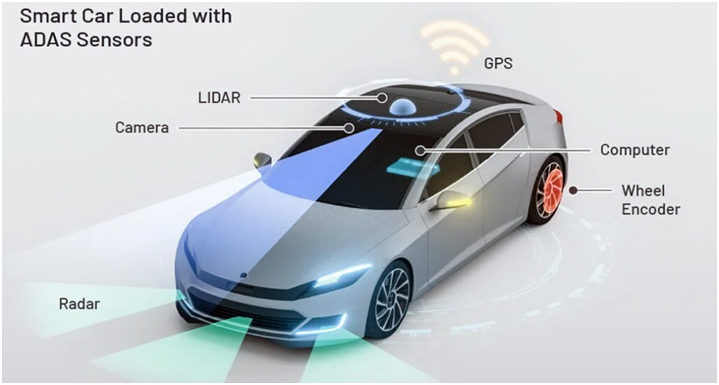
The development of ADAS systems requires complex testing, including the ability to control and calculate relative positions between multiple vehicles and objects in real-time, across a large test track. Complex tests involving multiple vehicles and objects require modern test tracks and equipment like:

  • Driving robots
  • GPS/GNSS
  • IMU and INS sensors
  • High-speed wireless car-to-car, and car-to-base data networking
  • ADAS targets
  • Proving ground tracks

Entirely new ADAS testing tools have been developed and are available at today’s proving grounds. There are also partial and completely autonomous testing tools, primarily in the simulated testing world.

Driving &Steering Robots

Driving, aka steering robots, are used for the computerized operation of motor vehicles. They are typically designed so that they can be fitted onto a standard car, truck, or bus without the need to remove the steering wheel or modify the vehicle in any significant way. This means that tests are conducted according to standards, and that test results can be more easily compared and analyzed.
Steering robots are essential for, as well as standard NHTSA roll-over tests, such as Fishhook and J-Turn, UN Reg 13-H / FMVSS 126 sine-dwell tests, and more.

Inertial Measurements Units (IMUs) and Inertial Navigation Systems (INS)

The terms IMU and INS are often used interchangeably, but they are really two parts of the same thing. An IMU is an actual sensor, made up of accelerometers, gyroscopes, and often magnetometers. These outputs are fed into the INS, which uses them to calculate linear velocity, linear position, angular rates, and more. 

Inertial Measurement Units are used to measure and output several parameters: 

  • Acceleration
  • Orientation
  • Angular rates 
  • Gravitational forces 

GPS/GNSS Sensors

An absolutely critical component in today’s ADAS testing is highly accurate GNSS/GPS positioning systems. These systems are used to measure relative positions and velocity among vehicles and objects very accurately and with fast update rates.

Improving Accuracy with Real-time Kinematics (RTK)

Real-Time Kinematic is a technique used to increase the accuracy of GNSS positions using a fixed base station, that wirelessly sends out correctional data to a moving receiver.

Many GNSS and IMU navigational devices can be upgraded with RTK (Real Time Kinematic) technology. RTK improves positioning accuracy down to 2 cm (0.79 in.)

Wireless Data Transfer using Robust WIFI Technology

Robust WLAN solutions are used to maintain communication between vehicles and between vehicles and ground stations. Wireless transfers can reach up to 2 km (1.24 miles) range in line-of-sight.

ADAS Soft Targets

ADAS vehicle targets aka “soft targets” are designed to resemble vehicles and other objects on the road, including cyclists and pedestrians. They are realistic enough to convince the camera and other sensors in the test vehicles that they are real. But colliding with them does not destroy them, or damage expensive test vehicles.

Guided Soft Targets

These targets are remotely controlled vehicles made of soft materials that break apart easily in the event of a collision. They look like a car or trucks but are empty inside. After a collision, they can be rebuilt in a matter of minutes and be ready for the next test. 

Pedestrian and Cyclist Soft Targets

These targets can be mounted on a very low propulsion platform, or they can be mounted on an arm connected to the propulsion platform so that test cars that hit them won’t be damaged by running over the propulsion platform. Dummies can be configured as pedestrians, cyclists, scooter riders, and more. Some models are propelled on a remotely controlled platform, while others are towed using flat cables connected to motors located on the side of the track.

Video Cameras

Cameras are indispensable sensors in a wide variety of automotive testing applications, including ADAS testing. The video data from these cameras, in sync with the data, provides important context, meaning, and value.

The most critical aspect of adding cameras to the test is that the resulting video data is synchronized with the GPS, CAN, and analog data.

LiDAR Sensors

LiDAR sensors are being incorporated into ADAS and autonomous vehicles because they are critical sensors. But the LiDAR sensors discussed in this section are the more expensive and capable ones that are used for ADAS testing. They are typically mounted on the hood or roof of ADAS test vehicles and used in proving ground tests.

ADAS Software

All vehicles and other objects in the ADAS test require ADAS software. ADAS software must be able to acquire data synchronously from multiple vehicles at the same time. Also, it needs measurement and calculation capabilities, such as:

  • Measure the object’s speed, acceleration, deceleration, heading
  • Measure and calculate distances between moving and static objects in real-time
  • Measure and calculate angles between objects

What About Consumer-Level ADAS Calibration?

In previous sections, we discussed how engineers test ADAS systems during their development using real drive testing and software simulation. This occurs before the cars’ designs are finalized, manufactured, and delivered.

What if a new ADAS-equipped vehicle parks in front of your house? Is it necessary to check and calibrate ADAS systems? Yes, just like any other part of the car. 

To work as designed, ADAS systems are heavily dependent on sensors, which must be operating at peak efficiency and efficacy as we discussed in part 1. Behind the scenes, there is a powerful processor. It uses sensor data to perform driver assistance warnings (passive safety measures) and to steer and brake automatically to avoid collisions (active safety measures).

Automobile manufacturers are increasingly recommending and requiring consumers to recalibrate their cars’ ADAS systems.

1.ADAS Warning Lights Flashing or Indicating a Fault

This one is obvious: if your car is telling you that something is wrong with the ADAS system, it should be checked and brought back to factory OEM standards immediately.

2.Windshield Repair or Replacement

Several ADAS sensors are mounted either near or behind the windshield, so when a windshield is replaced or compromised in any way, it can affect these sensors. This is why several companies that perform windshield replacement and repair have expanded into the recalibration of ADAS sensors. USA-based Safelight Auto glass offers ADAS camera recalibration as a part of their windshield repair services. They offer both static recalibrations where the car is parked and facing a calibrated target, and active recalibration, where the car is driven on a well-marked road.
Safelight is present across the entire USA.

3.Accidents

A collision causes very obvious damage to the body of the car. But the impact can also affect systems that you cannot see, including the ADAS sensors and system. Checking and, if necessary recalibrating, the ADAS system should be part of any post-collision repair.

4.Changes in the Car’s Height

ADAS systems like parking sensors and others are calibrated for a specific ride height. But if different diameter tires are installed, or significant modifications to a car’s suspension have been made, the ride height can be changed. It is important that the sensors be calibrated to the actual ride height of the car so that they can work as designed.

Consumers should always verify that the repair facility is trained in performing ADAS system calibration according to the car maker’s factory specifications.

What About Cyber Security?

An independent study commissioned by SAE and Synopsis reveals that 30% of automobile makers and suppliers do not have an established product cybersecurity program or team. And 84% of the respondents to the survey are concerned that cybersecurity practices are not keeping pace with the ever-evolving security landscape. 

Today’s cars, trucks, and even motorcycles are basically “self-contained rolling IT networks” that incorporate control systems, entertainment systems, and wireless communication across numerous protocols. The driver’s and passengers’ cell phones, tablets, and other devices can and often do also connect to the vehicle for entertainment, communication, and navigation. They also expose the vehicle to the internet at large, and increasingly, vehicles have their own wireless link to the internet. The potential for hacking has never been greater.

One of the conclusions of this report is that the technologies that pose the greatest risk are RF technologies, telematics, and self-driving vehicles.

To combat this risk, the SAE developed J3061, the world’s first automotive cybersecurity standard. At its core, JAE J3061 emphasizes that cybersecurity should be integrated into vehicle design from the very start, not added later. The pressure to get new vehicles from design to the showroom as quickly and economically as possible has a powerful effect on OEMs and suppliers alike. As vehicles get more interconnected, rigorous testing against vulnerabilities at all stages of product design and development must keep pace. Development testing at this stage is crucial.

A revision to the ISO 26262 Automotive Functional Safety standard is underway, and a working group made up of both ISO 21434 and SAE J3061 has begun the development of an overall cybersecurity standard for tomorrow’s vehicles. A UN Task Force on cybersecurity is also addressing this increasingly important topic.

This is the third article in the ADAS digging series. I am trying to close this topic, but the more I learn, the more opportunities open up. In my next article, I will share the organizations that are developing ADAS standards.

Be sure to stay tuned! 

Exclusive written for Automark Magazine, Feb 2024 by Muhammad Usman Iqbal

Exploring AAPEX 2024A: Gateway to the Global Automotive Aftermarket Industry

It was inspiring to see Pakistani companies making their mark on this global platform. I encourage more industry players to consider attending or exhibiting at these shows in the future. With proper planning and collaboration, we can turn our expertise into a significant export-driven success story.

Let’s aim to make an even stronger impact at AAPEX 4-6 November,2025 and SEMA 4-8 November,2025 next year. Hope to see you there in 2025!

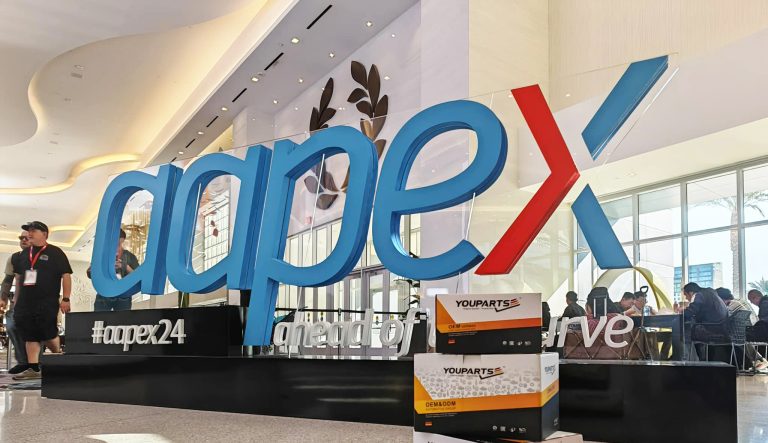
I had the privilege of attending the Automotive Aftermarket Products Expo (AAPEX 2024), held from November 5-7 in Las Vegas, USA. The event was a remarkable experience, though I couldn’t explore every corner of the massive exhibition.

Representation from Pakistan

This year, several Pakistani companies participated under the umbrella of the Pakistan Association of Automotive Parts and Accessories Manufacturers (PAAPAM), supported by the Trade Development Authority of Pakistan (TDAP). TDAP provided stalls at discounted rates, making participation more accessible for exhibitors. Among the companies at the Pakistan Pavilion were:

  • Ammarian Industry Pvt Ltd
  • A One Technique Pvt Ltd
  • Atlas Engineering Pvt Ltd
  • Kor Tech Auto Industry
  • Matchless Engineering Pvt Ltd
  • Mecas Engineering Pvt Ltd
  • Meralastick Rubber Engineering Products
  • Metaline Industries Pvt Ltd
  • National Automotive Component Pvt Ltd
  • Thermosole Industries Pvt Ltd

Additionally, Excel Engineering Pvt Ltd and Darson Industries independently secured their stalls directly from AAPEX organizers.

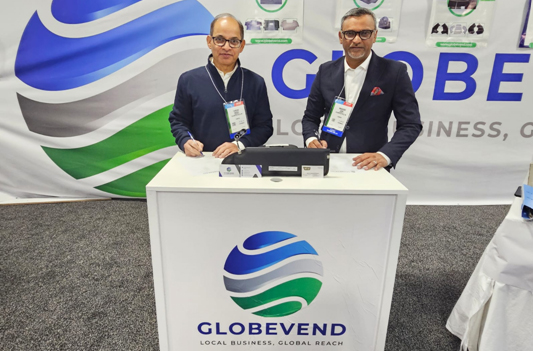
Notably, Mehran Commercial Enterprises marked a groundbreaking milestone by exhibiting for the first time under the US Company Pavilion. Their display featured key products tailored for the US market, including parts for Dodge models and off-road commercial vehicles. This proves a significant breakthrough to achieve success.

TDAP’s support was invaluable, especially for exhibitors navigating the complexities of international trade shows. AAPEX provides only the raw space for stalls, requiring exhibitors to handle the additional costs of flooring, tables, chairs, and branding materials. These costs often match or exceed the stall’s price.

What Makes AAPEX Special

AAPEX is the premier event for the global automotive aftermarket industry, worth over $2.3 trillion. This year, more than 2,600 companies occupied 5,508 booths across 37 pavilions. Exhibitors came from 46 countries, and the event even expanded into Caesars Forum to accommodate additional displays. The expo offered over 130 technical and business management training sessions, equipping attendees with insights on the latest industry trends like electric vehicles (EVs), advanced driver assistance systems (ADAS), AI, connected cars, and autonomous vehicles.

The Automotive Aftermarket Industry Week

November in Las Vegas is a significant time for the automotive industry. Alongside AAPEX, the Specialty Equipment Market Association (SEMA) Show also takes place, creating the Automotive Aftermarket Industry Week.

  • SEMA Show: Focuses on performance products, accessories, and customizations, catering to enthusiasts and professionals looking for the latest tools, parts, and add-ons. The show includes product demos, seminars, and networking events.
  • AAPEX Show: Concentrates on original equipment (OE) and service-oriented products like tools, oils, interior partsand air conditioning components.

While SEMA is known for its flash and flair products demos, AAPEX is equally critical for those focused on the aftermarket sector.

Key Takeaways and Advice for Future Visitors

For first-time attendees, these events can be overwhelming due to their sheer scale. Planning is essential:

  1. Identify Key Interests: Conduct research beforehand to determine which areas align with your business goals.
  2. Allocate Time Strategically: Visit both shows if possible but prioritize according to your industry focus.
  3. Consider Exhibiting: Whether as a primary exhibitor or co-exhibitor, showcasing your products can open new export opportunities.

Pakistani auto parts manufacturers, with their vast experience in OEM production, are well-positioned to explore export markets. By leveraging events like AAPEX and SEMA, our manufacturers can expand their reach, contributing not just to their businesses but also to Pakistan’s economy.

Conclusion

AAPEX 2024 offered a glimpse into the future of the automotive aftermarket industry. It was inspiring to see Pakistani companies making their mark on this global platform. I encourage more industry players to consider attending or exhibiting at these shows in the future. With proper planning and collaboration, we can turn our expertise into a significant export-driven success story.

Let’s aim to make an even stronger impact at AAPEX 4-6 Nov, 2025 and SEMA 4-8 Nov, 2025 next year. Hope to see you there in 2025!

This exclusive article has been published in Automark’s February-2025 printed and digital edition, written by Mashood Khan

First Couple from Pakistan with ages 62 & 54 make record with their motorcycle tour

My name is Ali Imran. Me and my wife are an aged biker couple, I am 62 and she is 54. We feel proud to be members of Pakistan’s first community of motorcyclists i.e., Pakistan Biker Club – Since 2007 (f). We have explored many tourist destinations of amazing Pakistan. Our biggest wish was to go for an international tour on the motorcycle. We have been planning for last two years on project “UMRAH ON THE BIKE”. It was very difficult task, but it was not impossible, so we started thinking for this dream.

If you want to achieve any goal or success in life then you have to put extra efforts, need to have strong courage and top level commitments. Because in life some traveling is done for Allah (S.W.T.) and nothing reaches it’s completion without Allah’s help. A child is born in this world without any name but never die without name. “One should try to spend life like Prophet Muhammad (PBUH) and die like Hazrat Imam Hussain (RA)”.

We completed all visa documentations and relevant documentation for the motorcycle for the subject journey. The details of these documentation tasks will be shared with public later at social media. 

19th October 2024 was the day as we three companions hit the road together from Lahore to Saudi Arabia by the grace of Almighty Allah (S.W.T.). For this journey our itinerary was (Lahore – Quetta – Iran – UAE – Saudi Arab). From Iran to UAE no road route is available, so we can reach UAE only by sea (ferry traveling). We drove the bike from Pakistan to holly city of Madina Ahamdulliah and covered 6,290 kilometers one way (including UAE cities traveling for some meet up and events).

We reached Iran after 4 nights as our visiting cities were “Zahedan, Bam, Jiroft, Kanouj and Bandar Abbas”. We were impressed by the kind hospitality of Iranian people (many times). We got our bike refueling of petrol from three different Irani cities and every time we got the full tank of our bike totally free of cost. Because the great Irani people insisted every time and refused to accept money at any cost. We faced severe sandstorm / crosswind on the way from Zahedan to Bam while we were crossing small town named “Nusratabad”. The storm was too harsh, as it resulted in felling down of motorcycle twice at standing position beside the road. Because wind was too strong and powerful enough to do it. This also resulted in our bike’s air-filter blocked, moreover the carburetor was not working properly. So we had to get bike’s treatment done in the Bam city. We are thankful to a carry van driver who helped and dropped us with our bike to a good mechanic in Bam city. He did not accept any money and that was again another example of hospitality.

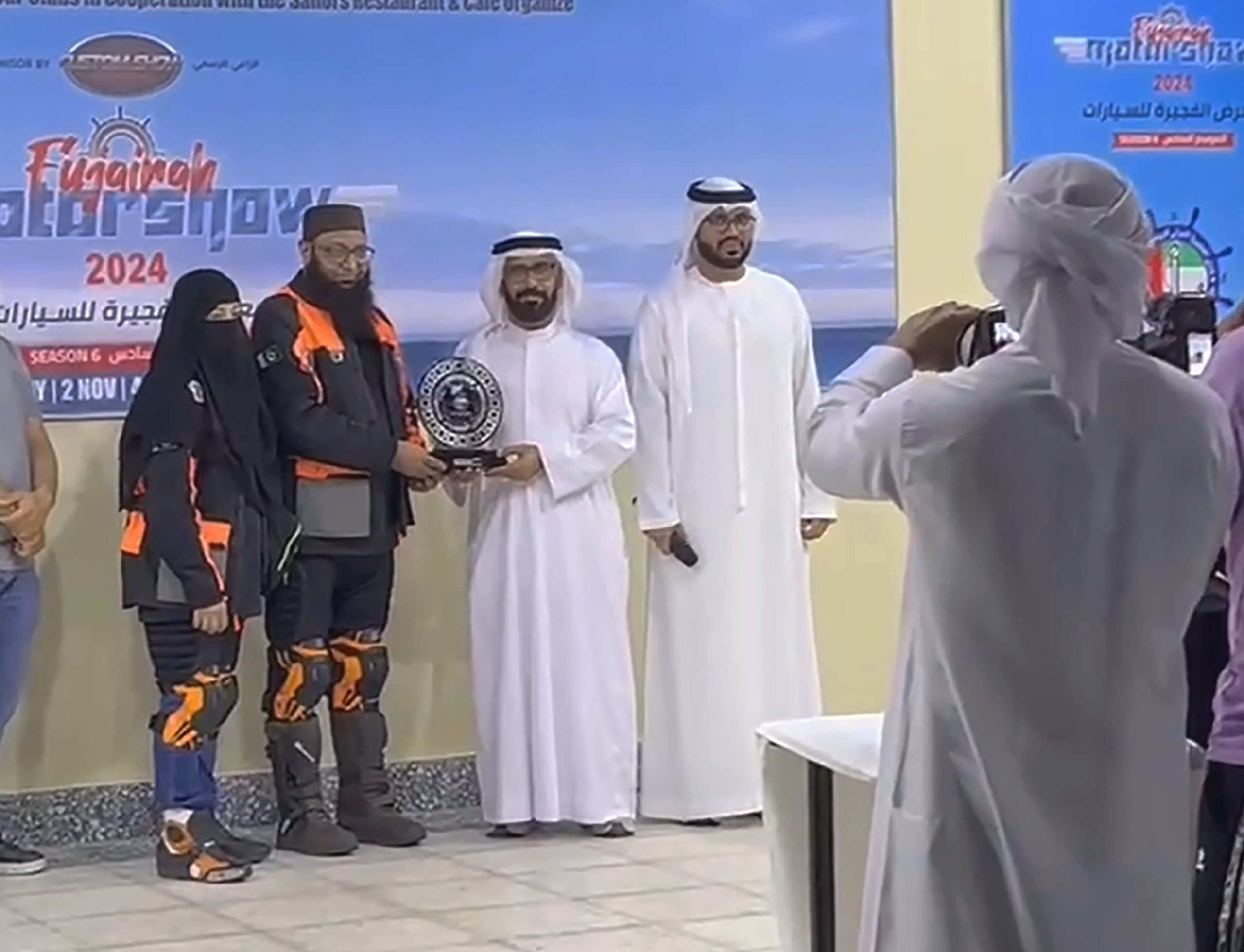
I would also like to mention hospitality of UAE specially PRG (Pakistani Riders Group) team lead by Mr. Mirza Khud. They organized many activities to make our visit memorable. We received a shield in one of the event (Auto Show) in Fujairah, UAE which was presented by high officials. We also met famous traveler / business man Mr. Munir Karim in (Sharjah UAE). He is very kind and amazing person.

There are a lot of people who supported us and appreciated us. A lot of people met us on road and shared their respect for us and our project. We thank everyone in the world who was there around us, whether it was a highway or a place.

This exclusive article has been published in Automark’s February-2025 printed and digital edition, written by Ali Imran.