Pakistan’s automotive sector is having a moment—just not the kind anyone would want. Car sales are plummeting, production lines are stalling, and a once-thriving industry now seems precariously perched on the edge of a cliff. The numbers are grim: According to PAMA (Pakistan Automotive Manufacturers Association), car sales dropped from over 230,000 units in 2021 to just 81,000 in 2024. Production? Equally dismal.
And while we’re all too familiar with the usual suspects—economic instability, inconsistent policies, and import restrictions—it’s time we address the elephant in the room: dependence. Our auto parts manufacturers are tied at the hip to an industry that’s proven, time and again, to be too volatile. The solution? Diversification.
Let’s talk about Alsons Group, a company that could give a masterclass on pivoting. With nearly seven decades of experience in precision engineering, Alsons has transitioned from primarily serving the automotive sector to becoming a key player in industries as diverse as aerospace, energy, and medical devices. Yes, medical devices.
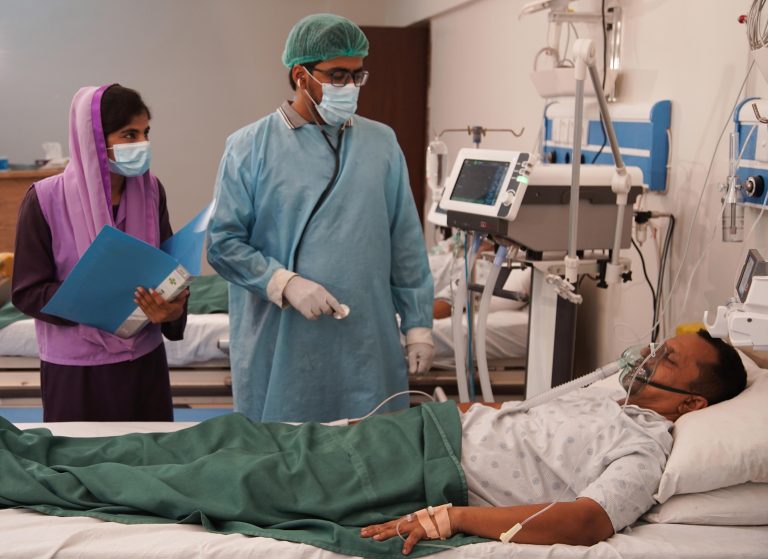
Take Alsons Technology, their R&D powerhouse, which is innovating in IoT-based systems and health tech. During the pandemic, Alsons didn’t wait for the storm to pass—they built ventilators, filling a critical gap in Pakistan’s healthcare system. That’s what diversification looks like: not just survival, but relevance in a rapidly changing world.
Now consider Synthetic Products Enterprises Limited (SPEL), which started by making plastic parts for cars. Today, they’ve expanded into packaging solutions and consumer products, creating a more balanced portfolio. It’s simple math: when one sector tanks, the others keep you afloat.
And then there’s TECNO, which proves that stepping outside your comfort zone can lead to massive payoffs. Initially focused on engineering and manufacturing for industrial clients, TECNO took a bold leap into consumer technology, developing mobile phones and building a strong presence in competitive markets. Today, TECNO is a well-recognized brand, demonstrating how diversification doesn’t just protect against risk—it can also unlock entirely new markets and customer bases.
These companies are doing what needs to be done. The question is: why aren’t others following suit?
There’s no shortage of opportunities. With Pakistan’s energy crisis worsening, local manufacturing for solar and wind components is a goldmine waiting to be tapped. Similarly, the growing demand for medical devices, fueled by an overburdened healthcare system, offers another lucrative avenue. Even the tech sector, with its appetite for precision-engineered components, holds immense promise.
Diversification isn’t just a buzzword; it’s a lifeline. Pakistan’s auto parts industry can’t afford to stay in its comfort zone. The world is moving fast, and so should we.
The writing is on the wall: adapt or become irrelevant. Alsons, SPEL, and TECNO show us what’s possible when you dare to think beyond the automotive assembly line. It’s high time the rest of the industry took note.
Because if there’s one thing we’ve learned from the automotive sector, it’s that a flat tire won’t fix itself.
In 1997, in Taipei, Taiwan I met a businesswoman exporting sewing accessories to markets worldwide, generating over $1 million annually, her husband, meanwhile, operated a separate export business dealing in spectacle frames, with even greater volumes. They ran their businesses side-by-side from adjacent offices, with their grandmother caring for the children. This family-run operation not only thrived but also weathered market fluctuations due to their diversified global sales.
In an increasingly interconnected world, small-to-medium-sized businesses (SMEs) are well-positioned to tap into global markets and secure their future against economic uncertainty. Countries like Germany, Taiwan, Japan, and South Korea are prime examples, where SMEs thrive by actively engaging in international trade. Diversifying sales across the globe has proven to be a robust strategy for mitigating risks and recession-proofing businesses.
Relying solely on one market or economy makes businesses vulnerable to local economic downturns. However, by dividing your sales pie across multiple countries and regions, you can smooth out the shocks of a single country’s recession. If one market experiences a slowdown, strong sales in other markets can keep your revenue steady, ensuring your business remains resilient.
Export to Recession-Proof Your Business. Here is what you will ain from it:
1. Expand Demand Horizons
More than 95% of the world’s consumers live outside any single country. Limiting your sales to one market means missing out on the vast majority of potential customers. Diversifying sales globally enables your business to tap into this enormous demand, providing a steady flow of opportunities.
2. Reduce Dependency
Selling in only one market ties your success to the economic health of that market. Expanding internationally reduces dependency on a single economy, helping you weather local recessions, currency fluctuations, and political instability.
3. Leverage Accessibility
Exporting has become more accessible than ever. The Internet, improved logistics, free trade agreements, and eCommerce platforms make entering global markets easier, even for the smallest businesses. Additionally, governments and international organizations provide robust support to help SMEs succeed in exporting.
4. Boost Profitability
Companies engaged in exporting typically experience faster sales growth, create more jobs, and pay higher wages than those focused solely on domestic markets. Diversifying your sales pie geographically can lead to long-term profitability and sustainability.
5. Achieve Competitive Advantage
As your export volumes grow, your costs per unit decrease, allowing you to become more competitive in both international and domestic markets. This competitive edge can help your business stand out in an increasingly crowded marketplace.
6. Increase Resilience
Global diversification makes your business more resilient to economic downturns in your home market. If one region faces a slowdown, steady sales in other regions can provide a much-needed buffer.
Resources to Help You Diversify
Embarking on a global journey may seem daunting, but numerous resources are available to guide you through the process. From market research to trade regulations, these tools can help you identify the right markets and make informed decisions:
Recession-proofing your business starts with a decision to expand your horizons. By diversifying your sales across multiple countries and economies, you can reduce risk, ensure stability, and set your business on a path of sustainable growth.
The world is a big place, and the opportunities are vast. Don’t wait for the next economic downturn, to take action. Start dividing your sales pie today and secure a future where your business can thrive no matter the economic climate.
Are you ready to make your business resilient and recession-proof? The time to act is now!
Imtiaz Rastgar works as a business coach and consultant and can be reached at www.pmx.com.pk, [email protected], +92–334–593–3391
Nothing in the world is in permanent decline. Just as every rise sometimes declines, similarly, no decline lasts forever. It has to be transformed into a rise one day. While the automotive sector has energized the world, it has also given rise to the economies of many countries. America, Europe, Japan, Korea, and then China is living examples of this.
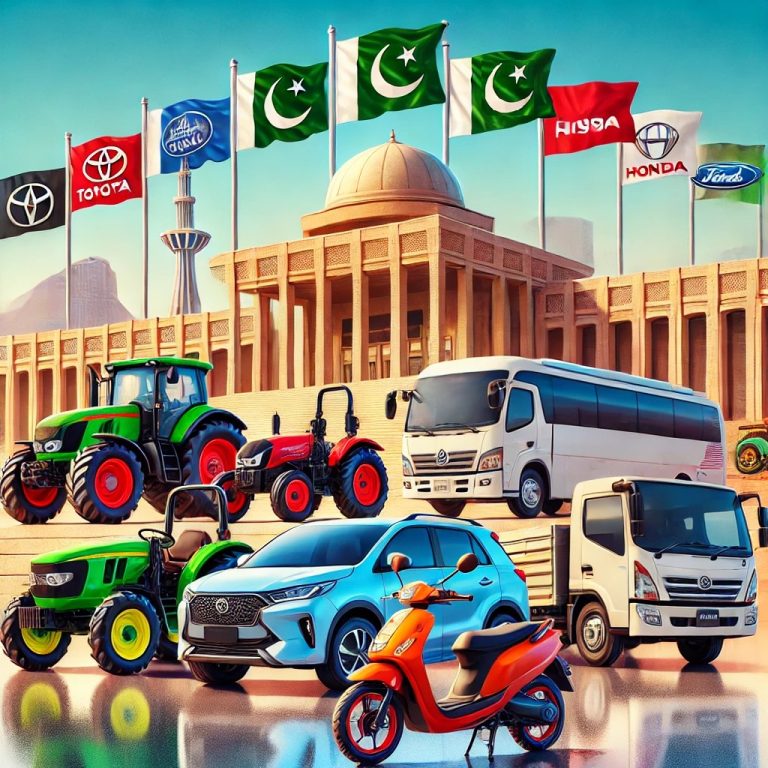
Talking about Pakistan, Suzuki, Toyota, Honda, Kia, Hyundai, Changan, HAVAL and MG companies have played their full role in the automotive sector and have kept Pakistan’s auto industry on the path of development by introducing new models.
However, in the past few years, this industry has faced a lot of decline in Pakistan. I am grateful to all those companies who not only maintained their existence in the most difficult period of the economic crisis, but also continued their efforts to bring this industry out of decline and give hope to its users with their skills and efforts.
Let’s look back at our past year, 2024, this year seems to be a harbinger of the auto industry beginning its journey towards a resurgence.
Pakistan’s automobile industry witnessed a robust performance in October 2024, with car sales soaring by 27% month-on-month (MoM) to 13,108 units, according to data from the Pakistan Automotive Manufacturers Association (PAMA). This marks a remarkable 112% increase in year-on-year (YoY) sales compared to October 2023, continuing the upward trajectory for the fiscal year with 40,693 units sold in the first four months—up 50% YoY from 27,162 units in the same period last year.
According to Topline Pakistan Research, the surge in sales is being attributed to improved auto financing options and a renewed sense of optimism in the market, as both consumers and manufacturers anticipate further growth with declining interest rates. Additionally, the introduction of new models, including Hybrid Electric Vehicles (HEVs) and fully electric vehicles (EVs), is expected to further drive market momentum in the coming months.
Among the key players, Sazgar Engineering (SAZEW) recorded the most impressive growth, with sales skyrocketing 296% YoY and 21% MoM to reach 1,002 units—its highest monthly sales ever. Pakistan Suzuki Motors Company (PSMC) also saw significant gains, with sales rising 40% MoM and 85% YoY to 7,040 units. The standout model contributing to PSMC’s success was Alto, with sales jumping 80% YoY and 49% MoM.
Indus Motor Company (IMC) and Honda Atlas Cars (HACPL) also posted strong performances. INDU saw a 142% YoY increase in sales, reaching 2,532 units, while HCAR’s sales surged by 230% YoY, hitting 1,514 units. However, Hyundai Nishat Motor reported a mixed performance, with a 34% YoY increase but a 26% MoM drop in sales to 504 units.
The motorcycle and three-wheeler segment also saw a significant boost. In September 2024, local bike manufacturers reported a 26% increase in sales, reaching 130,960 units, compared to 104,234 units in August 2024. On a year-on-year basis, bike sales surged by 22%, with 130,960 units sold in September 2024 versus 107,084 units during the same period last year.
The tractor industry showed signs of recovery as well, with sales up 61% MoM, reaching 1,733 units. The survey followed the Federal Board of Revenue’s (FBR) decision to rescind SRO 563(1)/2022, allowing tractors to be sold for non-agricultural uses, coupled with an increase in the sales tax rate from 10% to 14%.
The commercial vehicle segment also experienced solid growth, with truck and bus sales rising by 102% YoY and 10% MoM to reach 351 units in October 2024. This indicates a rebound in demand for commercial transportation amid improving economic conditions.
Let us now take a detailed look at the clear signs of the automotive sector’s turnaround in the past year. It should be noted that the facts and figures presented here have been taken from various platforms, research pages and relevant news channels with the intention of guiding the auto industry and its associates in Pakistan in good faith. However, we apologize in advance for any possible personal errors and seek correction.
Brand-Wise Sales Breakdown
Atlas Honda: Sales saw a 22% increase, reaching 110,139 units in September, compared to 90,483 units in August 2024.
Pak Suzuki: Registered an 8% increase, selling 2,049 bikes last month, up from 1,906 units in August 2024.
Toyota Pakistan: Sales rose by 11%, with 2,367 units sold in September, up from 2,129 units in August 2024.
Honda Atlas: Experienced an 11% growth, selling 1,269 units last month compared to 1,148 units in August 2024.
Pak Suzuki Motors: Recorded a staggering 37% increase, with 5,013 vehicles sold in September compared to 3,653 cars in August 2024.
Hyundai Nishat: Observed a 15% rise, selling 677 units last month compared to 591 units in August 2024.
Sazgar Engineering: Saw a decline of 13%, selling 827 cars in September 2024, down from 952 units in August 2024.
Looking at cumulative data:Up to October 2024 brand-wise, the leader was Suzuki, with 52,869 sales (+66.5%), in front of Toyota with 22,264 sales (+21.3%), Honda with 13,191 new registrations (+50.8%) and Hyundai with 8,030 units sold (+3.6%).
The outlook for Pakistan’s automotive market remains positive as interest rates are expected to decrease further, making financing more accessible. The continued introduction of new and more fuel-efficient models, particularly in the EV and HEV space, is anticipated to further boost consumer interest in the coming months.
However, despite the monthly recovery, the sector still recorded a 67% YoY decline in sales, primarily due to reduced demand from the agricultural sector.
With the sector showing broad-based growth across multiple segments, Pakistan’s automobile industry seems poised for continued recovery and expansion into 2025.
While we look back on our past year for our improvement, we should also review the possible hopes and achievements from our upcoming year 2025. In my professional career, I try to keep a close eye on sales and aftersales in the local automotive market in Pakistan, in addition to Hyundai Kia Honda MG and Motor Inside. Therefore, I consider the 2024 Auto Show to be a milestone and a new direction for the development of the auto sector for 2025 and the years to come.
Pakistan Auto Show 2024, conducted by PAAPAM-Pakistan association of Parts & Manufacturers Automotive Held at the Lahore Expo Centre.
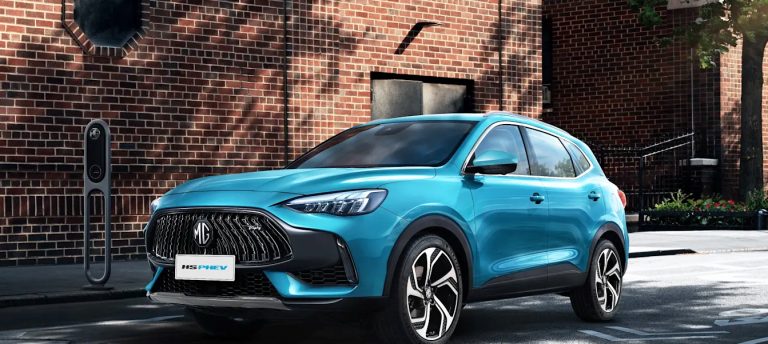
This highly anticipated event saw the unveiling of two revolutionary models – the MG HS PHEV (True Hybrid) which is the 1st local assembledPHEV car in Pakistan and the MG Cyberster (EV) Supports Car– which promise to redefine the future of mobility in Pakistan.
A key highlight during this Auto Show 2024 at IMC’s stand, is their exploded view of their Corolla Cross, the first-ever, ‘Make in Pakistan’, Hybrid Electric Vehicle (HEV) that boasts the highest-ever local content.
BYD, a major player in the global New Energy Vehicle (NEV) sector, displayed its electric vehicle lineup in Pakistan through local partner Mega Motor Company (MMC) at the Pakistan Auto Show 2024 in Lahore. At the event, BYD opened bookings for its ATTO 3 and SEAL models, expanding its reach into the Pakistani market.
Kia Lucky Motors could bring EV5, EV6 or EV9. However, the recent updates have confirmed that company is all set to bring EV5 which, at first, will be unveiled at Pakistan Auto Show,2024.
Hyundai Nishat Motors has launched the 2025 Hyundai Elantra Hybrid at the Pakistan Auto Show 2024, marking a significant achievement as the country’s first locally produced hybrid sedan.
Changan Master displayed Deepal, along with two models, the L07 and has shown off its much-anticipated electric vehicle, Lumin, at the Pakistan Auto Show 2024 (PAPS). This new EV was only a showpiece and will not be launching anytime soon.
OKLA, a Chinese brand, has revealed its lineup of electric bikes and scooters in PAPS 2024. One of the highlighting electric bikes is OKLA OKG. It has a trail motorcycle look that makes this EV bike distinct from the others.
Ramza by New Asia has brought numerous electric scooters and an electric rickshaw at PAPS 2024. Among many e-bikes, it revealed one of its most selling models, the M8.
PAPS 2024 looks like an EV event as most of the companies have introduced or revealed their electric vehicles in it. MUVA has also displayed e-vehicles.
Federal Minister for Industries and Production, Rana Tanveer Hussain, has unveiled the New Energy Vehicle (NEV) Policy, aimed at transitioning 30% of vehicles in Pakistan to electric power by 2030. However, the Pakistan Automotive Manufacturers Association (PAMA) has voiced strong reservations, expressing concerns about the policy’s potential impact on the local auto industry.
The NEV policy includes a subsidy of PKR 50,000 for electric motorcycles and PKR 200,000 for three-wheelers (rickshaws), with a total allocation of PKR 4 billion. These subsidies will be distributed through auctions.
The government plans to establish a robust EV infrastructure, identifying 40 sites along the Peshawar-Karachi Motorway for EV charging stations, with a target of installing 3,000 stations by 2030. Electricity at these stations will be provided at subsidized rates, ensuring affordability.
Insha Allah, in the future we will shed light in detail on the new dimensions of the auto sector, especially the business opportunities and strategies in electric vehicles. We all pledge together that we will never let despair come to us. We will try to move quickly on strong and new paths of business development by relying on hard work and new technology. With our self-confidence and the help and grace of Allah and His Messenger, we will once again be leaders in every field. Perhaps the poet Allama Iqbal has said this for us:
This exclusive article has been published in Automark’s February-2025 printed and digital edition, written by Muhammad Mumtaz Hussain
We want to thank Automark Magazine for the platform it has provided to the automotive industry in Pakistan. Automark has always provided information and insights for automotive professionals, enthusiasts, and aspiring individuals through insightful articles and engaging interviews. We feel honored to contribute to Automark Magazine through our articles and insights. We believe that publications like Automark magazine are the future of the automotive industry in Pakistan.
Let’s look back at articles published so far concerning Aftersales Service operations. Through this research, we gained a deep understanding of how these KPIs interact and influence the overall success of automotive aftersales operations. I feel my skills in these fields would add significant value to any company looking to enhance its aftersales performance. Highlights of expertise relating to key performance indicators that are most relevant for the success of automotive aftersales operations are well portrayed in my research and writing. Several critical metrics, which form the drivers of profitability and customer satisfaction in this industry, have been researched and written upon in my articles.
Articles on several of the following key KPIs related to Aftersales service have been published,
• “Fix It Right” First Time: This measure underscores the need to diagnose and fix a customer’s problem correctly, thereby avoiding any inconvenience and revisits. The “Fix It Right” principle is to ensure that a customer’s problem is fixed right on the first visit. Builds customer trust and enhances satisfaction by reducing repeat visits. Reduces warranty costs and operational inefficiencies. Drives productivity and strengthens the service department’s reputation.
• Customer Satisfaction Index (CSI): I studied how CSI measures customer satisfaction from the moment of first contact up to the service delivery stage and its implications for brand loyalty. The CSI is a measure of how satisfied customers are with their service experience. It reflects how customers perceive the quality, speed, and general interaction with the dealership. It directly influences the customer’s loyalty and word-of-mouth referrals. A high score in CSI would indicate that customers are aligned strongly with the expectations set, hence increasing repeat business.
•Service Retention Rate: My articles have analyzed the significance of retaining customers for repeat service visits and how to improve this crucial metric through customer loyalty programs and exceptional service experiences. Service Retention Rate evaluates the percentage of customers returning to the dealership for repeat service, indicating loyalty and trust. Consistently delivering quality service and competitive pricing are key drivers of SRR.
•Service Absorption Rate: I have researched the service absorption rate, explaining the computation of the same, the most influential factors, and how to improve it. These include optimizing labor utilization, improving parts management, as well as customer service. Service Absorption Rate is the percentage measure of how much of a dealership’s operating expenses is absorbed by its after-sales revenue. Increasing SAR will prove effective as you start optimizing parts sales, Labor hours, and upselling value-added services.
This month’s article gives insight into NPS. Net Promoter Score (NPS) is a vital tool for businesses assessing and enhancing customer loyalty. In the competitive automotive industry, customer loyalty is paramount. Net Promoter Score (NPS) provides a valuable framework for measuring customer sentiment and driving business growth. By knowing how likely customers are to recommend a brand to others, automotive companies can identify areas for improvement, enhance customer experiences, and ultimately gain a competitive edge. Focusing on the feedback provided through NPS, companies can identify areas of improvement, foster stronger customer relationships, and drive sustainable growth. Businesses that prioritize improving their NPS often see tangible benefits in customer retention, brand reputation, and revenue growth. However, the actual value of NPS is in the way it is leveraged and used, so it becomes a metric and the core of a customer-centric strategy. Net Promoter Score is an invaluable metric for businesses of any size. Once a business understands and properly utilizes NPS, it will get some useful information about its customers’ opinions, improve relationships with customers, and generate sustainable growth.
The Impact of NPS on Business Growth:•Increased Customer Loyalty: Directly, NPS scores correlate with increased customer loyalty. The loyal customers are more likely to make repeat purchases, and hence, there will be more revenue and less churn. NPS is a very valuable metric that gives an actionable measure of customer loyalty. Focusing on the improvement of NPS helps companies build good customer relationships, increases organic growth, and ultimately creates a strong competitive edge in the marketplace. Loyal customers become advocates for the brand, as they spread positive word of mouth through personal recommendations, online reviews, and social media. This organic marketing is far more effective and cost-efficient compared to traditional forms of advertising.
• Enhanced Brand Reputation as repeat business: Promoters are brand ambassadors who spread positive word-of-mouth through social media, reviews, and personal recommendations. This positive brand reputation attracts new customers and strengthens the market position. Loyal customers are more likely to return for vehicle service, maintenance, and future purchases, such as new vehicles or accessories. This repeat business forms a stable revenue stream for dealerships and manufacturers.
• Improved Customer Acquisition: Positive word-of-mouth by Promoters as a source for acquiring customers is effective and cheaper. Thus, automotive companies could improve their customers’ satisfaction experience to gain an increased NPS score. Organic customer growth in return results from such high NPS scores as well as a strong brand reputation, leaving them at an enormous competitive edge in the marketplace.
• Employee Morale: High NPS scores may increase employee morale as it reflects that customers are satisfied with the company’s products and services. it highly influences employee morale in the automotive industry. A high NPS is directly proportional to a positive and motivated workforce. Companies usually reward employees who contribute to high NPS scores, which further increases morale and motivates exceptional performance. NPS, in the automobile industry, helps drive customer loyalty and business growth, while directly impacting the employee morale of an organization. In doing so, by showing how their efforts contribute directly to the customer’s satisfaction, organizations can promote a positive and motivated workforce that enhances service quality, increases productivity, and sustains long-term success.
• Data-driven decision-making: NPS data gives insights into the sentiment of the customers and can be used to identify areas for improvement in all aspects of the customer experience. it’s a powerful tool for data-driven decision-making in the automotive industry. By analyzing NPS data, companies can gain valuable insights into customer sentiment, identify areas for improvement, and make informed decisions that enhance customer experience and drive business growth. Effective application of NPS data and incorporation of the information to drive data-driven decision-making helps automotive firms achieve better customer satisfaction, reduce operation costs, and get competitive advantages in the marketplace.
Let’s understand the essence of NPS lies in a single, straightforward question: On a scale of 0 to 10, how likely are you to recommend [Company Name] to a friend or colleague?
This simple question categorizes respondents into three groups:
• Promoters (9-10): Enthusiastic loyalists who will likely repeat business and actively advocate for the brand. •Passives (7-8): Satisfied but unenthusiastic customers. They are content but unlikely to actively promote or deter others.•Detractors (0-6): Unhappy customers who are likely to spread negative word-of-mouth and discourage others from doing business with the company.
Calculating NPS:
Determine the percentage of Promoters.
Determine the percentage of Detractors.
Calculate the NPS score by subtracting the percentage of Detractors from the percentage of Promoters. For example, if 70% of respondents are Promoters and 10% are Detractors, the NPS would be 60.
Takeaway from this article:
Through this article and previous ones, it has been tried to strive to bring forth these critical KPIs together with their application in practice within the landscape of after-sales. These strategies and metrics adopted would help the automobile business gain long-term growth, strengthen its customer relationships, and further its reputation in the market. All these KPIs work like building blocks toward creating a solid, customer-oriented, and soundly financed after-sales framework.
In an arena as competitive as the automobile business, with rapidly changing expectations among customers, NPS can deliver actionable insights into how growth strategies and differentiation are to be strategized. A high NPS signifies a loyal customer base, which not only drives repeat business but also acts as a brand ambassador, influencing potential buyers through positive word-of-mouth. Conversely, addressing concerns highlighted by Detractors offers an opportunity to refine services, products, and customer experiences, ultimately reducing churn and improving long-term loyalty. At its core, NPS is a strategic tool for auto companies to achieve stronger customer relationships, enhance the reputation of brands, and realize sustainable growth. By focusing on loyalty and continually looking to improve customer experience, it is possible to harness the full power of NPS to reach long-term success in the challenging and competitive auto market.
This exclusive article has been published in Automark’s February-2025 printed and digital edition, written by Muhammad Rafique
In the first part of our article, published in the previous edition, we explored Pakistan’s potential to revolutionize its transportation sector by transitioning to electric vehicles (EVs). The discussion centred on the New Energy Vehicle (NEV) Policy 2025-2030, highlighting key elements such as subsidies, incentives, and strategies aimed at overcoming challenges to EV adoption.
In this continuation, we delve deeper into actionable steps, emerging trends, and innovative strategies to address consumer concerns, focusing on affordability, infrastructure, and aftersales support. This article also emphasizes the importance of fostering public-private partnerships and leveraging international expertise to build a robust EV ecosystem in Pakistan.
Progress since Policy Introduction
Since the launch of the NEV policy, several key initiatives have been undertaken to accelerate EV adoption:
Policy Implementation Gains
Reduction in EV charger tariffs by 44%, making charging affordable for consumers.
Introduction of subsidies for motorcycles and three-wheelers, reducing upfront costs.
Partnerships with international players like SERES, BYD,DEPAL, and Dewan Motors to enhance local production capabilities.
Consumer Awareness Programs
Nationwide campaigns highlighting the environmental and economic benefits of EVs.
Demonstration projects showcasing EV efficiency and cost savings.
Infrastructure Expansion
Installation of new EV charging stations in metropolitan areas and along major highways.
Pilot projects for battery-swapping stations to reduce charging downtime.
Persistent Consumer Challenges
Despite these gains, several consumer-centric challenges need immediate attention to ensure the widespread adoption of EVs:
Affordability of EVs
High Initial Costs: Even with subsidies, EVs remain expensive for middle-income households.
Lack of Financing Options: Accessible financing for EV purchases is still limited.
Limited Charging Infrastructure
Inadequate coverage of charging stations, particularly in rural and semi-urban areas.
Concerns over long charging times and the availability of compatible chargers.
Battery Longevity and Replacement Costs
Consumers remain apprehensive about battery lifespan and the high cost of replacements.
Limited local production of batteries further inflates costs.
Technical Support and Repairs
A shortage of skilled technicians capable of diagnosing and repairing EVs.
Limited aftersales support and service centres equipped to handle EV-specific issues.
Strategies to Address Consumer Challenges
1. Enhancing Affordability and Financing
Expanded Subsidy Programs: Introduce targeted subsidies for low-income households, focusing on high-use vehicles like motorcycles and rickshaws.
Flexible Financing: Collaborate with banks to offer low-interest loans with longer repayment terms.
Tax Incentives for Consumers: Reduce sales tax on EV purchases to further lower costs.
2. Expanding Charging Infrastructure
Government-Led Infrastructure Development: Prioritize the installation of charging stations in underserved regions through public-private partnerships.
Fast-Charging Networks: Incentivize the development of ultra-fast charging stations to reduce charging times.
Battery-Swapping Solutions:Promote the establishment of battery-swapping stations as a quick and efficient alternative to traditional charging, especially for two-wheelers and auto rickshaws. This solution is already under discussion with institutions like LUMS, reflecting its potential to address the needs of high-usage, cost-sensitive segments of the market. Battery-swapping reduces downtime and is particularly advantageous for vehicles requiring frequent refuelling, such as delivery bikes and public transport rickshaws.
3. Addressing Battery Concerns
Local Battery Manufacturing:Encourage tax breaks and grants for companies investing in domestic battery production for long run. However, the initial phase of local manufacturing might lead to higher battery prices due to limited scale and higher production costs. While global battery prices are projected to decrease in the near future, the challenge of passing cost savings to consumers remains a concern.
Battery Leasing Models:Introduce battery leasing or subscription models to reduce the upfront purchase cost for consumers. This approach allows users to pay for battery usage over time, making EVs more accessible and financially viable.
Second-Life Battery Use: Develop programs to repurpose used EV batteries for energy storage solutions, reducing waste.
4. Building Technical Capacity
Workforce Development Programs: Establish training centers to equip technicians with the skills needed for EV diagnostics and repair.
OEM Partnerships: Collaborate with manufacturers to provide certified training programs for local service centres.
Digital Tools: Promote the use of diagnostic tools and mobile apps for remote troubleshooting and support.
Emerging Opportunities in Pakistan’s EV Landscape
Local Innovation Hubs
Establish EV innovation hubs to foster R&D in battery technology, charging systems, and lightweight vehicle designs.
Support start-ups with grants and access to testing facilities.
Export Potential
Leverage low labor costs to position Pakistan as a regional manufacturing hub for EV components.
Export locally manufactured motorcycles, batteries, and chargers to neighbouring countries.
Integration with Renewable Energy
Combine solar and wind energy projects with EV charging stations to ensure cost-effective and sustainable power supply.
Deploy micro grids to power rural charging stations using renewable sources.
Consumer-Focused Roadmap for EV Success
To build a thriving EV ecosystem, consumer confidence must be at the center of all initiatives. Here’s a five-step roadmap to achieving this goal:
Awareness and Education: Launch a comprehensive public awareness campaign on the benefits and long-term savings of EVs.
Incentivize Early Adoption: Provide additional perks for early adopters, such as free registration, reduced tolls, and discounted parking.
Reliable Infrastructure: Ensure the availability of charging stations across urban and rural areas.
Skilled Support: Develop a network of certified service centers to handle EV maintenance and repairs.
Policy Transparency: Maintain regular communication about policy updates and progress to build trust among consumers and investors.
Key Takeaways:
Pakistan’s transition to electric vehicles (EVs) is a monumental step toward sustainability, with the potential to significantly reduce environmental degradation, save foreign exchange, and improve urban air quality. To accelerate EV adoption and unlock the full benefits of green mobility, the country must address critical consumer challenges such as affordability, infrastructure development, and comprehensive aftersales support.
The success of the National Electric Vehicle (NEV) Policy 2025–2030 relies on creating synergies among the government, private sector, and international partners. With the right strategies implemented at the right time by the right people, Pakistan can revolutionize its transportation landscape and serve as a model for other developing nations pursuing sustainable growth.
This exclusive article has been published in Automark’s February-2025 printed and digital edition, written by Asif Mehmood
Dear Reader Pakistan’s automotive market is experiencing an exciting phase of innovation and expansion, as both established brands and new entrants continue to introduce state-of-the-art vehicles. In this article, we’ll take a closer look at some recently launched and upcoming vehicles that are set to redefine the driving experience in Pakistan: the MG HS Plug-in Hybrid Electric Vehicle (PHEV), Hyundai Sonata N-line 2500cc Turbo, and the highly anticipated 5th generation Kia Sportage HEV long-wheelbase. Additionally, we’ll examine these vehicles’ USPs (Unique Selling Propositions) and customer feedback from international markets, offering insights into what Pakistani consumers can expect.
MG HS PHEV: Redefining Green Luxury
The MG HS Plug-in Hybrid Electric Vehicle (PHEV) has made a remarkable entrance into the Pakistani market. This eco-friendly SUV combines luxury, performance, and cutting-edge technology, aiming to cater to environmentally conscious drivers seeking style and comfort.
USPs of the MG HS PHEV
Hybrid Powertrain: The MG HS PHEV is equipped with a 1.5-liter turbocharged engine paired with a 90kW electric motor, delivering a combined output of 258 horsepower. This hybrid setup allows for reduced emissions and impressive fuel efficiency.
Electric-Only Range: One of its standout features is the ability to travel up to 52 kilometers on pure electric power, making it an excellent choice for daily urban commutes.
Luxury Interior: The cabin features high-quality materials, a panoramic sunroof, ambient lighting, and a 10.1-inch infotainment system with Apple CarPlay and Android Auto.
Safety First: Advanced safety features like adaptive cruise control, lane-keeping assist, and autonomous emergency braking provide peace of mind for drivers and passengers alike.
International Customer Feedback
Globally, the MG HS PHEV has received favorable reviews for its combination of affordability and premium features. Customers appreciate its smooth hybrid performance, spacious interior, and competitive pricing compared to other hybrid SUVs. However, some have noted that its electric-only range could be longer to compete with higher-end hybrids. Overall, it’s seen as a strong contender in the mid-range hybrid SUV segment.
In Pakistan, the MG HS PHEV’s introduction signals a shift towards greener mobility, offering a practical and luxurious alternative for consumers looking to reduce their carbon footprint without compromising on style or performance.
Hyundai Sonata N-Line 2500cc Turbo: A Performance Beast
Hyundai has been making waves globally with its innovative and stylish offerings, and the Sonata N-Line 2500cc Turbo is no exception. Combining elegance with a sporty edge, this mid-size sedan caters to enthusiasts who crave both performance and comfort.
USPs of the Hyundai Sonata N-Line
Powerful Engine: The heart of the Sonata N-Line is a 2.5-liter turbocharged GDI engine producing an impressive 290 horsepower and 311 lb-ft of torque, paired with an 8-speed dual-clutch transmission.
Dynamic Design: The N-Line’s aggressive styling includes a distinctive front grille, quad exhaust tips, and 19-inch alloy wheels, giving it an athletic stance.
Advanced Technology: Features like a 12.3-inch digital instrument cluster, a 10.25-inch touchscreen infotainment system, wireless smartphone charging, and a premium Bose sound system elevate the driving experience.
Enhanced Handling: With N-Line-specific suspension tuning and larger brakes, the Sonata offers a more engaging and responsive drive.
International Customer Feedback
In international markets, the Sonata N-Line has garnered praise for its excellent balance between performance and practicality. Drivers have highlighted its robust acceleration, refined interior, and cutting-edge technology as major positives. Some critics, however, feel that its ride quality could be slightly firmer than expected for a sedan of its class.
As this sporty sedan makes its way to Pakistan, it’s poised to attract buyers who value performance and luxury. The Sonata N-Line is a statement vehicle that could redefine perceptions of what a mid-size sedan can offer.
Upcoming: 5th Generation Kia Sportage HEV Long Wheelbase
Kia’s Sportage has been a crowd favorite globally, and the upcoming 5th generation Sportage HEV long-wheelbase model is set to take the SUV game to a whole new level in Pakistan. With its futuristic design, hybrid efficiency, and extended wheelbase for added space, this SUV promises to be a game-changer.
USPs of the 5th Gen Kia Sportage HEV
Hybrid Powertrain: The new Sportage HEV combines a 1.6-liter turbocharged engine with a 44.2kW electric motor, delivering a total output of 226 horsepower. The hybrid system ensures better fuel economy and lower emissions.
Bold Design: The long-wheelbase model features Kia’s new “Opposites United” design language, with striking LED headlights, a unique grille, and a sleek profile.
Spacious Interior: The extended wheelbase provides more legroom and cargo space, making it an ideal family SUV. High-end materials, a dual-screen cockpit, and advanced connectivity features add to its appeal.
Safety Innovations: Equipped with features like blind-spot collision-avoidance assist, forward collision warning, and a 360-degree camera system, the Sportage ensures top-tier safety.
International Customer Feedback
Globally, the 5th generation Sportage HEV has been lauded for its spaciousness, innovative design, and impressive hybrid performance. Customers in the US and European markets have expressed satisfaction with its smooth ride, intuitive tech features, and excellent fuel economy. Some have noted that the hybrid powertrain delivers sufficient power for most driving scenarios while maintaining quiet operation.
As this model prepares to enter the Pakistani market, it’s expected to resonate with buyers seeking a versatile and eco-friendly SUV that doesn’t compromise on style or performance.
The Road Ahead: What These Vehicles Mean for Pakistan’s Auto Market
The introduction of these vehicles represents a significant step forward for Pakistan’s automotive industry. With the MG HS PHEV leading the charge in hybrid SUVs, Hyundai Sonata N-Line setting new standards in performance sedans, and the Kia Sportage HEV long-wheelbase redefining family SUVs, consumers have more options than ever to embrace modern, eco-conscious, and technologically advanced vehicles.
Moreover, these launches highlight the growing importance of environmentally friendly mobility solutions. As Pakistan grapples with urban congestion and pollution, hybrids and plug-in hybrids like the MG HS PHEV and Kia Sportage HEV offer practical solutions for reducing emissions without sacrificing convenience or comfort.
Final Thoughts
Pakistan’s automotive landscape is evolving rapidly, and the arrival of these cutting-edge vehicles is a testament to the market’s potential. The MG HS PHEV, Hyundai Sonata N-Line, and upcoming Kia Sportage HEV long-wheelbase cater to diverse consumer needs, from eco-conscious drivers to performance enthusiasts and families seeking spacious and reliable SUVs.
As these vehicles hit the roads, they’re not just introducing new technologies and features but also reshaping consumer expectations. For Pakistani drivers, this is an exciting era of possibilities, with each new model paving the way for a greener, more innovative, and dynamic future.
This exclusive article has been published in Automark’s February-2025 printed and digital edition, written by Aqeel Bashir
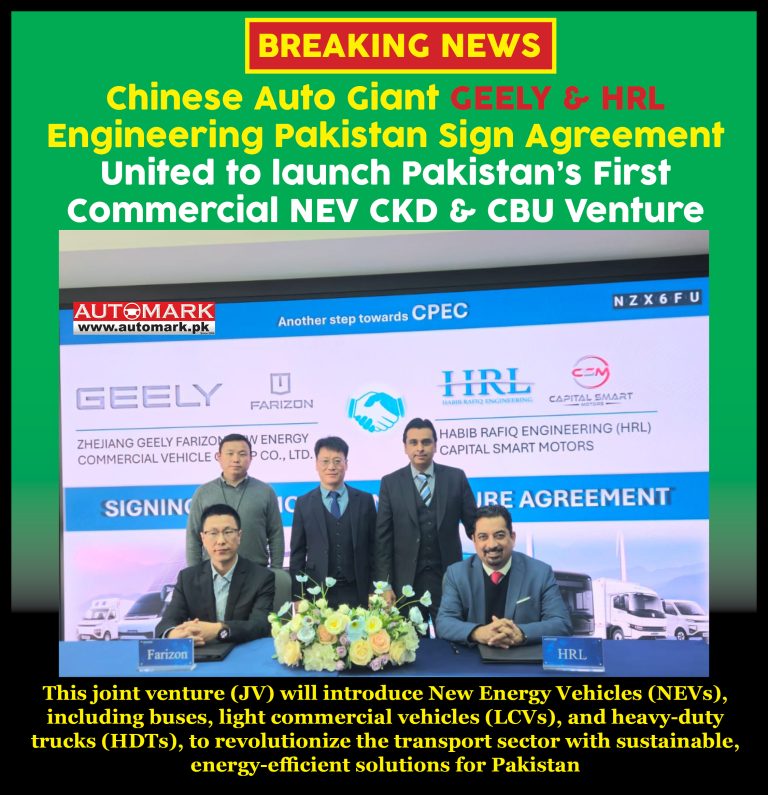
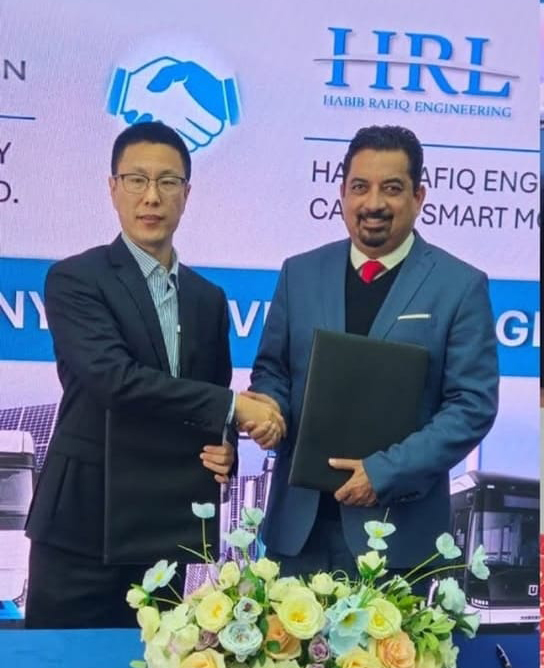
United to launch Pakistan’s First Commercial NEV CKD & CBU Venture
This joint venture (JV) will introduce New Energy Vehicles (NEVs), including buses, light commercial vehicles (LCVs), and heavy-duty trucks (HDTs), to revolutionize the transport sector with sustainable, energy-efficient solutions for Pakistan.
Chairman Zahid Rafiq highlighted that this collaboration is a game-changer for Pakistan, bringing cutting-edge electric commercial vehicles while strengthening industrial growth.
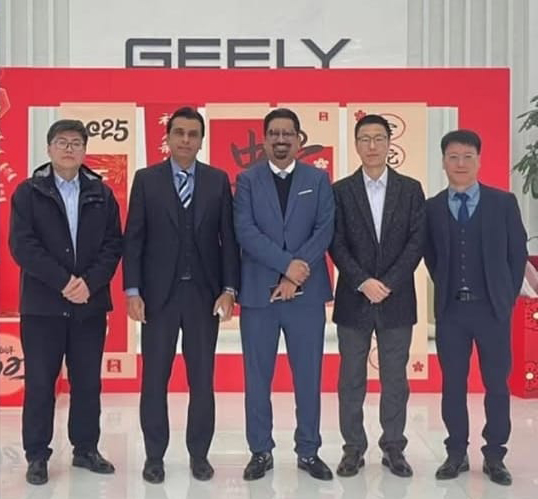
The agreement, signed by Mr. Luis Liu, Business Head at GEELY and Mr. Imran Zahid, Executive Director of HRL-CSM, establishes plans for the sales and assembly of commercial vehicles.
Managing Director Jehanzaib Zahid emphasized that the venture is more than just vehicle Production. It’s about building an entire ecosystem to support sustainable commercial transportation!
Executive Director lmran Zahid outlined the long-term vision of integrating electric mobility with renewable energy, creating thousands of jobs and making eco-friendly transportation accessible to businesses and logistics providers. With CBU operations kicking off and a state-of-the-art CKD assembly plant in the pipeline, Pakistan is set to become a regional hub for commercial electric vehicles.
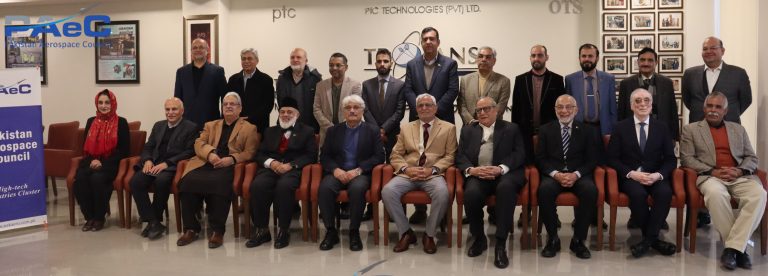
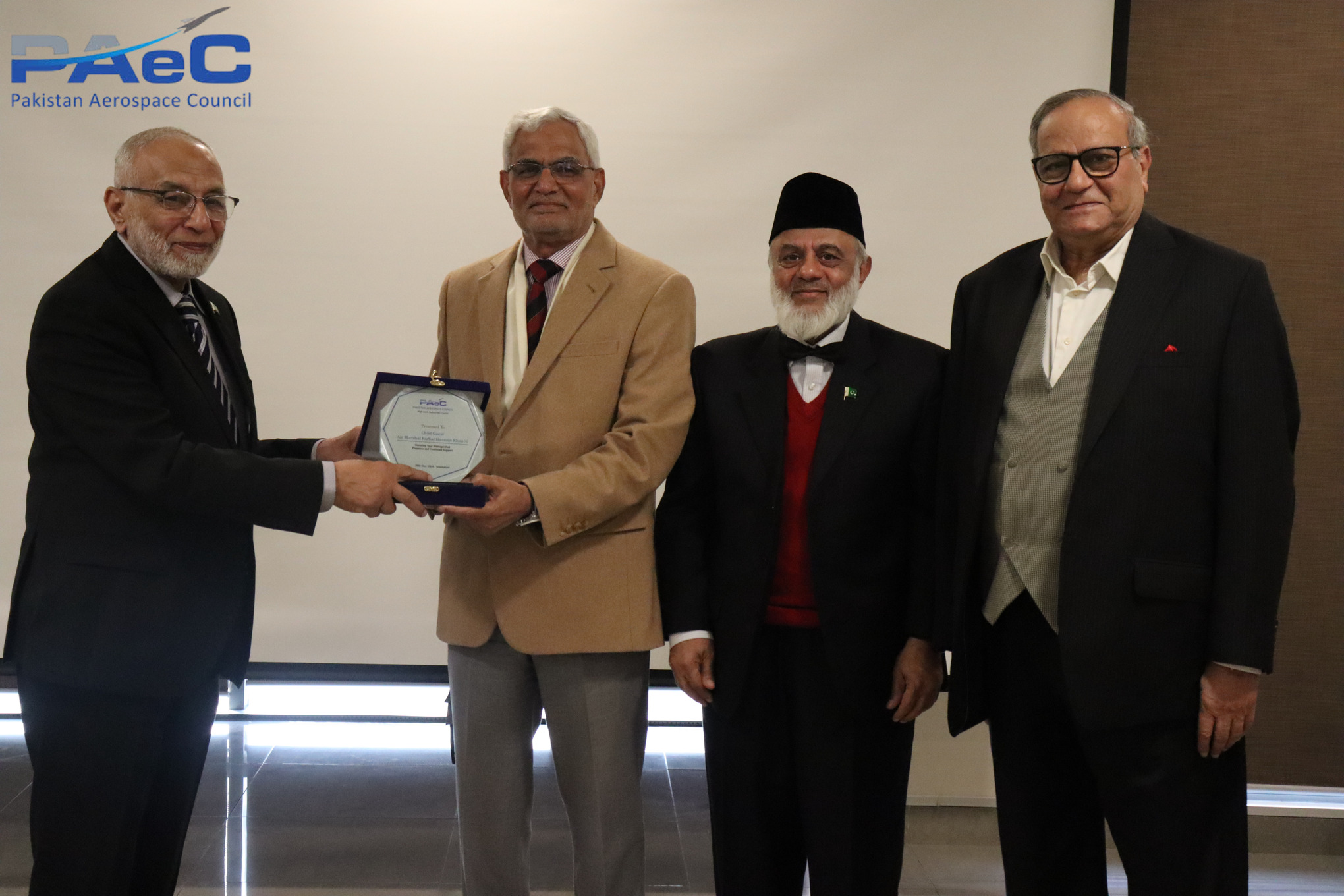
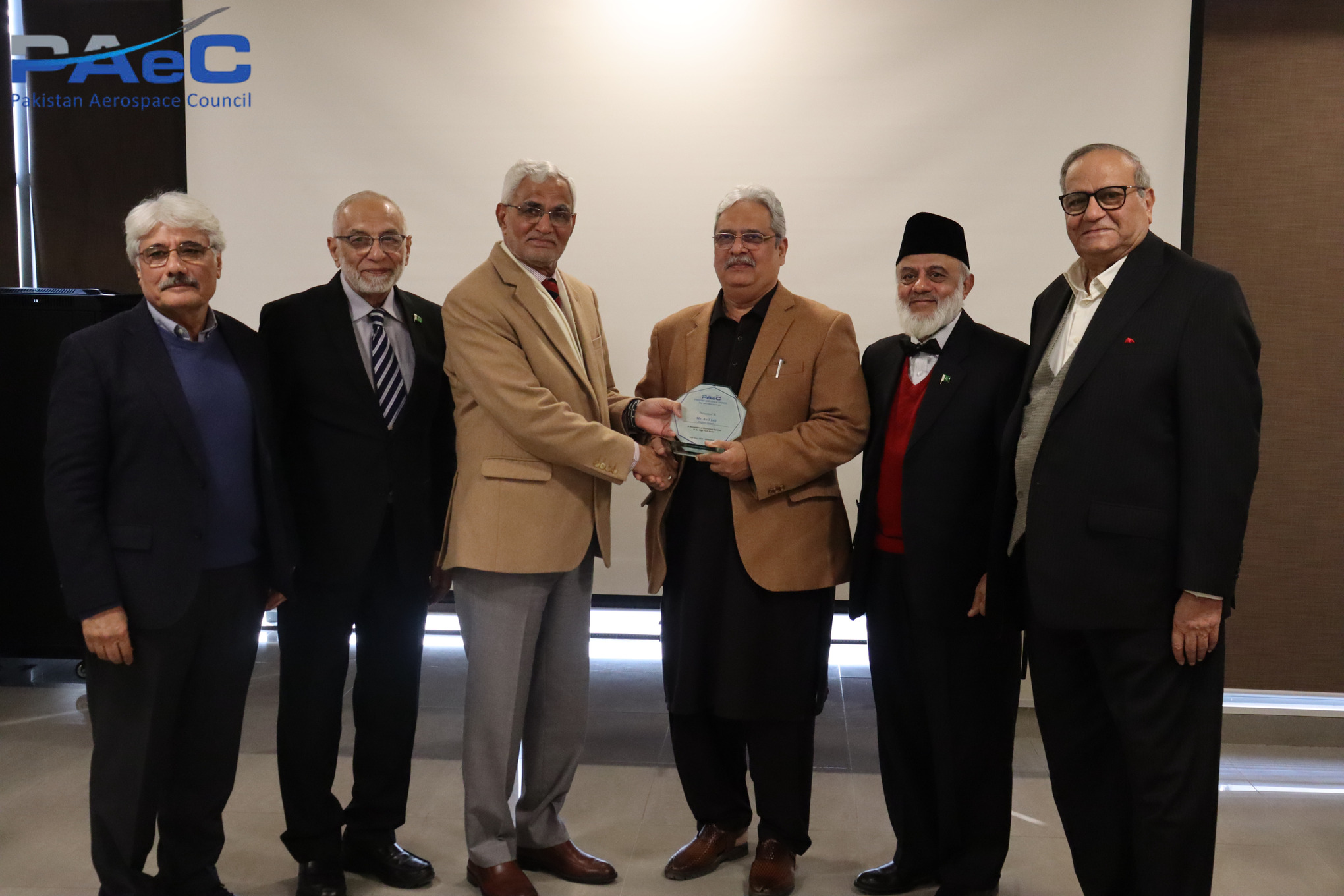
The Pakistan Aerospace Council (PAeC) convened its Annual General Meeting (AGM) on December 28th, 2024, at Trojans Head Office in Islamabad. The gathering brought together prominent figures from Pakistan’s burgeoning aerospace and high-tech sectors, fostering a dynamic environment for discussions, collaborations, and strategic planning to propel the industry forward.
Focus on High-Tech Export & Private Sector Empowerment
Air Marshal (Rtd) Farhat Hussain Khan, CEO of ADIC, NASTP Kamra, and the event’s Chief Guest, underscored the critical need to empower the private sector and minimize reliance on government-led initiatives to ensure sustainable growth within Pakistan’s aerospace sector. He emphasized the importance of:
Professionalizing the Civil Aviation Authority: Streamlining regulations and fostering a conducive environment for private sector participation.
Indigenous Avionics Development: Prioritizing R&D in cutting-edge avionics technologies to enhance aircraft performance and competitiveness.
Streamlining Bureaucratic Processes: Reducing administrative hurdles and fostering a more agile and responsive ecosystem for innovation.
Drawing inspiration from successful models like Turkey and China, Air Marshal Khan highlighted the importance of strategic partnerships and leveraging global best practices to accelerate the growth of Pakistan’s aerospace and high-tech industries.
Outgoing President Emphasizes Export-Oriented Strategy
In his farewell address, Dr. Haroon Javed Qureshi, outgoing President of PAeC, expressed gratitude for the support and trust of the executive members. He urged aerospace and defense companies to aggressively pursue export markets to overcome challenges and showcase Pakistan’s advanced manufacturing capabilities to the world. Dr. Qureshi extended his best wishes to the incoming executive committee and reaffirmed his commitment to supporting PAeC’s continued growth and success.
“Power of the Flock” – A Call for Unity and Shared Vision
Mr. Imtiaz Rastgar, Founder Convener of PAeC, emphasized the “Power of the Flock” – a collective approach that prioritizes unity, shared vision, and collaborative efforts as cornerstones for advancing Pakistan’s aerospace and high-tech sectors. He advocated for a dedicated platform for dialogue with policymakers to address industry-specific challenges and foster a supportive regulatory environment. Mr. Rastgar stressed the importance of transitioning to system-driven business models to achieve global recognition and sustainable growth.
Leveraging Human Capital and Public-Private Partnerships
Convener of PAeC, Mr. Mansoor Malik, expressed gratitude for Mr. Rastgar’s foundational role in establishing PAeC. He emphasized the critical importance of leveraging Pakistan’s pool of highly skilled aeronautical engineers and technicians to drive private sector growth. Mr. Malik outlined PAeC’s vision to utilize existing public sector infrastructure and skilled human resources to foster a thriving aerospace ecosystem. He urged the new leadership to ensure a smooth generational transition to ensure the continued progress and sustainability of the industry.
Key Industry Leaders and Stakeholders in Attendance
The AGM was attended by several prominent figures, including Dr. Mohammad Mujahid, Rector of PAF-IAST; Mr. Ilyas Malik of Fazal Steel; Air Cdr Waqar Haider; Mr. Noman Waseem; Ms. Sarah Qureshi; Mr. IftekharYezdani; Mr. Asif Ahmed; and Mr. Umair Aslam of Global Defence Insight. The PAeC leadership team, including Dr. Haroon Javed Qureshi, President; Mr. Asif Jah, Secretary General; Engr. Tanveer Ahmed, Treasurer; Mr. Imtiaz Rastgar, Founder Convener; Engr. Mansoor Malik, Dr. Javaid Ahsan Bhatti, Mr. Inayat Ali Shah, Javaid Anwar, and representatives from Teresol and AKSA Solutions, were also present.
Looking Ahead: A Vision for 2025 and Beyond
The meeting provided a comprehensive review of PAeC’s significant achievements and milestones throughout the year. It also served as a platform for members to share innovative proposals and strategies for advancing the aerospace sector. The council outlined a strategic vision for 2025, focusing on:
Accelerating Collaboration: Fostering stronger partnerships between industry, academia, and government.
Resolving Industry Challenges: Addressing critical issues such as access to finance, skilled workforce development, and regulatory hurdles.
Driving Innovation: Promoting R&D in cutting-edge technologies, including artificial intelligence, unmanned aerial vehicles, and space exploration.
New Leadership and Advisory Board Appointed
The AGM concluded with the election of Mr. Shahid Rafiq as President, Mr. Inayat Ali Shah as Vice President, and Dr. Javiad Ahsan Bhatti as Secretary General of PAeC. The establishment of an Advisory Board further strengthens the organization’s leadership. These appointments and developments augur well for the future of Pakistan’s aerospace community as the sector continues its dynamic growth and ascends to new heights.
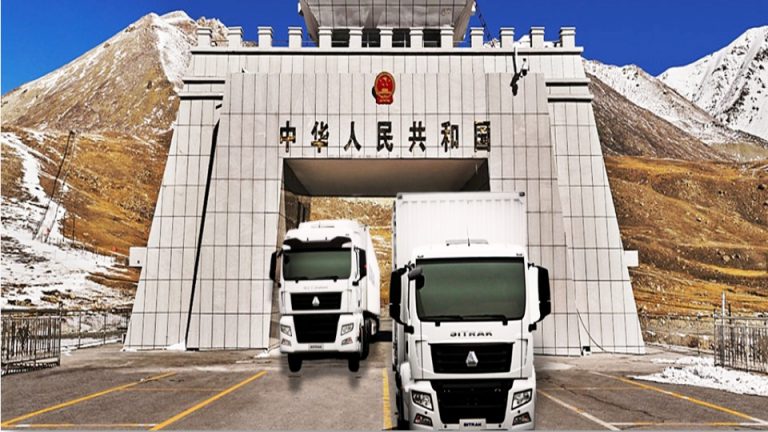
Dysin Automobiles Limited (DAL), established in June 2013, is a public limited company and the exclusive authorized dealer of China National Heavy Duty Truck Company (CNHTC), commonly known as SINOTRUK, in Pakistan .As part of the Dynamic Group of Companies, DAL imports, assembles, and market a wide-range of commercial vehicles, including Rigid Trucks, Prime Mover, Dump Truck and special vehicle chassis under the Sinotruk brand. Initially, from 2013 to mid-2016, DAL imported Completely Built Units (CBUs) for the local market after getting positive feedback, the company transitioned to local assembly by partnering with Adam Motor Company Limited in July 2016, utilizing their facility in Bin Qasim, Karachi, for Semi Knocked down (SKD) units
DAL’s headquarters are located in Lahore, with a nationwide presence that includes four regional offices. The company supports its operations with a robust dealer network comprising well-established 3S(Sales, Service, Spare parts) dealers across Pakistan. In addition to vehicle sales, DAL offers a comprehensive range of services, including vehicle inspections, after-sales support, pre-delivery and 24/7 services to their customers.
DAL’s CKD Plant: A Step Toward Growth
Dysin Automobiles Limited (DAL) has taken a monumental step in transforming Pakistan’s commercial vehicle industry through its Completely Knocked Down (CKD) assembly operations. Established in partnership with Sinotruk, one of the world’s leading heavy-duty truck manufacturers, DAL’s CKD plant is a shining example of innovation, local industry support, and economic progress.
Establishing the CKD Plant
In July 2016, DAL transitioned from importing Completely Built Units (CBUs) to locally assembling vehicles in Pakistan. Partnering with Adam Motor Company Limited, DAL set up its CKD plant in Karachi. This facility has since become the cornerstone of DAL’s operations, enabling the company to produce vehicles tailored to the specific needs of the Pakistani market.
The CKD plant’s will not only reduces the overall cost of production but also shortens delivery times and ensures adherence to high-quality standards. The plant has the capacity to produce a range of commercial vehicles, including heavy-duty trucks, light-duty trucks, and specialized vehicles for various industrial applications.
Advancing Local Industry
By establishing the CKD plant, DAL has made significant contributions to Pakistan’s industrial growth. The facility has:
Created Jobs: Employing a skilled and semi-skilled workforce, the plant has generated numerous job opportunities in the region.
Promoted Skill Development: Workers and engineers receive training to operate advanced machinery, fostering technical expertise.
Import Substitution: Local Assembly of trucks will reduce reliance on fully imported vehicles.
Technology transfer: The transfer of advanced manufacturing technology from China to Pakistan fosters innovation.
Self-Reliance: By assembling trucks domestically, Dysin Automobiles helps reduce Pakistan’s dependency on foreign-made vehicles, promoting industrial self-sufficiency.
Cost Efficiency: Locally assembled trucks are most cost effective, making them affordable for local businesses and enhancing competition.
Overall Industrial Growth: Local assembling of trucks encourages the development of ancillary industries such as local parts suppliers, contractors, logistics, and maintenance services.
Additionally, the CKD setup allows for technology transfer from Sinotruk, enhancing the technological capabilities of the local automotive industry.
Meeting Market Demands
The CKD plant’s output caters to the diverse needs of Pakistan’s growing economy. From heavy-duty trucks for infrastructure projects to light-duty vehicles for urban logistics, the plant’s production capabilities ensure that DAL can serve a broad customer base. The ability to customize vehicles during assembly further enhances the value proposition for clients across various industries.
Nationwide Impact
The CKD plant is part of DAL’s larger strategy to establish a robust network across Pakistan. With its headquarters in Lahore and regional offices nationwide, DAL supports its customers with comprehensive after-sales services, including maintenance and spare parts availability. The plant’s operations integrate seamlessly with DAL’s 3S (Sales, Service, Spare parts) dealerships, ensuring that customers receive unmatched support.
Looking Ahead
Dysin Automobiles Limited’s CKD plant is more than just a manufacturing facility; it is a symbol of progress and innovation. As DAL continues to expand its operations, the plant will remain at the forefront of driving industrial growth in Pakistan. The company’s focus on local production, job creation, and environmental sustainability positions it as a leader in the country’s commercial vehicle sector.
Through its CKD plant, Dysin Automobiles Limited has demonstrated the potential of local assembly to transform industries and economies. The facility not only strengthens DAL’s market position but also underscores its commitment to contributing to Pakistan’s development. With its forward-looking approach, DAL is set to lead the way in shaping the future of transportation in the country.
Published in Automark’s January-2025 printed and digital edition
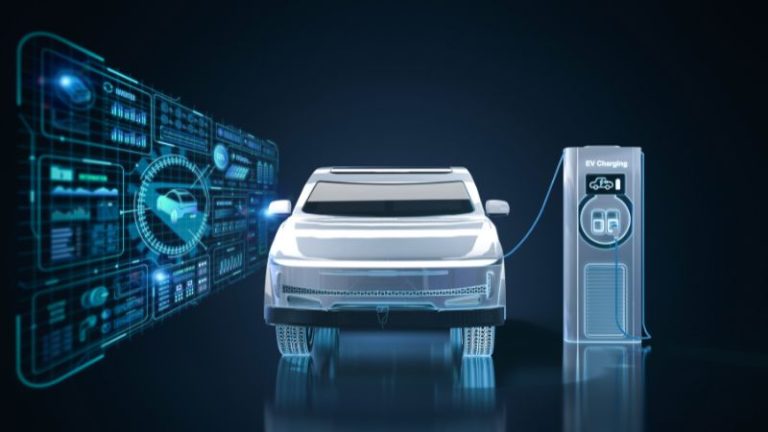
Electric vehicles (EVs) are increasingly recognized as a sustainable and efficient alternative to internal combustion engine (ICE) vehicles worldwide. They reduce dependency on fossil fuels, lower greenhouse gas emissions, and offer cost advantages in terms of fuel and maintenance. For Pakistan, transitioning to EVs is critical to achieving environmental goals, reducing its oil import bill, and addressing urban air pollution.
However, despite the government’s ambitious Electric Vehicle Policy 2025-2030, which envisions 30% EV penetration in passenger vehicles and the installation of 3,000 EV charging stations by 2025, progress has been slow. This article explores the challenges that hinder EV adoption in Pakistan and proposes practical solutions to foster a supportive ecosystem.
Challenges Hindering EV Adoption in Pakistan
1. Limited EV Penetration and Utilization
Currently, there are fewer than 2,000 EVs on Pakistan’s roads, with only a handful of operational charging stations. This low adoption rate discourages investment in charging infrastructure as operators struggle to achieve profitability. It mirrors the decline of compressed natural gas (CNG) stations, which faced similar utilization challenges.
2. High Upfront Costs of EVs
EVs in Pakistan are priced approximately 1.6 times higher than their ICE counterparts, primarily due to high import duties, lack of local manufacturing, and absence of government subsidies. This cost disparity reinforces the perception that EVs are a luxury item rather than a practical choice for middle-income households.
3. Inadequate Charging Infrastructure
Home Charging Limitations: Many urban residents live in apartments or multi-story buildings without designated parking or access to electrical outlets for charging. This makes overnight home charging—a cost-effective and convenient option—unavailable for a significant portion of the population.
Community and Public Charging: Public charging networks in Pakistan are underdeveloped. Existing stations often face operational issues, with an estimated 40% being non-functional. These challenges exacerbate range anxiety and the fear of running out of charge without access to a nearby station.
Lack of Real-Time Information: Consumers often face difficulty locating functional charging stations due to the absence of a centralized system providing real-time updates on station availability, pricing, and functionality.
4. Policy and Regulatory Gaps
Pakistan’s EV policies are fragmented and lack cohesive implementation. The absence of region-specific policies, consumer-focused incentives, and mandatory regulations for infrastructure development hampers progress.
5. Skepticism About Viability
The slow pace of EV adoption has led to doubts about the profitability of investing in charging stations. The challenges faced by CNG station operators in the past fuel further skepticism.
Proposed Solutions to Accelerate EV Adoption
1. Expand Charging Infrastructure
Home and Multi-Story Building Solutions:
Introduce mandatory regulations for new buildings to include EV charging infrastructure.
Retrofit existing residential complexes with shared charging facilities, with implementation costs borne by users but ensured by building owners.
Community Charging:
Mandate that at least 10% of parking spaces in commercial areas, malls, workplaces, and residential complexes have EV chargers.
Convert underutilized petrol and CNG stations into EV fast-charging hubs to optimize existing infrastructure.
Public Charging Networks:
Develop a centralized mobile app offering real-time updates on charging station availability, pricing, and status. This app should integrate with vehicle navigation systems for seamless route planning.
2. Introduce Government Incentives
Financial Support for EV Buyers:
Offer subsidies, reduced registration fees, and low-interest financing options to make EVs more affordable.
Waive or reduce customs duties on EV imports until local manufacturing becomes viable.
Support for Charging Infrastructure:
Provide tax incentives, grants, or subsidized electricity rates for businesses investing in charging stations.
Ensure a consistent electricity supply to charging networks, particularly in high-demand urban areas.
3. Enhance Policy and Regulatory Framework
Streamlined EV Policies:
Develop a comprehensive EV roadmap integrating federal, provincial, and local government initiatives.
Include stakeholder input from automakers, energy providers, urban planners, and consumer groups in policy formulation.
Regulated Pricing Mechanisms:
Set a cap on charging prices to ensure affordability and uniformity.
Introduce time-based pricing to encourage off-peak charging.
4. Raise Awareness Through Education Campaigns
Launch mass campaigns to educate consumers about the environmental and economic benefits of EVs.
Address misconceptions, such as EVs being unreliable or overly expensive, by highlighting long-term cost savings.
5. Leverage Increased Electricity Usage to Tackle Circular Debt
The adoption of EVs can contribute to alleviating Pakistan’s Independent Power Producer (IPP) circular debt, a chronic issue stemming from low electricity consumption and payment defaults. With increased electricity demand from EV charging, power plants will be compelled to produce more electricity, ensuring consistent operations and payment of dues.
A portion of the electricity costs will be borne by EV owners and charging station operators, creating a new revenue stream for utilities. This increased utilization of power generation capacity can enhance cash flows for IPPs, reducing circular debt and benefiting the broader energy sector.
6. Learn from Global Best Practices
Countries with successful EV adoption rates offer valuable lessons for Pakistan:
Norway: Legislation mandates EV charging facilities in residential and community areas.
Netherlands: Local governments collaborate with private companies to expand charging networks.
China: Aggressive government support through subsidies and large-scale infrastructure development has positioned it as a global leader in EV adoption.
A Holistic Approach to Pakistan
To transform its EV landscape, Pakistan must adopt a multi-pronged strategy:
Focus on consumer-centric policies and incentives to build trust in EV technology.
Prioritize the development of a reliable charging infrastructure to address range anxiety and operational challenges.
Leverage existing resources and infrastructure to reduce costs and accelerate implementation.
Use the enhanced electricity demand from EVs as an opportunity to address the financial health of the power sector.
The government must align its goals with the needs of all stakeholders, ensuring that policies are practical, scalable, and inclusive.
Key Takeaways
Pakistan stands at a pivotal juncture in its journey toward sustainable mobility. By addressing challenges such as high costs, inadequate infrastructure, and fragmented policies, the country can pave the way for a cleaner, greener future.
A robust EV ecosystem is not just an ambition—it is a necessity for Pakistan’s economic and environmental sustainability.
This exclusive article has been published in Automark’s January-2025 printed and digital edition. Written by Asif Mehmood