Home Blog Page 12

The Key to Aftersales Success – Understanding Service Retention Rate

Wishing all automotive professionals, enthusiasts, and Automark members a year 2025 marked with collaboration, resilience, and success as work to redefine the future of transportation. To innovation, progress, and drive the world forward—Happy New Year!

As we accelerate into 2025, the automotive industry stands at the forefront of transformative innovation and sustainable practices. The dawn of electric mobility, self-driving capabilities, and green manufacturing waits all in 2025.

The promise will be for a future of technology that walks hand-in-hand with environmental stewardship. Here’s to a transformative opportunity for the automotive industry’s visionary engineers, designers, and leaders whose efforts will shape the next generation of mobility. As we move ahead, let us embrace the principles of sustainability, innovation, and collaboration. We can achieve milestones that will redefine transportation and contribute to a cleaner, smarter, and more connected world. EV adoption is expected to rise with improved battery technology, expanded charging infrastructure, and government incentives.

Automakers will release more affordable, longer-range EVs to make electric mobility accessible. Autonomous vehicles in Level 4 and Level 5 will gain further ground in 2025, with pilot programs opening up to more urban settings. Advanced driver-assistance systems will become the norm, boosting safety and convenience. A strong focus on eco-friendly materials, energy-efficient manufacturing processes, and circular economy principles will also be strengthened. Carbon-neutrality goals will continue to challenge manufacturers to look for innovative ways to minimize emissions throughout the value chain.

The industry will also continue investing in upskilling and reskilling programs to prepare the workforce for advanced technologies and AI-driven systems. Acute collaboration with academia and training programs will ensure the next generation of automotive professionals will be prepared to lead transformation.

Let’s understand the key performance indicators critical to assessing performance, efficiency, and profitability of Aftersales Service operations in the automotive industry. A strong set of KPIs will help dealerships and service centers optimize processes, enhance customer satisfaction, and boost revenue. Monitoring and optimizing aftersales service KPIs is necessary for driving profitability, customer satisfaction, and long-term business success. Focusing on key metrics such as service retention, first-time fix rates, and workshop efficiency can turn after-sales operations into a reliable revenue stream for dealerships. A data-driven approach not only fosters loyalty but also ensures competitiveness in a rapidly evolving automotive industry.

In last month’s article on Service Absorption Rate (SAR), published in Automark Magazine, we explored the financial resilience of aftersales operations and its pivotal role in sustaining automotive dealerships. Earlier, the Fix It Right principle was highlighted as a cornerstone of operational excellence.

When these two concepts are interlinked, they form a robust strategy for ensuring profitability and customer satisfaction in the automotive aftersales segment, Service Absorption Rate (SAR) represents the percentage of a dealership’s fixed operating expenses covered by profits from aftersales services (service, parts, and accessories). A high SAR reflects a dealership’s ability to remain profitable even during fluctuations in vehicle sales. The intersection of Service Absorption Rate and Fix It Right principles demonstrates the power of embedding financial metrics with customer-centric practices. By striving toward operational efficiency and prioritizing customer satisfaction, dealerships can double their advantage: financial stability, and sustained customer loyalty.

As these concepts evolve, they will keep on being the benchmarks of excellence in the automotive after-sales industry, this month’s editions of Automark Magazine, let’s understand the Service Retention rate.  The Service Retention Rate (SRR) is not just a metric. It is a reflection of how well a service center or dealership meets and exceeds customer expectations. By focusing on quality, transparency, and customer-centric initiatives, businesses can enhance retention rates, driving long-term profitability and customer loyalty. The Service Retention Rate is the percentage of customers who return to a dealership or service center for repeat maintenance or repair services after their initial visit. It is a critical performance indicator in the aftersales segment, reflecting customer loyalty, satisfaction, and the effectiveness of retention strategies.

The formula for the computation of the Service Retention Rate:

Service Retention Rate (%) = (Number of Returning Customers / Total Number of Customers) x 100

Returning Customers: Those customers who come for service or repair within a stipulated period.

Total Customers: All customers serviced during the same period

The Service Retention Rate (SRR) is one of the most potent metrics to determine the success and sustainability of aftersales operations in the automotive industry. Dealerships can achieve higher retention rates through quality, convenience, and customer-centric strategies. Thus, investment in SRR improvement is not just a matter of financial returns but also building long-term relationships that can help to develop trust and brand advocacy.

Factors that Affect Service Retention Rate: Several interrelated factors influence the Service Retention Rate (SRR), which is vital for keeping customers satisfied, loyal, and returning for regular service. By focusing on providing high-quality service, creating a positive customer experience, using technological progress, offering competitive pricing, and maintaining transparency and trust, automotive businesses can raise their SRR and keep customers for life. Ultimately, a high SRR contributes to profitability, customer loyalty, and a reputation in the long run in the automotive industry.

Quality of Service: A Pillar of High Service Retention Rates: The quality of service offered at a dealership or service center is one of the key factors that determine the Service Retention Rate (SRR). Good quality service ensures customers find trust in the provider for value and are incentivized to return for more when needs arise again. Below, read further into how the actuality of service quality drives retention rates and ways to build its potential. Experienced, manufacturer-certified technicians who can cover regular maintenance and perform detailed repairs. Training programs regarding newer technologies, like electrical cars and ADAS advanced driver-assistance systems. The Dealership / Repair workshop shall use only authentic, manufacturer-approved parts for the vehicle’s reliability and longevity.

First-Time Fix Rate: ensuring that repairs and maintenance are done correctly the first time. Quality checks and audits regularly to avoid errors. A good service quality directly determines the SRR as customers will come back trusting you, feeling loyal, and having a good experience at your workshop. By focusing on qualified technicians, authentic parts, timely delivery, and open communication, an automotive service center will have high retention rates and build long-term relationships with its customers. In a competitive market, service quality delivered is the key differentiator to drive immediate and long-term success.

Customer Experience: The Heart of Service Retention: Customer experience (CX) is one of the most important factors that drive the Service Retention Rate (SRR). It includes every interaction a customer has with the dealership or service center, from initial contact to the completion of service. A positive experience fosters trust, loyalty, and a willingness to return for future services. Providing detailed explanations of diagnostics, repair processes, and costs, meaning to say have clear communication with customers. Customer experience is not just about providing good service; it’s about creating memorable and seamless interactions that exceed expectations.

A positive experience builds trust, drives loyalty, and encourages repeat business, significantly boosting the Service Retention Rate (SRR). By focusing on convenience, transparency, personalization, and continuous improvement, service centers can ensure customers return time and time, making CX a cornerstone of aftersales success.

Pricing and Offers: The Value Proposition in Service Retention: Pricing and offers are essential factors that determine the SRR. Customers expect value for money in terms of quality service, and well-crafted promotional offers can persuade them to come back for future needs. The key is finding the right balance between competitive pricing and profitability to sustain loyalty and improve the overall after-sales experience. Prices must be benchmarked against the competition, including independent garages and third-party service providers.

Discounts or packages tailored to individual customer profiles, such as loyalty rewards or age-based discounts for older vehicles. Bundled maintenance packages (e.g., oil change, tire rotation, and inspection) at a discounted rate to encourage repeat visits. Running targeted offers during specific times of the year, such as pre-winter vehicle checks or summer road trip packages. Points-based systems in which customers collect rewards for return visits to be redeemed against future services or accessories. Pricing and offers are much more than a monetary incentive. They show the value of a service center to its customers.

Maintaining competitive, transparent pricing along with a good design in promotional strategies helps dealerships enhance customer loyalty and thus increase the SRR. This helps customers gain satisfaction while increasing long-term profitability and growth in the fiercely competitive market of automotive after-sales.

Technological Integration: Redefining Retention in Automotive Services: This is now a hallmark element in affecting the SRR for the automobile industry. Employing advanced technologies, systems, and processes improves efficiency and personalizes services while adding to the satisfaction of a customer; hence, a key aspect of retention. A detailed elaboration is given on how technological innovation affects SRR and what service centers can do for effective incorporation of innovations in the customer car business. Appointment booking via mobile apps, websites, or service portals is also provided at the client’s discretion. The technological assimilation into the automotive after-sales arena brings forth unprecedented possibilities to enhance SRRs.

By accepting digital tools and processes, service centers can provide outstanding customer experience, proactive maintenance, and solutions customized for a particular vehicle. While there are challenges, the strategic implementation of technology leads to long-term customer loyalty and sustained growth in the competitive automotive market.

Effect of Brand Perception on Service Retention Rate (SRR): A good brand reputation makes customers return for services instead of looking elsewhere. A good brand perception develops a relationship of trust between the customer and the service center. The chances of return service are higher if customers trust that the brand will provide reliable, transparent, and quality service. Brand perception is a vital element in shaping the Service Retention Rate (SRR).

A positive perception encourages customers to return, fosters loyalty, and ensures they choose the service center over competitors. Service providers need to focus on consistent quality, transparency, personalized experiences, and continuous engagement to build a strong brand that not only attracts new customers but also retains existing ones for the long term. In this way, automotive businesses can drive customer satisfaction, improve service retention, and ensure sustainable growth.

Takeaway from this article:

Service Retention Rate (SRR) is a critical metric for the long-term success and sustainability of any automotive business, particularly in aftersales service. A high SRR signifies that customers are satisfied with the service provided, trust the brand, and are likely to return for future needs. This, in turn, leads to increased profitability, stronger customer loyalty, and a competitive advantage in a crowded market. Other elements determining SRR are the level of service, customer satisfaction, technology, price, and perception of the brand.

Therefore, if superior services are offered in a very personalized way, at very competitive prices, and on more efficient technologies, the level of SRR for the automotive business can be greatly improved. In essence, service retention is not just about a repeat visit but also to build long-term relationships between the two parties involved built upon trust, transparency, and value. Businesses that work on enhancing their SRR can expect to have stronger customer loyalty, better word-of-mouth referrals, and a more stable revenue stream. Therefore, prioritizing SRR should be a key focus for any automotive service center looking to sustain growth and success in the ever-evolving market.

Navigating the Crossroads: Balancing Growth and Fairness in the Evolving Automobile Landscape

Dear Readers the automobile industry, an engine of economic progress and technological innovation, finds itself at a pivotal juncture. Established automobile assemblers and their associated vendors, who have spent billions on localization, plant setup, and human resource training, may be observing a shift in regulatory priorities favoring new ventures. Such initiatives might aim to invigorate competition and stimulate growth, they also raise pertinent questions: Are regulators inadvertently sidelining the pioneers who laid the groundwork for industrial development? And if so, what does this mean for the broader ecosystem that thrives on their contributions?

Investments of Established Players: A Foundation for Growth

The contributions of entrenched automobile assemblers and vendors are monumental. These organizations have invested substantial resources in setting up state-of-the-art manufacturing facilities. Localization, in particular, has been a cornerstone of their strategies, enabling them to:

  1. Reduce Costs: By sourcing materials and components locally, companies have mitigated the impact of currency fluctuations and import duties.
  2. Build Expertise: Localization fosters a skilled workforce adept at managing complex manufacturing processes.
  3. Boost the Economy: Local vendors benefit from the trickle-down effects, creating jobs and driving regional development.

Such investments are not confined to physical infrastructure. The human element plays a pivotal role. Established players have devoted years to training employees, nurturing technical and managerial talent that aligns with global standards. These efforts have collectively positioned the industry as a competitive force in international markets.

Challenges Posed by Regulatory Shifts

While the rationale behind prioritizing new entrants may stem from a desire to foster innovation, diversify the market, and encourage competition, it also introduces several challenges for established firms:

1. Financial Pressure

Investments by vendors in localization related parts and plant setups by assemblers are often recouped over decades. If market dynamics shift too abruptly, established players may find it difficult to achieve the projected return on investment. This is particularly concerning when newer ventures are given incentives that incumbents did not receive during their formative years.

2. Market Share Erosion

New ventures, backed by favorable policies, might gain a competitive edge. This could result in a loss of market share for existing companies, disrupting their economies of scale and leading to increased unit costs.

3. Workforce Implications

A decline in the fortunes of established players can have ripple effects on employment. Vendors reliant on these companies may also face reduced orders, affecting their financial stability and workforce.

4. Supply Chain Disruption

The automobile industry thrives on a well-oiled supply chain. Disrupting this equilibrium to accommodate new ventures can strain relationships between assemblers and vendors, causing inefficiencies and delays.

Regulatory Perspectives: A Balancing Act

From a regulatory standpoint, nurturing new ventures is essential for long-term growth. However, this must be balanced against the risk of alienating established players. Policymakers need to consider:

1. Historical Contributions

Regulations should reflect an appreciation for the groundwork laid by incumbents. This includes acknowledging their role in developing a skilled workforce, fostering innovation, and contributing to national economic growth.

2. Level Playing Field

Incentives for new ventures should not create an uneven playing field. Instead, policies should encourage fair competition, ensuring that all players—old and new—can thrive.

3. Collaborative Ecosystem Development

Rather than focusing exclusively on new entrants, regulators can create policies that promote collaboration. Established players and new ventures can work together to enhance technological capabilities, optimize supply chains, and share best practices.

Vendor Perspectives: An Overlooked Stakeholder?

The ripple effects of regulatory changes on vendors deserve special attention. Local suppliers form the backbone of the automobile industry, and their fortunes are intricately tied to those of assemblers. If established companies face challenges, vendors may encounter:

  • Order Reductions: A decline in production volumes for assemblers can directly impact vendor revenues.
  • Investment Hesitancy: Vendors may hesitate to invest in new technologies or capacity expansions if market stability is in question.
  • Employment Concerns: Many vendors operate with thin margins and rely on consistent orders. Disruptions can lead to layoffs, affecting thousands of workers.

Strategies for Harmonizing Growth and Stability

To address these concerns, regulators and industry players can adopt a multi-pronged approach:

1. Transparent Policy Frameworks

Policies must be transparent and predictable, allowing all stakeholders to plan their investments and operations effectively. This includes:

  • Clear guidelines on incentives for new ventures.
  • Recognition of the contributions of established players.
  • Mechanisms for periodic consultation with industry stakeholders.

2. Incentivizing Innovation Across the Board

Rather than favoring specific entrants, incentives can be structured to reward innovation. Established players investing in advanced manufacturing techniques or sustainable practices should receive support comparable to that offered to newcomers.

3. Strengthening Vendor Ecosystems

Special attention should be paid to vendors. Initiatives such as low-interest loans, skill development programs, and technology grants can enhance their resilience, ensuring they can adapt to changes in the market.

4. Encouraging Public-Private Partnerships

Collaboration between the government and industry can yield mutually beneficial outcomes. For instance, public-private partnerships can:

  • Fund research and development initiatives.
  • Develop shared infrastructure, such as testing facilities.
  • Promote exports through joint marketing efforts.

5. Continuous Stakeholder Engagement

Creating platforms for dialogue between regulators, assemblers, vendors, and other stakeholders can help preempt conflicts and foster a sense of shared purpose.

The Road Ahead

The evolving priorities of regulators in the automobile industry present both opportunities and challenges. While the emphasis on new ventures can stimulate competition and drive innovation, it is imperative to ensure that the contributions of established players are not overshadowed. These companies have been the bedrock of the industry, shaping its trajectory and contributing significantly to economic and social progress.

A balanced approach—one that harmonizes the aspirations of new entrants with the interests of incumbents and vendors—is essential for sustainable growth. Policymakers, industry leaders, and stakeholders must work collaboratively to navigate this transition, ensuring that the industry remains a robust engine of progress for decades to come. In doing so, they will not only preserve the legacy of past achievements but also lay the groundwork for a vibrant and inclusive future.

This exclusive article has been published in Automark’s printed and digital edition. Written by Aqeel Bashir

Osamu Suzuki, visionary leader behind Suzuki Motor’s global expansion, dies at 94

Former Suzuki Motor Corp. Chairman, Osamu Suzuki, passed away on December 25, 2024, the automaker has confirmed. He was 94. The automotive icon died of lymphoma, Suzuki confirmed in a statement, leaving a strong legacy for the global giant with major operations in India. Osamu Suzuki is credited for spearheading the brand’s entrance into the Indian market, which now contributes the largest share of Suzuki’s global sales.

Under his guidance, Suzuki Motor Corporation expanded significantly. When he first became president in 1978, the company had around 300 billion yen in sales. By 2006, that number had grown to over 3 trillion yen. Suzuki also played a crucial role in establishing a dominant presence in India through its subsidiary Maruti Suzuki, which controls a significant share of the Indian car market.
Despite his many successes, Suzuki’s tenure was not without challenges. In 2016, the company faced a scandal over improper fuel efficiency testing methods. Following this incident, he stepped down as CEO but remained as chairman until 2021.

MG Launches Pakistan’s First Locally Assembled Plug-in Hybrid

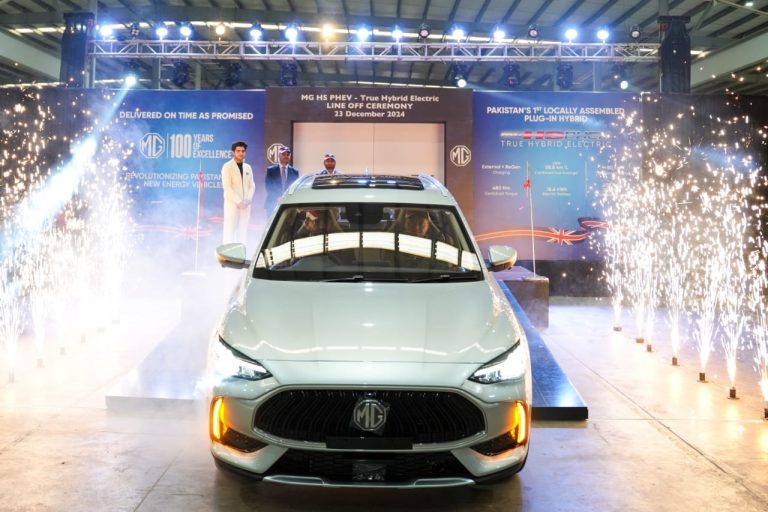
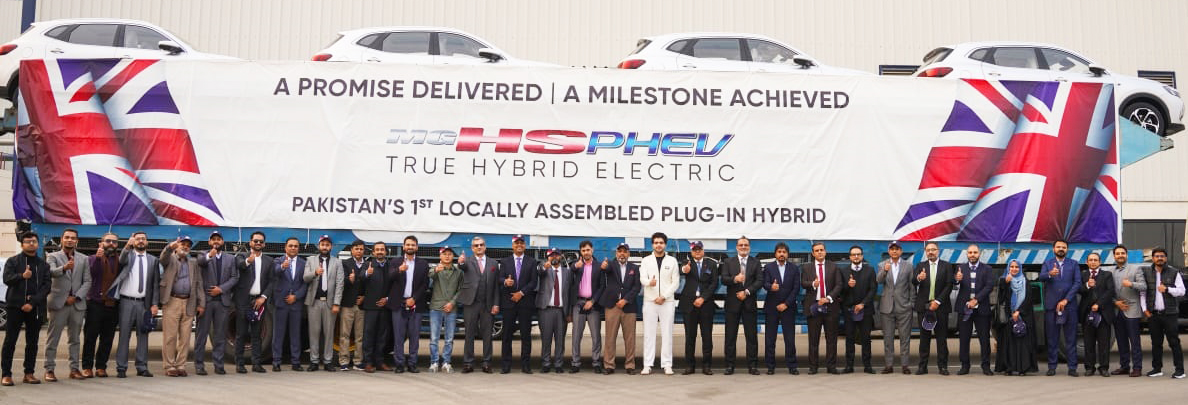
MG Motor has achieved a significant milestone with the launch of its locally assembled MG HS PHEV, TRUE HYBRID ELECTRIC. Led by Syed Asif Ahmed, General Manager – Marketing Division, this launch underscores MG’s dedication to introducing advanced automotive technology to Pakistan. As the nation’s first locally assembled Plug-in Hybrid Electric Vehicle (PHEV), the MG HS PHEV signifies MG’s commitment to pushing the boundaries of automotive innovation in the region.

A Fusion of Style and Technology

The MG HS PHEV, TRUE HYBRID ELECTRIC seamlessly blends cutting-edge engineering with a sophisticated design, setting a new benchmark for the local automotive industry.

Delivering on Promised Time

The timely launch of the MG HS PHEV demonstrates MG’s commitment to fulfilling customer expectations. With deliveries already underway, the brand ensures smooth access to its innovative offerings.

Redefining Hybrid Driving

As a “True Hybrid Electric Vehicle,” the MG HS PHEV boasts impressive features including 52+kilometer electric range, a 16.6 kWh battery, regenerative braking, and external charging capabilities, providing a combined fuel mileage of upto 58.8KM/L. These features combine to provide a seamless and efficient hybrid driving experience

Embracing New Energy Vehicles

The introduction of the MG HS PHEV reaffirms MG’s focus on New Energy Vehicles (NEVs). This strategic move aligns with the company’s vision of integrating advanced mobility solutions into Pakistan’s automotive market.

Experience Future of Mobility

MG invites customers and enthusiasts to visit their dealerships to experience the MG HS PHEV up close. Launched at a price of PKR 9,899,000, the vehicle currently offers an exclusive early bird deal at PKR 9,499,000. This groundbreaking model embodies the future of hybrid mobility, highlighting the cutting-edge potential of advanced automotive technologies.

Shaping the Future of Pakistan’s Automotive Landscape

The launch of the MG HS PHEV underscores MG’s commitment to delivering innovative vehicles that meet the evolving needs of modern drivers. With this launch, MG continues to shape the future of Pakistan’s automotive landscape, offering products designed to inspire and excite.

Automechanika Dubai breaks new ground with largest show on record

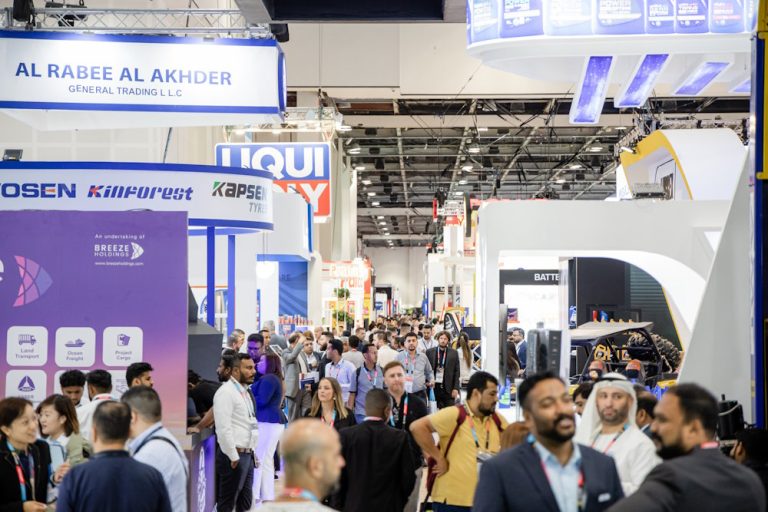
Automechanika Dubai 2024 will take place at the Dubai World Trade Centre from 10-12 December

2,228exhibitors confirmed, an increase of 15% compared to the previous year, and floor space increased by 18% year-on-year to facilitate demand during the three-day showcase.

Dubai, UAE: Automechanika Dubai, the largest automotive aftermarket trade exhibition in the Middle East, will return to the Dubai World Trade Centre (DWTC) from 10-12 December, celebrating the 21st edition of the showcase with record exhibitors numbers.

With 2,228exhibitors confirmed, Automechanika Dubai will be the largest to date, spanning an impressive 17 halls, increasing the show floor space by 18%, and showcasing the latest trends and innovations driving the automotive aftermarket sector forward, regionally and internationally.

The event, organised by Messe Frankfurt Middle East,will focus on five global pillars: sustainability, electrification and digitalisation, innovation, training, and recruitment. Additionally, there will be a specific regional focus on safety within the automotive aftermarket industry.

A range of automotive industry experts will also be welcomed as part of the eventscontent series. Returning features include the Automechanika Academy, a knowledge-sharing platform for the automotive aftermarket industry featuring distinguished speakers, including His Excellency Sheikh Nasser Al Qasimi, Assistant Undersecretary for Infrastructure & Transport, Ministry of Energy & Infrastructure, UAE, with key themes centred on collaboration and innovation in the automotive industry, and adapting to change and enhancing service delivery.

Mahmut Gazi Bilikozen, Portfolio Director, Mobility & Logistics at Messe Frankfurt Middle East, said:“The automotiveindustry isrenowned globally for its rapid development of technologies, focus on sustainability and far-reaching market dynamics. To assist those within the industry, we have developed a series of conferences to showcase innovation and advancements from the industry while providing unrivalled opportunities to learn, advance, and collaborate.”

Innovation4Mobility will return as a main feature with a focus on futuristic concepts and visionary ideas, as will the Lubricants and Base Oils Conference, Modern Workshop, and AfriConnections, which will explore the dynamic opportunities Africa’s automotive aftermarket industry has to offer.

This year will also see aRegional Focus on Southeast Asia, where experts will discuss the pivotal role automotive aftermarket companies from that region play in the UAE’s automotive aftermarket industry growth.

Automechanika Dubai 2024 will also debut two new features: the PowerTread Workshop, which will take a deep dive into the latest trends, technologies, and advancementsin tyres and batteries,and the Future Fleet & Telematics Workshop, whichwill gather industry pioneers in telematics to discuss the latest innovations, trends, and applications.

The fourth edition of the Automechanika Dubai Awards will highlight the outstanding achievementsmade within the industry by individuals and companies, with winners announced on day two of Automechanika Dubai duringthe awards ceremony at the Dubai World Trade Centre.

The popular PitStop Challenge will bring together mechanics, repair professionals, and motoring enthusiasts as they go head-to-head and pit their knowledge, expertise, agility and accuracy in repair and maintenance-related tasks.The 2024 edition will also see the introduction of the Find the Fault competition, where auto refitters, body repair specialists, and collision repair technicianswill be tasked with identifying faults within a time limit.

“We are excited to bring a range of new features, underscoring our market-leading positioninthe automotive aftermarket industry in the region. The record-breaking number of exhibitors will ensure the show floor will be a hive activity in what we expect to be another groundbreaking year for Automechanika Dubai,” added Bilikozen.

Automechanika Dubai covers nine specialised product categories: Parts & Components, Electronics & Connectivity, Accessories & Customising, Tyres & Batteries, Car Wash & Care, Oils & Lubricants, Diagnostics & Repair, Body & Paint, Management & Digital Solutions.

The exhibition will run alongside Logimotion, a pioneering event dedicated to the logistics industry, amplifying cross-industry collaboration and innovation opportunities.

The latest Automechanika Dubai news stories are available on the ‘Press Releases’ page.

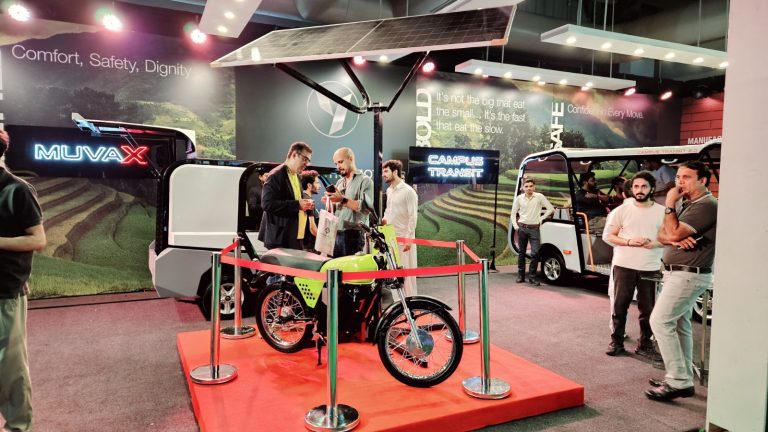
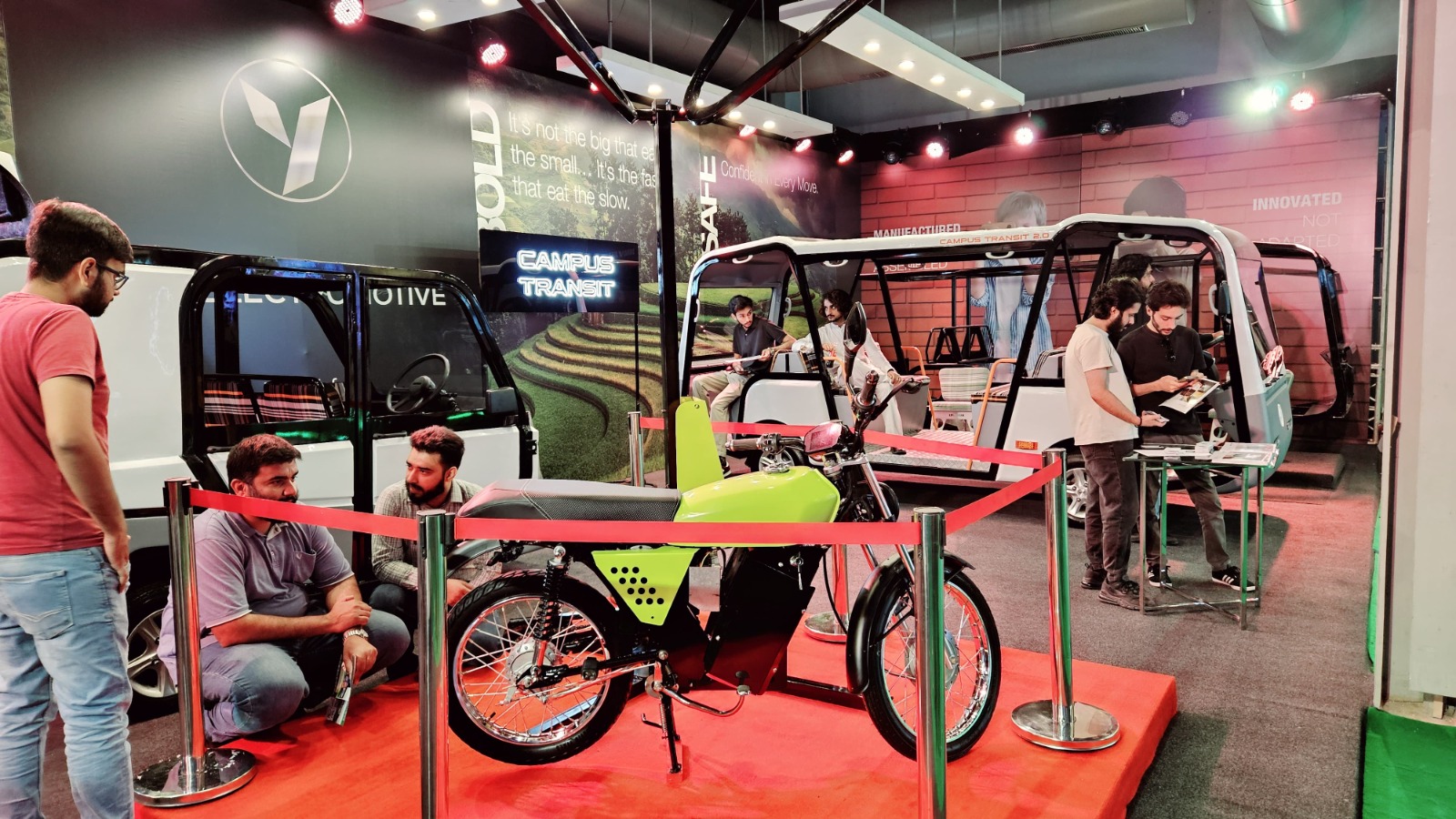
Pakistan Auto Show: The quiet earthquake you’ll feel for months to come

Amidst all the shine that the latest EVs from China were showing off in Hall 1 of the Pakistan Auto show held in Lahore over the weekend, or the lights on latest iterations from Japanese assemblers in Hall2, or the loud music of the Koreans brands in Hall 3, none made it on the rector scale of earthquakes as did one disruptive EV bike: the “1,2-fire” manufactured by YES Electromotive, Pakistan.

Dressed in Matt black and kinetic green contours, this unassuming yet revolutionary EV play on the ‘125’ cc bikes of Pakistan is a game changer for the country- with one solar panel etched on their “Power Tree” and YES integrated circuitry charging one of 2 LFP battery packs, their claim of “Free for life” fuel is not a marketing slogan – a mere 10,000 of these alone over its 8 year battery life can save 100M$ worth of fossil Fuel! Wonder what a million such bikes will do.
This solarized, rugged mid drive motorized EV bike, designed in the country and made for the masses is the way of the future for Pakistan mobility.

Imagine the freedom, the future with the “Power trees” planted across the countryside harnessing nature’s free fuel every morning for our bikes. Can you feel the earthquake now ?

AI as the Game Changer in the Automotive Industry: Driving the Future of Mobility

Dear readers
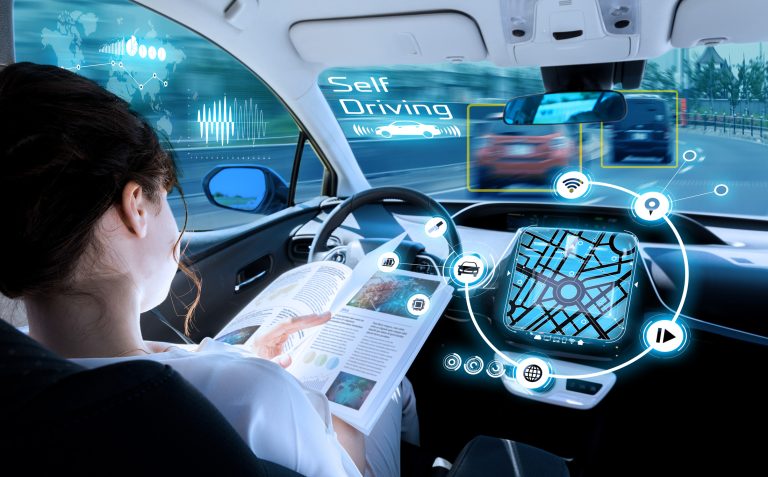
The automotive industry is undergoing a transformative evolution, fuelled by the integration of Artificial Intelligence (AI). Once considered a futuristic concept, but traditionally slower in adopting cutting-edge technology compared to sectors like finance and healthcare, the automotive sector is now embracing AI as a critical enabler of innovation. AI is now the cornerstone of innovation, reshaping vehicle design, production processes, and customer interactions. The integration of AI is transforming the industry into a smarter, safer, and more sustainable ecosystem, promising a future defined by unparalleled convenience and efficiency.

AI in Automotive: From Theory to Application
AI has evolved from theory to a transformative force in the automotive industry, revolutionizing mobility and efficiency.
Realized AI powers technologies like Tesla’s Autopilot and predictive maintenance tools, addressing real-world challenges with advanced driver assistance and operational insights.
Theoretical AI, including Artificial General Intelligence (AGI) and Artificial Superintelligence (ASI), promises vehicles capable of reasoning, emotional adaptation, and ethical decision-making. However, these remain experimental, with significant technical and ethical hurdles.
AI Capabilities:

  • Narrow AI drives current innovations with specialized functions like collision avoidance and autonomous navigation.
  • AGI aspires to human-like reasoning for advanced personalization and decision-making.
  • ASI, though theoretical, envisions surpassing human intelligence, offering opportunities but raising profound ethical concerns.
    AI is reshaping the automotive landscape, bridging the gap between innovation and future possibilities while presenting challenges that demand careful navigation.
    AI’s Role in Transforming the Automotive Industry
  1. Smart Cars: Personal Co-Pilots
    Modern vehicles are evolving into intelligent companions. AI-driven personalization systems adapt to driver preferences, offering customized music, navigation, and climate settings. These features create a more engaging and user-centric experience.
  2. Autonomous Driving:
    A Safer Journey
    Autonomous vehicles are the epitome of AI’s potential in mobility. Companies like Tesla and Waymo leverage sensors, cameras, and machine learning to enable self-driving cars that navigate urban complexities. AI also enhances safety with predictive algorithms that preemptively avoid hazards.
  3. Predictive Maintenance:
    Proactive Care
    AI-driven diagnostics monitor vehicle health, detecting issues before they escalate. For EVs, this includes battery degradation predictions, while for ICE vehicles, it monitors engine performance. This approach reduces breakdowns and extends lifespans.
  4. Smarter Manufacturing
    AI streamlines production processes by automating repetitive tasks, reducing errors, and optimizing resource allocation. Consumer trend analysis helps manufacturers design vehicles tailored to evolving market demands.
  5. Connected Cars in IoT Ecosystems
    AI enables vehicles to communicate with smart infrastructure, improving traffic flow and safety. However, this increased connectivity demands robust AI-powered cybersecurity solutions to mitigate threats.
    Transforming Aftersales Services with AI
    Aftersales services are a critical touchpoint for customer satisfaction, and AI is revolutionizing this domain by streamlining operations, improving diagnostics, and enhancing customer experiences.

  1. Predictive Maintenance
    AI systems monitor vehicle health through sensors, identifying potential issues before they become significant. For EVs, this includes predicting battery degradation, while for ICE vehicles, it monitors engine wear and tear. This proactive approach minimizes emergency repairs and builds trust.

2. Automated Diagnostics
AI-driven tools diagnose vehicle problems with precision and speed. These systems can identify faults in EV drivetrains or traditional ICE systems, enabling technicians to resolve issues more efficiently.

3. Efficient Parts Management
AI optimizes inventory by predicting demand for spare parts, ensuring timely availability. This reduces vehicle downtime and enhances customer trust in service centers.

4. Personalized Service Schedules
By analyzing driving patterns, AI creates tailored maintenance schedules. Customers benefit from optimized service intervals, avoiding unnecessary visits while ensuring reliability.

5. Enhanced Customer Relationships
AI-powered CRM tools, such as chatbots and predictive analytics, improve communication and provide personalized solutions. Proactive alerts for maintenance and service reminders foster stronger customer relationships.

6. Streamlined Insurance Claims
AI simplifies insurance claims through automation, reducing processing times and improving transparency. Predictive models also help prevent fraudulent claims.

Challenges of AI Adoption in Aftersales and Beyond

  1. Workforce Transition:
    Automation risks job displacement; upskilling technicians is essential.

2. Algorithmic Bias:
Faulty data can lead to inaccurate diagnoses and erode trust.

3. Data Privacy:
Protecting sensitive customer data in connected systems is critical.

4. Cybersecurity:
AI-driven services face cyber-attack vulnerabilities, demanding robust security.

5. Ethical Dilemmas:
Liability in autonomous driving and opaque AI decisions challenge trust.

  1. Over-Reliance on AI:
    Excessive automation risks diminishing human problem-solving skills.

Embracing AI for a Sustainable Automotive Future

  1. Workforce Development:
    Train teams to effectively use AI tools.
  2. Data Security:
    Invest in advanced cybersecurity to protect customer information.
  3. Quality Control:
    Ensure AI systems are reliable through rigorous testing.
  4. Ethical Standards:
    Create frameworks for transparent and accountable AI operations.
    Key Note:
    AI is Driving the Next Generation of Mobility
    Artificial Intelligence (AI) is reshaping the automotive industry, driving the next generation of mobility.
    Far from being a mere trend, AI represents a paradigm shift that is revolutionizing smart cars, autonomous driving, and aftersales services. With its potential to unlock unprecedented opportunities for innovation and growth, AI is setting the stage for a smarter, safer, and more sustainable future of mobility.
    However, this transformation is not without challenges, as the industry must address workforce adaptation, data privacy, and ethical concerns to fully harness AI’s benefits.
    The integration of AI is significantly impacting the job market, automating repetitive tasks and reshaping roles across industries. Jobs involving data entry, telemarketing, assembly lines, and basic bookkeeping are particularly vulnerable to automation.
    In customer service, AI-powered chatbots and virtual assistants are replacing traditional roles, while autonomous vehicles pose a threat to transportation jobs. Similarly, manufacturing, logistics, and retail sectors are witnessing the rise of robots and automated systems that are streamlining operations but reducing the need for human intervention.
    Yet, AI is not just a job displacer—it is also a creator of opportunities. It is driving demand for new roles in AI development and maintenance, such as machine learning engineers, data scientists, and AI trainers.
    Emerging fields like robotics, cybersecurity, and renewable energy are also benefiting from AI advancements, while creative and strategic industries are leveraging AI-enhanced tools for design, marketing, and content creation. Furthermore, the need for AI ethics and regulation is giving rise to specialized roles to ensure its responsible use.
    The overall impact of AI on jobs is a mix of displacement and creation. According to the World Economic Forum, AI could displace 85 million jobs globally by 2025 but create 97 million new ones. PwC predicts that around 30% of jobs may be at risk of automation by the mid-2030s, with low-skill roles being the most affected.
    To navigate this transformation, it is crucial for businesses, governments, and individuals to invest in upskilling and reskilling efforts, ensuring that the workforce is prepared for the evolving job landscape.
    For automotive leaders, the key lies in balancing innovation with responsibility. Companies that embrace AI’s potential while addressing its challenges will not only lead the industry but also set benchmarks for its ethical and sustainable implementation.
    The road ahead is clear: AI is the driving force behind the automotive industry’s evolution. The question is no longer whether AI will reshape the world of mobility—but how quickly it will accelerate us into a future defined by intelligent, innovative solutions.

First published in Automark Magazine: Driving Innovation, Empowering Mobility

Exclusive written by Asif Mehmood for Automark’s December-2024 printed and digital edition.

The Key to Aftersales Success: Understanding Absorption Rate

Dear readers!!! Aftersales service is an essential part of the automotive industry. it affects the satisfaction and loyalty of customers and represents the overall success of the business. It is support and services given after purchasing a vehicle. The menu depends on process building, including maintenance, repair, warranty services, parts replacement, customer support, and other value-added services to ensure customer satisfaction, enhance loyalty, and sustain profitability.

In a scenario of increased competition and changing customer behavior, aftersales service has become the inevitable part of an automobile business model. That is to say that Aftersales’ service has been an essential part of the whole automotive business, promoting both customer delight and profit margin. In a fast-changing environment, in which the level of technology and customer expectations are advancing; businesses emphasizing superb aftersales service will gain a competitive advantage. Innovative strategies, acquisition of skilled talent, and effective use of technology can boost aftersales services to become a potent pillar for success in the automotive industry.
In this month’s article, let’s talk about the “Aftersales absorption rate”.

This is an important indicator for determining and judging how well a dealership’s service and parts operations cover fixed operating expenses. To monitor and improve it appropriately, a dealership needs to keep an eye on a few KPIs that give a better insight into the health of aftersales operations. These KPIs would ensure alignment of business goals, identify areas for improvement, and support strategic decision-making for profitability. Aftersales absorption rate is one of the key performance measures in the automotive industry, indicating how much of the revenue paid to dealerships or independent repair shops servicing their cars covers related costs such as labor, parts, and overhead costs. Aftersales absorption is an important KPI in the automotive industry; it talks to the extent to which a dealership’s fixed operations comprised of the service, parts, and body shop cover its operational costs. Aftersales absorption defines the extent to which the aftersales business underpins the profitability of a dealership, particularly at times when vehicle sales appear to be volatile. The focus on customer retention, EV aftersales dynamics, and economic pressures have lately placed greater emphasis on this metric.
What is the Aftersales Absorption Rate?
The aftersales absorption rate is a gauging aspect from the financial perspective that accounts for the aftersales profitability of a dealership. It shows how much the revenue generated from aftersales services, such as repairs, maintenance, and parts, covers the associated costs, including labor, parts, and overhead expenses. The aftersales absorption rate is expressed in a percentage and computed using the given formula: Aftersales Absorption Rate = [Gross Profit from Service, Parts and Body Shop / Total Fixed Operating Expenses] x 100

  • A 100% absorption rate indicates that the dealership’s aftersales activities completely absorb the fixed costs of the store, thus less reliance on selling vehicles for profitability. The higher absorption rate means aftersales activities are helping to absorb a significant portion of the dealership’s expenses, making less reliance on sales revenue generated from selling vehicles.Any rating below 100% means additional income from the sale of vehicles for a dealer to break even.

Let’s understand the Absorption rate by considering the following points,
Revenue Stability:

In any automotive industry, after-sales revenue is part and parcel of a dealership’s bottom line. It represents a more stable income stream especially when new car sales are going both ways. However, it goes a long way to stabilize after-sales revenue streams as vehicle sales depend on the conditions of the marketplace, the influence of supply chain disruptions or economic influences. High aftersales absorption means that dealerships break even in instances where sales decline.

Growth in electric vehicle sales will bring both opportunity and challenge to the after-sales business. Although less frequent traditional maintenance is required for EVs, new revenue streams include battery health checks and software updates, along with charging infrastructure. With the need for less maintenance on EVs, dealerships will have to alter their focus from basic services such as battery diagnostics, software updates, and charging solutions to maintain profitability in aftersales.

The after-sales market has been one of the foundational businesses of the automobile industry that generates steady revenues, even when economic outputs do not perform and when car sales are low. With the transformation of market dynamics, revenue stability in after-sales has become a strategic imperative for dealerships and manufacturers as well. Adopting innovative practices and leveraging emerging technologies will form a solid foundation for aftersales operations to guarantee long-term sustainability.

Lifetime Customer Value Focus: The Customer Lifetime Value (CLTV) is a metric that measures the aggregate revenue a business can reasonably expect from a single customer account. In the automotive industry, CLTV encompasses not only the initial vehicle purchase but also subsequent aftersales services, accessories, and future vehicle purchases. Aftersales service is paramount in creating maximum CLTV. By offering superior customer experiences, a dealership can establish loyalty, promote return business, and create more revenue. The retention of customers for service and parts throughout the vehicle lifespan forms a predictable revenue stream. A powerful aftersales business generates brand loyalty, ensuring repeat vehicle purchases.

Operational Efficiency: Operational efficiency in the automobile aftersales industry is critical for maintaining customer satisfaction while maximizing resource utilization to increase profitability. The implementation of advanced diagnostic tools will empower technicians to speedily diagnose and repair the vehicle, thereby reducing the time needed for repairs and cutting their efficiency wastes. The adoption of strong inventory management systems can help optimize stock levels, reduce lead times, and hence minimize downtime due to parts shortages. Identification of waste in the aftersales process, such as unnecessary steps, excess inventory, and idle time, can radically enhance efficiency. A continuous improvement culture results in continuous optimization and innovation. Efficiency in the utilization of workshops, productivity of technicians, and inventory management of spare parts is driven by improving absorption rates. Through the adoption of these strategies, an automotive aftersales business can greatly enhance operational efficiency, customer satisfaction, and profitability.

Business Resilience: Business resilience is key to sustainable operations, customer satisfaction, and long-term profitability in the automotive aftersales industry. It helps an automotive business predict, prepare for, and counter disruptions effectively, that is, economic slowdown, disruption in the supply chain, technology advancement, or a pandemic. High absorption rates minimize financial risks. Dealerships are more resistant to economic challenges or market disruptions. Automotive businesses can improve the aftersales absorption rate, achieve increased profitability, and improve customer relations through the proper management of these factors. Product Diversification: Different varieties of aftersales services, such as vehicle customization, installation of accessories, and insurance products, offer ways to spread risk in case the demand for those services fluctuates. Geographic Diversification: Venturing into new markets or regions allows for the dispersal of risks and minimizes dependence on a single market.

To increase aftersales absorption among dealerships and repair shops, some areas can be incorporated to improve this service including Scheduling can help reduce idle time among the technicians in the workshop, maximizing available time Use of Training:

A well-trained person can diagnose and repair better or sooner, thereby saving labor and increasing customer satisfaction Use of Technology:

Advanced diagnostic tools and software can accelerate the process, improve accuracy, and take less time to make repairs. Implement proper inventory management: Proper inventory levels can decrease holding costs and will improve cash flow. Focus on customers: Provide high-quality customer service like on-time repairs, proper communication, and comfortable waiting areas for better customer satisfaction and loyalty. Offer added value services: Upsell additional services like detailing or installing accessories to increase revenue and improve the absorption rate. An Analysis of Service Data: Tracking key performance indicators- such as labor hours, parts utilization, and customer satisfaction identify for improvement and optimize the operation.
Takeaway from this article:
The Aftersales Absorption Rate is not just a financial metric, it’s a dealership’s resilience and adaptability in changing market environments. As a result of this management, fixed costs are controlled while improving service efficiency, customer retention, and parts sales, leading to an absorption rate that can keep the profitability sustainable in the long run. In this day and age of technological advancement and surge in electric vehicles, the after-sales business remains a critical revenue stream; hence, dealerships that maintain a focus on this performance metric and innovate through their product offerings would be better prepared for the future of automobiles.

Exclusive written by Muhammad Rafique for Automark’s December-2024 printed and digital edition.

Government introduces New Energy Vehicle Policy 2030

The govt has unveiled the NEV Policy, aimed at transitioning 30% of vehicles in Pakistan to electric power by 2030

Federal Minister for Industries and Production, Rana Tanveer Hussain, has unveiled the New Energy Vehicle (NEV) Policy, aimed at transitioning 30% of vehicles in Pakistan to electric power by 2030. Speaking at a press conference, the minister asserted that all stakeholders were consulted in the policy-making process.
However, the Pakistan Automotive Manufacturers Association (PAMA) has voiced strong reservations, expressing concerns about the policy’s potential impact on the local auto industry.
The NEV policy includes a subsidy of PKR 50,000 for electric motorcycles and PKR 200,000 for three-wheelers (rickshaws), with a total allocation of PKR 4 billion. These subsidies will be distributed through auctions. So far, two companies have been granted licenses, while 31 more applications are under review. Among the firms being licensed is BYD, a major global EV manufacturer.
The government plans to establish a robust EV infrastructure, identifying 40 sites along the Peshawar-Karachi Motorway for EV charging stations, with a target of installing 3,000 stations by 2030. Electricity at these stations will be provided at subsidized rates, ensuring affordability.
He emphasized that the transition to EVs would significantly reduce Pakistan’s dependency on expensive fuel imports.
The policy also incorporates a reduction in the policy rate from 22% to 15%, with financing at 3% KIBOR, a cost borne by the government. Consumers will pay monthly installments of approximately PKR 9,000 over two years, an amount lower than their projected fuel savings. A Credit Loss Guarantee managed by the Finance Division ensures no financial burden on the Ministry or consumers.
Additional initiatives include offering free electric bikes or scooters to 120 high-achieving students and reducing duties on EV components to encourage local manufacturing. The government is also set to establish a New Energy Fund and a New Energy Vehicle Centre to support these measures.
PAMA’s concerns:
PAMA, in its detailed letter to the EDB, raised several issues regarding the NEV policy. It warned that the free import of CBUs at reduced duty (25%) and sales tax (10%) could significantly disrupt the local auto market. The association proposed several recommendations, including restricting CBU imports to companies with local manufacturing facilities as per SRO 656 requirements to prevent the creation of a “junkyard” of unsupported vehicles. It also called for the elimination of used car imports to avoid market share erosion, allowing only overseas Pakistanis to purchase locally produced vehicles. The association further recommended mandating that CBU importers establish local manufacturing facilities within a set timeframe to ensure long-term industry growth. PAMA also urged that duties and incentives for NEVs should align with those for Internal Combustion Engine (ICE) vehicles, with incentives phased out within five years, by 2030. It suggested adding renewable energy vehicles, such as biogas-fueled cars, to the NEV policy’s definition and maintaining policy continuity for Hybrid Electric Vehicles (HEVs) and Plug-in Hybrid Electric Vehicles (PHEVs) under the Automotive Industry Development and Export Policy (AIDEP) 2021-26.
PAMA stressed that incentives should only apply to new NEV models introduced after the policy’s announcement and that CBUs must meet WP 29 regulations, similar to locally produced vehicles. It called on the government to take a holistic approach to the policy, considering its implications for the auto industry and related policies, to safeguard an industry that contributes significantly to national revenue.

The NEV policy is currently open for stakeholder feedback. With ambitious targets of achieving a 30% EV market share and establishing 3,000 charging stations by 2030, the government aims to revolutionize Pakistan’s auto sector.

The technological foundation of Advanced Driver Assistance System (ADAS)

Greetings, Dear Readers! I have explained briefly how Advanced Driver Assistant System (ADAS) works and the function of active vs passive ADAS features in my previous article which appeared in the November 2024 edition of AutoMark. The next step that I want to take is to explain what the technology behind ADAS is all about.Advanced Driver Assistance Systems use various sensors to make the vehicle safer and to provide many automated driving functionalities. The sensors are the fundamentals on which the car scans its environment and makes proper decisions.

A human-operated car works because we have stereoscopic vision, and are able to deduce relative distance and velocity in our brains. Even with one eye closed, we can deduce distance and size using monocular vision fairly accurately because our brains are trained by real-world experience.

Our eyes and brains also allow us to read and react to signs and follow maps, or simply remember which way to go because we know the area. We know how to check mirrors quickly so that we can see in more than one direction without turning our heads around. 

Our brains know the rules of driving. Our ears can hear sirens, honking, and other sounds, and our brains know how to react to these sounds in context. Just driving a short distance to buy some milk and bread, a human driver makes thousands of decisions, and makes hundreds of mechanical adjustments, large and small, using the vehicle’s hand and foot controls.

Replacing the optical and aural sensors connected to a brain made up of approximately 86 billion neurons is no easy feat. It requires a suite of sensors and very advanced processing that is fast, accurate, and precise. Truly self-driving cars are being developed to learn from their experience just as human beings do, and to integrate that knowledge into their behavior.

Key types of ADAS sensors in use today

Following is the list of main types of ADAS sensors in use today:

  • Video cameras
  • SONAR
  • RADAR
  • LiDAR
  • GPS/GNSS

We will look closer look at each of these in this article.

A vehicle needs sensors to replace or augment the senses of the human driver. Our eyes are the main sensor we use when driving, but of course, the stereoscopic images that they provide need to be processed in our brains to deduce relative distance and vectors in a three-dimensional space. 

We also use our ears to detect sirens, honking sounds from other vehicles, railroad crossing warning bells, and more. All of this incoming sensory data is processed by our brains and integrated with our knowledge of the rules of driving so that we can operate the vehicle correctly and react to the unexpected.

ADAS systems need to do the same. Cars are increasingly being outfitted with RADAR, SONAR, and LiDAR sensors, as well as getting absolute position data from GPS sensors and inertial data from IMU sensors. The processing computers that take in all this information and create outputs to assist the driver, or take direct action, are steadily increasing in power and speed in order to handle the complex tasks involved in driving.

Video Cameras (Optical Image Sensor)

The first use of cameras in automobiles was the backup camera,“reverse camera.” Combined with a flat video screen on the dashboard, this camera allows drivers to more safely back up into a parking space, or when negotiating any maneuver that involves driving in reverse. But the primary initial motivation was to improve pedestrian safety. According to the Department of Transportation, ​​more than 200 people are killed and at least 12,000 more are injured each year because a car backed into them. These victims are mostly children and older people with limited mobility.

Once only installed in high-end cars, backup cameras have been required in all vehicles sold in the USA since May 2018. Canada adopted a similar requirement. The European Commission is moving toward requiring a reversing camera or monitoring system in all cars, vans, trucks, and buses in Europe by 2022. The Transport Ministry in Japan is requiring backup sensors (a camera, ultrasonic sensors, or both) on all automobiles sold in Japan by May 2022.

But in today’s ADAS vehicles there can be multiple cameras, pointing in different directions. And they’re not just for backup safety anymore: their outputs are used to build a three-dimensional model of the vehicle’s surroundings within the ADAS computer system. Cameras are used for traffic sign recognition, reading lines and other markings on the road, detecting pedestrians, obstructions, and much more. They can also be used for security purposes, rain detection, and other convenience features as well.

The output of most of these cameras is not visible to the driver. Rather, it feeds into the ADAS computer system. These systems are programmed to process the stream of images and identify stop signs, for example, and to understand that another vehicle is signaling a right turn and that a traffic light has just turned yellow, and more. They are heavily used to detect road markings, which is critical for lane-keeping assistance. This is a huge amount of data and processing power, and it’s only increasing in the march toward self-driving cars.

SONAR (Sound Navigation & Ranging)

SONAR (Sound Navigation and Ranging), “ultrasound” sensors generate high-frequency audio on the order of 48 kHz, more than twice as high as the typical human hearing range. (Interestingly, many dogs can hear these sensors, but they don’t seem bothered by them.) When instructed by the car’s ECU, these sensors emit an ultrasonic burst, and then they “listen” for the returning reflections from nearby objects.

By measuring the reflections of this audio, these sensors can detect objects that are close to the vehicle. Ultrasound sensors are heavily used in backup detection and self-parking sensors in cars, trucks, and buses. They are located on the front, back, and corners of vehicles. 

Since they operate by moving the air and then detecting acoustic reflections, they are ideal for low-speed applications, when the air around the vehicle is typically not moving very fast. Because they are acoustic in nature, ultrasound performance can be degraded by exposure to an extremely noisy environment.

Ultrasound sensors have a limited range compared to RADAR, which is why they are not used for measurements requiring distance, such as automated cruise control or high-speed driving. But if the object is within 2.5 to 4.5 meters (8.2 to 14.76 feet) of the sensor, ultrasound is a less expensive alternative to RADAR. Ultrasound sensors are not used for navigation because their range is limited, and they cannot detect objects smaller than 3 cm (1.18 in.).

Ultrasound sensors are the round ‘’disks’’ on the back of this car (Red Circles).

Interestingly, electric car maker Tesla invented a way to project ultrasound through metal, allowing them to hide these sensors all over their cars, to maintain vehicle aesthetics. The round disks on the bumpers of the car in the picture above are ultrasound sensors.

RADAR (Radio Detection & Ranging)

RADAR (Radio Detection and Ranging) sensors are used in ADAS-equipped vehicles for detecting large objects in front of the vehicle. They often use a 76.5 GHz RADAR frequency, but other frequencies from 24 GHz to 79 GHz are also used. 

Two basic methods of RADAR detection are used: 

  • Direct propagation
  • Indirect propagation

In both cases, however, they operate by means of emitting these radio frequencies and measuring the propagation time of the returned reflections. This allows them to measure both the size and distance of an object and its relative speed.

Because RADAR signals can range 300 meters in front of the vehicle, they are particularly important during highway speed driving. Their high frequencies also mean that the detection of other vehicles and obstacles is very fast. Additionally, RADAR can “see” through bad weather and other visibility occlusions. Because their wavelengths are just a few millimeters long, they can detect objects of several cm or larger.

Application for Automotive RADAR System

RADAR is especially good at detecting metal objects, like cars, trucks, and buses. As the image above shows, they are essential for collision warning and mitigation, blind-spot detection, lane change assistance, parking assistance, adaptive cruise control (ACC), and more.

LiDAR(Light Detection & Ranging)

LiDAR (Light Detection and Ranging) systems are used to detect objects and map their distances in real-time. Essentially, LiDAR is a type of RADAR that uses one or more lasers as the energy source. It should be noted that the lasers used are the same eye-safe types used at the check-out line in grocery stores. 

High-end LiDAR sensors rotate, emitting eye-safe laser beams in all directions. LiDAR employs a “time of flight” receiver that measures the reflection time. 

An IMU and GPS are typically also integrated with the LiDAR so that the system can measure the time it takes for the beams to bounce back and factor in the vehicle’s displacement during the interim, to construct a high-resolution 3D model of the car’s surroundings called a “point cloud.” Billions of points are captured in real-time to create this 3D model, scanning the environment up to 300 meters (984 ft.) around the vehicle, and within a few centimeters (~1 in.) of accuracy.

LiDAR sensors can be equipped with up to 128 lasers inside. The more lasers, the higher the resolution 3D point cloud can be built

LiDAR can detect objects with much greater precision than RADAR or Ultrasound sensors, however, their performance can be degraded by interference from smoke, fog, rain, and other occlusions in the atmosphere.But, because they operate independent of ambient light (they project their own light), they are not affected by darkness, shadows, sunlight, or oncoming headlights.

LiDAR sensors are typically more expensive than RADAR because of their relative mechanical complexity. They are increasingly used in conjunction with cameras because LiDAR cannot detect colors (such as the ones on traffic lights, red brake lights, and road signs), nor can they read the text as well as cameras. Cameras can do both of those things, but they require more processing power behind them to perform these tasks.

GPS/GNSS (Global Position System / Global Navigation Satellite System)

In order to make self-driving vehicles a reality, we require a high-precision navigation system. Vehicles today are using the Global Navigation Satellite System (GNSS). GNSS is more than just the “GPS” that everyone knows about. 

GPS, which stands for Global Positioning System is a constellation of more than 30 satellites circling the planet. Each satellite emits extremely accurate time and position data continuously. When a receiver gets usable signals from at least four of these satellites, it can triangulate its position. The more usable signals it gets, the more accurate the results.

But GPS is not the only global positioning system. There are multiple constellations of GNSS satellites orbiting the earth right now:

  • GPS – USA
  • GLONASS – Russia
  • Galileo – Europe
  • BeiDou – China

The best GNSS systems installed in today’s vehicles have the ability to utilize two or three of these constellations. Using multiple frequencies provides the best possible performance because it reduces errors caused by signal delays, which are sometimes caused by atmospheric interference. Also, because the satellites are always moving, tall buildings, as well as hills and other obstructions, can block a given constellation at certain times. Therefore, being able to access more than one constellation mitigates this interference.

Consumer-type (non-military) GNSS provides positional accuracy of about one meter (39 inches). This is fine for the typical navigation system in a human-operated vehicle. But for real autonomy, we need centimeter-level accuracy. 

GNSS accuracy can be improved using a regional or localized augmentation system. There are both ground and space-based systems in use today that provide GNSS augmentation. Ground-based augmentation systems are known collectively as GBAS, while satellite or space-based augmentation systems are known collectively as SBAS.

A few examples of how GNSS and other ADAS sensors work together

When we drive into a covered parking garage or tunnel, the GNSS signals from the sky are completely blocked by the roof. IMU (inertial measurement unit) sensors can sense changes in acceleration in all axes, and perform a “dead reckoning” of the vehicle’s position until the satellites return. Dead reckoning accuracy drifts over time, but it is very useful for short durations when the GNSS system is “blind.”

Driving under any conditions, cameras, LiDAR, SONAR, and RADAR sensors can provide the centimeter-level positional accuracy that GNSS simply cannot (without correction from an RTK). They can also sense other vehicles, pedestrians, et al – something that GNSS is not meant to do because the satellites are not sensors – they simply report their time and position very accurately.

In cities, the buildings create a so-called “urban canyon” where GNSS signals bounce around, resulting in multipath interference (the same signal reaches the GNSS antenna at different times, confusing the processor). The IMU can dead-reckon under these conditions to provide vital position data, while the other sensors (cameras, LiDAR, RADAR, and SONAR) continue to sense the world around the vehicle on all sides.

ADAS Sensor Advantages and Disadvantages

Each of the sensors used in ADAS vehicles has strengths and weaknesses which are explained below.

  • LiDAR is great for seeing in 3D and does well in the dark, but it can’t see color. LiDAR can detect very small objects, but its performance is degraded by smoke, dust, rain, etc. in the atmosphere. They require less external processing than cameras, but they are also more expensive than cameras.
  • Cameras can see whether the traffic light is red, green, amber, or other colors. They’re great at “reading” signs and seeing lines and other markings. But they are less effective at seeing in the dark, or when the atmosphere is dense with fog, rain, snow, etc. They also require more processing than LiDAR.
  • RADAR can see farther up the road than other range-finding sensors, which is essential for high-speed driving. They work well in the dark and in when the atmosphere is occluded by rain, dust, fog, etc. They can’t make models as precisely as cameras or LiDARs or detect very small objects as other sensors can.
  • SONAR sensors are excellent at close proximity range-finding, such as parking maneuvers, but not good for distance measurements. They can be disturbed by wind noise, so they don’t work well at high vehicle speeds.
  • GNSS, combined with a frequently updated map database, is essential for navigation. But raw GNSS accuracy of a meter or more is not sufficient for fully autonomous driving, and without a line of sight to the sky, they cannot navigate at all. For autonomous driving, they must be integrated with other sensors, including IMU, and be augmented with an RTK, SBAS, or GBAS system.

IMU systems provide the dead-reckoning that GNSS systems need when the line of sight to the sky is blocked or disturbed by signal multipath in the “urban canyon.” 

These sensors complement each other and allow the central processor to create a three-dimensional model of the environment around the vehicle, to know where to go and how to get there, to follow the rules of driving, and react to the expected and unexpected that happens on every roadway and parking lot. 

In short, we need them all, or a combination of them, to achieve ADAS and eventually, autonomous driving.

The objective of this article was to introduce the technological backbone of ADAS; my next articlewill finally cover ADAS testing, ADAS standards / safety protocols, and ADAS systems in relation to Pakistani motor vehicle rules and infrastructure.

Be sure to stay tuned! 

Exclusive written for Automark Magazine, December 2024 by Muhammad Usman Iqbal, Head of Quality Department Foton Jw Auto Park (Pvt.) Limited.b