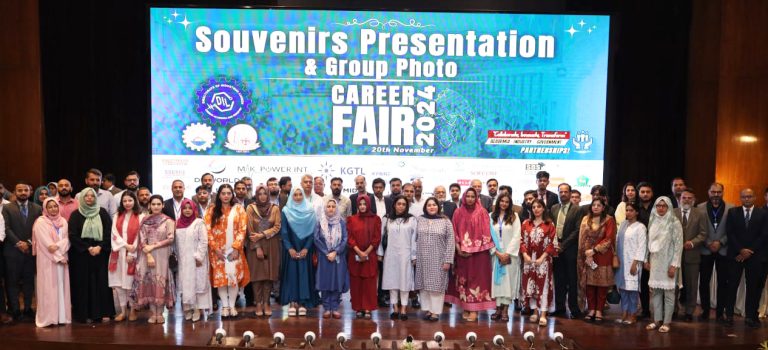
The Graduating Career Fair 2024, organized by the Directorate of Industrial Liaison (DIL) at NED University of Engineering & Technology, brought together students, employers, and industry leaders for a vibrant networking event aimed at bridging the gap between academia, industry and government.
The event, held across all faculties of NED University, including both engineering and non-engineering disciplines, featured participation from over 40 local and global industries representing diverse sectors. Government representatives were also present, emphasizing the fair’s importance in fostering public-private partnerships.
The fair offered graduating students a platform to connect with employers through company booths, on-campus recruitment drives, and interviews conducted in video conferencing halls. Students explored opportunities for job placements, internships, industrial visits, final year design projects (FYDPs), and other collaborative activities.
The day began with an inaugural session at Syed Mehmood Alam Auditorium, followed by the formal opening of the exhibition area. The event received extensive media coverage, highlighting its impact and reach.
Speaking on the occasion, Vice Chancellor Dr. Sarosh Hashmat Lodi emphasized, “This event serves as a bridge between students and employers, providing first-entry career opportunities while strengthening industry-academia collaboration.”
Dr. Ali Zulqarnain, Director of Industrial Liaison, added, “This full-day event achieved its objectives by connecting students with industries and fostering meaningful partnerships.”
The overwhelming participation from students and industries marked the Career Fair 2024 as a significant milestone in NED University’s commitment to preparing graduates for the professional world.
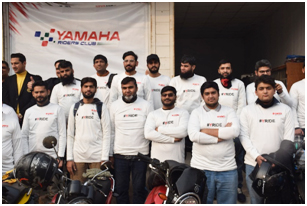
Yamaha Motor Pakistan has emerged as a commitment to delivering high-performance bikes and value more than anyone in the market with its enormous commitment to rider safety and involvement through Yamaha Riders Academy which differentiates it from competition by giving ongoing customer education on safe riding.
It is not an academy that focuses on theoretical stuff; instead, this is a place for hands-on learning, building up a rider’s skill and confidence to ride long distances on everyday commutes or on other long-distance tours.
This Yamaha Riders Academy represents a pro-active attitude of safety from Yamaha. The diversity of road conditions in Pakistan varies from urban to suburban areas, thus making it ensure the knowledge and practice given to its riders. Systematic training sessions conducted at the academy include teaching riders on essential aspects regarding road safety- bike handling, situational awareness, defensive riding techniques, and emergency manoeuvres. This will ensure the injection of a thorough understanding of these concepts by Yamaha and thus reduce the risks involved in riding in different conditions. Sessions are held by professional certified instructors who provide an environment conducive to all experience levels of riders to acquire and hone their skills.
What makes Yamaha stand out, though, is its commitment to applying these lessons by taking its loyal customers on long rides. The ride-outs enable applicants to put into practice what they have learned at the academy and experience the freedom and thrill of the road while being safe. Yamaha designs these rides by choosing routes that will offer natural beauty in Pakistan for riders to enjoy long scenic stretches of road under the professional supervision of Yamaha personnel. This practical implementation confirms the lessons learned at the academy since the riders obtain first-hand experience in the maintenance of proper posture as well as the handling of their bikes over long distances and adapting to various conditions of roads.
Bridging the gap between training and real-world riding experiences ensures that Yamaha customers not only understand safe riding but live it every time they hit the road. It also provides a sense of community for Yamaha riders as these rides are an opportunity for like-minded people to connect and share their passion for biking.
As with other bike makers in Pakistan, Yamaha remains ahead through its customer-orienting initiatives. Most competitors like Suzuki and Honda primarily base their focus on product feature points or marketing issues, yet Yamaha’s major focus and emphasis on rider training along with customer involvement is evident of its sincerity towards keeping a rider safe as well as sound. More importantly, this approach allows for developing brand loyalty by encouraging people to stay at Yamaha over the years.
The idea is that Yamaha Motor Pakistan sets an example to produce not only skilled but safe, responsible riders. Through Yamaha Riders Academy’s continuous training and reinforcement of it during long rides, Yamaha takes care of a level which goes beyond the showroom selling of a bike. It is not selling a bike; it’s building up a lifelong relationship with its riders. Client safety and satisfaction commitments by Yamaha are very much an investment in its brand. This is also a considerable contribution to the biking communities in Pakistan.
Exclusive written by Abdul Daiyem Imran from UMT, Lahore for Automark’s December-2024 printed and digital edition.
Dear Readers !! According to media reports why are Western, South Asian, and European EV Customers Reverting to ICE, Hybrid, and Waiting for the Latest Engine Tech?
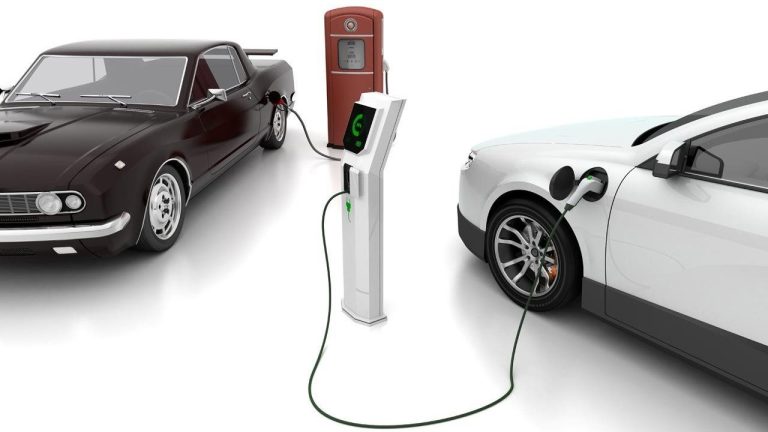
In the last decade, the electric vehicle (EV) revolution promised to redefine transportation. Governments across the globe pushed for EV adoption through subsidies, infrastructure investments, and stringent emission regulations. However, a noticeable trend has emerged: despite these efforts, a significant segment of Western, South Asian, and European EV customers is reconsidering their choices, reverting to internal combustion engine (ICE) vehicles, hybrids, or pausing purchases altogether to wait for advancements in vehicle technology.
This article explores the multifaceted reasons behind this shift and highlights the challenges and opportunities for the EV industry.
1. Incomplete Infrastructure Development
One of the most critical challenges for EV adoption is the lack of robust charging infrastructure.
Western Markets: In countries like the United States and parts of Europe, EV owners frequently encounter issues such as long charging times, malfunctioning chargers, and crowded charging stations. While urban centers may have sufficient charging options, rural and suburban areas often lack adequate coverage, discouraging long-distance travel.
South Asia: Countries like India and Pakistan face even greater challenges. Power grid reliability, inadequate charging networks, and limited public charging facilities make EVs less practical than ICE vehicles.
Inadequate infrastructure has led many customers to return to hybrids or ICE vehicles, which provide greater convenience and reliability in both urban and remote areas.
2. The High Cost of EV Ownership
Although EV prices have decreased over the years, the total cost of ownership remains a barrier.
Purchase Price: EVs typically cost more upfront than ICE or hybrid vehicles, even with subsidies.
Battery Replacement Costs: The cost of replacing EV batteries, particularly in South Asia, can be prohibitively expensive, often amounting to 30-40% of the vehicle’s price.
Maintenance Costs: While EVs are marketed as low-maintenance vehicles, issues like software updates, electronic component failures, and specialized repair services can make maintenance expensive.
These factors deter budget-conscious buyers, especially in developing markets where hybrids offer a more economical alternative.
3. Limited Range and Performance Concerns
Range anxiety continues to haunt EV customers, despite improvements in battery technology.
Cold Weather Performance: In Europe and parts of North America, EV batteries underperform in cold weather, reducing range significantly. This has frustrated customers who rely on their vehicles in harsh climates.
Heavy Loads: Customers in South Asia and Europe using EVs for commercial purposes (e.g., carrying goods or passengers) report that battery ranges decrease drastically under heavy loads.
Hybrid vehicles, which combine a traditional engine with an electric motor, offer a compromise: better fuel efficiency with the reassurance of a gasoline backup.
4. Environmental Concerns Around EV Manufacturing
Ironically, some customers are reconsidering EVs due to the environmental impact of their production.
Mining for Batteries: Lithium, cobalt, and nickel mining are associated with significant environmental degradation and unethical labor practices in countries like the Democratic Republic of Congo.
Carbon Footprint: The manufacturing process for EVs, particularly batteries, has a higher carbon footprint than that of ICE vehicles.
Many environmentally conscious buyers are turning to hybrids, which offer lower emissions without the ethical dilemmas tied to battery production.
5. Technological Advancements in ICE and Hybrid Engines
The automotive industry has not abandoned ICE technology. In fact, manufacturers have invested in making ICE and hybrid engines more efficient and environmentally friendly.
Mild Hybrids: These vehicles use a smaller electric motor to assist the engine, improving fuel efficiency and reducing emissions without the need for large batteries.
Synthetic Fuels: Companies like Porsche are investing in synthetic fuels that can power ICE vehicles with net-zero emissions.
Turbocharged Engines: Advanced turbocharging techniques have made ICE engines more powerful and fuel-efficient than ever.
These innovations attract customers looking for a balance between performance, cost, and environmental impact.
6. Supply Chain Disruptions and Semiconductor Shortages
The global semiconductor shortage has disproportionately affected EV production, leading to delays and price increases.
Western and European Markets: Tesla and other EV manufacturers have struggled to meet demand due to supply chain bottlenecks. Delayed deliveries and price hikes frustrate customers, pushing them to consider ICE or hybrid alternatives that are readily available.
South Asia: Limited access to critical EV components, such as batteries and semiconductors, has hindered local EV production, making hybrids and ICE vehicles more accessible.
7. Wait-and-See Approach for Emerging Technologies
The automotive industry is on the cusp of several groundbreaking innovations, including solid-state batteries, hydrogen fuel cells, and advanced autonomous driving systems.
Solid-State Batteries: Promising greater energy density, faster charging, and longer lifespan, solid-state batteries are seen as the next big leap in EV technology.
Hydrogen Fuel Cells: Many European and Asian countries are investing in hydrogen as an alternative to EVs, especially for heavy-duty and long-range applications.
Some customers prefer to wait for these advancements rather than investing in current-generation EVs, which may become obsolete within a few years.
8. Cultural and Psychological Barriers
The shift from ICE vehicles to EVs is not just technological but cultural.
Western Markets: Car culture in countries like the United States revolves around performance, freedom, and reliability—areas where ICE vehicles still excel.
South Asia: The preference for tried-and-tested ICE engines is deeply rooted, especially in rural areas where EV charging options are nearly nonexistent.
Europe: While many Europeans are early adopters of green technology, the increasing complexity of EV systems, such as over-reliance on software and sensors, creates hesitations.
For many customers, hybrids offer the perfect balance of tradition and innovation, easing the transition without abandoning the familiar.
9. Government Policies and Market Dynamics
Government policies heavily influence consumer behavior.
Western and European Markets: While subsidies have encouraged EV adoption, inconsistent policies and uncertainty around future incentives make customers cautious. Additionally, some European countries are reconsidering bans on ICE vehicles, signaling a shift in priorities.
South Asia: Policies often favor local automotive industries, which predominantly produce ICE and hybrid vehicles. Import taxes on EVs make them less competitive.
These dynamics create a market environment where ICE and hybrid vehicles remain attractive options.
10. Customer Feedback and Real-World Experiences
Early adopters of EVs have shared mixed experiences, influencing potential buyers.
Battery Degradation: Reports of battery capacity declining over time have raised concerns about long-term reliability.
Charging Ecosystem: Stories of long queues, broken chargers, and inconsistent charging speeds discourage adoption.
Resale Value: EVs tend to have lower resale value compared to hybrids and ICE vehicles, further deterring buyers.
This feedback has led many customers to stick with or return to ICE and hybrid options, which are perceived as more dependable.
Conclusion: The Road Ahead
The shift back to ICE and hybrids among EV customers in Western, South Asian, and European markets highlights the complexities of the global automotive transition. While EVs represent a crucial step toward a sustainable future, challenges such as infrastructure gaps, high costs, and technological limitations must be addressed.
Automakers and governments have an opportunity to recalibrate strategies by:
Accelerating infrastructure development.
Reducing the cost of EV ownership through subsidies and technological advancements.
Investing in research for next-generation technologies like solid-state batteries and hydrogen fuel cells.
In the interim, hybrids and advanced ICE engines will remain a vital bridge, offering a practical, cost-effective, and environmentally friendly alternative for customers worldwide.
The road to an electrified future is not linear; it is a winding journey influenced by innovation, economics, and human behavior. For now, many customers are content to pause, reflect, and wait for the next great leap in automotive technology.
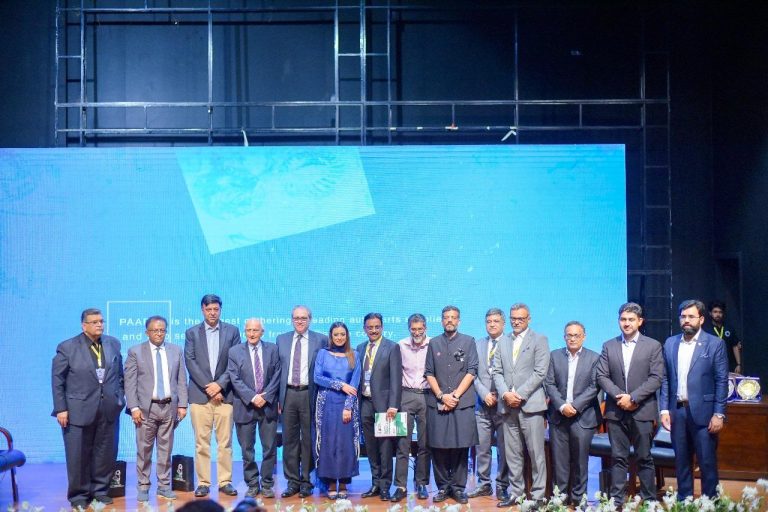
In 2024, I had the privilege of attending the Pakistan Auto Parts Show (PAPS) Symposium, a critical industry event organized by the Pakistan Association of Automotive Parts and Accessories Manufacturers (PAAPAM) under the guidance of its Skill Development Committee (PSDC). This symposium, now in its third year, has emerged as a defining platform to shape the future of Pakistan’s auto industry by addressing current challenges, sharing insights from key stakeholders, and recommending policy directions.
The Formation and Evolution of PSDC
The journey of PAAPAM’s Skill Development Committee (PSDC) began in 2013, driven by the vision of Mr. Imtiaz Rastgar, a pioneer in Pakistan’s auto exports. In collaboration with then PAAPAM Chairman and prominent motorcycle parts manufacturer, Mr. Ifthikhar Ahmed, they advocated for the creation of PSDC as a central support body for PAAPAM members, focusing on skill development, knowledge sharing, and growth facilitation. Mr. Ifthikhar worked tirelessly to launch workshops, soft skill seminars, and training sessions for PAAPAM members, understanding that skill enhancement would be pivotal for the industry’s competitiveness.
As a significant milestone in PSDC’s evolution, Mr. Ifthikhar initiated the PAPS Symposium to set industry directions and provide policy recommendations. This year’s event, themed “The Automotive Industry of Pakistan: Today and Tomorrow,” attracted a wide range of participants, including government officials, industry leaders, and technical experts. Notable speakers included Syed Hamid Ali, Additional Secretary of the Ministry of Commerce; Eng. K B Ali, CEO of the Engineering Development Board (EDB); Mr. Muhammad Faisal, CEO of Lucky Motor Corporation; Mr. Takafumi Koike, CEO of Atlas Honda Car Motor Pakistan; Mr. Raheel Asghar, CEO of Millat Tractors Ltd;Mr Mumshad Ali, CEO of R K Gear, Mr Ali Khizer, journalist; Dr Suman Qadir, Research Economist (PIDE); Mr Suneel Sarfaraz Munj, Chairman Pak Wheel and Syed Nabeel Hashmi, CEO of Thermosole Industries.
Key Discussions and Takeaways
1. Taxation and Duties One of the pressing issues discussed was the high taxation burden, with custom duties, sales taxes, and regulatory duties exceeding 45% on automotive components. This significant cost ultimately impacts consumers and hampers industry growth. Participants stressed that, while taxation supports government revenue, a balanced approach is necessary to make automobiles more accessible and affordable. Several experts suggested tax reforms, especially for components that are essential for vehicle manufacturing, as a potential strategy for supporting industry expansion and consumer accessibility.
2. The Critical Need for Exports and FTAs A central theme of the symposium was enhancing exports, which are crucial for Pakistan’s economic growth and diversification. Many speakers emphasized that establishing Free Trade Agreements (FTAs) with other countries could facilitate automotive exports, helping Pakistani manufacturers access new markets and enhance industry visibility internationally. As a model, they referenced Thailand, which in 2022 exported $15.6 billion worth of auto parts, largely due to its robust network of FTAs and supportive trade policies.
3. Boosting Local Supply Chains for Export Readiness To achieve sustainable export growth, the industry must first strengthen its local supply chain. Symposium participants highlighted the importance of investing in local manufacturing capabilities and supplier networks to ensure quality, consistency, and cost-effectiveness. Establishing a resilient supply chain would not only reduce dependency on imports but also position Pakistan’s automotive sector as a reliable exporter.
4. Export Opportunities for Tractors and Components Pakistan’s tractor industry emerged as a key topic, with the country boasting one of the world’s lowest costs per horsepower. This competitive edge provides significant export potential. However, unlocking this potential requires strategic efforts, including market research, regulatory adjustments, and targeted marketing. Industry leaders at the symposium advocated for securing export permissions and incentives that would allow local manufacturers to expand their reach and capitalize on this unique advantage.
5. Skill Development, R&D, and Technological Advancement An area of concern expressed by numerous participants was the need for skill development and technology adaptation in the face of an evolving global automotive landscape. Unlike the traditional industry model, modern automotive manufacturing requires expertise in electronics, software, and advanced engineering. Although the Automotive Industry DevelopmentPlan (AIDP-1) mentioned skill development, testing centers, and R&D facilities, their full implementation remains lacking. Industry leaders emphasized the urgent need for these resources to stay competitive in an increasingly digital world.
6. Role of PAAPAM and PAMA as Industry Pillars Both PAAPAM and the Pakistan Automotive Manufacturers Association (PAMA) are crucial stakeholders in the industry. While each organization represents distinct sectors, they share a common goal: advocating for policy reforms that prioritize the national interest. As highlighted in the symposium, this collaboration is essential for addressing sector-specific challenges while ensuring that Pakistan’s automotive industry remains aligned with global trends and local priorities. It was clear that unity among industry bodies could amplify their collective influence, particularly when negotiating policies with the government.
International Case Studies: Lessons for Pakistan
To draw inspiration, several participants discussed success stories from countries like Thailand, Vietnam, and India. In 2022, Thailand exported $15.6 billion in auto parts, while Vietnam’s exports were valued at $5.42 billion. India, which has also made significant strides, exported automobile components worth $21.2 billion in the fiscal year 2024, representing a 5% growth. For Pakistan to mirror such achievements, a multi-stakeholder approach involving government ministries, industrial associations, the State Bank of Pakistan, and financial institutions is essential.
Roadmap to a Sustainable Future
The discussions at the PAPS Symposium emphasized the importance of creating a roadmap for the next 5 to 10 years, focused on transforming Pakistan from an import-dependent nation to an export-driven economy. Speakers highlighted the need to foster a culture that prioritizes exports over imports, where government policies and incentives are structured to encourage local manufacturing and global competitiveness.
The critical role of the Ministry of Commerce was noted, but participants also pointed out that achieving meaningful export growth requires the active involvement of various government ministries, the Ministry of Finance, industry associations, and financial institutions. By building a collaborative ecosystem that aligns with the broader economic goals, Pakistan can realize its export potential.
Conclusion: A Platform for Progress
The PAPS Symposium has proven to be an invaluable platform, fostering meaningful dialogue among industry, government, and academia to shape the future of Pakistan’s automotive sector. I extend my gratitude to Mr. Ifthikhar Ahmed, whose dedication to organizing these symposiums has significantly benefited the industry and the nation. Through these efforts, PAAPAM and its partners continue to inspire a new era for Pakistan’s automotive industry—one that embraces innovation, prioritizes export, and nurtures sustainable growth for generations to come.
By Mashood Khan – Director – Mehran Commercial Enterprises, Expert Auto Sector / Former Chairman PAAPAM
Exclusive written for Automark’s December-2024 printed and digital edition.
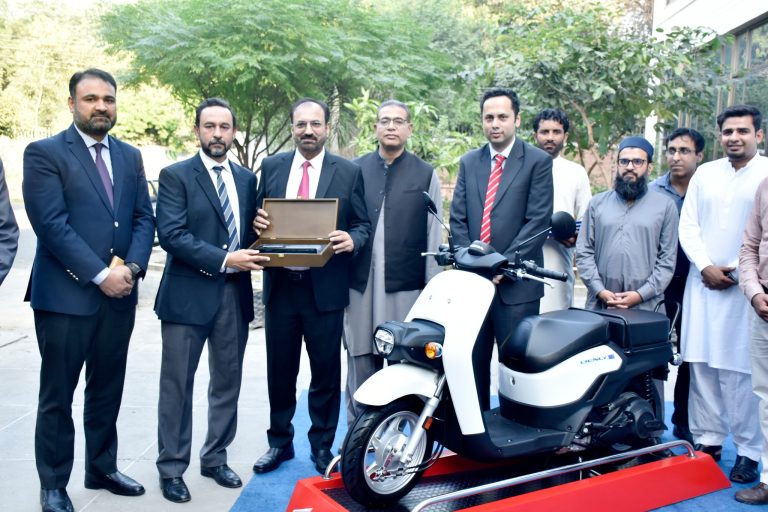
In a tremendous development by the efforts of Worthy Vice Chancellor Prof. Dr. Shahid Munir (T.I.), Atlas Honda has presented its state-of-the-art Benly e: motorcycle to the Automotive Engineering Centre at University of Engineering and Technology (UET) Lahore. The event was graced by the team of Atlas Honda comprising of Mr. Zia ul Hassan Khan GM Sales & Marketing, Mr. Sadullah Ejaz GM Human Resource & Corporate Affair, Mr. Muhammad Yawar Farooq National Manager New Model Center. The team was welcomed by Prof. Dr. Tauseef Aized, Dean Faculty of Mechanical Engineering and Dr. Ali Hussain Kazim, Director Automotive Engineering.
Prof. Dr. Shahid Munir highlighted that the gift of EV motorcycle would lead to burgeoning of academic exploration and research of the EV mobility in Pakistan. This would lead to strengthening of industry-academia linkage between the institutes. Prof. Dr. Tauseef Aized stressed that this will empower students and faculty to explore advanced electric vehicle technologies. Dr. Ali Hussain Kazim said that strengthening ties with Atlas Honda would lead to job more opportunities for Automotive Engineers.
During their visit, Atlas Honda Limited gifted an electric vehicle (EV) to AEC for the purpose of academic exploration and research on the EV ecosystem. Mr. Zia ul Hassan Khan spoke about how the Honda Benly, E the company’s first electric motorcycle, is operated by lithium-ion batteries and has been introduced in Pakistan for the very first time. It represents a new era in the mode of transportation and the company is excited to take a pioneering step of collaboration in research with UET Lahore, he added. Mr. Sadullah Ejaz elaborated about the collaboration between UET and Atlas Honda will lead to is reshaping the mobility landscape in Pakistan.
Pakistan is blessed with an amazing landscape as much as it is rich with the remains of ancient civilizations. On October 19, 2024 I went on a bike ride to one such place in the famous Soon valley, District Khsuhab. I call it the mysterious Tulaja fort because the place has no definite history. Some people consider it to be a more then 5000 years old historic site while others opine that it dates back to the time when Jalal ud Din Khawarzam visited the place.
The second opinion seems to be more convincing. In 1220 when upon the death of Ala ud Din Muhammad his son Jalal ud Din Khawarzam held reins he had a combat with the Mongol army near Kabul of today’s Afghanistan. He lost the battle and fled the area along with his soldiers and reached this area (Hindustan back then) where the local Hindu raja of the time accommodated him and provided two hideouts. One is the Tulaja Fort and the other became known as Samarkand Fort and the remains of it can be seen near Chinji in District Chakwal. Similar ruins are also found at a nearby place called Tulachi in Soon valley and it is believed that Tulachi too housed the soldiers of Jalal ud Din.
Such historic sites need proper attention by the government, they are an asset among the country’s heritage sites and should be preserved. Upon my visit I found that although TDCP has done a lot of work to improve the off-road track that connects the fort site to the main road, however a lot needs to be done at the site itself. Too many wild shrubs have grown on the mountain top and obscure the view of the fort walls that remain intact till day. The mountain top spreads on an area of about 20 acres, there were about 300 rooms here and a pond huge enough to store water for its inhabitants. The fort is located at a very strategic location; there was only one way to reach the mountain top that went through a cave and the soldiers used to close the cave entrance at night using a huge rock. The fort didn’t even need boundary walls because no one could have climbed several hundred meters high rocky mountain that substituted fort walls. I have never heard of a fort that came without walls, have you?
Tulaja fort site should be reflected in the list of world heritage sites but, unfortunate as it is, the fort drifted into a state of oblivion, perhaps since the time of its desertion. Who were the residents of Tulaja Fort, how long they remained here, what caused its destruction, what were the other cities close to it are the questions that beggar answers but there is none. This brief history along with pictures and videos by tourists, bloggers, vloggers and a few articles, is all that remains. At the site, only half standing walls remain for the world to imbibe the lesson that man is mortal.
Our ride began from my hometown Joharabad in District Khushab. After a ride of 20km we reached the mountain range and after a further ride of about 15 minutes we were at the turn where we had to start our off-road journey towards the shrine of Baba Kachi. My friend Malik Asif was my travel buddy. We parked the bike at the point where we could ride it no further because of the road condition there. We still had to do a trekking of 2km to reach the fort site. TDCP has done some work in this area about three years ago. As against 2007 when I first visited this site, the road was in a bit better condition as the rocky terrain was levelled. Also, the main approach to the fort now has proper steps as against the completely rocky path back in 2007. The mountain top, i.e., the fort site, however, was full of wild shrubs and bushes that covered most of the walls. TDCP has placed a small shed at the top for the visitors and a close by boundary now contains a fence, the fort itself had no boundary walls because its inhabitants didn’t need one. The best time to visit Soon valley and especially Tulaja fort is from mid October to December and then from February till mid March, because the trekking in the rest of the year would be either too hot or too cold. The off-road ride to the shrine site and the trekking was an amazing experience. I have done a coverage of the ride and trekking to the fort, which is available on my youtube channel “7thgear by Talal”. Soon valley is blessed with some lakes and amazing landscapes, and a few more adventures await us.
Exclusive written by Talal Hussain Malik for Automark’s December-2024 printed and digital edition.
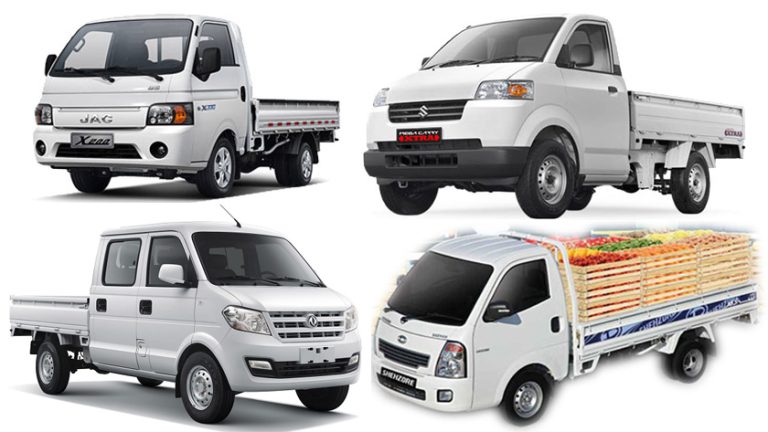
Introduction: In recent years, pickup trucks have gained immense popularity across Pakistan. From the lively streets of Karachi to the rugged terrains of Balochistan, pickups have established a significant presence in both rural and urban environments. This trend highlights the pickup’s exceptional ability to merge utility, performance, and versatility, catering to a wide array of needs and uses.
1. Versatility for Personal and Commercial Use
One of the primary reasons pickups are becoming increasingly popular in Pakistan is their remarkable versatility. Unlike sedans and compact SUVs, pickups provide a unique combination of personal comfort and heavy-duty capability, making them ideal for families, entrepreneurs, and businesses alike.
In urban settings, pickups are an excellent choice for those who require a sturdy vehicle for both family outings and business activities. Many modern pickups feature double cabins, allowing families to travel in comfort while also providing generous cargo space. Whether for a family outing or picking up groceries, a pickup is a versatile, all-in-one solution.
2. Handling Pakistan’s Diverse Terrain
Pakistan’s varied landscape demands vehicles that can adapt to different terrains and climates. From the rugged mountain roads in the north to the sandy coastal areas in the south, pickups are designed to handle it all. Most contemporary pickups are equipped with four-wheel-drive capabilities, increased ground clearance, and robust suspension systems, enabling them to navigate off-road conditions effortlessly.
In rural regions, pickups are especially valuable for traversing unpaved roads and transporting large loads over extended distances. The combination of durability and adaptability makes them an essential vehicle choice for many.
3. Fuel Efficiency and Cost Effectiveness
Fuel efficiency has been something of a varying consideration for various Pakistani applicable drivers but the new go to cars and even modern pickups are built around this functionality feature and many other fuel-saving technology advancements make today’s models of pickups much more lucrative in terms of cost efficiency and bringing savings to long distance on a broad needs basis, and day to day usage of the car alike.
This cost-effectiveness in turn helps businesses to cut down their operational costs, particularly for those industries that are logistics and transport intensive. Pickups, being able to carry heavier cargo, do not require a lot of trips like standard cars and save on fuel and time as well. The ruggedness and long-life span of a pickup translates to little or no maintenance, increased efficiency and lower operational costs thus making pickups attractive in price sensitive markets.
4. Status Symbol and Lifestyle Choice
You cannot think of a pickup truck in Pakistan without assuming it for practical reasons: the equation has changed into a lifestyle choice and even a quest for status. It is in practice, quiet power, quest for freedom, and clear adventure and with urbanization challenging people in different ways, aspirations shape up the image of people who aim to have great vision and own pickups.
Given the current trend of adventure tourism going towards the higher regions of Pakistan, young professionals, as well as families, see pickups as the most practical mode to have the great outdoors.
Customization and Aftermarket Options
The customization aspect of pickups is what makes them stand out. Pakistan’s aftermarket industry is in its prime as buyers seek combinations of pickups that best suit their personal and business needs. Everything from tough bumpers and custom-made storages to powerful lighting systems and rugged tires is available for which owners of pickups have unique needs.
Security companies could install specialized devices that facilitate their operations, enhancing efficiency and effectiveness in carrying out security activities i.e. armoured vehicles, whereas city dwellers would towards the modification of the vehicles for comfort purposes and on style specs. These customization features have made pickups more appealing to a broad spectrum of sellers, giving them extra worth and ensuring they are a long-term investment.
Conclusion:
The preference for pickup trucks in general has seen an increase in both the rural and urban setup of Pakistan, owing to the utility, versatility, and status the vehicle provides. As the development process continues, the need for multipurpose vehicles such as pickups will only become more pronounced as well. For a personal ride, for carrying out business activities or going out for a thrill, pickups offer power and sophistication, which are the precise requirements for the geography and people of Pakistan.
Exclusive written by Vishal Raheja, Manager Marketing & Sales, Ghandhara Automobiles Ltd., for Automark’s December-2024 printed and digital edition.
As Pakistan pushes towards a greener future, the rise of New Energy Vehicles (NEVs) offers an opportunity to reduce pollution and dependence on fossil fuels. However, the local auto industry’s resistance to embracing imported EVs and advanced technologies could be holding back the nation’s green revolution. While protecting domestic manufacturing is important, failing to prioritize sustainable solutions may cost Pakistan the chance to be at the forefront of global green mobility. It’s time to ask: Are local manufacturers standing in the way of Pakistan’s sustainable future?
With Pakistan inches closer to finalizing its New Energy Vehicle (NEV) policy, it is critical to focus on its broader objectives—reducing air pollution, lowering carbon emissions, and cutting down the dependency on fossil fuel imports. The policy offers incentives for Battery Electric Vehicles (BEVs), Hybrid Electric Vehicles (HEVs), and Plug-in Hybrid Electric Vehicles (PHEVs), all of which align with global trends and UN Sustainable Development Goals (SDGs).
While debates arise over favoring imports versus local production, it is essential to see the bigger picture: both CBUs and locally assembled CKDs are vital for ecosystem growth. Countries like China and Norway thrived because their NEV policies embraced diversity—facilitating imports to stimulate demand while incentivizing local assembly. In Pakistan, a similar balanced approach can create jobs, improve public health, and save millions in fuel import bills.
The criticism that NEV incentives harm local manufacturers overlooks a fundamental point: policy relaxation for CBUs is a bridge to localization. It allows automakers to test markets, gauge consumer demand, and then invest in manufacturing facilities. For instance, global automakers invested heavily in localization after a period of import facilitation. This dual approach is what Pakistan needs—a vision that looks beyond immediate protectionism to long-term sustainability.
Pakistan’s auto sector has been criticized for offering outdated models and lagging in innovation. NEV policies challenge this complacency by encouraging the introduction of state-of-the-art, eco-friendly vehicles. The consumer should be the ultimate winner in this shift—gaining access to safer, cleaner, and more efficient vehicles.
Dear Readers! When you were a child, did you ever think your family car would be outfitted with RADAR and SONAR as airplanes and submarines had? Did you even know what LiDAR was? Did you imagine flat-screen displays dominating the dashboard and a navigation system connected to satellites in space? It would have seemed like science fiction, and utterly out of reach for 100 years at least. But today, all of that and more are a reality.
ADAS is the single-most-important type of development going on today. Of course, there are hybrid and electric-powered developments going in parallel, which are also extremely important for reducing greenhouse gases and the use of fossil fuels.
ADAS goes directly to the most important aspect of travel: human safety. Since more than 90% of road accidents, injuries and fatalities are due to human error, every advancement in ADAS has a clear and absolute effect on preventing injuries and deaths.
A number of topics will be discussed in this paper, including ADAS’s purpose and how it works, types of ADAS, and six levels of autonomy.
What’s the purpose of ADAS?
`
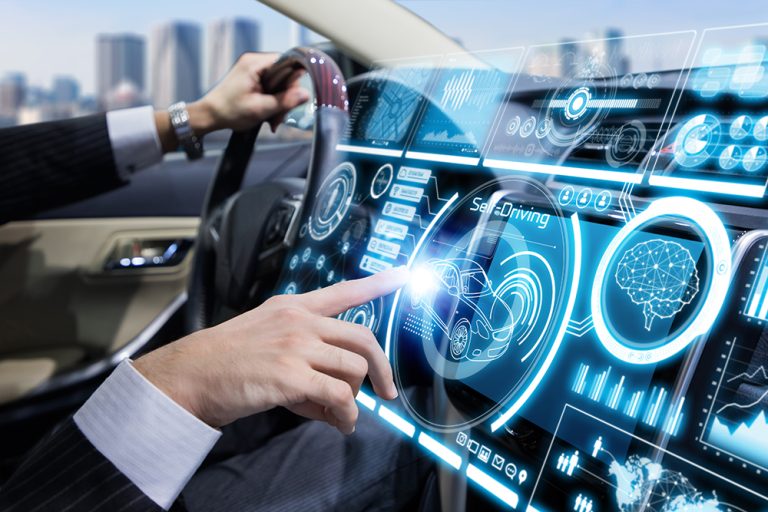
ADAS represents passive and active safety systems designed to exclude the human factor of mistake during operation of vehicles of any type. ADAS systems use cutting-edge technologies in order to assist a driver at the driving process, thereby upgrading their performance in driving. ADAS uses a complex system of sensor technologies so that a vehicle could perceive the world around itself and then to either give information to the driver, or act independently ifnecessary.
ADAS systems are currently applied to cars, trucks, buses, farming, construction, and military vehicles.
The NHTSA, or the National Highway Traffic Safety Administration, reported that over 36,000 Americans died in automobile accidents in 2016 alone. The NHTSA’s August 2019 Traffic Safety Facts Research Note reported that 94% of those accidents were caused by human error, i.e., mistakes made by the driver.
Given this reality, it does not take much imagination to understand just how many lives could be saved by the effective ADAS systems preventing many of these errors. In fact, the IIHS estimates that even the ADAS technologies available right now could prevent or lessen the effects of 1.8 million accidents every year and potentially save up to 10,000 lives per year.
There are many different tiers of ADAS, including simple backup cameras and blind-spot warning sensors, all the way up through to lane departure warning systems, adaptive cruise control, self-parking, and more. The absolute endpoints of ADAS will eventually be cars that are thoroughly autonomous, aka “self-driving,” and that will not need any human driver at all. But even now, years before we get to the point of totally autonomous cars, ADAS safety features are making it safer and safer to drive every day.
Billions of dollars are spent in the development of ADAS technologies by companies around the world. Nowadays, it is hard to find an automobile manufacturer that is not budgeting significant resources on ADAS technology. General Motors, Volvo, Toyota, Ford, Volkswagen, Tesla, BMW, and Audi, to name a few. It’s a long list of virtually every car, truck, and bus manufacturer in the world.
ADAS technology is growing at a pace of a dream, and no one wants to be lagging behind.
How does ADAS work?
It works by alerting the driver to danger or even taking action to avoid an accident. A vehicle that is equipped with ADAS can sense its surroundings, process the information quickly and accurately in a computer system, and then produce the right output for the driver. ADAS-equipped vehicles are equipped with a wide set of advance sensors that complement the eyes, ears, and decision-making of the human driver. Can you see in the dark? Not too well, but RADAR can. Can you echolocate like a bat or a dolphin to determine if there’s a child behind your car before you put your car in reverse? No, but SONAR sensors can. Can you see in all directions at once? No, but cameras and LiDAR sensors can. Do you know your exact latitude and longitude at all times? No, but several constellations of global positioning satellites in space can send that information to your car, and more.
The ADAS system architecture is basically a suite of sensors, interfaces, and powerful computer processing that integrates all this data and makes decisions in real time. These sensors are constantly measuring the environment around the vehicle and presenting that information to onboard ADAS computers for prioritization and action. Today, they save lives by preventing accidents that would have otherwise happened without ADAS. Someday, these technologies will create fully autonomous vehicles.
Active vs. passive ADAS systems
Passive ADAS systems Regardless of the number or type of sensors installed, in a PASSIVE ADAS, the computer only will inform the driver of an unsafe condition. The driver will need to take appropriate evasive actions to prevent this condition from becoming an accident. Typical warning methods are sounds and flashing lights, sometimes even in the form of physical feedback, such as a steering wheel that shakes to alert the driver that the lane they are changing into is occupied by another vehicle (blind spot detection). Common Passive ADAS Functions Include:
ABS – Anti-lock Braking Systems: Keep the car from skidding and turning when emergency braking is applied.
ESC – Electronic Stability Control: Assists the driver in avoiding under or over-steering, especially during unexpected driving conditions.
TCS – Traction Control System: Incorporates aspects of both ABS and ESC above, to assist the driver in maintaining adequate traction when negotiating turns and curves.
Back-up Camera: Provides the driver a view behind the car, when parking or backing up.
LDW – Lane Departure Warning: Alerts the driver if the vehicle is not keeping within its lane.
FCW – Forward Collision Warning: Tells the driver to brake in order to avoid a collision ahead.
Blind Spot Detection: Warns the driver that there is a vehicle in their blind spot.
Parking Assistance: Warns the driver when their front or rear bumpers are approaching an object at low speeds, i.e. when maneuvering into a parking space.
Active ADAS systems
In an ACTIVE ADAS system, the vehicle takes direct action. Examples of Active ADAS functions include:
Automatic Emergency Braking: Automatically brakes as required to avoid hitting a vehicle ahead or another object, including pedestrians, animals, or anything in the lane of travel.
Emergency Steering: steers the car to avoid striking an object in the lane of travel.
Adaptive Cruise Control: Adjusting cruise control speed to match vehicles ahead.
Lane Keeping Assist and Lane Centering: Steering the car to stay centered in the lane.
Traffic Jam Assist: Combines adaptive cruise control and Lane Keeping Assist to provide semi-automated driver help during dense traffic events, i.e., stop-and-go conditions due to lane closures, road construction, etc.
Self Parking: Self-maneuvering into parking spaces.
The ultimate extension of ADAS technology is full autonomy, i.e., self-driving capability (a common acronym is AV – “Autonomous Vehicle”). If we imagine a future world where cars, trucks, and buses are driving around without human operators in control, the challenges involved in creating such a broad system of automated driving technologies seem daunting. But the rewards will be great:
Far fewer accidents are caused by driver error, meaning fewer human injuries and death, as well as fewer damaged or destroyed vehicles and property.
Lower energy consumption due to ride-sharing, and possibly even fewer cars are needed per capita.
Self-managed traffic systems on busy roads, meaning fewer traffic jams.
And many others.
In 1963 Chicago introduced “ramp meters” (traffic lights) at the on-ramps to busy highways, to regulate the number of cars that could enter during busy times of the day and prevent traffic jams. This practice is found all around the world today. In the future, this kind of regulation could be done at a higher level, pacing or even redirecting cars to prevent traffic jams.
The six levels of vehicle autonomy
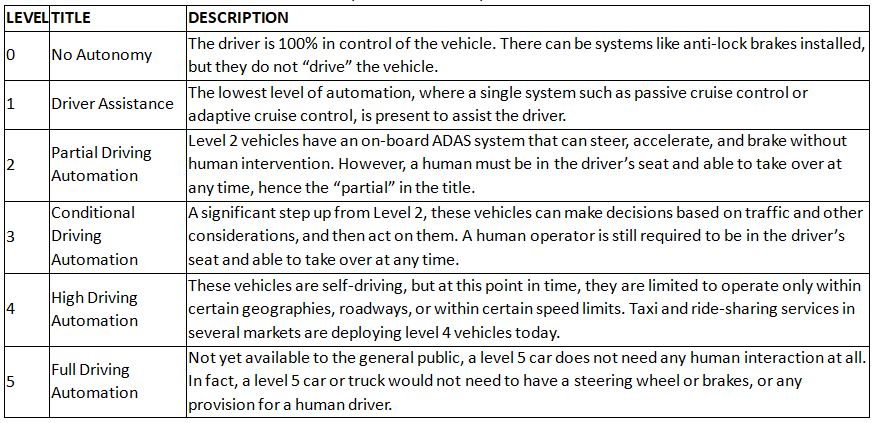
The US Department of Transportation has adopted the six levels of vehicle autonomy developed by the SAE (The Society of Automotive Engineers International), as follows:
Types of autonomous vehicles
There are several types of autonomous vehicles today:
Passenger Cars
Taxis and Ride-Sharing Vehicles
Transportation Vehicles, Large and Small
Passenger cars
Completely self-driving passenger cars and taxis remain the ultimate goal of this technology. But like America’s moon missions of the 1960s and 1970s, a huge array of benefits, both inside and outside of space exploration, resulted from the technical challenges that had to be overcome to send men to the moon and return them safely to Earth.
So today, years before 100% autonomy has been reached, we are already reaping the benefits of advancements brought about by ADAS technology. With functions like collision avoidance, backup cameras, parking sensors, adaptive cruise control, and blind-spot detection, ADAS systems have already made driving safer.
Tesla’s level 2 “Autopilot” is not the most advanced self-driving technology on the market, but it is probably the best known by consumers because of the popularity of the Tesla brand of cars. Tesla gained fame as a maker of completely electric passenger cars. They are expanding into the small (pickup truck) and large (Class 8) truck space in 2021 and 2022.
Self-driving and electric car technology fit well together since both are very computer-intensive. In July 2021, Tesla began downloading the long-awaited Beta 9 version of level 4 autonomy into their customer’s cars. At the same time, Tesla is quick to caution that drivers must remain in the driver’s seat and be able to take over at any moment. Tesla CEO Elon Musk began promising this beta version as far back as 2018.
Taxis and ride-sharing vehicles
Companies working on self-driving taxis (aka “robo-taxis”) and shared-ride spaces include Waymo, TuSimple, Plus AI, and more. Not surprisingly, ride-share giants, Uber and Lyft are deeply involved in the self-driving space, investing millions and forming alliances across the self-driving landscape. They are looking to replace the cost of human drivers with technology, just as the large and small truck-based delivery companies are.
Looking at one example, Waymo is an American subsidiary of Alphabet, the parent company of Google. Today, people in the metropolitan Phoenix area in the USA can hail a fully autonomous Waymo One taxi using the Waymo app on their smartphones. Waymo driverless taxis are considered to be at level 4 of autonomy, but only within a prescribed route and under known conditions.
As of this writing, Waymo is operating 300 taxis in a ~100 square mile area (~260 km2) that includes the towns of Chandler, Gilbert, Mesa, and Tempe. It should be mentioned that fully driverless, aka “rider only” Waymo taxis operate in an area about half that size.
Transportation trucks, large and small
According to the US Department of Energy (US DOE), each year vehicles transport 11 billion tons (9.9 B metric tons) of freight – roughly $35 B (€29.5 B) worth of goods each day, and move people more than 3 trillion miles (~4.8 T km). The transportation sector accounts for approximately 30% of total US energy needs, and 70% of US petroleum consumption.
The scale of these numbers is why the DOE is so interested in increasing the energy efficiency of transportation, and advanced ADAS features are an essential component. How?
One of the earliest applications envisioned for self-driving or autonomous vehicles was in the area of “platooning” trucks. In this scenario, first put forward by Popular Science magazine in 1995, a lead truck driven by a human operator would lead a convoy (aka “platoon”) of autonomous trucks that would follow a human-operated leader. This approach has applications not just in transportation, but in farming, mining, military operations, and more. Backed by Volvo, Peloton Technology is actively developing truck “platooning” technology.
According to a 2018 DOE report: “Platooning involves the use of vehicle-to-vehicle communications and sensors, such as cameras and radar, to virtually connect two or more trucks together in a convoy. The virtual link enables all of the vehicles in the platoon to communicate with each other, allowing them to automatically accelerate together, brake together, and enables them to follow each other at a closer distance than is typically possible with unlinked trucks.”
Advantages of platooning include:
Reduced energy costs, because the lead vehicle cuts through the air, reducing the aerodynamic drag on platooned trucks following very closely behind.
Because there are smaller distances between them, platooned trucks occupy less space on the roads.
Increased human safety, since there is only one driver. This is even more significant in the platooning of military vehicles operating in war zones.
Today the emphasis on self-driving commercial vehicles is for freight delivery in large trucks, as well as local delivery of food and small packages in much smaller trucks, sometimes referred to as “last mile” delivery. This includes packages as well as food, like pizza delivery, for example. Numerous companies are in the test and small-scale operational phases of development in this area. Companies working in this area include Daimler, Volvo, Navistar, Paccar (the maker of Peterbilt, DAF, and Kenworth trucks), Ford Otosan, and more.
Waymo Via is Waymo’s commercial delivery service, applying the same driverless vehicle technology from their taxi service to both long-haul trucking as well as last-mile delivery using much smaller vehicles. Waymo does not manufacture vehicles but has partnered with other companies like Fiat-Chrysler, Audi, Toyota, and Jaguar.
Tesla is developing the Tesla Semi, a class 8 semi for long-haul trucking. It will feature four independent electric motors – one per drive wheel. The first version will require a driver, but it is intended to become a completely autonomous truck based on the company’s Autopilot system.
It was just a brief introduction to the ADAS system; my next article will concentrate on the technology behind it.
Be sure to stay tuned!
Exclusive written for Automark Magazine, Oct 2024 By Muhammad Usman Iqbal, Head of Quality Department, Foton Jw Auto Park (Pvt.) Limited.
Mexico is recognized as one of the most open economies in the world, boasting an extensive network of Free Trade Agreements (FTAs) that provide access to 50 countries. This network makes Mexico a vital player in global trade. Key FTAs include:
Pacific Alliance FTA: Covers 41% of Latin American and Caribbean GDP ($2,707 billion).
European Union FTA: Represents 22.9% of the world’s GDP ($19,974 billion).
USMCA (United States-Mexico-Canada Agreement): Comprising 28% of global GDP ($24,440 billion).
Comprehensive and Progressive Agreement for Trans-Pacific Partnership (CPTPP): Covers 12.9% of global GDP ($11,262 billion).
As the 2nd largest economy in Latin America after Brazil, Mexico’s GDP stands at $1.27 trillion. Despite ranking second in terms of GDP, Mexico is Latin America’s leading exporter, responsible for a third of the region’s total exports.
Automotive Industry Growth in Mexico: Implications and Opportunities
Mexico’s rapid growth in the automotive industry has implications across the value chain. Economic developers in the United States and Canada often view Mexico as a competitive threat due to potential shifts in automotive investments southward. However, many automotive firms in the U.S. and Canada depend on Mexico as part of an integrated supply chain, serving both as a source of inputs and as a destination for outputs.
Mexico’s automotive industry has become a hub for international automotive investments. As companies seek to establish or expand operations in North America, Mexico is increasingly being viewed as a prime location for new facilities. While the country offers numerous advantages, not every operation is suited for Mexico, and some suppliers may find it difficult to establish a presence due to local market dynamics or the specific needs of their clients.
Mexico’s Automotive Aftermarket: A Sector Poised for Growth
The Mexican automotive aftermarket presents significant growth opportunities, particularly as millions of passenger vehicles are now out of warranty in 2023. The population of these out-of-warranty cars is expected to grow at a robust CAGR from 2023 to 2031, creating substantial demand for replacement parts.
The Mexican automotive aftermarket is segmented by vehicle type, replacement parts, and certification:
Vehicle Type: Divided into passenger vehicles and commercial vehicles.
Replacement Parts: Includes a wide range of products such as tires, batteries, brake parts, filters, lighting components, electronic components, lubricants, clutch parts, engine components, and more.
Certification: Products are categorized as genuine parts, certified parts, and counterfeit parts.
This segmentation highlights the variety of products and services in demand, positioning Mexico as a key market for both domestic and international suppliers.
Key Economic Indicators
Population: 130 million
GDP Annual Growth: 3.23%
GDP Per Capita: USD 10,482
Inflation Rate: 5.53%
Interest Rate: 10.50%
Government Debt to GDP Ratio: 48%
Import Tariffs: 1% to 6% (varies by parts)
Exchange Rate: I USD = 19.89 Mexican Peso
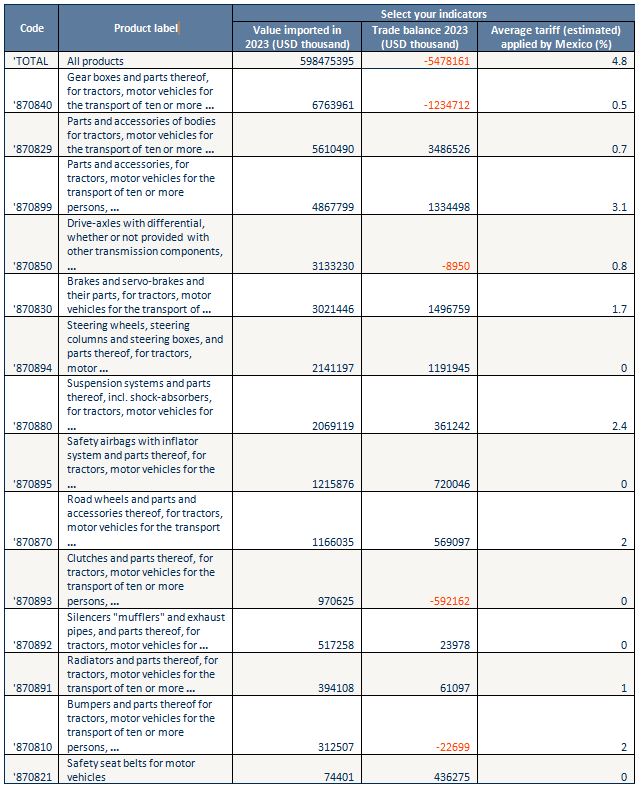
List of products at 6 digits level imported by Mexico in 2023
detailed products in the following category: 8708 Parts and accessories for tractors, motor vehicles for the transport of ten or more persons, …
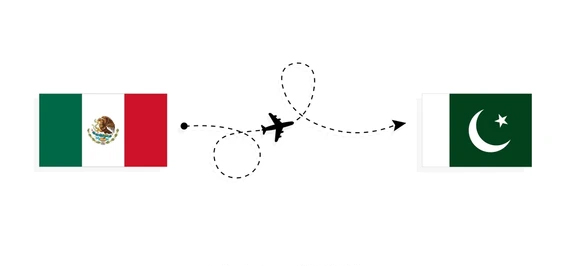
Transportation Options Between Pakistan and Mexico
By Air:
There is at least 1 airline operating flights between Jinnah International Airport (KHI) and AeropuertoInternacionalLIc. Benito Juarez (MEX). The typical flight duration is approximately 1 day 6hours, including layovers. A notable advantage for travelers with a U.S. visa is that Mexico offers the convenience of visa-on-arrival, making the journey smoother for those who meet this requirement.
By Sea:
For shipping goods, the shortest sea route from Port Qasim (PKBQM) in Karachi to Veracruz (MXVER) in Mexico takes about 39 days and 19 hours. This route offers reliable options for transporting cargo between the two countries.
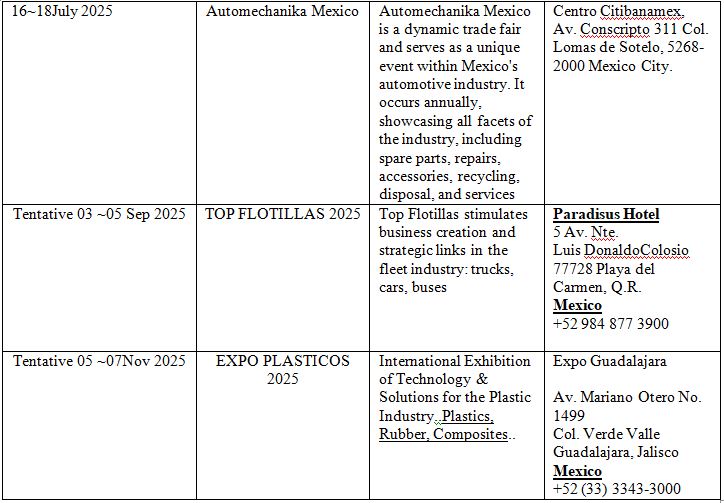
Key Events in MEXICO 2025
Upcoming Exhibitions
Conclusion
Mexico’s economic openness, strong trade agreements, and growing automotive industry make it an attractive destination for international investment. The automotive aftermarket, in particular, presents a thriving opportunity for growth as the country’s fleet of aging vehicles drives demand for replacement parts. For businesses looking to capitalize on Mexico’s dynamic market, understanding the local automotive landscape and leveraging the country’s trade advantages will be key to long-term success.
Mexico’s combination of open trade policies, strategic FTAs, and a booming automotive aftermarket underscores its position as a global economic and industrial powerhouse in the Latin American region.
By Mashood Khan – Director – Mehran Commercial Enterprises – Expert Auto Sector / Former Chairman PAAPAM
Article published in Automark Magazine’s October-2024 printed/digital edition