Home Blog Page 14

Opportunities in Adversity: How Great Companies Thrive in Tough Times

Dear Readers in times of economic downturn, it’s natural for many to focus on the challenges and hardships that accompany such periods. Businesses struggle, jobs are lost, and uncertainty looms over financial markets. However, history tells us that some of the most successful companies were born during such turbulent times. The great irony of adversity is that, while many falter, others rise from the ashes stronger than ever. This begs the question: Are we focusing too much on the problems, or are we seeking the silver linings hidden within these challenges? More importantly, are we limiting ourselves by buying into the belief that tough times inevitably lead to failure?

The reality is that our mindset plays a critical role in how we navigate adversity. Instead of succumbing to the narrative that economic hardship signals the end of opportunity, perhaps it’s time to shift our perspective. If we look closely, the seeds of success often sprout in the most unexpected circumstances. But it’s up to us to recognize these opportunities, adjust our beliefs, and seize the moment.

Economic Downturns: The Birthplace of Great Companies

Some of the world’s most successful companies were launched during times of economic crisis, when it seemed counterintuitive to start a business. Why would anyone start a company when consumer spending is low, credit is tight, and uncertainty reigns supreme? It turns out that adversity can sharpen focus, spark innovation, and provide fertile ground for new ideas.

  1. Microsoft (1975)
    Microsoft, now one of the largest and most influential companies in the world, was founded in 1975, right after a recession that saw economic stagnation. Bill Gates and Paul Allen took a risk and bet on the future of personal computing at a time when the economy wasn’t favorable. This bold move paid off, and today, Microsoft is a cornerstone of the tech industry.
  2. Apple (1976)
    Another tech giant, Apple, was founded in the aftermath of the 1970s recession. Steve Jobs, Steve Wozniak, and Ronald Wayne launched the company in 1976 with a vision of revolutionizing personal computing. Despite economic challenges, Apple thrived by focusing on innovation and creating products that ultimately transformed industries and societies.
  3. Airbnb (2008)
    The 2008 global financial crisis is one of the most severe downturns in modern history, but it also gave birth to several transformative companies. Airbnb, a platform that allowed people to rent out their homes or spare rooms to travelers, was one such company. Founded by Brian Chesky, Joe Gebbia, and Nathan Blecharczyk, Airbnb was initially a small idea to make some extra money during tough times. The founders saw an opportunity in a market where many would have seen only struggle, and today Airbnb is a multi-billion dollar enterprise.
  4. Uber (2009)
    Uber, now synonymous with ride-sharing, was launched in the wake of the 2008 recession. Its founders, Garrett Camp and Travis Kalanick, saw an opportunity to disrupt the taxi industry and provide more convenient transportation options in cities. Despite the economic challenges, Uber’s innovative approach to an old problem allowed it to flourish, and it fundamentally changed the way people think about mobility.

These examples demonstrate that some of the most groundbreaking companies were created not in times of abundance but in times of scarcity. The economic conditions forced entrepreneurs to think creatively, adapt quickly, and seize opportunities that others might have overlooked. This history raises an important question for all of us: Are we focusing too much on what’s going wrong, or are we actively looking for opportunities during tough times?

Mindset Matters: The Power of Perception in Times of Crisis

During challenging times, it’s easy to fall into the trap of focusing solely on problems. We complain about shrinking markets, declining sales, and economic uncertainty. However, what often limits us isn’t the external circumstances—it’s our internal beliefs and mindset.

If we believe that an economic downturn automatically means failure, our actions will reflect that belief. We’ll be more cautious, risk-averse, and pessimistic about the future. But what if we challenged these beliefs? What if, instead of seeing problems, we chose to see possibilities?

This shift in mindset is crucial because it changes the way we approach adversity. When we stop focusing on what’s wrong and start asking, “Where are the opportunities?” we open ourselves up to new possibilities. This doesn’t mean ignoring the challenges—far from it. It means acknowledging the difficulties while also looking for silver linings.

Challenging Limiting Beliefs

Let’s consider the belief that “businesses always go down in tough times.” This is a limiting belief that isn’t necessarily true. While many companies do struggle, others thrive by finding new ways to serve their customers, pivoting to new markets, or developing innovative products. The key difference lies in mindset: The companies that succeed during downturns are those that don’t accept the status quo. They challenge the notion that failure is inevitable and instead focus on what they can control.

Think of how digital platforms, such as Zoom and Netflix, flourished during the COVID-19 pandemic. These companies were able to capitalize on the sudden shift in consumer behavior, not because they were lucky, but because they were prepared and positioned to meet the new demand. Similarly, e-commerce platforms like Shopify saw explosive growth as more businesses moved online to survive lockdowns. These companies succeeded not because they avoided the crisis, but because they embraced the opportunities hidden within it.

Finding the Silver Linings: The Role of Innovation

If adversity sharpens focus, then it also fuels innovation. When resources are scarce and the environment is hostile, companies are forced to think creatively to survive. This is often when some of the most innovative ideas are born.

Consider how economic downturns can lead to:

  • Cost-Cutting Innovation: During lean times, businesses are forced to innovate not just in their products but also in their processes. This may lead to breakthroughs in efficiency, reducing waste, and creating leaner, more agile operations.
  • New Consumer Needs: When the economy struggles, consumer needs shift. People may prioritize value over luxury, or they may seek out new ways to save money. Companies that can identify and meet these changing needs are well-positioned to succeed. For example, during the 2008 financial crisis, companies offering budget-friendly solutions or subscription models (like Netflix) thrived as consumers looked for affordable entertainment.
  • Shifts in Technology and Behavior: Economic downturns can accelerate shifts in technology and behavior. For instance, remote working tools like Slack, Zoom, and Microsoft Teams all grew in popularity during the COVID-19 pandemic. Companies that recognized these shifts early and adapted their offerings accordingly were able to succeed despite the broader economic struggles.

Taking Advantage of Opportunity: A Call to Action

The companies that have thrived during economic downturns didn’t simply wait for things to get better—they actively sought out and created opportunities. In the same way, we must ask ourselves: How are we limiting our approach? What beliefs are holding us back? What opportunities are we overlooking because we’re too focused on the problems?

Instead of saying, “It’s a tough time, therefore, everything is difficult,” we should shift our thinking. Yes, there are challenges, but those challenges often reveal new opportunities. Perhaps new markets are emerging, consumer needs are shifting, or there are inefficiencies in current systems that can be improved. We need to actively look for the silver linings and adapt our strategies to seize them.

Conclusion: Thriving in Tough Times

Economic downturns will always pose significant challenges. But history shows us that these times are also ripe with opportunity for those willing to change their perspective. Whether it’s by innovating in the face of adversity, challenging limiting beliefs, or recognizing shifting consumer needs, there is always room for growth—even in the harshest environments.

The question is: Are we focusing on the problem, or are we actively looking for the opportunity? The companies that succeed in tough times are those that choose the latter, and in doing so, they not only survive but thrive.

Now is the time to ask: Where are the opportunities? What can we do differently? The answers to these questions will determine who rises from the ashes when the storm passes.

Exclusive article written by Aqeel Bashir for Automark Magazine’s October-2024 printed/digital edition

The Electric Shift: How Aftersales Service Differs for EVs

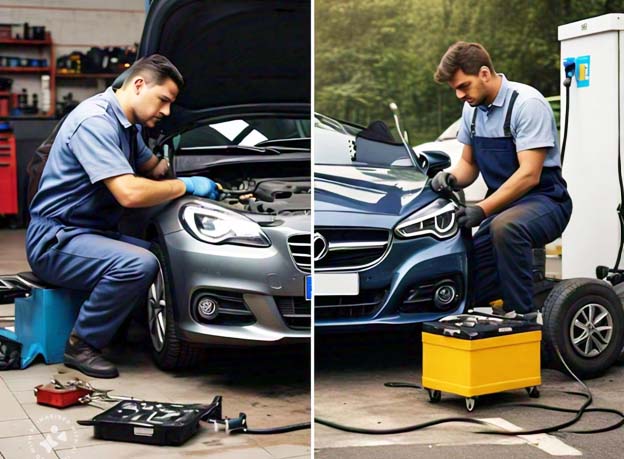
Dear reader!! The change in the automotive sector from internal combustion engine (ICE) to electric vehicles (EVs) is bringing about a new revolution. Similarly, quite a lot deeper change is being witnessed in the aftersales market. As many similarities exist between the maintenance needs of EVs and ICE vehicles, it is also likely that there may be some differences as well that must be addressed by the providers of Aftersales Services so that their special needs are catered to by the changing behavior of EV customers. In this regard, by better understanding the specific needs of the EV owner and through investment in specialist training and infrastructure, Aftersales Service providers can position themselves at the forefront of this industry. This will then enable the businesses to offer excellent customer service and support and thereby contribute to the successful adoption of electric vehicles.

Electric vehicles, or EVs as it is popularly termed, have been gaining popularity rapidly in the automotive sector. It has transformed and redefined how we consider transportation. These EVs have attracted consumers through a combination of technology, environmental concerns, and government support. Compared to the gasoline-powered counterparts, the most notable advantage of using EVs is relatively low operating costs. They are less expensive to maintain, incur no fuel costs, and often have lower road tax or registration fees in most jurisdictions.

EVs are cleaner and greener: since they are emitters of zero tailpipe emissions, something which becomes very important in urban areas due to a big air pollution problem. Performance-wise, EVs often outperform their gasoline counterparts in terms of thrust, operated quietly, and respond faster to acceleration. Several governments around the world have offered incentives on the adoption of EV’s through tax credits, subsides, and free charging infrastructure therefore are increased in recent years. Advancement in battery technology, development of charging infrastructure, and more sophisticated automobile designs make EVs appear as being made more accessible and convenient for consumers. Climate change awareness and sustainable transportation needs have fueled the trends of EVs. The International Energy Agency claims that there are 145 million electric cars on the road worldwide by 2030 and 10 million only in 2020-2021. This is a tremendous shift within the automotive landscape and endorses growing acceptance of EVs.

Electric vehicle adoption is gaining momentum at unprecedented speeds. Along with this, aftersales service for electric vehicles is growing at a tremendous speed too. In fact, the market of aftersales services for electric vehicles is quite promising with considerable opportunities to exploit rising demand for specialized knowledge and services. A lot of challenges remain in acquiring expertise and infrastructure to provide aftersales services in electric vehicles.

The rise of electric vehicles serves to change not only the method of designing and manufacturing cars but also the after-sales services profoundly. In comparison with ICE vehicles, it brings a different challenge for manufacturers, service providers, and customers in terms of aftersales services. The whole aftersales services have changed completely with the advent of electric powertrains. Routine maintenance activities like oil changes, exhaust repair, and engine diagnostics no longer dominate.

Changes in the service ecosystem-from the frequency and characteristics of repairs to tools, skills, and infrastructure supporting EVs-have all been impacted by the introduction of electrical powertrains. The main differences in the aftersales services between the electrical vehicles and the ICE vehicles not only mark the basis of the route parading the fundamental design of these technologies but also signify a direction that stands at the very core of development in industry-the shift towards digitalization, sustainability, and convenience for customers.

As those customers are more likely to rely on their vehicles for daily transportation, a need for reliable and efficient Aftersales Services is becoming the top priority for a regular inspection of the vehicle by skilled team. Global induction of electric vehicles has brought into view the necessity of Aftersales Service to become an important and emergent aspect of the modern automobile industry.

Unlike other traditional automobile vehicles, EVs are supposed to require unique maintenance and repair Services such as battery management, charging infrastructure support, and downloading software updates, among others. Aftersales service in EVs is entirely distinct from all the traditional internal combustion engine vehicles and thus poses challenges and opportunities in maintenance, repair, and customer support. Strong after-sales ecosystems assure customer satisfaction and brand loyalty, and higher long-term adoption of EVs. This new market calls for companies to transform business models, teaching skilled technicians and developing new services based on new generations’ needs to witness such a shift in vehicle technology. EVs have fewer moving parts and less wear and tear than an ICE vehicle.

Units like an engine, transmission systems, and exhaust systems are replaced by units like electric motors and battery systems. Routine servicing such as changing oil, replacing spark plugs, and replacing fuel filters are now considered obsolete, thereby reducing the regularity of maintenance. Routine checks of the health of the battery and its maintenance would allow it to operate perfectly with a maximum life span. The routines must check for voltage, state of charge, and temperature. In general, the performance and lifetime of the EV depend on the health of the battery, and hence diagnostics, software updates, and the monitoring of battery performance are integral components of an Aftersales Service.

The life of EVs is usually abbreviated by the degeneration of their batteries, which may become necessary to replace. Aftersales service providers should have the know-how and infrastructure to replace batteries cost effectively. Companies can offer battery repair, refurbishment, or replacement programs and also offer warranties for establishing goodwill with the customers. Ensuring Responsible and Sustainable EV Battery Disposal EV batteries need proper disposal and recycling methods for environmental sustainability. Aftersales service providers must tie up with facilities that recycle used batteries responsibly.

EVs rely heavily on software systems-including battery management, driver-assistance features, and infotainment-they would hence require best-in-class OTA software updates releasing new features or improving performance. They also now include in their Aftersales Services software-based troubleshooting as well as cybersecurity support-where these aspects are less prominent in classic ICE aftersales.

After-sales Service revenue from standard activities such as oil change and filter changes usually have a consumption ratio of 100%. The revenues from service are therefore said to be completely consumed by the dealership’s costs in terms of labor, parts, and overhead.These are standard maintenance tasks that must be undertaken for the proper functioning and durability of the vehicle; normally, customers will pay for them. Although EVs also require periodic maintenance, the type and frequencies of such services might differ from those for ICE vehicles. Thus, the aftersales revenue absorption ratio might be affected by such differences. In terms of maintenance needs, the aftersales revenue absorption ratio for EVs compared with ICEs might be lower. However, the potential revenues of dealerships through service activities for EVs are quite visible.

They can focus on battery management, charging infrastructure support, software updates, and general maintenance. All these can help dealerships really build out profitable aftersales business for EVs. While some revenue streams are going to be limited by a reduced need for traditional forms of maintenance, new opportunities created by such factors as battery diagnostics, software updates, subscription services, and sustainability initiatives are exciting. Companies embracing digitalization and working on innovative service models will be well positioned to realize this increasingly dynamic EV market. Strategic investment in training, infrastructure, and customer engagement programs will help businesses navigate this shift and unlock new sources of aftersales revenue.

Challenges and Opportunities
The EVs Aftersales Service market presents challenges and opportunities at the same time, as this shift to electric vehicles has brought some unusual challenges but tremendous amounts of growth and innovation. Adaptation to change by infrastructure retooling, staff upskilling, and customer-centric services and digitalization, sustainability, as well as emerging new business models, will only have service providers service providers ready for success. New revenue opportunities will be unveiled relative to customer satisfaction. For EV aftersales service to be successful, the bottom line includes answering ahead of the curve about the challenges and making an opportunity to create seamless, reliable, and sustainable customer experience.

  • Skilled technician: A fully qualified and experienced technician is needed to acquire deep knowledge of the subtleties of EV technology to ensure effective maintenance and repair tasks. There is a requirement for specific tools and infrastructure for handling high-voltage systems, with tremendous investments needed in retooling workshops and erecting EV service networks. Technicians have to undergo recurring training and certification on aspects of electric drivetrains, battery diagnostics, and software troubleshooting among others, which increases the cost of operations. Smaller, independent service providers may have some issues sustaining the capital expenditure that is necessary to service EVs. The number of qualified EV technicians created by this expansion requires an outgrowth in the labor side. This often leads to a shortage. Mechanics who have regularly prepared on the maintenance of ICE vehicles require intensive retraining to handle the EVs safely and efficiently. This slows the transition.
  • Charging Infrastructure: The development of charging infrastructure is mainly in demand as far as the ramp up of EVs and the growth of the Aftersales Service market are concerned. Customers are mostly dissuaded by the lack of charging infrastructure as they cannot get swift access to charging when opting to have repairs done. Remoteness and lesser developed regions in terms of their network continue to pose significant difficulties in the effective service of customers for service providers.
  •  Battery replacement, disposal, Warranty and Liability Issues: These usually include long terms for battery warranties, which would provide significant responsibility to manufacturers and dealers to ensure the health of the battery for a long time. Recycling technologies for batteries are still under development; presently, extraction of raw materials, like lithium, cobalt, nickel, etc., is hard and costly. Since most consumers are concerned about battery degradation or other performance-related problems, warranty management and consumer expectations increase complexities in aftersales processes.

Takeaway from this article:

Electric vehicles have in the past few years experienced a major transformation in the automobile industry, changing the face of the automobile world, as the shift towards electric vehicles (EVs) changes the after-sales service industry. Very soon, there will be a drastic change in transportation, energy consumption, and much environmental change.
The automotive industry is moving in the direction of electric mobility, a new reality that changes dynamics. Businesses can play leading roles in a growing EV aftersales service market by capitalizing on opportunities and addressing challenges. As overall EV penetration increases, the aftersales service industry is in for transformation.

Businesses can make money out of the expanding market for EV aftersales services only if they understand the special demands electric vehicles have. Differentiated by specialized training and infrastructure, aftersales service providers can play a pivotal role in supporting the successful adoption of electric vehicles by going an extra mile in customer satisfaction and with being ahead of the technological curve.

Exclusive article written by Muhammad Rafique for Automark Magazine’s October-2024 printed/digital edition

Resale Value of the Newly Entrant Cars in Pakistan

In Pakistan’s rapidly evolving automotive market, new entrants continue to emerge, making it essential for car owners to understand and maintain the resale value of their vehicles. Cars are often one of the most significant investments individuals make, and much like any other financial asset, their value can appreciate or depreciate based on how they are treated over time. For car owners, protecting resale value can lead to significant financial returns when it’s time to upgrade, sell, or trade-in their vehicle.

This article explores the factors influencing resale value, the advantages of maintaining your car through authorized dealerships, and how strategic ownership decisions can transform a vehicle into a valuable asset. Whether you’ve purchased a new entrant model or are considering one, these tips will help ensure you get the best return on your investment when selling.

What is Resale Value and Why is it Important?

Resale value is the estimated amount a vehicle can be sold for after being used for a certain period. It is a critical aspect for car owners and prospective buyers alike because it significantly affects the total cost of ownership. Whether you’re upgrading to a newer model or simply need to sell your car, understanding resale value can help you make more informed decisions.

In Pakistan, as new entrants like DFSK, MG, HAVAL, and Changan challenge traditional players such as Toyota, Suzuki, and Honda, understanding resale value becomes even more essential.

Factors Affecting the Resale Value of Cars in Pakistan

Several factors influence how much a car will be worth when it’s time to sell:

  1. Brand and Model Reputation
    A car brand’s reputation for quality, durability, and reliability plays a significant role in its resale value. Established brands like Toyota and Honda have a strong resale market due to their history of reliability and customer trust. New entrants may take time to build this level of trust, but brands like DFSK, MG,Changan& HAVAL have gained attention due to their competitive features and pricing.
  2. Number of Units on the Road:

The number of cars seen on the road plays a significant role in shaping a model’s perceived popularity and its resale value. When a car is commonly spotted, it gains recognition, fostering trust among potential buyers. This familiarity can give the impression that the car is reliable, well-received, and widely accepted in the market, thereby boosting its resale value.

  • Vehicle Condition
    The physical and mechanical condition of your car is crucial. Well-maintained cars with fewer issues always fetch higher prices. For new entrants in Pakistan, maintaining a flawless maintenance history can help offset potential skepticism buyers may have towards less-established brands.
  • Mileage
    Lower mileage cars are generally perceived as less worn out and can command a higher resale price. Pakistanis prioritize mileage when purchasing used vehicles, so keeping your car’s mileage low can help maintain its value.
  • Age of the Car
    Newer cars typically have higher resale values, but they also lose 15-25% of their value annually in the first few years. If you buy a car from a new entrant, be prepared for a steeper depreciation curve until the brand’s resale market matures.
  • Market Demand
    If a car model is popular, its resale value remains high. SUVs and compact sedans are particularly sought after in Pakistan. Vehicles that are hard to find may command higher resale prices due to limited availability, which may benefit new entrants with limited market supply.
  • Fuel Efficiency
    With fluctuating fuel prices, fuel-efficient cars tend to retain their value better. The market is also seeing a shift toward hybrid and electric vehicles (EVs), with models like Toyota Cross, SERES 3 (EV), HAVAL, MG ZS EV, and Changangaining traction for their efficiency.
  • Features and Trim
    Cars equipped with advanced safety systems, modern infotainment options, and premium interiors usually hold better resale value than base models. Buyers in Pakistan increasingly seek modern features in used cars.
  • Color
    Surprisingly, car color affects resale value. Neutral colors like white, black, and silver are preferred in Pakistan, while unique colors might struggle to attract potential buyers.
  • Economic and Regulatory Factors
    Government regulations, such as new emissions standards or taxes, can impact a car’s demand and resale value. Pakistan’s push toward stricter emission standards and EV adoption may negatively impact older diesel vehicles and boost the resale value of hybrids and EVs.

Understanding How Resale Value Works

Understanding how depreciation and sales channels impact resale value can help you make smarter decisions:

  1. Depreciation

Cars naturally depreciate over time, typically losing 15-25% of their value each year, with the most significant depreciation occurring in the first 3-5 years. By year five, most vehicles are worth about 40-50% of their original market retail price. However, factors like economic inflation can have a direct and varying impact on the resale value of vehicles, potentially altering these depreciation ratios. High inflation may drive up the cost of new cars, which in turn can influence the demand and resale price of used vehicles.

  • Trade-In vs. Private Sale
    In Pakistan, selling your car privately often yields a higher resale price than trading it in at a dealership. Dealerships need to make a profit, so they typically offer less when buying a used car. However, trading in might be more convenient if you’re upgrading.
  • Certified Pre-Owned (CPO)
    Certified pre-owned vehicles undergo rigorous inspections and refurbishments by authorized dealerships. CPO cars often come with warranties, making them more appealing to buyers and fetching higher resale values.
  • Vehicle History
    A clean vehicle history—free of accidents or major repairs—can increase resale value. Authorized dealerships can verify vehicle histories, improving transparency in the used car market.

Maximizing Your Car’s Resale Value

While resale value is affected by factors such as age and mileage, there are several steps owners can take to maintain or even increase their vehicle’s value over time:

  • Regular Maintenance: Routine servicing, including oil changes, brake inspections, and tire alignments, is crucial in maintaining resale value. Buyers prefer cars that have been well cared for.
  • Protect the Exterior and Interior: A car’s appearance significantly influences buyer interest. Regular washing, waxing, and addressing minor scratches can keep the exterior sharp. Protecting upholstery from stains and damage is essential; using seat covers and floor mats can help.
  • Avoid Aftermarket Modifications: While personalizing your vehicle may be tempting, aftermarket modifications often reduce resale value. Buyers typically prefer factory-standard cars, as modifications can signal misuse or reduced reliability.

The Role & Importance of Authorized Dealerships in Maintenance

Maintenance at an authorized dealership can enhance your car’s resale value by assuring potential buyers. Here’s why:

  • Certified Service: Technicians at authorized dealerships are specifically trained to work on your car model, ensuring high-quality service.
  • Genuine Parts: Authorized dealerships use genuine parts designed for your vehicle, contributing to its longevity. Cars serviced with original parts tend to fetch higher resale values.
  • Warranty Protection: Maintaining regular services at an authorized dealership often keeps the manufacturer’s warranty intact, making the vehicle more attractive to buyers.
  • Comprehensive Service Records: Dealerships maintain detailed records of every service performed. These records can serve as a powerful selling point when you’re ready to resell, providing transparency and peace of mind to potential buyers.
  • Recall Management: Dealerships manage recalls, ensuring any potential safety issues are addressed. This boosts resale value by demonstrating that the car is in optimal condition.

Key Takeaway:

Maximizing the resale value of a car requires a combination of regular maintenance, smart ownership decisions, and careful upkeep. For new entrants in Pakistan, building trust in the brand will play a key role in resale value.

Treating your vehicle as an investment and taking proactive steps to protect its condition can lead to better returns when it comes time to sell. As the automotive landscape in Pakistan continues to grow with new entrants, understanding how to maintain and enhance resale value can significantly impact the total cost of ownership. Viewing a car as part of a broader asset portfolio can transform it into a valuable financial tool.

Exclusive article written by Asif Mehmood for Automark Magazine’s October-2024 printed/digital edition
Proposals for the Standardization of Key Components of Electric Vehicles in the Government’s Upcoming Subsidy Scheme for Electric Motorcycle Scooters

As the electric vehicle (EV) market in Pakistan continues to grow, driven by various factors, we recognize the need for standardization to promote economies of scale, enhance product quality, and provide greater consumer convenience. In this regard, we would like to propose the standardization of the following key components across electric vehicle manufacturers:

  1. Wheel Hub Electric Motors
  2. Lithium Batteries
  3. Inverters
  4. Controllers
  5. Switches
  6. Metal Parts
  7. Common battery sizes and voltages for all products   
  8. Uniform tire sizes
  9. Interchangeable electric components (inverter, controller, switches)

This standardization will enable vendors to develop compatible electric motorcycle scooter kits and parts, such as:

  1. Wheel hub motors  
  2. Batteries 
  3. Inverters   
  4. Controllers
  5. Switches 
  6. Tyres  
  7. Frames   
  8. Metal parts
  9. Rubber Parts
  10. Wire Harness
  11. Cables

History of Standardized Common Parts of Conventional Gasoline Motorcycles in Pakistan
In 2003, motorcycle production and sales in Pakistan were at 100,000 units. With the establishment of new motorcycle factories and the adoption of standardized common parts, production and sales have surged to over two million units. All OEMs began producing 70cc, 100cc, and 125cc motorcycles using common parts, with vendors manufacturing and supplying these parts across the board. This standardization led to increased production volumes, a reduction in prices, and ultimately, significant benefits for end users. We propose applying this same strategy to electric motorcycle scooters to drive production, sales, and cost reductions for the benefit of consumers.

Benefits of Standardization

For the Industry:

  • Increased production volumes
  • Reduced production costs
  • Improved quality control
  • Enhanced competitiveness
  • Streamlined supply chain management

For Consumers:

  • Standard warranties and guarantees across brands
  • Easier access to replacement parts and repairs
  • Reduced maintenance costs
  • Improved performance and safety
  • Increased consumer confidence

Standardization Parameters
To ensure compatibility and efficiency, we suggest standardizing the following:

  1. Specifications
  2. Design
  3. Sizes
  4. Performance criteria

Implementation Roadmap
We recommend the following steps for successful implementation:

  1. Formation of a technical committee comprising industry stakeholders
  2. Definition of standardization parameters
  3. Development of standardized component specifications
  4. Industry-wide adoption and implementation

By introducing these standardized components, we can create a more efficient, competitive, and consumer-friendly electric vehicle industry in Pakistan. Furthermore, this approach will support the localization and development of electric motorcycle scooters, boosting local manufacturing, creating jobs, and reducing overall production costs.

The Growing EV Market: Challenges and Opportunities
As over 100 assemblers prepare to enter the market with electric bikes, we face both challenges and opportunities. Standardization will be critical to addressing issues related to quality control, market competition, and potential market saturation, while opening up avenues for job creation, market education, and infrastructure development.

Why Standardization is Essential
Standardization of EV bikes in Pakistan is critical for ensuring safety, quality, and a seamless user experience. By defining common technical specifications, safety requirements, and performance benchmarks, we can facilitate the integration of e-bikes into the broader transportation system. Key benefits include:

  • Safety Assurance: Establishing safety benchmarks ensures quality and prevents accidents caused by substandard manufacturing.
  • Interoperability of Charging Infrastructure: Standardized charging protocols will allow users to charge e-bikes at various stations across the country, promoting accessibility.
  • Quality Assurance: Standardization ensures that all electric bikes meet high-quality standards, leveling the playing field for manufacturers.
  • Market Growth: Clear standards will encourage new players to enter the market, fostering healthy competition and innovation.
  • Consumer Confidence: Consumers will feel confident knowing their e-bikes meet standardized safety and performance criteria.

Steps Toward Standardization in Pakistan

  1. Regulatory Framework: The government should establish a comprehensive regulatory framework that includes safety standards, technical specifications, and certification processes.
  2. Industry Collaboration: Manufacturers, suppliers, and other stakeholders should work together to define common standards and address challenges collectively.
  3. Consumer Education: Raising awareness about the benefits of standardized products is key to helping consumers make informed purchasing decisions.
  4. Incentives and Support: The government can encourage adoption through financial incentives, tax breaks, and research grants for manufacturers who comply with standardization guidelines.

By embracing standardization, Pakistan can lead the way in building a sustainable and competitive electric vehicle industry.

Thank you for considering our proposals. I look forward to further discussions on how we can contribute to the success of the upcoming policy and subsidy program for electric motorcycle scooters.

Exclusive written by Muhammad Yousuf Shaikh for Automark magazine’s November-2024 printed/digital edition
Chairman, Pakistan China Motorcycle Industry Council (PCMIC)

Elevate Your Shisha Experience at Home with ShishaMarina.com

Here’s a blog post that can be used as a guest post to promote ShishaMarina.com, highlighting its services and appeal:

Elevate Your Shisha Experience at Home with ShishaMarina.com

Whether you’re a seasoned shisha enthusiast or someone just starting to explore the world of hookah, the convenience of enjoying premium shisha flavors from the comfort of your home has never been easier. At ShishaMarina.com, we bring the finest selection of shisha flavors directly to your doorstep, transforming your home sessions into a luxurious experience.

Why Choose ShishaMarina.com?

ShishaMarina.com is your go-to online destination for purchasing high-quality shisha flavors. With a curated selection of popular and exotic flavors, we cater to all tastes, whether you prefer classic options like Double Apple or want to experiment with something new, like Paan Zafran. Here’s why you should shop with us:

1. Wide Variety of Premium Flavors

• From timeless classics like Mint and Grape to bold blends like Gum Mint and Lemon Mint, ShishaMarina.com offers a comprehensive collection of flavors that can elevate your shisha experience. You can also find unique combinations designed for those who love to mix and match their flavors.

2. Convenient Home Delivery

• Gone are the days of having to visit a physical store to stock up on your favorite shisha flavors. With ShishaMarina.com, you can browse and order from our extensive selection at any time, and we’ll deliver your flavors straight to your home. No more last-minute trips or stock shortages—just premium flavors at your fingertips.

3. Exclusive Deals and Discounts

• We understand that enjoying shisha is more than just a hobby—it’s a lifestyle. That’s why we regularly offer exclusive deals and discounts on a wide range of flavors. Whether you’re restocking your favorites or trying something new, our promotions help you save while indulging in premium quality.

4. Expert Flavor Recommendations

• Not sure what to try next? Our team of shisha experts is here to help! On ShishaMarina.com, you can find flavor recommendations based on your preferences, popular combinations, and even seasonal picks. We take pride in guiding our customers toward discovering their next favorite flavor.

5. High-Quality Standards

• At ShishaMarina.com, quality is our priority. We source our shisha flavors from trusted brands that use only the finest ingredients, ensuring each puff is smooth, flavorful, and long-lasting. When you order from us, you can be confident that you’re getting the best on the market.

Experience the Best at Home

The appeal of shisha is rooted in its social and relaxing nature, and ShishaMarina.com allows you to bring that experience into your home with ease. Whether you’re unwinding alone after a long day or hosting a gathering with friends, having access to top-tier shisha flavors is essential. With our easy-to-use website, you can explore new flavors, revisit old favorites, and always have your next session planned.

Ready to Enhance Your Shisha Experience?

If you’re passionate about shisha or curious to explore new flavors, ShishaMarina.com is your one-stop-shop for all things shisha. We’re here to make enjoying premium flavors at home convenient, accessible, and affordable. Visit us today and discover the best flavors that the shisha world has to offer!

ShishaMarina.com – Your Home for Premium Shisha Flavors, Delivered.

EV BATTERY END OF LIFE (EOL) AND RECYCLING

EV adoption is indeed a process, not an event. EV adoption is a gradual process involving multiple stakeholders and phases, and managing the end-of-life (EoL) phase for electric vehicle (EV) batteries is a critical part of this journey. An effective strategy for EV battery disposal, recycling, or repurposing must consider sustainability, cost efficiency, and minimal environmental impact.

1. Battery Health Monitoring and Diagnosis

Using advanced diagnostic tools to monitor the battery health in real-time ensures that issues are detected before they lead to major failures. This can reduce downtime, lower replacement costs, and improve overall EV reliability.

Key Areas for Monitoring:

  • State of Health (SoH): Tracks the battery’s ability to hold charge compared to its original capacity. It provides an indication of how much the battery has degraded over time.
  • State of Charge (SoC): Measures the current energy level of the battery as a percentage of its total capacity.
  • Temperature Monitoring: Excessive heat during charging or discharging can degrade battery components. Monitoring temperature helps to avoid damage caused by overheating.
  • Cycle Count: The number of charging and discharging cycles a battery has undergone. Batteries have a limited cycle life, and tracking this helps in estimating remaining useful life.
  • Internal Resistance: Increases in internal resistance can signal the onset of aging in battery cells, affecting performance.

Advanced Tools for Battery Monitoring:

  • On-board Diagnostics (OBD): Provides real-time battery health data through the vehicle’s on-board systems.
  • Telematics and Cloud-based Monitoring: EV fleets can use telematics to remotely monitor battery health, enabling fleet managers to plan for maintenance or replacements.
  • Machine Learning Algorithms: These algorithms can predict battery degradation patterns based on historical data, offering insights into when battery maintenance or replacement will be needed.

2. End-of-Life Scenario for EV Batteries

As electric vehicle (EV) batteries age and gradually lose capacity and eventually reach a point where they can no longer efficiently power the vehicle. Typically, EV batteries last between 10-20 years or up to 100,000-150,000 miles, depending on factors like usage patterns, battery technology, and environmental conditions. While advancements in battery technology and management systems are continuously improving battery life, effective strategies for end-of-life management are critical for sustainability and minimizing environmental impact.

Key Considerations in Battery Degradation

  1. Capacity Loss: Over time, lithium-ion batteries lose their ability to hold a charge, which results in decreased driving range. Most EV manufacturers consider a battery at the end of its life when it loses about 70-80% of its original capacity.
  2. Gradual Degradation: Battery degradation happens gradually, influenced by factors such as:
  1. Driving habits: Aggressive driving or frequent deep discharges can speed up degradation.
  2. Charging practices: Fast charging often, especially at high currents, can reduce battery life.
  3. Temperature extremes: Both very high and very low temperatures negatively impact battery health. Efficient thermal management systems help mitigate this effect.
  4. Maintenance and Software Updates: Proper maintenance and periodic software updates to the Battery Management System (BMS) can extend battery life by optimizing cell balancing, controlling charge/discharge cycles, and managing temperatures.

3. Battery Second-Life Applications

When an EV battery no longer provides efficient power for vehicle propulsion but still holds a significant charge, repurposing it for less demanding applications is a highly sustainable option. These second-life applications help extend the battery’s lifespan and reduce environmental impact.

Key Second-Life Applications:

  • Energy Storage Systems (ESS):
    • Repurposed batteries can be integrated into home energy storage systems, where they store electricity from renewable sources like solar panels for later use.
    • Commercial Backup Power: Batteries can be used as backup power sources for businesses, especially during peak load times or in areas prone to power outages.
    • Grid Balancing and Stabilization: Utility companies can use second-life batteries to help stabilize the grid by storing excess energy during low-demand periods and releasing it during high-demand periods. This is crucial for integrating intermittent renewable energy sources like solar and wind into the grid.
    • Micro grid and Off-grid Solutions: In remote or rural areas without consistent grid access, second-life batteries can be part of small-scale power systems (microgrids) that provide reliable electricity.

Benefits of Second-Life Applications:

  • Cost Efficiency: Repurposing batteries for ESS is often cheaper than manufacturing new energy storage devices, allowing consumers or businesses to save on energy storage solutions.
  • Extended Battery Lifespan: Second-life use can add several years of productive life to a battery, reducing the frequency with which new batteries need to be manufactured.
  • Environmental Impact Reduction: By repurposing, we delay the recycling or disposal process, thereby lowering the immediate environmental impact.

4.Recycling

When second-life applications are not feasible due to poor battery health or significant degradation, recycling is the next best step. Recycling ensures the recovery of valuable materials and minimizes environmental harm.Up to 90% of the materials in an EV battery can be recycled, reducing the need for new raw materials and minimizing environmental impact.

Key Considerations for Recycling:

  • Material Recovery: EV batteries contain precious metals like lithium, cobalt, nickel, and manganese. Recycling allows for the recovery of these materials, reducing the need for new mining and the associated environmental impacts.
  • Safety: Due to the hazardous nature of battery materials, batteries should be sent to certified recycling facilities that adhere to strict safety and environmental guidelines. Proper disposal helps prevent issues like toxic chemical leaks or fires.
  • Reducing Landfill Waste: Recycling keeps EV batteries out of landfills, where they would otherwise contribute to soil and water contamination through leakage of harmful chemicals.

Advanced Recycling Techniques:

  • Hydrometallurgy: This process uses liquid solvents to extract valuable metals from battery cells, with high recovery rates for critical materials like lithium and cobalt.
  • Pyro metallurgy: This method involves high-temperature smelting to recover metals. Though less efficient than hydrometallurgy, it can be useful for large-scale recycling operations.
  • Direct Recycling: This emerging technique aims to recycle battery components without fully breaking them down, preserving the original structure of materials and potentially allowing for a more cost-effective recycling process.

5. Collaboration with Recycling Partners

To ensure batteries are recycled efficiently and sustainably, it is essential to form strategic partnerships with certified battery recycling companies. These partnerships can streamline the process and help manage costs.

Key Strategies for Collaboration:

  • Select Certified and Reputable Recycling Partners: Work with companies that have the appropriate certifications for safe battery handling and recycling. These certifications ensure compliance with environmental regulations and industry best practices.
  • Establish a Battery Return and Recycling Program: Partner with recycling firms to create a convenient battery return system for consumers and businesses. This can involve setting up collection points at dealerships or service centers where consumers can easily drop off their old batteries.
  • Integrate with the Supply Chain: Recycling partners can become part of the supply chain for new battery manufacturing. Recovered materials like lithium and nickel can be supplied back to battery manufacturers, creating a circular economy.
  • Data Sharing and Transparency: Maintain open communication with recycling partners to ensure data transparency on the recycling process, recovery rates, and environmental impact. This can be part of sustainability reporting for both the EV manufacturer and the recycler.
  • Environmental and Regulatory Considerations

Recycling is crucial because mining the raw materials for EV batteries, such as lithium and cobalt, has significant environmental consequences. Additionally, the production of EV batteries is energy-intensive and produces CO2 emissions. Recycling reduces the demand for newly mined materials, lowers the environmental footprint, and complies with emerging regulations. For example, the European Union has set stringent recycling targets for manufacturers, mandating the recovery of specific percentages of critical metals by 2027 and 2031.

Importance of Battery Recycling

Recycling EV batteries helps reduce the environmental impact associated with raw material extraction and battery production. It also supports the circular economy by reintegrating valuable materials back into the supply chain, reducing the need for new batteries and lessening the overall environmental burden.

EV Battery Recycling Future in Pakistan

The future of the battery recycling industry in Pakistan holds significant potential, particularly with the increasing adoption of electric vehicles (EVs) and the growing emphasis on sustainable practices. Here’s an overview of the key factors that will shape the industry:

1. Growing EV Market

As Pakistan continues to adopt EVs, driven by government policies like the Electric Vehicle Policy 2020-2025, the demand for lithium-ion batteries will rise. With more EVs on the road, there will eventually be a higher volume of batteries reaching the end of their life cycles, creating a demand for efficient recycling solutions.

2. Policy and Regulatory Support

The success of the battery recycling industry in Pakistan will largely depend on supportive government policies and regulations. Pakistan’s EV policy already encourages the local manufacturing and assembly of EVs, and it could be expanded to include specific guidelines for battery recycling. Developing stringent regulations on battery disposal and incentivizing recycling efforts can drive the growth of this sector.

3. Environmental and Economic Imperatives

Battery recycling is essential for mitigating the environmental impacts of mining raw materials like lithium, cobalt, and nickel. In Pakistan, where environmental concerns are increasingly important, the recycling industry can play a crucial role in reducing waste and minimizing the environmental footprint of the EV market.

Economically, the battery recycling industry can contribute to job creation and the development of new business opportunities. By recovering valuable materials, recycling can reduce reliance on imports of raw materials, strengthening local supply chains and supporting Pakistan’s industrial base.

4. Technological Advancements

The future of battery recycling in Pakistan will also be influenced by advancements in recycling technologies. Developing efficient and cost-effective methods for recycling lithium-ion batteries is crucial. As global technologies evolve, Pakistan can benefit from adopting and adapting these innovations to suit local needs.

Collaborations with international partners, research institutions, and private sector investments will be vital in bringing cutting-edge recycling technologies to Pakistan. This can also help in setting up infrastructure and facilities dedicated to battery recycling.

5. Public Awareness and Industry Collaboration

Public awareness about the importance of recycling and the environmental benefits of EVs is critical for the success of the battery recycling industry. Educational campaigns and industry collaboration can promote responsible disposal and recycling practices among consumers and businesses.

Industry collaboration, particularly between automakers, battery manufacturers, and recycling companies, can create a more cohesive ecosystem for battery recycling. Establishing partnerships and shared facilities could help in scaling up the recycling industry.

6. Potential Challenges

Despite the opportunities, there are challenges that Pakistan might face in developing a robust battery recycling industry, including:

  • Infrastructure Gaps: Developing the necessary infrastructure for battery collection, transportation, and recycling can be challenging, especially in remote areas.
  • High Initial Costs: Setting up recycling facilities requires significant investment, and the initial costs might be a barrier.
  • Regulatory and Compliance Issues: Ensuring compliance with environmental regulations and maintaining high standards in recycling practices will be essential.

Key Takeaway:

The future of the battery recycling industry in Pakistan holds great potential, driven by the increasing adoption of EVs and a growing emphasis on sustainability. With a balanced approach that includes policy support, technological innovation, industry collaboration, and public awareness, Pakistan can establish an efficient battery recycling industry. This industry will not only bolster the EV market but also contribute to environmental preservation and foster economic growth.

This exclusive article has been published in Automark Magazine’s October-2024 printed/digital edition. Written by @Asif Mehmood

A Catalyst for Growth: Automotive Industry Linkage with Academia

Dear readers, while writing in my article published in Automark edition September 2024, titled Enhancing Educational Relevance: A Fresh Perspective on the Industrial Advisor Board. Universities and technical institutes often collaborate with the government and industries in research work which forms policies and regulations related to sustainability, safety, and emission standards. It is an important collaboration between industry, academia, and students to enable businesses not to be out of date with regulatory changes so that compliance can be smoothened. In the highly regulated automobile industry, being abreast with the latest standards in emissions, safety, and environmental issues determines market access and repute.

Such partnerships thereby contribute to the development of a skilled workforce, increase the productivity of industries, and lead to the enrichment of quality of life. The question now is will we arm our youth with the technical skills necessary for them to become assets or let them drift to become liabilities to themselves, their families, and country? The choice is ours. If we want them to become meaningful contributors to society, the only direction to take is to nurture them properly through quality technical education. It is in collaboration with these institutions that the industry would be better positioned to predict these changes in regulations and hence prepare for them. Such collaboration is crucial, particularly in the development of safety standards for emerging technologies like autonomous driving and ADAS, wherein universities are on the front lines researching the reliability and safety, and ethical implications of autonomy that sooner inform emerging regulation.

The automotive world is a veritable pillar in the world economy, with very tough challenges but also particularly exciting opportunities. Today, these partnerships between industry and academia have never been so important to be competitive. This paper explores how it benefits both parts and, more specifically, how academia can draw on them to benefit growth and innovation within the automotive world. The interrelation between the automotive sector and academic institutions develops an important engine of progress, defining the future of automotive engineering while creating further growth. In terms of collaboration, both the industries as well as academia gain from each other through shared research, talent development, and knowledge exchange. This creates expertise as well as an innovative boost for both partners. Where the car industry meets points like sustainability, automation, or electrification, such a partnership is surely essential. These new technologies therefore go a long way in developing new technologies, creating a skilled workforce, and even achieving an increasingly more sustainable and competitive automotive future.

Benefits of Industry-Academia Partnerships: Industry-academia interaction can stimulate growth in innovation into pioneering technologies and products. It could lead to innovations that will appear in the advanced level of materials, energy-efficient powertrains, and safety systems. Companies can fine-tune their competitive edge in the global market by unifying strengths from both sectors. For instance, while collaboration allows businesses to innovate new products and services that not only fit the changing demands of a consumer but also reduce costs and improve the efficiency of operations. What is more, these partnerships create a steady pipeline of skilled professionals ready for the challenges of the automotive industry. Students learn by participatingin internships, co-ops, and research projects, ensuring graduation with just the right set of skills and knowledge required to succeed in this highly evolving sector. Not merely part of a growth industry, these collaborations help to solve key issues for society, such as climate change, energy security, and better transportation infrastructure. It would mean that sustainable transportation solutions can be created through collaborative industry and academic work, emission cutting and energy efficiency boost for a more sustainable future.

Key Areas of Collaboration: Globalization has left virtually every country with a strong fight for a more prominent share of the market. This is the reason that most governments create policies to be competitive, innovative, and economically ahead of the rest. Given this context, there is no doubt that industry-academia partnerships are the necessities, mainly in fields such as the automobile sector. Collaboration in research activities is helping both parties overcome some of the biggest challenges which the industry faces, including development of electric vehicles, on-road autonomous drive technologies, green materials, and advanced manufacturing techniques. University-industry collaboration has been identified as one of the innovation drivers. Researchers from the academic side provide up-to-date theoretical knowledge, while partners from the industrial side provide know-how and can apply ideas to real challenges. Academic and industry involvement will provide access to new, up-to-date research findings and developing technologies as they are learned. Industry also provides valuable data in areas such as the performance of their vehicles, consumer behavior, and future market trends. This synchronization not only identifies new opportunities but also works on new upcoming obstacles. In addition, many automotive companies invest in academic research by providing funding for critical breakthroughs that will ensure innovative solutions can transition from the lab to the marketplace. Industry experts often interact with academia through the organization of workshops, lectures, and seminars besides providing financial support. Such interaction fosters an exchange of knowledge environment that could help build the upcoming engineers while continuing learning and cooperative efforts.

Talent Development: This industry gives the students practical experience through internships and co-op programs. Co-op programs combine studying and working so that the student can gain work experience in his field of study. What mainly makes studying in a co-op program interesting is that it allows students to build a clear career path by offering them practical work experience besides studying, while academia prepares them for roles in industry with specialized curricula and research opportunities. Many automotive companies collaborate with universities in their internship programs and cooperative education offerings, thereby allowing students to get hands-on experience working on actual engineering problems. Academic institutions also provide executive education programs that upscale industry professionals in this very field of interest. The programs frequently run under the themes of digital transformation, sustainability, and emerging technologies, keeping professionals ahead of the game where changes occur at a fantastic pace in the automotive landscape. This therefore makes the educational programs relevant and up-to-date with the current industrial trends, which enables the graduates to possess the set of skills obtained and enter the workforce fresh and updated. A very perfect example is the provision by Toyota investment in T-TEP institutes: they offer sizable investment through funding both training and hardware, plus ongoing support. So far, under this program, thousands of students have graduated, and around 60% of them have been absorbed into the Toyota Network, a very encouraging outcome that underlines the positive societal impact of such collaborations.

Policy and Regulation: Academia plays a crucial role in research-based inputs useful in framing important decisions made by policymakers in the automotive sector. It encompasses policy pieces on emissions standards, safety regulation, and infrastructure planning. They can push for policies that will boost growth and innovation in the sector through close collaboration between industry and academia. For example, such partnerships would go on to lobby government incentives for adopting electric vehicles or push for more investment in autonomous driving. It is refreshing then to note that a confluence of industry and academia could help drive technological progress and propel a more forward-thinking and sustainable automotive future.
If these strategies are involved, then collaborating problems can be turned into mutual opportunities that would push growth and innovation in ways that will benefit both academia and industry. However, despite these great promises of industry-academia partnerships, challenges exist, including cultural, timelines, and priorities differences between industry and academia. However, with these being sorted out, and a mutual culture developed between industry and academia, a symbiotic relationship must be created so that innovation and success are cherished. Over such obstacles, industry and academia can

  • Established lines of communication: This helps ensure a mutual understanding of the mutual goals as well as expectations through regular communication and cooperation.
  • Establish joint metrics: Establishing joint metrics of success can align the interests of the industry and academics, which signals benefitting both parties.
  • Infrastructure investment: Investment in research facilities and other support services for students to enhance collaboration and ensure the success of partnerships.

Takeaway from this article:

Stronger ties with the academe would reap rich dividends for the automobile industry. Cooperation in research, talent development, and policy will give a boost to innovation and sustainable competitiveness in the automotive landscape. We must identify and then align the expertise of these technical institutes with industrial needs. In the face of globalization, almost all automobile companies have aligned their own industrial need with technical institute expertise across the world and ensured that fresh graduates were better equipped to understand industry norms and requirements. This is the right step forward for technical and vocational education, and it has a fair chance to elevate Pakistan and its people at the world level. It is now the time to act. By these steps, we will not only build a stronger interface of industry and academia but will also enrich the earning potential for Pakistani youths-that will bring much-needed strength to the economy of Pakistan in the near future.

This exclusive article has been published in Automark Magazine’s October-2024 printed and digital edition. Written by #Muhammad Rafique

The Socio-Economic Responsibilities of Regulators and Foreign Partners

Dear Readers in an increasingly globalized economy, foreign investment plays a pivotal role in the growth and development of emerging markets like Pakistan. However, the integration of foreign partners into the local economy brings with it a set of socio-economic responsibilities that must be addressed by both regulators and businesses. This article explores the socio-economic responsibilities of regulators and foreign partners in Pakistan, particularly concerning customer advance payments for products in production / yet to be supplied, the steps taken to safeguard customer interests, and the key performance indicators (KPIs) that can be established to protect all stakeholders involved.

Socio-Economic Responsibilities of Regulators

Regulators in Pakistan, such as the Securities and Exchange Commission of Pakistan (SECP) and the State Bank of Pakistan (SBP), have a crucial role in ensuring a stable and conducive environment for foreign investment. Their responsibilities encompass several key areas:

  1. Establishing a Legal Framework: Regulators must develop and enforce a comprehensive legal framework that governs foreign investments. This framework should align with international standards while addressing local needs, covering areas such as labor laws, environmental regulations, and corporate governance.
  2. Monitoring Compliance: Continuous oversight is essential to ensure that foreign partners adhere to established regulations. This includes conducting regular audits, inspections, and requiring detailed reporting from businesses to maintain accountability.
  3. Consumer Protection: Protecting consumers from unfair practices is a fundamental responsibility of regulators. This involves implementing policies that ensure product safety, transparency in pricing, and mechanisms for dispute resolution.
  4. Promoting Fair Competition: Regulators must prevent monopolistic practices and promote a competitive market environment. This ensures that foreign partners do not exploit their market position to the detriment of local businesses and consumers.
  5. Facilitating Economic Development: Regulators should create an environment that encourages foreign investment while simultaneously promoting local businesses. This can be achieved through incentives for foreign partners to invest in local infrastructure and community development projects.

Socio-Economic Responsibilities of Foreign Partners

Foreign partners operating in Pakistan also bear significant socio-economic responsibilities, which include:

  1. Compliance with Local Laws: Foreign businesses must adhere to the legal framework established by regulators, including labor laws, environmental regulations, and tax obligations. Compliance fosters trust and stability in the business environment.
  2. Economic Contribution: Foreign partners should actively contribute to the local economy by creating jobs, investing in local suppliers, and supporting local businesses. This not only stimulates economic growth but also enhances the overall socio-economic landscape.
  3. Community Engagement: Engaging with local communities is essential for foreign partners. This includes investing in social initiatives that improve the quality of life for residents, suchas education, healthcare, and infrastructure development. By fostering positive relationships with local communities, foreign partners can enhance their reputation and ensure sustainable operations.
  1. Transparency and Accountability: Foreign partners should maintain transparency in their operations, particularly regarding financial transactions and business practices. This includes clear communication about advance payments, production timelines, and any potential risks involved. Accountability mechanisms should be in place to address any grievances from customers or local stakeholders.
  2. Sustainability Practices: Implementing sustainable business practices is crucial for foreign partners. This involves minimizing environmental impact, ensuring ethical labor practices, and contributing to the long-term well-being of the communities in which they operate. Sustainable practices not only protect the environment but also enhance the brand image and customer loyalty.

Protecting Customer Interests: The Role of KPIs

To safeguard customer interests, particularly in scenarios involving advance payments for products in production, it is essential to establish clear Key Performance Indicators (KPIs). These KPIs serve as measurable values that indicate how effectively a company is achieving its key business objectives. Here are some critical KPIs that can be implemented:

  1. On-Time Delivery Rate: This KPI measures the percentage of products delivered on or before the promised date. A high on-time delivery rate indicates reliability and helps build customer trust, especially when advance payments are involved.
  2. Quality Assurance Metrics: Establishing quality control KPIs, such as defect rates or customer satisfaction scores, ensures that products meet the required standards. This is vital for maintaining customer confidence, particularly when they have made advance payments.
  3. Customer Complaint Resolution Time: This KPI tracks the average time taken to resolve customer complaints. A shorter resolution time reflects a company’s commitment to customer service and can help mitigate dissatisfaction related to advance payments.
  4. Financial Transparency Index: This KPI assesses the level of transparency in financial dealings, including how advance payments are managed. It can include metrics such as the frequency of financial reporting and the clarity of communication regarding payment usage.
  5. Production Efficiency Ratio: This KPI measures the efficiency of the production process, indicating how well resources are utilized to meet production targets. High efficiency can lead to timely product delivery, which is crucial for maintaining customer satisfaction.
  6. Customer Retention Rate: This KPI measures the percentage of customers who continue to do business with the company over a specific period. A high retention rate suggests that customers are satisfied with the products and services, which is particularly important when advance payments are involved.
  7. Supplier Performance Metrics: For companies relying on external suppliers, tracking supplier performance through KPIs such as delivery accuracy and quality of materials can help ensure that production timelines are met, thereby protecting customer interests.

Conclusion

In conclusion, foreign partners must prioritize building strong relationships with local communities, ensuring transparency and accountability, and implementing sustainable practices to foster a positive business environment. By doing so, they not only enhance their reputation but also contribute to the overall well-being of the regions in which they operate.

Moreover, establishing clear Key Performance Indicators (KPIs) is essential for protecting customer interests, especially in scenarios involving advance payments. By focusing on metrics such as on-time delivery rates, quality assurance, customer complaint resolution times, financial transparency, production efficiency, customer retention, and supplier performance, companies can effectively monitor their performance and make necessary adjustments to meet customer expectations.

Ultimately, a commitment to these principles will lead to improved customer satisfaction, stronger community ties, and sustainable business growth. Foreign partners that embrace these strategies will be better positioned to navigate the complexities of international operations while ensuring that they meet the needs of both their customers and the communities they serve.

This exclusive article has been published in Automark Magazine’s October-2024 printed and digital edition. Written by #Aqeel Bashir

BURRAQ—Safeguarding Skies

Reflections from national EV projects

Ozone has been a great concern for environmentalists over the past few decades that resulted in the enactment of Montreal protocol lately in the late 1980s.

It was the first of several comprehensive international agreements enacted to halt the production and use of ozone-depleting chemicals. As a result of continued international cooperation on this issue, the ozone layer is expected to recover over time.

Generation of renewable energy is the talk of the town in this millennia, that impacts the environment positively in one way or another. Electrical Energy is one of the major contributors to greener globe and the swift adoption is seen in the EV Industry, when it comes to “Walking the Talk”

Even though the EV industry is experiencing significant global advancements, some smaller scale research is also occurring at the national level.

The result of which is a recently launched “Burraq” a 15 seater passenger cart designed to carry approx. 1050 kgs. The prototype is delivered to Pakistan Army for Intercity logistics. They will primarily use it for passenger pick and drop.

It contains a 3-cylinder engine vehicle modified by Chassis extension to create space for the application and smartly engineering it forward to remove engine and transmission box, and alternatively equipping a battery pack with Mode change option. Three modes are possible that serves as a replacement to gear.

The required maximum speed by Pak Army was 35 km/hr. and keeping in view the speed and payload requirement, the load calculation is rated at 5 KW. Hence 5 KW motor is used and 100 AH battery is incorporated into the system. The battery once charged could run 70 kms before needing to be recharged. It is a Li Ion battery with a smart Battery management system that serves as a black box of vehicle and could easily be read out on a mobile phone. A snapshot shows the kind of data that could be read out.

“The Li ion” Battery has been used by, that has been supplied by local assemblers in Pakistan. They provide running warranty for their battery for about 24 months.

“A Lithium battery is defined as a rechargeable battery that utilizes Lithium ions moving between electrodes during charging and discharging processes. Due to higher energy density and long cycle life, it finds its application in consumer electronics mostly.

There are certain benefits to using Lithium batteries, to name a few:

  • 40% more backup than lead acid battery because the DOD is 99%
  • Light weight and compact
  • Longer shelf life
  • Better thermal tolerance
  • Maintenance free
  • Energy Density=2x Standard (Ni-Cadmium) battery

You might have experienced excessive stress in inclining up the vehicle while climbing bridge at their maximum acute angles. While modification of the 3-cylinder engine this was a major challenge for Burraq passenger cart as well.

Hence an endurance test was carried out while vehicle was laden with passengers and it easily went up on an inclined plane of 25-degree acute angle that make it safer for travelling on the bridges whose angles are not generally > 19 degrees.

Though these projects have yet not reached mass production stage, still the successful prototyping calls for itself a major milestone, especially in the nations like us where “Reverse Engineering” is the most evident practice in technology adoption.

A Travel in Time

Nothing describes the amity between the man and the machine better than a good long ride, one after the other, whenever possible. The man hunched over the handle bars, sitting in the saddle for long hours, I wonder if it is a sedentary lifestyle or a sporty one. He is not on the road but a part of it and the surroundings at the same time.

As if my recent Kashmir trip, (where I explored Ganga Top in Bagh District, Lasdana, Toli Pir Top and Banjosa lake) had not been enough. I set out on another amazing ride from Islamabad after a brief gap of three days. The destination was my hometown, Joharabad in District Khushab and since I was riding my bike so I had to take the highway skirting through Chakwal and Kallar Kahar to reach Joharabad, because unfortunate as it is, motorcycles are not allowed on the Motorway. It was a travel in time as I was on the Chakwal-Kallar Kahar road after 27 years, which was the regular old route before M2 was opened for the traffic.

The plan was to ride nonstop till Kallar Kahar and then proceed on the Kallar Kahar-Cho a’ Saiden Shah road to visit Kattas Raj Temples. Lucky for me that the August weather was not in its usual frenzy so the ride and the Kattas Temple visit was quite comfortable despite the sunshine.

Kattas Raj Temples have a great significance in the Hindu religion and the place witnessed regular visits of yatrees from all over India before the partition. After partition, the temples were abandoned and rather went into oblivion. This was my second visit of the temples, the first one being in 2006 when the whole area gave a deserted look, the historic pavements covered in leaves that had been lying there for decades.

After 2007 some uplift work was done here upon special request of the Indian government and later in 2017, upon the orders of the Supreme Court of Pakistan, a lot of renovation work was carried out here so the site is now in a very decent shape for its visitors. Hindu yatrees visit the area in November every year, regularly since 2012.

The history of Kattas Raj Temples dates back to the year 700AD when its construction was completed. Legend has it that lord Shiva was in deep grief after the death of his wife Satti and he arrived at thisplace in deep sorrow, and as he wept his tears filled the area that turned into a pond. There are twelve temples here, almost all still in a very good condition despite all these years, which speaks for the brilliant craftsmanship of the engineers of the time.

The pond has a depth of about 25 to 30 feet and followers of Hindu faith believe that their sins are washed away if the take bath in the pond water. The pond had almost dried up by the year 2010-11, whereafter a tube-well was installed close to it, which now regularly supplies fresh water to the pond. Bathing in the pond is prohibited for the visitors though.

 On one side lies the Berragi Haveli where they used to have a library at the time. Decorative artwork adorns the ceiling of Ramachandra temple, and the colours are eye catching. Havan Kund, where Hindus would always keep a fire burning, now gets a fire that remains alive throughout the day although outside the temple. I always feel that historic buildings are veiled by a sense of mystery. A visit of such enigmatic relics tends to flash an image in your mindas though you have traveled back in time.

Kattas Temples should be preserved as a heritage asset, it is unfortunate how neglected this place has been in the past. As against last time, I was happy to see that now the site is under proper management. I captured some video clips with brief history of the temples, which will be available on my youtube channel “7th gear by Talal.”

I resumed my journey after the visit of the temples. Lunch at the TDCP resort Kallar Kahar was as delicious as the ride had been fabulous. This was my first ride on the bike through the Kattha mountain range as well and I thoroughly enjoyed it. Some of the mountains here present an amazing look, like the walls of a huge fort.

The sun was fading in my eyes as I reached the outskirts of Joharabad. It was a day long trip of about 270km as I reached my hometown, but my journey is far from over!

This exclusive article has been published in Automark Magazine’s October-2024 printed and digital edition. Written by #Talal Hussain Malik