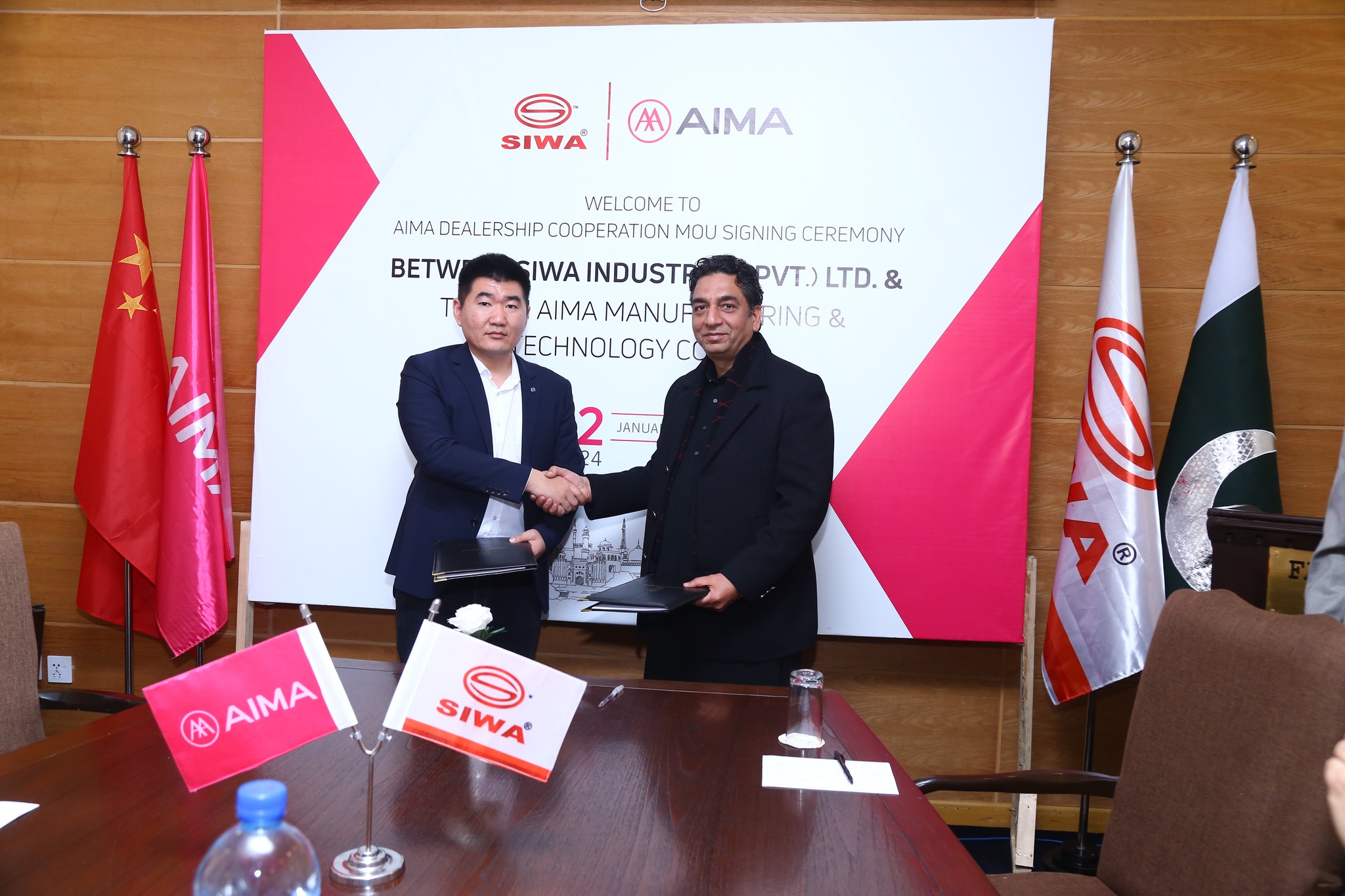
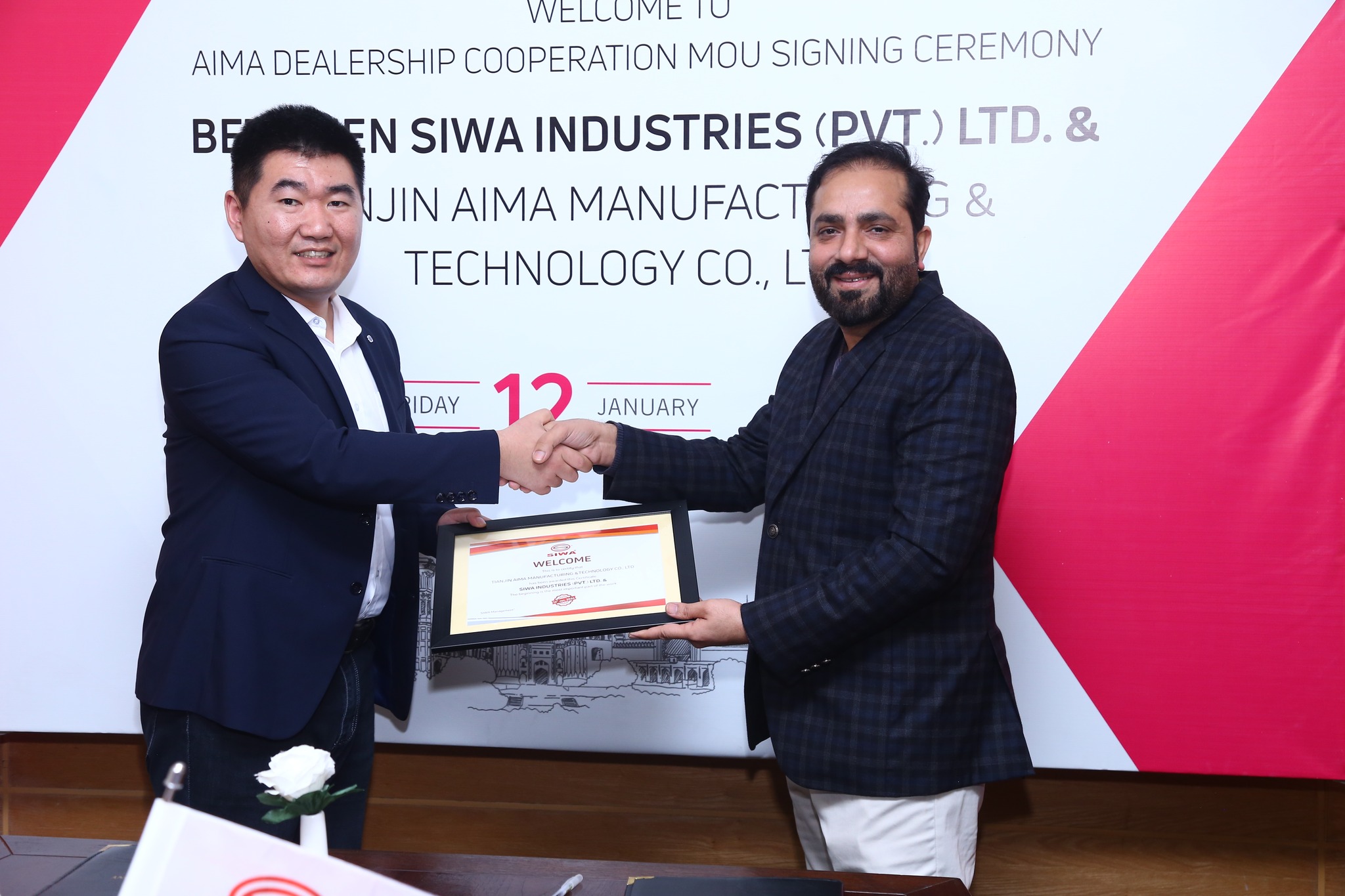
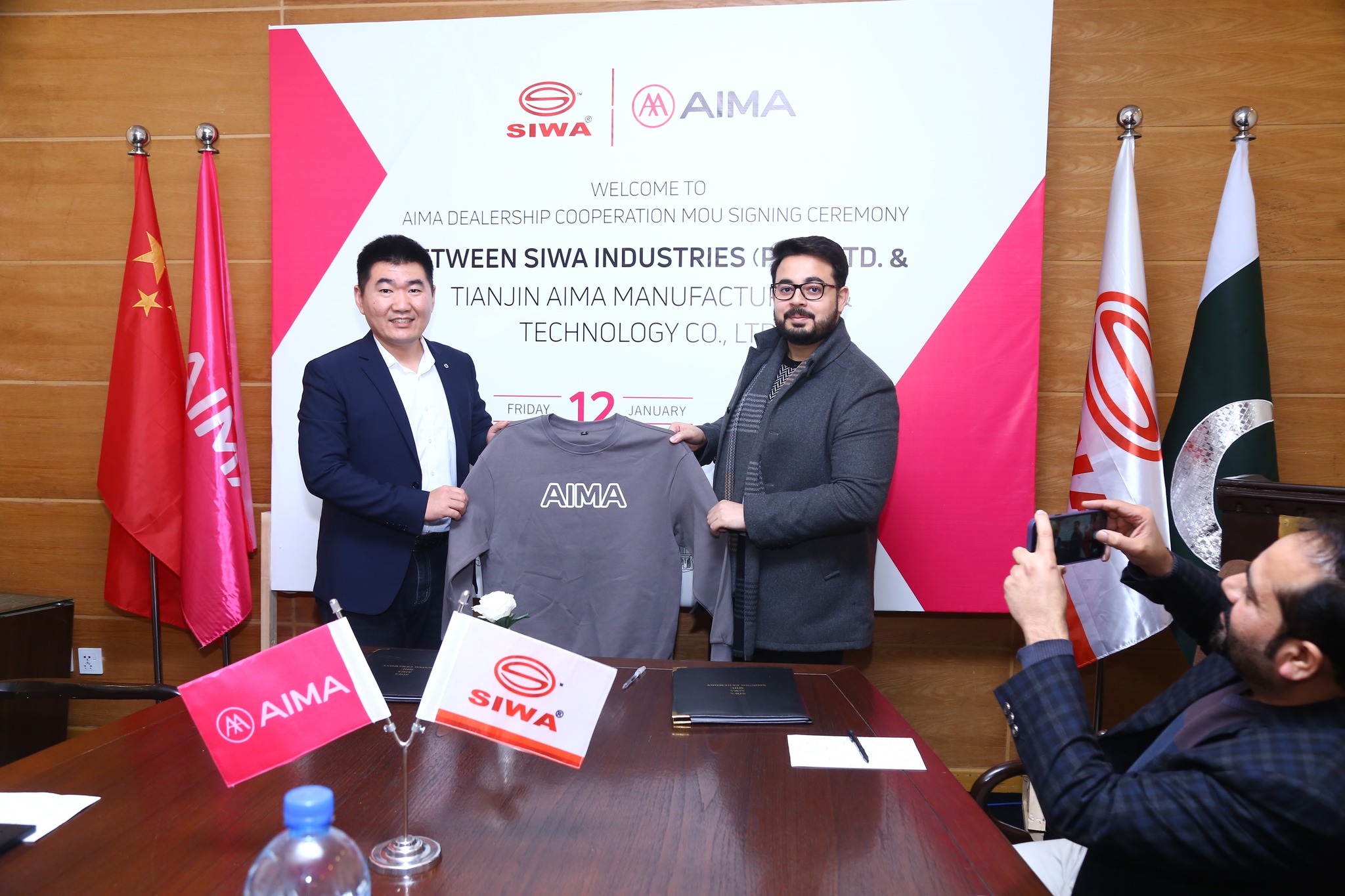
SIWA INDUSTRIES signed a MOU with AIMA of China
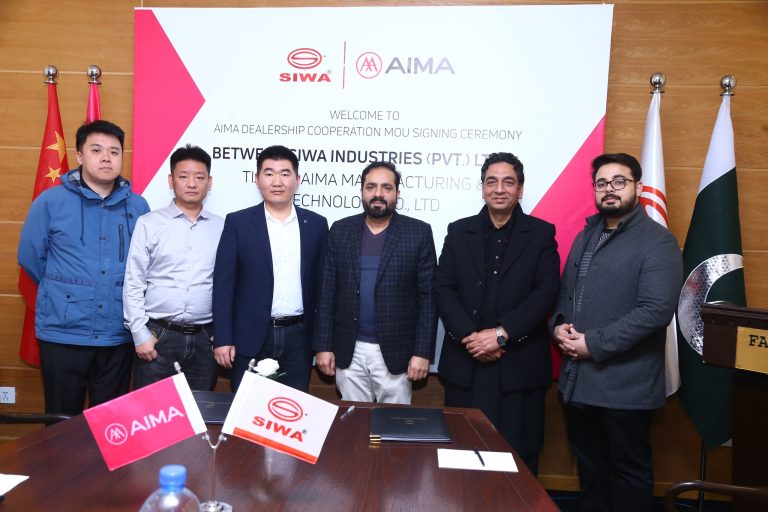
SIWA INDUSTRIES (Pvt) Ltd., have signed a MOU with AIMA (Tianjin Aima Manufacturing & Technology Co., Ltd., (CHINA), the leading producer of electric bikes in the World, to launch their flagship store in PAKISTAN!
This MOU will allow SIWA to partner with AIMA and offer their innovative and eco-friendly electric bikes to Pakistani customers and clients, as well as to benefit from their cutting-edge technology and design. 
AIMA as our strategic partner and enhancing products portfolio and market reach in Pakistan and beyond. 
GTR Celebrates 60 Years of Driving Pakistan Forward with Leadership and Reliability
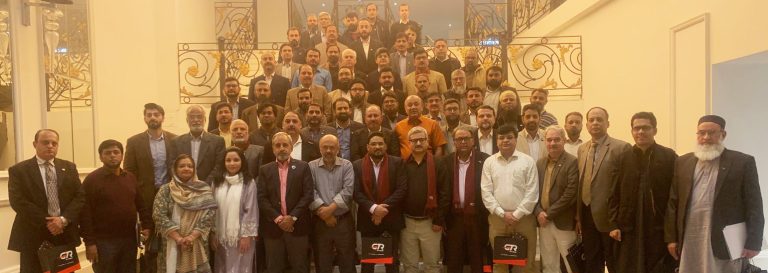
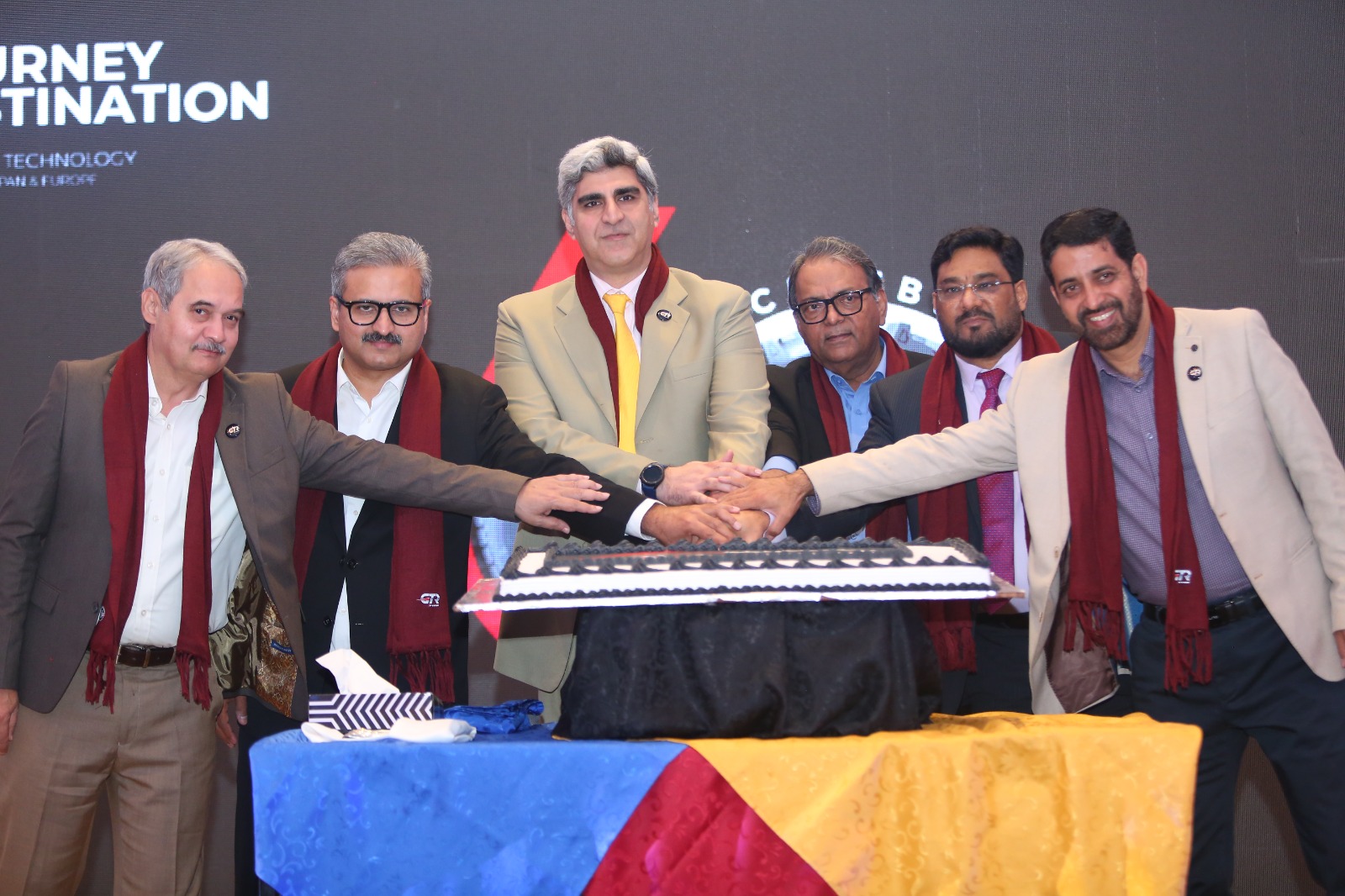
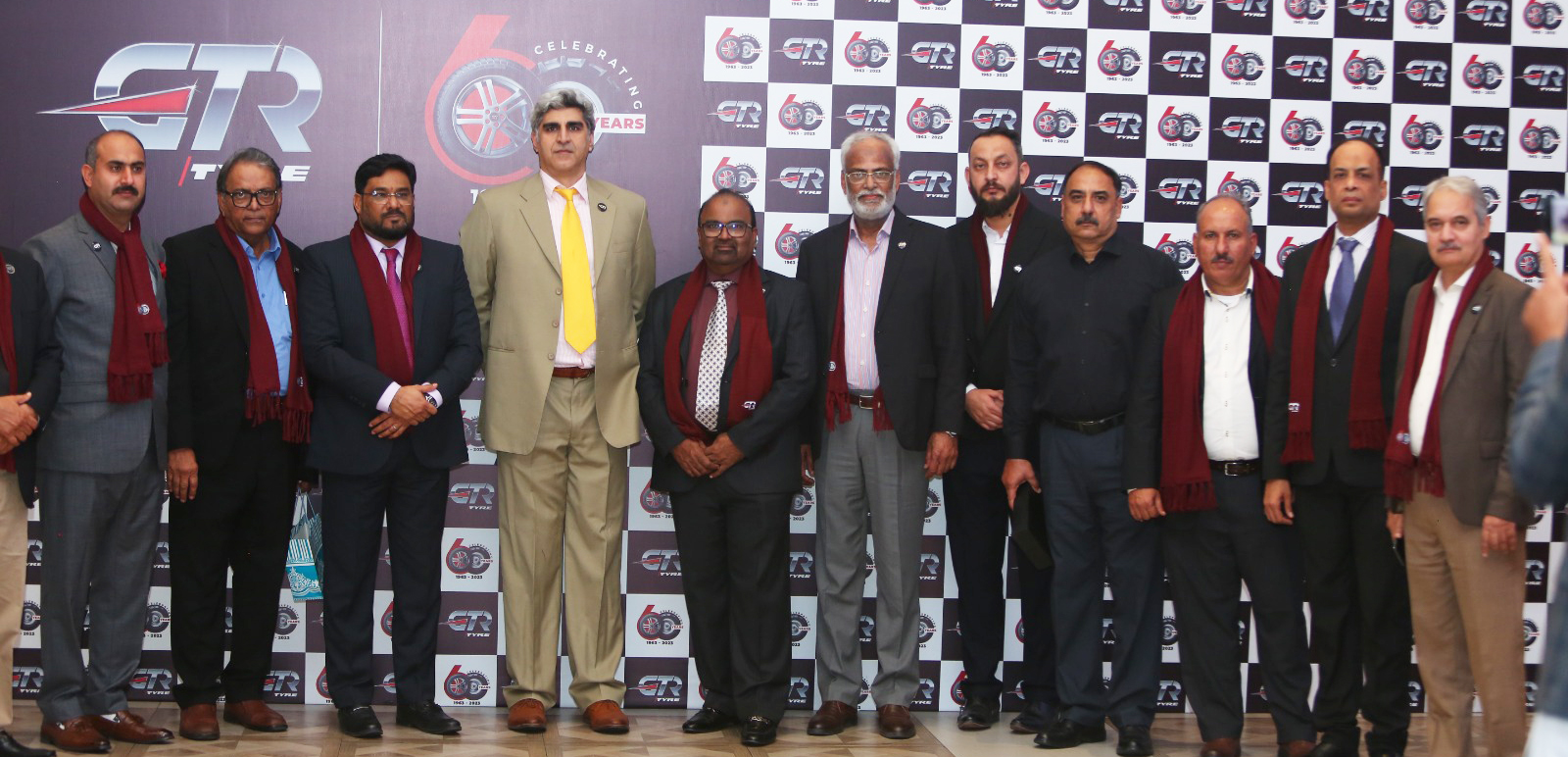
Ghandhara Tyre (GTR) recently celebrated its 60th anniversary, marking six decades of leadership and reliability with German-Engineered Technology, perfectly tailored for the roads of Pakistan.
A grand event was organized in Lahore to commemorate this milestone, attended by around 200 esteemed dealers of the company. The celebration was not just an acknowledgment of GTR’s journey but also a tribute to the partnerships that have fueled its success.
The event spotlighted GTR’s remarkable achievements over the past 60 years, which have firmly established the company as the top tyre manufacturer in the country. GTR’s commitment to using German technology, in collaboration with Continental A.G., ensures adherence to international standards. All tyres undergo rigorous testing procedures abroad, exemplifying the brand’s dedication to quality and reliability.
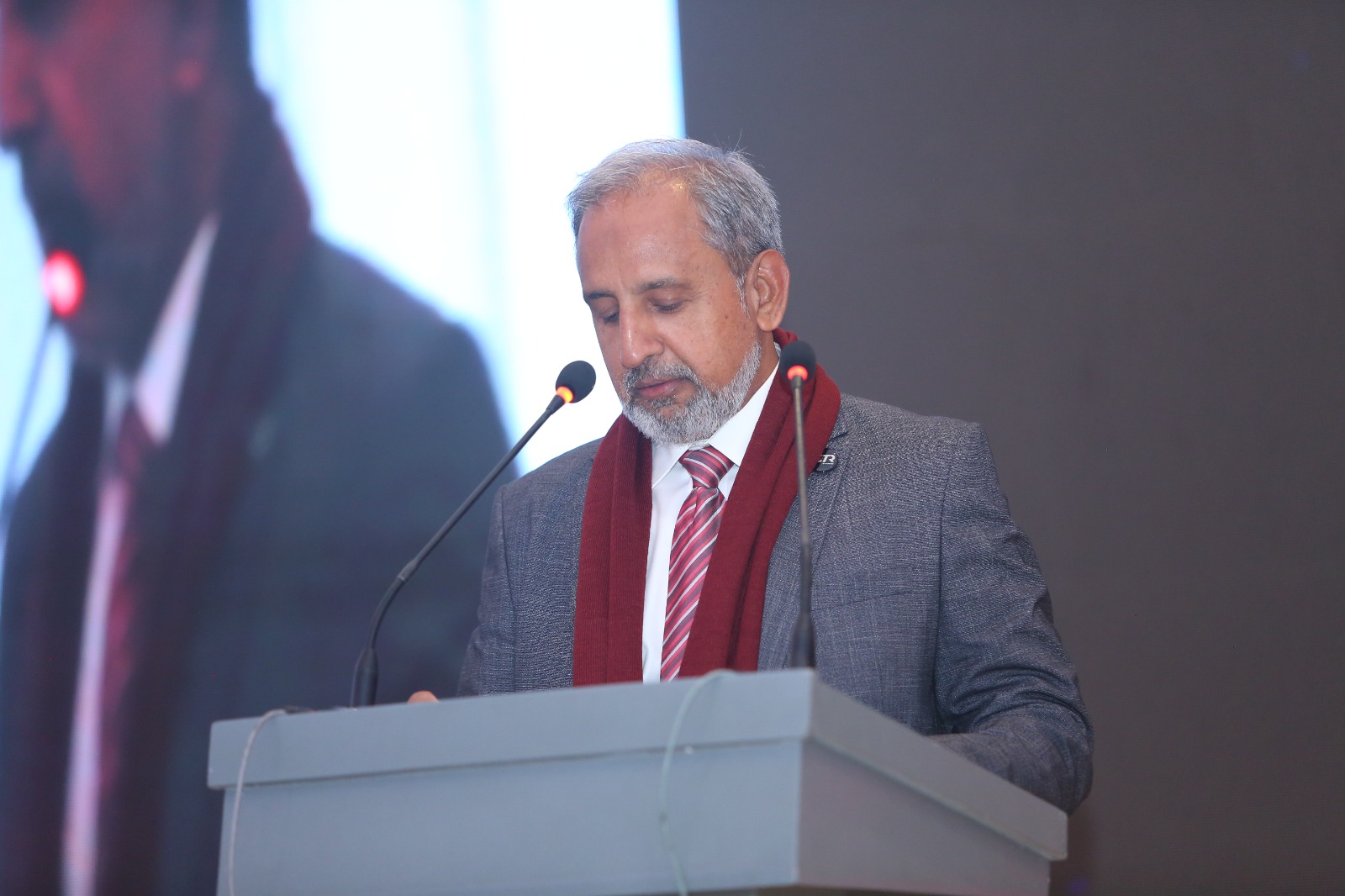
Hussain Kuli Khan, CEO of GTR, reflected on the company’s journey: “Today, GTR stands as the number one tyre manufacturer in Pakistan, serving all OEMs with our advanced technology, reliability, and commitment to safe and empowered driving in Pakistan. Our 60-year journey in Pakistan is a story of progress, vision, and unwavering commitment.”
He reminisced about the company’s humble beginnings in 1963 and its rapid growth: “Driven by a vision of excellence, we doubled our capacity within just nine years, laying the foundation of a legacy built on quality, trust, and the pursuit of perfection.”
Highlighting the significance of the inauguration of the new plant in 1985 by the President of Pakistan, Hussain Kuli Khan described it as a testament to the company’s growing impact and ambition.
With six decades of expertise in the Pakistani market and road infrastructure, GTR continues to set international standards in quality, reliability, and durability. Our latest range, meticulously crafted for Pakistani roads, embodies the precision of German engineering, ensuring safety and performance in every journey,” added Hussain.
As GTR celebrates this significant milestone, it renews its pledge to continue driving Pakistan forward, mile by mile, with a commitment that extends beyond tyres – empowering every journey across the nation.
Revolutionizing Customer Service: The Social Media Impact on the Automotive Industry

Dear Readers, in continuation of my last two articles related to customer service and social media impact in the automotive industry. Let’s summarize the discussion with a great message that the automotive industry is not selling cars anymore, it is selling experiences, while social media is the fuel that ignites the journey.
“Revolutionizing customer service in the automotive industry through social media is not just about fixing problems, it is about creating connections, fostering trust, and steering the wheel of innovation toward a future where every interaction drives brand loyalty.
“In today’s digitally-driven era, the automotive industry is experiencing a transformative shift in the way it approaches customer service, thanks to the persistent influence of social media platforms, as car enthusiasts and consumers increasingly turn to platforms like Facebook, Twitter, and Instagram for information and engagement, the dynamics of customer service in the automotive sector have evolved significantly. One of the notable impacts of social media on automotive customer service is the ability to provide immediate responses and real-time support, customers can voice their concerns or seek information about products and services, and automotive brands can respond promptly, fostering a sense of trust and satisfaction.
Customer service in the age of social media influence requires a strategic and customer-centric approach, In the age of social media influence, providing exceptional customer service is not only about problem resolution but also about building relationships and fostering a positive brand image. Stay agile, responsive, and customer-focused to thrive in this dynamic environment. By embracing these tips and adapting your customer service strategy to the ever-evolving social media landscape, you can build stronger relationships with your customers, enhance brand loyalty, and create a positive online presence. Remember, social media is a powerful tool for good customer service when used strategically and authentically.
Social media has transformed customer service, impacted expectations, and created new avenues for contact, here are some tips to succeed in this environment to provide the best customer service and this is what the customers are demanding.
(i) Train your team on social media best practices. Ensure everyone understands the importance of responsiveness, professionalism, and brand voice. It is important to focus that effective social media usage requires a well-trained team equipped with the necessary knowledge and skills, therefore a comprehensive guide to training your automotive team on social media best practices. Familiarize your team with different social media platforms (Facebook, Instagram, Twitter, etc.) and their ideal target audiences within the automotive context. Train them on crafting engaging content like visually appealing posts, informative videos, and interactive polls. Focus on storytelling, building brand awareness, and addressing customer concerns. Teach them how to monitor conversations, respond to comments and messages promptly, and engage with followers professionally and helpfully. effective social media is a continuous journey, not a one-time effort. Keep training your team, adapt to trends, and be persistent in your efforts to build a strong online presence and connect with your customers in meaningful ways.
(ii) This is very important to have a timely response to customers so there should be a to set clear guidelines for engagement, establish timeframes for response, and protocols for handling sensitive situations, by mastering timely responses on social media, you can transform your online presence from a customer service battlefield into a platform for community building and brand loyalty. So, fasten your seat belts, hit the gas on those response times, and watch your audience become your biggest performers on the digital highway of social media.
(iii) Encourage customer feedback. In the fast-paced lane of the automotive industry, customer feedback is the octane your business needs to thrive. Social media has become the pit stop where drivers pitter-patter with opinions, making it a prime location to encourage reviews and spark conversations. Here are some creative ways to ignite the feedback engine and leave your customers revving with satisfaction, ask for testimonials, reviews, and suggestions to understand what they value and how you can improve. By implementing these strategies, you can transform social media from a broadcast channel to a vibrant feedback loop, fueling your automotive business with the knowledge and insights you need to stay ahead of the curve and leave your customers feeling heard, valued, and eager to keep the conversation going., hence this is a requirement to put your foot on the accelerator, engage your audience, and watch your customer feedback flow like a well-oiled engine, driving your business toward a successful future.
(iv) Measure and analyze your performance. Measuring and analyzing your performance on social media is crucial for any automotive business looking to maximize the impact of its online presence, in the context of your automotive social media strategy Track key metrics like response times, engagement rates, and customer satisfaction to gauge your effectiveness and identify areas for improvement.By effectively measuring and analyzing your performance on social media, you can gain valuable insights into your audience, improve your content strategy, and drive significant results for your automotive business.
(v) Be open and honest in your communication. In the fast-paced world of automotive social media, transparency and honesty are no longer optional; they’re the fuel that drives trust and customer engagement. Here’s how to embrace open and honest communication in your strategies, by embracing openness and honesty in your automotive social media strategy, you can build trust with your audience, forge lasting relationships, and ultimately drive positive results for your business. Remember, people appreciate brands that are genuine, transparent, and willing to have real conversations. That’s why you need to, drain the filters, embrace the messiness, and let your audience see the real you for a truly rewarding social media experience. therefore, it is necessary to address concerns directly and avoid sugarcoating issues.
(vi) Show the human side of your brand. In the high-octane world of automotive social media, the roar of engines can easily drown out the human heartbeat of your brand. But fear not, for by injecting some personality and warmth, you can shift gears and show the human side of your automotive business, driving stronger connections with your customers, so by showing the human side of your brand on social media, you can transform from a faceless corporation into a trusted friend and advisor in the automotive world. So, buckle up, embrace your humanity, and start driving a new era of connection with your customers, let your personality shine through in your interactions.
(vii) Respond promptly and consistently, by prioritizing prompt and consistent responses, you can transform your social media presence from a dusty billboard into a dynamic conversation hub, building trust, boosting engagement, and driving your automotive business forward. So, put your foot on the pedal of responsiveness, maintain a steady brand voice, and watch your audience become your most loyal passengers on the social media highway! Demonstrate commitment to customer satisfaction by addressing concerns promptly.
Takeaway from this article:
The combination of customer service and social media in the automotive sector represents a revolutionary paradigm shift. It’s not just about selling cars; it’s about building permanent relationships, cultivating brand advocates, and embracing a customer-centric approach that extends beyond the showroom. As social media continues to evolve, automotive companies must stay agile, leveraging these platforms to not only address customer needs but to shape the narrative and drive the industry forward. While the impact of social media on customer service in the automotive industry is overwhelmingly positive, challenges such as managing negative publicity, handling a high volume of inquiries, and maintaining consistency across platforms exist. Strategic planning and robust social media management practices can turn these challenges into opportunities for growth.
Exclusive written for Automark Magazine, February 2024 printed/digital edition.
Revitalize, Upgrade and Export: Transforming Pre-Owned Vehicles into Global Assets with Precision and Performance
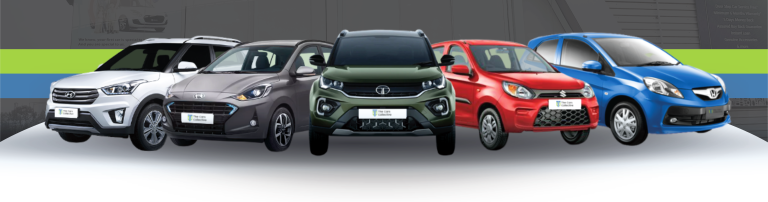
Dear Readers, the phrase suggests a comprehensive and strategic approach to reconditioning used vehicles, making them not only suitable for global markets but also positioning them as high-quality assets with improved performance. It’s likely a marketing or promotional statement highlighting the key features and goals of a business or initiative involved in this type of automotive transformation.
Breaking down the components of the phrase:
- Revitalize: This suggests the renewal or restoration of pre-owned vehicles. It implies that the vehicles undergo a process to make them more appealing, functional, and possibly more environmentally friendly.
- Upgrade: The word “Upgrade” indicates that there is an improvement or enhancement involved in the transformation process. This could involve technological upgrades, performance improvements, or aesthetic enhancements to bring the vehicles up to modern standards.
- Export: The inclusion of “Export” suggests that the revitalized and upgraded vehicles are intended for international markets. This implies a global perspective and an aim to make these vehicles assets in various parts of the world.
- Transforming Pre-Owned Vehicles into Global Assets: This part of the phrase emphasizes the overarching goal of turning used cars into valuable assets on a worldwide scale. The transformation process aims to elevate the status and desirability of these pre-owned vehicles.
- With Precision and Performance: This indicates a commitment to quality and excellence in the transformation process. Precision suggests careful and accurate work, while performance implies a focus on improving the functionality and efficiency of the vehicles.
Introduction:
In recent years, the automotive industry has witnessed a paradigm shift towards sustainability, cost-effectiveness, and innovation. In this context, upgrading and reconditioning old assembled pre-owned vehicles through advanced refabricating processes present a unique opportunity for both economic and environmental benefits. This essay explores the potential advantages of starting an advanced re-fabrication venture for used vehicles with the collaboration of original equipment manufacturer (OEM) plants and pre-approved local part suppliers/vendors. Moreover, it delves into the export potential of these upgraded vehicles to countries with a high demand for pre-owned vehicles (POV).
- Economic Impacts:
a. Job Creation: One of the primary benefits of advanced re-fabrication is the potential for job creation. Establishing a collaboration with OEM plants and local part suppliers/vendors requires a skilled workforce for assembly, customization, and quality control. This not only addresses unemployment concerns but also contributes to skill development and economic growth.
b. Boosting Local Economy: The collaboration with local part suppliers/vendors ensures a steady demand for their products and services, thereby boosting the local economy. This economic interdependence creates a symbiotic relationship, as the success of one sector positively influences the other.
c. Revenue Generation: Exporting upgraded vehicles to countries with a demand for POVs opens up new revenue streams. This diversification can insulate the business from market fluctuations and provide a stable income, contributing to long-term financial sustainability.
- Environmental Sustainability:
a. Reduction of Automotive Waste: Advanced re-fabrication involves the meticulous inspection, repair, and replacement of components, reducing the overall waste generated by the automotive industry. By extending the lifespan of used vehicles, this approach aligns with global sustainability goals.
b. Energy Efficiency: Compared to manufacturing new vehicles, reconditioning old ones consumes significantly less energy. It minimizes the need for raw materials and lowers the carbon footprint associated with the production of new vehicles, making it a more environmentally friendly option.
c. Promoting Circular Economy: The re-fabrication process promotes a circular economy by reintroducing used vehicles into the market. This not only conserves resources but also encourages responsible consumption and production practices.
- Collaboration with OEM Plants:
a. Access to Original Parts: Partnering with OEM plants ensures access to original and authentic parts, maintaining the integrity and quality of the upgraded vehicles. This collaboration also enhances the market value of the refurbished vehicles.
b. Technological Expertise: OEM plants bring advanced technological expertise to the re-fabrication process. The incorporation of cutting-edge technologies and manufacturing practices ensures that the upgraded vehicles meet or exceed industry standards, enhancing their market competitiveness.
c. Brand Credibility: Collaboration with established OEM plants adds credibility to the re-fabrication venture. The association with reputable brands can instill confidence in customers, both domestic and international, regarding the quality and reliability of the upgraded vehicles.
- Export Potential:
a. Understanding Market Demand: Exporting refurbished vehicles requires a thorough understanding of the target market’s demands and preferences. Conducting market research to identify specific features and modifications that appeal to different regions enhances the export potential of the upgraded vehicles.
b. Compliance with International Standards: Adhering to international safety and emission standards is crucial for successful exports. Ensuring that the re-fabricated vehicles meet or exceed these standards builds trust with overseas customers and facilitates market entry.
c. Customization for Target Markets: Tailoring the upgraded vehicles to suit the preferences and regulatory requirements of target markets increases the likelihood of success. This may include adjustments to safety features, emission controls, and other specifications based on regional needs.
- Challenges and Mitigation Strategies:
a. Regulatory Compliance: Adhering to diverse international regulations can be challenging. Establishing a dedicated compliance team and staying updated on global standards help navigate regulatory complexities.
b. Supply Chain Management: Efficient supply chain management is crucial for the success of the re-fabrication venture. Establishing strong relationships with local part suppliers and implementing robust inventory management systems can mitigate supply chain risks.
c. Technological Obsolescence: The automotive industry is dynamic, with constant technological advancements. Regularly updating the re-fabrication processes and collaborating with OEMs for access to the latest technologies can address the challenge of technological obsolescence.
Conclusion:
The advanced re-fabrication of pre-owned vehicles in collaboration with OEM plants and local part suppliers/vendors presents a compelling business opportunity with economic, environmental, and global trade benefits. The potential for job creation, local economic growth, and revenue generation are significant advantages, while the environmental sustainability of reconditioning aligns with global goals. Collaboration with OEM plants ensures access to original parts, technological expertise, and brand credibility. Exploring export potential requires a strategic approach, understanding market demands, complying with international standards, and customizing products for target markets. Despite challenges, the overall benefits of advanced re-fabrication position it as a transformative force in the automotive industry, contributing to both economic prosperity and a sustainable future.
Exclusive written by @Aqeel Bashi, for Automark Magazine February-2024 printed/digital edition.
Saudia to operate flying taxis to ferry pilgrims between Jeddah and Makkah
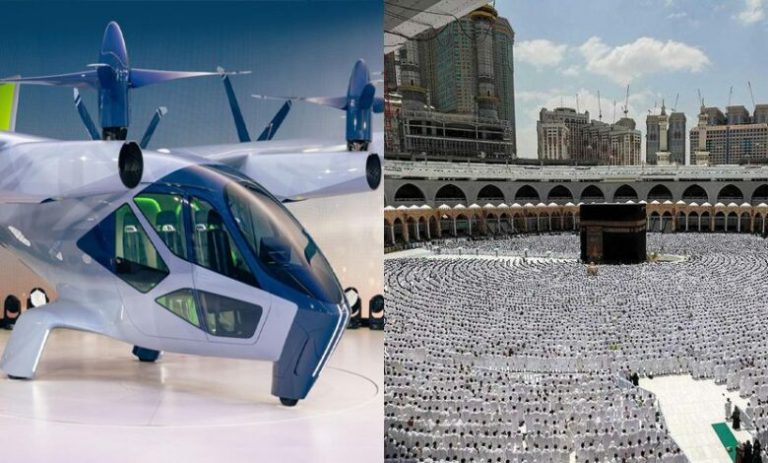
Saudi Arabian Airlines unveiled plans to operate flying taxis to ferry Hajj pilgrims between King Abdulaziz International Airport in Jeddah and hotels in Makkah.
Saudia intends to buy around 100 aircraft to operate the service.
The Saudi national carrier is making preparations to use air taxis as a new mode of transportation during the Hajj season, according to Abdullah Al-Shahrani, director of corporate communications and spokesman of the Saudia Group.
He said that the Saudia Group has contracted the purchase of 100 Lilium jets, German electric vertical take-off and landing (eVTOL) aircraft, to shuttle between the Jeddah airport and airstrips in Makkah hotels near the Grand Mosque and other holy places.
“The electric plane Lilium is one of the first aircraft that operates entirely on electric power.
“After completing the necessary arrangements, these planes will fly with the guests of God during Hajj and Umrah seasons from King Abdulaziz International Airport in Jeddah to the airstrips in hotels near the Grand Mosque in Makkah,” he told Al-Arabiya.
Al-Shahrani noted that flying taxi can transport four to six passengers. “The Lilium aircraft is characterized by a low rate of carbon emissions and is an environmentally friendly aircraft, which makes it one of the possibilities for sustaining air travel and shortening the time of flights, as it covers a maximum distance of 250 km.
“Through purchasing nearly 100 aircraft, Saudi Airlines intends to launch an advanced service to connect a number of travel destinations via this advanced electric aircraft, and will support it with air routes between the main airports from where Saudia operates,” he said while pointing out that this is a special service for its guests.
He said that the aircraft also features a unique cabin that offers several options for seat arrangement, and is characterized by spacious spaces that meet the needs of elite guests looking for the finest travel experiences.
According to Al-Shahrani, the Saudi Airlines will work to support Lilium by providing all the necessary regulatory approvals to operate this type of aircraft in the Saudi market.
“This is an important step in the framework of efforts to improve the air transport sector in the Kingdom, as this initiative will contribute significantly to stimulating the sustainability of the tourism sector in the Kingdom, through emissions-free aviation,” he added.
It is noteworthy that air taxi is a small commercial aircraft that makes short flights on demand.
Courtesy: Saudi Gazette
Driving Success: Unveiling the Toyota CPO Advantage in Business Excellence!
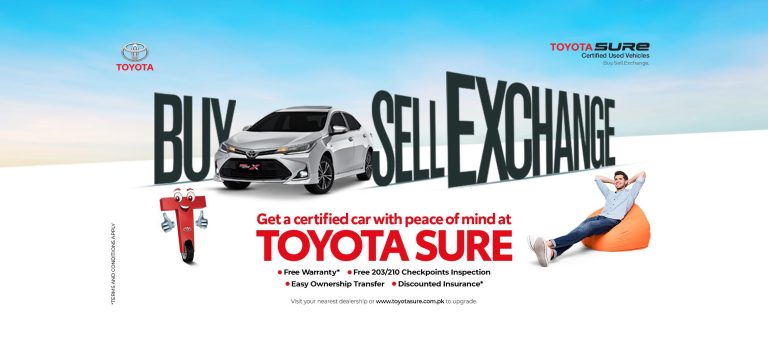
In Pakistan Toyota Customer Pre-owned (CPO) is known as Toyota Sure.
Dear Readers According to Indus Motors; we buy and sell used vehicles. Any car can be exchanged with a used certified or a brand new Toyota. The best used cars are thoroughly checked on 203 checked points and are given nationwide warranty up to 1 year / 15000 KM with free checkup by Indus Motor Company. History & Philosophy behind Certified Pre-Own Vehicles business.
The concept of certified pre-owned (CPO) vehicles and the business surrounding them has its roots in the automotive industry’s efforts to address consumer concerns about the quality and reliability of used cars. The CPO program emerged as a response to these concerns and aimed to create a bridge between new and used cars by providing a middle ground that offered both peace of mind for buyers and additional revenue streams for manufacturers and dealerships.
Here’s a brief overview of the history and philosophy behind certified pre-owned vehicles:
- Origins: The CPO concept gained traction in the late 1980s and early 1990s. Luxury automakers were among the first to introduce certified pre-owned programs as a way to differentiate their used vehicles from those of competitors and to enhance the overall brand image. Mercedes-Benz and Lexus were pioneers in this regard.
- Philosophy: The philosophy behind CPO programs revolves around offering buyers a compromise between the affordability of used cars and the peace of mind that comes with purchasing a new vehicle. CPO vehicles undergo a thorough inspection and reconditioning process to meet certain quality standards, providing buyers with confidence in the vehicle’s reliability.
- Inspection and Certification Process: Central to the CPO concept is a comprehensive inspection process. To be certified, a used vehicle typically undergoes a detailed inspection covering mechanical, cosmetic, and performance aspects. Any issues found during the inspection are addressed through reconditioning, and only vehicles that meet the manufacturer’s criteria are granted certification.
- Extended Warranty and Additional Benefits: CPO vehicles often come with extended warranties beyond the original factory warranty, offering buyers an additional layer of protection against unexpected repairs. Other benefits may include roadside assistance, special financing rates, and sometimes perks like complimentary maintenance services.
- Manufacturer Involvement: CPO programs are typically backed by the vehicle manufacturer, which adds a level of credibility and assurance to the certification process. Manufacturers set the standards and requirements for a vehicle to be certified under their program, ensuring consistency across their dealerships.
- Market Growth: The success of early CPO programs led to widespread adoption across the automotive industry. Today, many major automakers have their own certified pre-owned programs. CPO vehicles have become an important segment of the used car market, appealing to buyers who want a reliable, high-quality vehicle without the higher cost associated with a brand-new car.
In summary, the history and philosophy behind certified pre-owned vehicles revolve around addressing consumer concerns about the quality and reliability of used cars. CPO programs aim to provide a trustworthy and appealing option for buyers while creating an additional revenue stream for manufacturers and dealerships.
Toyota Certified Program IMC is following
Quality You Can Trust
Toyota’s timeless commitment to quality, innovation and durability is the foundation upon which the Toyota Certified Used Vehicles (TCUV) program launched in 1996. With each passing year the TCUV program has gained momentum – totaling around over seven million sales and counting.7, 000,000+Vehicles Sold globally.
Certified Pre-Owned (CPO) vehicles from Toyota come with several unique selling points (USPs) that distinguish them from regular used cars. While specific details may vary, here are some common USPs associated with Toyota CPO vehicles: - Thorough Inspection Process:
• Toyota CPO vehicles typically undergo a rigorous inspection process. Trained technicians inspect various components and systems to ensure they meet specific quality standards. - Limited Warranty:
• Toyota CPO vehicles often come with an extended limited warranty. This warranty covers certain components and provides buyers with added peace of mind regarding potential repair costs. - Vehicle History Report:
• Toyota CPO vehicles usually come with a comprehensive vehicle history report. This report provides information about the vehicle’s past, including any accidents, title issues, or odometer discrepancies. - Roadside Assistance:
• Many Toyota CPO programs include roadside assistance. This service can be valuable in case of emergencies, providing services such as towing, fuel delivery, and tire changes. - Reconditioning:
• Toyota CPO vehicles may undergo reconditioning processes, where any necessary repairs or refurbishments are made to bring the vehicle up to a higher standard of quality. - Satisfaction Guarantee:
• Some Toyota CPO programs offer a satisfaction guarantee or a limited return policy. This allows buyers to return the vehicle within a specified period if they are not satisfied, under certain conditions. - Financing Options:
• Special financing rates and terms are often available for Toyota CPO vehicles. This can make the purchase more attractive for buyers looking for competitive financing options. - Quality Assurance:
• Toyota’s reputation for building reliable and durable vehicles adds an extra layer of confidence for buyers considering CPO vehicles. The brand’s commitment to quality is reflected in the certification process. - Transferable Warranty:
• In some cases, the limited warranty on Toyota CPO vehicles is transferable to subsequent owners. This can enhance the resale value and appeal of the vehicle. - Complimentary Maintenance:
• Certain Toyota CPO programs may offer complimentary maintenance services for a limited period. This can help reduce the overall cost of ownership for the buyer.
It’s essential to check the specific details of the Toyota CPO program at the dealership as offerings may vary based on the model year, mileage, and other factors.
Potential of CPO vehicles business
Certified Pre-Owned (CPO) vehicles represent a segment of the automotive market where used cars have undergone a thorough inspection, refurbishment, and certification process by manufacturers or dealerships. This certification adds value to the used cars and provides certain assurances to buyers. The potential of the CPO vehicles business is influenced by several factors:
- Consumer Confidence: CPO programs aim to instill confidence in consumers by offering certified used cars that have been inspected and refurbished. As consumer trust in these programs grows, the demand for CPO vehicles is likely to increase.
- Market Growth: The overall growth of the used car market and the automotive industry, in general, can positively impact the CPO business. Economic factors, such as consumer income levels and employment rates, also play a role in determining the demand for used and certified pre-owned vehicles.
- Manufacturer Involvement: The involvement of reputable manufacturers in CPO programs can significantly enhance the business’s potential. Manufacturers often provide additional warranties, roadside assistance, and other benefits, making CPO vehicles more attractive to consumers.
- Vehicle Depreciation: CPO vehicles often represent a sweet spot in terms of depreciation. Buyers can get a relatively new, low-mileage vehicle at a lower price compared to a new car. The slower depreciation rate of CPO vehicles compared to standard used cars can attract cost-conscious consumers.
- Customer Perception: The perception of CPO vehicles as a reliable and cost-effective alternative to new cars is crucial. Effective marketing and communication strategies can influence how consumers perceive the value and benefits of buying a certified pre-owned vehicle.
- Technological Advancements: The incorporation of advanced safety features, infotainment systems, and other technological advancements in CPO vehicles can make them more appealing to tech-savvy consumers.
- Regulatory Environment: Changes in regulations related to emissions, fuel efficiency, and safety standards can impact the types of vehicles available in the CPO market. Staying compliant with regulations is essential for the long-term success of the business.
- Competitive Landscape: The level of competition among dealerships and manufacturers in the CPO market can affect profitability and market share. Offering unique services, competitive pricing, and excellent customer service can help a business stand out.
- Online Presence: As more consumers turn to online platforms for researching and purchasing cars, a strong online presence is crucial for reaching potential buyers. This includes effective use of websites, social media, and other digital marketing channels.
- Economic Conditions: Economic factors, such as interest rates, inflation, and overall economic stability, can influence consumer spending on big-ticket items like cars. A stable and growing economy generally supports a healthy automotive market.
The potential of the CPO vehicles business is closely tied to these factors, and businesses in this space need to adapt to changing market conditions, consumer preferences, and industry trends to maximize their success.
- Growing Middle Class: The expansion of the middle class in many Asian countries often leads to increased demand for automobiles. As consumers become more financially stable, they may seek more affordable options, making CPO vehicles an attractive choice.
- Increased Affordability: CPO vehicles typically offer a more budget-friendly alternative to new cars while providing the assurance of quality and reliability through certification programs. This affordability factor can drive interest in CPO vehicles.
- Rising Awareness: As consumers become more aware of the benefits of buying CPO vehicles, the market for such cars is likely to expand. CPO programs often include extended warranties and thorough inspections, providing buyers with added confidence.
- Urbanization and Congestion: In many Asian cities, urbanization and traffic congestion are growing concerns. This can influence consumer preferences towards smaller, more fuel-efficient vehicles, and CPO options can offer a cost-effective solution for those looking to buy a reliable used car.
- Government Policies: Government policies related to the automotive industry, such as tax incentives or regulations promoting the sale of used cars, can have a significant impact on the market potential for CPO vehicles.
- Digital Transformation: The increasing use of digital platforms for buying and selling cars can enhance the market for CPO vehicles. Online marketplaces and digital platforms make it easier for consumers to access information about CPO options and compare prices.
- Environmental Considerations: With a growing emphasis on sustainability and environmental consciousness, some consumers may choose used cars over new ones as a way to reduce their environmental impact. This trend could contribute to the demand for CPO vehicles.
This exclusive article has been published in Automark Magazine’s January-2024 printed edition.
Meraj Engineering – Innovation Engineering Company in Pakistan
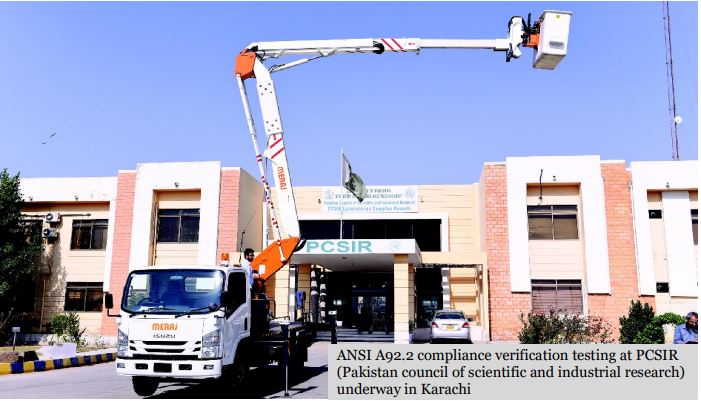
Since 1978, MERAJ Engineering provides custom built solutions with core value focusing on reliability, dependability and after sales services. MERAJ manufactured superstructures and pumps are built on sole purpose of being maintenance and user friendly. Designed as per latest EN / BS standards, NFPA compliance is available for most of pumps and equipment.
MERAJ Modular Body Concept (MBC) has taken company to ten folds ahead in engineering and they are capable of manufacturing 500-600 Trucks and Pumps annually.
Since its inception MERAJ Engineering has been an engineering company. “Innovative Engineering” is the main philosophy behind the working of the company.
The company is involved in manufacturing of special purpose vehicles, pumps and other equipments related to fire safety. Currently, they has the largest market share of Pakistan in special purpose vehicles and since 1994 exporting CBU/SKUs to 11 countries.
Company has invested heavily in research and development in order to develop indigenous parts and equipments as import substitute. They use imported computerized machines for manufacturing highest international quality parts and equipments complying with the international safety standards. With in-house Dielectric Testing Laboratory and Metallurgy Laboratory, company has the largest network of workshops and after sales services teams to cater the large and ever growing customer base in Pakistan.
MERAJ’s current product line includes firefighting trucks & pumps, dewatering & trash pumps, telescopic & knuckle boom cranes, aerial work platforms, sewerage cleaning trucks.
MERAJ in 2019 added a new product line of insulated bucket aerial platforms, which are specially designed for use in electric distribution system for 46 kV and below to energizer line operation as per ANSI/SIAIA A92.2 standard, with an adjustable horizontal and vertical range of 17ft and 52 ft and a bucket capacity of 200 – 300 kg thus making it an ideal equipment for electric distribution companies to work on the energized lines for ensuring safety of the lineman.
It will ensure that the maintenance work required for 11 kV lines can be done quickly without any human loss. Although insulated aerial devices are not a new concept, various companies are manufacturing these machines, but these machines were never imported to Pakistan due to the fact electric distribution companies.
In Pakistan never demanded them and was sticking to their old dangerous way of working which was a constant threat to life of lineman. National Transmission and Distribution Company of Pakistan took the initiative with PEPCO promulgated a rule (DDS-11:2019) by which these machines should be procured in Pakistan.
MERAJ Engineering saw the need and took the opportunity to manufacture insulated bucket platforms locally, to save the foreign exchange of the country, and also make Pakistan, the 15th country in the world to have such product manufactured locally thus adding a potential product for the export. MERAJ ensures the quality and safety of the product through its compliance certification of EN:280 and ANSI A92.2. At present, MERAJ is the only company in Pakistan to manufacture approved insulated bucket aerial platforms and passed the stringent testing of NTDC’s specification DDS-11:2019 with two prototypes approved.